Why visit Equatorial Guinea
The best things to do in Equatorial Guinea appeal to travellers who want somewhere almost untouched by tourism: a volcanic island with cloud forest and black-sand beaches, rain forest on the mainland, and the only Spanish-speaking country in Africa (see the Wikipedia overview). The country has three parts: Bioko Island, where Malabo sits, the mainland region of Río Muni, with Bata as its largest city, and remote Annobón. Since January 2026 the official capital is the newly built Ciudad de la Paz on the mainland.
It is rarely visited for good reasons. Prices are high, tourist infrastructure is thin, the government is authoritarian and police checks are frequent. It suits experienced travellers who are patient with bureaucracy, comfortable with limited services and interested in nature, post-colonial history and Central African life. It does not suit anyone who wants an easy beach holiday. Plan carefully, travel with a local contact if you can and expect to explain your presence.
Best places to visit in Equatorial Guinea
The best places to visit in Equatorial Guinea are split between Bioko Island and the mainland, and most visitors see only one or two.
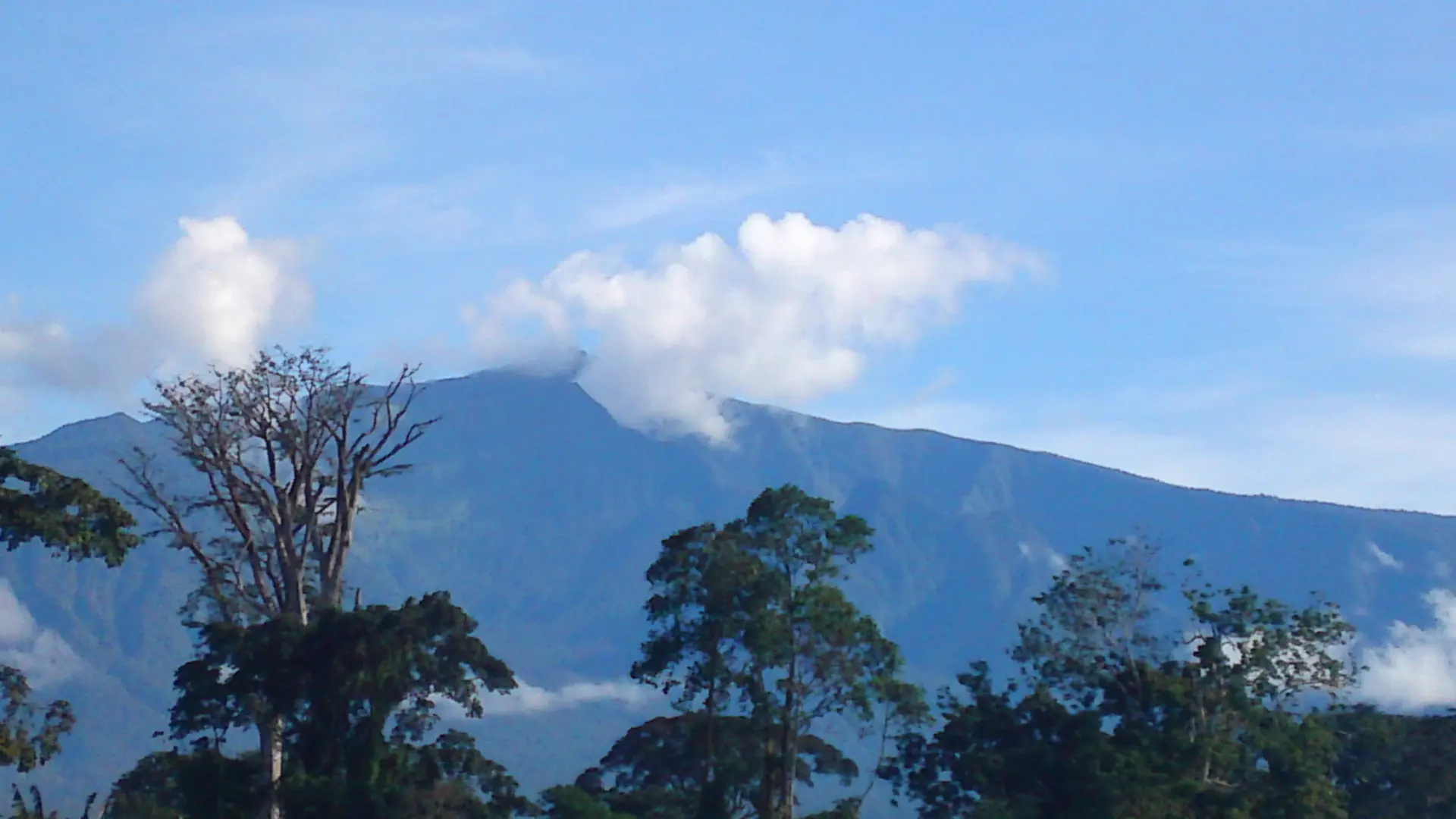
Malabo
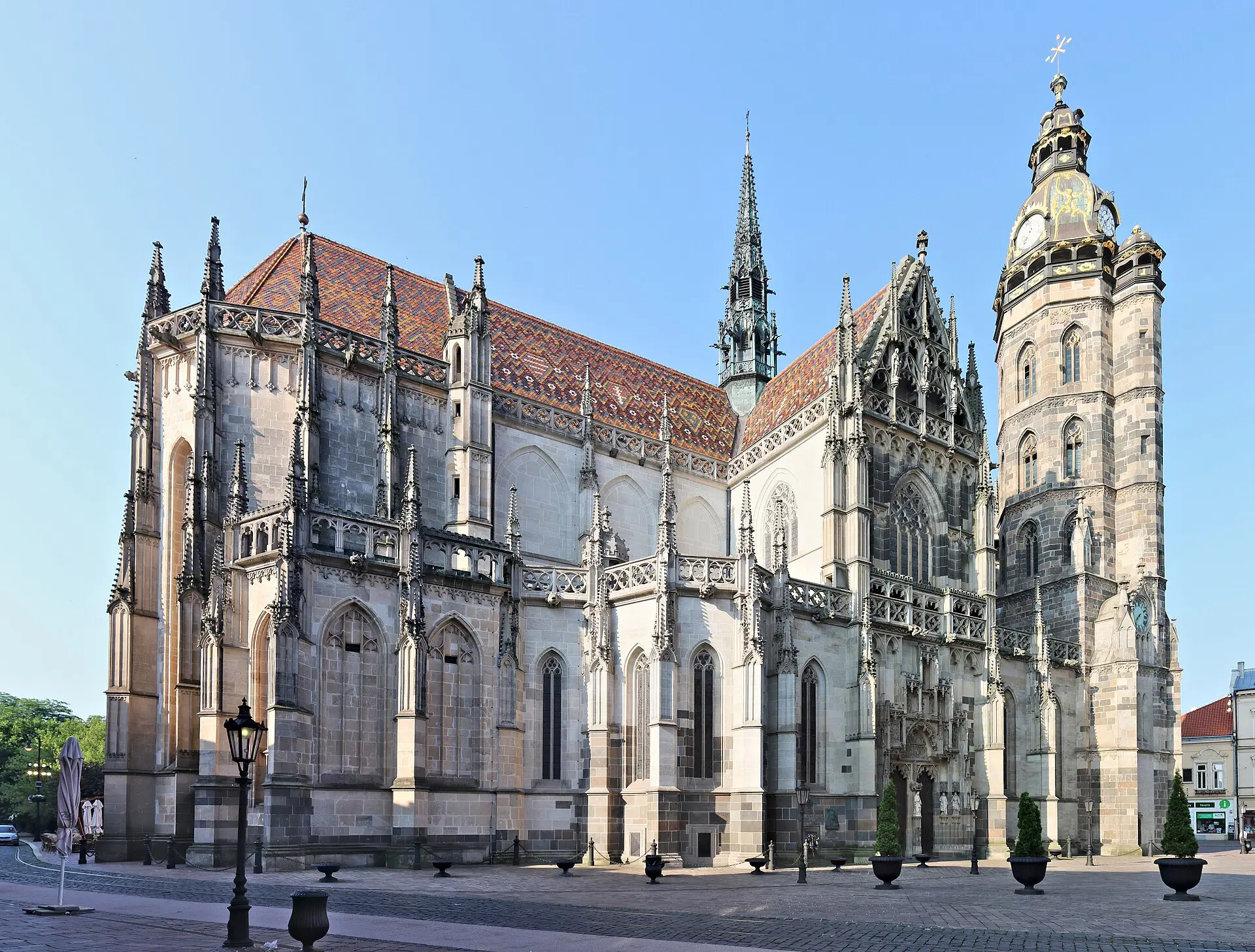
The former capital on Bioko is still the country’s most important city. It has Spanish colonial buildings, the twin-spired Cathedral of St Elizabeth, a waterfront and modern conference buildings. Allow a day or two on foot and by taxi.
Pico Basilé and Moka
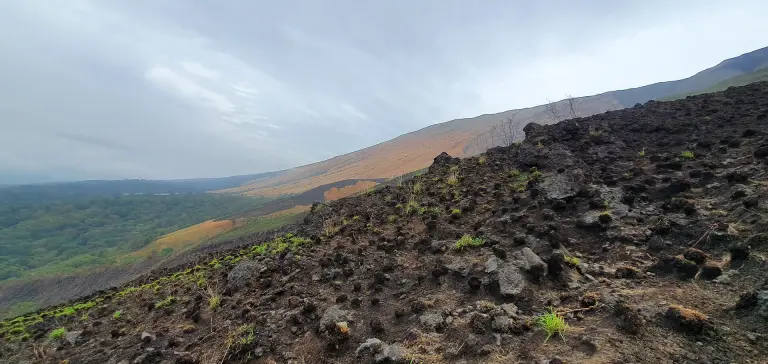
Pico Basilé, at about 3,000 metres, is the highest point in the country and looms over Malabo. A road runs most of the way up, and the cool highlands around Moka offer forest walks and views.
Gran Caldera de Luba and southern Bioko
The Luba crater and the beaches of the south hold some of the island’s best scenery and wildlife, including primates and nesting sea turtles at certain times of year. Access is rough and may need permits and a local guide.
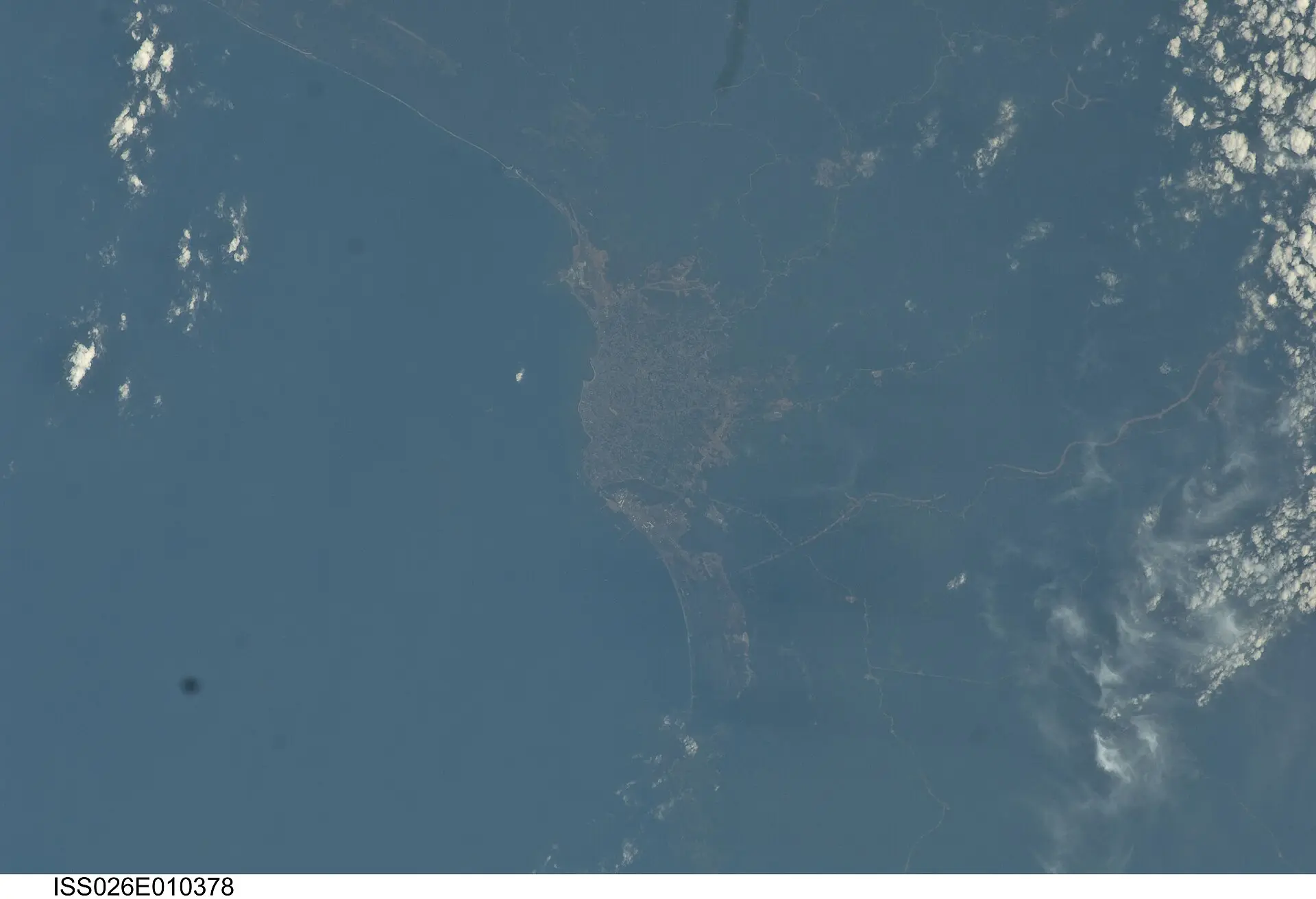
Bata
The largest mainland city has a seafront, markets and a cathedral. It is the usual base for the mainland and links to Monte Alén.
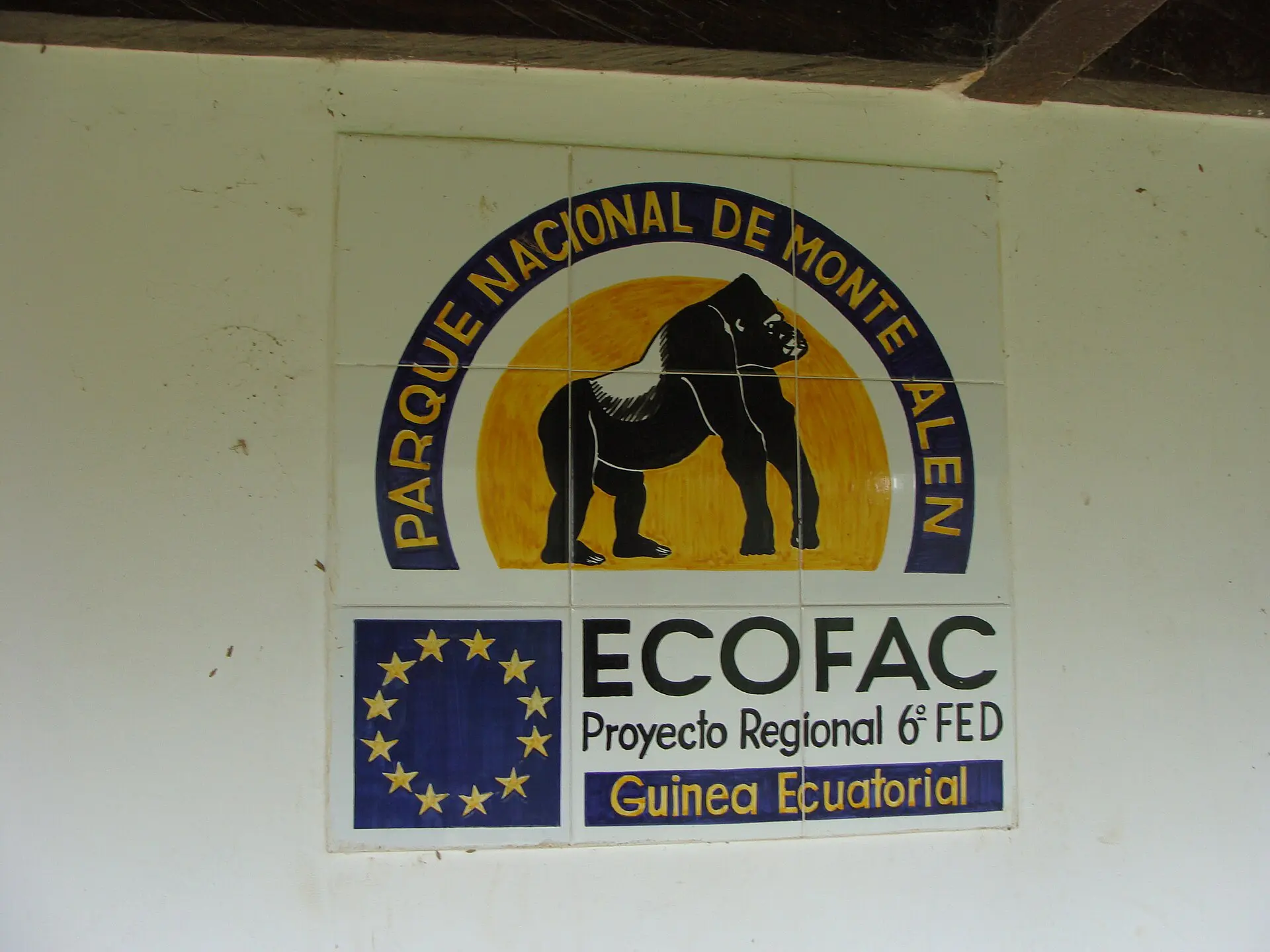
Monte Alén National Park
This rain forest park has primates, forest elephants and many birds. Visits generally need advance arrangements with the park authorities or an agency.
Ciudad de la Paz
The new capital is a planned city in forest. Photography and access may be restricted, so ask locally before visiting.
Top things to do in Equatorial Guinea
The top things to do in Equatorial Guinea revolve around nature and city life, and many activities need local arrangements.
- Walk Malabo’s colonial core: see the cathedral, the Spanish-era streets and the harbour.
- Drive up Pico Basilé: the road climbs through forest to cooler air and wide views.
- Visit the highlands near Moka: enjoy the cooler climate, lakes and forest paths.
- See the Gran Caldera de Luba: go with a guide to the crater and southern Bioko forests.
- Look for sea turtles: nesting beaches in the south see activity in certain months; use licensed guides only.
- Explore Monte Alén National Park: trek in rain forest on the mainland with a ranger.
- Walk Bata’s seafront: visit the market, cafes and cathedral.
- Eat at a local restaurant: try fish, plantain and peanut-based dishes.
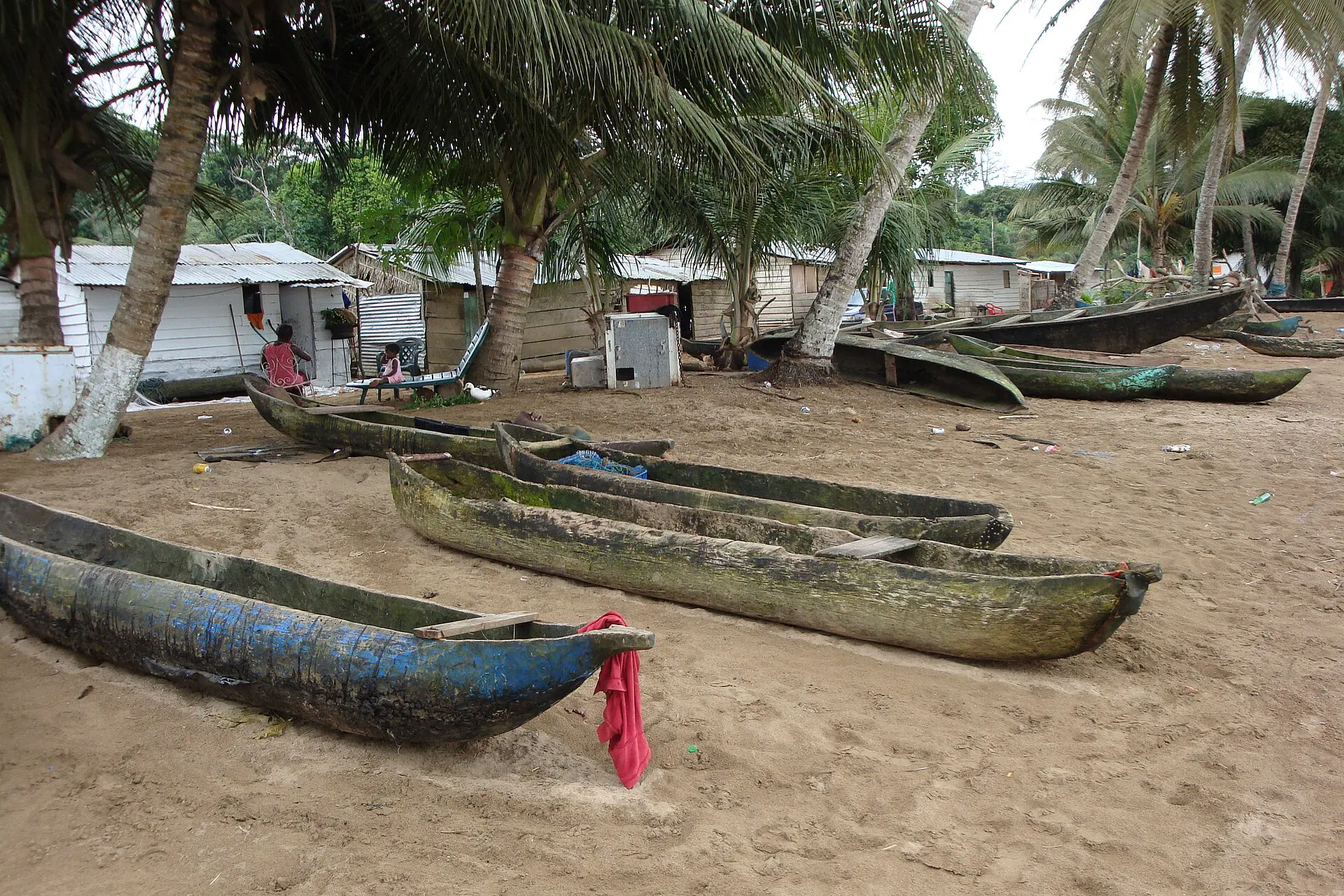
- Take a boat along the coast: fishing villages around Luba and Kogo can be visited with local help.
- See Ciudad de la Paz: the planned new capital is unlike anything else in Central Africa.
Best time to visit Equatorial Guinea
The best time to visit Equatorial Guinea is the driest period, roughly December to February, when roads are firmer and rain is lighter, though no month is truly dry. The country has an equatorial climate: hot, humid and rainy, with temperatures around 25 to 30 C near the coast and cooler air on Bioko’s mountains. A second, less reliable dry spell often falls around June to August on the mainland. Heavy rain can damage roads and cancel flights or boats.
| Season | Weather | Crowds and prices | Good for |
|---|---|---|---|
| Dry (Dec-Feb) | Warmer, lighter rain, hazy skies | Few tourists; prices stay high | Pico Basilé, Luba, road trips |
| Early wet (Mar-May) | Rain builds, humid | Quiet | City stays, short visits |
| Mid year (Jun-Aug) | Mixed; drier on the mainland, cloudy on Bioko | Quiet | Monte Alén, mainland trips |
| Main wet (Sep-Nov) | Heaviest rain, frequent storms | Quiet | Business trips, indoor visits |
Sea turtles use southern Bioko beaches in certain months, often cited as around November to February, so ask a local conservation group before planning.
Is Equatorial Guinea safe to visit?
Is Equatorial Guinea safe? Street crime is a concern in Malabo and Bata, but the bigger risks for visitors are police harassment, arbitrary detention and rules that are applied unpredictably. The government is authoritarian, and tourism is not a priority, so travellers can attract suspicion. Is Equatorial Guinea safe to visit as a tourist? It can be, with preparation, but check the UK FCDO or US State Department advice before booking.
Police and checkpoints. Expect frequent checks. Carry your passport, visa and a copy of your itinerary, stay calm and polite, and avoid arguments. Do not photograph government buildings, the presidential palace, airports, ports, police or soldiers.
Crime. Bag snatching and robbery occur, particularly after dark. Use hotel taxis and avoid walking alone at night.
Health. Malaria is present, and yellow fever vaccination is typically required. Tap water is unsafe, and healthcare is limited, so insurance with evacuation cover is essential.
Roads and sea. Roads outside cities can be poor, and boat services are irregular, so allow extra time.
Visa and entry requirements for Equatorial Guinea
Entry rules depend on your nationality, and most visitors need a visa. Since 2023 an e-visa has been offered to most nationalities for around USD 75, with processing of a few days, but the validity and entry points can be limited, so confirm the details on the official government portal or with an embassy. A small group of mostly African nationalities have been visa-free.
Your passport should have several months of validity and blank pages. Bring proof of accommodation, a return or onward ticket, and a yellow fever certificate. Authorities may ask the purpose of your visit and may check your phone or photographs, so be prepared to explain your trip simply and honestly.
Overland entry from Cameroon or Gabon is possible but can be slow and unpredictable, and you should check which border posts accept foreigners and whether your visa is valid there. Some visitors arrange an invitation through a local company or hotel to ease the process. The Wikivoyage Equatorial Guinea guide has practical detail on current entry conditions.
Getting to and around Equatorial Guinea
International flights arrive at Malabo International Airport on Bioko and at Bata Airport on the mainland, with connections from cities such as Madrid, Addis Ababa, Douala, Libreville and other African hubs; routes change often, so check current schedules. Land borders with Cameroon and Gabon exist at places such as Ebibeyin, Mongomo and Acalayong.
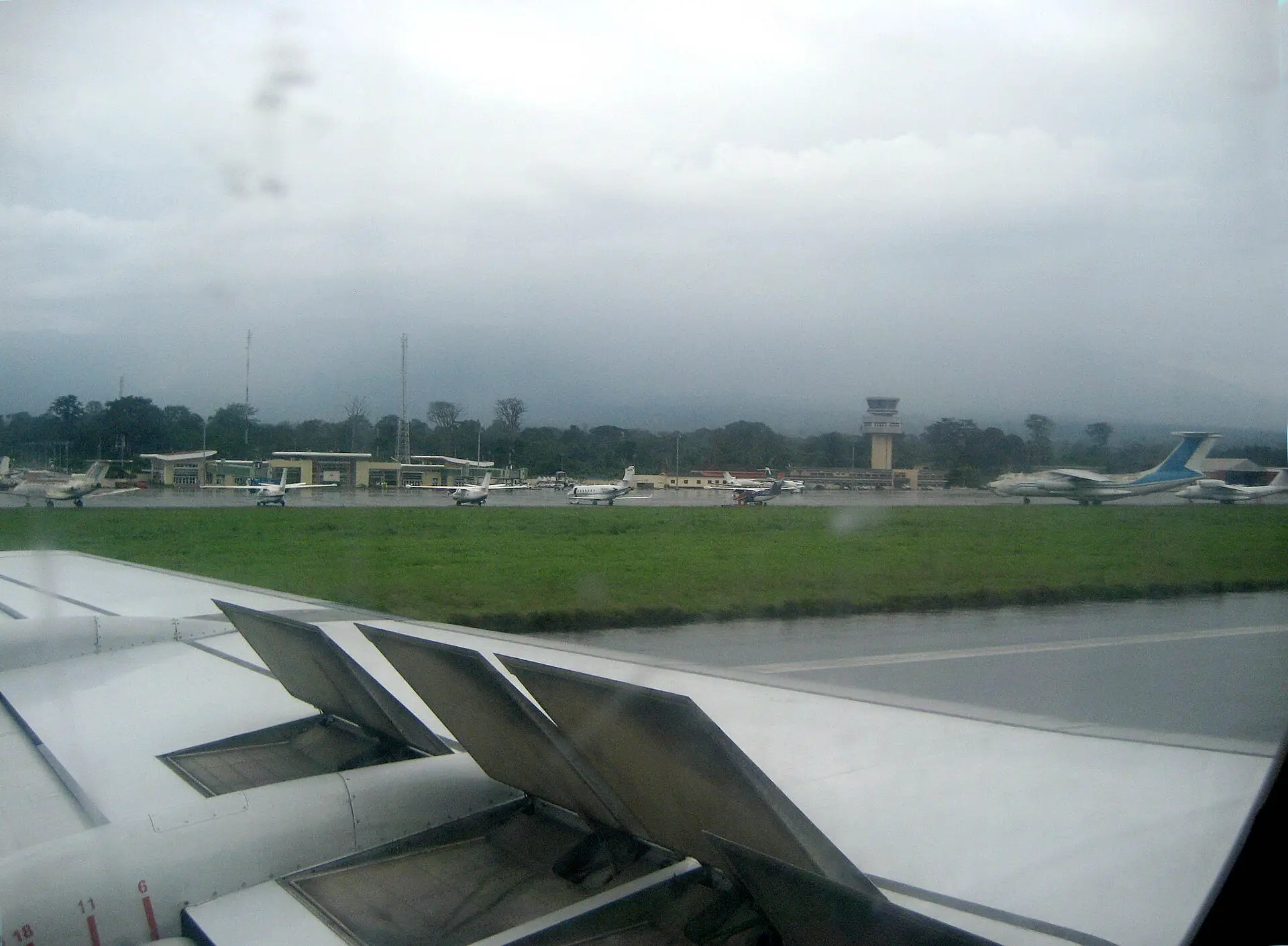
Domestic flights link Malabo and Bata in about an hour and are the most practical way to move between the island and the mainland. Ferry services between them exist but are irregular and slow. On Bioko, the main roads between Malabo, Luba and Moka are paved in places, while the south is rough. Malabo to Luba takes about an hour, and Moka roughly two to three hours. On the mainland, Bata to Monte Alén is a half-day journey, and Ciudad de la Paz lies a couple of hours inland by road.
Taxis are common in cities and are cheap per ride but unmetered, so agree prices first. Many visitors hire a car with driver through a hotel or local agency. Self-drive is possible but demanding.
How much does a trip to Equatorial Guinea cost?
Equatorial Guinea is famously expensive for travellers, with limited budget accommodation and a business-oriented hotel market. The currency is the Central African CFA franc (XAF), which is pegged to the euro, and euros and dollars are often useful in cities. These figures are rough per-person guides and vary widely.
- Budget: around USD 100 to 150 per day, with the cheapest guesthouses, local meals and shared taxis.
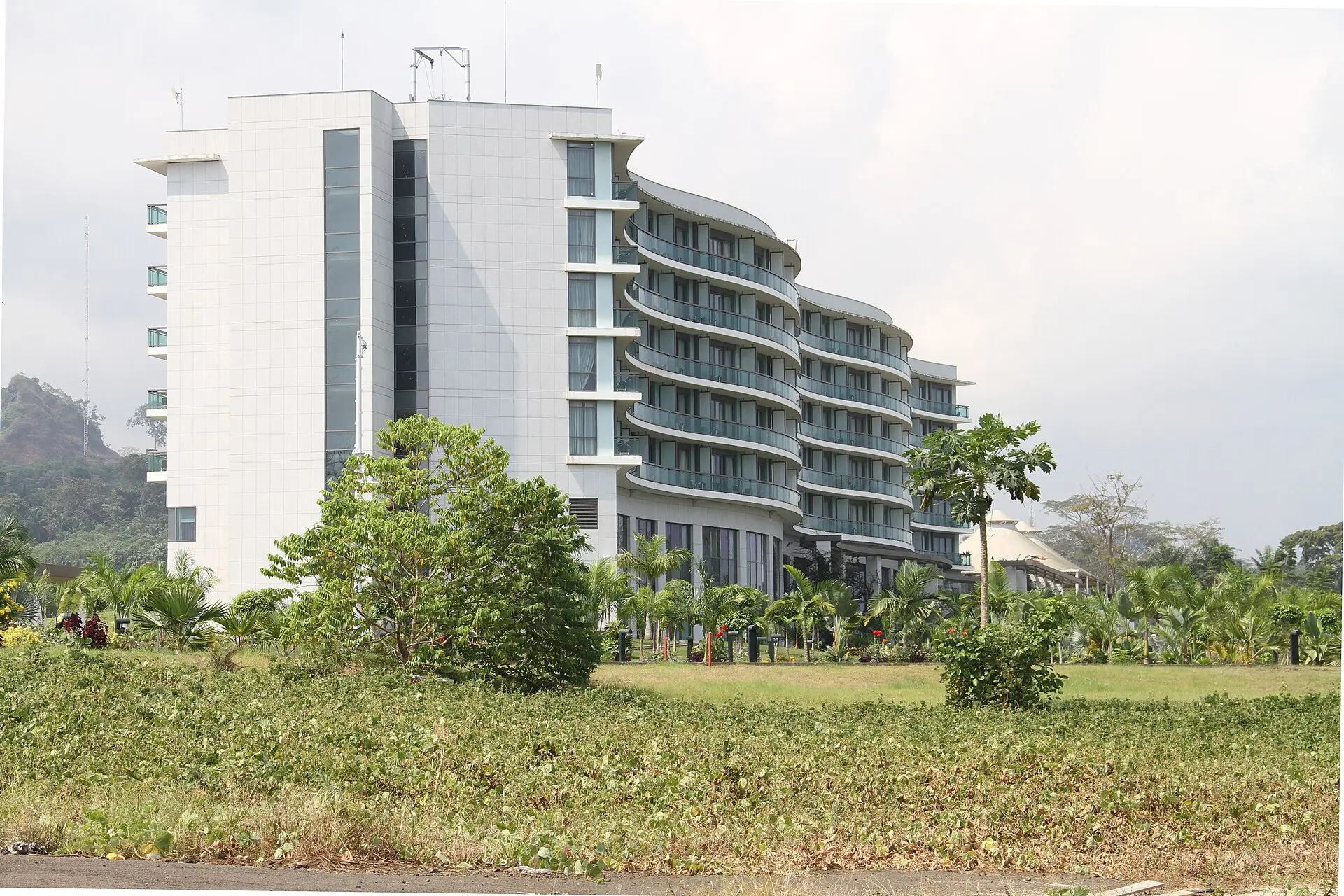
- Mid-range: around USD 180 to 300 per day, with decent hotels in Malabo or Bata, restaurant meals and hired cars.
- High-end: from around USD 400 per day, with the best business hotels and private guides or drivers.
Accommodation is the main cost, particularly in Malabo, where rooms often cost more than comparable cities elsewhere in Africa. Flights, the visa fee and guided trips to parks add to the budget. Meals at local restaurants and markets cost less than hotel dining. Cash is important, as cards are not accepted everywhere and ATMs can be unreliable.
Equatorial Guinea food and drink
Equatorial Guinea food blends Central African staples with Spanish, Portuguese and West African influences. Fish, plantain, cassava, peanuts and palm oil are common, and meals are often served with rice or root vegetables. Restaurants in Malabo and Bata also offer Spanish-style dishes and international menus.
- Pepper soup: a spicy broth with fish or meat, popular across the Gulf of Guinea region.
- Grilled or stewed fish: fresh catch served with plantain, rice or cassava.
- Chicken in peanut sauce: a rich, nutty stew common in Central African cooking.
- Fried plantain: a staple side dish, sweet or savoury.
- Cassava and yam: starchy accompaniments, sometimes pounded into a paste.
- Tropical fruit: bananas, papaya, pineapple and avocado are widely sold at markets.
- Malamba: a sugarcane spirit, and palm wine, both traditional drinks.
Bushmeat is sold in some markets, but it carries health, legal and conservation concerns, and visitors should avoid it. Vegetarians can eat plantain, rice, vegetables and eggs, but options are limited. Use bottled water and eat freshly cooked food.
Culture, language and etiquette in Equatorial Guinea
Spanish, French and Portuguese are official languages, and Spanish is the most widely used in daily life and business, which makes it the only Spanish-speaking country in Africa. Fang is the main local language on the mainland, Bubi is spoken on Bioko, and pidgin English is common in Malabo. English is limited, so basic Spanish or French is very helpful.
The population includes Fang, Bubi, Ndowe and other communities, and Catholicism is widespread alongside traditional beliefs. Greet people with a handshake, say buenos días and be patient and polite, especially with officials. Dress modestly and neatly, and avoid beachwear in town.
Politics is a sensitive subject. Avoid criticising the government, the president or the ruling family, and do not discuss human rights in public places. Ask permission before photographing people, and never photograph official buildings, military sites or the new capital without clearance. Respect local hospitality and accept small offers of food or drink when appropriate.
Equatorial Guinea itinerary: a 7-day route
This route focuses on Bioko and the nearby mainland, avoids restricted areas and needs local arrangements, ideally through a hotel or agency. Independent travel is difficult, so confirm each leg in advance.
- Day 1, Malabo: arrive, settle in and rest, keeping to well-lit central areas.
- Day 2, Malabo: walk the cathedral and old streets, visit the harbour and eat at a local restaurant.
- Day 3, Pico Basilé: hire a car and driver for the road up the mountain and views over the island.
- Day 4, Moka: drive about two to three hours to the highlands for forest walks and cooler air.
- Day 5, southern Bioko: arrange a guided day to the Luba area and Gran Caldera if access and permits are available.
- Day 6, to Bata: fly to the mainland, about an hour, and explore the seafront.
- Day 7, return: fly back to Malabo for onward travel, leaving extra time for check-ins.
With more time, arrange Monte Alén with a ranger. Skip the south in heavy rain, and do not visit any area your embassy advises against.
Practical tips for Equatorial Guinea
- Money: the Central African CFA franc is the currency, pegged to the euro. Bring cash in euros or dollars, and do not rely on cards or ATMs.
- SIM and eSIM: local SIMs exist but may need registration with your passport; coverage is better on Bioko and in cities than in rural areas.
- Plugs: types C and E at around 220 V, so European plugs generally fit.
- Tipping: not obligatory, though small tips for drivers and guides and rounding up in restaurants are welcome.
- Health: bring malaria prophylaxis if advised, a yellow fever certificate, repellent and a medical kit, and carry insurance with evacuation cover.
- Packing: lightweight clothes, a rain jacket, sturdy shoes, copies of your documents and a power bank.
- Paperwork: carry your passport, visa and itinerary at all times, and avoid taking photographs near sensitive sites.
The UNESCO page for Equatorial Guinea lists the country’s heritage designations, which is useful for planning nature stops.
FAQ
Q1What is Equatorial Guinea food like?
Equatorial Guinea food combines Central African staples such as fish, plantain, cassava, peanuts and palm oil with Spanish and West African influences. Try pepper soup, grilled fish, chicken in peanut sauce and fried plantain. Avoid bushmeat, and drink bottled water.
Q2Is Equatorial Guinea safe?
Street crime exists, but the main risks are police checkpoints, restrictions on photography and occasional arbitrary detention. The government is authoritarian and tourism is not a priority. Carry documents, avoid sensitive sites and check your government's current advice before booking.
Q3What are the best things to do in Equatorial Guinea?
Top picks are exploring Malabo's colonial streets, driving up Pico Basilé, visiting the Moka highlands and the Gran Caldera de Luba on Bioko, and trekking in Monte Alén National Park on the mainland. Most activities need local arrangements.
Q4Do I need a visa for Equatorial Guinea?
Most visitors do. An e-visa has been available to most nationalities since 2023 for around USD 75, processed in a few days, but terms can change. Bring a valid passport, a yellow fever certificate and onward travel proof, and confirm the process officially.
Q5Is Equatorial Guinea safe to visit for tourists?
It can be, with careful preparation. Expect frequent police checks, avoid photographing officials or buildings, keep documents with you and use hotel-arranged transport at night. Governments warn about arbitrary detention and limited consular help, so read the latest advice.
Q6Why is Equatorial Guinea so expensive?
The economy is oil-driven, imports are costly and hotels cater mainly to business travellers, so prices in Malabo and Bata are high. Budget roughly USD 180 to 300 per day mid-range, and expect extra costs for flights, visas and guided trips.
Q7How many days do you need in Equatorial Guinea?
Seven days is enough for Malabo, Pico Basilé, Moka and a trip to Bata, if permits and transport are arranged in advance. Add extra days for Monte Alén or southern Bioko, since roads are slow and schedules unpredictable.