Why visit DR Congo
DR Congo travel is not a typical holiday decision. The country, also called the Democratic Republic of the Congo, Congo-Kinshasa or the DRC, covers about 2.3 million square kilometres and is the second-largest in Africa. Most of it lies in the Congo Basin rainforest, crossed by rivers that still carry much of the country’s transport. The Wikipedia overview covers the history, from the Kingdom of Kongo to Belgian rule, independence in 1960 and the wars that followed.
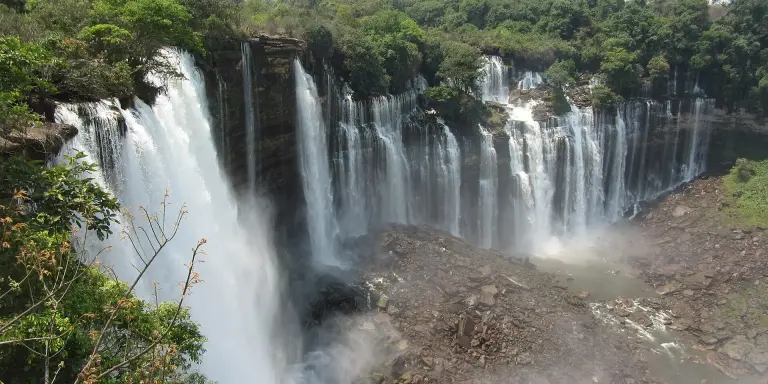
The few visitors who come want wildlife and landscape found almost nowhere else: mountain gorillas and active volcanoes in the east, okapi in the Ituri forest, the river’s rapids, and Kinshasa’s rumba scene. It suits experienced travellers, researchers and humanitarian professionals with local contacts and strong risk management. It does not suit first-time visitors to Africa, and large areas, especially in the east, are unsafe.
Best places to visit in DR Congo
The best places to visit in DR Congo are scattered across a country the size of Western Europe, with poor roads between them. Several famous destinations lie where governments advise against travel, so read this list as a description of the country, not a route.
Kinshasa
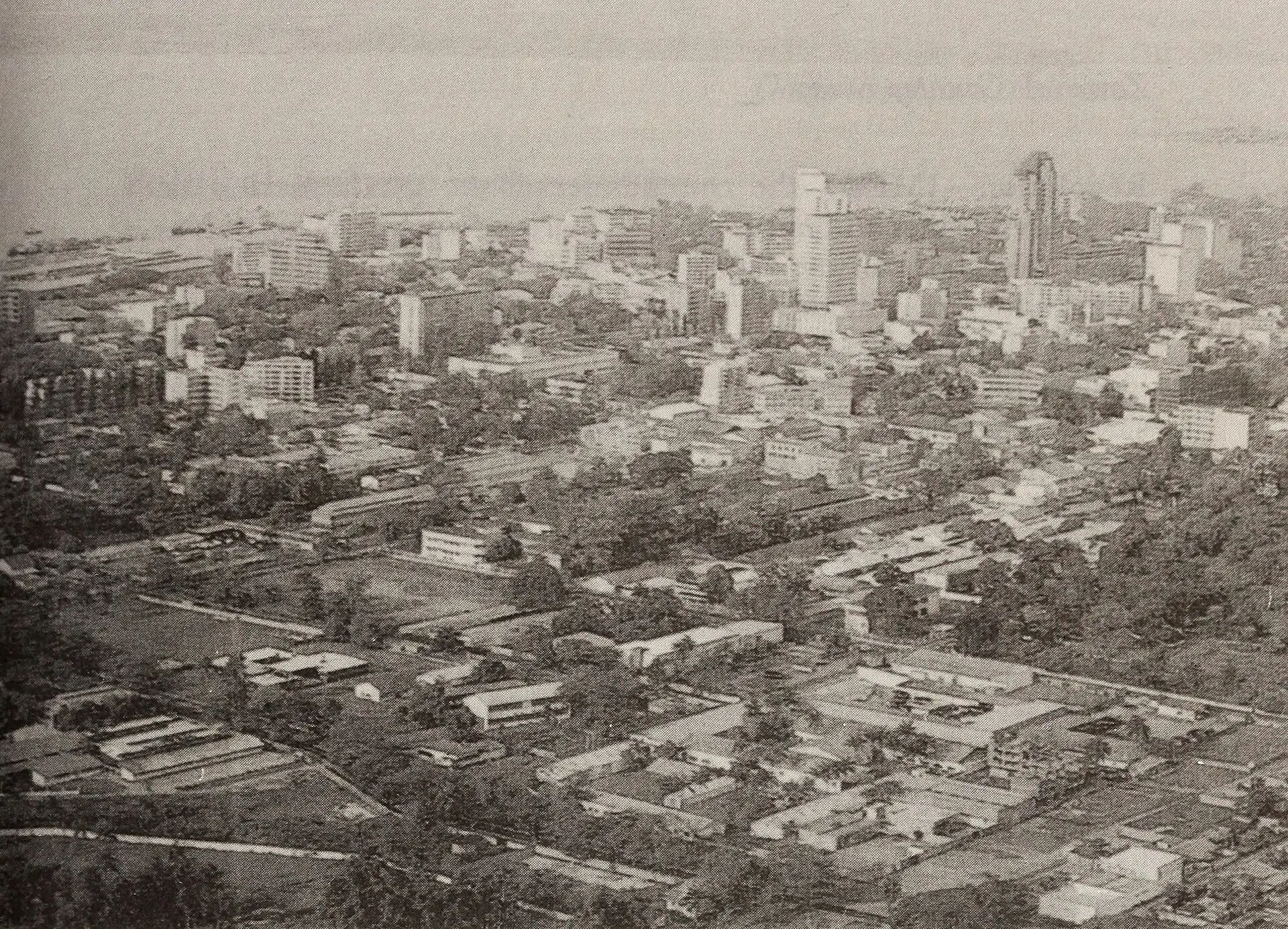
The capital sits on the Congo River opposite Brazzaville and is the largest French-speaking city in the world. It is loud, crowded and energetic, with riverside markets, live rumba venues and a strong art scene. Movement usually needs a trusted driver.
Matadi and Kongo Central
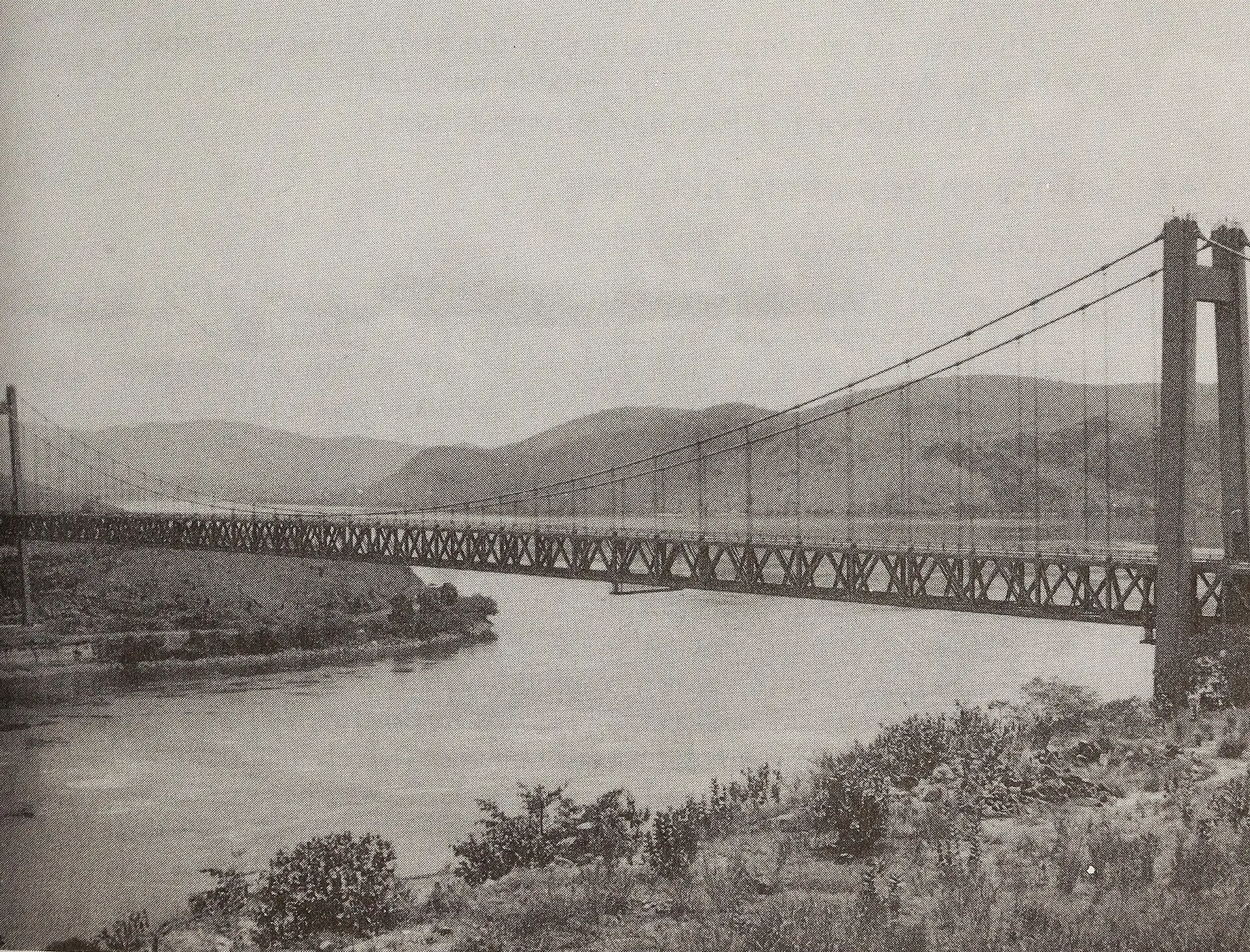
Downriver from the capital, Matadi is the main seaport, set among cliffs on the lower Congo. The suspension bridge and the old colonial railway are its best-known sights, and the lower river has several rapids.
Virunga National Park
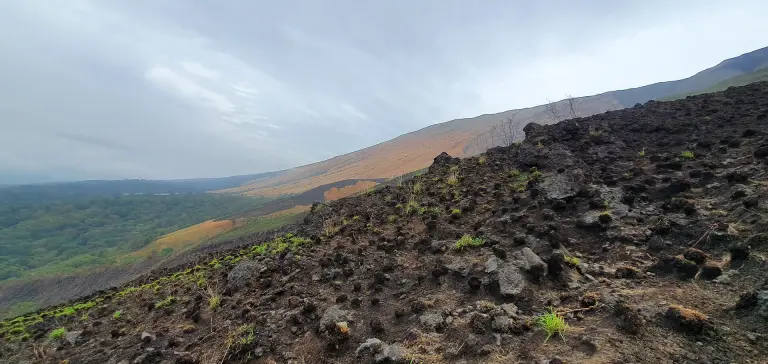
Africa’s oldest national park protects mountain gorillas, Lake Edward and the Nyiragongo volcano. It is a World Heritage site, but North Kivu has seen repeated armed conflict and access is often closed.
Lake Kivu, Goma and Bukavu
The lake has steep green hills and islands, but both cities have been directly affected by fighting, and advice for the area is the most severe.
Kisangani and Lubumbashi
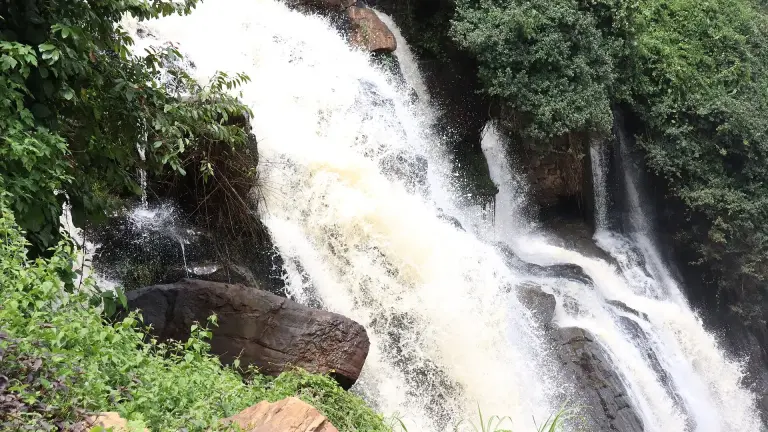
Kisangani, on the upper Congo, is the gateway to the rainforest and the Boyoma Falls. Lubumbashi, the southern mining hub, has Belgian-era architecture and easier air links to Zambia and South Africa.
Top things to do in Democratic Republic of the Congo (DR Congo)
The top things to do in the Democratic Republic of the Congo centre on nature and music. Almost all need current security clearance and a licensed local operator, so confirm what is open before planning.
- Trek to see mountain gorillas: Virunga offers permitted treks when security allows, with armed rangers.
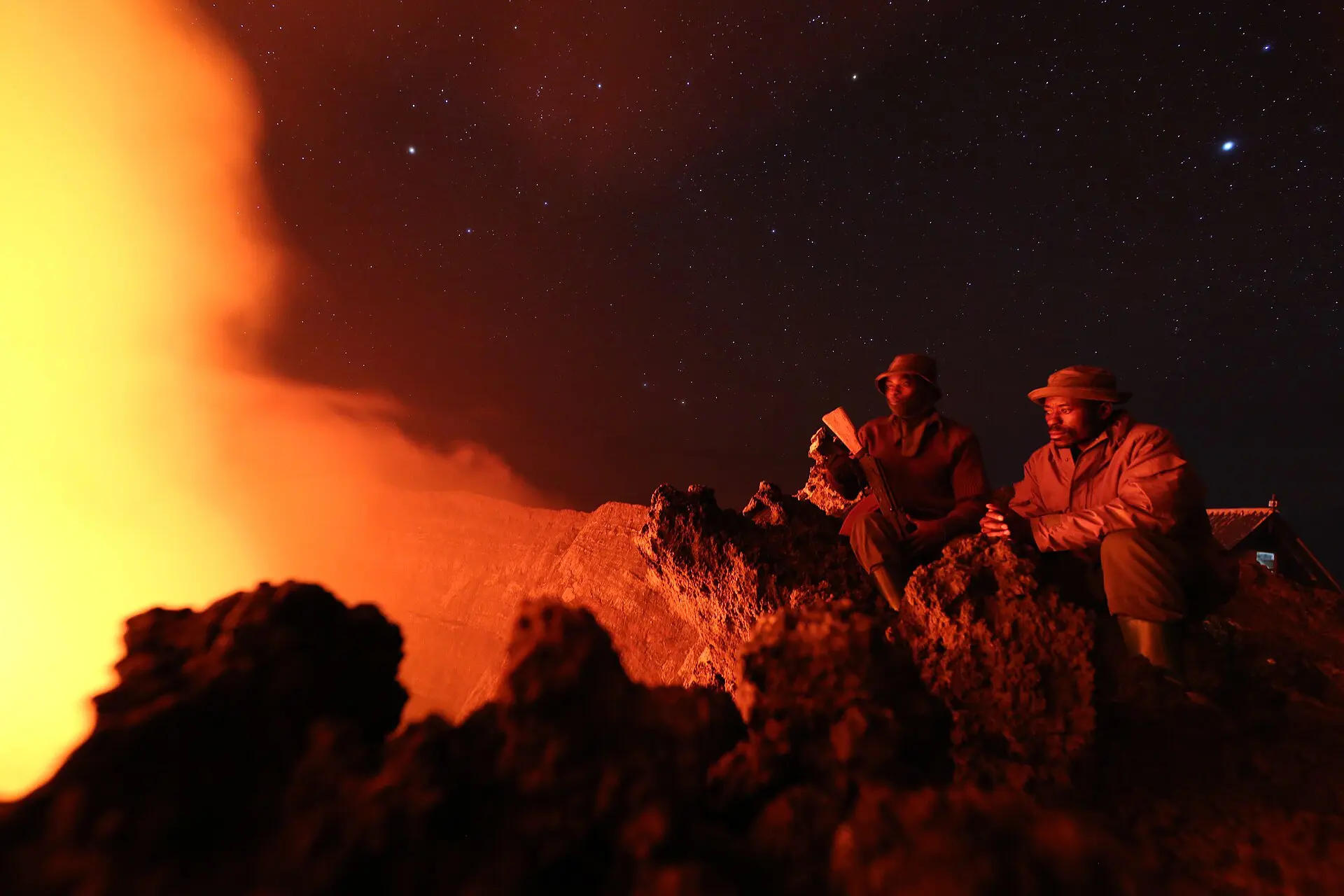
- Climb Nyiragongo: the overnight hike to this volcano’s lava lake has been one of Africa’s great walks when open.
- Look for eastern lowland gorillas: Kahuzi-Biega National Park, near Bukavu, protects a separate population.
- See okapi: the Okapi Wildlife Reserve in the Ituri forest protects this relative of the giraffe.
- Hear live rumba in Kinshasa: bars and open-air venues keep the music going late.
- Visit the National Museum: collections cover regional masks, art and history, though hours can be irregular.
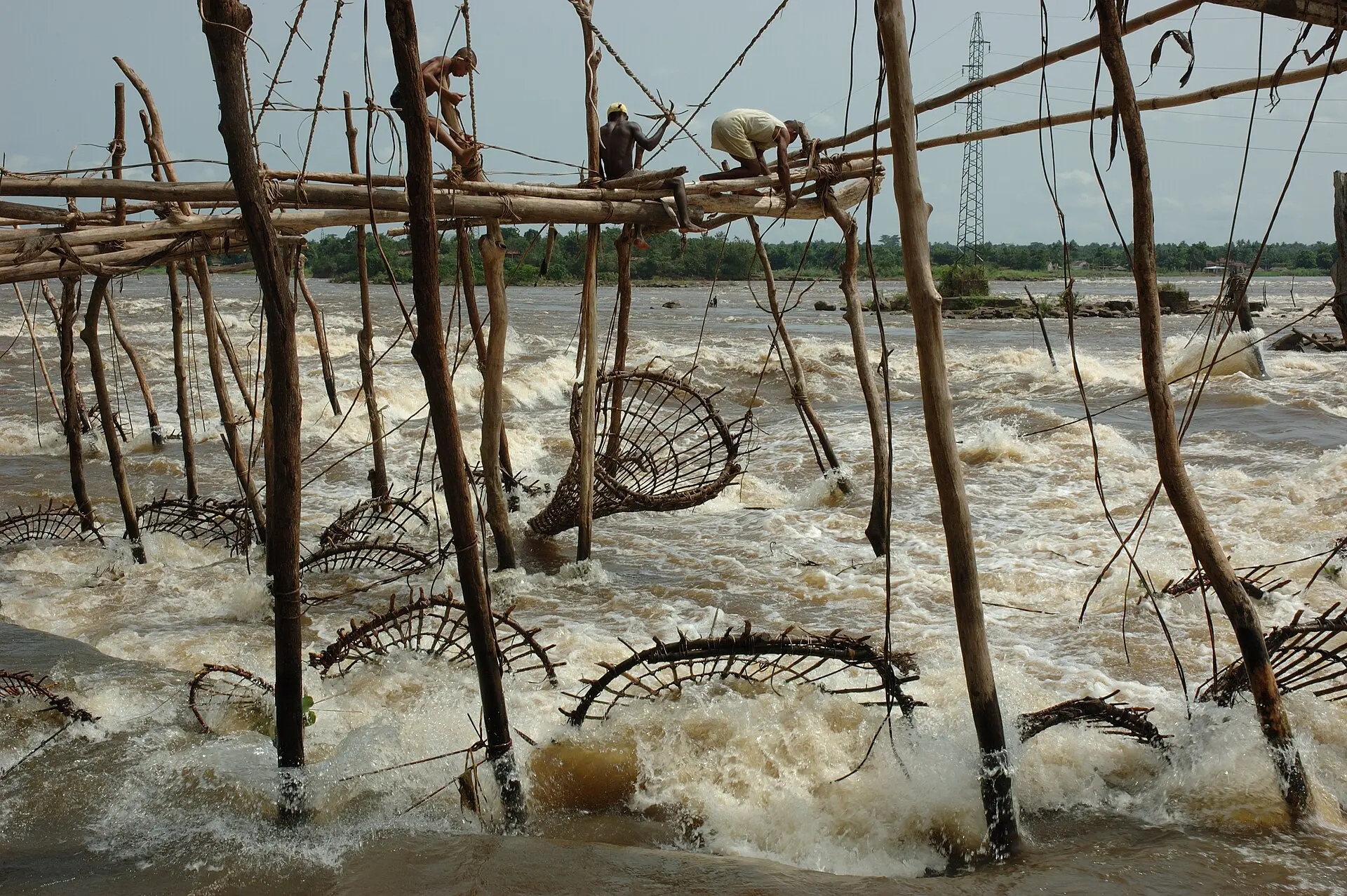
- Watch fishermen at the Boyoma Falls: they set wooden tripods in the rapids near Kisangani.
- Take a river barge or pirogue: short trips show daily life on the country’s main highway.
- Meet the bonobos: Lola ya Bonobo, near Kinshasa, has offered visits by arrangement.
Best time to visit DR Congo
The best time to visit DR Congo is the dry season, roughly June to September in the south and east, when roads are more passable and trekking is easier. The equator crosses the country, so the far north is driest from about December to February, while the equatorial rainforest is wet most of the year.
| Season | Weather | Crowds and prices | Good for |
|---|---|---|---|
| Dry (Jun-Sep) | Cooler and drier in the south and east | Few visitors; permits cost most | Gorilla and volcano treks |
| Short wet (Oct-Nov) | Heavy rain, hot and humid | Very low volume | City stays |
| Dry spell (Dec-Feb) | Drier in the north | Low | Northern parks |
| Long wet (Mar-May) | Downpours, muddy roads | Low | Little; roads often fail |
Security conditions matter more than weather, so check them first.
Is DR Congo safe to visit?
No, large parts of DR Congo are not safe to visit, and many governments advise against all travel or all but essential travel to the country or to specific provinces. The east, including North Kivu, South Kivu and Ituri, has seen armed conflict for decades. Answer “is DR Congo safe” with current official advice, not general impressions.
Government advice. Read the latest UK FCDO or US State Department pages and check your insurer, because many policies exclude regions under advisories. Check again just before departure.
Crime and unrest. Even in Kinshasa, armed robbery, carjacking, police harassment and sudden demonstrations occur. Avoid walking at night and never photograph officials, military sites or bridges.
Health. Malaria is nationwide, and yellow fever vaccination is typically required. Cholera, measles, mpox and Ebola outbreaks have occurred, and care is limited, so medical evacuation insurance is essential.
Transport. Roads are poor and some domestic airlines have had safety problems. Flooding and volcanic activity near Goma are further hazards.
Visa and entry requirements for DR Congo
Most visitors need a visa to enter DR Congo, and the rules vary by nationality and change. An e-visa system has been used in recent years, but fees and processing times are not always predictable, so confirm everything with the official DR Congo immigration source or an embassy before booking flights. Searches for a DR Congo visa return many unofficial agents, so use official channels only.
Typical requirements include a passport valid for six months, proof of accommodation or an invitation letter, an onward ticket and photos. Journalists, researchers and filmmakers often need extra authorisation.
A yellow fever certificate is generally required and is checked on arrival. Park permits, such as Virunga’s, are sold through official channels and can be suspended when security worsens. Land crossings from Rwanda, Uganda, Zambia and the Republic of Congo can close with little notice.
Getting to and around DR Congo
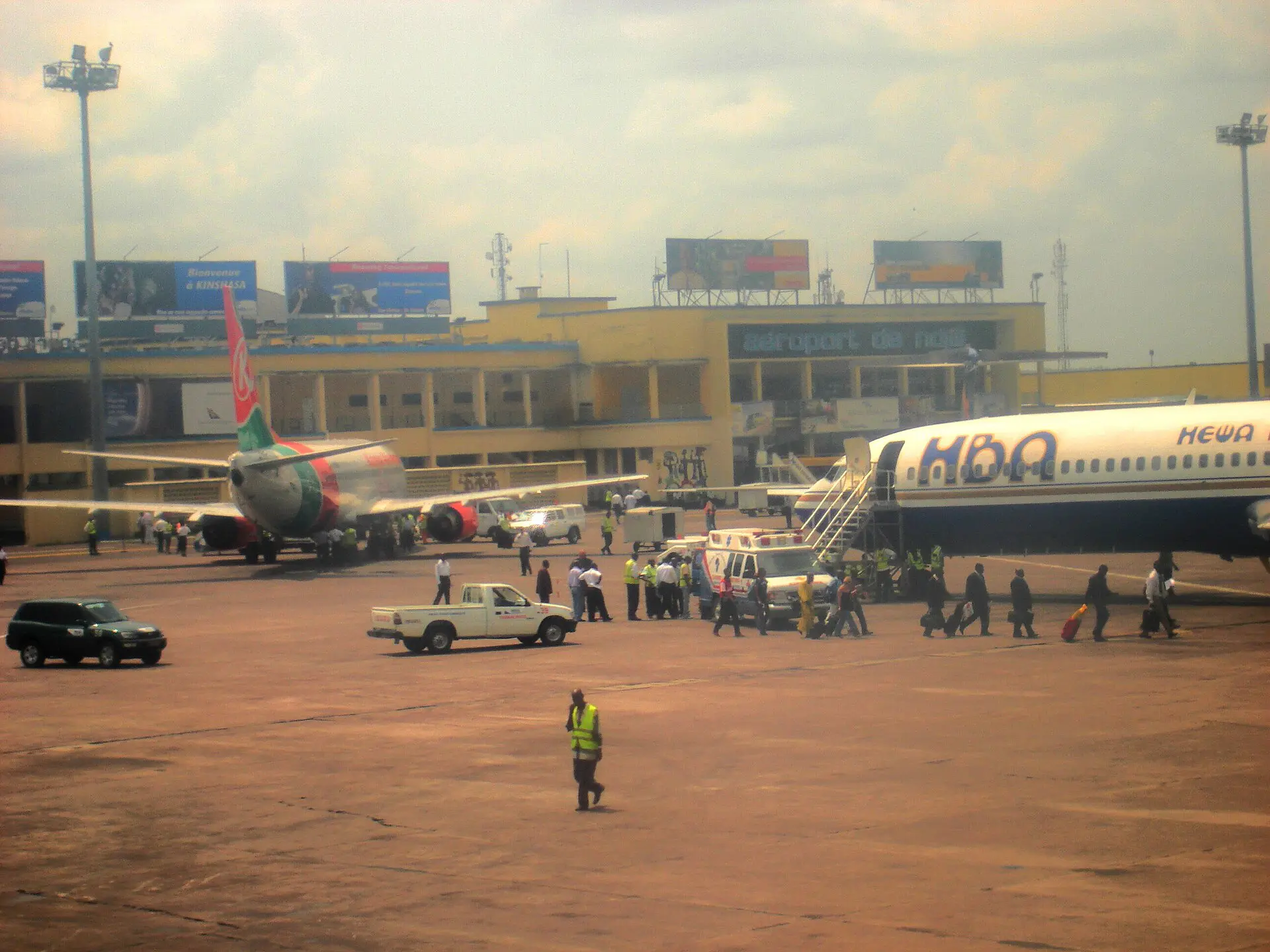
Most visitors fly into Kinshasa’s N’djili International Airport, which links to Europe, the Gulf and African hubs, or into Lubumbashi from Johannesburg, Lusaka or Nairobi. Eastern airports such as Goma have been affected by conflict and may be closed, so check before booking.
Getting around is the main challenge. Few roads between major cities are paved and distances are huge. Domestic flights link Kinshasa, Lubumbashi and Kisangani, but schedules change and some carriers have poor safety records, so check your government’s advice.
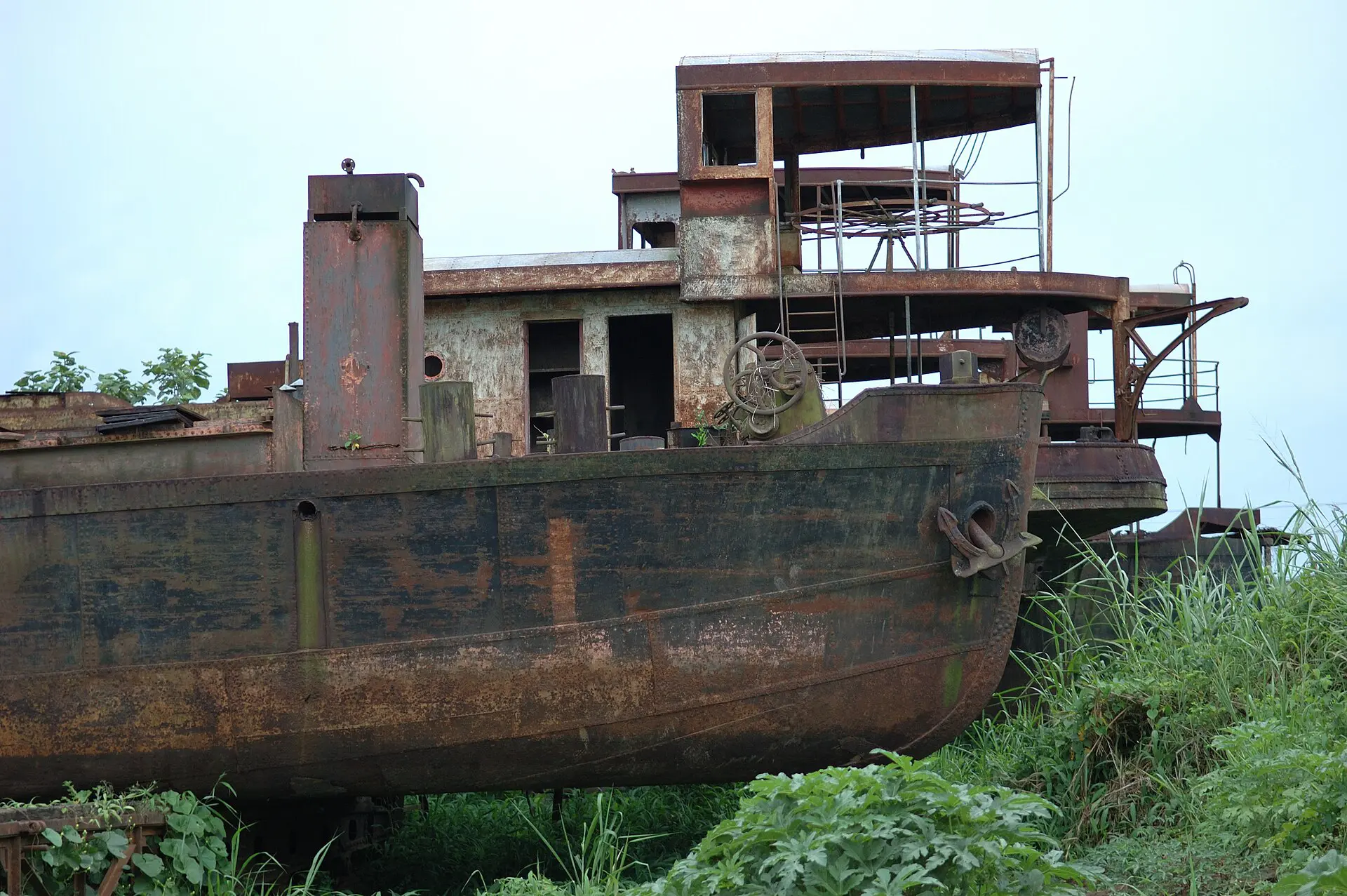
Rivers are the interior’s highways. Barges on the Congo and Kasai are slow and crowded, and journeys take days or weeks. In Kinshasa, the safest option is a hired driver through a hotel or organisation you trust. Self-driving is not advisable. A ferry crosses to Brazzaville, but the border has been closed at times.
How much does a trip to DR Congo cost?
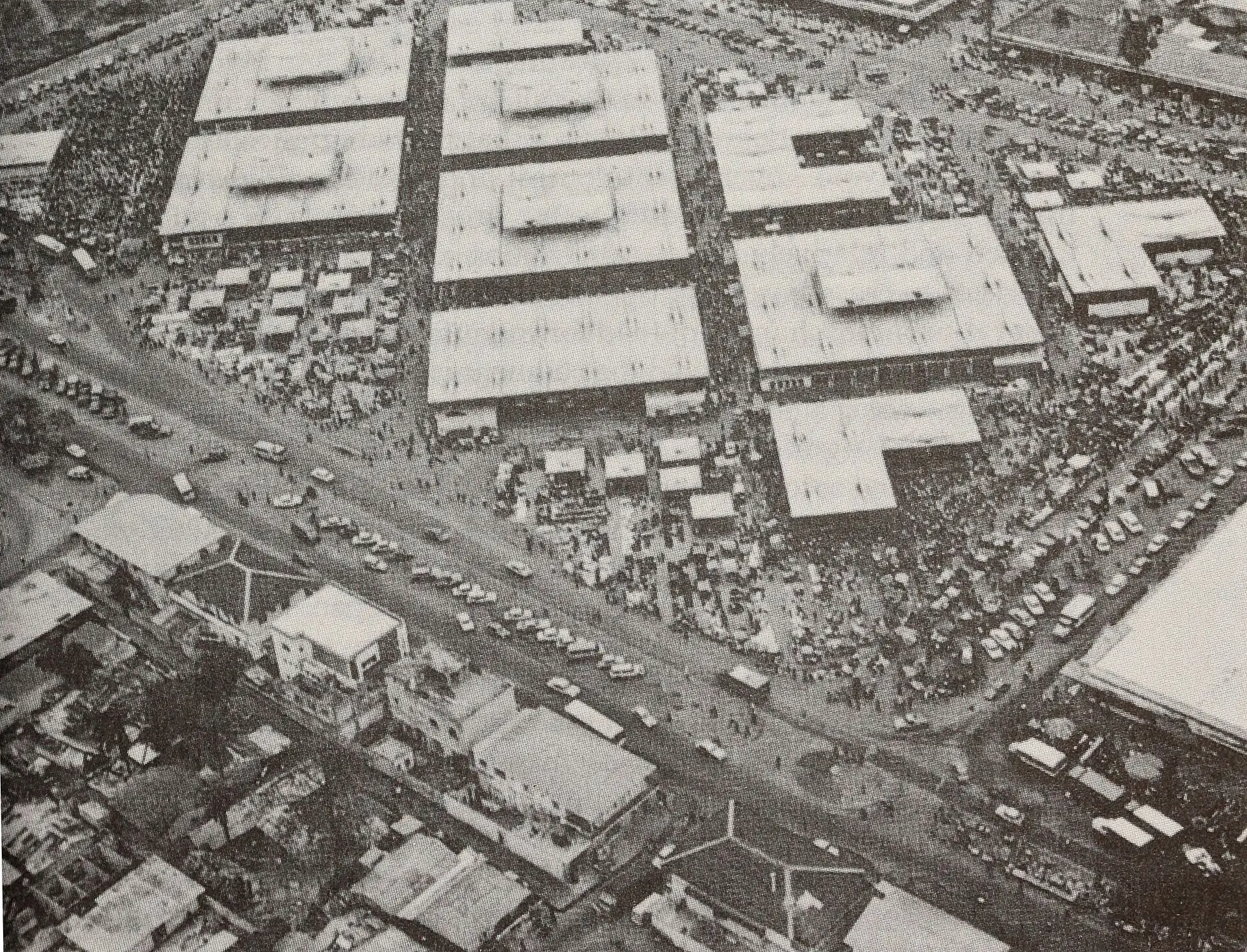
A trip to DR Congo costs more than most visitors expect, because lodging, transport and security support are expensive and tourism infrastructure is limited. As rough guidance for 2026, budget around USD 100 to 150 per day at the low end, USD 150 to 300 mid-range and USD 300 or more for a fully supported trip. Prices are often quoted in US dollars, although the Congolese franc is official.
- Budget: basic guesthouses, local food and shared transport, with limited choice.
- Mid-range: a business hotel in Kinshasa or Lubumbashi, a car with driver and restaurant meals.
- High: organised programmes with security, charter flights and park permits.
Security and logistics drive cost. Hotels are priced for business and diplomatic clients, and a licensed operator is usually essential. Gorilla permits run to hundreds of dollars, and visas, evacuation insurance and vaccinations add more. Cash works best because cards and ATMs are unreliable.
DR Congo food and drink
DR Congo food is built on cassava, plantain, rice, beans, fish and slow-cooked sauces, with variations between the river, savanna and lakes. Kinshasa adds French, Lebanese and Portuguese influences.
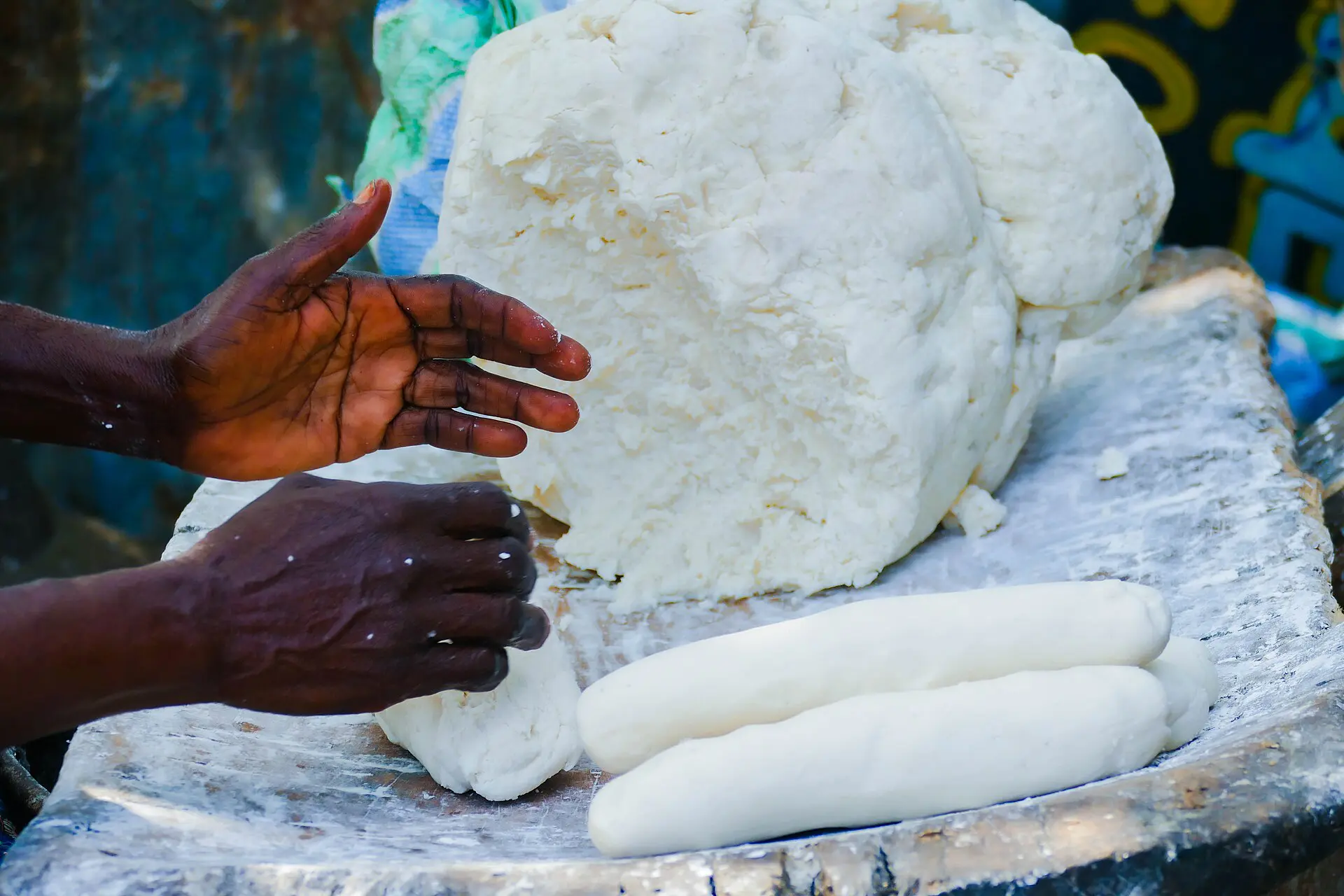
- Fufu (ugali): a stiff cassava or maize dough eaten by hand with stew.
- Pondu (saka-saka): pounded cassava leaves simmered with palm oil, fish or meat.
- Liboke: fish or meat steamed in leaves, popular in Kinshasa.
- Moambe chicken: chicken in a rich palm nut sauce, often called the national dish.
- Grilled tilapia: river fish served with chikwangue (cassava bread) or fried plantain.
- Makayabu: salted dried fish cooked with onions and tomatoes.
- Primus and Skol: widely sold lagers; palm wine is common in villages.
Eat freshly cooked food at busy places, avoid raw salads and ice, and drink sealed bottled water. Vegetarians will find leaf and bean dishes, though stock often contains fish or meat.
Culture, language and etiquette in DR Congo
French is the official language and dominates administration and business, but more than 200 indigenous languages are spoken. Lingala leads in Kinshasa and the west, Swahili in the east, Kikongo in Kongo Central and Tshiluba in the Kasai provinces. Greetings such as mbote (hello) are warmly received.
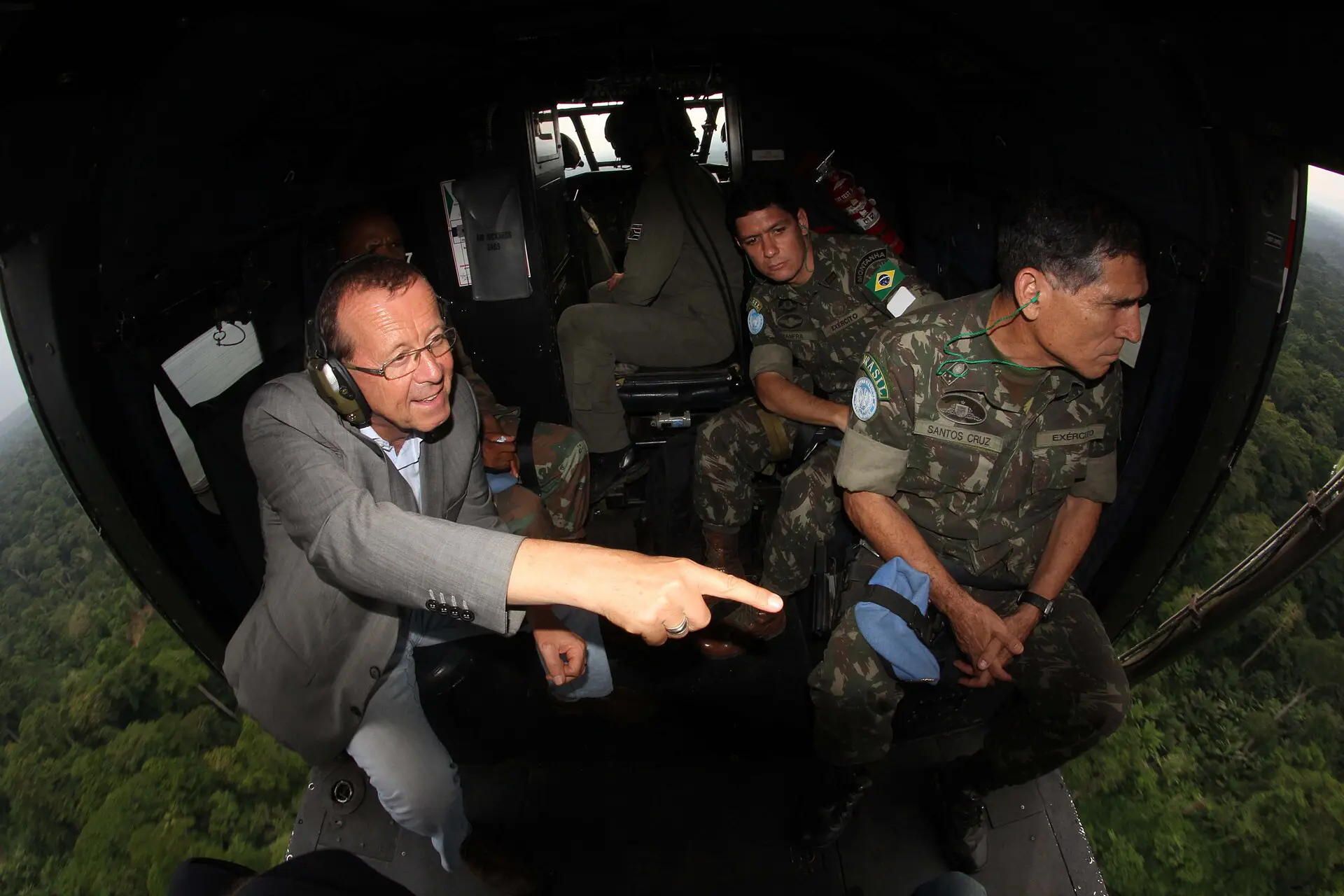
Music is central to national identity: Congolese rumba, soukous and ndombolo spread across Africa. Football is hugely popular, and traditional masks and sculpture are important heritage.
Greet people before asking for anything, shake hands and use titles such as Monsieur or Madame. Dress modestly, especially in rural areas and churches. Ask before photographing people, and never photograph soldiers, police, airports or bridges, which can lead to detention. Stay calm and polite at checkpoints. Politics, ethnic conflict and colonial history are sensitive subjects, so let local friends lead.
DR Congo itinerary: a 7-day route
Independent travel across DR Congo is not currently advisable, and no responsible itinerary should send readers into the eastern provinces or other areas governments advise against. The plan below is a Kinshasa-centred week, suitable only if your government’s advice allows travel, you have in-country contacts and you use trusted drivers and hotels.
- Day 1: arrive at N’djili, transfer with a pre-arranged driver to a hotel in Gombe and rest.
- Day 2: Congo River waterfront, the National Museum and the Académie des Beaux-Arts.
- Day 3: craft markets for woodwork and paintings, then an evening at a rumba venue with a local host.
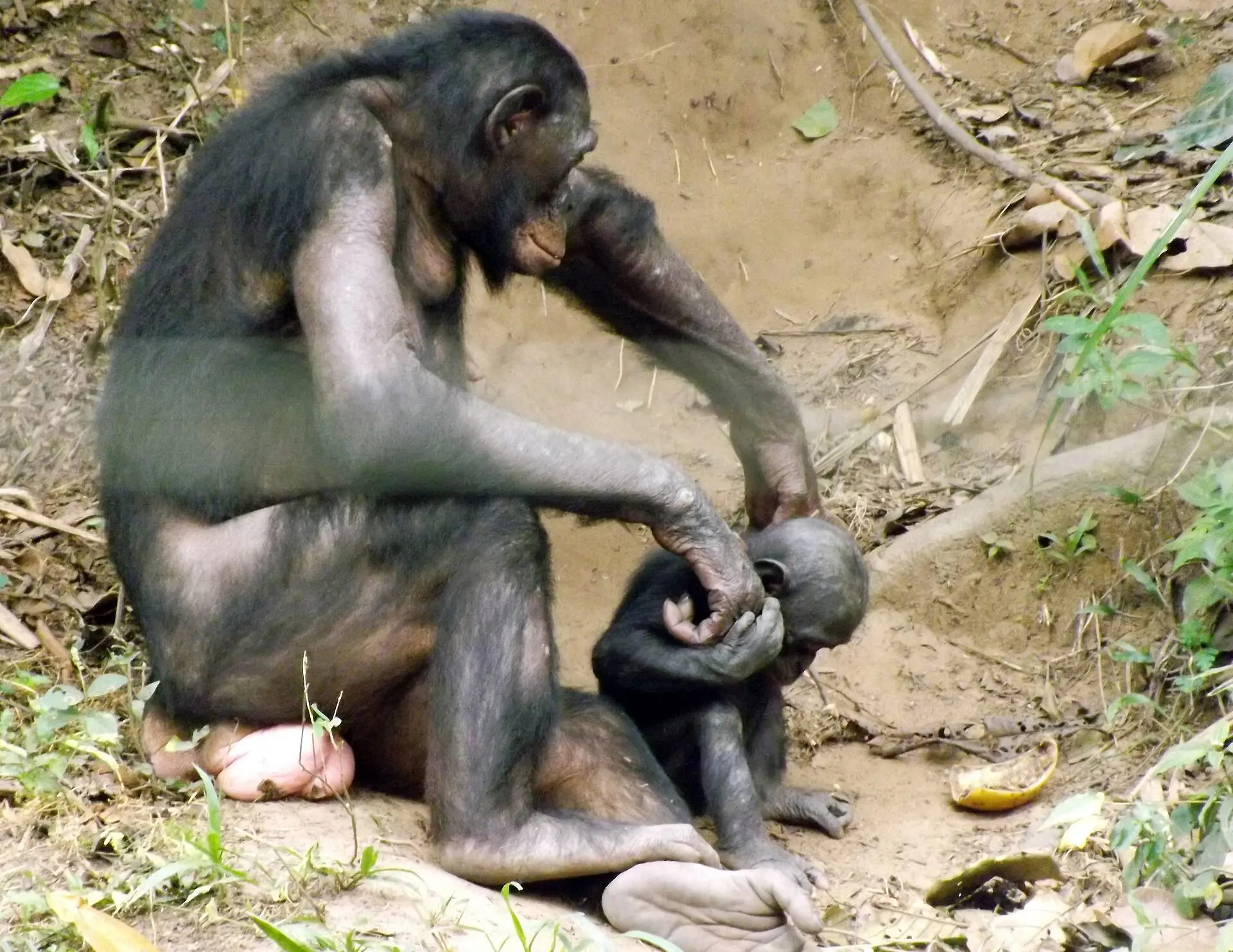
- Day 4: half-day at the bonobo sanctuary if bookings and security allow.
- Day 5: day trip or short flight towards Matadi if conditions allow, to see the lower Congo.
- Day 6: back in Kinshasa for shopping, the cathedral and a long dinner.
- Day 7: airport transfer with plenty of time, as traffic and checks are slow.
Treat this as a frame to adapt after local advice. Consider gorilla parks or Lake Kivu only after confirming official security guidance.
Practical tips for DR Congo
Good preparation matters more here than almost anywhere else.
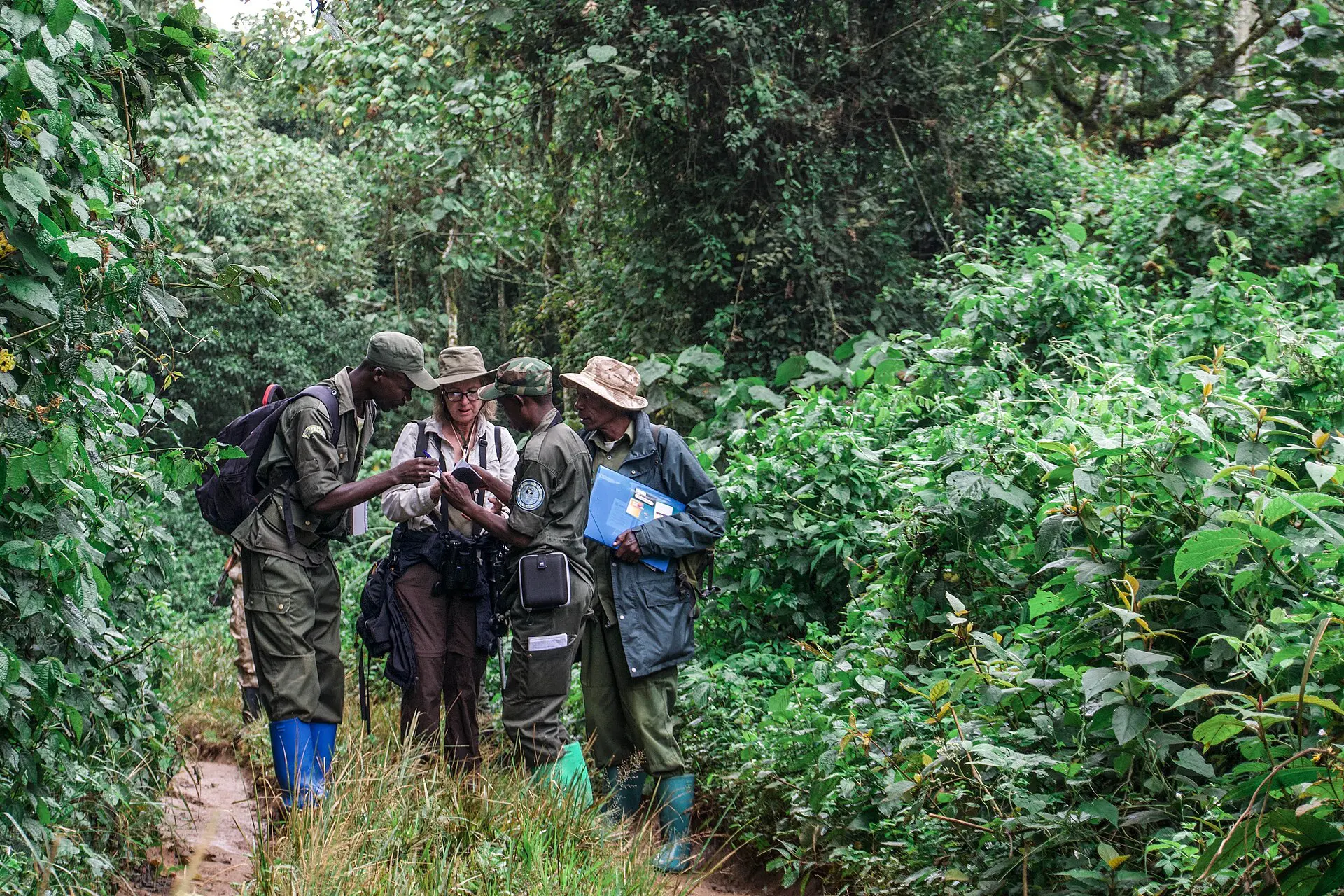
- Money: US dollars are widely used for hotels and fees. Bring clean, recent notes, as damaged ones are refused. Cards and ATMs are unreliable.
- SIM and internet: local SIMs need registration. Coverage is good in cities and weak elsewhere, so check eSIM options.
- Plugs: types C, D and E at 220 V. Power cuts are common, so carry a power bank.
- Tipping: no formal rule; small cash tips suit drivers, guides and porters.
- Health: see a travel clinic early for yellow fever, typhoid and hepatitis vaccines and malaria prophylaxis.
- Documents: keep paper and digital copies of passport, visa and vaccination certificate.
- Packing: light long sleeves, rain jacket, sturdy shoes, torch and water purification, plus the Wikivoyage guide offline.
- Parks: the protected areas on the UNESCO list are the main draws; confirm access directly with park authorities.
FAQ
Q1What is there to eat in DR Congo?
Staples are fufu or chikwangue made from cassava, served with stews such as pondu (cassava leaves), moambe chicken and grilled tilapia. Beans, rice and salted fish are common. Eat freshly cooked food at busy places and drink sealed bottled water.
Q2What are the best things to do in the Democratic Republic of the Congo?
The headline experiences are gorilla treks and the Nyiragongo climb in the east, okapi in the Ituri forest, river journeys and Kinshasa's rumba scene. Most depend on security, so confirm current government advice and park status first.
Q3Is DR Congo safe?
Large parts are not. Many governments advise against all or all but essential travel, mainly because of armed conflict in the east and crime or unrest elsewhere, including Kinshasa. Check your foreign ministry's latest advice and insurance cover first.
Q4Do I need a visa for DR Congo?
Most travellers do. Rules vary by nationality, and an e-visa system has been used, but procedures and fees change. A yellow fever certificate is also generally required. Confirm with the official immigration source or an embassy before booking.
Q5What is the best time to visit DR Congo?
The dry season, roughly June to September in the south and east, is easiest for roads and treks. The north is driest from about December to February. Security conditions should decide timing more than weather.
Q6What currency is used in DR Congo?
The official currency is the Congolese franc, but US dollars are widely used for hotels, park fees and larger purchases. Bring clean, recent notes, because cards and ATMs are unreliable outside a few Kinshasa hotels.
Q7What language do people speak in DR Congo?
French is official. Lingala is the most widely spoken indigenous language and dominates in Kinshasa, while Swahili is common in the east, Kikongo in the west and Tshiluba in Kasai. Basic French greetings go a long way.