What to do in Arusha comes down to six things: Arusha National Park, a Mount Meru day hike, a village visit, two small museums and a coffee estate. The city itself is a logistics hub, not a destination. It sits at the foot of Mount Meru and is the gateway to the northern safari circuit. Plan one day here, two if your flight lands late or your gear needs sorting. Use the time to fix transport, water and cash before the park roads start.
Best time to visit Arusha
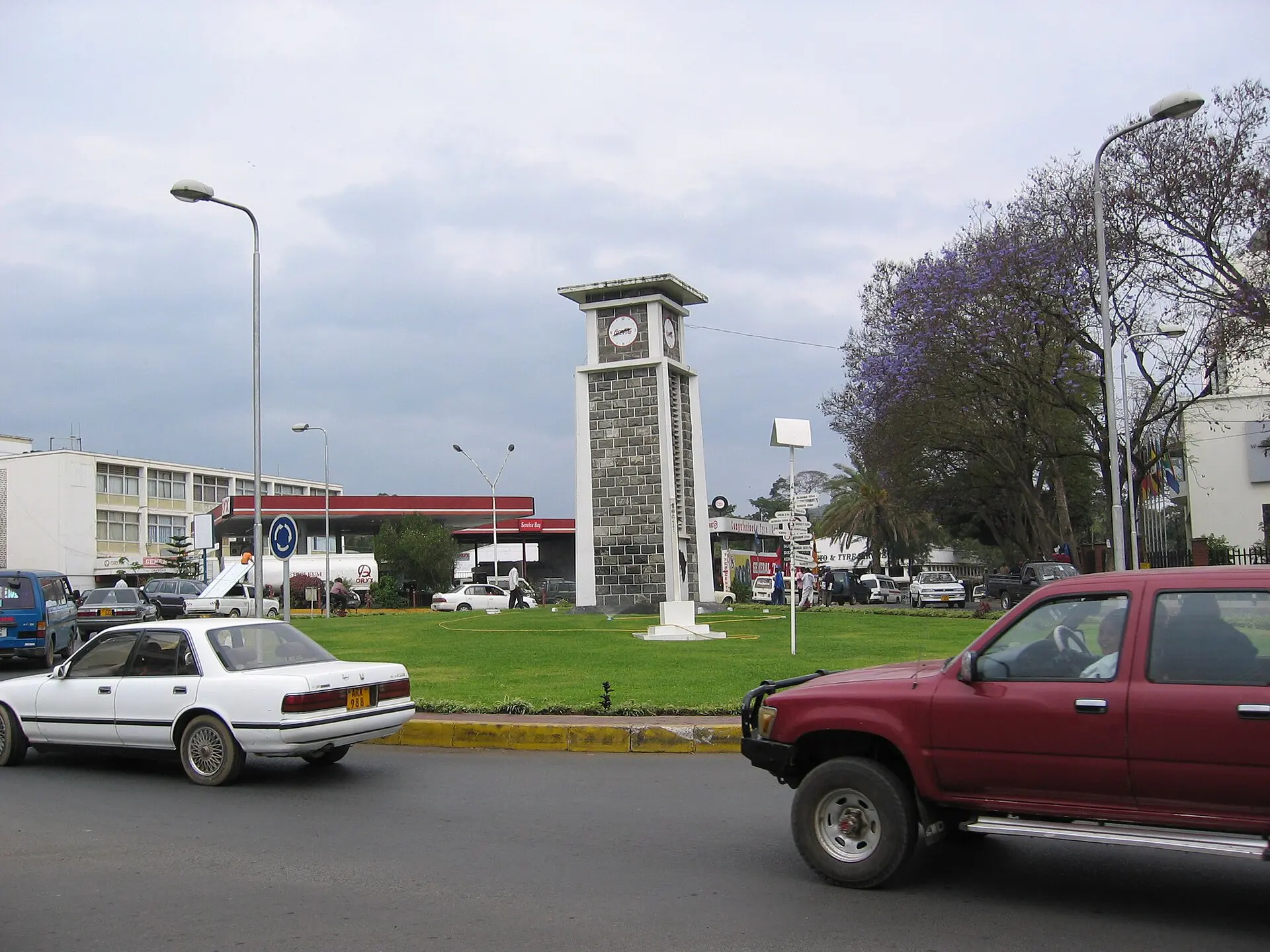
The city is at roughly 1,400 m, so it is cooler than the coast and rarely hot. Rain matters more than temperature: gravel roads to the parks turn slow in the wet season.
| Season | Weather | Crowds and prices | Good for |
|---|---|---|---|
| Jun-Oct | Dry, cool nights, dusty | Highest; book early | Safari, Meru hikes, clear views |
| Nov-Dec | Short rains, showers | Moderate | Green scenery, birds |
| Jan-Feb | Warm, mostly dry | Moderate to high | Safari, clear mountain mornings |
| Mar-May | Long rains, heavy | Lowest; discounts | Budget trips, indoor errands |
Pick June to October for reliability. In April and May expect washed-out tracks and cancelled drives; keep a spare day.
Top things to do in Arusha
These are the arusha things to do that justify the time. Each is a day or less.
1. Arusha National Park
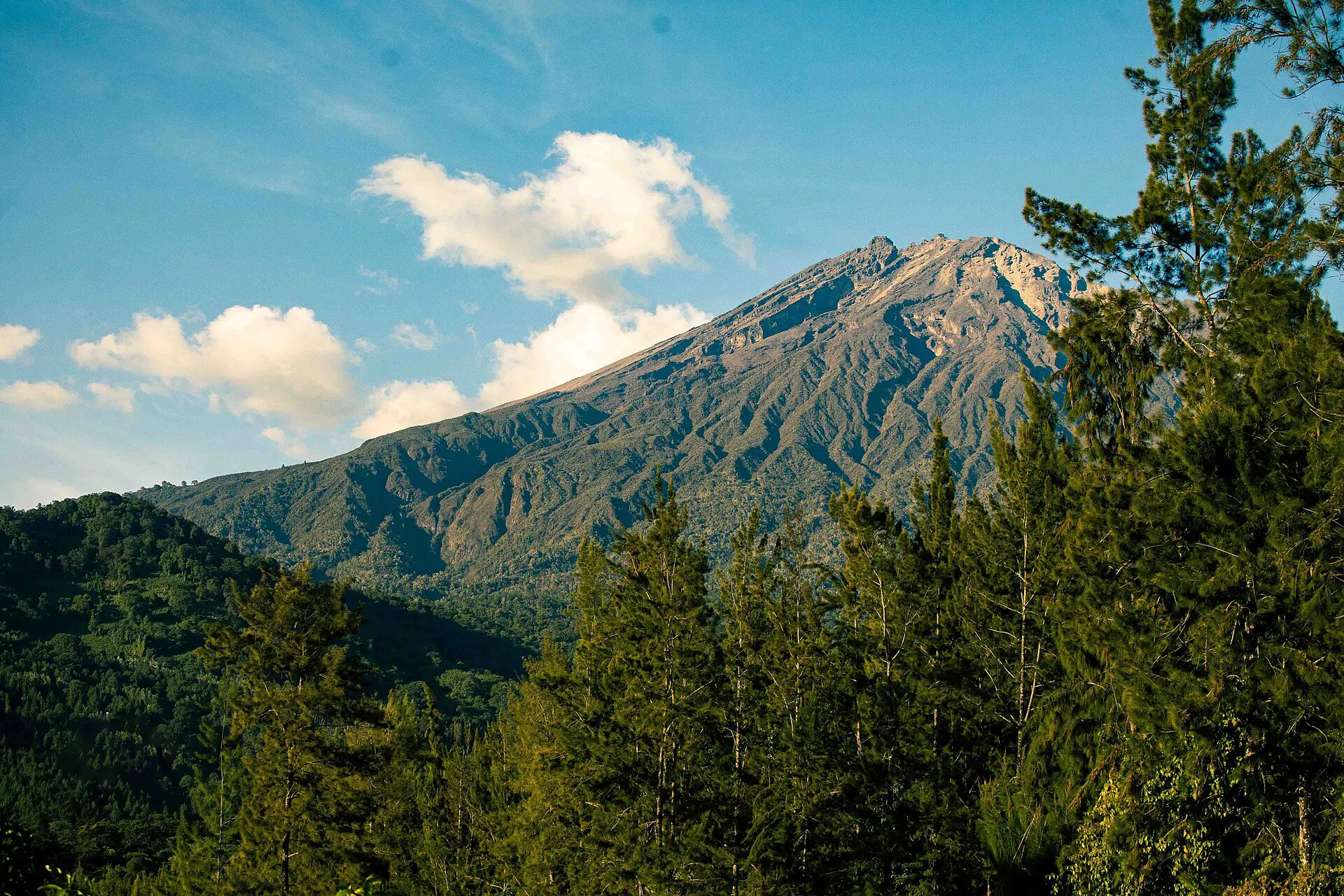
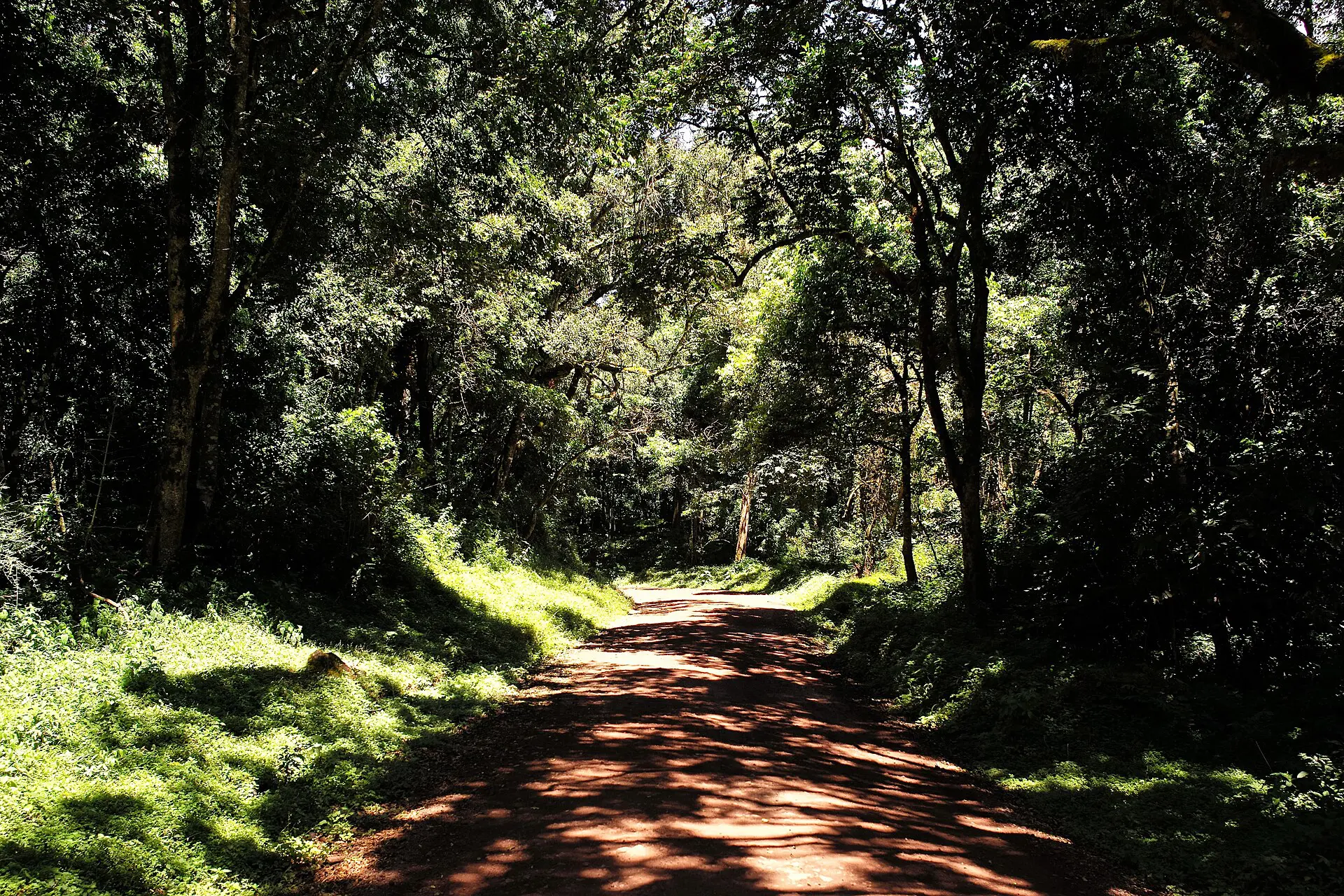
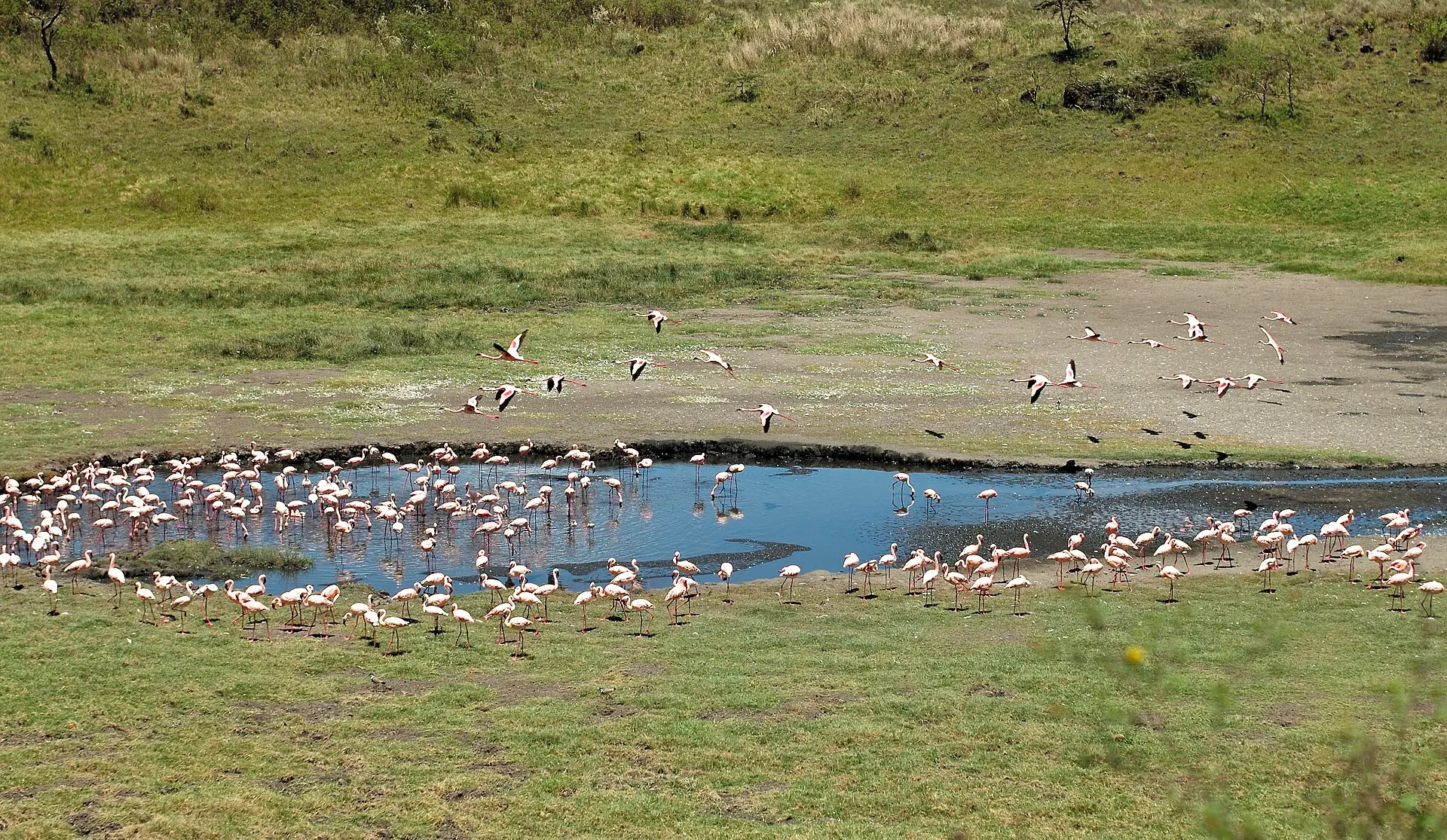
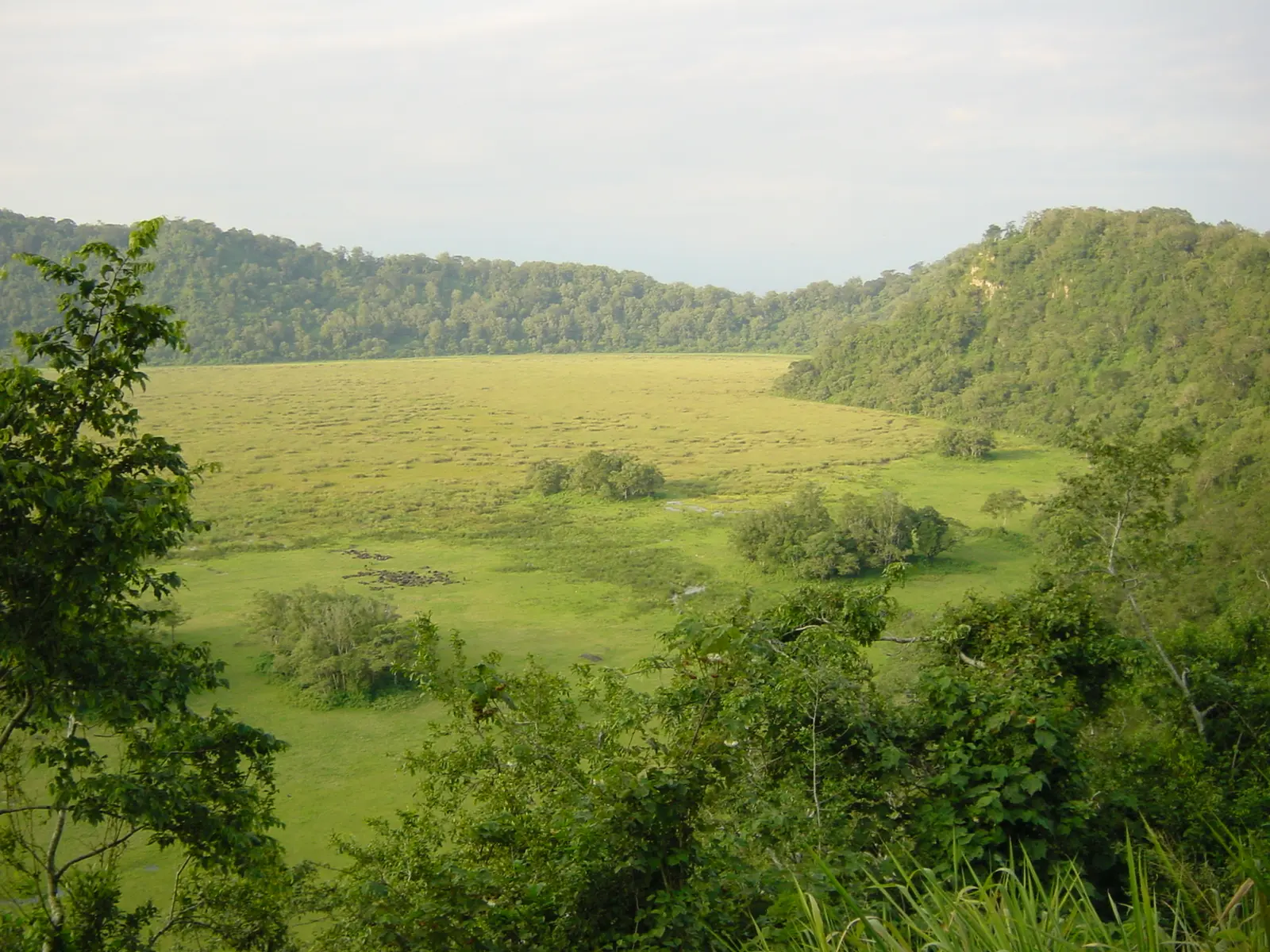
Arusha National Park is a small park about 30 to 45 minutes from the city. It holds Mount Meru, the Momella lakes, forest with colobus monkeys, giraffe and buffalo. It is the easiest first game drive and costs far less than the big parks. Entry fees are charged in US dollars and change, so check the current schedule. Fallback if rain closes tracks: stay on the main road and walk the lake edges with a ranger.
2. Mount Meru day hike
Meru is the fifth-highest peak in Africa. A full climb takes several days and needs a registered guide and an armed ranger. For a day, walk the lower forest trails inside the park with a ranger. Start early: cloud builds by midday. Carry at least 2 litres of water, a rain shell and warm layers. Skip it if you are not acclimatised and have a Kilimanjaro climb booked next, since overexertion costs more than you gain.
3. Cultural village visit
Tourism board-arranged visits to nearby Maasai and Meru communities run from one hour to a full day, with hikes, farm visits and, near Longido, camel walks. Several sites are within an hour of the city. Fees are often modest, in the range of 15,000 to 50,000 Tanzanian shillings per person. Agree the full price first. Guides may ask for donations to a school; give to a registered charity, not to a person. Fallback: a short walk-in visit at Ng’iresi or Ilkiding’a.
4. Arusha Declaration Museum and Natural History Museum
The Arusha Declaration Museum covers the 1967 declaration that set Tanzania’s socialist course. The Natural History Museum is in the old German fort, the boma, built around 1900. Each takes under an hour. This is the answer to a wet afternoon or an evening you cannot spend walking: the city is not safe to walk after dark. Check opening hours locally, as they change.
5. Coffee estate visit
The slopes around Meru are farmland, and several estates offer tours that follow beans from picking to roasting. Book through your lodging, and confirm price and pickup. It is a calm half day, cheaper and easier on the body than a game drive. It is worth it on arrival day, when you are still adjusting to altitude and jet lag.
6. Prepare for the safari: markets and kit
Use a spare half day on practical work. Buy water, snacks, sun protection and local SIM data. Withdraw shillings from an ATM during daylight and keep US dollars for park fees. Check the vehicle: tyres, a spare, a jack and a working radio matter more than a roof hatch. This is dull and it prevents the usual failures. Do it before you leave town, since there is little to buy in the parks.
Where to stay in Arusha
- City centre: close to bus stations and booking offices. Noisy, busy, fine for one night on a budget. Take a taxi after dark.
- Njiro and the southern suburbs: quieter, with restaurants and a cinema complex. Do not walk Njiro Road at night; use a taxi.
- Foothills of Mount Meru (Usa River and Tengeru direction): green, calm, near the airport road. Best for people with their own car or a prearranged transfer.
- Near Kilimanjaro airport: only for very late arrivals or early flights, about 60 km, 45 minutes from the city.
Getting around Arusha
Taxis are the practical choice. Agree the fare before you get in; a short city ride is typically 4,000 to 16,000 shillings. Daladalas, the minibuses, are cheap with fixed fares but crowded, and accidents and pickpocketing are reported: bag on lap, nothing in pockets. Long-distance buses leave from the stations near the stadium; buy tickets a day ahead with a larger company.
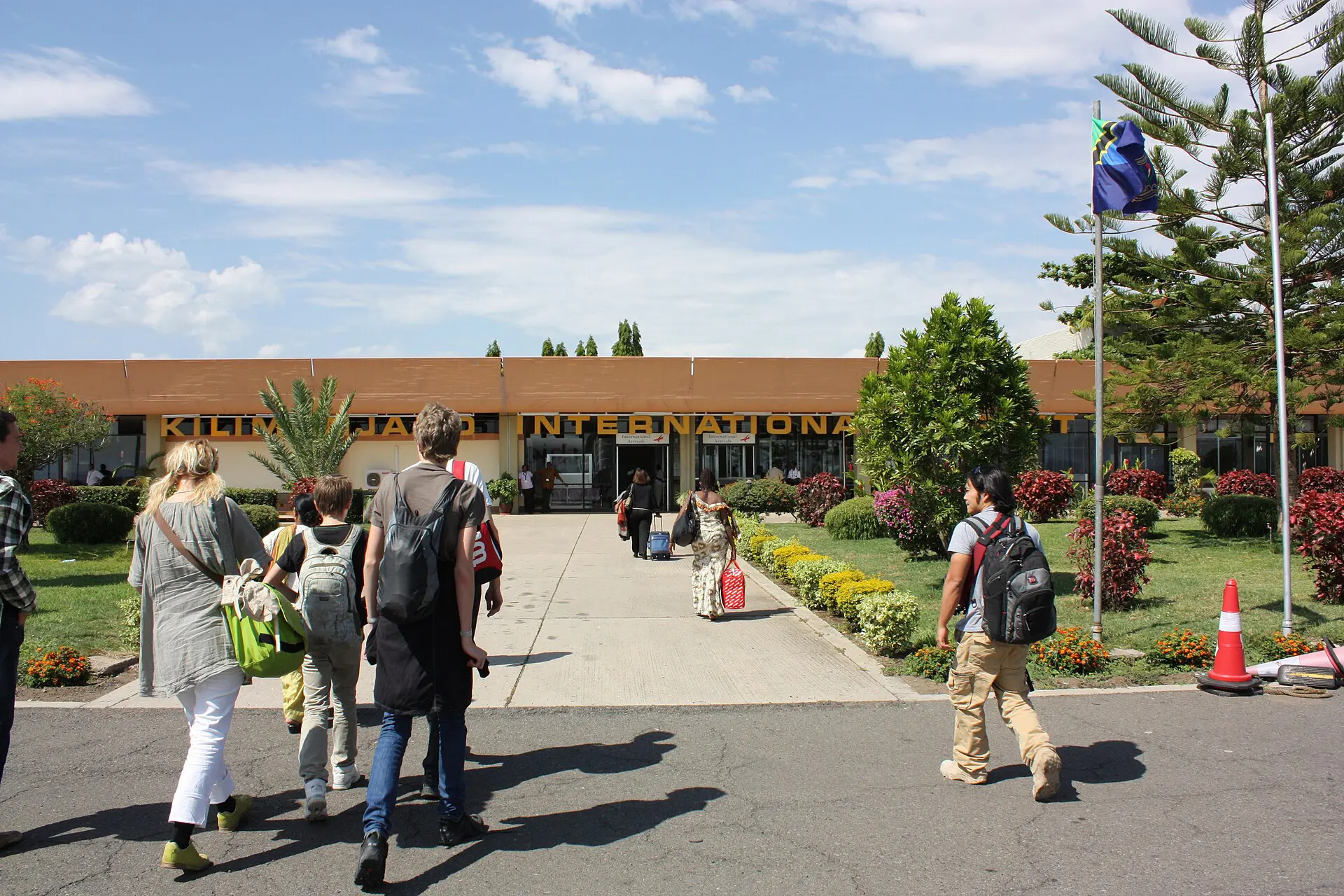
From Kilimanjaro International Airport, a transfer is around 50 USD by taxi, less by shuttle. A visa on arrival has been available for about 50 USD in cash, but confirm the current rules before you fly. Fallback: Arusha Municipal Airport handles domestic and charter flights if your connection changes.
How much does a trip to Arusha cost?
These are rough figures in US dollars per person per day, excluding park fees and safaris, and will vary by season. Check before you book.
- Budget, around 30-60: basic guesthouse, local food, daladalas and short taxis.
- Mid-range, around 100-200: comfortable lodge or hotel, a day trip to Arusha National Park, private transfers.
- High, around 300 and up: a lodge on the Meru foothills, private guide and vehicle.
Is Arusha worth visiting?
Arusha is worth one or two days as a base, not as a goal, and what to do in Arusha is mostly short trips. The park, village visits and mountain trails are good and cheap. The city is crowded and loud. It is little more than a stopover for many visitors, which is fair; see the Arusha guide on Wikivoyage for more.
Skip Arusha if you have no safari or climb planned and want a city break. Skip the museums if time is short. Use the Arusha article on Wikipedia for background on its role as a diplomatic centre.
FAQ about Arusha
How many days do you need in Arusha?
For what to do in Arusha, one full day is enough if you only need to organise a safari or climb. Two days if you add Arusha National Park or a village visit. Longer stays make sense only for rainy-season delays or to adjust to altitude before a hike.
Is Arusha safe for tourists?
Mostly, in daylight. The main risks are petty theft on minibuses and in crowds, and walking at night on roads such as Njiro Road. Use taxis after dark, keep valuables out of pockets and agree prices before any ride or tour.
Can you do a safari from Arusha without a tour operator?
Park rules in northern Tanzania generally need a registered guide and a vehicle suited to gravel roads. Most visitors book through an operator. Self-drive exists but suits experienced off-road drivers. Check licences, insurance and the vehicle’s spare tyres before you pay.
What is the best way to get from Kilimanjaro airport to Arusha?
Take a prearranged transfer or an airport shuttle. The drive is about 60 km and 45 minutes. Official taxis are around 50 USD; shuttles are often cheaper. Agree the price before leaving the terminal, and avoid night drives where possible.