The best things to do in Savannah GA with kids are the ones that fit the city’s layout: short walks between shaded squares, a free ferry ride, a riverfront stroll and a day trip to the beach. The Historic District is about a mile across, so no day needs more than two anchors. Below are a three-day grid, eight stops with age and stamina notes, and a swap for every hot or wet afternoon.
Is Savannah good with kids?
Yes, with one condition: plan around the heat. Savannah has a humid subtropical climate, and the summer heat index typically sits around 99 °F (37 °C) by day and can climb well above 100 °F in a heatwave. The city itself is flat, walkable and full of benches, which is what makes it work for children.
| Age band | Verdict | What to expect |
|---|---|---|
| Under 3 | Easy | A carrier or light stroller handles uneven brick and cobbles. Nap in the stroller under the oaks. |
| 3 to 6 | Good | Playgrounds, the ferry and the beach carry the days. Keep museums to one short visit. |
| 7 to 11 | Best fit | Old forts, railway history and a day on Tybee Island all work. Walking limits stretch to about three hours with breaks. |
| 12 and over | Good | The history is deeper, and the squares can be a route rather than a destination. |
This is the family version of the wider things to do in Savannah guide, which covers the adult-paced version of the same streets.
Best time to go to Savannah with children
March to May and October to November are the easiest months: mild days, shade that feels like relief rather than shelter, and few heat blocks to schedule. Summer works if you accept a split day, with outdoor time before 11:00, an indoor or air-conditioned block in the middle and a short walk after 17:00. Winter is cool, sometimes damp, and quieter. Our guide to the best time to visit Savannah has the month-by-month detail, and the Savannah Christmas market page is useful if you are going in December.
Decision point: if your dates fall in June to August, book a hotel with a pool and an air-conditioned room you can use at midday. That one choice matters more than any attraction.
A 3-day plan: things to do in Savannah GA with kids
Each day has two anchors, a rest block and a swap. Drop any anchor without breaking the rest. The longest transfer in the grid is the 20 to 30 minute drive to Tybee Island.
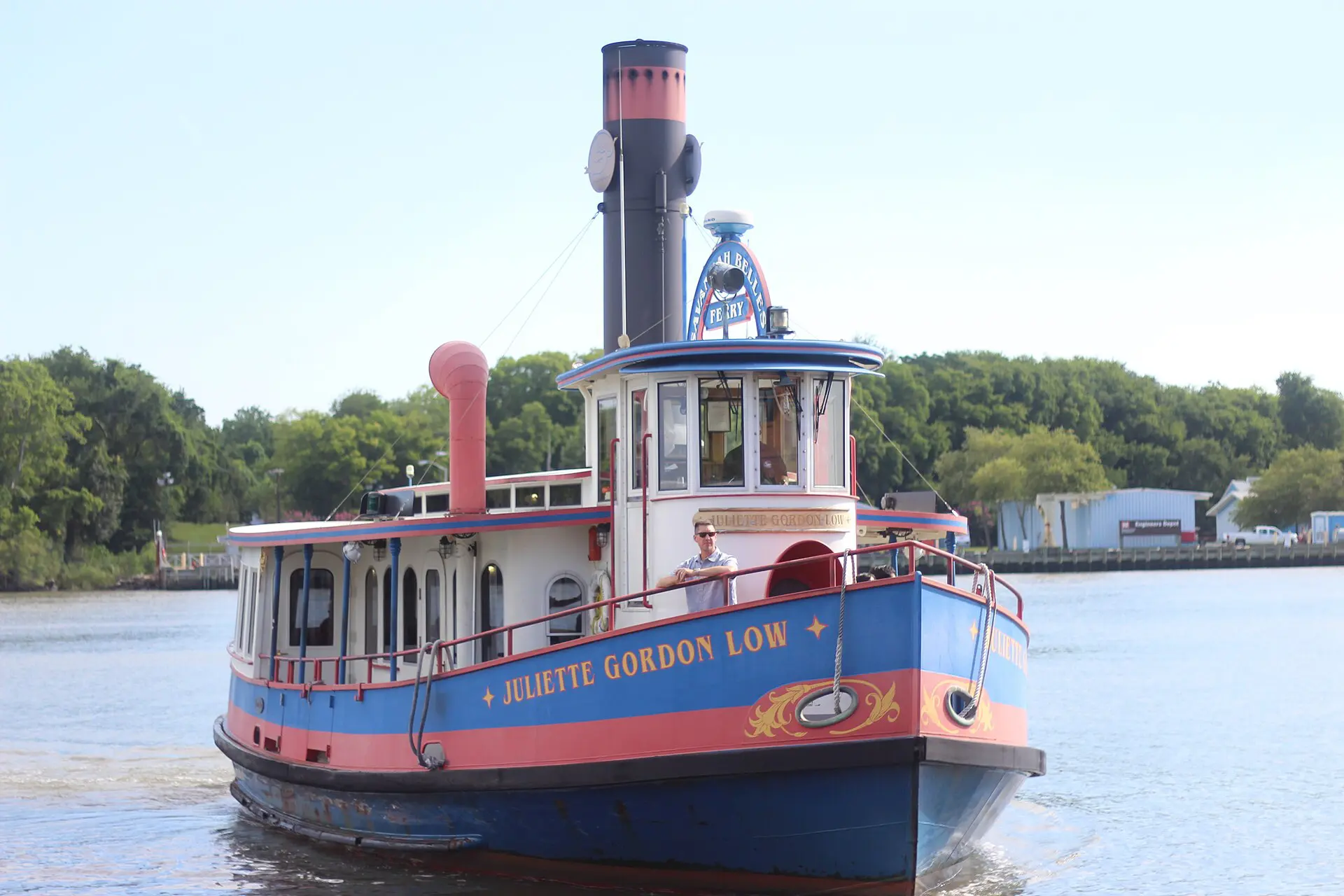
- Day 1: squares and river. Morning: walk from Forsyth Park north through two or three squares, stopping at each bench. Midday rest: lunch and a quiet hour at your base. Afternoon: ride the free Savannah Belles Ferry across the river and back, then walk River Street. Transfer cap: none beyond the ferry. Rainy-day swap: the children’s museum or a history museum in the morning, a covered arcade walk in the afternoon.
- Day 2: Tybee Island. Morning: drive to the beach before the sun is strong, with an early start for parking. Midday rest: lunch, shade and a nap or screen block. Late afternoon: a short lighthouse or pier walk. Transfer cap: 30 minutes each way. Tired-day swap: stay on the sand until lunch and skip the lighthouse.
- Day 3: history and animals. Morning: Fort Pulaski or a short wildlife-centre visit. Midday rest: a long, cool lunch. Afternoon: free play in Forsyth Park. Transfer cap: 20 to 25 minutes. Heat swap: move the outdoor anchor to the first hour of the day and finish indoors by 11:30.
Top family stops in Savannah
1. Forsyth Park
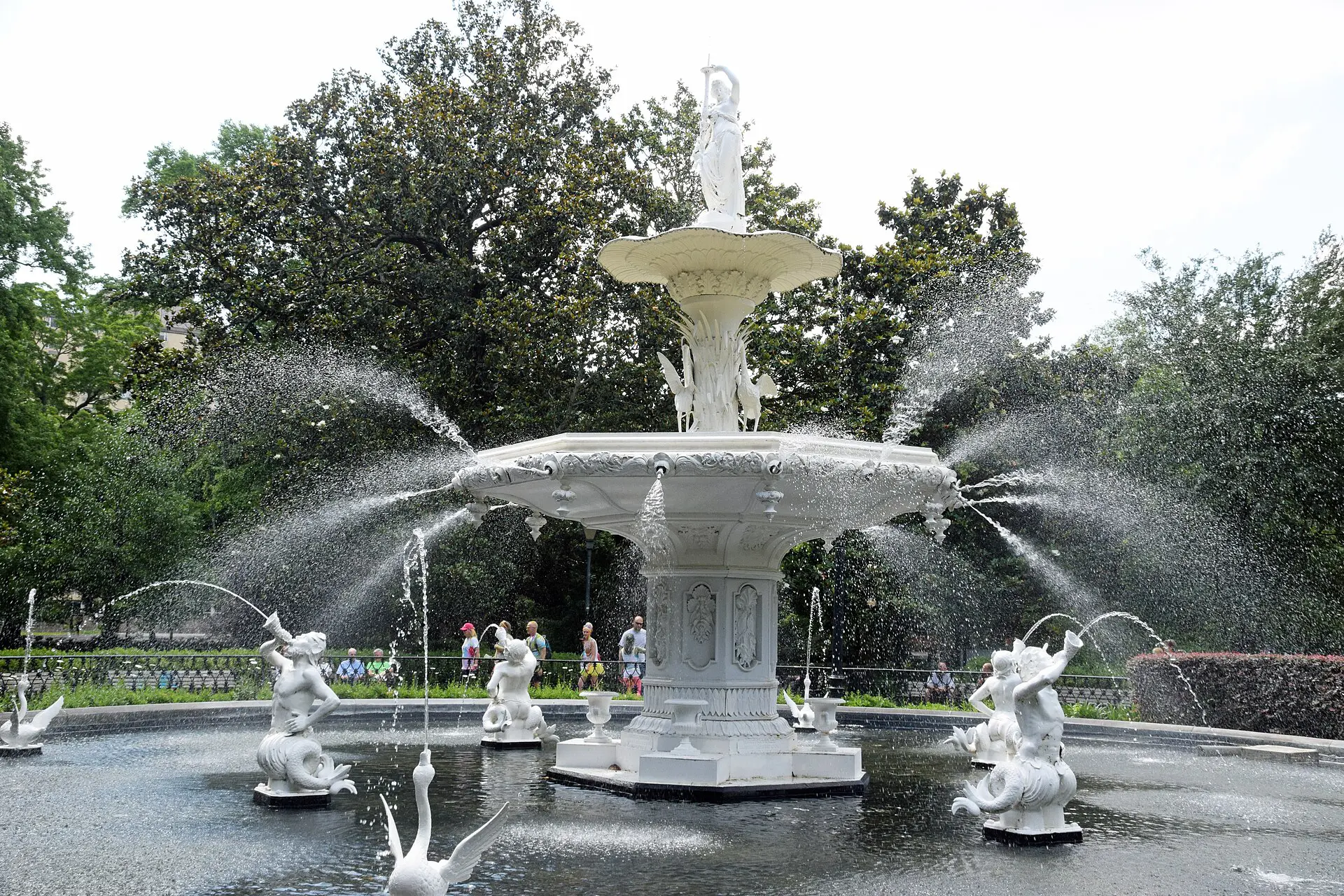
The park at the south end of the Historic District has a large fountain, wide paths, shade trees and open grass, which makes it the best reset block in the city. Age and stamina: all ages; flat, with plenty of benches. Bring a ball or scooter and allow 45 to 90 minutes.
2. The downtown squares
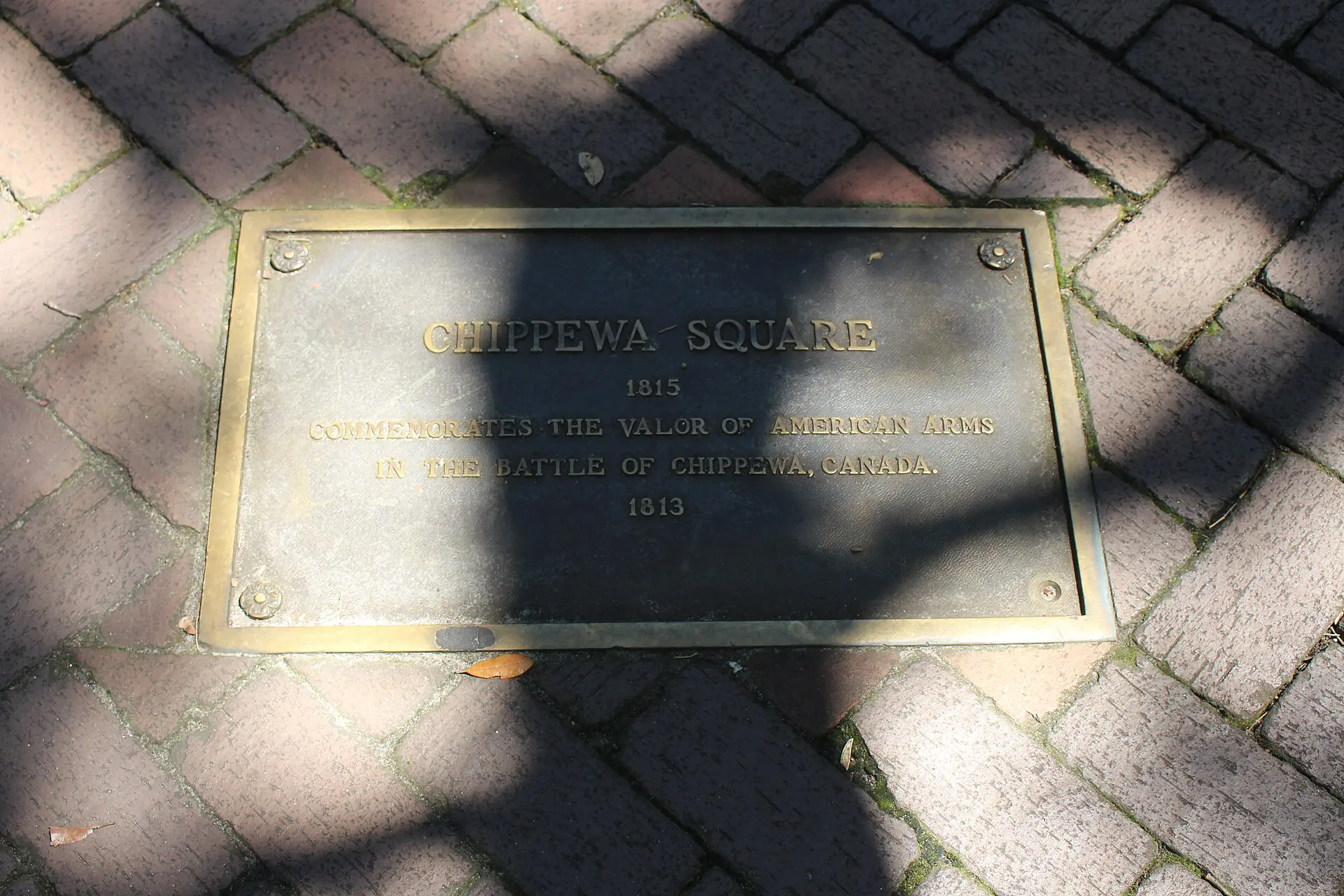
Savannah has 22 small squares laid out in the original Oglethorpe Plan, so you are never more than a couple of blocks from a bench. Chippewa Square, where part of Forrest Gump was filmed, is an easy stop for older children who know the film. Age and stamina: all ages; walk three or four squares at a time, not the whole grid.
3. Savannah Belles Ferry
The free ferry crosses the river between the Historic District and Hutchinson Island. The ride is short, covered in part and good for children who need to look at something moving. Age and stamina: all ages, with a stroller allowed on board; keep a hand on toddlers at the rail. Check the running schedule before you go.
4. River Street
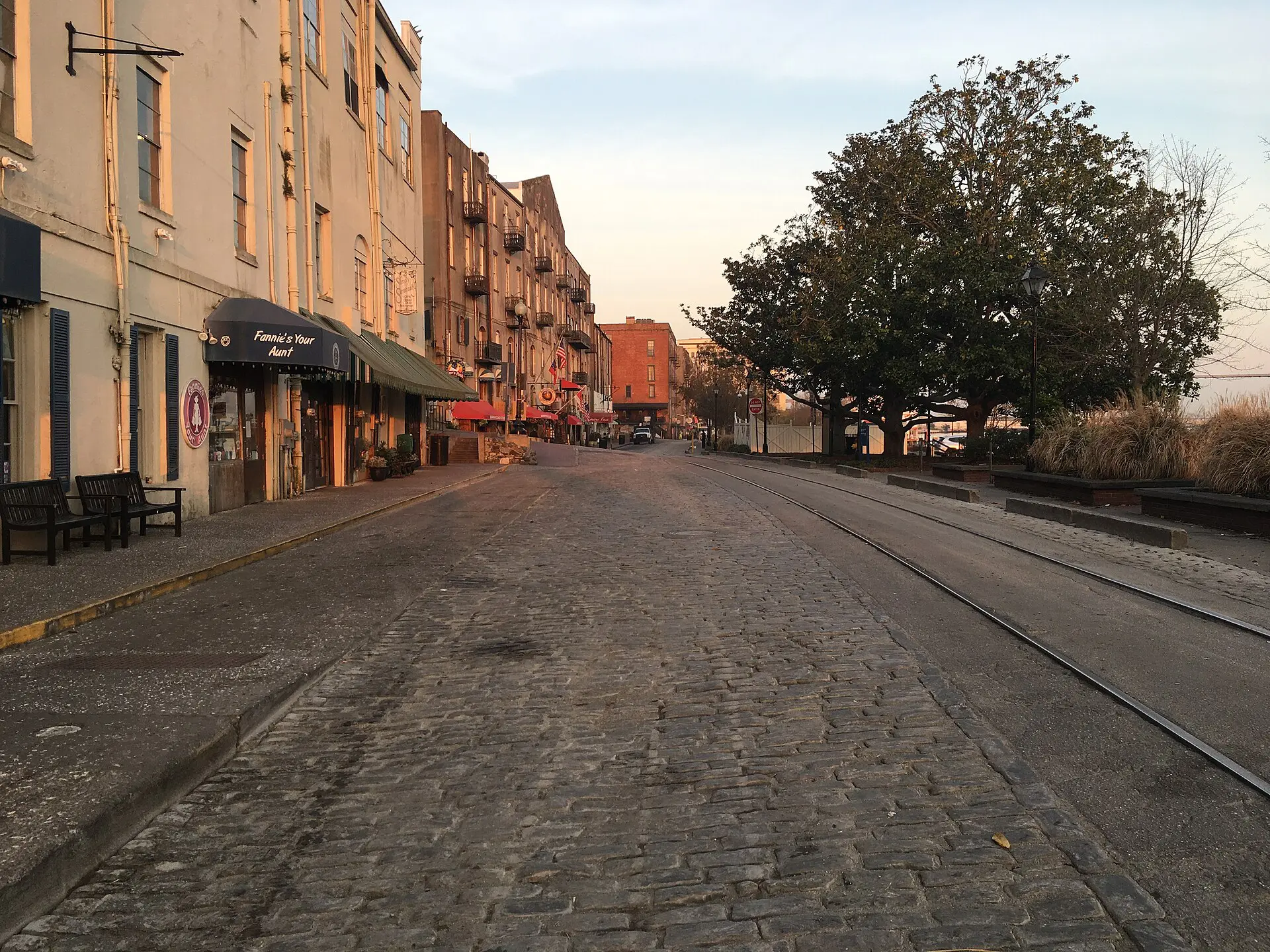
The cobbled street along the water has ship traffic, candy shops and a free weekend streetcar. The cobbles are rough on stroller wheels, and the crowd gets thick by mid-afternoon, so go in the morning. Age and stamina: 3 and over for the full length; use a carrier for infants.
5. Tybee Island beach
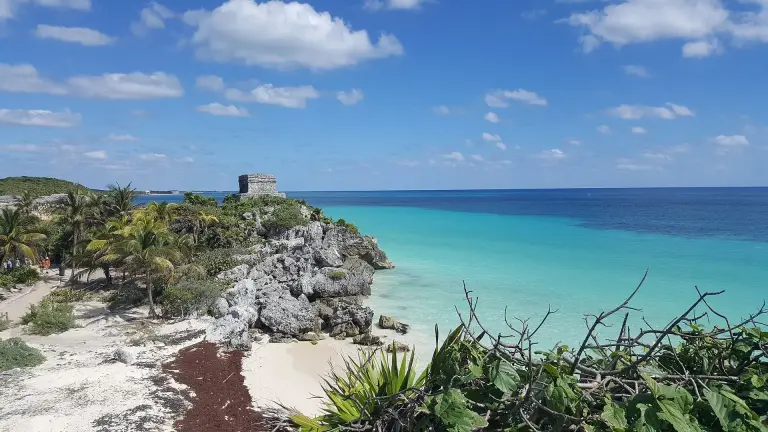
The barrier island east of the city has a wide public beach, a pier and a historic lighthouse. Tides and currents vary, so swim near lifeguards and check posted flags. Age and stamina: all ages; the lighthouse climb is for children who can manage a long staircase, usually 7 and over.
6. Fort Pulaski National Monument
The brick fort near Tybee is run by the National Park Service and has open walls, a moat and grass for running around. Junior Ranger activities are a standard feature of national park sites, so ask at the desk. Age and stamina: 5 and over for the full circuit; shade is limited, so go early. Allow 90 minutes.
7. Savannah Children’s Museum and the railroad site
The Central of Georgia Railway roundhouse complex is the oldest standing antebellum rail facility in the United States, and a children’s museum sits near the railroad museum grounds. Check current hours and what is open on the day. Age and stamina: 2 to 8 for the hands-on play; 8 and over for the trains.
8. Oatland Island Wildlife Center
A short drive from downtown, this animal centre has native wildlife and walking trails through woods. It is a good alternative on a day when the heat is high but the sky is clear, because trails are shaded. Age and stamina: 3 and over; check hours and seasonal closures first.
Where to stay in Savannah with kids
Choose by how much walking you want to do, not by view. Three areas work.

- Historic District, near Forsyth Park: park and squares on the doorstep, easy midday returns, higher rates. Best for ages 3 to 8.
- Riverfront: the ferry and River Street are close, but cobbles and evening crowds make it harder with strollers.
- Midtown or the edge of town: lower rates, easier parking, a car for every outing. Best for older children and longer stays.
A hotel with a pool or a rental with a kitchen gives you a rest anchor and flexible meals.
Getting around Savannah with children
The Historic District is roughly one mile by one mile, so most of the plan is on foot. The free dot Shuttle winds around the district, which is useful when a child stops walking, and downtown parking garages, including one under Ellis Square, are easier than street spaces. Metered spots fill by mid-morning on weekends. For Tybee and the fort, a car or taxi is simpler than public transport. Car seat rules apply in Georgia, so confirm requirements with your rental company before you arrive.
Food and rest anchors
Savannah’s food scene is large, and where to eat in Savannah covers it. For a family day, think in types instead of names.
- Early lunch: a casual counter or deli near the squares, at 11:30, before queues build.
- Snack stop: an ice cream or praline shop on a shaded block, used as a mid-afternoon reset.
- Dinner: early seating, around 17:30, at a place with a children’s menu and no long wait.
- Picnic: grocery supplies for Forsyth Park or the beach. It saves money and one meal’s worth of negotiation.
Rainy-day things to do in Savannah GA with kids
Rain in Savannah is often a heavy afternoon shower that clears within an hour, so keep a flexible hour. Plan a museum block, a railroad site visit, an arcade or a long lunch, then return to the squares when the sky clears. Summer thunderstorms are common, so avoid open beach and trees if lightning is close. A pair of light rain jackets in the day bag solves most problems.

What Savannah with kids costs
Costs vary by season and event weekends, so treat this as a guide and check current rates. As of 2026, hotel rooms in the Historic District generally cost more than rooms in midtown, with the highest rates in spring and during festivals. Many of the best stops are free: Forsyth Park, the squares, the ferry and the dot Shuttle. Paid stops are typically modest, and national park entry is charged per person or per vehicle, so check the official page.
FAQ: Savannah GA with kids
How many days do you need for things to do in Savannah GA with kids?
Three days is comfortable with children under 10: one for the squares and river, one for Tybee Island and one for the fort and a park. Two days works if you drop one anchor, and a fourth day gives you a rest day.
Is Savannah walkable with a stroller?
Mostly. Sidewalks are brick or concrete, and the cobbled sections near River Street are rough. A light stroller with good wheels is easier than a heavy one, and a carrier helps on the ferry ramps and the lighthouse stairs.
What is the best month to visit Savannah with children?
April and October are usually the easiest: warm, lower humidity and fewer heat blocks. Summer is possible with midday rests, but the heat index can be high, so plan outdoor time before 11:00.
Do you need a car in Savannah with kids?
Not for the Historic District, where walking and the free dot Shuttle cover most needs. A car helps for Tybee Island, Fort Pulaski and the wildlife centre, though a taxi or ride service also works for single trips. Parking in the district is limited, so use a garage.
What can kids do in Savannah when it rains?
Use the museums, the railroad complex, a house museum or a long lunch, then return outside when the shower clears. Most rain comes as short bursts, so a flexible hour is usually enough. See the Wikivoyage Savannah guide for more on getting around.