The best time to visit Savannah GA for value is late October to mid-November, or late January to February. Weather is mild, crowds are thinner and room rates usually sit below the spring peak. March and April are the best weather and the highest prices. Summer is cheap for a reason. Below is a month-by-month table, the event dates that push rates up, and when to book.
Savannah by month: weather, prices and crowds
Price level here is relative, not a quote. “High” means rates typically run well above the yearly average for comparable rooms; “low” means below it. Check live rates for your dates, since they move with events.
| Month | Weather | Price level | Crowds | Verdict |
|---|---|---|---|---|
| January | Cool, mostly dry | Low | Light | Good value, bring a jacket |
| February | Cool to mild | Low to medium | Light, rising late | Strong value window |
| March | Warm, pleasant | High | Heavy | Best weather, worst prices |
| April | Warm, pollen season | High | Heavy | Pay for it only if dates are fixed |
| May | Warm, getting humid | Medium | Moderate | Good shoulder month |
| June to August | Hot, humid, storms | Low to medium | Moderate | Cheap, but heat limits daytime walking |
| September | Hot, hurricane risk | Low | Light | Cheap with weather risk |
| October | Mild, drier | Medium | Moderate | Good, rates rise around events |
| November | Mild to cool | Low to medium | Light to moderate | Best overall value |
| December | Cool | Medium, high near holidays | Moderate | Festive, pricier at the end |
Savannah’s climate is humid subtropical, according to Wikivoyage’s Savannah guide: short winters, long hot summers. Its summer heat index typically averages around 99 °F (37 °C) by day, and can reach about 110 °F (43 °C) in heat waves.
Pay more for / save on by season
Seasonal pricing rewards flexibility more than haggling. The split below shows where a higher bill buys something real.
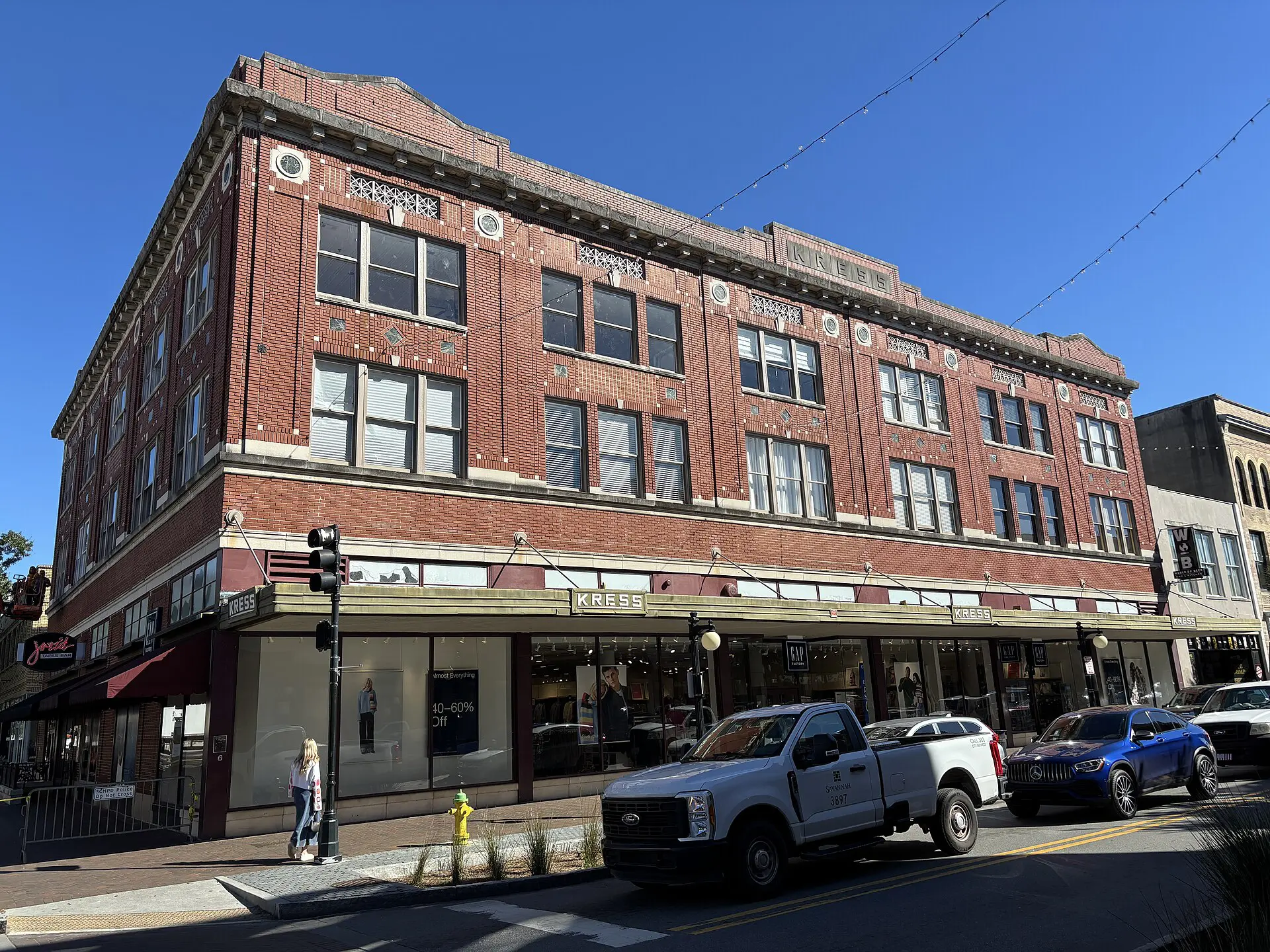
- Pay more for: a Historic District room in March or April. Walking distance to the squares removes parking and rideshare costs, and weather is at its best.
- Pay more for: a refundable rate in hurricane season, since the extra cost is small next to a lost deposit.
- Save on: rooms outside the Historic District in peak months. A short drive or rideshare ride can cut nightly rates meaningfully, but add transport and parking back before you decide.
- Save on: midweek stays. Sunday to Thursday nights are typically cheaper than Friday and Saturday in any season.
- Save on: guided tours in winter, when you can walk the squares on a self-guided loop in comfortable weather.
Overnight parking is a real line item downtown, and many hotels charge a daily fee that can add 10 to 20 percent to a mid-range rate. Add it to the room rate when you compare, along with any resort-style fee. A $150 room with a $30 parking charge is really $180.
The best time to visit Savannah GA on a budget
If you can choose, aim for two windows. The first is late October through mid-November: heat has broken, hurricane season is winding down and rates tend to drop once the autumn events pass. The second is late January through mid-February, when the city is quiet and cool, not cold.
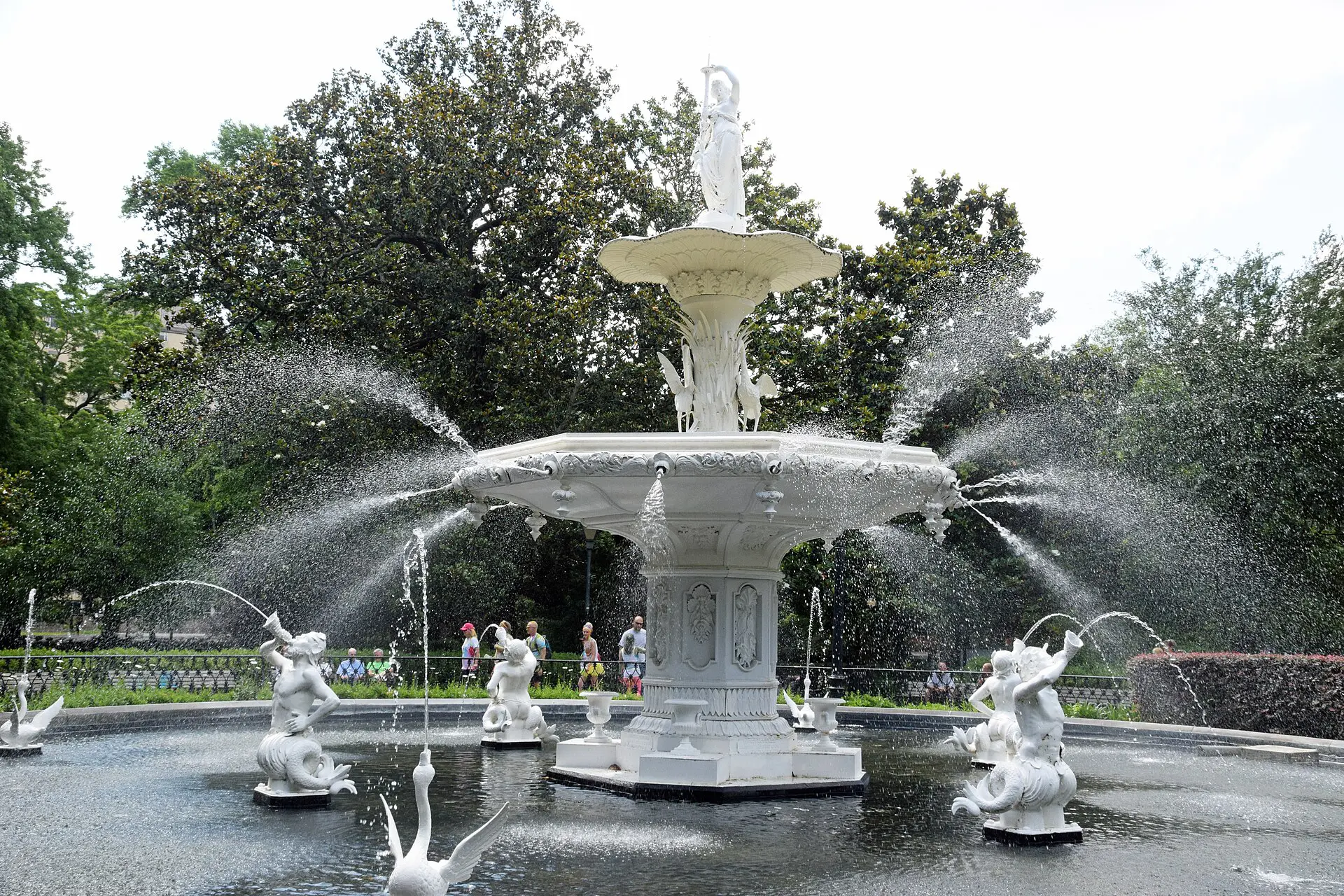
Of the two, I would pick November. It gives more daylight at a walkable temperature than January, and shops and attractions keep full hours. Expect highs that are comfortable for all-day walking, and a lower chance of the afternoon storms that summer brings. Savannah has 22 historic squares within a walkable district, so a central room in the shoulder season saves the most. A weekday arrival in either window gives the best odds of a rate well below the March to April level.
Months to skip in Savannah
Skip is relative: you can still have a good trip, but the cost-to-comfort ratio is poor.
- July and August: the heat index makes midday sightseeing unpleasant, so you pay for a room you spend the afternoon inside. Prices are lower, but not low enough to offset the trade-off for most visitors.
- Late March around St Patrick’s Day: the city is famous for its celebrations, and rooms can be scarce and expensive. Fine if that is the point of your trip, poor value otherwise.
- September: the cheapest rates carry real hurricane-season risk, which runs June to November, with the highest odds in late summer and early autumn. Book flexible rates if you go.
When to book Savannah: 3 booking windows
The best time to visit Savannah GA is only a good deal if you book it at the right point. Booking windows depend on the season. These are rules of thumb, not guarantees, so check live prices.
- March, April and event weekends: book several months ahead. Rooms in the Historic District tend to sell out first, and rates rise as dates fill.
- May, October and December: a few weeks to two months ahead is usually enough.
- January, February, November and summer: you can often book closer in, and a free-cancellation rate lets you rebook if prices fall.
Flights follow the same logic. Savannah’s airport is small, so fares to it can be volatile and thin on options. It can also be worth pricing nearby airports and a rental car, but add the drive time and fuel before you call it cheaper. For a broader plan, see our things to do in Savannah, GA guide.
Savannah event spikes that raise prices
Dates shift each year, so confirm with official event pages before you book anything non-refundable.
St Patrick’s Day, mid-March
The parade and street celebrations are among the city’s biggest events. Expect the highest rates of the year around the weekend nearest 17 March, and minimum-night rules at some properties.
Spring weekends, March and April
Garden blooms and warm weather fill the squares. Spring-break travel and weddings add pressure. Weekends cost most, so shift to Sunday to Thursday if you can.
Savannah Bananas baseball, summer
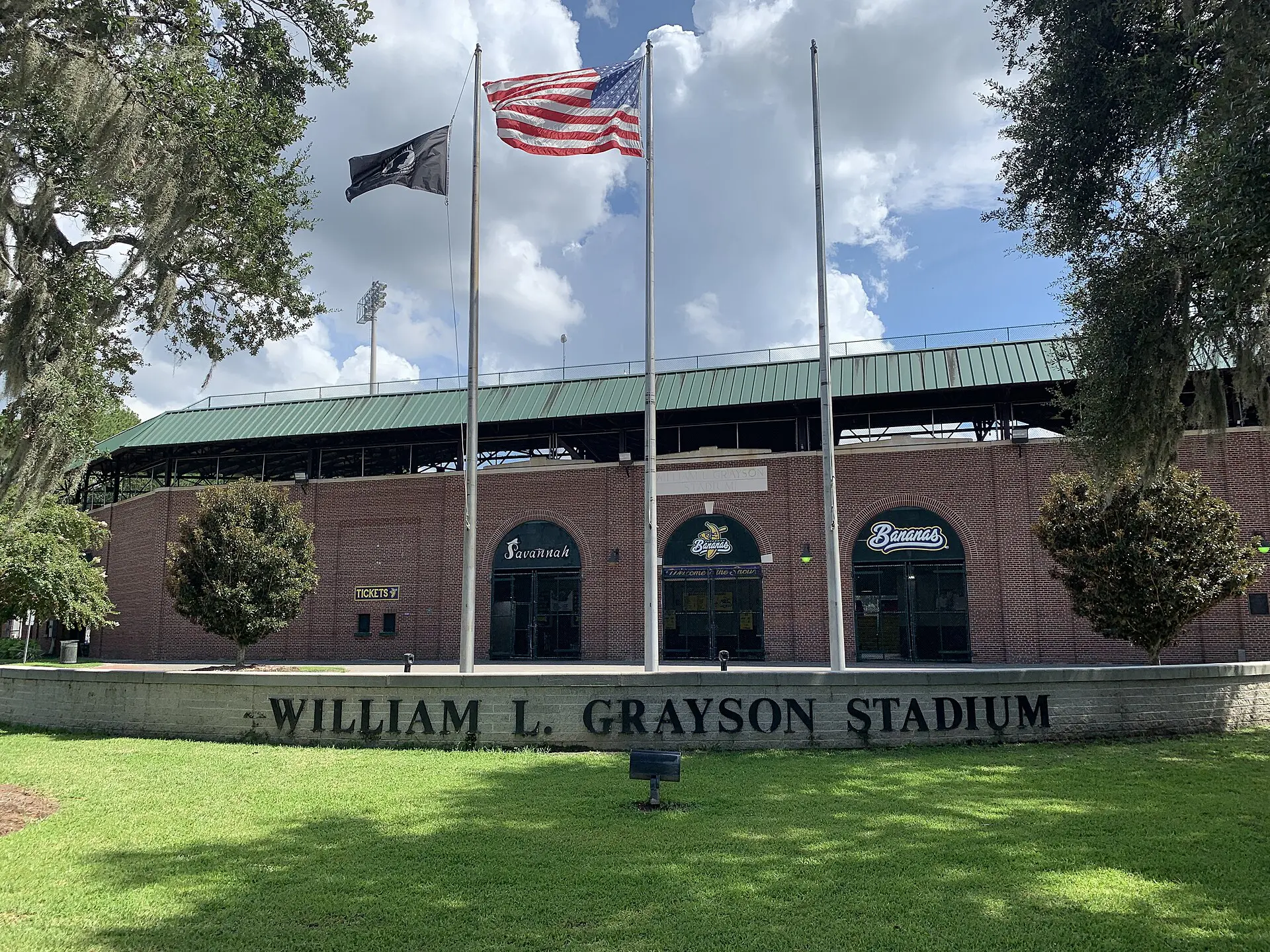
The Savannah Bananas, the city’s exhibition-style baseball team, draw large crowds to the ballpark in the warm months. Home-game weekends can lift nearby rates even in the slow season, so check the schedule against your dates.
Film and arts festivals, autumn
The Savannah College of Art and Design runs a film festival in the autumn, and the school’s presence keeps the city busy with arts events. These can nudge October rates up, so the value window sits on either side of them.
Thanksgiving week
US travel is heavy over this holiday, and short stays tend to cost more. A visit either side of it often costs less.
Christmas and holiday lights, December
Decorations and a seasonal market make December a pleasant, if crowded, month, with rates climbing near the holidays. Our Savannah Christmas market guide covers timing and layout.
FAQ: best time to go to Savannah
What is the cheapest month to visit Savannah, GA?
January and February are usually among the cheapest, along with parts of summer and September. For the best mix of price and comfort, I would choose late January or November. Compare live rates, as events can lift any month.
Is Savannah worth visiting in summer?
Yes, if you accept the trade-offs. Rates are lower, but heat and humidity are heavy, with the heat index often near 99 °F by day. Plan walks for early morning and evening, and use museums, indoor food stops and air conditioning in between.
When is Savannah most crowded?
March and April are the busiest, with the mid-March St Patrick’s Day weekend the peak. Autumn weekends and the run-up to Christmas are also busy. Sunday to Thursday is quieter in every season, and the shoulder months of May and November are calmer.
How many days do you need in Savannah?
Two to three days (about 48 to 72 hours on the ground) covers the squares, the riverfront and a few museums or house tours. Add a day for a nearby island or a slow day with food stops. Longer stays rarely cut the per-night rate, so value comes from choosing the right dates. See where to eat in Savannah for meals.
Does hurricane season affect Savannah trips?
It can. The Atlantic season runs June to November, and Savannah has seen storm disruptions, though direct hits are not common in any given year. Book refundable rates and consider travel insurance that covers weather cancellations. The United States travel guide has wider planning notes.