The best things to do in Savannah GA are concentrated in one walkable grid: 22 shaded squares, a riverfront, and a handful of house museums and churches within a mile of each other. That is good news for a short break. If you only have one day, walk the squares in the morning, take a house museum or gallery at midday, and finish on River Street. Two to four days let you add the cemeteries, the civil rights sites and the coast.
Best time to visit Savannah
Savannah has a humid subtropical climate. Summers are long and hot, with the heat index often near 99 F (37 C) by day and well above that in a heatwave. Winters are short and mild. Spring and autumn are the sensible choices for a walking-heavy itinerary. Hurricane season runs from June to November, so buy flexible bookings if you travel in late summer.
| Season | Weather | Crowds and prices | Good for |
|---|---|---|---|
| Spring (Mar-May) | Warm, often dry, blooming gardens | Busiest; St. Patrick’s Day weekend is the peak | Walking the squares, gardens, outdoor tours |
| Summer (Jun-Aug) | Hot, humid, afternoon storms | Quieter streets, lower rates | Museums and indoor sights, early-morning walks, Tybee beach |
| Autumn (Sep-Nov) | Warm early, comfortable by late October | Moderate; hotel rates rise on event weekends | Cemeteries, tours, day trips |
| Winter (Dec-Feb) | Cool and mild, some cold snaps | Light; best value | House museums, cafes, food, unhurried sightseeing |
Top things to do in Savannah
If you are wondering what to do in Savannah GA and in what order, the list below runs roughly from morning to evening. Fun things to do in Savannah GA are mostly outdoors, so start early in warm months. Opening hours and tour schedules change, so confirm each one before you go.
A workable one-day order: squares and Forsyth Park from 8am, Telfair Academy or the SCAD museum at midday, the cathedral mid-afternoon, River Street at golden hour, dinner near City Market. Two days: add Owens-Thomas House, Bonaventure Cemetery and one of the Black history sites. Most house museums run timed tours, so book the tour first and arrange everything else around it.
1. Walk the historic squares
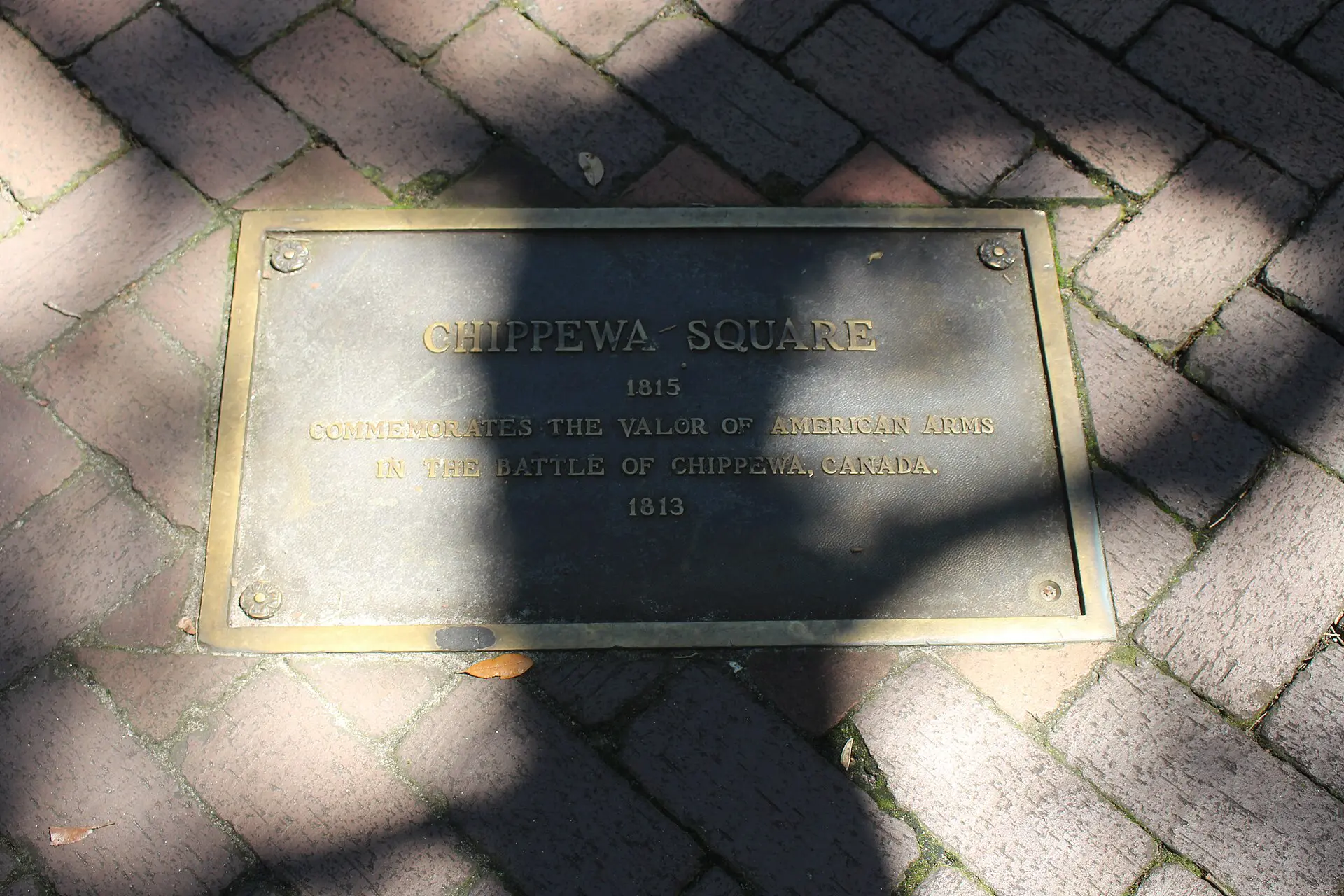
This is the anchor, and it is free. Founder James Oglethorpe’s 1733 plan laid out small public squares as the city’s organising unit, and many survive, each with its own monuments and live oaks. Start at one square and let the grid carry you. Chippewa Square is where parts of Forrest Gump were shot.
Allow two hours, begin before 9am in summer, and carry water. The squares are small, so you are never more than a couple of minutes from shade or a bench. Tour groups cluster around the best-known squares from late morning; an early start gives you the benches, the oaks and the light to yourself.
2. Forsyth Park
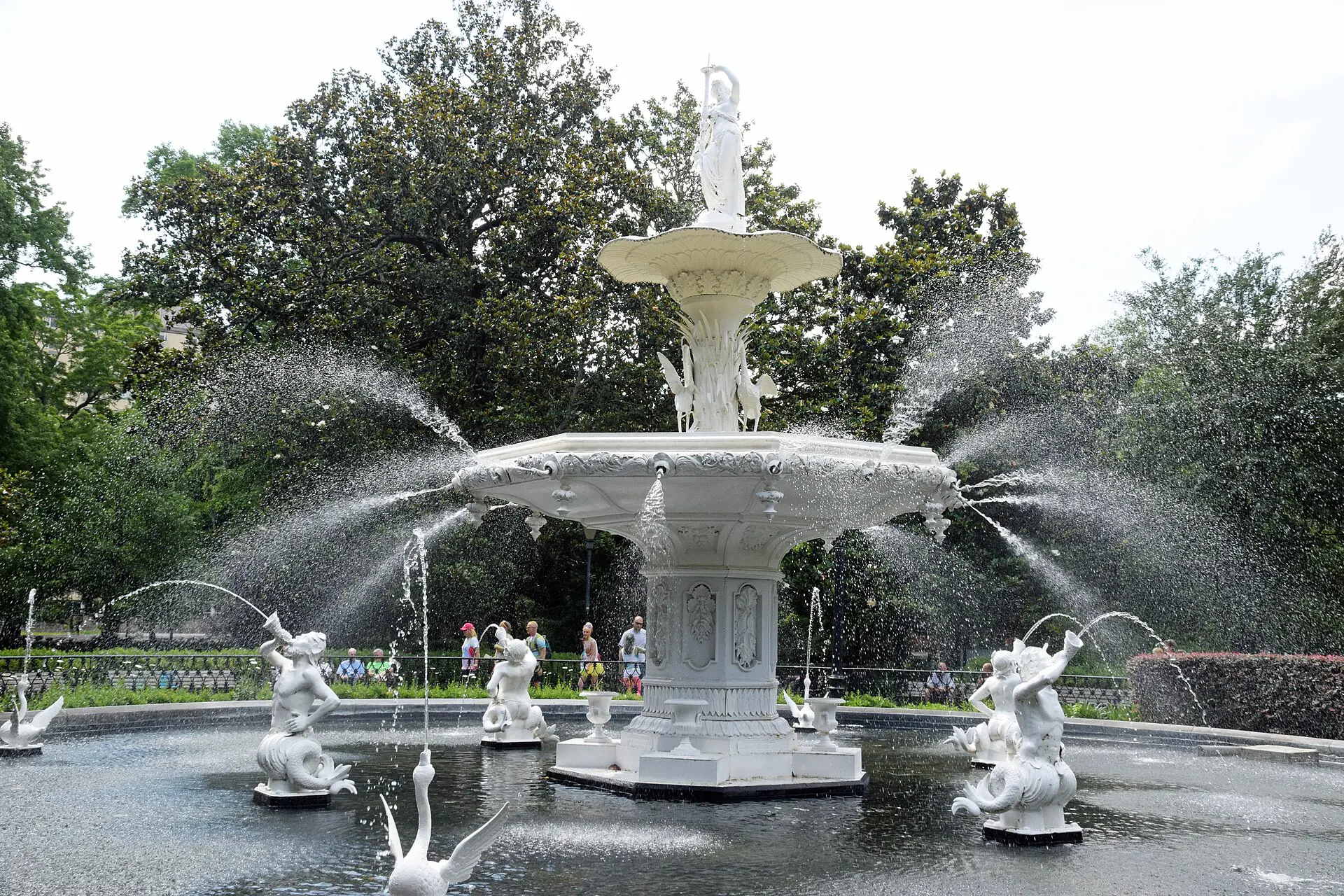
Forsyth Park is the city’s largest green space, with a white fountain at its northern end that appears on most postcards. Do the loop in 45 minutes, early or late, when it is cooler and the light is better. The park also hosts a farmers’ market on some Saturdays, which is a useful pairing for breakfast. Check seasonal schedules. It sits at the southern edge of the Historic District, so you can walk back through the squares afterwards. Cut the route short on very hot afternoons: the central paths are shaded, but the open lawns are not.
3. River Street
The cobbled riverfront below the bluff is lined with former cotton warehouses, now shops and bars. It is the most touristy stretch in Savannah, and it is at its best for 30 minutes at the start or end of the day, when you can watch container ships slide past.
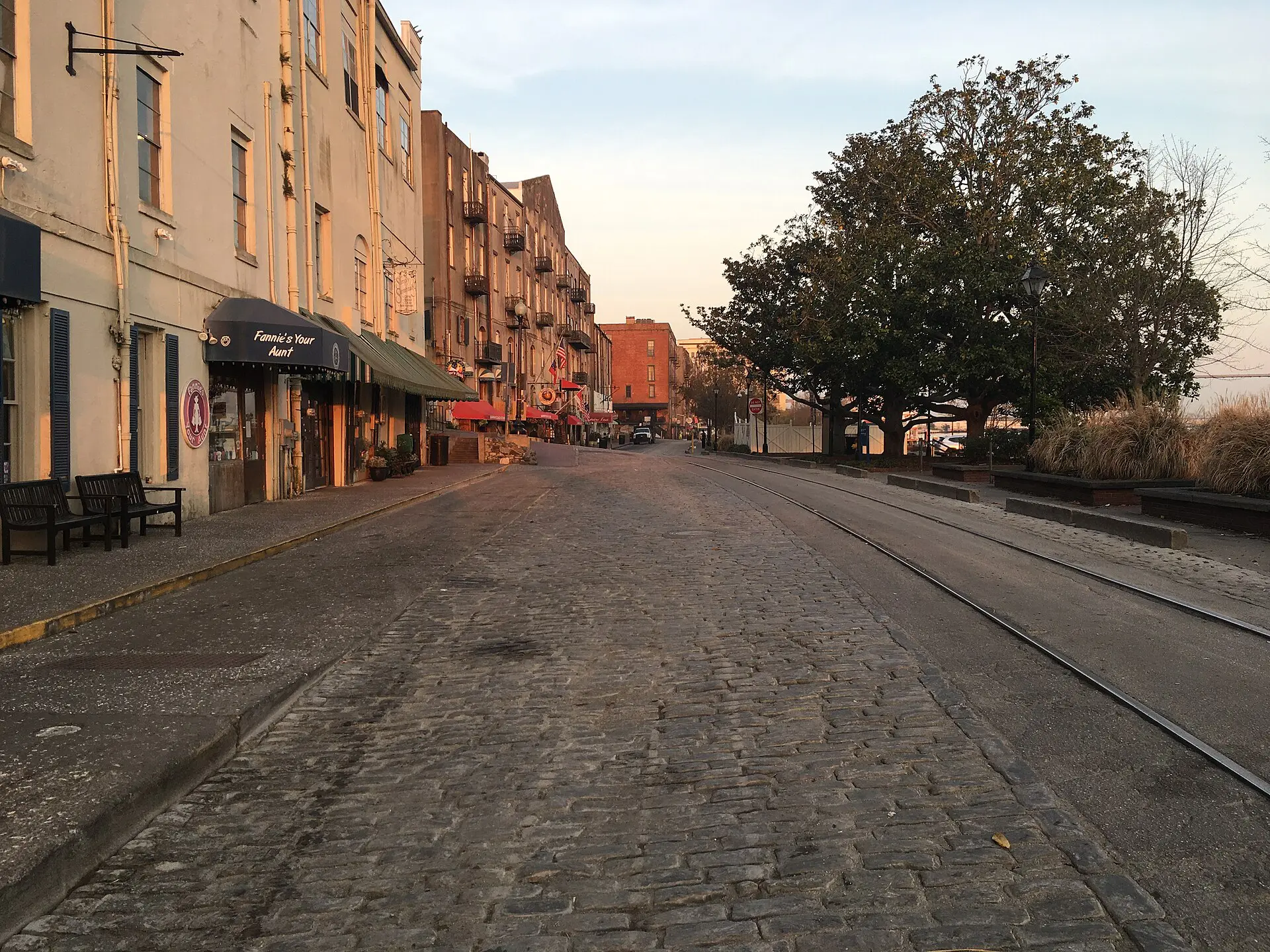
Wear flat shoes, since the cobbles and steep stairs are awkward. Midday weekends are crowded. Treat it as a view, not a destination for lunch. The better food is a few blocks inland, away from the waterfront premium. Cruise-style crowds and souvenir shops thin out after dark, but so does the pavement lighting, so take care on the steps.
4. Cathedral of St. John the Baptist
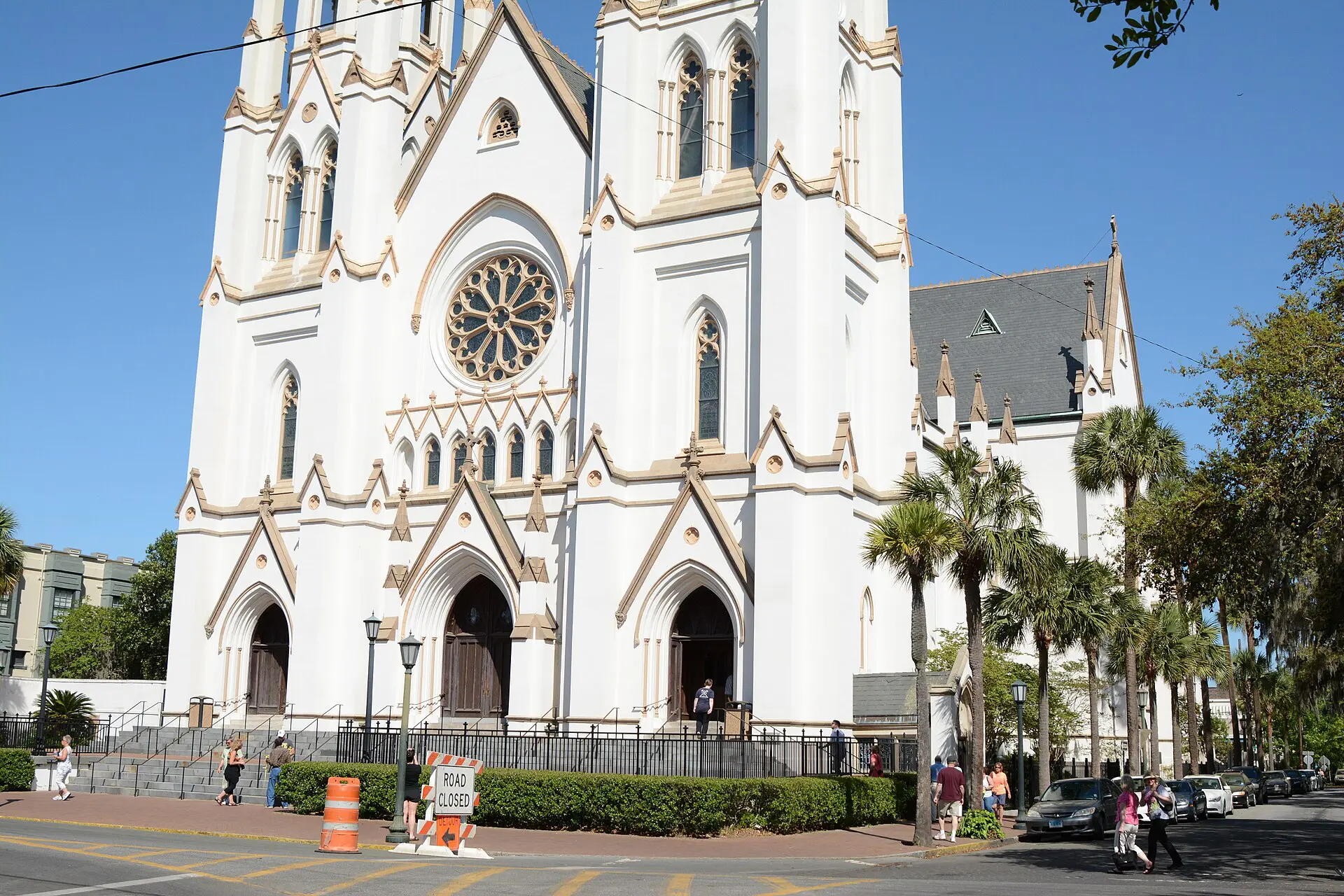
The twin Gothic spires rise above Lafayette Square and are visible from several squares. Visit for the stained glass and the interior, but keep to the visiting hours, because services take priority and the building can close to sightseers without notice. Dress modestly. Allow 30 minutes. Pair it with a coffee in the neighbouring blocks and the short walk past Lafayette Square’s fountain.
5. Telfair Academy
The oldest public art museum in the South, in a restored 19th-century mansion, forms part of the Telfair Museums group. Its rooms mix American and European paintings and decorative arts, and the building itself is part of the exhibit. Allow 60 to 90 minutes. Go straight to the main floor galleries first, then the decorative rooms; that order keeps you ahead of the late-morning groups. A combined ticket often covers several Telfair venues, which is cost-effective if you plan to see more than one, though you should check current terms. Mondays and some mornings may have shorter hours.
6. Owens-Thomas House
This Regency house museum is another Telfair site and one of the best interpreted historic houses in the region. It is visited by guided tour, which means set start times and small groups, so reserve a slot rather than turning up. The tour addresses the lives of the enslaved people who worked in the house, which gives the grand rooms useful context. Plan 60 minutes, and check tour hours in advance.
7. SCAD Museum of Art
The Savannah College of Art and Design is why the city feels so full of galleries and young designers. Its museum, in a converted railroad complex west of the squares, shows contemporary work in well-lit rooms. SCAD keeps the city awash in accessible, affordable art, and the museum is the best proof.
Allow an hour. It is rarely crowded, which makes it an efficient fallback for a hot or wet afternoon. Student work and fashion exhibitions rotate, so look at the current programme before you commit. The surrounding blocks have galleries and cafes that are worth a short detour.
8. Bonaventure Cemetery
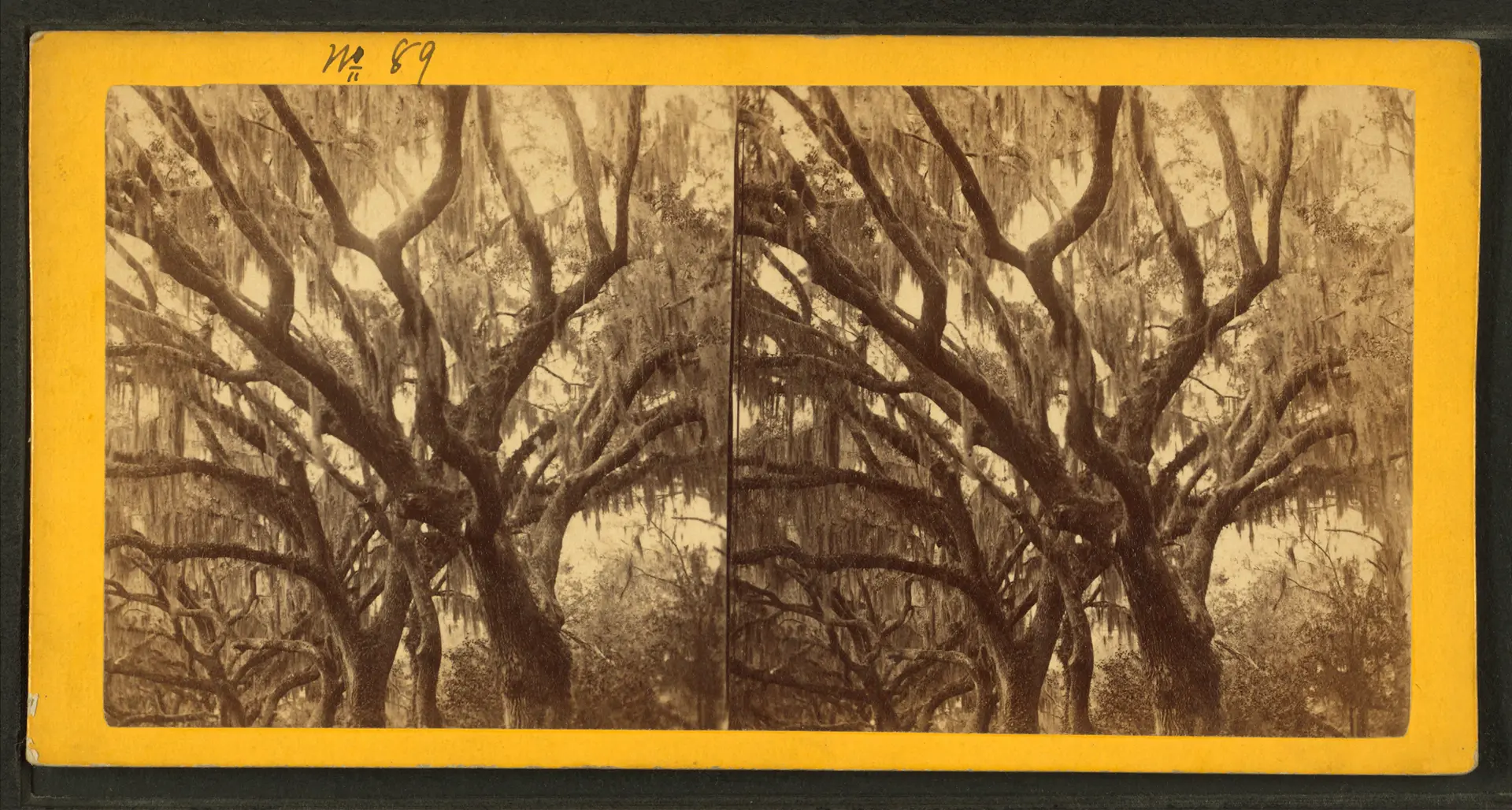
Perhaps the most atmospheric cemetery in the Southeast, with live oaks draped in Spanish moss over the graves on the Wilmington River bluff. It is a ten-minute drive from downtown. It became better known through the book Midnight in the Garden of Good and Evil, which locals call The Book.
Go in the morning. Stay on the paths, respect the visitors’ rules and allow 60 to 90 minutes. Many guided tours cover it. If you go independently, pick up a map at the entrance, because the lanes branch and the headstones are not signposted. Mosquitoes are a real factor from late spring to early autumn, so bring repellent.
9. Colonial Park Cemetery
If Bonaventure is too far, this is the in-town alternative. It is a small, walkable burial ground dating back to the 18th century, and it sits within the Historic District. Fifteen minutes is enough to read the older headstones. Daytime visits are best, and the gates have limited hours. Take it as a short pause between the cathedral and Forsyth Park rather than a stop in its own right. It is the better choice if you want a graveyard visit without hiring a car, and the older stones are worth a closer look than most guidebooks suggest.
10. Juliette Gordon Low Birthplace
This 1820 house is the birthplace of the founder of the Girl Scouts of the USA. It is a compact tour, about 45 minutes, and the guides link the family’s story to the city’s social history. Tours run on set slots, so book ahead in spring. It is useful if you want a historic house without the length of the larger museums. Check closing days, which can fall mid-week.
11. First African Baptist Church
Founded in 1773, this is among the oldest Black congregations in North America. Tours explain the church’s role in Black history in Savannah and the building’s own features, but they depend on the congregation’s schedule, so reserve well ahead and confirm times. It is a working church, so dress respectfully. Allow 45 minutes. This is a strong choice for travellers who want depth over breadth. Cameras and conduct rules depend on the congregation, so ask when you book. Do not drop in on a Sunday expecting a tour; worship comes first.
12. Ralph Mark Gilbert Civil Rights Museum
A small museum on the civil rights history of Savannah’s Black community, focused on the local movement in the mid-20th century. It takes about an hour and is easily combined with the walk to the nearby sites. As with other smaller museums, hours can be limited; check before you set out. It pairs well with the First African Baptist Church for a half-day theme. The museum is small enough that the walk between sites is the longer part of the morning. Read the exhibit labels slowly; the local detail is what you cannot get from a national museum.
13. A ghost or history trolley tour
Savannah leans hard on its reputation for ghost stories, and tours are plentiful. A trolley or walking tour is a fast orientation on arrival; the better ones are guided by people who know the architecture and the history.
Choose a daylight history tour if you prefer facts over theatre. Typical tours last 60 to 90 minutes. Book through the operator, and look at reviews rather than the first sign you see. Queue-avoidance tip: the first departure of the day is usually the least crowded, and a tour on a weekday afternoon beats a Saturday evening one on both price and elbow room.
14. City Market
The four-block pedestrian area has art studios, cafes and live music, centred on the old market site. It suits an evening drink more than a serious cultural stop. Galleries often close by early evening, so visit those first. It is busier at weekends. If you are weighing it against River Street, City Market is calmer and easier to dip into for half an hour. Artists’ studios are the draw by day; the music and bar crowd arrives after dark.
15. Wormsloe Historic Site
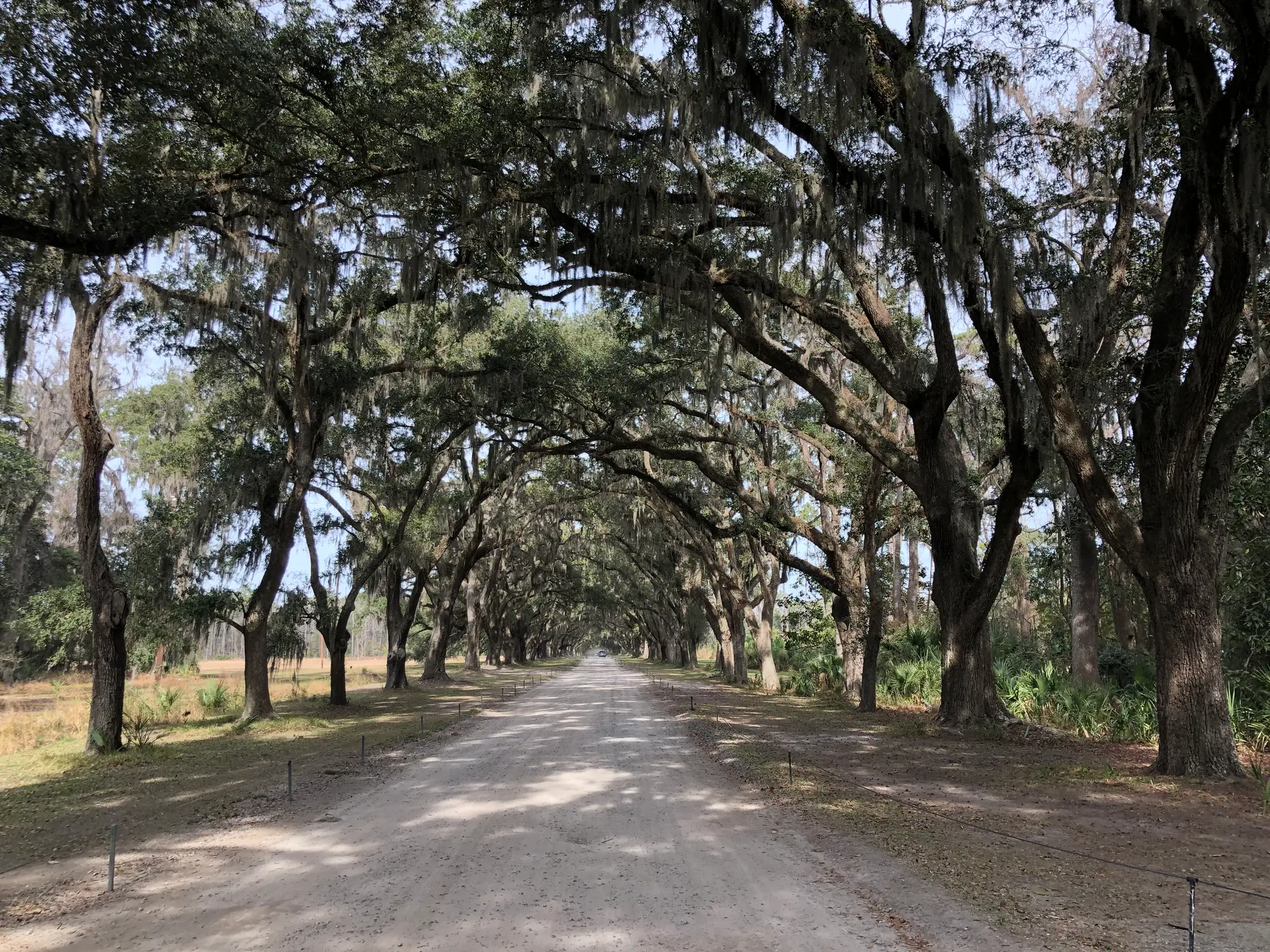
Known for its long avenue of live oaks, which leads to the remains of an early colonial estate. The avenue takes five minutes to drive. Plan 60 to 90 minutes if you walk the trail and see the museum. It sits a short drive south-east of downtown. Fees and opening hours apply, and photography at the entrance can be busy at midday. Go early.
16. The Savannah Belles Ferry
A free ferry crosses the Savannah River between the Historic District and Hutchinson Island. It takes minutes. This is the cheapest view of the working river and the skyline. Treat it as a ten-minute break, not a destination. The best moment is late afternoon, when the light on the Historic District’s bluff is strongest, and it combines well with a final River Street walk. Confirm that service is running, because schedules and maintenance can interrupt it.
Day trips from Savannah
Tybee Island and Fort Pulaski
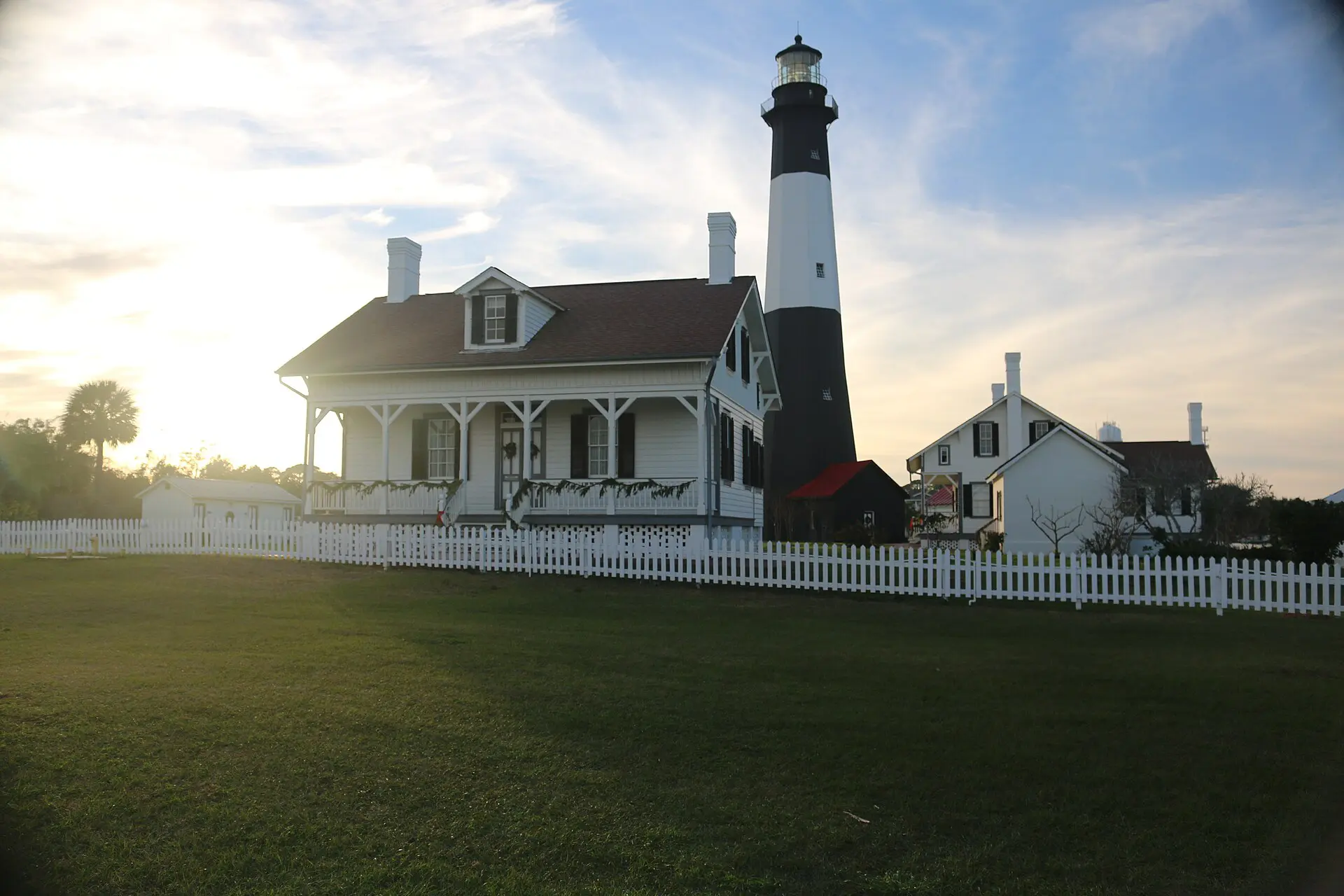
Savannah’s beach is about 30 minutes east. On the way, Fort Pulaski National Monument is a Civil War-era fort and an efficient historical stop. Tybee adds a lighthouse and a wide beach. In summer, go early to avoid traffic and parking pressure. The fort is the more interesting stop for culture-minded travellers: its brick walls and moat make it easy to read, and a ranger-led talk, when offered, saves you reading every sign. Allow half a day for both.
Hilton Head Island and Bluffton
Across the South Carolina line, about an hour away depending on traffic. Hilton Head offers beaches and bike paths; Bluffton has a small historic core. It is best as a relaxed outdoor day, and the opposite of a dense cultural itinerary. Bridge traffic on summer weekends can add a lot of time, so leave early and return before the evening rush.
Mighty Eighth Air Force Museum
West of the city in Pooler, about 20 minutes by car, this museum covers American air power in the Second World War. It suits history enthusiasts and takes two to three hours. It is indoors and air-conditioned, which makes it a sensible backup for a very hot day. Check opening days and any special exhibitions before driving out.
Charleston, South Carolina
About two hours by road. It is possible as a long day trip but better as an overnight, because the drive eats your culture hours. If time is short, stay in Savannah and go deeper. If you do go, start early: leave by 7am, spend the morning on foot in the Charleston historic core, and be back by night.
Where to stay in Savannah
- Historic District: the best base for a short stay. Squares, museums and restaurants are all on foot. It costs more and can be noisy on weekend nights.
- Victorian District: south of the squares, close to Forsyth Park. Quieter, with guesthouses in older homes.
- Starland and Midtown: cheaper, with cafes and murals; you will want a ride or bike to reach the squares.
- Tybee Island: a beach base for summer, around 30 minutes out. Good for relaxed stays, less so for a culture-first itinerary.
Getting around Savannah
Walk the Historic District. It is flat, dense and designed for it. Distances between the main sights are rarely more than 15 minutes on foot, and shaded squares break up each stretch. Chatham Area Transit runs buses from the Transit Center on W. Oglethorpe Ave., plus a free dot shuttle around the district and the free Savannah Belles Ferry. Check the current routes.

Savannah/Hilton Head International Airport (SAV) is the main air gateway, while the Amtrak station is about five kilometres from downtown. For Bonaventure and Wormsloe, use a car, taxi or a tour. Parking downtown is metered and limited, so confirm rules before you leave a car.
How much does a trip to Savannah cost?
These are rough daily estimates per person in USD for 2026, excluding flights. Prices rise on spring and event weekends.
- Budget: about $90 to $140, with a hostel or low-cost room, casual meals and mostly free sights.
- Mid-range: about $180 to $300, with a hotel or inn in the centre, a few paid tours and restaurant dinners.
- High-end: about $350 to $600 and up, with a boutique inn in the Historic District, guided tours and fine dining.
Combined museum tickets and a free shuttle keep the culture bill low.
Is Savannah worth visiting?
Yes, if you like historic architecture, walkable streets and a well-defined cultural core. It is a good three-day city. Skip it if you want nightlife on the scale of a big city, a major beach holiday, or dependable cool weather in summer. Mid-summer visitors should expect to schedule around the heat. For a short break, it delivers a high ratio of sights per hour.
For background, see the Wikivoyage Savannah guide and the Wikipedia entry on Savannah, Georgia.
FAQ about Savannah
How many days do you need in Savannah?
Two full days cover the squares, River Street, a house museum and a cemetery. Three allow the civil rights sites, Wormsloe and a beach trip to Tybee. One day works if you stay in the Historic District and book a single tour.
Is Savannah walkable?
Very. The Historic District is flat and compact, and most sights are within a mile of each other. In summer, walk in the morning and evening and use air-conditioned museums or a free shuttle in between.
What is the best time of year to visit Savannah?
Spring and autumn are the most comfortable for walking. March to May is the busiest, with St. Patrick’s Day among the biggest crowds. Winter is mild and cheaper. Summer is hot and humid, so plan around the afternoons.
Do you need a car in Savannah?
Not for the Historic District. A car helps for Bonaventure Cemetery, Wormsloe and the coast, but tours and ride services also reach them. If you drive, check parking rules, since metered street spaces are limited.
Is Savannah worth visiting for history?
Yes. It was settled in 1733 and kept its antebellum architecture largely intact, which is attributed to the mayor’s deal with Union forces in 1864. House museums and Black history sites add depth, so mix them with the squares.
What are fun things to do in Savannah GA at night?
Evening ghost tours, live music in City Market and a walk on River Street are the usual choices. Stay in well-lit areas of the Historic District, check tour schedules in advance and book popular tours a day or two ahead.