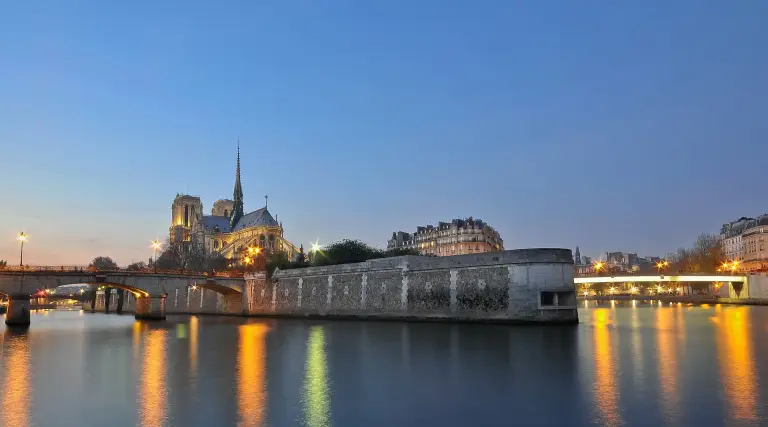
The best things to do in Rotterdam are architectural: a market hall, a bridge, a row of tilted cube houses and a UNESCO-listed factory, all in a city rebuilt after the bombing of May 1940. The sights cluster in three compact areas, so a short break works well. If you only have one day, take Markthal for breakfast, Delfshaven in the late morning, the Cube Houses after lunch and the harbour at dusk. Two days add art and the food district.
Best time to visit Rotterdam
Rotterdam has a mild maritime climate: cool, windy and changeable, with rain possible in any month. Pack a waterproof and plan one indoor fallback per day. Summer brings terraces and harbour events; winter is quiet and cheap, and museums are calm.
| Season | Weather | Crowds and prices | Good for |
|---|---|---|---|
| Spring (Mar-May) | Cool to mild, showers | Moderate; busier around Easter and King’s Day | Walking, markets, day trips |
| Summer (Jun-Aug) | Mild to warm, long evenings | Busiest, higher hotel rates | Harbour boats, terraces, events |
| Autumn (Sep-Nov) | Cool, windy, wetter | Moderate to quiet | Museums, architecture, food |
| Winter (Dec-Feb) | Cold, grey, short days | Quietest; best rates | Indoor sights, markets, cafes |
Top things to do in Rotterdam
The order below follows a day: market in the morning, architecture and art in the middle, harbour in the evening. Opening hours and exhibitions change, so check each venue before you go.
1. Markthal
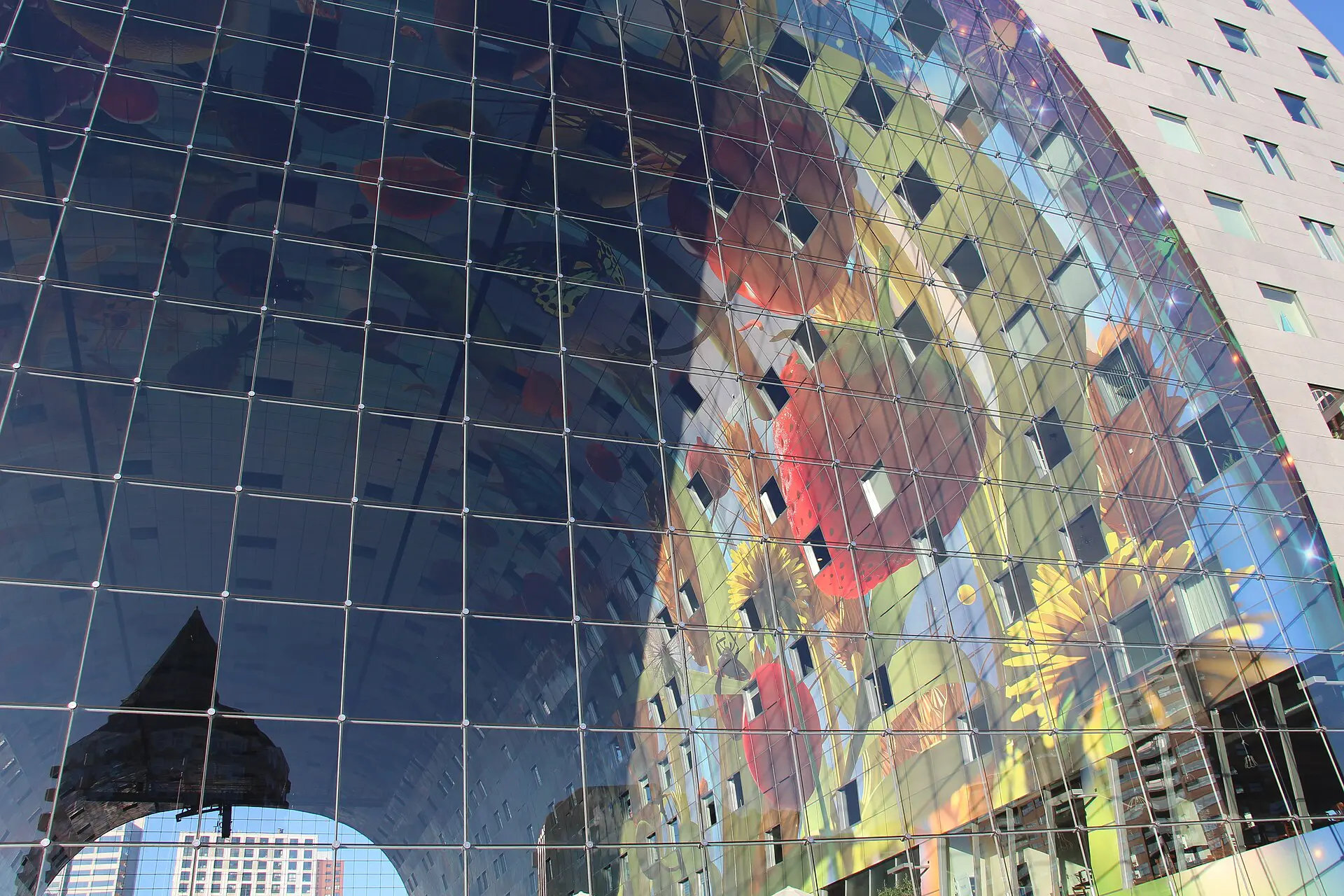
A horseshoe-shaped market hall with an enormous painted ceiling and apartments built into the arch. Come on a weekday morning, before the lunch queues form, and walk one slow loop before you buy anything. Stalls cover Dutch cheese, fish, produce and food from around the world. Opening days and hours vary by stall and season, so check the official page. Allow 45 to 60 minutes.
2. Cube Houses
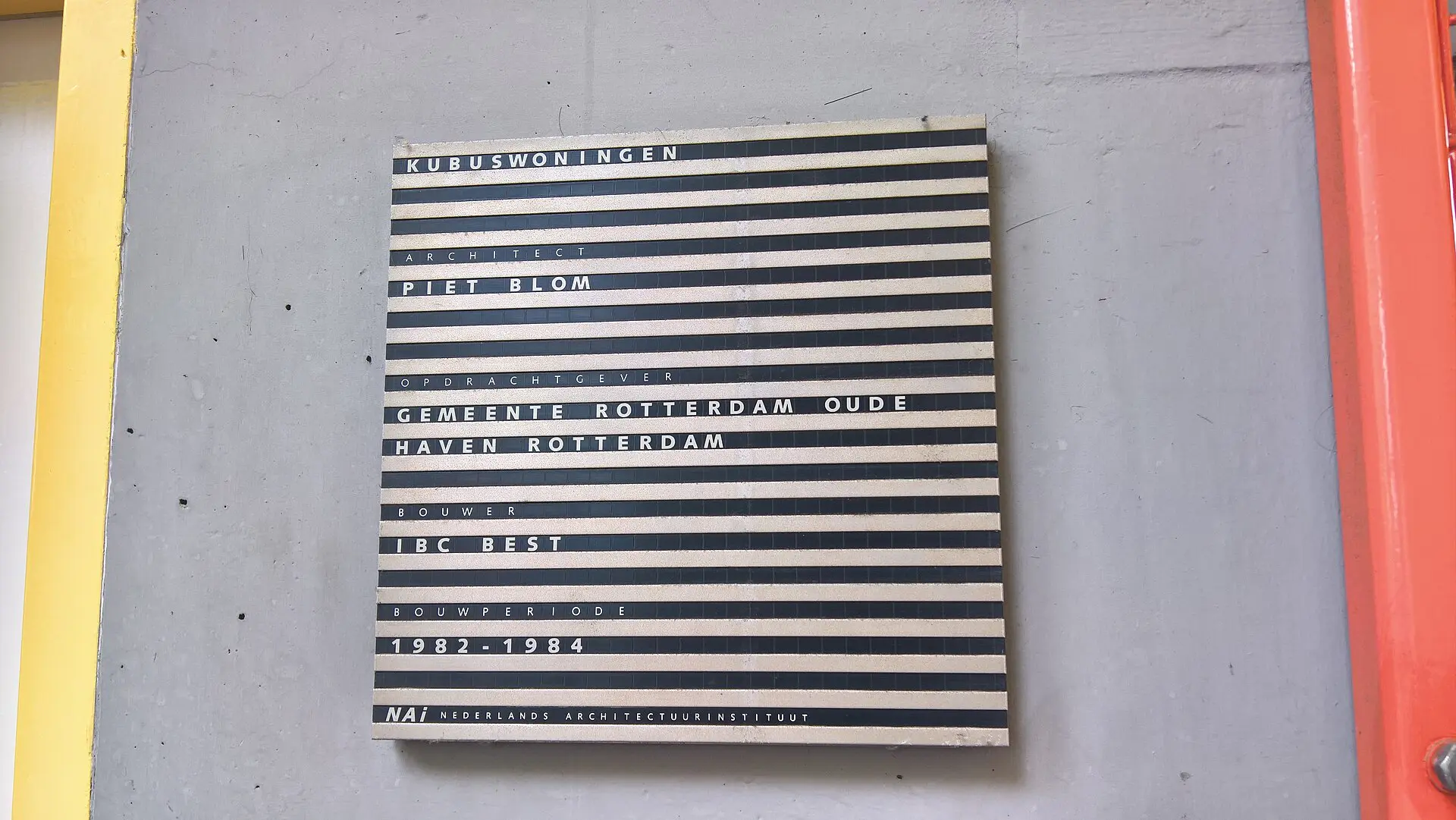
Piet Blom’s tilted yellow cubes sit above a pedestrian street near the Oude Haven. They are inhabited, so treat them as a street scene. One show cube is open as a small museum, with limited hours, and it takes around 15 minutes to see. Pair it with the Markthal, which is next door, and photograph the cubes from below in the early morning, when the walkway is quiet.
3. Erasmusbrug
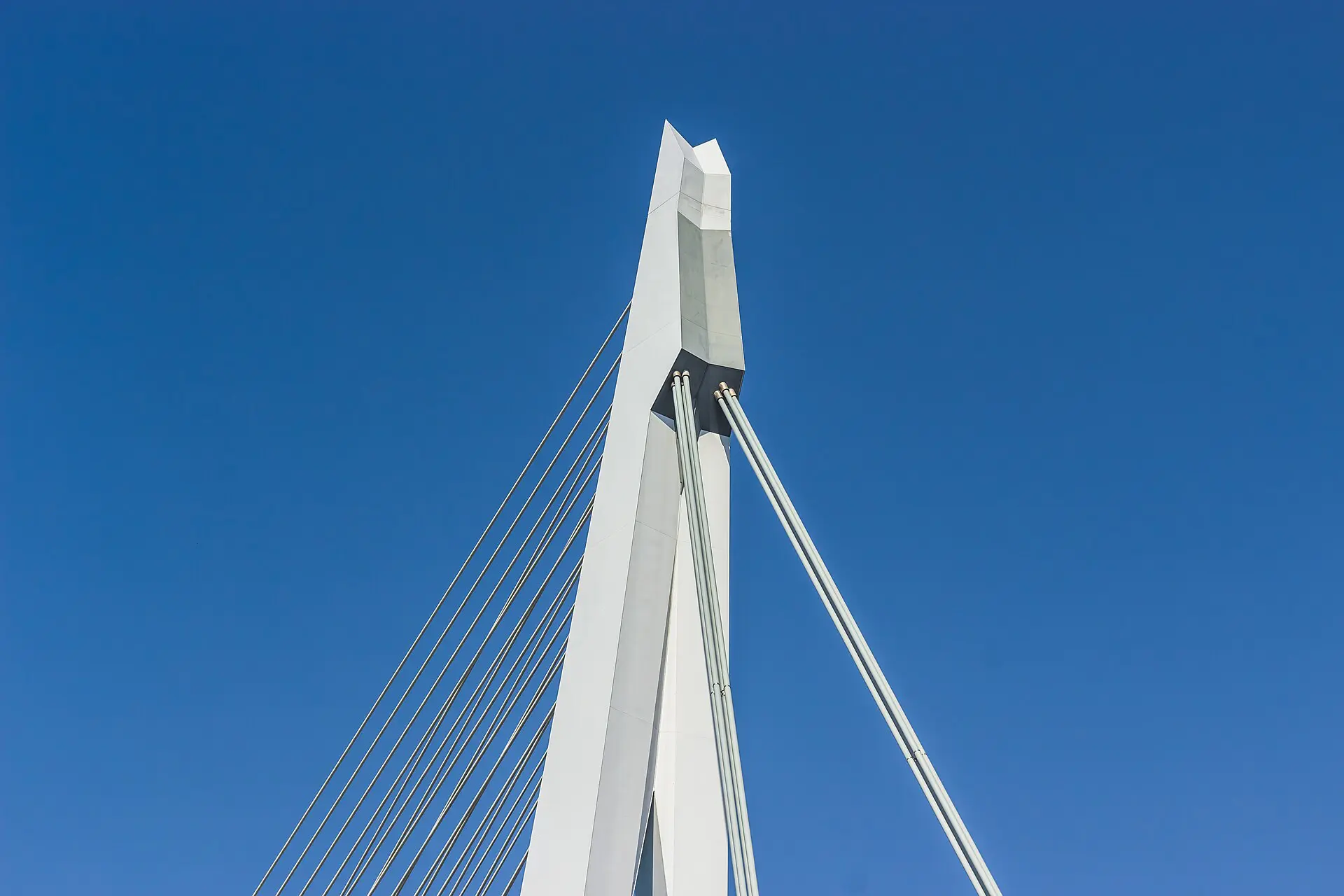
The Erasmus Bridge, nicknamed the Swan, links the centre with Kop van Zuid across the Nieuwe Maas. Walk across it, ideally in the late afternoon, and allow 30 minutes there and back. The wind on the river is stronger than in the streets, so wear a layer. At the southern end is the Wilhelminapier, a modern district of towers and former port buildings, which makes a good short loop.
4. Depot Boijmans Van Beuningen
A mirrored bowl-shaped building in the Museumpark, built as a publicly accessible art storage facility. You see the working storage rather than a classic gallery. Book a timed ticket in advance, as slots can sell out, and allow two hours. The parent museum’s main building has been closed for renovation, so confirm what is open before you plan. Weekday mornings are calmest.
5. Kunsthal Rotterdam
Rem Koolhaas’s exhibition hall, a few minutes from the Depot in the same park. It has no permanent collection and shows rotating exhibitions, so your visit depends on the current programme. Check it first and skip it if nothing appeals. Allow 60 to 90 minutes. It pairs with the Depot for a single museum half-day, and a combined plan saves you walking back and forth.
6. Van Nelle Factory
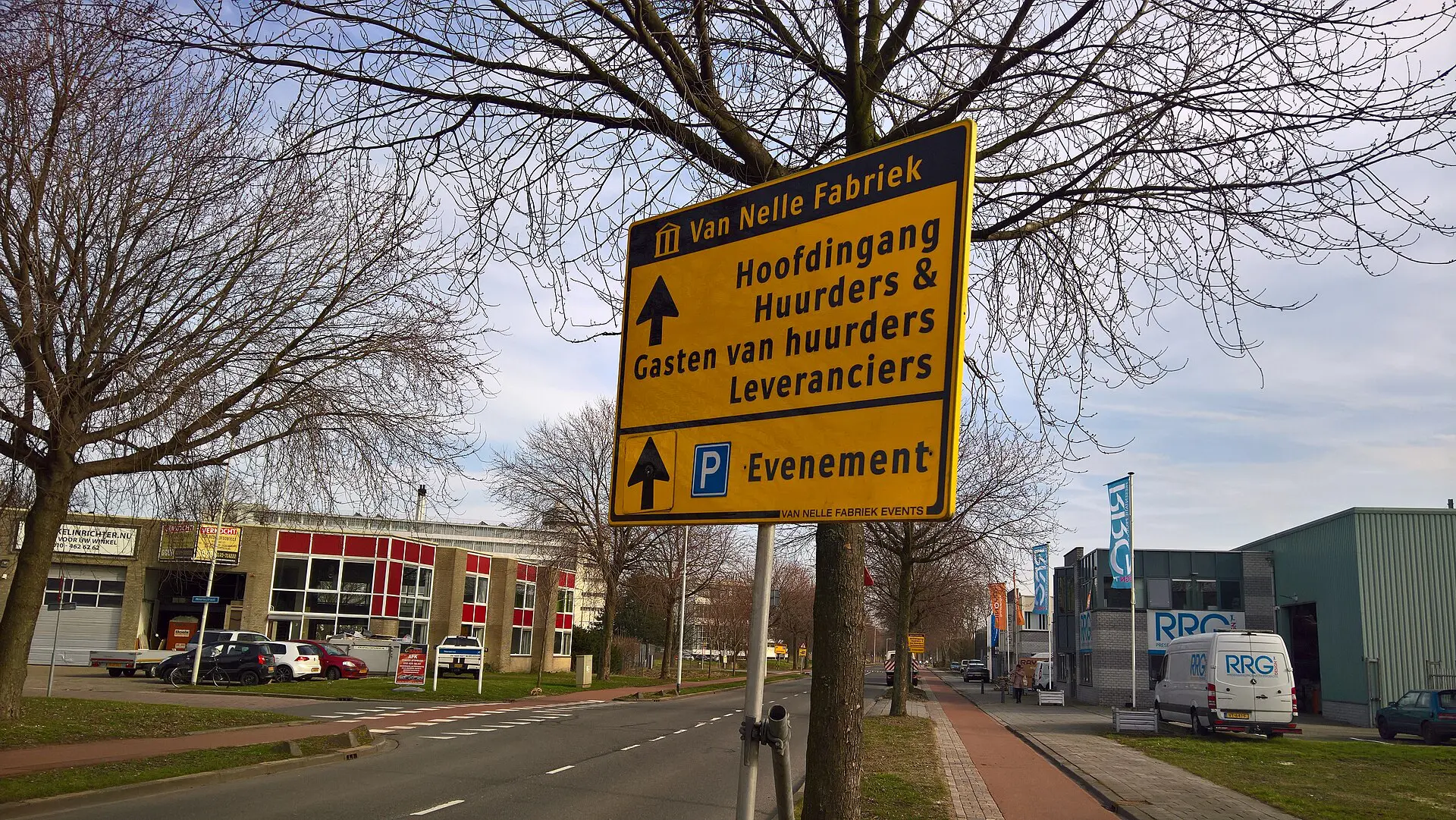
A glass-and-steel former coffee, tea and tobacco factory from the 1920s, listed by UNESCO as a World Heritage Site. It now serves as offices, so access is mostly through guided tours or events. Treat it as an architecture stop and check tour availability in advance. It lies west of the centre, so combine it with Delfshaven, which is nearby. Allow an hour.
7. Delfshaven
One of the few districts that escaped the 1940 bombing, with old canals, gabled houses and a harbour. The Pilgrim Fathers set off from here in 1620 on the first leg of their voyage, and a church and plaque recall it. It feels like a different city from the centre. Go in the late morning, walk for 60 to 90 minutes and have a coffee by the water. Many shops open late on Mondays.
8. Euromast
A tall observation tower on the north bank, offering a wide view over the port. It is the sensible choice on a clear day, since low cloud ruins the view. Check the weather and book a timed ticket if you can. The tower works best as a late-afternoon stop, when the light is softer. Allow 45 minutes, including the lift. If the day is grey, skip it.
9. Harbour tour or water taxi
Rotterdam is Europe’s busiest port by cargo tonnage, and the best way to understand that is from the water. A harbour cruise gives the commentary; a water taxi is faster and cheaper if you only need the view and a crossing. Cruises usually last one to two hours. Choose one in the late afternoon, and sit on the open deck on dry days.
10. Maritiem Museum
The national maritime museum sits near the Oude Haven and covers the port’s history, with ships you can board in the harbour outside. It rewards a 60 to 90-minute visit and is useful on a wet afternoon. Opening days are limited, especially on Mondays. Check the current exhibitions before you go. It is a good counterpart to the harbour cruise.
11. Katendrecht and the food district
Once a notorious port neighbourhood, Katendrecht is now a redeveloped area of restaurants, food halls and bars on the south bank. Reach it by water taxi from the Erasmus Bridge side for a short, scenic arrival. Go for an early dinner, as venues tend to close earlier midweek. The district suits evening plans, so keep it for the last block of your day.
12. Witte de Withstraat
The city’s best-known street for galleries, cafes and bars, close to the Museumpark. It is a good evening alternative to Katendrecht and easier to reach on foot from the centre. Galleries close by around 6pm, so go earlier for art and later for drinks. It is busiest on Friday and Saturday nights. Allow an hour for the stroll.
Day trips from Rotterdam
Delft
About 15 minutes by train. Delft has a compact canal-lined centre, blue-and-white pottery and a historic market square. It is the easiest day trip and can be done in a half day. Climb a tower if you want the view, and avoid midday weekends.
The Hague
Roughly 25 to 30 minutes by train. The seat of the Dutch government and home to the Mauritshuis and several other museums. It suits a half day with one museum. Check museum hours and book popular exhibitions in advance.
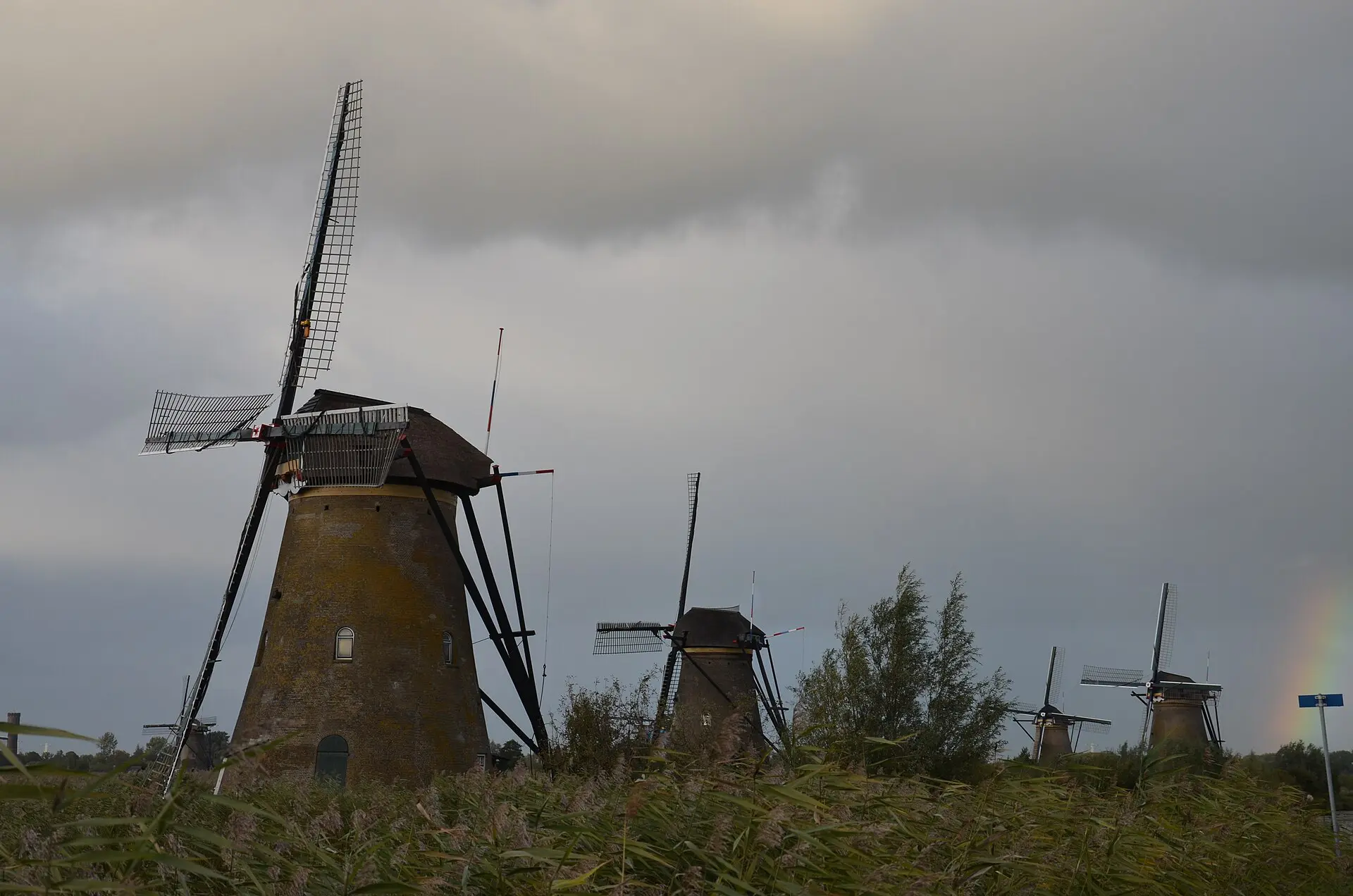
Kinderdijk windmills
A UNESCO-listed windmill landscape east of Rotterdam, reachable by water bus and a short walk. It is best in the morning, before tour groups arrive. Allow three to four hours with travel.
Amsterdam
About 40 to 60 minutes by train, depending on the service. Feasible as a day, but you would be giving up time that is better spent in Rotterdam. Go only if this is your sole chance.
Where to stay in Rotterdam
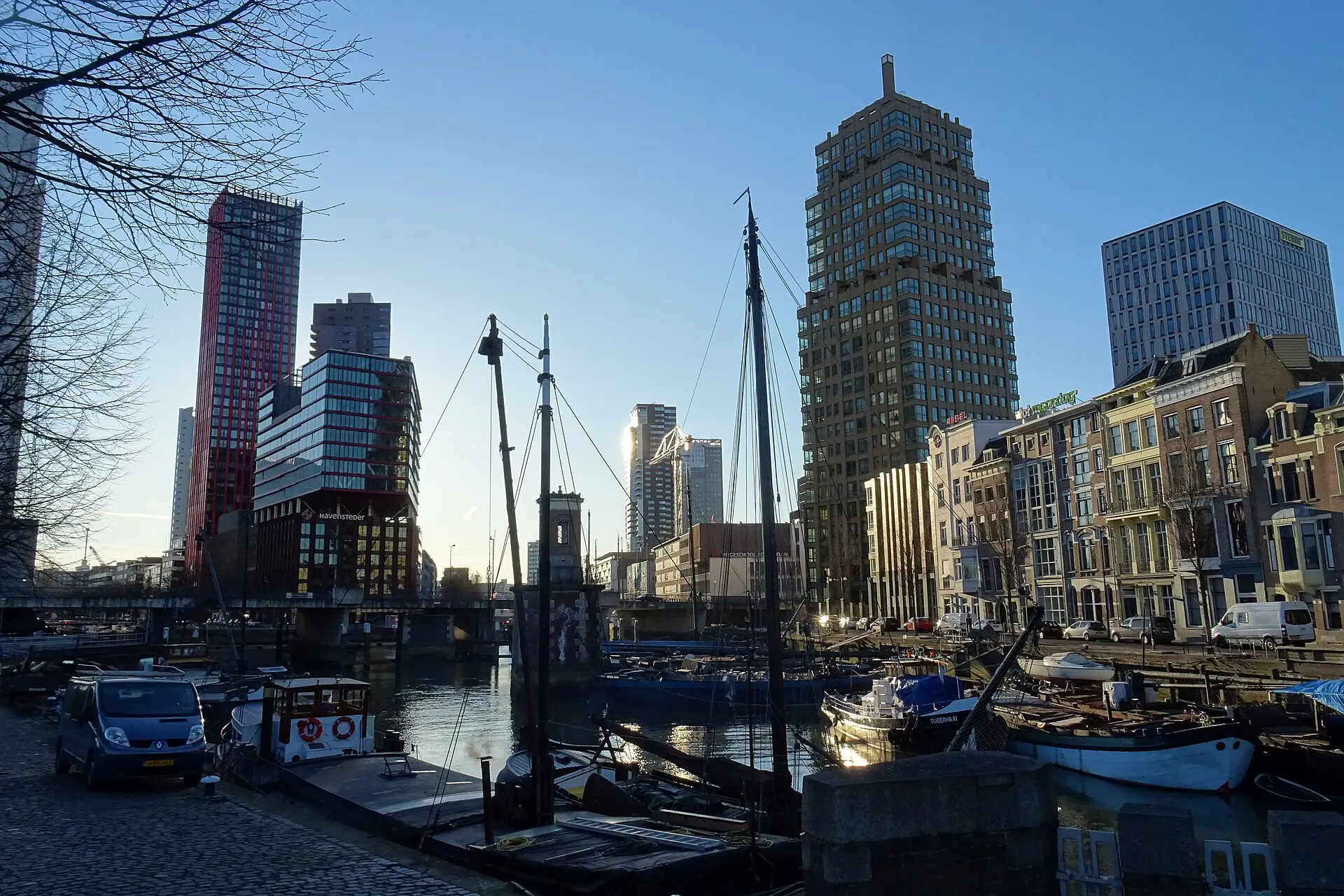
- Centre near Rotterdam Centraal: the best base for a short trip. Trains, trams and the Markthal are close, and hotel options are broad.
- Oude Haven and Blaak: central, near the Cube Houses, with a lively evening scene.
- Kop van Zuid: the modern south bank; good for design hotels and river views, and a quick tram or walk across the bridge.
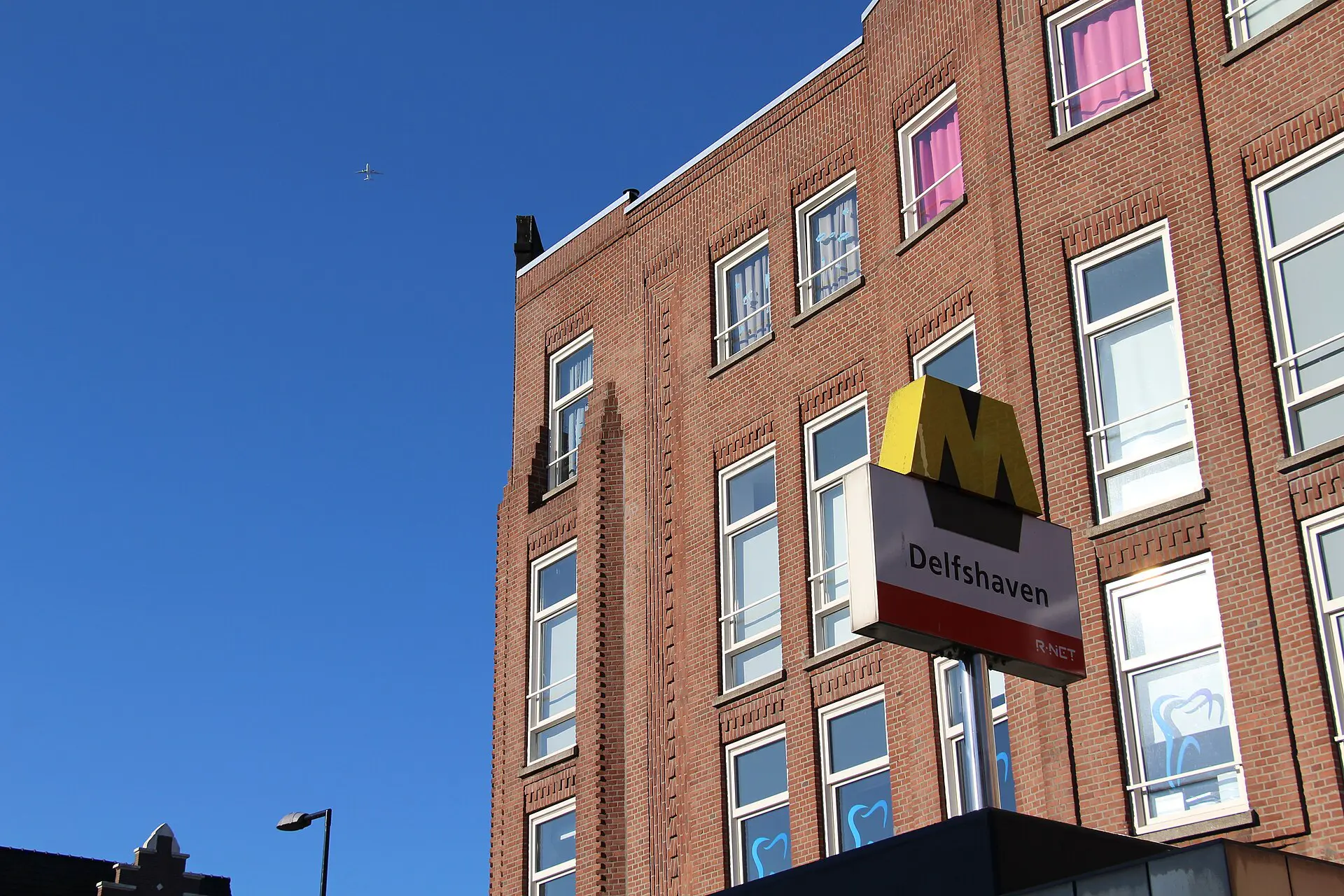
- Delfshaven: quieter, with a village feel; better for returning visitors than for a first two-day break.
Getting around Rotterdam
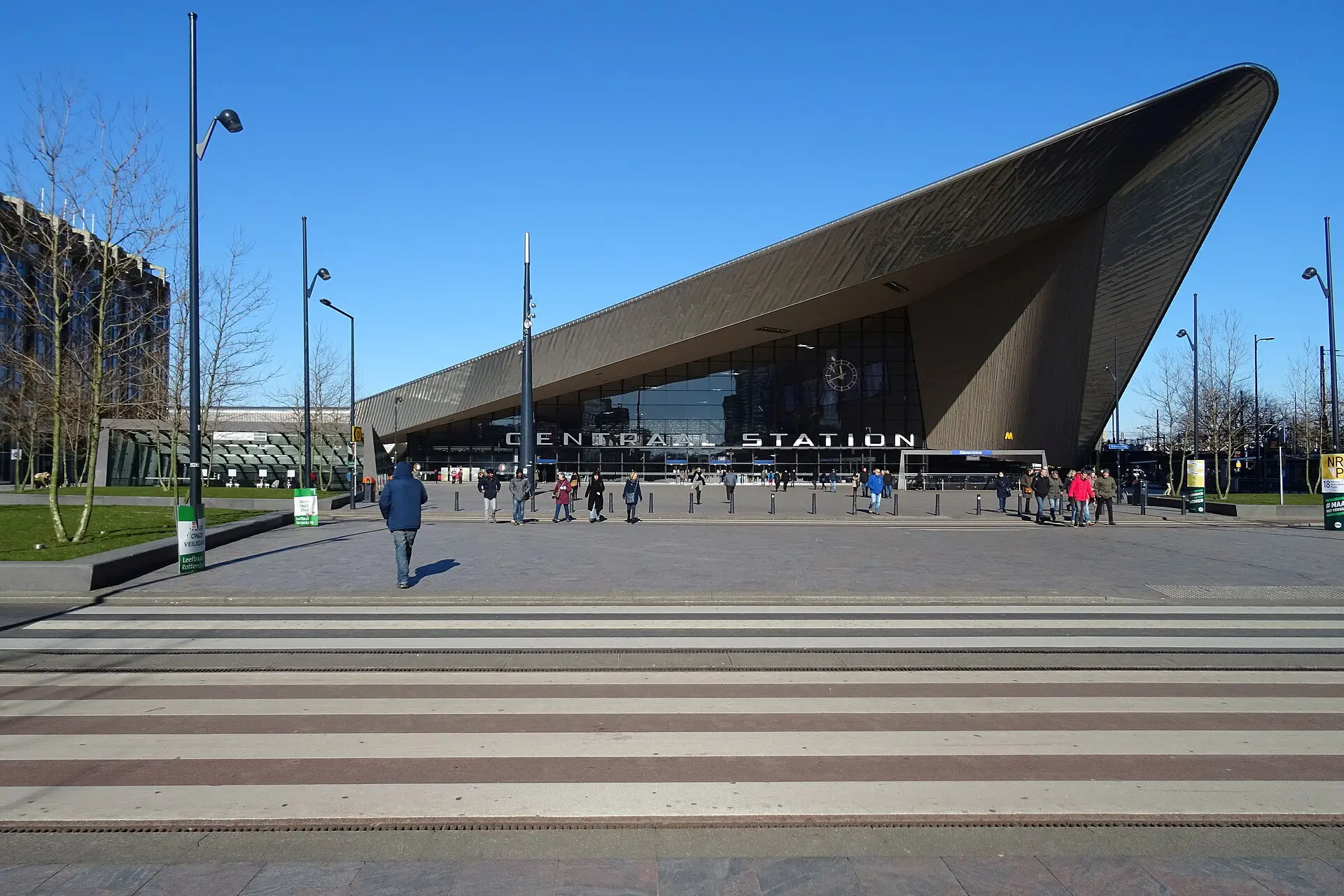
The central sights are walkable, and the city is flat. For longer hops use the metro, trams and buses. A contactless bank card or a transit card is accepted on most services, but check the current rules for foreign cards. Water taxis cross the river and are a quick way to reach Katendrecht and Kop van Zuid. Rotterdam Centraal is a major rail hub, and the Rotterdam The Hague Airport is a short trip from the city. Rent a bike only if you are confident in Dutch cycle lanes.
How much does a trip to Rotterdam cost?
These are rough per-person daily estimates in USD, as of 2026, excluding flights. Hotel prices swing with events.
- Budget: about $90 to $130, with a hostel or small hotel, market lunches and a museum ticket.
- Mid-range: about $180 to $300 for a central hotel, restaurant dinners and one or two paid attractions.
- High-end: about $350 and up, with a design hotel, a harbour dinner and private tours.
Is Rotterdam worth visiting?
Yes, if modern architecture, harbour scenery and a rougher, more working feel appeal. Many Dutch people see it as the country’s ugliest city, and Rotterdammers themselves play on the word for rotten. That is part of its appeal. Skip it if you want canal-side prettiness and medieval streets. Choose Amsterdam or Delft for that. For culture per hour, Rotterdam is efficient.
For more context, see the Wikivoyage Rotterdam guide and the Wikipedia article on Rotterdam.
FAQ about Rotterdam
How many days do you need in Rotterdam?
Two days cover the main architecture, a museum, Delfshaven and an evening on the harbour. One day is enough if you stick to Markthal, the Cube Houses, the Erasmus Bridge and a boat. Add a third for Delft or The Hague.
Is Rotterdam worth visiting compared with Amsterdam?
They suit different tastes. Amsterdam has canals and old streets; Rotterdam has modern architecture, a working port and fewer crowds. If you like design and contemporary art, Rotterdam is the better use of a short break.
How do you get from Amsterdam to Rotterdam?
By train, in roughly 40 to 60 minutes depending on the service. Trains run frequently, and Rotterdam Centraal sits in the city centre. Buy tickets on the day, or use a contactless payment where accepted. Check the current timetable.
Where is Rotterdam?
Rotterdam is in the province of South Holland, in the west of the Netherlands, on the Nieuwe Maas, close to the North Sea. It is the country’s second-largest city and home to Europe’s busiest port by cargo tonnage.
What is the best way to see Rotterdam’s architecture?
Walk the central route from the station to Markthal, the Cube Houses and the Erasmus Bridge, then add Kop van Zuid. A guided architecture tour adds context, and a harbour boat shows the skyline from the water.