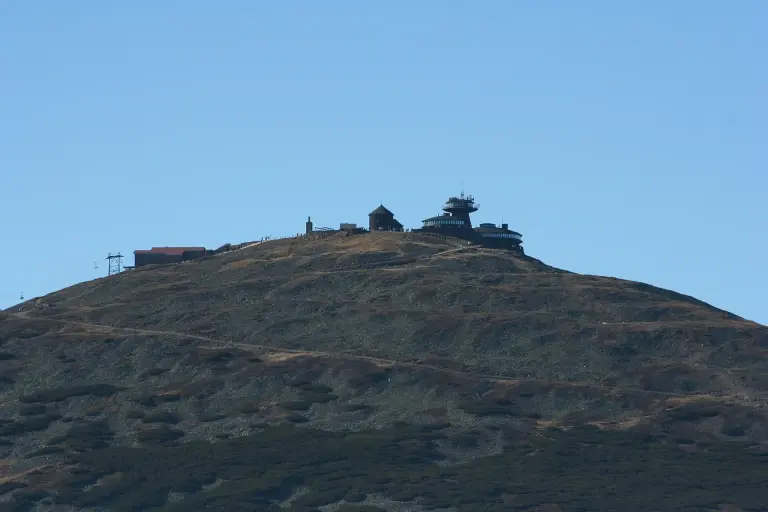
The best things to do in Northumberland with children are castles, wide empty beaches, boat trips to seals and short walks along Hadrian’s Wall. The county is large and thinly populated, so distances matter more than the sights. Choose one area per day, keep drives under an hour, and plan a beach or a castle lawn for every afternoon. This guide suits children of about five to ten, and it keeps the days short on purpose.
Best time to visit Northumberland
Late spring to early autumn is easiest for families. Winter is quiet, with short days and some seasonal closures, so check opening hours before you go.
| Season | Weather | Crowds and prices | Good for |
|---|---|---|---|
| Spring (Mar-May) | Cool, breezy, changeable | Quiet, lower prices; Easter is busier | Castles, puffins from late April, empty beaches |
| Summer (Jun-Aug) | Mild, long light, occasional rain | Busiest, highest prices, book early | Boat trips, beaches, Hadrian’s Wall buses |
| Autumn (Sep-Oct) | Crisp, windy, darker evenings | Quieter, good value | Seals, forest walks, castles |
| Winter (Nov-Feb) | Cold, wet, short days | Very quiet, cheap | Stargazing, cosy cottages, short outings |
Top things to do in Northumberland
Eight ideas, each with a stamina note. Two a day is plenty.
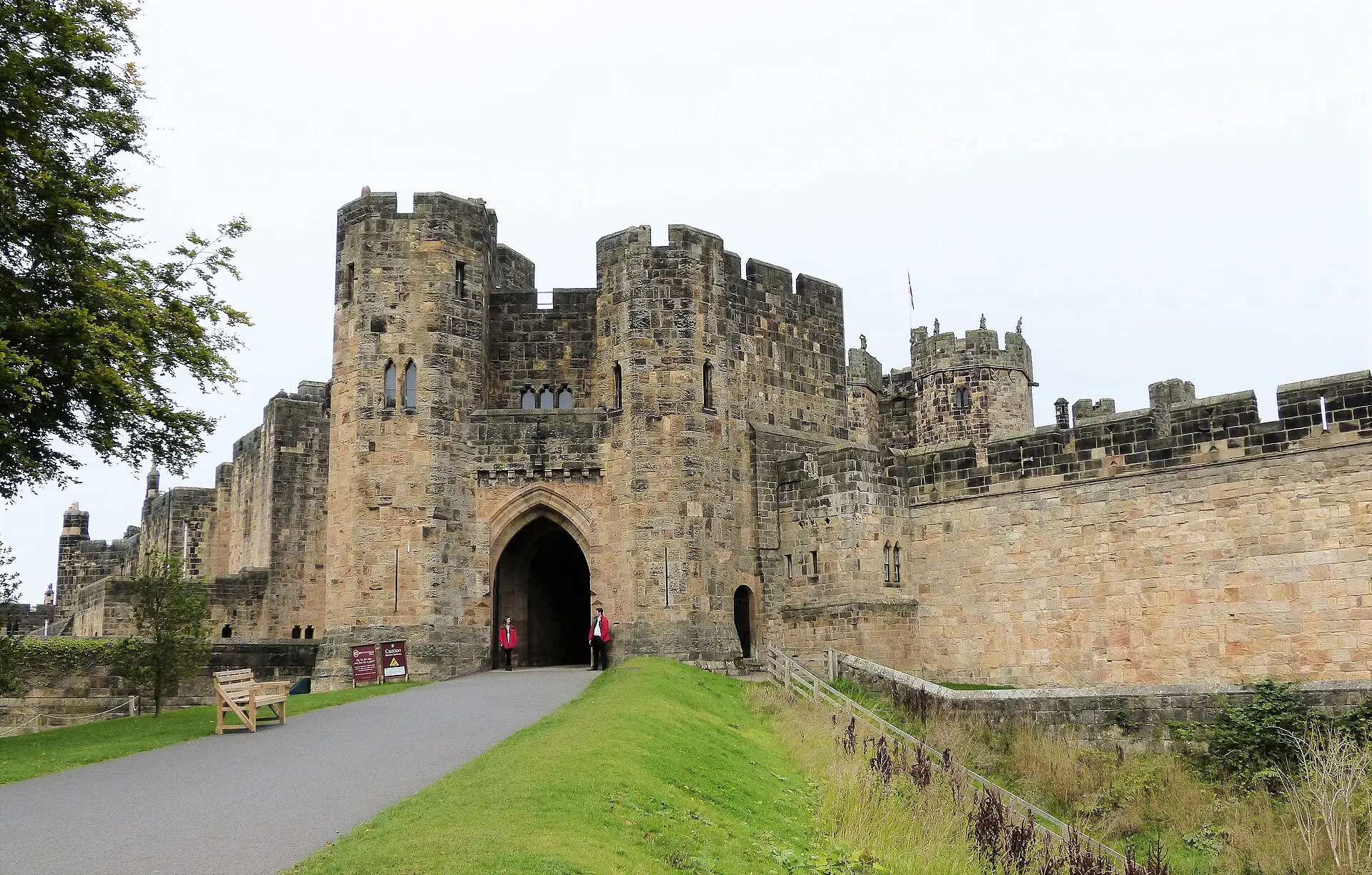
1. Alnwick Castle and the old town
A big, well-kept castle with an easy half day of exploring, and a pleasant old town centre nearby for lunch. Children of about six and up usually enjoy the courtyards and towers. Go in the morning, finish by 1 pm and take a rest before any second stop. If the weather turns, most of the visit can be done indoors, which makes this a useful anchor for a day with uncertain skies. Buy tickets online where possible to shorten the queue at the entrance.
2. Bamburgh Castle and its beach
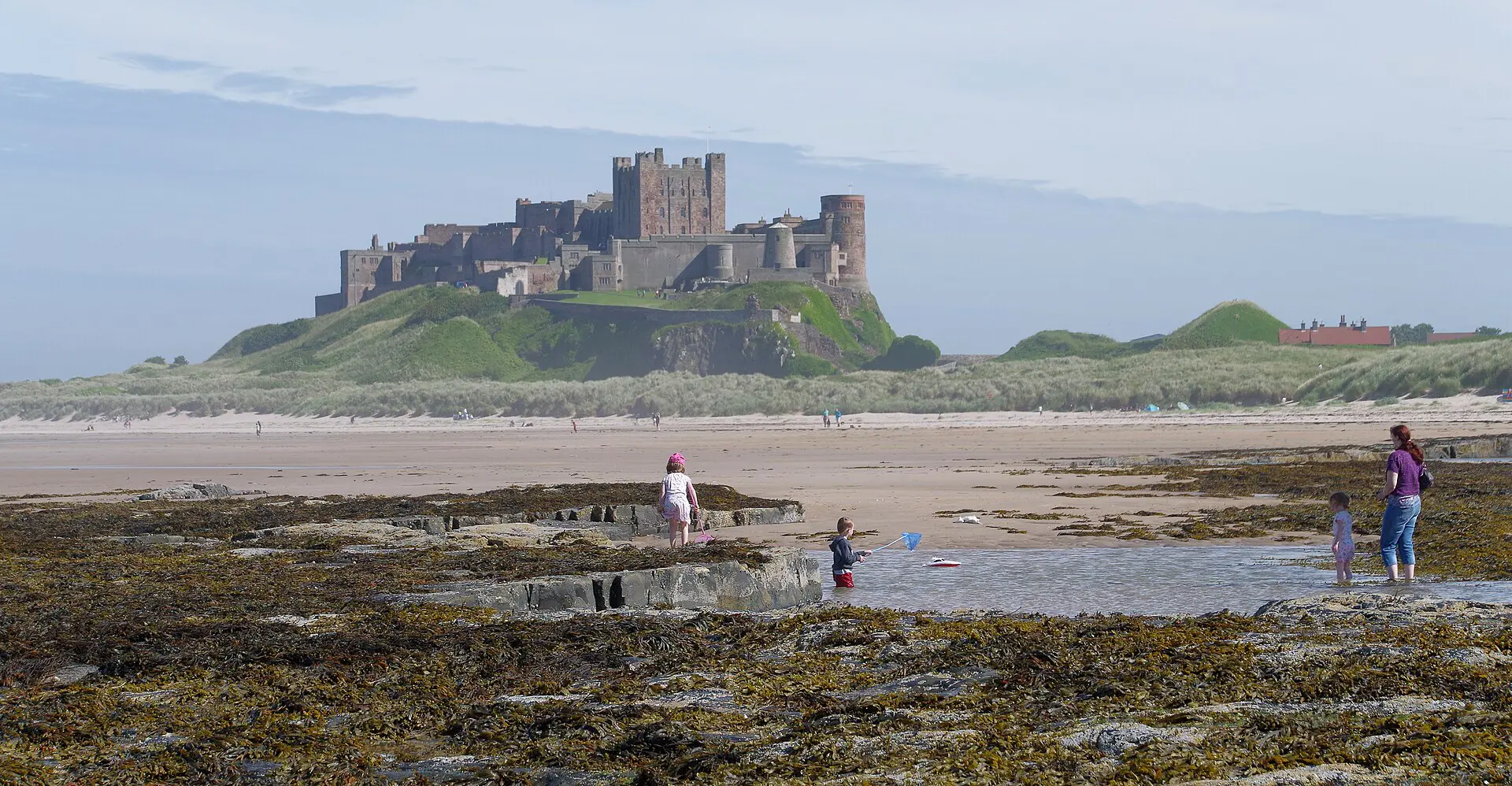
A castle on a rock above a long, flat beach is a good combination: dunes and sand to run on, history above. Allow two to three hours. Wind can be strong, so bring a windproof layer even in July. The tide changes the beach, so check times.
3. Boat trip to the Farne Islands
The islands are busy with seabirds and curious seals. Boats leave from Seahouses and are weather dependent, so keep the day flexible and book ahead in summer. Trips are short but loud and smelly, with a lot of standing on deck; younger children may tire. Bring warm layers and a snack.

4. Lindisfarne (Holy Island)
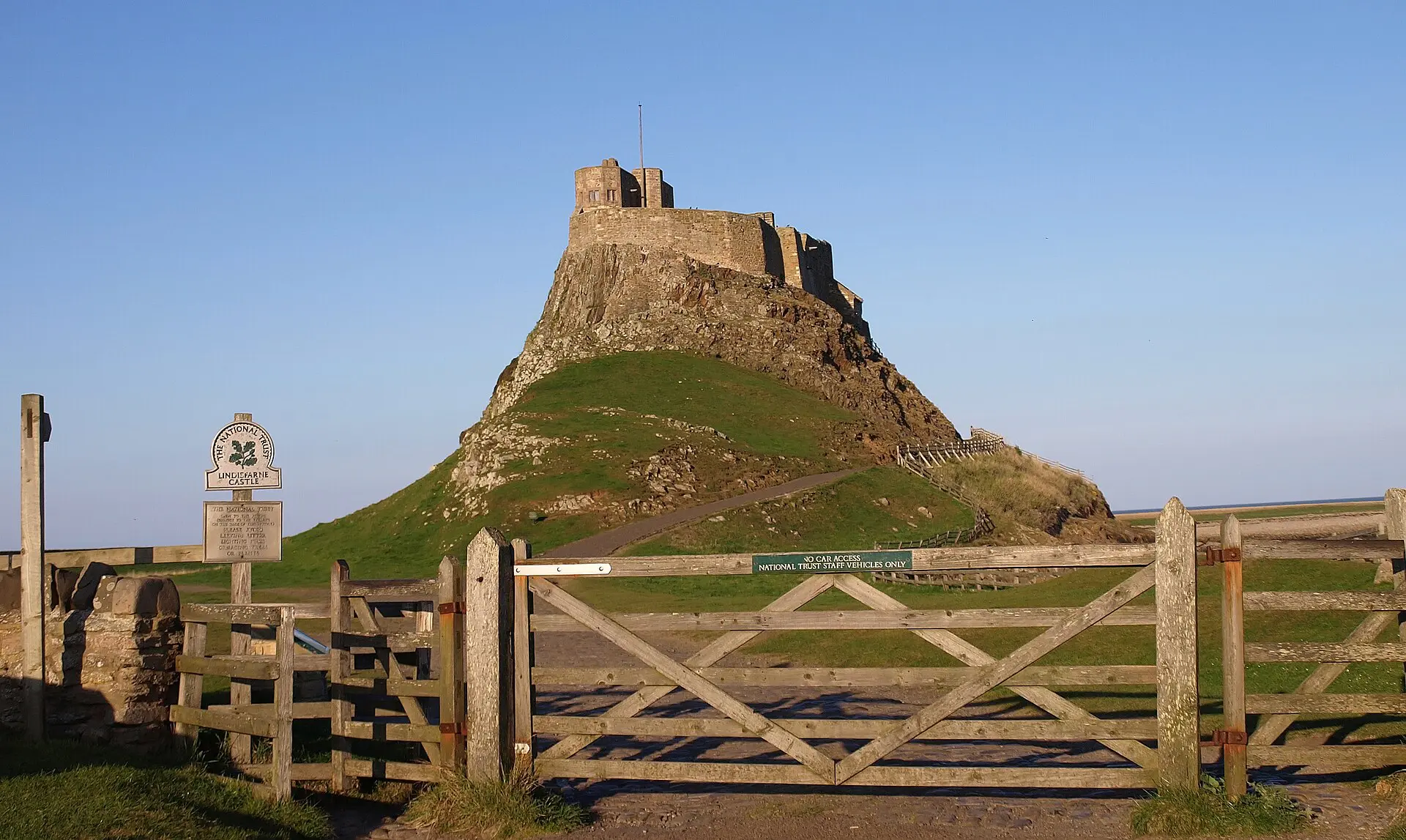
Reached by road at low tide, and cut off twice a day. Get the safe crossing times from the official tide table and never risk the causeway. Walk to the castle, the priory ruins and the dunes. Plan a short visit, with a precise return time written down, and do not leave it to the last minute.
5. Hadrian’s Wall near Hexham
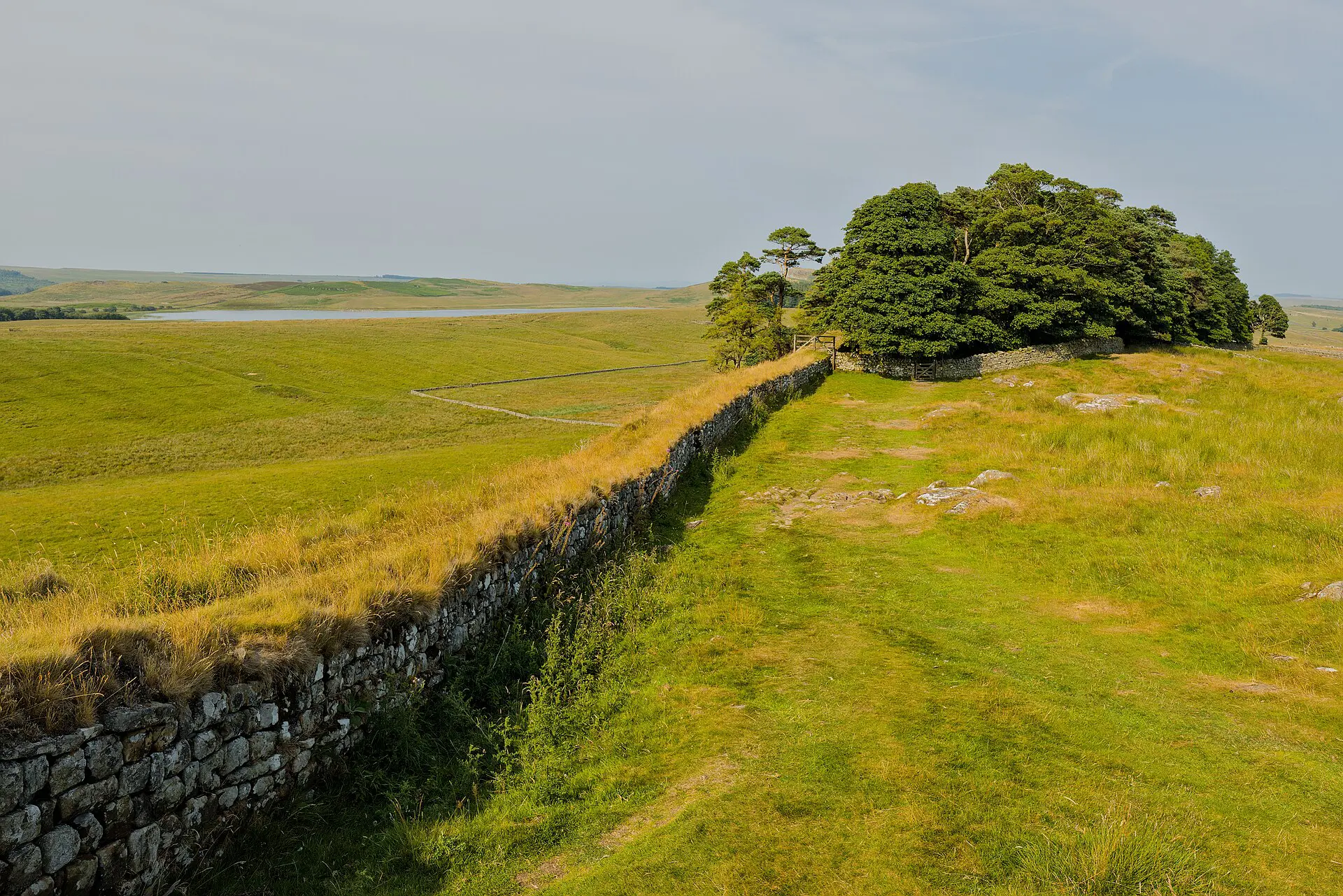
The best sections of the wall are along the ridge north of Hexham to Haltwhistle. Choose a short, flat stretch with a Roman fort, and let children run along the stone. A mile or two each way is plenty. In summer a dedicated bus follows the wall, which helps with tired legs.
6. Dunstanburgh Castle walk from Craster
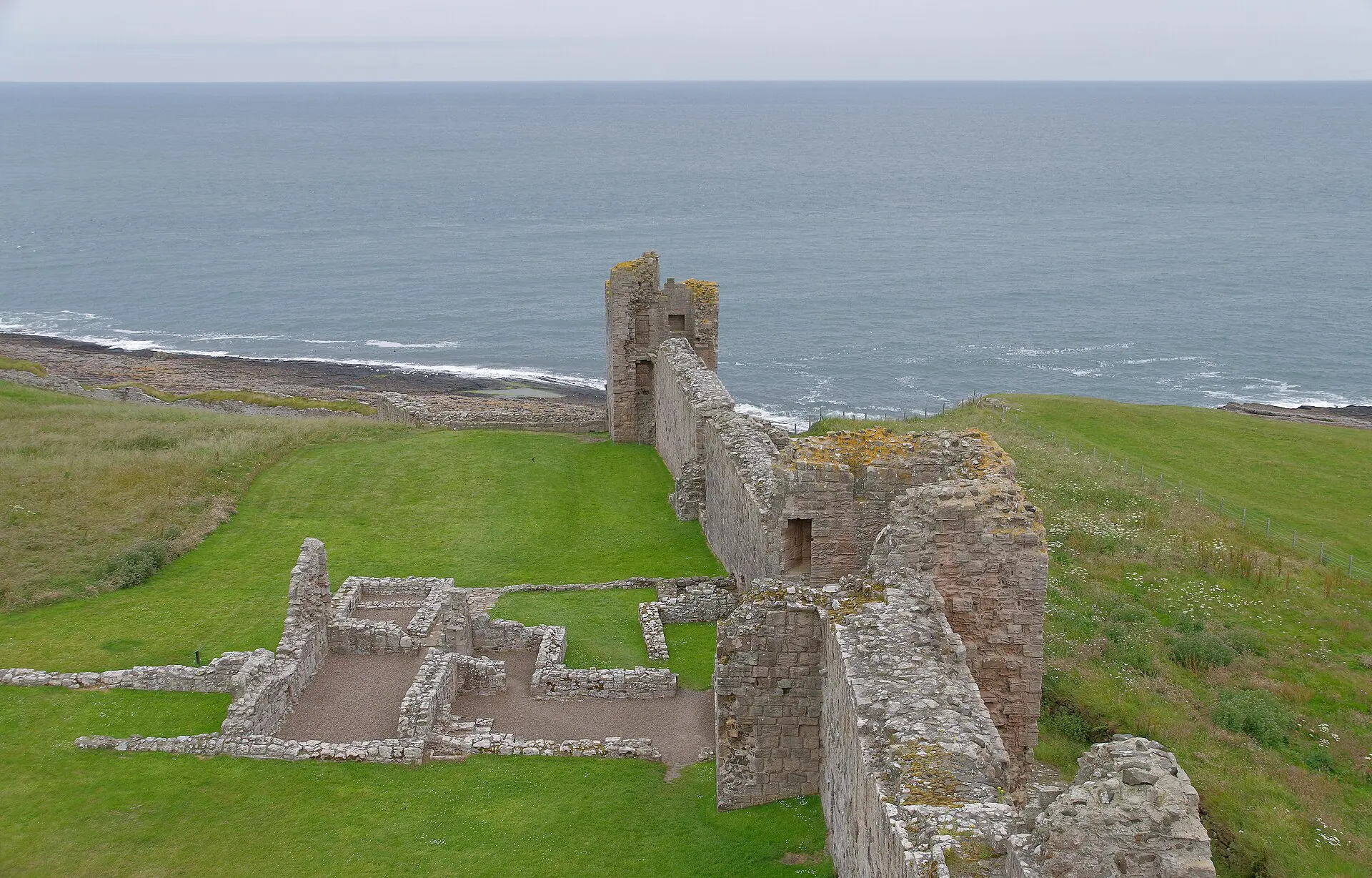
A walk of about 1.5 miles each way along the coast to a ruined castle, with open sea on one side. Good for children who like a clear goal. Allow about three hours including the visit. It can be exposed and windy, so bring a snack and a spare layer.
7. Berwick-upon-Tweed ramparts
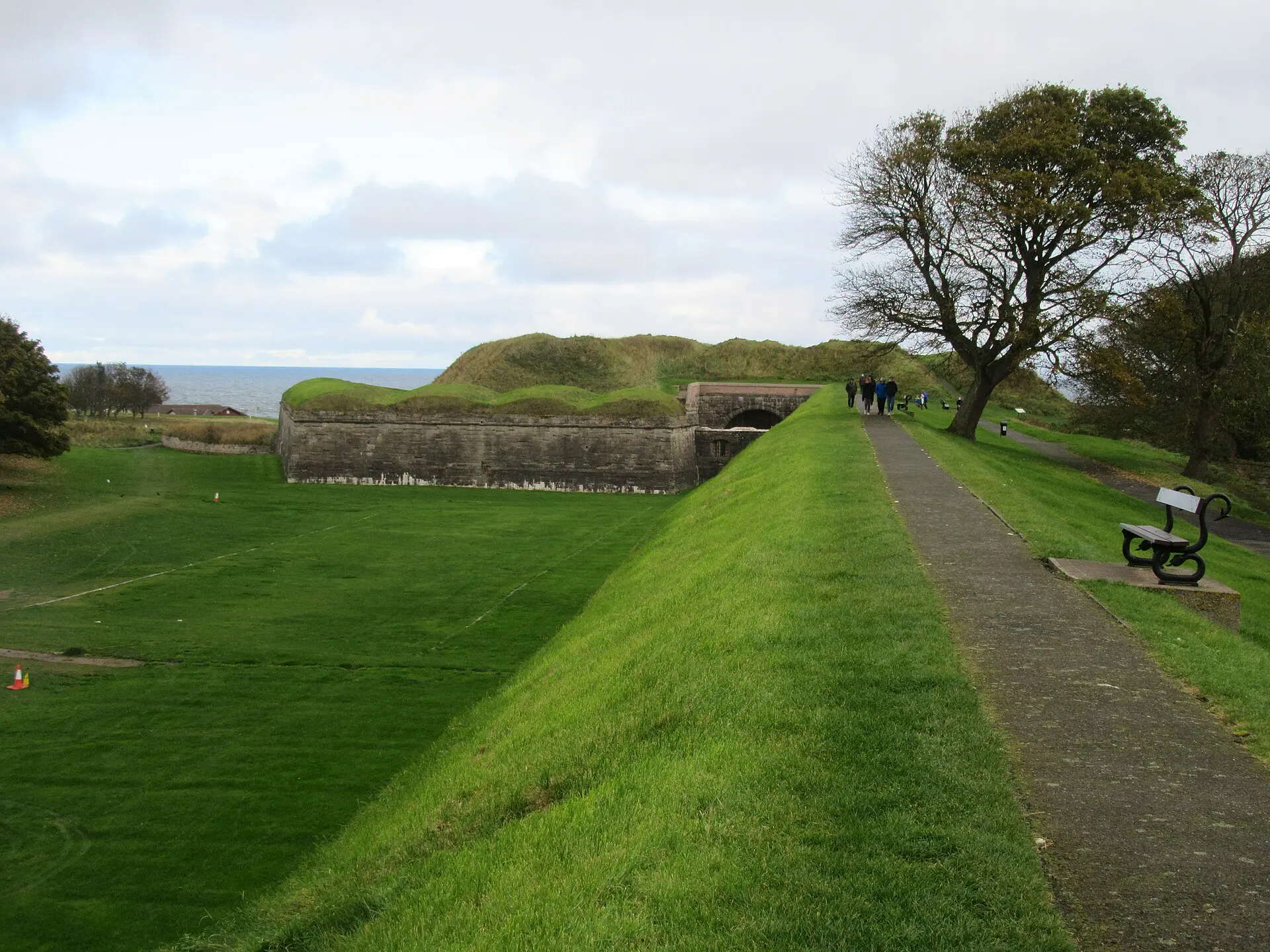
England’s most northerly town has stout defensive walls that you can walk right around. It is flat, free and takes about an hour. Pair it with the beach or the quayside, and you have a manageable day. This is the one to choose for a tired-day fallback: it needs no tickets, no booking and no tide table, and you can stop at any gate along the route when legs give out.
8. Kielder Water and Forest Park
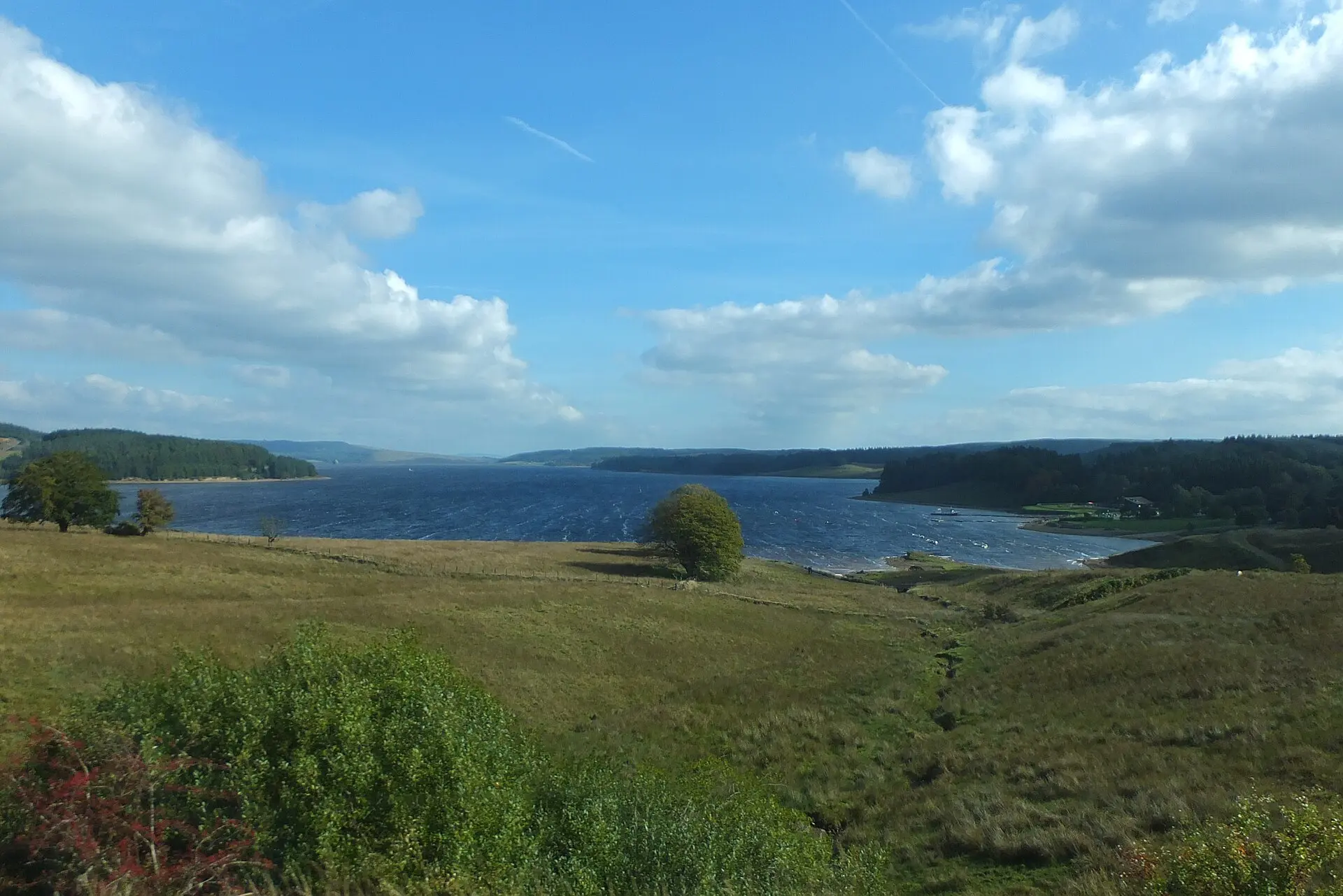
A huge forest and lake near Bellingham, with cycling, easy trails and, on clear nights, very dark skies. A good rainy-day alternative if you pick something under cover or a short forest loop. It is remote, so carry food and fill the petrol tank first. Northumberland National Park, which takes in the Cheviot Hills, lies not far away if you want a longer walk, but for school-age children a short loop near a car park is the realistic choice.
Where to stay in Northumberland
- Alnwick and Alnmouth. Central, with a station at Alnmouth and good access to the castle, the coast and the Cheviot foothills. Best for first-timers.
- Seahouses and Bamburgh. The heart of the coast, close to the Farne Islands and beaches. Busy in summer; book early.
- Hexham and the Tyne Valley. Market town with a priory and quick access to Hadrian’s Wall. Suits families who want to use trains.
- Wooler or Bellingham. Quiet bases for the hills, the Cheviot and Kielder. Fewer shops, more nature.
Getting around Northumberland
A car is the sensible choice. Buses run along the main roads and a summer service follows Hadrian’s Wall, and a Northumberland Day Rover covers buses across the county for a few pounds a day as of 2026, but timetables thin out away from the main towns.
Trains on the east coast line stop at Morpeth, Alnmouth and Berwick, and the Tyne Valley line serves Hexham. Newcastle Airport is the nearest airport, and Edinburgh is a wider option. Allow extra time for narrow lanes and slow farm traffic, and fill the tank before heading into the hills.
A workable daily rhythm is a morning outing, a picnic or pub lunch at midday, an hour of rest at the cottage and a short beach visit before dinner. Build the day around the longest drive rather than the longest walk, and keep the car stocked with water, snacks and spare clothes.
How much does a trip to Northumberland cost?
As a rough guide for a family of four in 2026, and hedged because prices vary by season:
- Budget: around US$150 to $250 per day with a campsite or basic self-catering, packed lunches and free beaches and walks.
- Mid-range: around US$300 to $450 per day with a cottage or inn, a car and one paid attraction such as a castle.
- High: US$500 and up for a boutique stay, boat trips and restaurant meals.
School holidays push prices up. Spring and autumn are noticeably cheaper.
Is Northumberland worth visiting?
Yes, for families who like space, sea air and history on a small scale. It feels a world away from the south of England, with a sense of remoteness and a more Scottish character in the north. It is a poor fit for anyone who wants nightlife, theme parks or guaranteed sun. The south-east is mostly former mining towns and commuter areas, so I would skip it and head north. Read more in the Northumberland guide on Wikivoyage and the Northumberland article on Wikipedia.
Northumberland FAQ
Where is Northumberland?
It is the northernmost county in England, on the border with Scotland. The North Sea lies to the east, and Edinburgh is about 45 minutes from the closest point on the border. Most visitors drive, and the county has long beaches, many castles and Hadrian’s Wall within a short distance of each other.
How many days do we need?
Three or four days gives you the coast, one castle day and one day on or near the wall. A week lets you add Kielder and a slow day for weather. Keep one flexible day in the plan, since wind and rain can change which beach or castle makes sense.
What is a good rainy-day plan?
Choose a castle with indoor rooms, a covered museum or a Roman fort with a visitor centre, then a swimming pool or a cafe. Beaches are often fine in light rain with waterproofs, and a warm drink afterwards helps tired children recover.
Is Northumberland good for young children?
Yes. Beaches, short castle visits and flat walks work well. Watch out for wind, cold water, tides and the Lindisfarne causeway, and keep hands held near cliffs and boats. Short outings with a picnic stop and a rest in the afternoon keep the day manageable for small legs.
Do we need to book ahead?
In July and August, yes: lodging, boat trips and any popular attraction. In spring and autumn you can often decide a day or two ahead, but check Lindisfarne tide times and ferry weather each morning. Booking ahead also protects you from a long drive to a full car park or a sold-out boat.