The best things to do in Durban cost very little: a beachfront walk, a market, a curry and a stadium view. Durban is South Africa’s third-largest city and its busiest port, with a warm climate and a long, wide coastline. Few big-city beaches are this cheap to enjoy. The spending decisions that matter are where you sleep, how you move around at night and which two or three paid attractions earn their ticket. This guide sorts them by value.
Best time to visit Durban
Durban has hot, wet summers and mild, dry winters. Local holiday peaks push prices up more than the weather does, so timing is where you can save the most.
| Season | Weather | Crowds and prices | Good for |
|---|---|---|---|
| Dec to Feb | Hot, humid, afternoon storms | Highest; domestic holiday rush, book early | Swimming, beach life |
| Mar to May | Warm, humidity easing | Falling; good middle ground | Best overall value |
| Jun to Aug | Mild, dry, sunny days | Lowest, apart from school holidays | Walking, markets, cheaper stays |
| Sep to Nov | Warming, drier | Moderate | Sightseeing without the crush |
My pick for value is April to May or September. Check school holiday dates before you book, because they move prices more than anything else.
Top things to do in Durban
Walk the Golden Mile beachfront
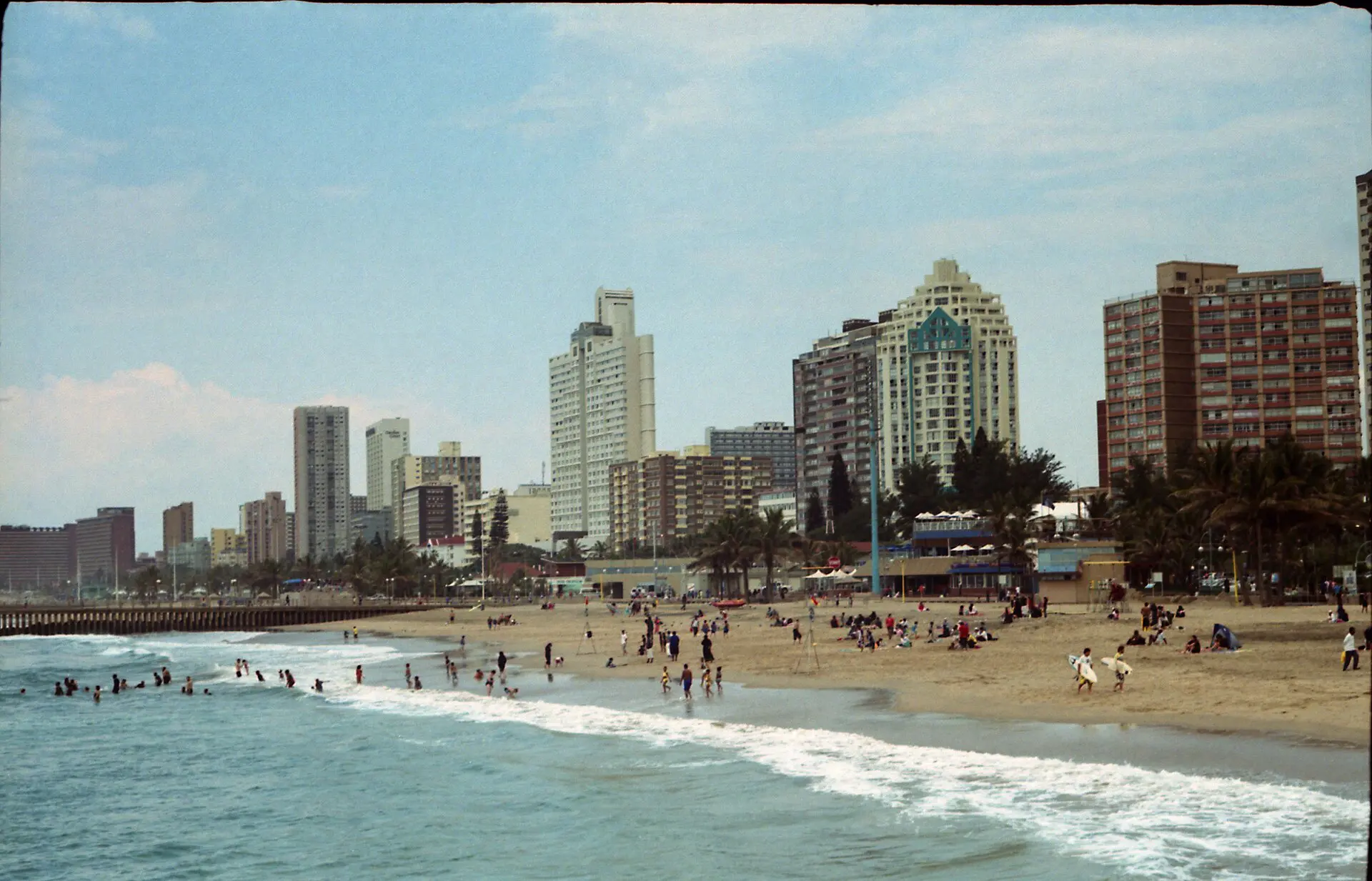
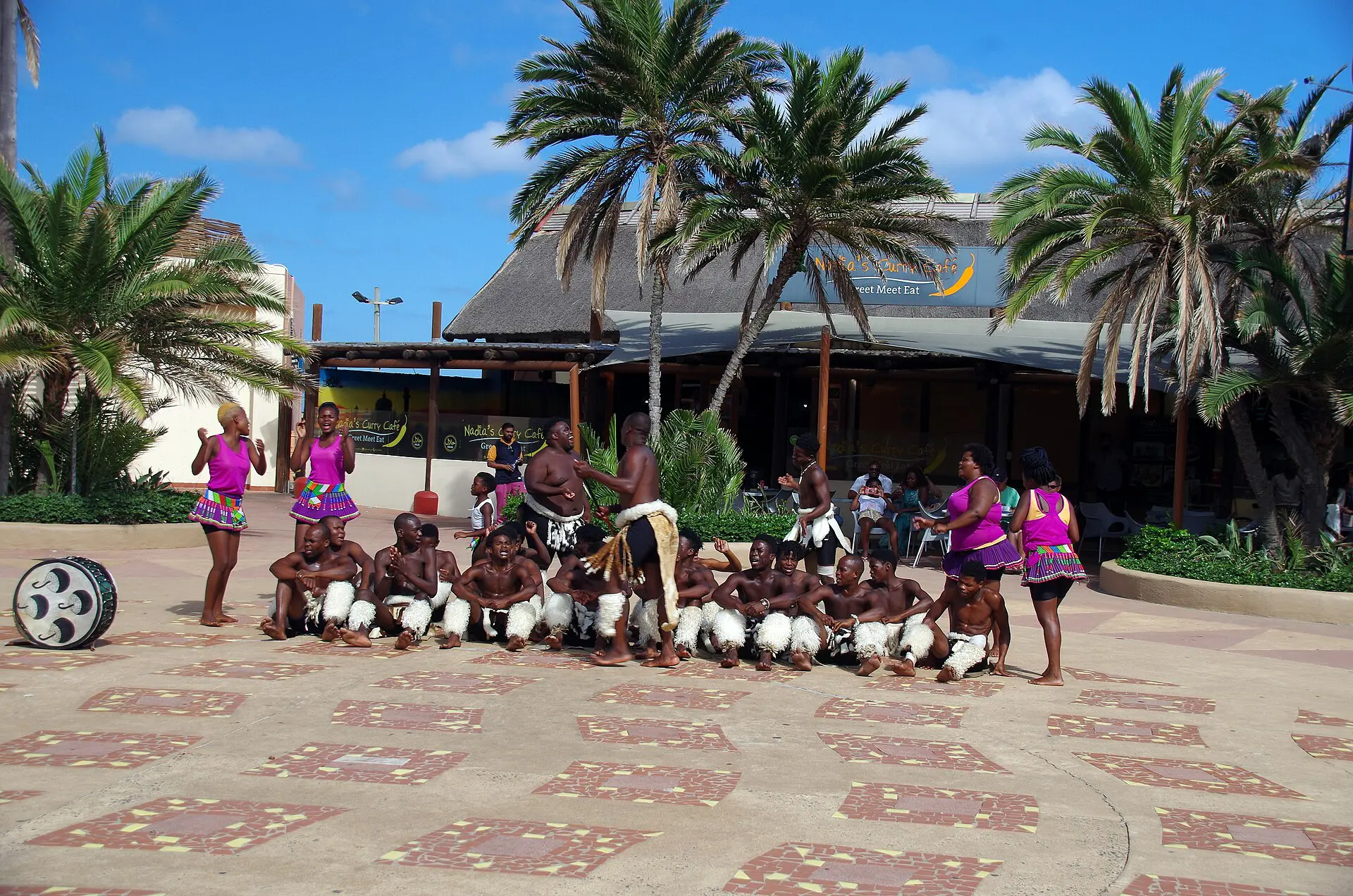
This is the free anchor of any trip. The promenade runs along the city’s main beaches, with surf, sand, cafes and people-watching. Go in the morning, when it is cooler and busier with walkers. Swim only where lifeguards are on duty and flags are posted. Cost: nothing, plus a coffee. If you spend only one block of time here, make it sunrise to mid-morning.
uShaka Marine World
This is the big paid attraction on the beachfront, combining an aquarium, a water park and a shopping and dining strip. It suits families and anyone who wants a wet-weather option. The trade-off is price: tickets for the full experience add up, and the aquarium alone is a cheaper half-day. Buy the combination only if you will really use the water park. Check current ticket prices and opening hours before you go.
Moses Mabhida Stadium
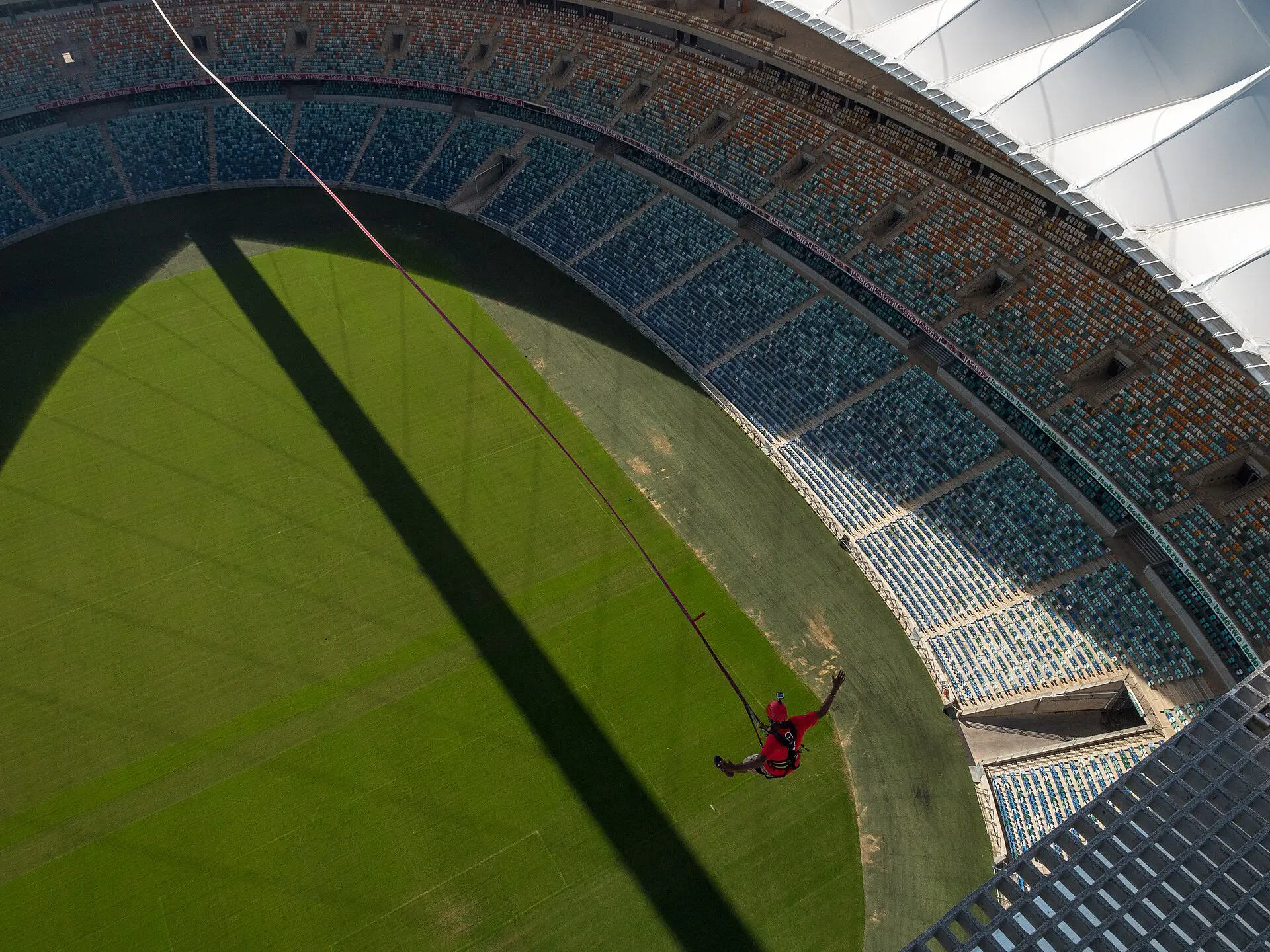
The stadium’s arch is the skyline’s best-known shape. You can ride up for a view over the city and the coast, or pay extra for an adventure option on the arch. For most travellers the standard viewing ride is the better value. The extra thrill costs several times as much for roughly the same panorama. Book a clear morning and check what is on offer, as options change.
Indian food and the markets
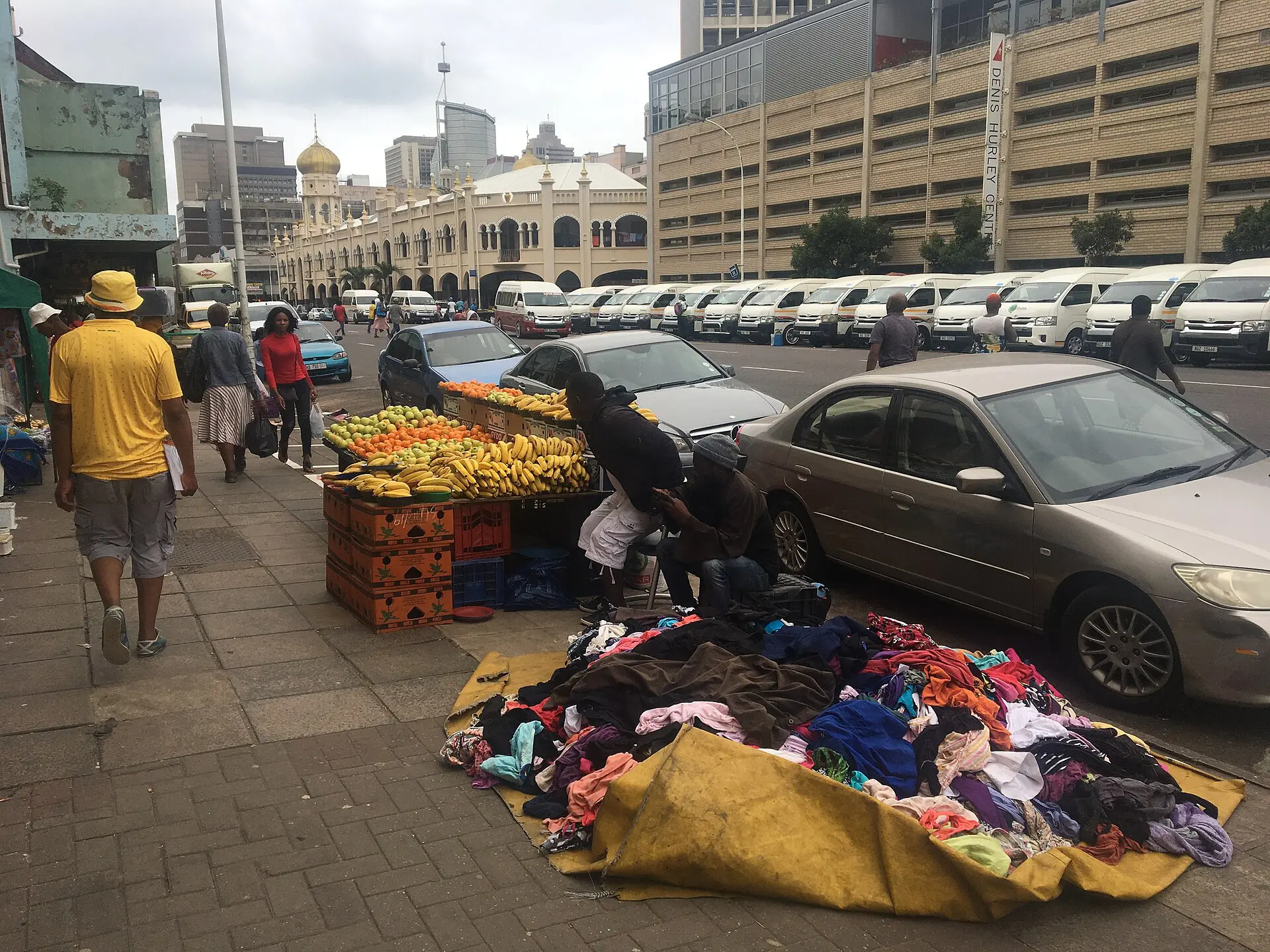
Durban is home to one of the largest Indian-descended communities outside India, a legacy of indentured labourers who arrived from 1860. The upside for your budget is food. Curry-based street meals are filling and typically cost far less than a sit-down tourist dinner. Go to the central markets with an empty stomach and small notes. Bargain politely, and keep valuables out of sight.
Botanic Gardens
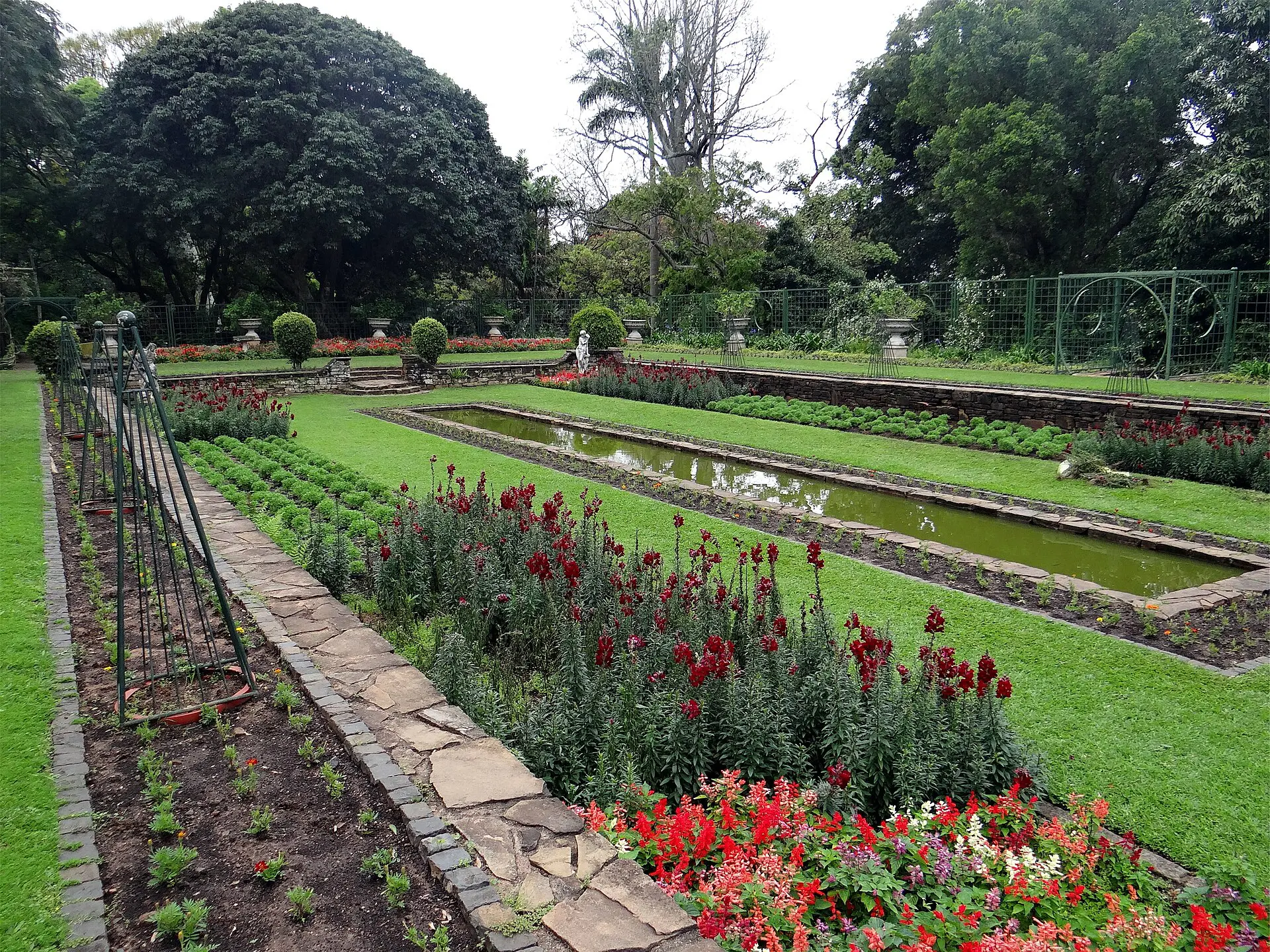
Durban was named the greenest city in the world by one 2020 index, thanks to its many parks. The Botanic Gardens are the easiest place to see why. Entry is low-cost or free, shade is plentiful and it makes a calm midday break when the humidity peaks. It is one of the best cost-per-hour options in the city. Allow one to two hours.
Art Gallery and City Hall museums
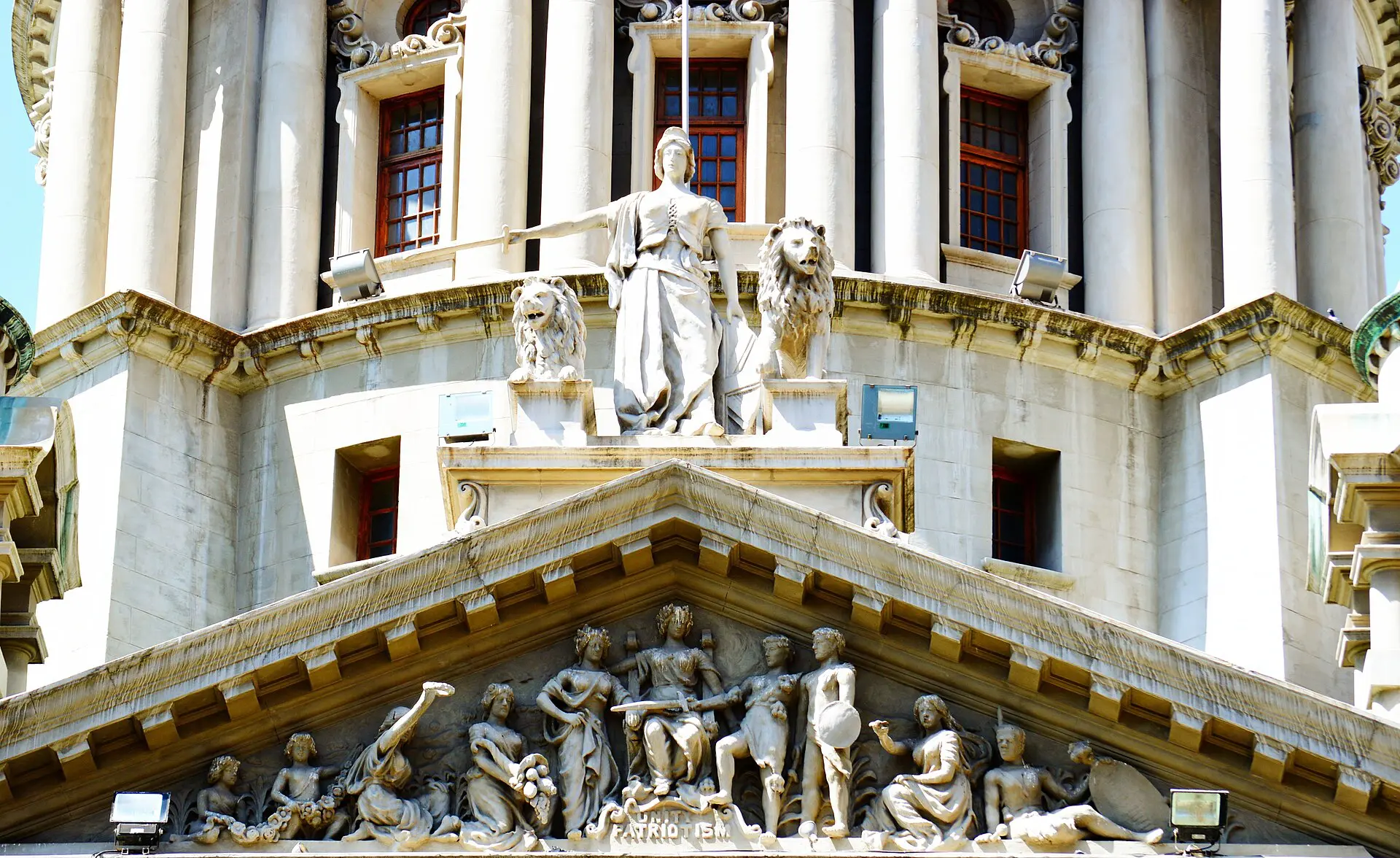
The Art Gallery and the Natural Science Museum sit in City Hall, a Victorian-era landmark in the centre. They are the cheap rainy-day answer, usually free or close to it. They will not take a full day, so pair them with the nearby Playhouse Theatre architecture and a central lunch. Check opening hours first, as small municipal venues change them.
Where to stay in Durban
- Beachfront (Golden Mile): walkable to the sand and uShaka, with the widest price range. Pay more for an upper floor and a clearly secure building; save by skipping the ocean-view premium.
- Umhlanga: a resort suburb north of the centre, tidier and pricier, with a seafront promenade. Best for mid-range travellers arriving at King Shaka Airport, about 35 km away.
- Berea and the Morningside area: residential hills with guesthouses and restaurants. Good value if you will be using ride-hailing.
- Central Durban: handy for City Hall and markets, but quieter and less comfortable after dark. Fine for a day; I would not choose it as a base.
Getting around Durban
Ride-hailing apps are the best-value option for most visitors, particularly after dark, when a short fare beats any risk of walking. Local buses and minibus taxis exist, but they are harder for first-time visitors to use. A rental car makes sense only if you plan to go up the north coast or inland. Parking costs and fuel are extra.
Walk the beachfront by day, and take a ride for anything between districts. Budget about 5 to 15 USD per short hop, depending on distance.
How much does a trip to Durban cost?
These are rough daily ranges per person in USD, hedged, excluding flights. Rates move with the rand and with school holidays, so check current prices.
| Level | Per day | What it covers |
|---|---|---|
| Budget | about 40 to 70 | Hostel or basic room, street food, rides |
| Mid-range | about 90 to 160 | Good hotel, one paid attraction, sit-down meals |
| Higher | about 200 and up | Umhlanga hotel, tours, drivers |
Pay more for: a secure, well-located room and safe night transport. Save on: the premium stadium option and meals in the busiest tourist strips.
Is Durban worth visiting?
Yes, if you want a warm coastal city with strong food, a layered history and low prices by international standards. It earns its place as a two- to three-day stop on a longer South Africa route. Skip it if you want a polished walkable old town, wilderness or very quiet beaches. It is a working port city, with the roughness that comes with that. Read local advice on neighbourhoods before you go, and use the Wikivoyage Durban guide for current practical detail.
FAQ about Durban
How many days do you need in Durban?
Two full days cover the beachfront, one paid attraction, the markets and a garden or museum. Three days leaves time for Umhlanga or a day trip. More than that only makes sense as a base for the surrounding province.
Is Durban safe for tourists?
Many visitors have trouble-free trips by following common rules: use ride-hailing after dark, avoid displaying valuables and stay in the busier beachfront or suburban areas. Conditions change, so check current official travel advice before booking.
Where is Durban?
Durban is on South Africa’s east coast, on the Indian Ocean, in KwaZulu-Natal province. See the Durban overview on Wikipedia for background. It is roughly 500 km from Johannesburg, so a short domestic flight is the usual way in.
Can you swim at Durban’s beaches?
Yes, in the patrolled and flagged sections, where the water is warm for much of the year. Swim between the flags, follow lifeguard advice and avoid swimming alone or after heavy rain.