The best things to do in Corsica are outdoors: coastal walks, swimming off granite coves, a boat trip along the cliffs and a day or two in the mountains. Most cost little. The expensive parts are the ferry or flight, a rental car and rooms in July and August. This guide ranks eight activities by value, explains when paying more makes sense, and gives daily costs in US dollars. Plan for at least five days, since driving on twisty roads eats time.
Best time to visit Corsica
The season is narrow, and price follows the weather closely. The main tourist season runs from mid-June through August, with the climate pleasant from May to October. Outside those months many facilities close and the mountains get cloudy. Use the table as a rough guide.
| Season | Weather | Crowds and prices | Good for |
|---|---|---|---|
| May to mid-June | Warm days, cooler sea | Light crowds, moderate prices | Hiking, driving, best overall value |
| Mid-June to August | Hot, dry, strong sun | Busiest, highest rates, booking essential | Swimming, boat trips |
| September to October | Warm sea, milder air | Fewer visitors, rates falling | Beaches and walking together |
| November to April | Cool, wet, mountain cloud | Very quiet, many places closed | Cheap stays if you accept limits |
My pick for value is September. The sea has had all summer to warm up, but the peak premium has gone.
Top things to do in Corsica
1. Drive or walk the Calanques de Piana
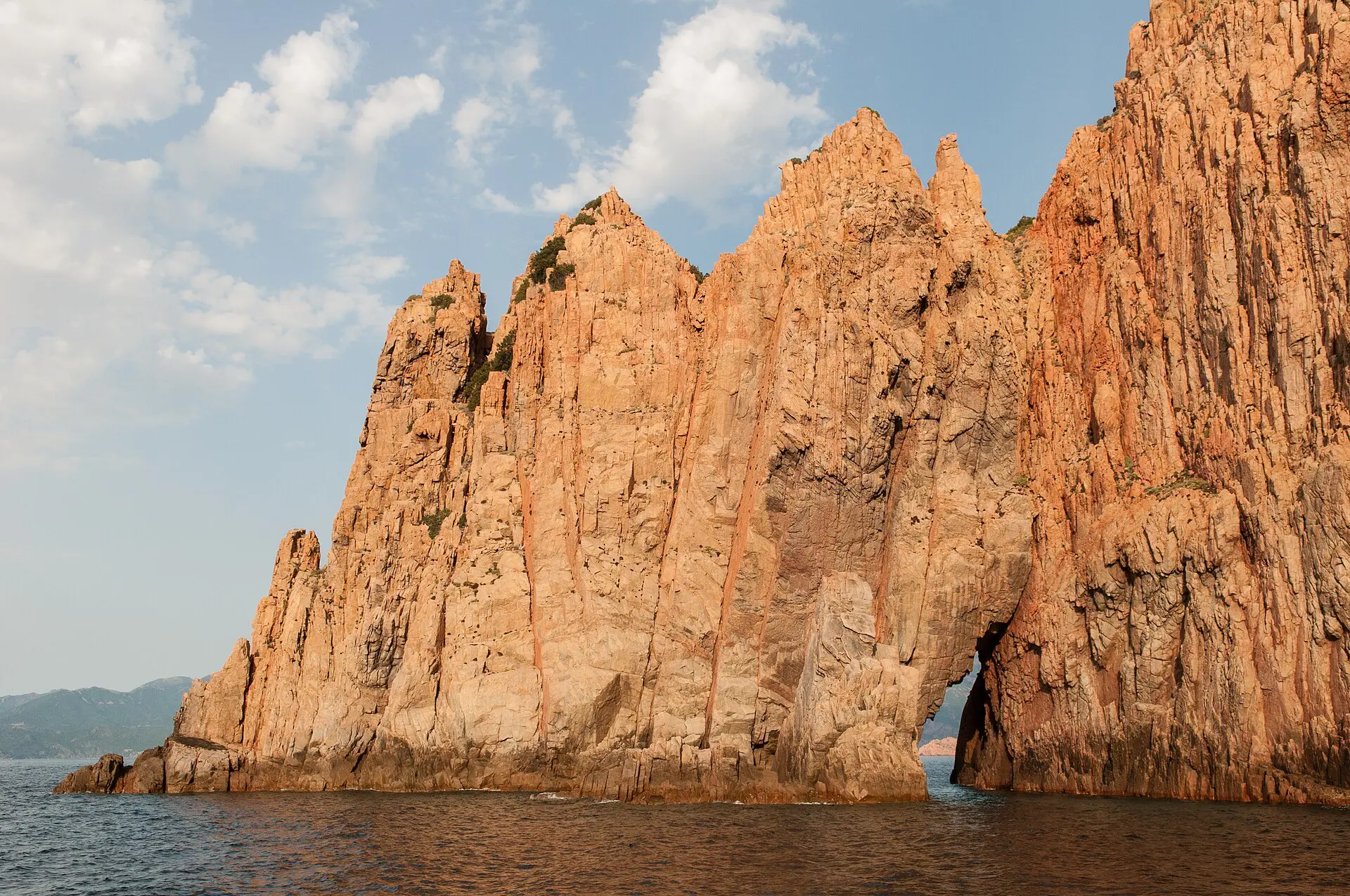
The red granite cliffs on the west coast near Piana are among the island’s best-known landscapes, and the road above them is a sight on its own. Driving through costs nothing beyond fuel. Short walks on marked paths add a few hours. This is where the free option beats the paid one: a boat trip shows the cliffs from below, but the road and trails give most of the view at no cost. Go in the late afternoon for light.
2. Take a boat trip to Scandola
The Scandola nature reserve, on the coast near the Gulf of Porto, can only be seen properly from the water. Boat tours from Porto usually run for several hours and cost roughly $50 to $90 per adult, hedged because operators set their own prices. This is a place to pay for the experience, as there is no cheap alternative. Book in the morning of your arrival if you can, and avoid the choppiest days.
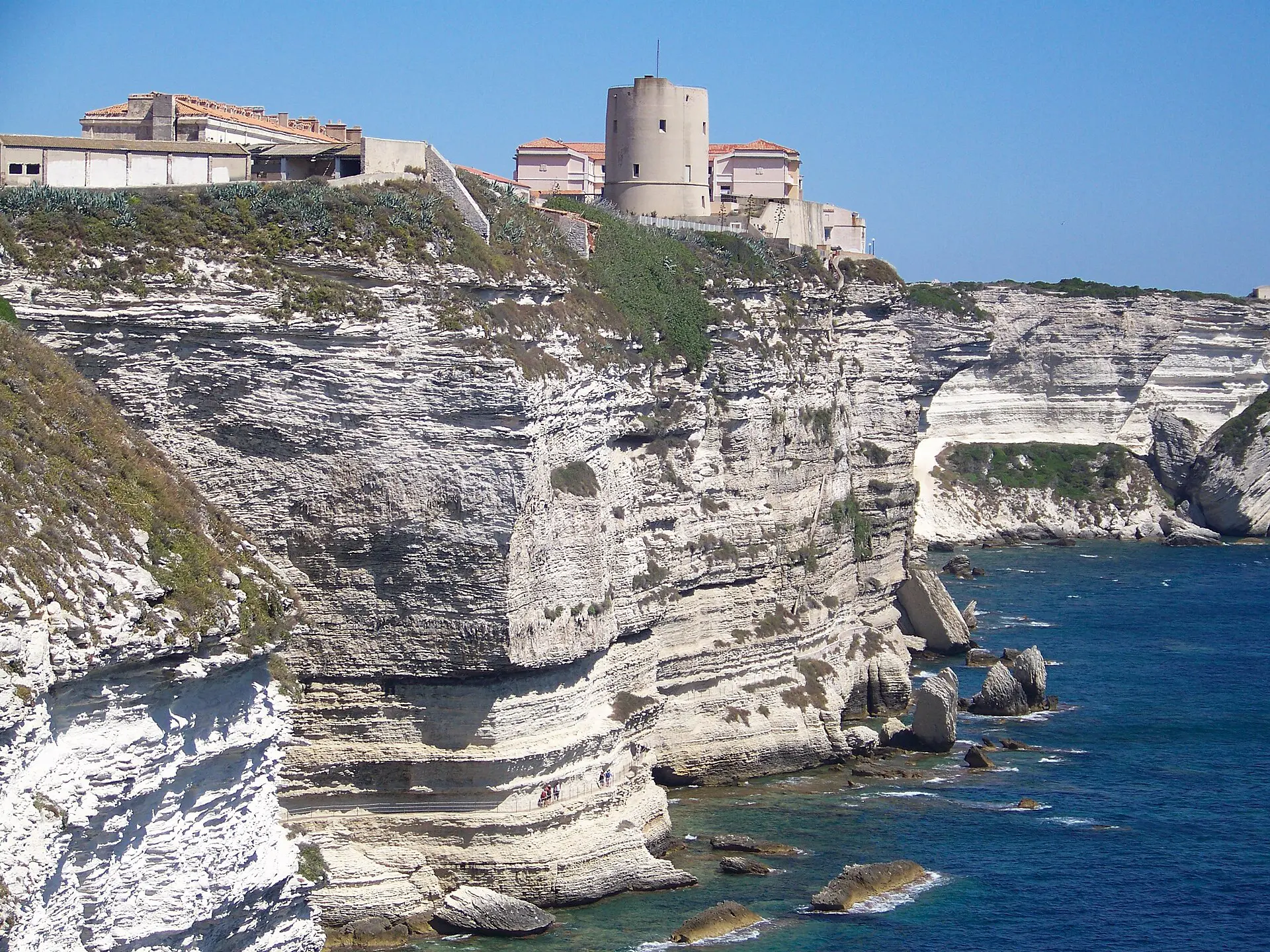
3. See Bonifacio’s cliff-top old town
Bonifacio sits on white limestone cliffs at the southern tip and is the ferry port for Sardinia. Wandering the old town and harbour is free. Boat trips under the cliffs and to nearby islands cost extra, usually in the $25 to $50 range. Parking in summer is the real cost, because places fill and lots charge by the hour. Arrive early, or stay a night and enjoy the evenings when day visitors leave.
4. Spend a beach day near Porto-Vecchio
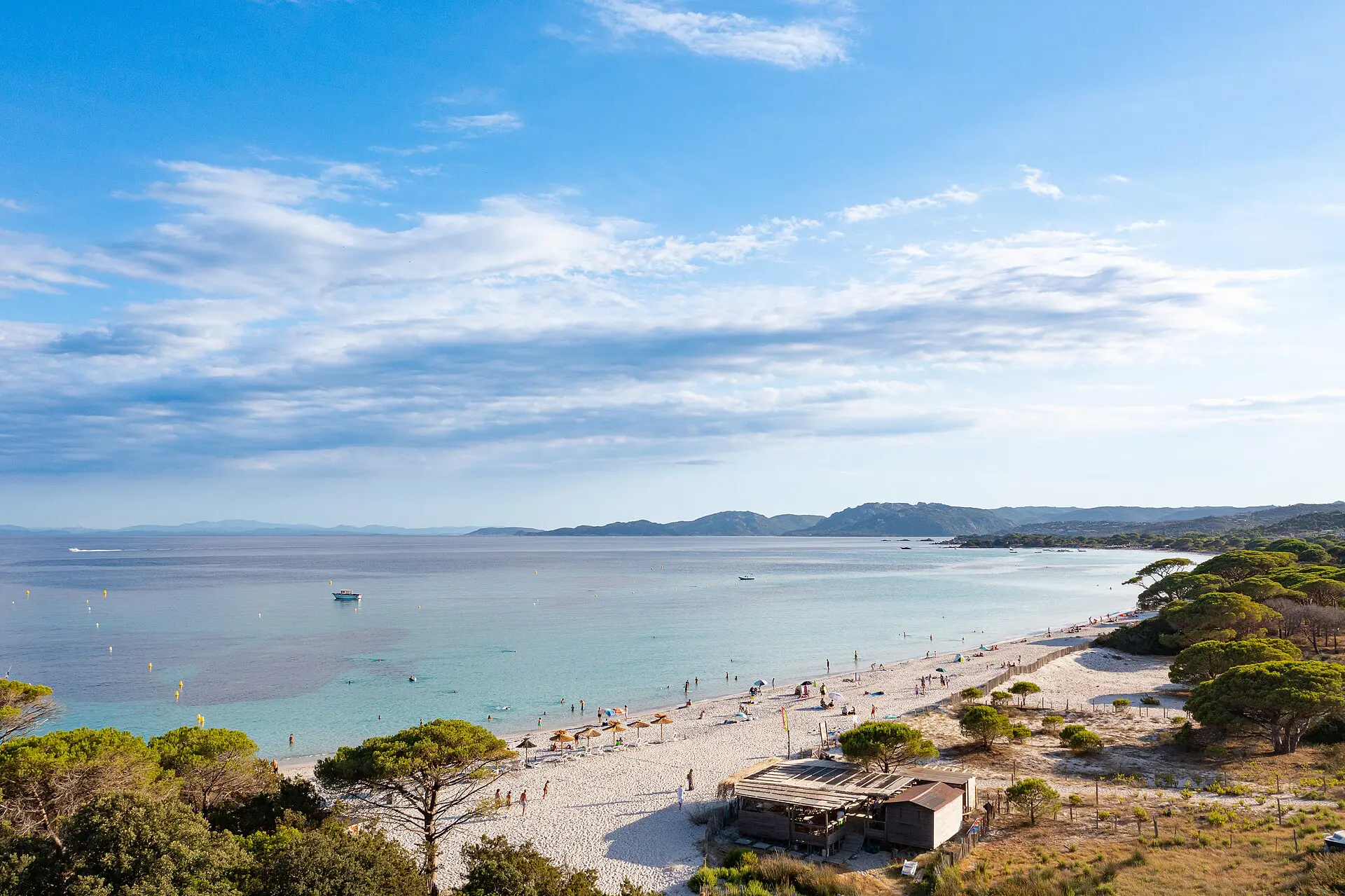
The south-east coast has some of the island’s best sand and shallow, clear water. Beach clubs rent sunbeds in summer, often for a fee of tens of euros, while public sections of sand are free. Save by bringing an umbrella and a picnic from a supermarket. Pay for a sunbed only if you plan a full day in July or August, when shade is scarce.
5. Hike part of the GR20
The long-distance GR20 crosses the island’s mountain spine and is known as a hard trek. You do not need to do all of it. Day sections cost nothing and can be strung together with a car or taxi. Check conditions locally, carry plenty of water and start early, since afternoon weather can change fast. Mountain huts exist on the full route, but day walkers can skip the booking system altogether.
6. Visit Ajaccio and Napoleon’s birthplace
Ajaccio is the regional capital, and Napoleon was born here in 1769. His family home, Maison Bonaparte, is now a museum and the obvious stop for history fans. Entry is usually modest, so check the current price. The city also has a working harbour and waterfront, good for an easy half day when the weather turns. It is also the main airport for the south-west.
7. Explore Corte and the interior
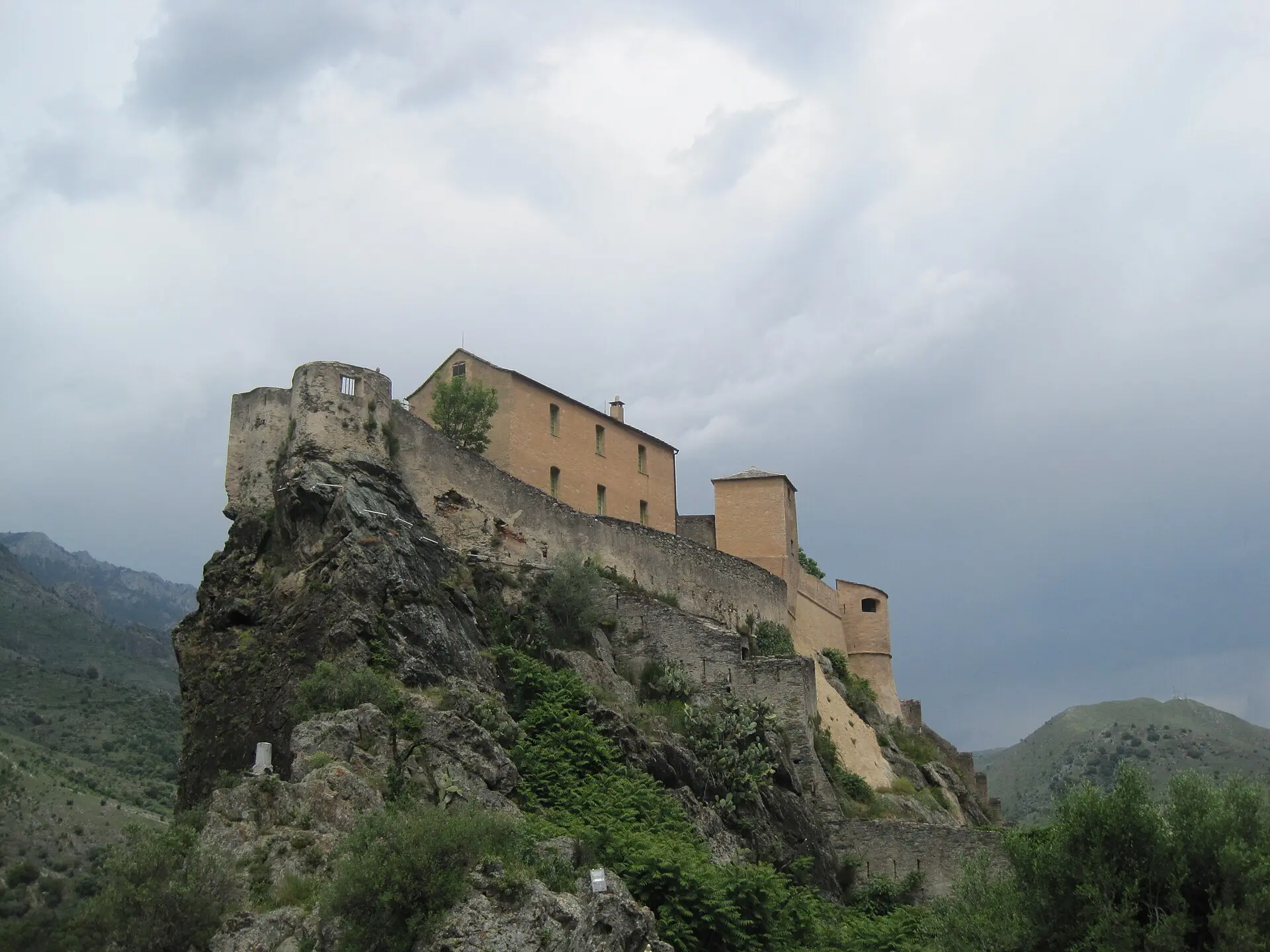
Corte is the largest inland town, with an old quarter set among dramatic mountains. It makes a good base for hikers and for anyone who wants lower prices than the coast. Rooms inland are usually cheaper than seaside ones in peak season. Add a day for river swimming spots and walking trails, and plan your driving carefully because mountain roads are slow.
8. Drive around Cap Corse
The northern peninsula, reached from Bastia, is a rugged loop with small villages such as Nonza, where a Genoese tower stands over the sea. You can drive the loop in a day, though two is better. It costs only fuel and a few coffees. Roads are narrow and winding, so budget more hours than the map suggests.
Where to stay in Corsica
Corsica is large, and a single base rarely works. Pick by region and accept some driving.
- Ajaccio: best for city amenities, the airport and ferries, with year-round open businesses.
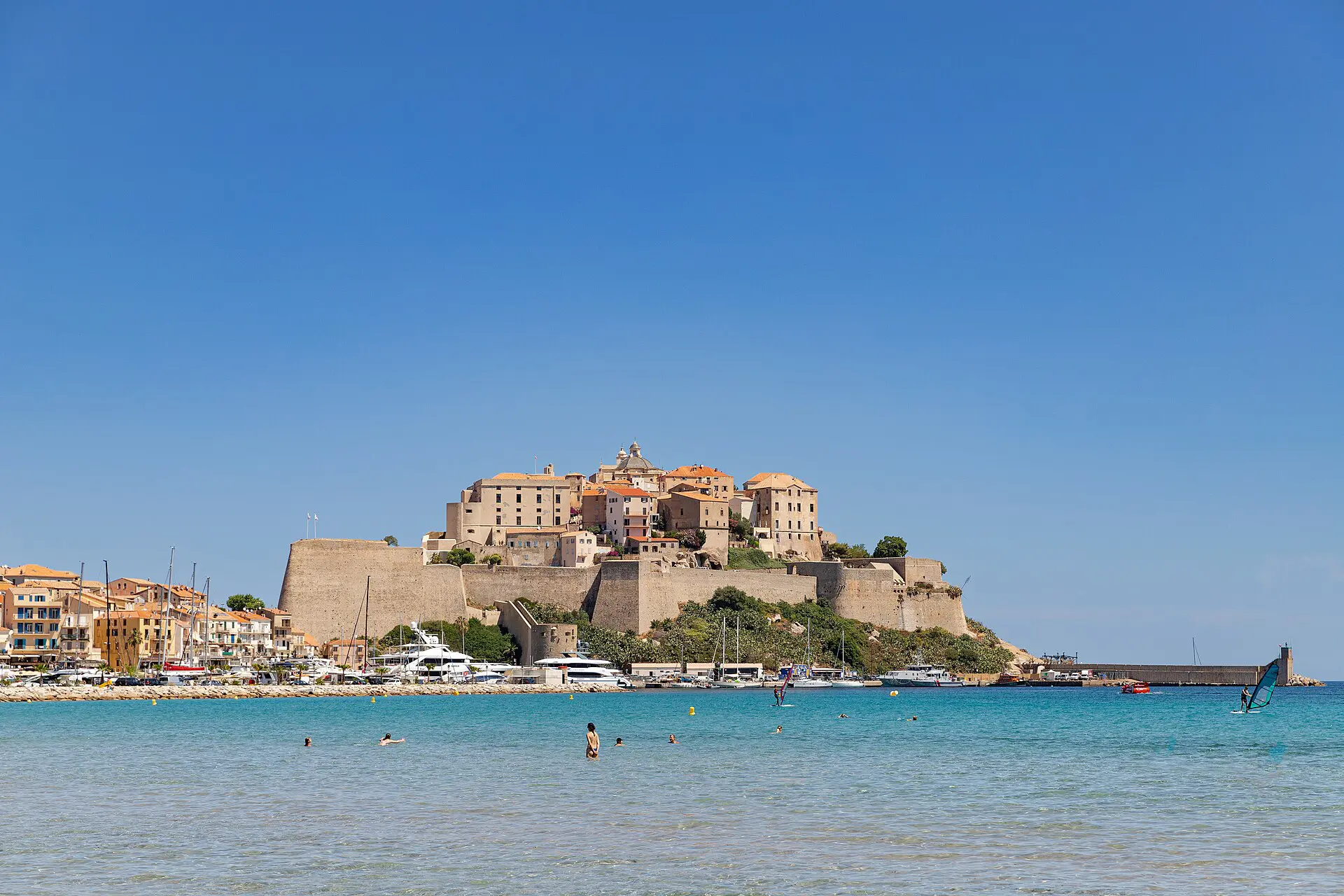
- Calvi or the Balagne coast: beach and old-town mix on the north-west coast, good for couples and mid-range trips.
- Porto-Vecchio and Bonifacio: best beaches and highest summer prices; pay for it only if sand is your priority.
- Corte: cheapest and best for hiking, with few beaches.
Pay more for a sea-side base in July and August, when long drives from cheaper inland rooms cost time. Save in shoulder months by staying inland.
Getting around Corsica
A car is the simplest way to cover the island, since public transport is limited and the hills are steep. Book rental cars ahead, and supermarkets generally do not have petrol stations, so keep a fuel reserve. Roads are twisty and slow.
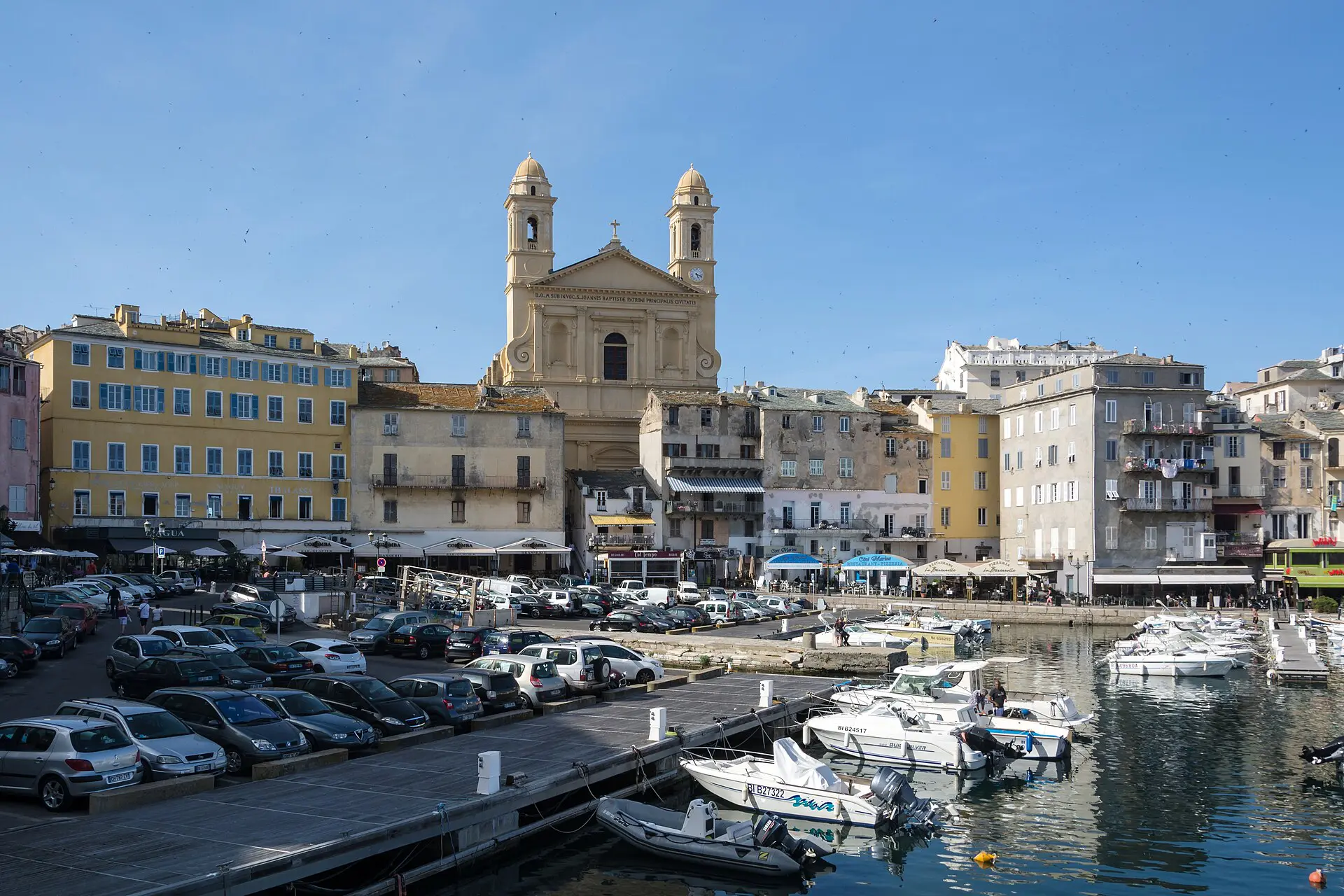
There are four airports, at Ajaccio, Bastia, Calvi and Figari, and apart from Bastia there is no regular public transport from them. Ferries link Marseille, Nice and Toulon with several Corsican ports, and from Italy and Sardinia. High-speed boats from Nice take about three hours, while regular car ferries take six to eight. Bringing your own car on a ferry can beat a rental for stays of a week or more.
How much does a trip to Corsica cost?
Figures are rough US dollars per person per day for two sharing a room, excluding the journey to the island. Check current rates, which vary widely by month.
- Budget: about $80 to $130, using campsites or simple rooms, supermarket meals and a small rental car shared between two.
- Mid-range: about $170 to $300, with hotels, restaurant dinners and some paid activities.
- High-end: $400 and up, especially in coastal resorts in high summer.
The car is the largest hidden item: a week of rental, fuel and parking can equal a good share of your lodging bill. Budget for it from the start.
Is Corsica worth visiting?
Yes, if you want dramatic scenery, hiking and swimming in one trip, and are happy to drive. It is among the least-visited big Mediterranean islands by English-speaking tourists, and its main draws are water sports and mountain walking. The cost is a car, long travel days and French-speaking service, so basic French helps. See the Wikivoyage guide to Corsica for regional detail.
Skip it if you want cheap, no-car convenience, strong English everywhere or lively nightlife. For a short city break or a purely budget beach week, mainland options on the French or Italian coast cost less.
FAQ about Corsica
How many days do you need in Corsica?
Five to seven days is a sensible minimum. Distances look short on the map, but mountain roads are slow, so a trip covering two regions, say Ajaccio and the north, needs a week to avoid constant driving.
Is Corsica expensive?
It can be, mainly in July and August, when rooms and rental cars peak. Visit in May, June or September and the same trip can cost noticeably less. Self-catering helps further, since restaurant meals add up quickly over a week.
Do you need a car in Corsica?
For most itineraries, yes. Public transport is limited, and apart from Bastia the airports lack regular links. If you stay in one town such as Ajaccio or Bastia, you can manage without a car for a few days, but book a rental early for a longer trip.
Is Corsica part of France or Italy?
It is a region of France with special status. Its culture has Italian influences from centuries of Genoese rule, and French is the main language. Read the Wikipedia article on Corsica for the political background.
What is the best month to visit Corsica?
For value and weather together, June or September. May suits hikers who want cooler days on the trails, and July and August suit swimmers who have already booked early, though rooms and rental cars cost the most then.