Thessaloniki in 2 days works if you read the city in layers: Roman monuments and Byzantine churches on day one, museums, markets and the waterfront on day two. The centre is compact and the sights sit close to the sea. If you only have one day, see the Rotunda, the Church of Agios Dimitrios, the Modiano market at lunch, the White Tower and the promenade at dusk.
How to spend 2 days in Thessaloniki
It is a city with a continuous 3,000-year history, with Roman, Byzantine and Ottoman buildings found throughout, and Byzantine churches that sit on the UNESCO list. Most of the downtown burned in the great fire of 1917 and was rebuilt on a grid, so the layers sit in pockets between modern blocks. You will move between them quickly.
The rule for these two days: one monument, then one market or street, then food. The grid helps. Streets that run downhill lead to the sea, and the parallel ones (Egnatia, Tsimiski, Leoforos Nikis) give you clean east-west lines. For wider context see the Greece travel guide and the Thessaloniki guide.
Thessaloniki in 2 days: the time-blocked plan
Day 1, 9:00: Rotunda and Arch of Galerius
Start in the Roman quarter along Egnatia Street. The Arch of Galerius and the Rotunda, both from the late Roman period, sit close together. The Rotunda has been a temple, a church and a mosque, which makes it a good primer for everything that follows. Interior access has varied over the years, so check whether it is open. Allow 60 minutes, and use the cafes around Navarinou Square for coffee afterwards.
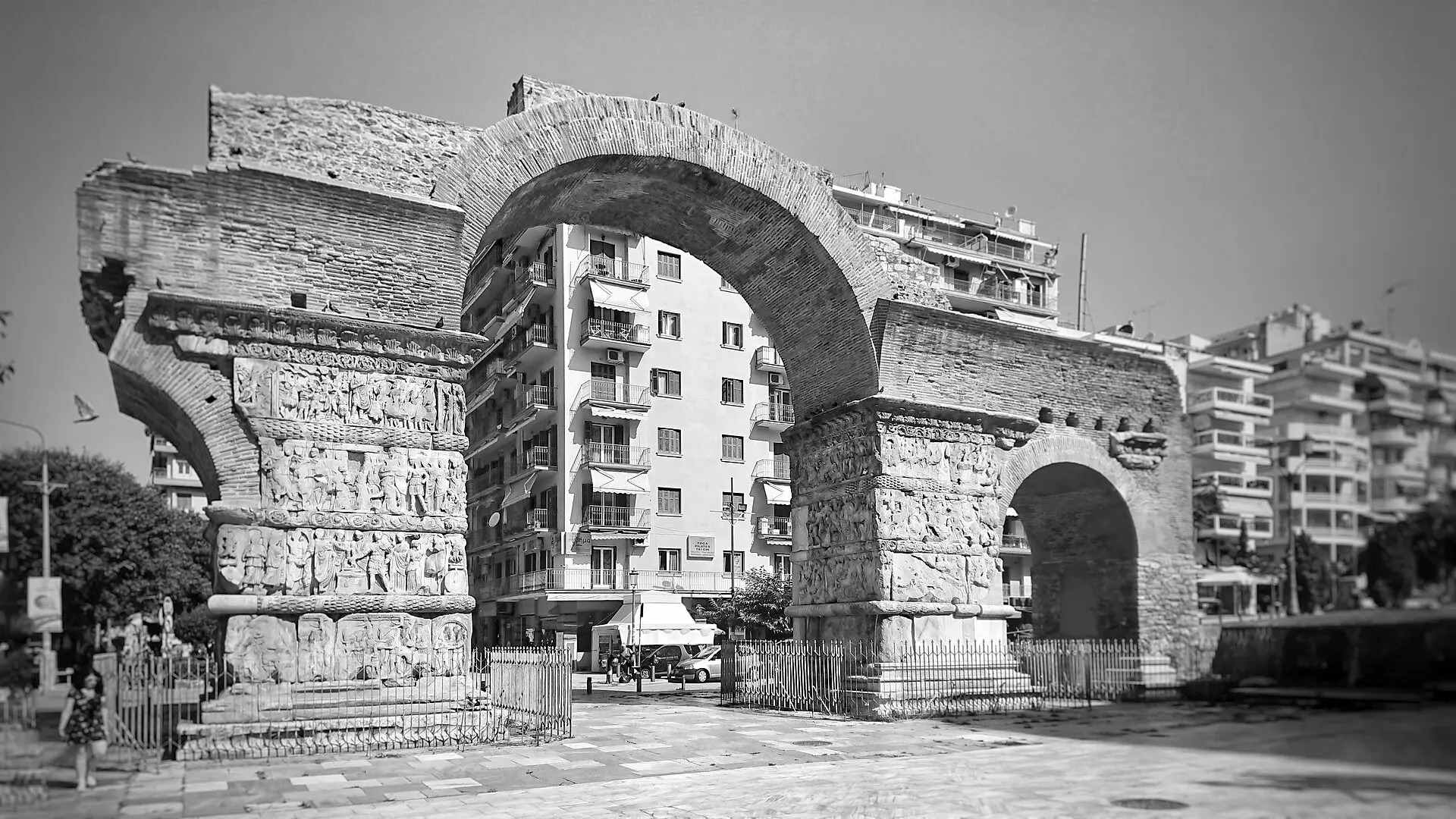
The remains of the Roman palace complex are visible from the street there, so you can read the layout without buying a ticket. From the arch, the Aristotelous axis runs down to the sea, which gives you the orientation for the rest of the trip.
Day 1, 11:30: Agios Dimitrios and the Byzantine core
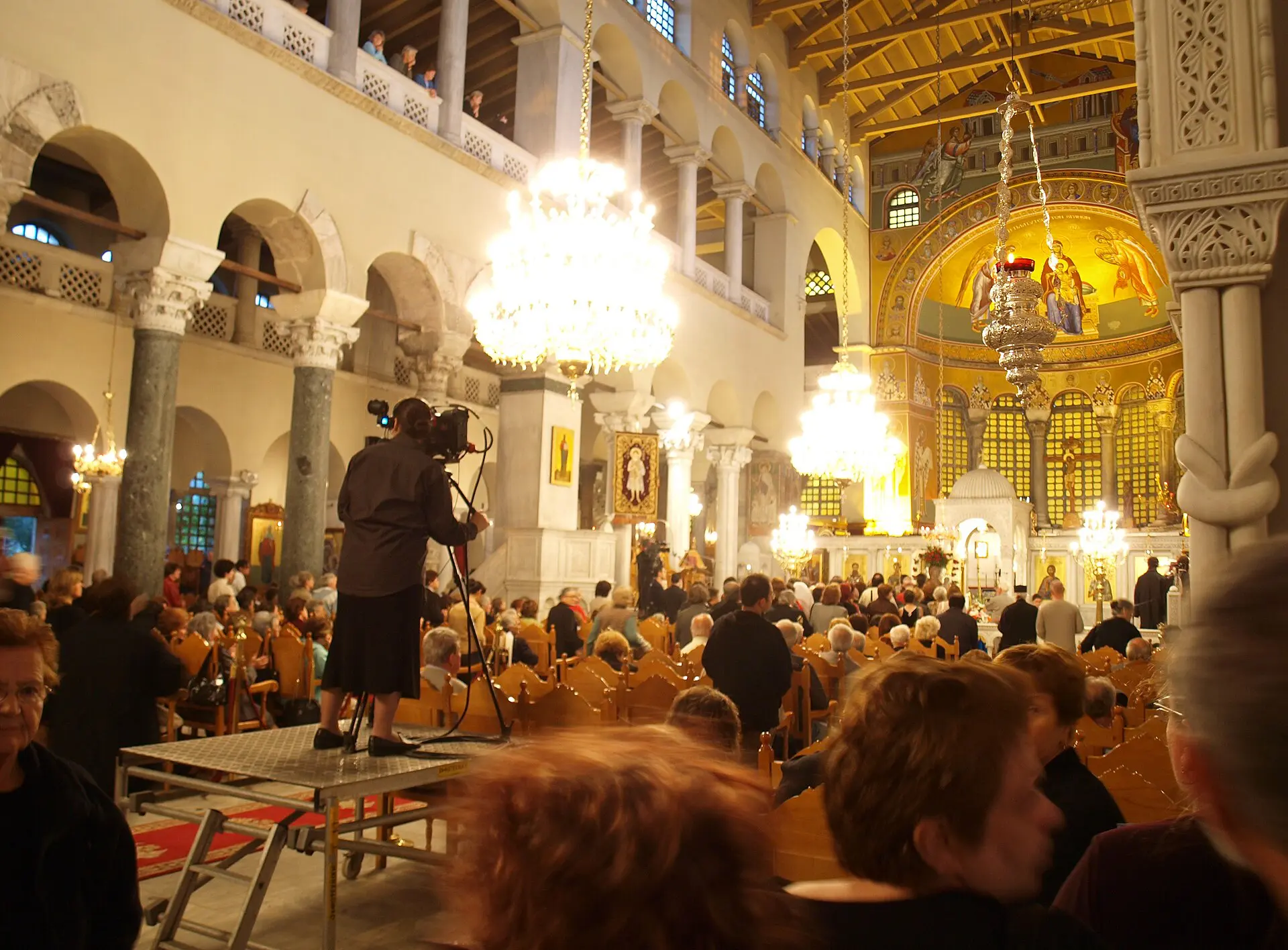
The Church of Agios Dimitrios, the city’s patron saint, is the largest church here and has a crypt that functions as a small museum. It is a working church, so dress modestly and expect services to limit access. Close by, Agia Sofia is another UNESCO-listed Byzantine church. Do both in 90 minutes. Opening hours are shorter on Sundays and church feast days, so check ahead.
The sequence matters. Agios Dimitrios shows the early Christian city, and the walk between the two churches crosses the grid built after the 1917 fire. If you want the Ottoman layer, add a short detour to the covered Bezesteni market, a 15th-century structure, on the way to lunch.
Day 1, 13:30: Modiano and Kapani markets
Pair the churches with a market. Modiano and Kapani sit between Aristotelous Square and the Ladadika area, and are the working food markets of the centre: fish, produce, spices, olives and cheeses. Lunch here is simple. Order what the counter sells at the busiest hour. Markets tend to wind down in the mid-afternoon and are generally shut on Sundays, so schedule this block for a weekday or Saturday morning if you can.
The markets also show the city’s older mix. A large Jewish community shaped the city for centuries, before the occupation of 1941 to 1945 destroyed it, and a Jewish history museum in the centre tells that story. Add it as a 45-minute stop if you want that layer, and confirm opening days first.
Day 1, 18:00: Ano Poli and the Byzantine walls
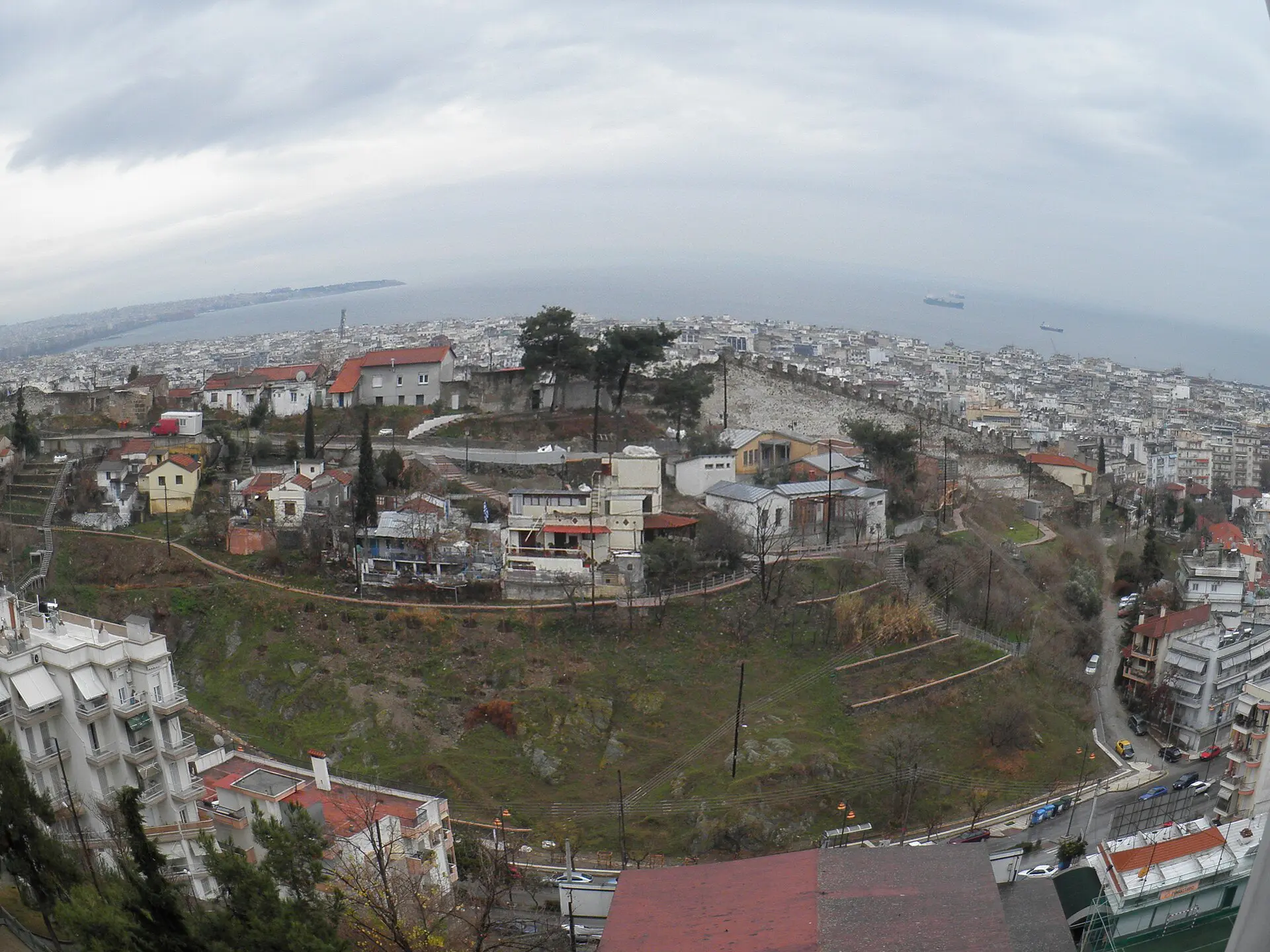
Walk uphill to the Upper City. It survived the 1917 fire, so the lanes are narrow and stone-paved, with old Greek and Ottoman houses. Follow the walls to a viewpoint above the Thermaic Gulf for a sunset view. The climb is steep, so take a taxi up and walk down. Wear shoes with grip, since the stones are polished smooth. The Upper City is residential, so keep voices low and expect few services after dark. Eat back down in the centre, where tables are easier to get.
Day 2, 10:00: Museum of Byzantine Culture and the Archaeological Museum
The second anchor is museums. The Museum of Byzantine Culture and the Archaeological Museum are close together, a short walk from the White Tower, and together they cover the same layers in objects. Many Greek state museums sell combined tickets or multi-site passes, so ask at the desk whether a shared ticket covers both, and what it costs as of 2026. Plan three hours in total, with a coffee break between the two buildings. Hours are often shorter in winter, and the site may close on a weekly day off, so verify before you leave.
Day 2, 17:00: White Tower and the waterfront promenade
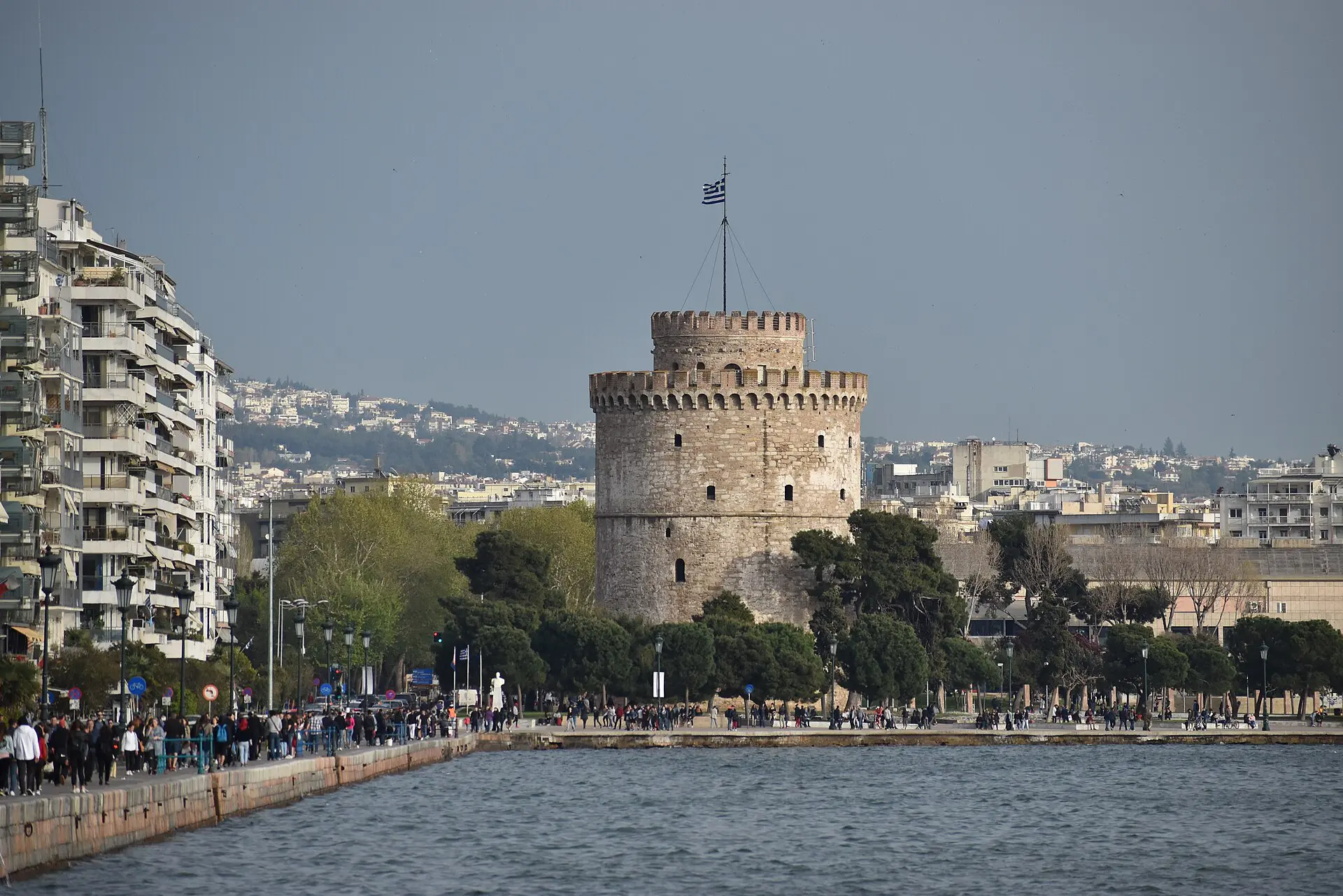
The White Tower is the city’s emblem and stands on the waterfront. It hosts a museum about the city’s history, which gives a useful summary on day two. Then walk the promenade along Leoforos Nikis toward the sea air and the evening crowd. This is the closing block, and the evening walk is the point.
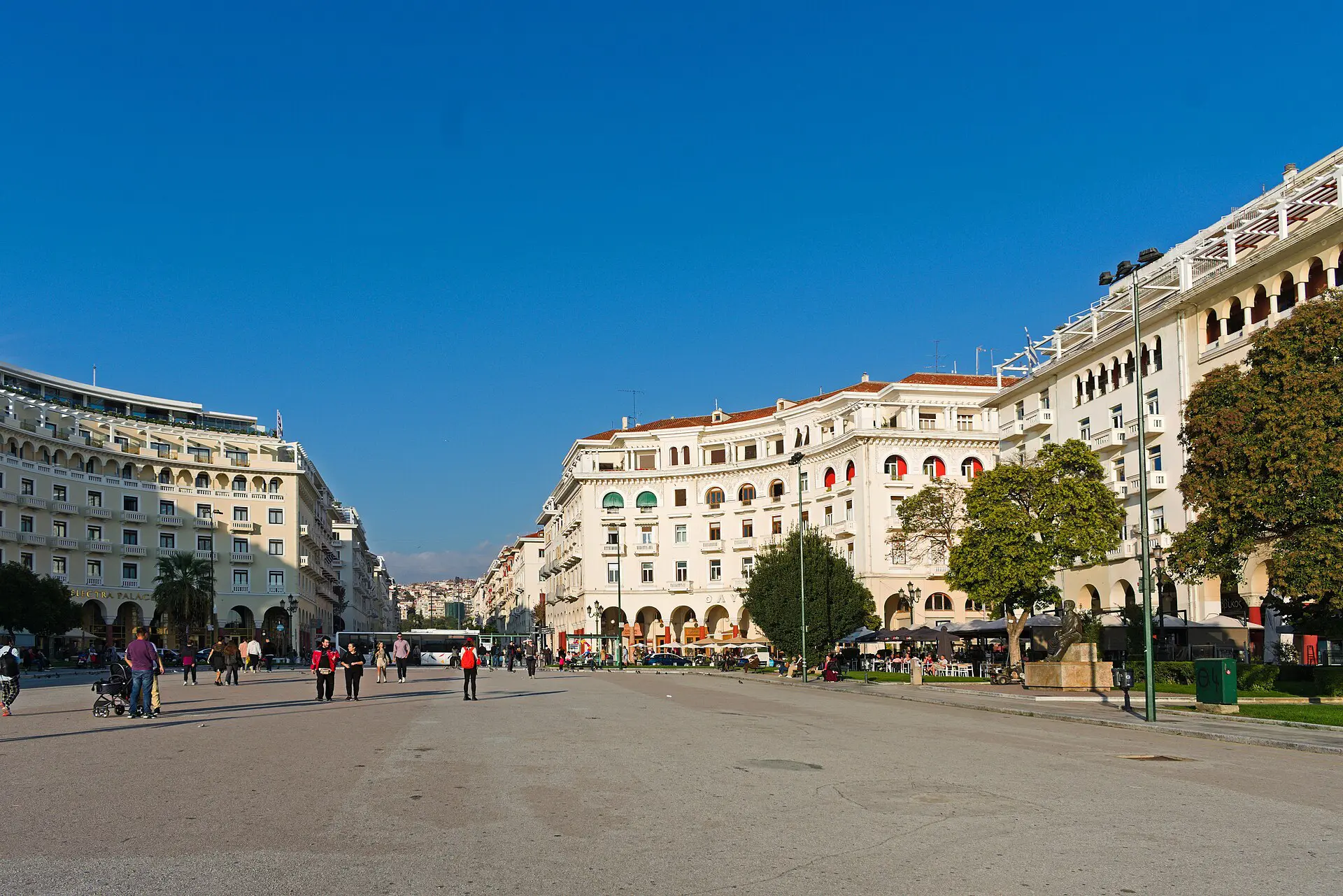
The Aristotelous Promenade, lined with cafes, links the square to the sea and is where most evening walks begin. Aim for the hour before sunset, then continue to a seafront cafe or a table back on Aristotelous Square.
How to avoid queues in Thessaloniki
- Museums: go at opening on day two, when tour groups are still at breakfast and you can move through each room in order.
- Churches: go in the morning, before groups and before services.
- White Tower: late afternoon is popular; an hour after opening is quieter.
- Markets: best before 13:00, when stalls are fully stocked.
- Weekends: the promenade fills from late afternoon, especially in summer. Sunday evening is the busiest time on the seafront.
- Summer heat: do outdoor sights before 11:00 and after 17:00, and use the museums in between.
Getting around Thessaloniki
Walk. The centre is flat, and the sights in this plan are within about 20 minutes of each other, apart from the Upper City. Use a taxi for the hill. Buses cover longer trips, such as the airport, and your tickets should be checked for current rules. Athens to Thessaloniki by train takes about 5 hours since the 2023 flood damage, with works planned to bring that down, so verify the timetable.
Where to stay in Thessaloniki
- Aristotelous Square and Tsimiski: the best base. Everything is walkable and evening cafes are on the doorstep.
- Ladadika and the port: lively at night, with restaurants, bars and music. Expect noise on weekends.
- Ano Poli: quieter and atmospheric but hilly, and taxis are needed at night.
What to skip in Thessaloniki if time is short
Cut the Upper City first, then one of the two museums. If you can see only one museum, I would choose the Museum of Byzantine Culture. Skip the Rotunda interior if it is closed, and see the exterior and the arch instead. A Thessaloniki in 2 days plan should never trade the evening promenade for another monument, since it is the best way to see how the city actually uses its waterfront.
FAQ about Thessaloniki
Is 2 days enough in Thessaloniki?
Two days cover the main Roman and Byzantine monuments, one or two museums, the markets and the waterfront. A third day adds the Upper City at a slower pace or a half-day trip out of town.
What is the best order to see Thessaloniki’s sights?
Go chronologically: Roman monuments, Byzantine churches, the Ottoman-era markets and Upper City, then the museums and the waterfront. That sequence matches the walking route and puts the busiest outdoor sights in the cooler hours.
Is Thessaloniki walkable?
Yes for the centre, which is flat and gridded. The Upper City is the exception because of the slope. Taxis in town are inexpensive by European standards, so use one for the hill and for late returns.
Are museums in Thessaloniki closed on certain days?
Weekly closing days and seasonal hours apply at state museums and archaeological sites, and holidays also cause closures. Look up the current schedule on the museum’s official site, and avoid Sunday afternoons for markets.
For further reading, see Wikivoyage on Thessaloniki.