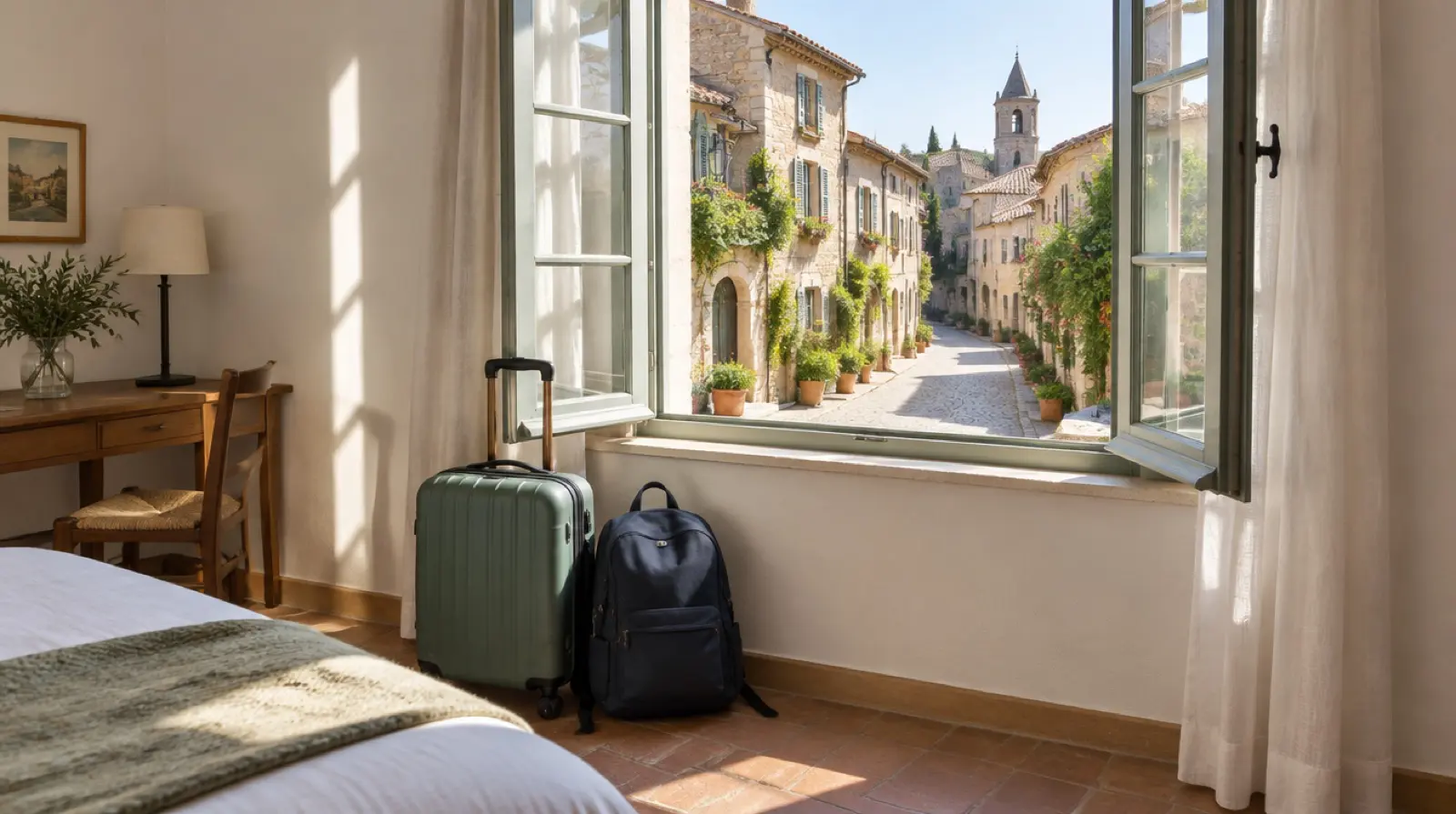
The best solo travel tips for beginners come down to five decisions: pick an easy destination, arrive in daylight, book your first night, choose a base with people around and plan your evenings. Get those right and the rest is figuring things out as you go. This guide shows the method, then each step in practice.
How to plan a first solo trip: the method
Most first-trip stress comes from a few moments, not from the whole journey. The airport arrival, the first night, the first evening out and the trip home from a late dinner are the hinge points. Plan those four, and you can be spontaneous for everything else.
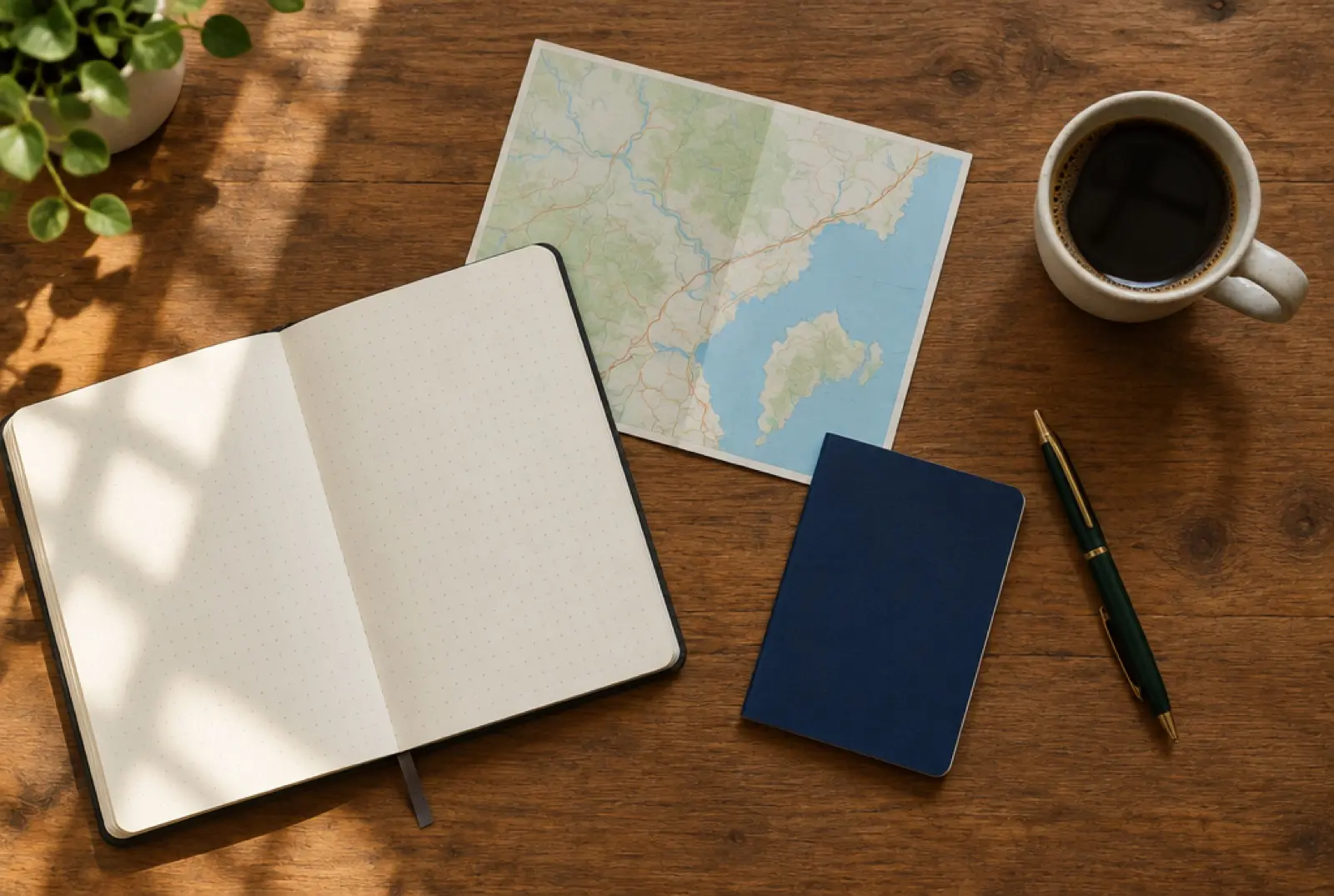
So the method is simple. Choose a place that makes those moments easy. Book the first night so you know where you are going. Pick a base where you can walk or take transit to what you want. Add a few structured activities so you meet people without effort. Write down your night plan: how you will get home, who knows where you are and what you will do if plans change.
This applies anywhere. The details shift by country, but the order does not. Think of it as a checklist you run before every trip, and you will use it for years.
Solo travel tips for beginners at a glance
This table sums up what to decide, when and why. Use it as your pre-trip list.
| Decision | Beginner choice | Why it helps | Check before you go |
|---|---|---|---|
| Destination | A walkable city with good transit and English widely spoken | Fewer decisions, easier to get help | Entry rules and your government’s travel advice |
| Length | 4 to 7 days | Long enough to settle, short enough to feel safe | Flight and accommodation change rules |
| Arrival | Daylight, with a pre-booked first night | No wandering with luggage in the dark | Transfer options and times |
| Base | Central, well-reviewed, staffed reception | Short routes, people around, help nearby | Recent reviews and exact street |
| Company | One tour or class in the first two days | A built-in group with an end time | Group size and cancellation |
| Evenings | Early dinner, a ride home, plans shared | You decide the pace, not the clock | Late transit hours |
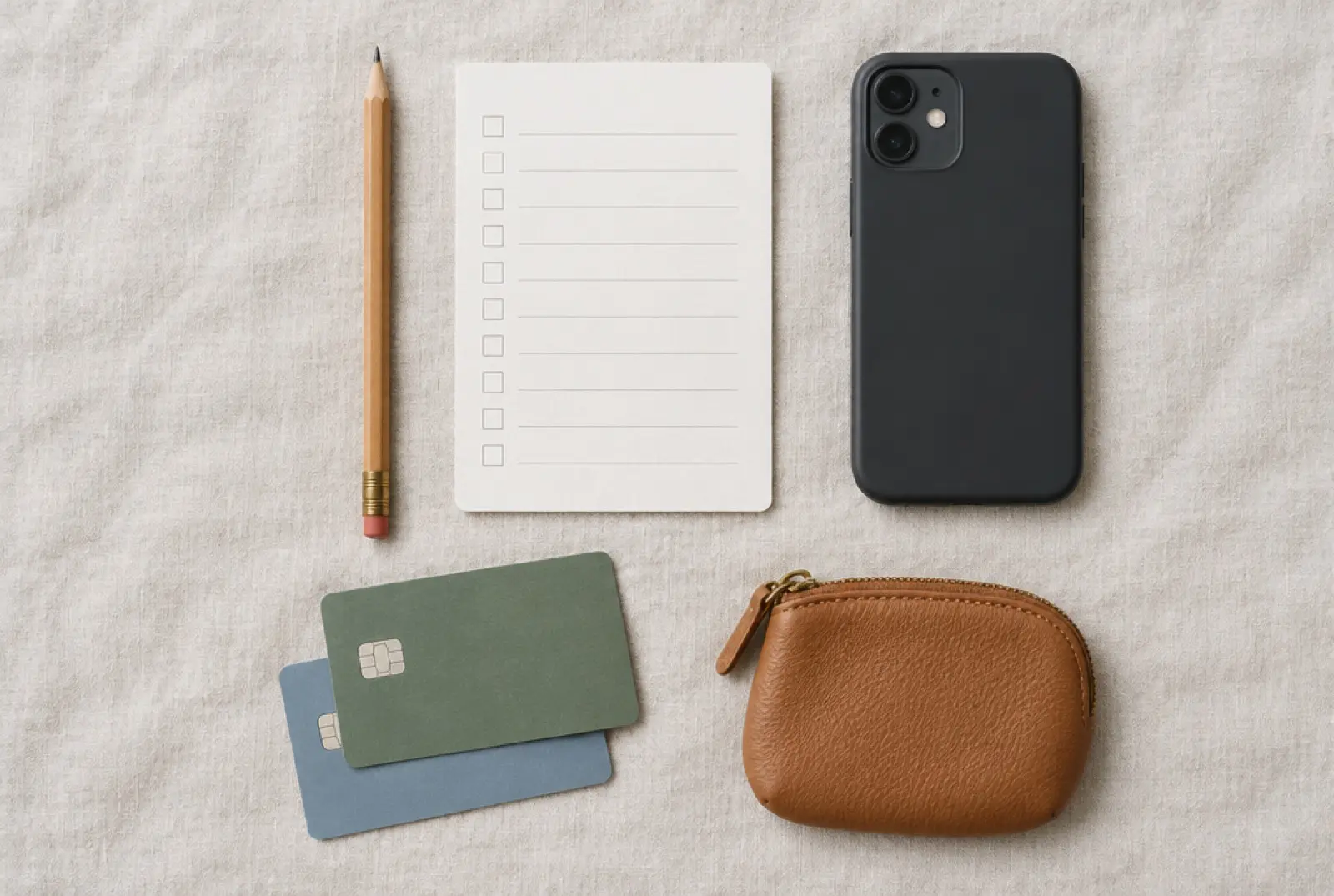
| Money | Two cards, a little cash, a buffer | One lost card does not end the trip | Fees, limits and your bank’s travel notice |
Seven solo travel tips that make a first trip easier
1. Choose a forgiving destination
Your first solo trip does not need to be the hardest or most remote. Pick a place with simple transport, plenty of other travelers and an easy way to eat alone. European capitals, compact US cities and well-trodden Asian cities are common choices. In the US, for example, read our guide to the best places to travel solo female in the US, which compares cost and walkability.
2. Arrive in daylight and pre-book night one
Arrival is the moment you know least and carry most. A daylight landing, a booked bed and a ready route home remove nearly all of it. If your flight lands late, book a transfer to your door and message the host your time. After the first night, you will know the neighbourhood and everything gets easier.
3. Pick the base before you pick the sights
Your neighbourhood shapes your trip more than any museum. Choose somewhere central or on a good transit line, with other people around in the evening. See how the thinking works in our area guides for where to stay in Lisbon, Mexico City and Santorini.
4. Build company in, low pressure first
Meeting people is easier when something else is going on. Walking tours, food tours, classes and day trips come with a task, a group and a finish time. Social hostels and shared dinners come next. You never have to go to a bar to make friends. You are free to leave an activity that does not suit you.
Start with one a day or one every other day, and treat the first as a trial. If the group is a good fit, stay for coffee afterwards and swap contacts. If it is not, you have lost two hours and you can leave without explaining.
5. Decide how you will get home before you go out
The night plan is simple: know the last train or bus, or have a ride-hailing app ready with data. Share your trip with a friend, keep your phone charged and carry a small power bank. Order the ride from inside the venue and wait indoors. It is a habit, not a worry, and it lets you stay out later and enjoy it.
Also note your accommodation’s address and a landmark, so you can tell a driver or ask for directions without searching on a dying phone.
6. Carry a layered money plan
Take two cards from different banks, kept in different places, and a small amount of local cash. Tell your bank you are travelling if it asks, and check what your cards charge abroad. Keep a photo of your passport in a safe place other than your phone, and save the contacts for your bank and your insurer.
7. Eat alone like it is normal
It is. Take a counter seat, bring a book or a notebook and choose busy places where solo diners are common. Lunch is cheaper and quieter than dinner, so make it your main meal if you are uneasy at first. Put the phone down for a few minutes and watch the room. Most people are paying no attention to you.
Common mistakes and edge cases for first-time solo travelers
The usual mistake is over-planning the sights and under-planning the logistics. A packed itinerary falls apart on a tired, jet-lagged second day. Leave one half day empty and avoid booking more than one big thing a day.
Another is choosing a cheap bed far from everything. Saving a little on the room can cost you more in rides and time, and it leaves you with a long, quiet route home. Look at the route from the station and from the nearest restaurants, not only the nightly rate.
Some people also say yes to everything. You can say no to an invitation, a drink or a room change without a reason. If a plan feels wrong, leave and take a ride to somewhere busier.
Edge cases matter too. If you have a medical condition, check what you need and where to get it. If you are travelling in a place with strong local norms, read about dress and behaviour in advance. If you plan a hike alone, tell someone your route and turn-back time, and carry water and a charged phone.
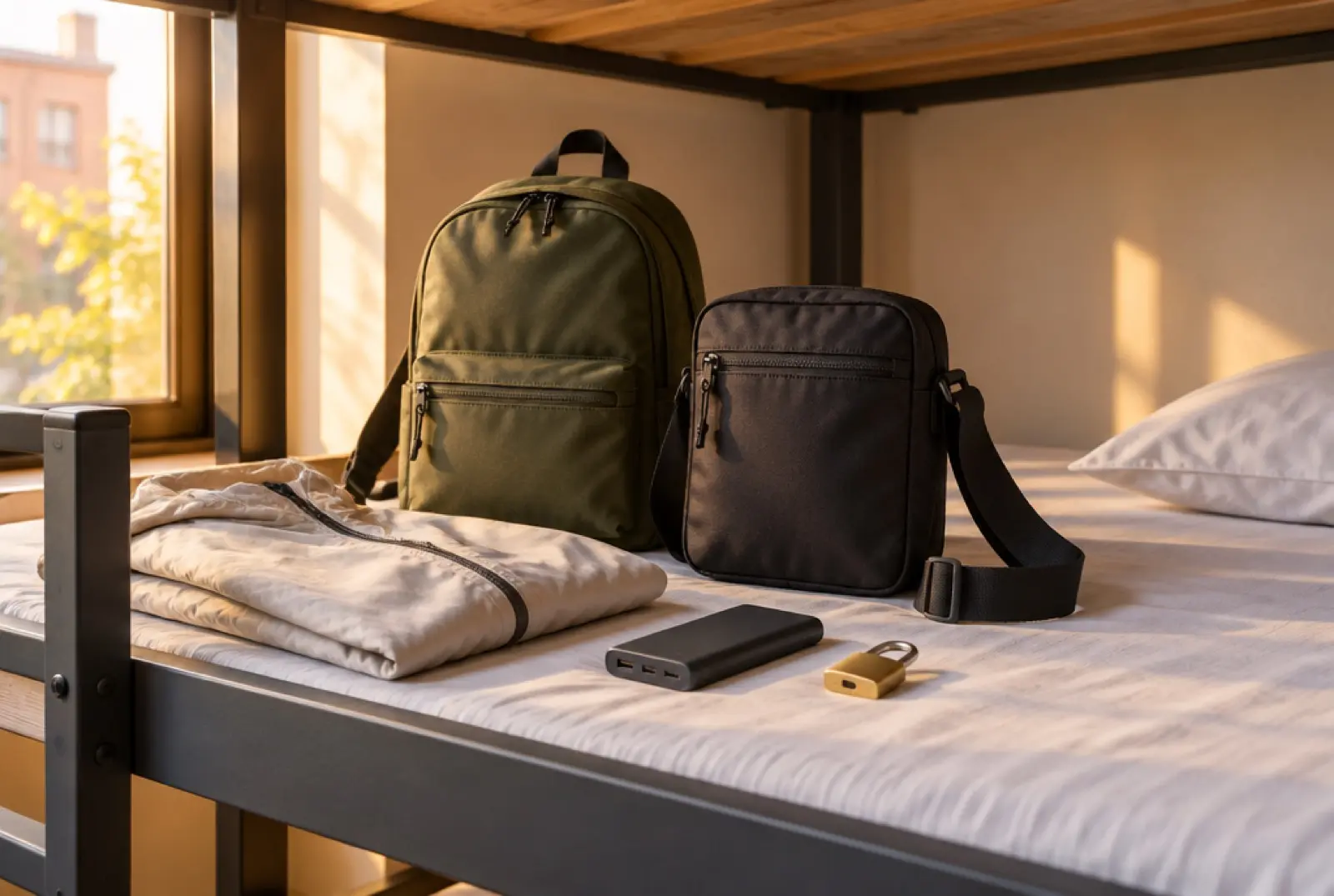
Packing deserves a line too. Carry what you can lift alone onto a train or up a flight of stairs, because you will do exactly that. A cross-body bag with a zip, a small lock for hostel lockers, a charger and power bank, a copy of your documents and a light layer for cold evenings do more than any gadget. Download offline maps for your city before you land, and save your accommodation’s address in the local language.
Finally, jet lag and altitude catch people out. Give the first day an easy plan, and keep alcohol low until you have slept properly.
What to verify before you rely on these tips
Facts about transport, entry rules and prices change, so check each one with an official source close to your travel date.
- Entry rules: visa, passport validity and any pre-arrival forms, from the destination’s official government site.
- Travel advice: your own government’s current guidance for the country and region.
- Health: vaccines and medicines, discussed with a travel clinic or doctor in good time.
- Insurance: what your policy covers for cancelled flights, medical care and lost items, and the emergency number.
- Transport times: the last train, bus or ferry on your arrival and departure days.
- Accommodation: recent reviews, reception hours and the cancellation policy.
Treat anything that carries a price or timetable as a range and confirm it before you commit.
Where to go next
If you want to use the method straight away, pick a city and run the checklist. The area guides above show how to compare neighbourhoods, and the hostel vs hotel guide helps you pick the type of room that matches your budget and your need for quiet or company.
A simple route for a first trip is one base for four to seven days, one day trip and one structured activity on each of the first two days. Once that feels natural, add a second city by train, then a longer trip with a few transfers. Build the difficulty one step at a time.
Solo travel tips for beginners: FAQ
Where should I go on my first solo trip?
Choose somewhere with easy transport, a walkable centre, plenty of other travelers and a language you can manage. A big European city, a compact US city or a popular island base are common first trips. Stay four to seven days and keep your first two days light and structured.
Is solo travel safe for women?
Many women travel alone, and most trips go well. Safety comes from planning: arrive in daylight, choose a well-reviewed base, use rides after dark, share your plans and trust your instincts. Check your government’s current advice and recent local news for the specific place before you go.
How do I stop feeling lonely when travelling alone?
Plan some company on purpose. Join a tour or class in the first two days, stay somewhere with a common room and set one social activity every other day. Also schedule rest time. Loneliness often hits in the evening, so have a plan for dinner that you look forward to.
How much money do I need for a solo trip?
It depends on where you go, how you sleep and how you eat. Solo travelers often pay more per bed than couples, so hostel private rooms can help. Set a daily budget range, add a buffer for rides and surprises and check current prices before you book.
Should I book everything in advance?
Book the first night, key transfers and any tour with limited places. Leave the rest flexible so you can follow good weather, advice from other travelers and your own energy. Check the cancellation rules on anything you reserve.