Solo female travel Peru works best when you plan around altitude before anything else. The classic highlights sit between sea level and well over 3,000 m, and arriving in Cusco on day one is a common mistake that leaves people sick instead of sightseeing. This guide gives an altitude-first route from the coast to the Andes, eight bases with where to sleep, bus-company and night-transit rules, and group treks that bring company.
Is Peru good for a first solo trip?
It can be, if you accept that Peru is a country of extremes and plan for them. Tourist routes through Lima, Arequipa and Cusco are well used by backpackers, hostels are social, and group tours make the big sights simple. The challenges are altitude, long bus journeys on mountain roads, petty theft in busy places and occasional strikes or road blockades that disrupt plans.
Peru suits you if you like walking, history and food, and have a flexible budget and some buffer days. It suits you less if you only have a week and want to see everything. Read the Peru travel guide for the wider picture, and check your government’s current travel advice before you book.
Arriving alone in Peru: your arrival card
Most international flights land in Lima, and many arrive late at night or in the small hours. That is the first decision to get right.
- Best arrival window: daytime. If your flight lands late, pre-book your bed and an airport pick-up, since the drive into town takes time and traffic is heavy.
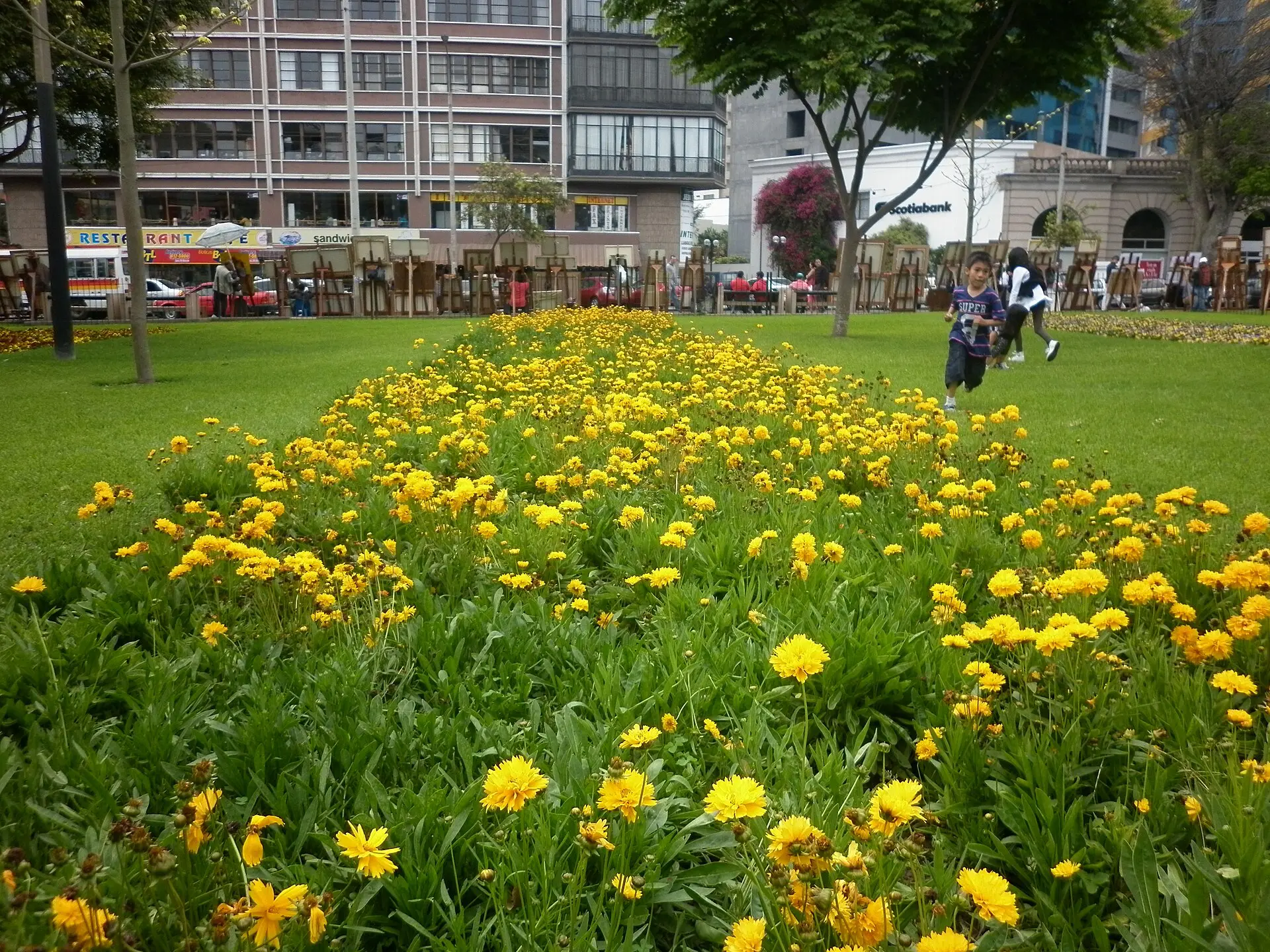
- Airport to centre: Lima’s airport lies roughly 12 to 15 km from the coastal districts of Miraflores and Barranco. Use an official airport taxi desk or a pre-arranged driver, and check the fare before you get in. Do not accept rides from people who approach you in arrivals.
- If you land in Cusco: try not to. At about 3,400 m the altitude hits hard on day one. If you must, plan to do nothing on day one but rest, drink water and eat light.
- First night: sleep in Miraflores or Barranco, where streets are lit, restaurants are close and hostels are used to solo guests.
- SIM and cash: set up data on arrival and carry small notes for taxis and markets.
Solo female travel Peru route: 8 places, climbing slowly
This route climbs by stages, so you adjust to altitude gradually. Each stop gives a sleeping suggestion. If you have a shorter trip, cut Huacachina or Huaraz, but keep the order from sea level upward.
1. Lima: sea level, food and a soft start
Peru’s capital is the best place to enjoy Peruvian cuisine, with a mix of modern and colonial architecture. Stay in Miraflores or Barranco, not the historic centre, which is better for a daytime visit. Spend two nights, eat well, and use ride-hailing apps rather than hailing taxis on the street.
2. Paracas: coast and wildlife
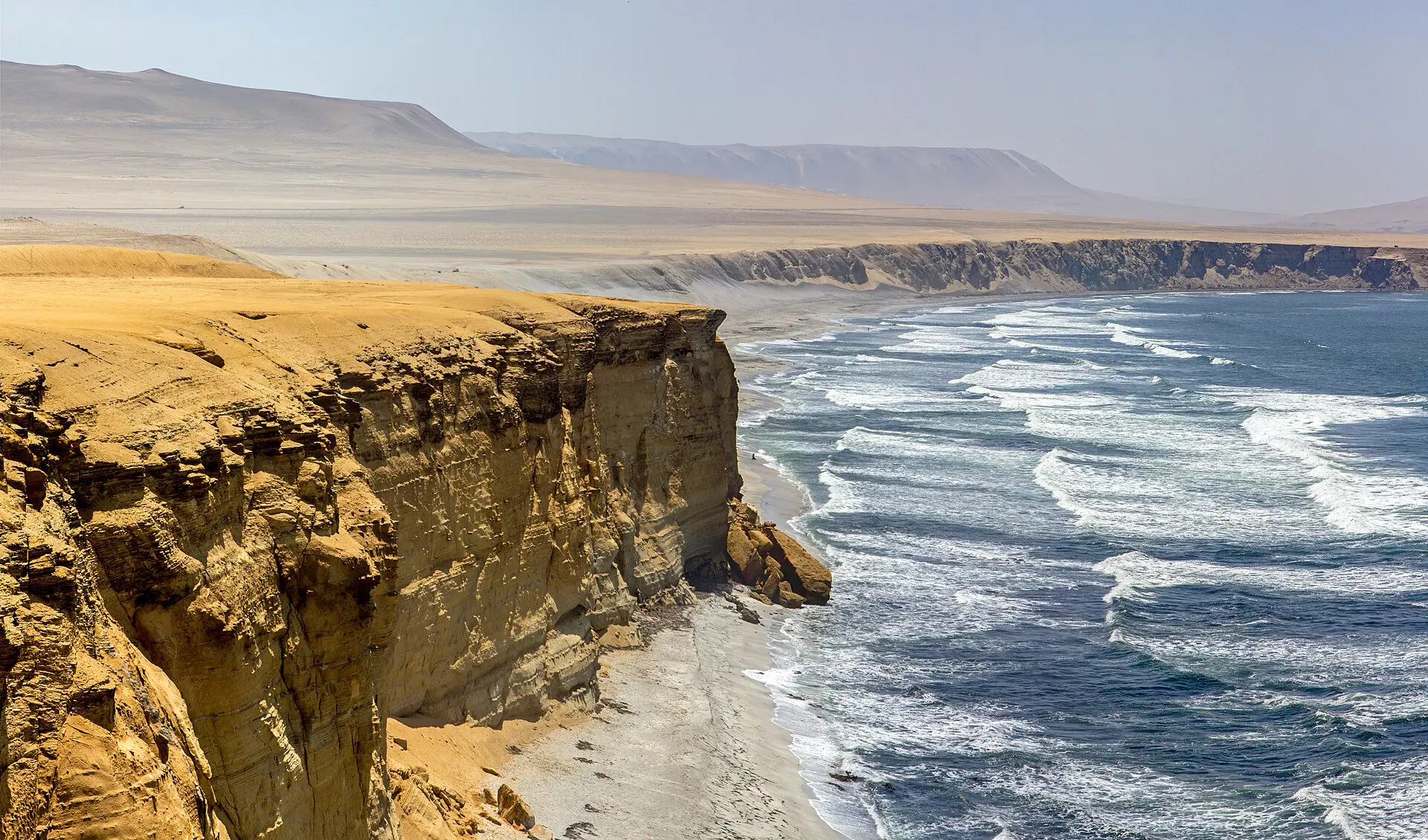
Paracas is a small coastal town known for its national reserve and boat trips to nearby islands with birds and sea lions. Stay near the waterfront, within walking distance of the pier. A group boat trip and a desert reserve tour are easy social entries, and you are still near sea level here.
3. Huacachina: dunes and an oasis
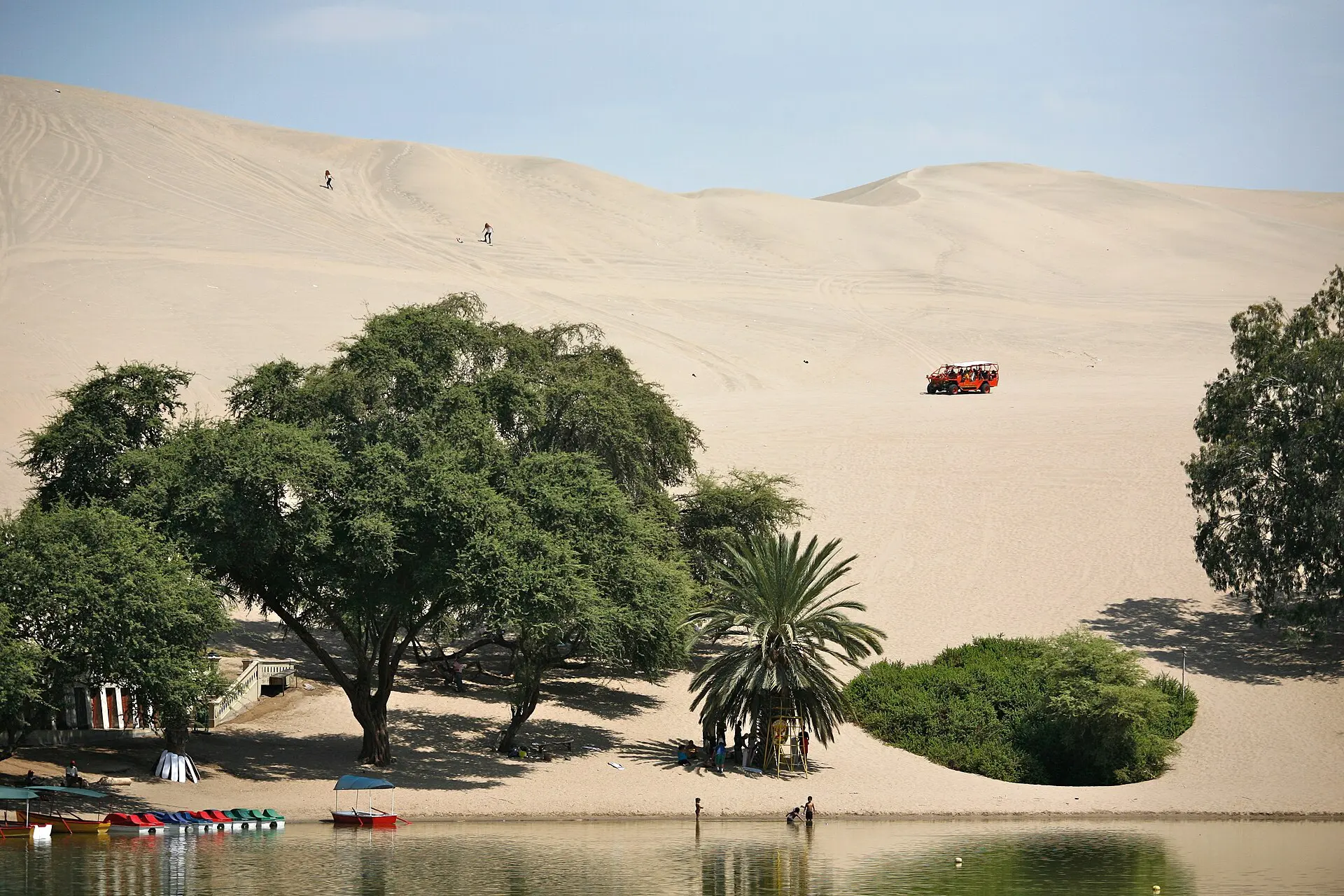
Huacachina is a tiny oasis village surrounded by sand dunes, near the city of Ica. Stay in a hostel with a pool and good reviews. Sandboarding and dune buggy tours run in groups. The village is small, and the social hostels do most of the evening organising. Pick an operator carefully and wear the seatbelt.
4. Arequipa: first stop above 2,000 m
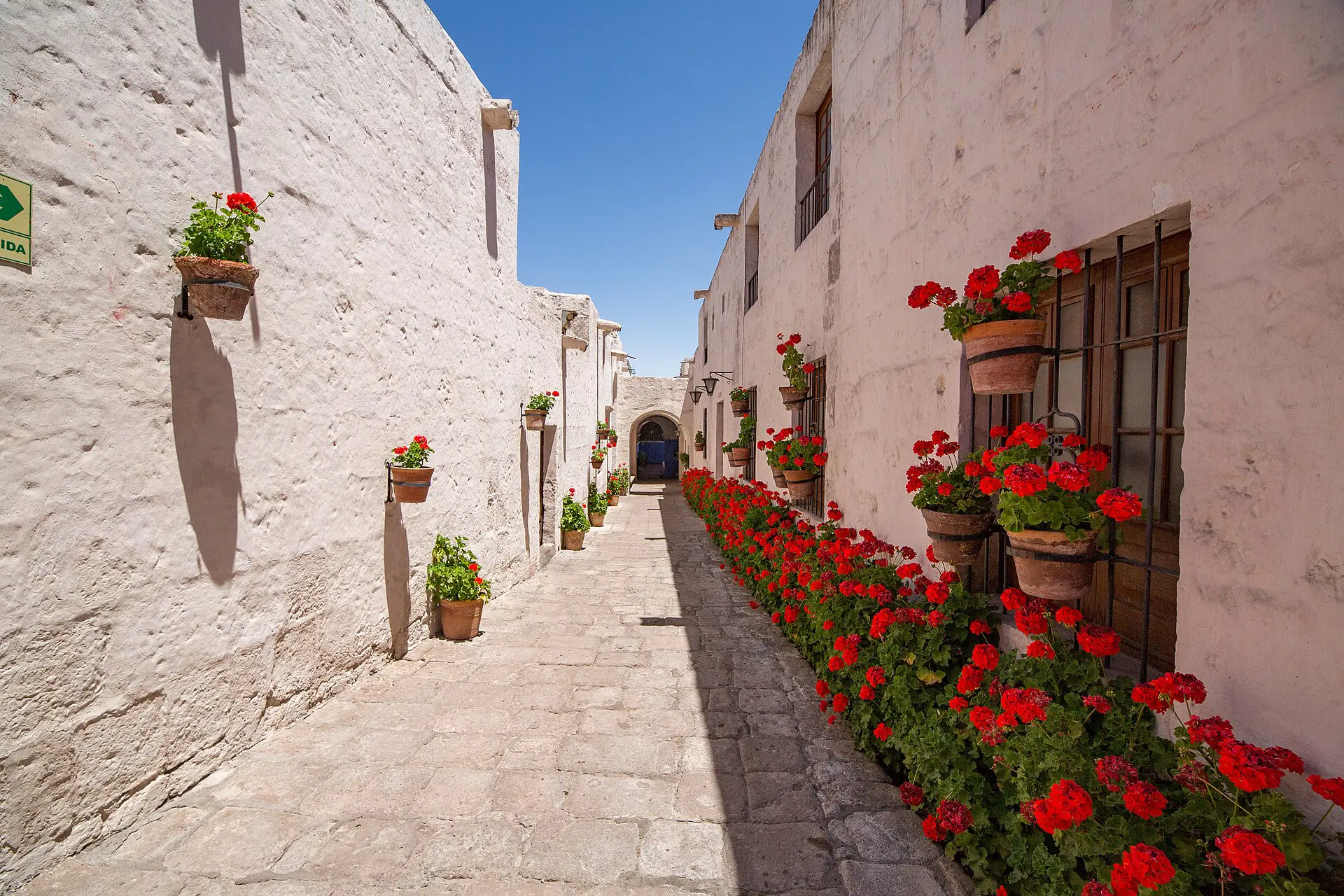
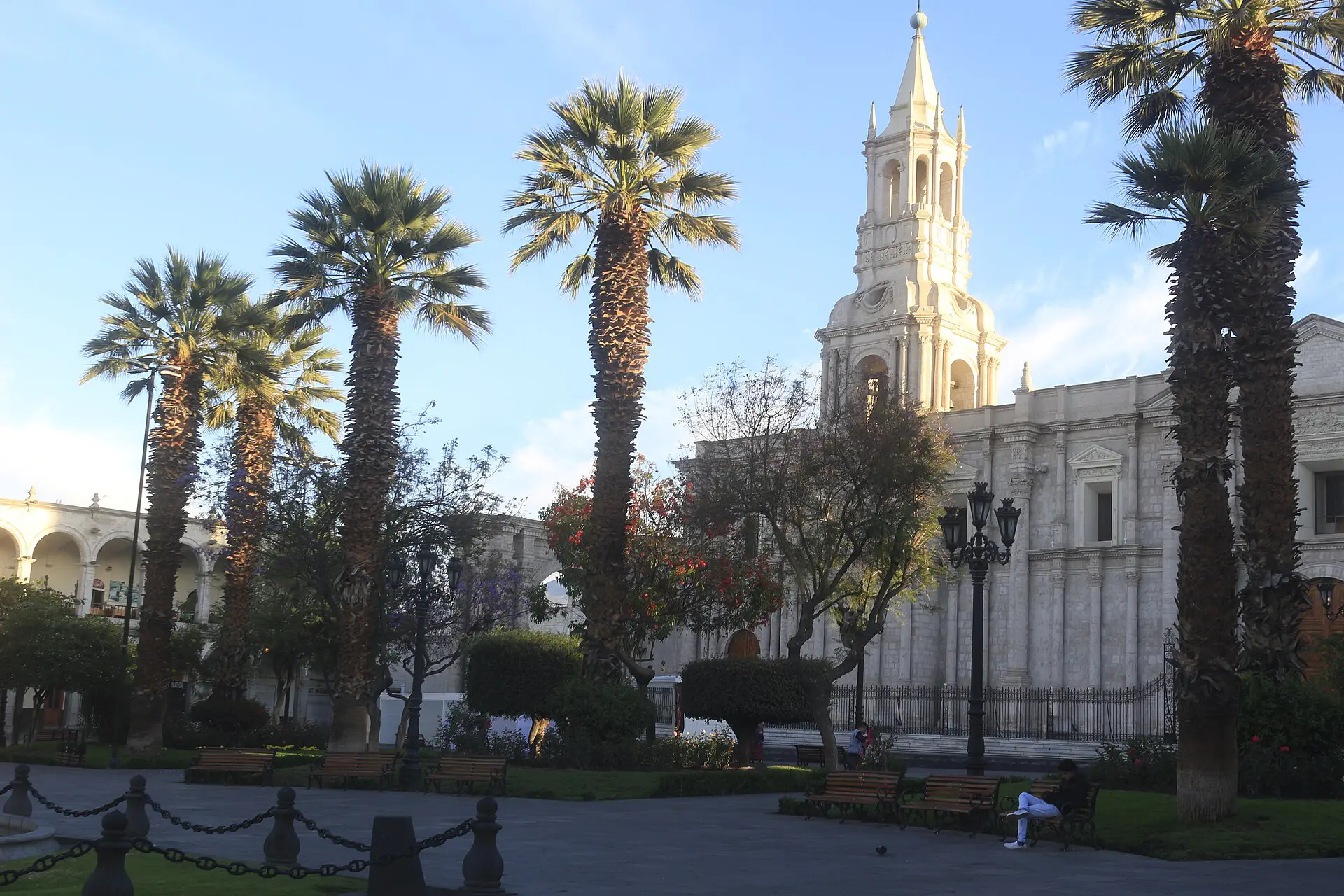
Arequipa is a UNESCO World Heritage city of white volcanic stone, at roughly 2,300 m. It is a gentle step up in altitude and a pleasant place to spend three nights. Stay near the main square, the Plaza de Armas, so you can walk home at night through busy streets. Day trips to nearby canyon country run by group tour.
5. Cusco: the high point
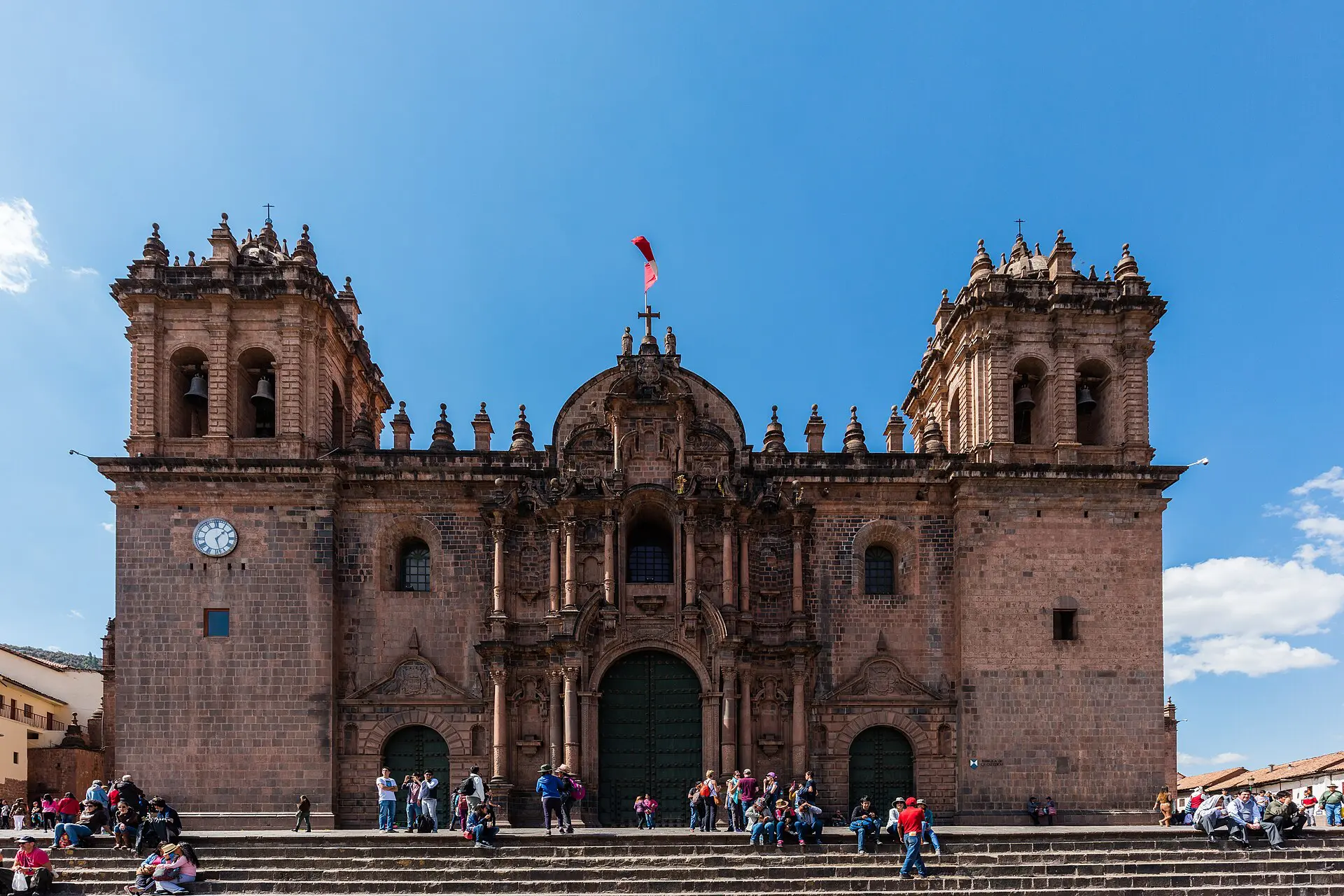
Cusco, at around 3,400 m, is the base for the Inca heartland. Stay near San Blas or the Plaza de Armas. Both are walkable, though steep, with cafes and social hostels. Spend your first two days resting and walking slowly. Book Machu Picchu entry and any trek well in advance.
6. Sacred Valley: lower and easier
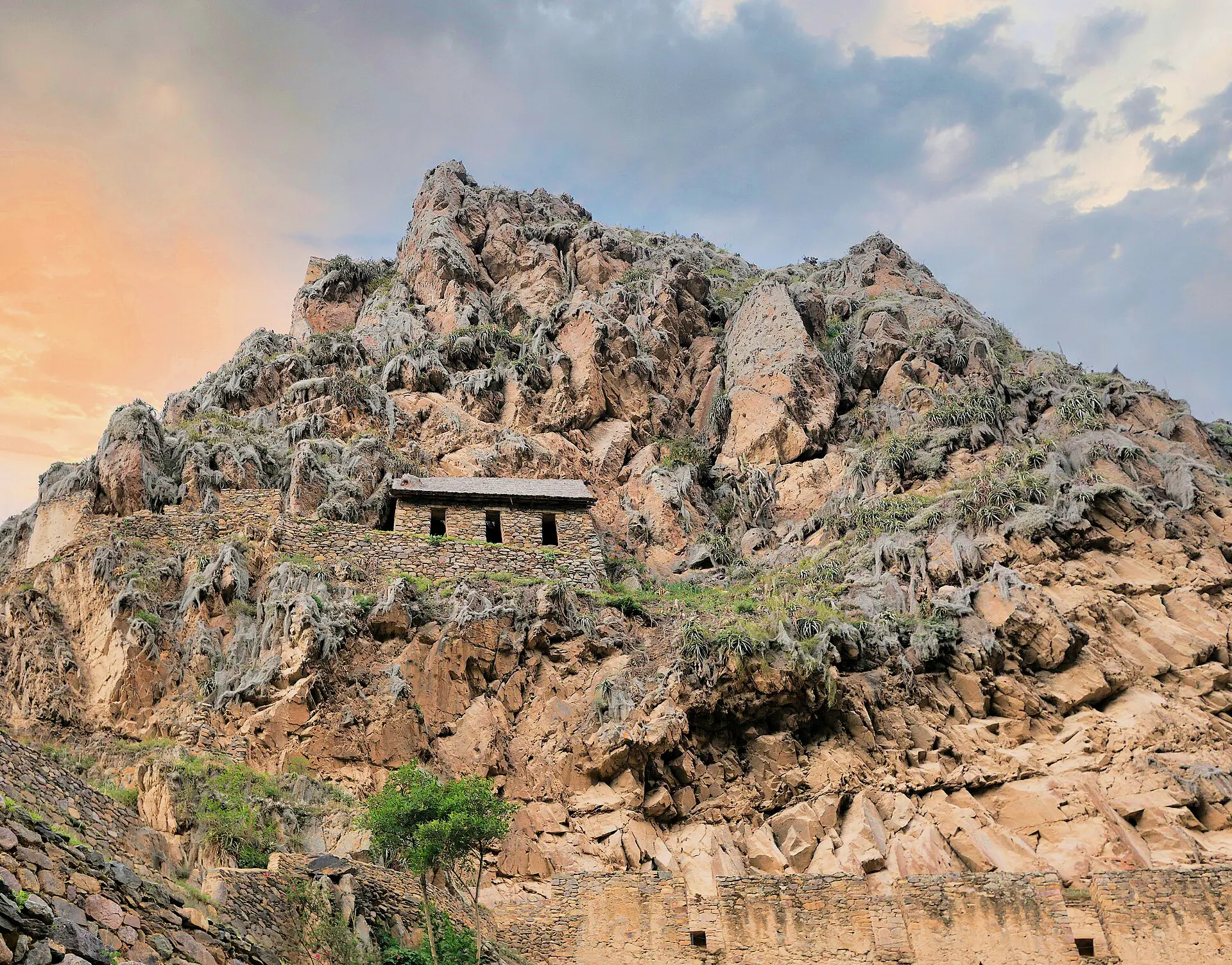
The Sacred Valley sits lower than Cusco, so many people sleep here to recover. Stay in a small town such as Ollantaytambo, which has Inca ruins, a train station and guesthouses. Day tours reach terraces, markets and ruins. It is a good place to arrive before going on to Machu Picchu.
7. Machu Picchu: plan this one carefully
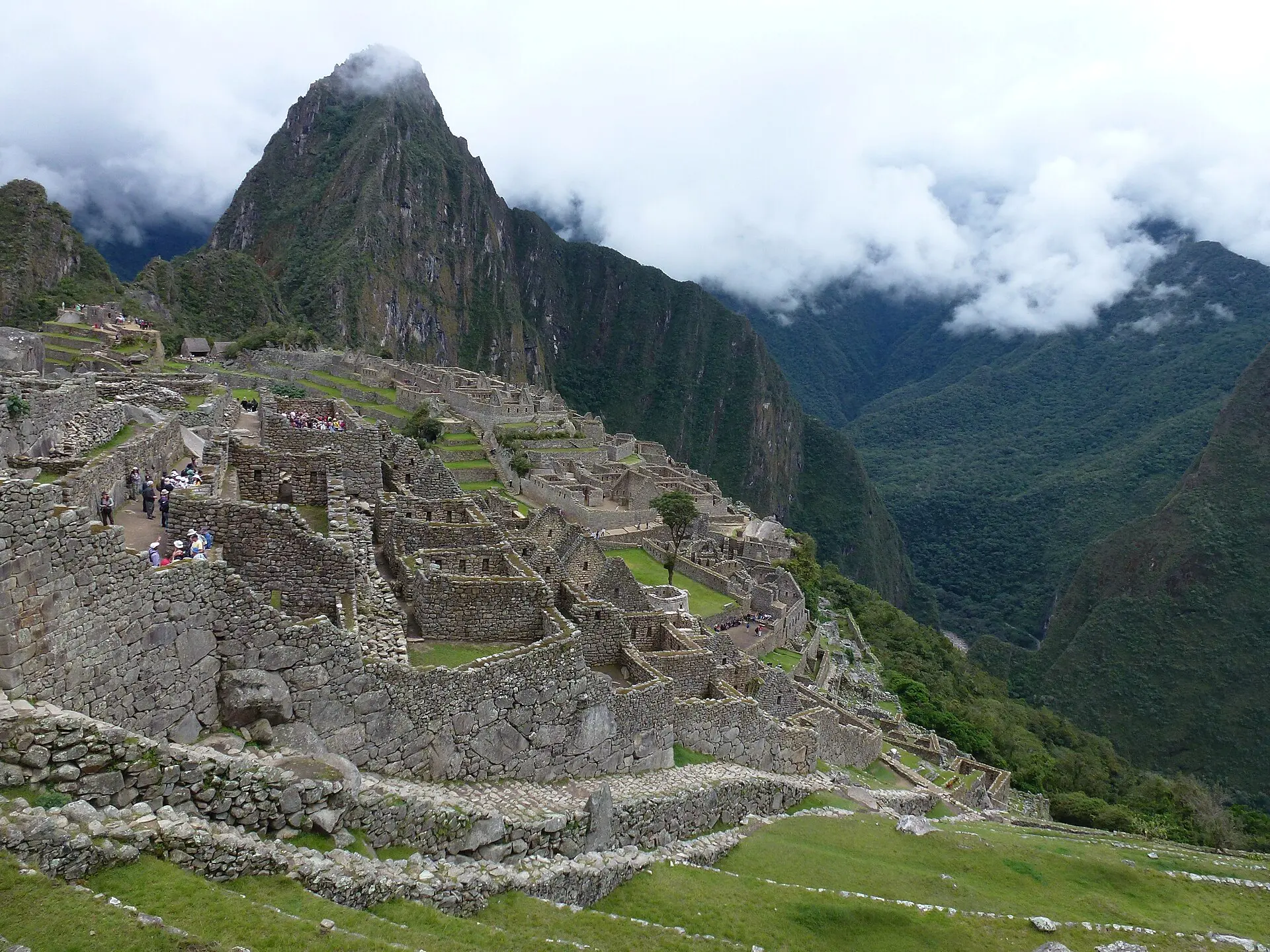
Machu Picchu is the country’s best-known site. Tickets are timed, limited and controlled, and as of 2026 you should buy yours well ahead, then check the current entry rules on the official site. The nearest town, Aguas Calientes, is reached by train. Sleep there the night before if you want an early entry. The Inca Trail needs a licensed operator and a permit booked months ahead; shorter treks and day tours are easier.
8. Huaraz: mountains, for confident hikers
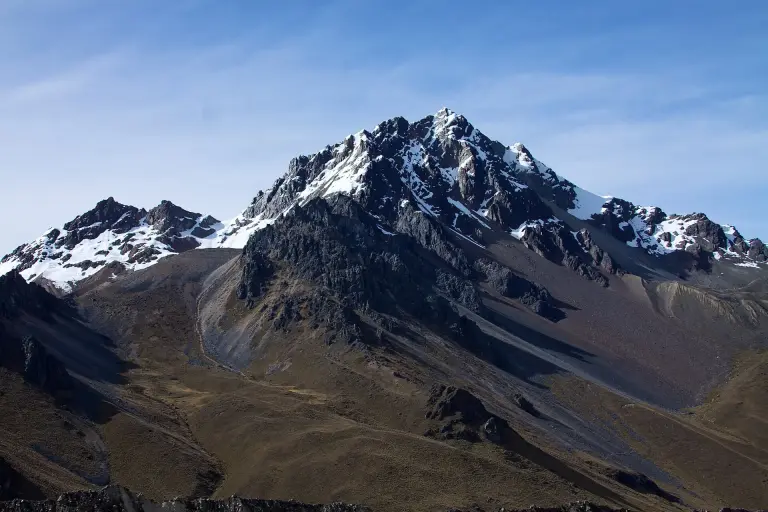
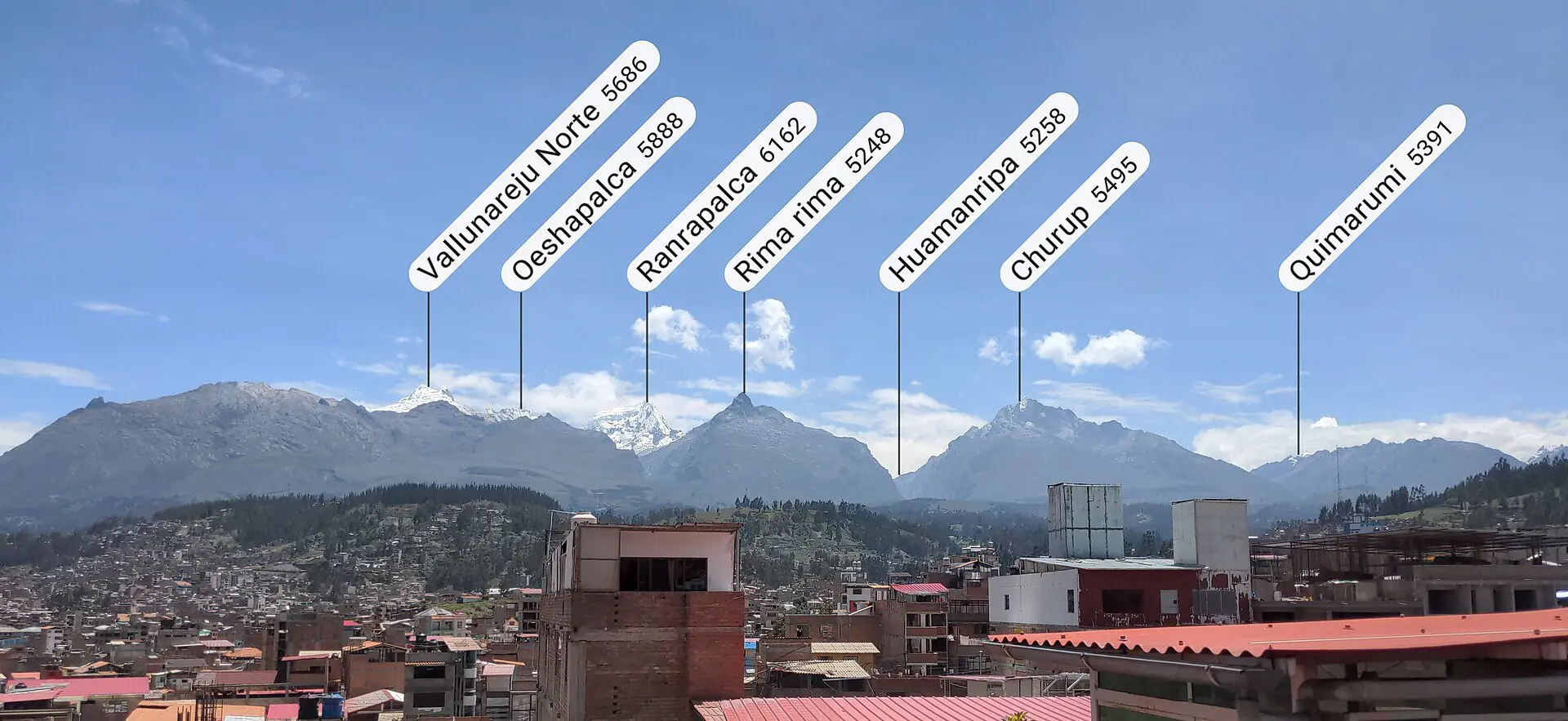
Huaraz is a mountain base in the Cordillera Blanca at about 3,000 m, reached by long road journeys from Lima. Stay in town and book guided day hikes or a group trek with a registered operator. Do not hike high alone. It is an add-on for people with time and acclimatisation, and best left to the end of the trip.
Getting around Peru alone: buses and flights
Peru is big, and bus journeys can last ten hours or more. Choose carefully, since quality varies a lot. Flights between Lima, Arequipa and Cusco save days and are worth the cost on some legs.
Bus-company rules. Choose the larger companies that have their own terminals, assigned seats and baggage tickets, and read recent reviews. Pick semi-cama or cama seats for long hauls. Buy tickets at the terminal or from an official site, and keep your valuables on your lap, not in the overhead rack or hold.
Day and night rules. Take daytime buses on mountain routes where you can. On overnight services, sit near the front, keep a small bag on your body and do not accept food from strangers. Arrive at terminals with your next bed booked, and book a ride rather than walking out into the dark.
Taxis. In cities, use ride-hailing apps or taxis ordered by your hostel. Check the plate before you get in. Strikes and road blockades happen, so keep a buffer day and have a flight as a fallback for long legs.
How to meet people when travelling alone in Peru
- Hostel common areas. Lima, Arequipa and Cusco have social hostels with free walking tours, dinners and rooftop terraces.
- Walking tours. Free or tip-based city tours give a start for the first day and company for lunch.
- Group day trips. Boat tours at Paracas, dune tours at Huacachina and Sacred Valley circuits are easy group formats.
- Group treks. A multi-day trek with a registered operator puts you with a small group, a guide and a cook, and handles permits.
- Cooking and pisco classes. Half-day classes in Lima, Arequipa and Cusco are good for evening company.
Boundary scripts: “No, gracias” and keep walking. For a persistent seller or tout: “No, gracias, estoy bien.” For unwanted attention: “Por favor, no,” then walk into a shop or cafe and ask staff for help. For a pushy tour offer: “I have already booked,” even if you have not.
What to do after dark in Peru
Evenings in Lima’s coastal districts and in Arequipa and Cusco’s central areas are lively, with restaurants, cafes and bars open late. Nights at altitude are cold, and many solo travelers go to bed early to adjust.
- Dinner: sit at a counter or near the front. Peruvian restaurants are used to people dining alone.
- Squares and promenades: stay on busy, lit routes, such as the main squares in Arequipa and Cusco.
- Bars and clubs: go with people from your hostel, buy your own drinks and watch them being poured.
- Getting home: call a ride from inside the venue and wait indoors. Avoid walking steep, unlit side streets.
- Quiet-night option: a pisco tasting, a cooking class or hot tea and an early night. At altitude, alcohol hits harder.
Solo female travel Peru budget: what it costs
Peru is affordable, though Machu Picchu, trains and treks are the big costs. These are rough 2026 bands in Peruvian soles per day, excluding flights and major tickets, and prices change.
| Style | Typical daily range | What it looks like |
|---|---|---|
| Lean | PEN 120 to 200 | Dorm bed, set-menu lunches, local buses, free walks |
| Middle | PEN 220 to 380 | Private room, restaurant dinners, a tour or class |
| Comfortable | PEN 400 and up | Boutique hotel, flights between cities, guided days |
The dry season, roughly May to September, is the busiest and most expensive. The wet season brings cheaper rooms, but trails, roads and rail links can be disrupted. Budget separately for Machu Picchu entry, the train and any trek, and book them early.
Staying safe solo in Peru: practical rules
- Altitude: acclimatise for at least two days, drink water, eat lightly and avoid heavy alcohol. Ask a travel clinic about altitude medication before you go, and descend if symptoms worsen.
- Bags: theft happens on buses, in markets and in busy squares. Use a zipped bag in front and a money belt for spare cash.
- Taxis: use apps or hostel-booked cars, and avoid unmarked ones.
- Drinks: keep your glass in sight and refuse drinks from strangers.
- Treks: use registered operators, and check the weather and trail status. Do not go high alone.
- Water and food: drink bottled or filtered water, and eat at busy places.
- Emergency: save your embassy details, and ask your accommodation for the current police and tourist-police numbers.
Choose insurance that covers high altitude, trekking and medical evacuation. For further reading see the Wikivoyage guide to Peru or the Wikipedia article on Peru.
Solo female travel Peru FAQ
Is Peru safe for solo female travelers?
Many women travel alone along the main routes. Theft, taxi problems and altitude are the usual issues. Use reputable bus companies, ride-hailing apps and registered tour operators, avoid unlit streets at night and share your plans with your hostel. Check your government’s current advice before you go.
How many days do you need in Peru?
Ten to twelve days covers Lima, Arequipa, Cusco and Machu Picchu with time for altitude. Two to three weeks adds the coast and Huaraz. With less than a week, pick Cusco and the Sacred Valley and fly in from Lima, resting on arrival.
How do I avoid altitude sickness in Peru?
Go up in stages, starting at the coast or in Arequipa before Cusco, and rest on arrival. Drink water, eat lightly and avoid heavy drinking. Ask a travel clinic about medication. If headache, vomiting or breathlessness gets worse, go lower and seek medical help.
Is Arequipa worth visiting?
Yes. Arequipa is a UNESCO World Heritage city with white stone buildings, a good food scene and an easier altitude than Cusco. It is a useful step on the way up, and a base for day trips to canyon country. Stay near the main square.
Is it safe to take night buses in Peru?
Many travelers do, on the larger companies with their own terminals. Choose daytime where possible, pick a front seat, keep valuables on your body and arrange a ride from the terminal. Roads are winding in the Andes, so a flight or a day journey may be the better choice.