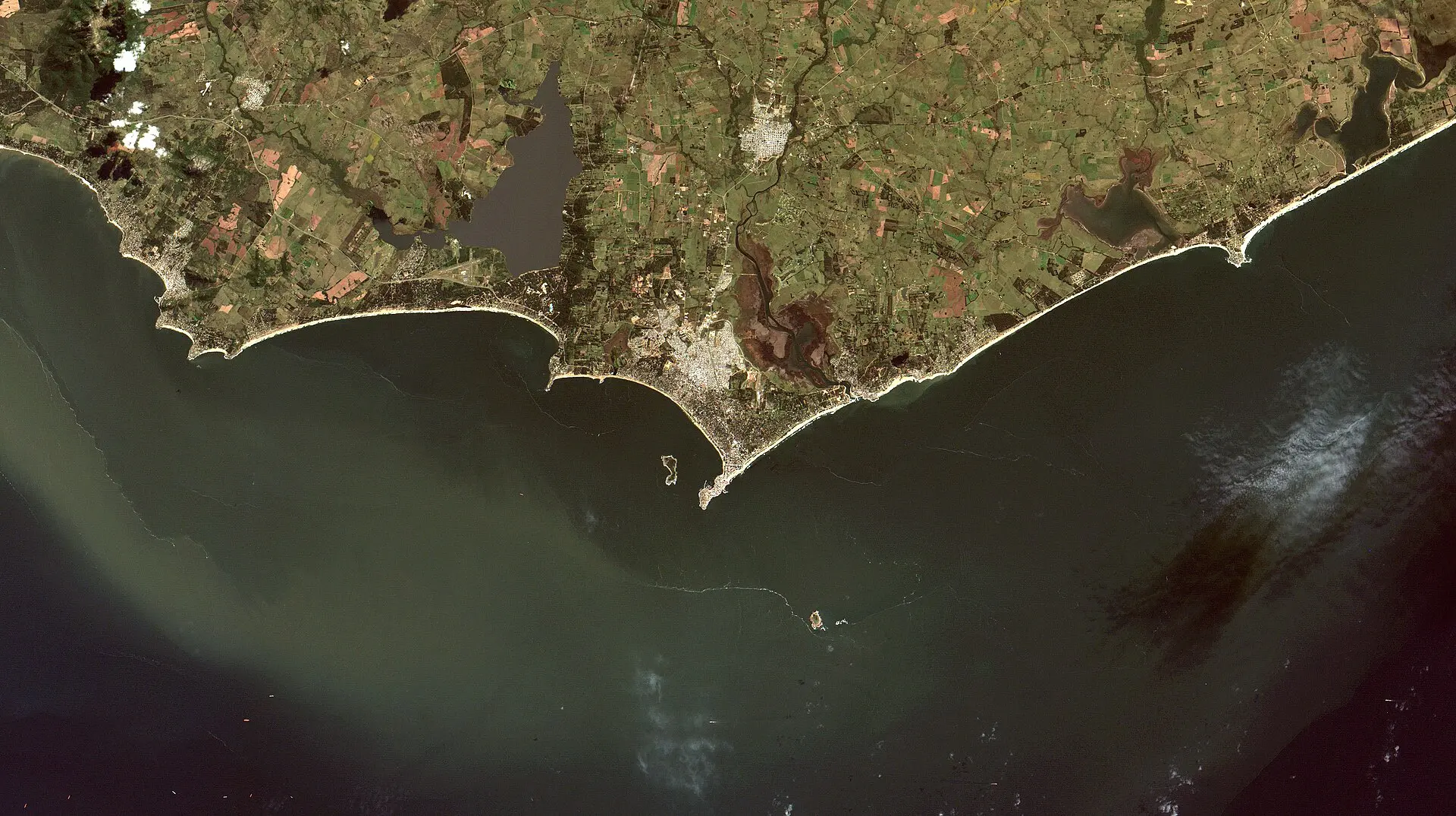
Punta del Este beach life is excellent in January and February, and expensive for exactly the same reason. The peninsula has calm water on one side and Atlantic surf on the other, so the right beach depends on the day. The cheaper way to do it is to go in December or March, when the weather is nearly as good and rooms cost much less. This guide sets out what each choice costs and where paying more actually improves the trip.
Getting to Punta del Este
The peninsula is about 140 km east of Montevideo. Buses from Montevideo take roughly two hours and are the best-value route; fares have been in the range of a few tens of USD return, so check current prices. Montevideo’s airport has more connections and usually cheaper fares than Punta’s own small airport, which sees most flights in summer.
A rental car adds flexibility for the beaches along the coast, but fuel, tolls and summer parking add up. Pay more for a car only if you plan to cover several beaches in one trip. If you stay on the peninsula, you will not need one.
What Punta del Este beach is like
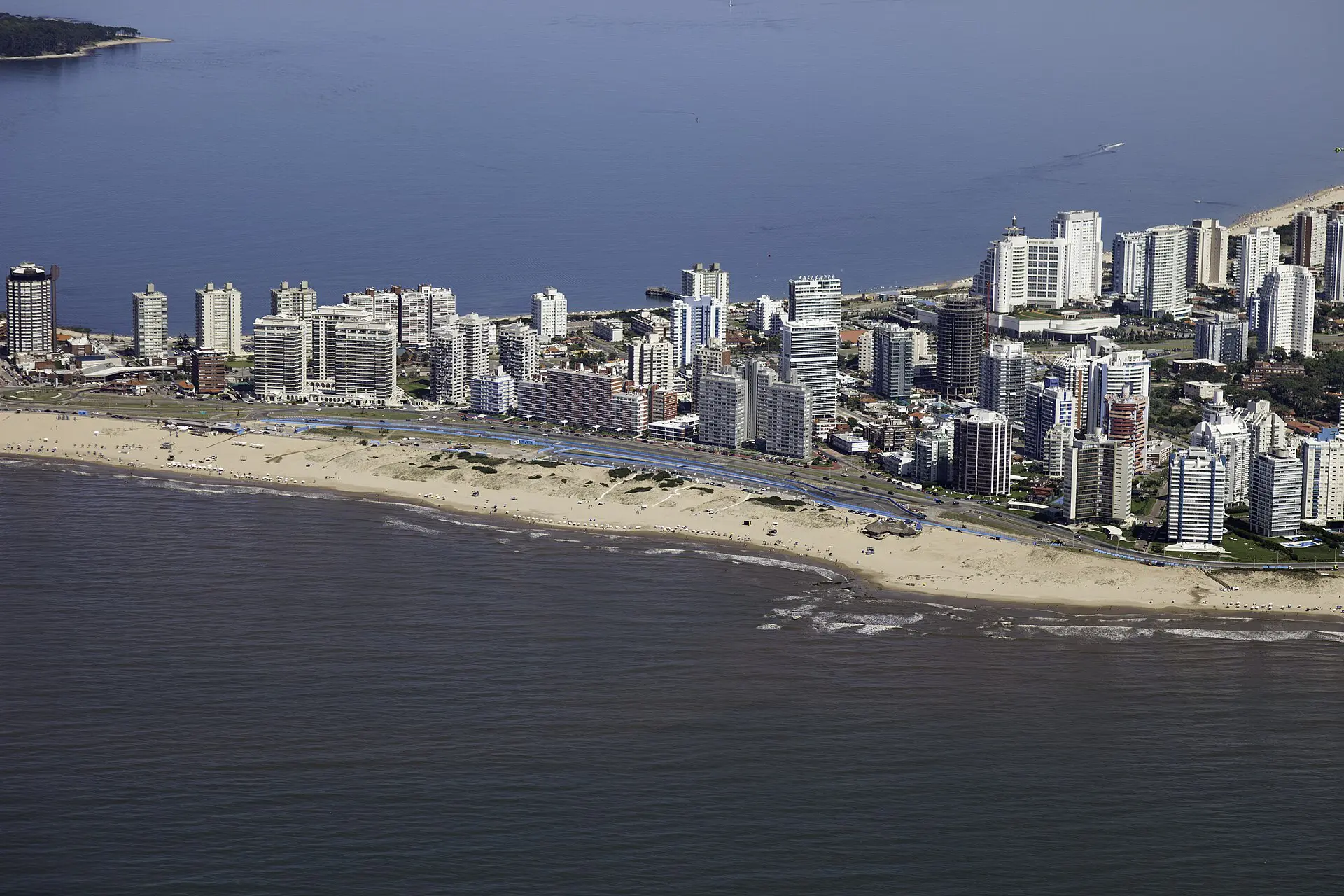
The peninsula has two faces. Playa Mansa, on the bay side, is calmer and better for children and easy swimming. Playa Brava, on the ocean side, has stronger waves and wind, and suits surfers and walkers more than casual swimmers. The water is Atlantic, so it is cool for most of the year.
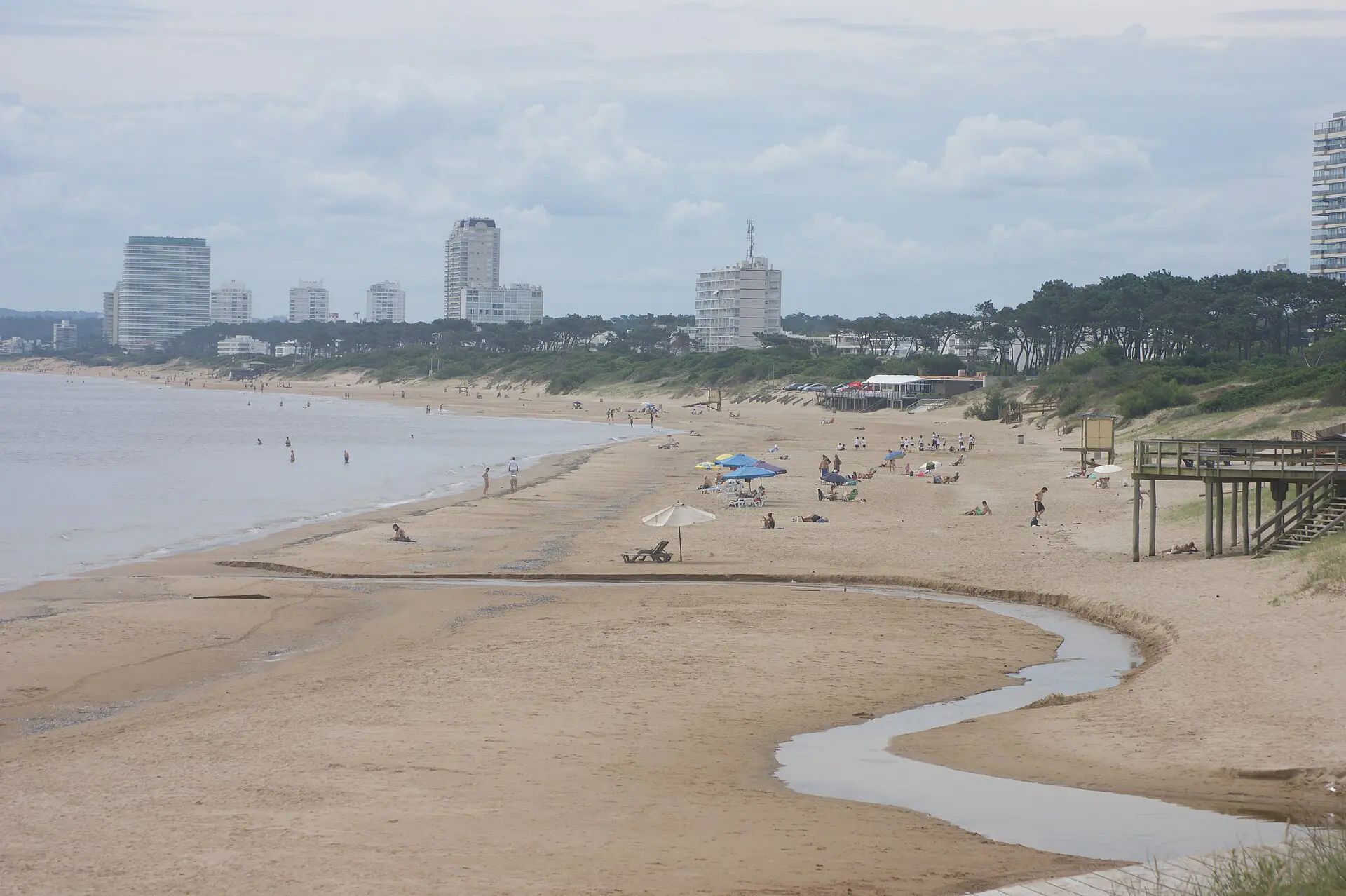
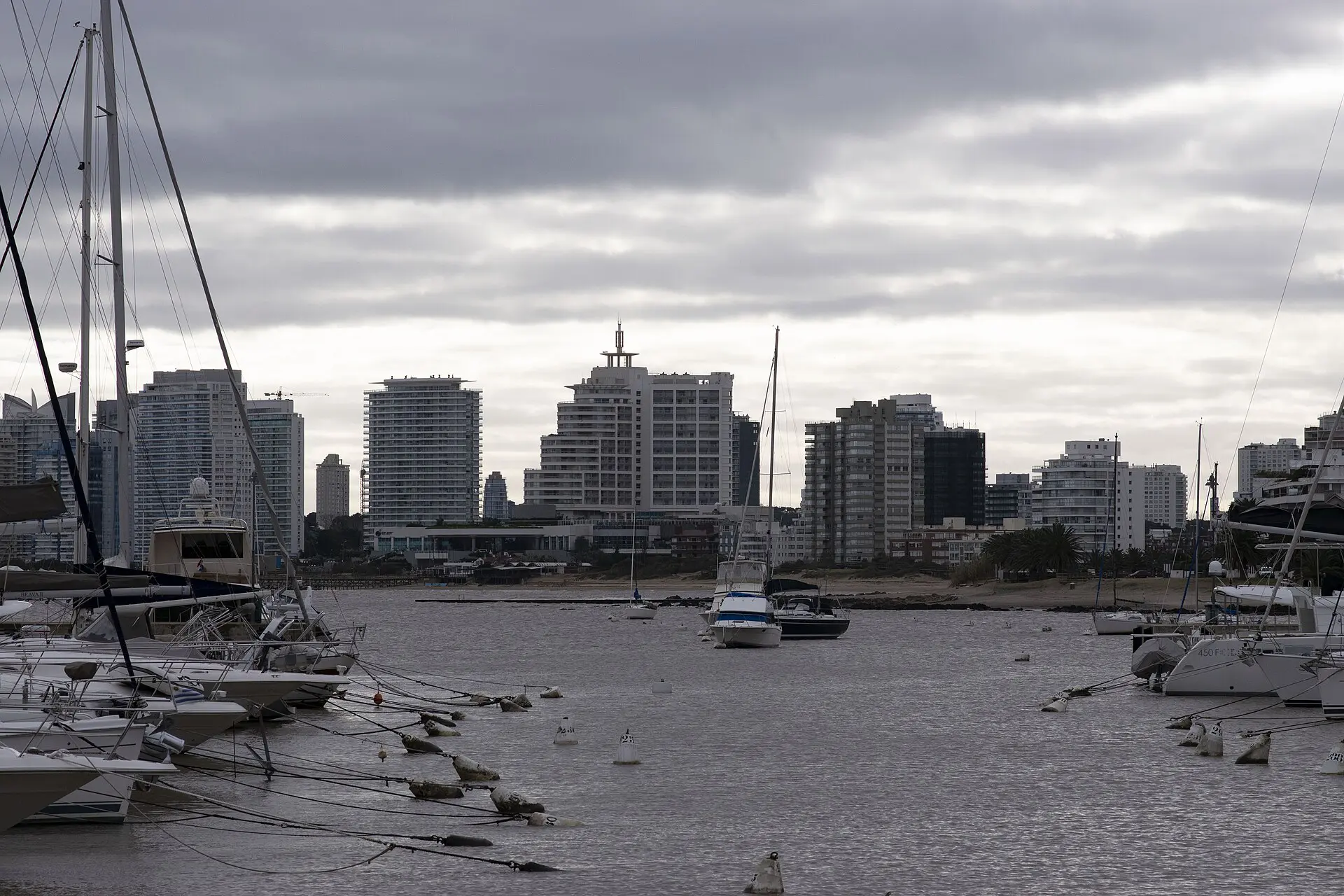
In peak summer, the town fills far beyond its small year-round population, and beach space, restaurants and roads all feel it. Out of season, much of it is quiet and some places close. The place is built up, with high-rise apartments along the shore, so it is not an untouched coast.
Best time to go
| Period | Conditions | Prices |
|---|---|---|
| Dec to Feb | Warmest, busiest, lively nights | Peak; book months ahead |
| Mar to Apr, Nov | Pleasant, fewer people | Noticeably lower |
| May to Oct | Cool to cold, quiet | Lowest; swimming is not realistic |
The hottest month, February, averages about 22 C, and the coldest, July, about 11.5 C. For value, I would aim for early December or the second half of March.
What to do and see at Punta del Este
Spend a day on Playa Mansa
This is the easy choice: sheltered water, a gentle beach and plenty of facilities close by. It is the best swimming for the least effort. Go before midday in January and February to claim space. Costs depend on whether you rent chairs and umbrellas, which is where beach-day bills rise quickly.
Walk Playa Brava and see La Mano
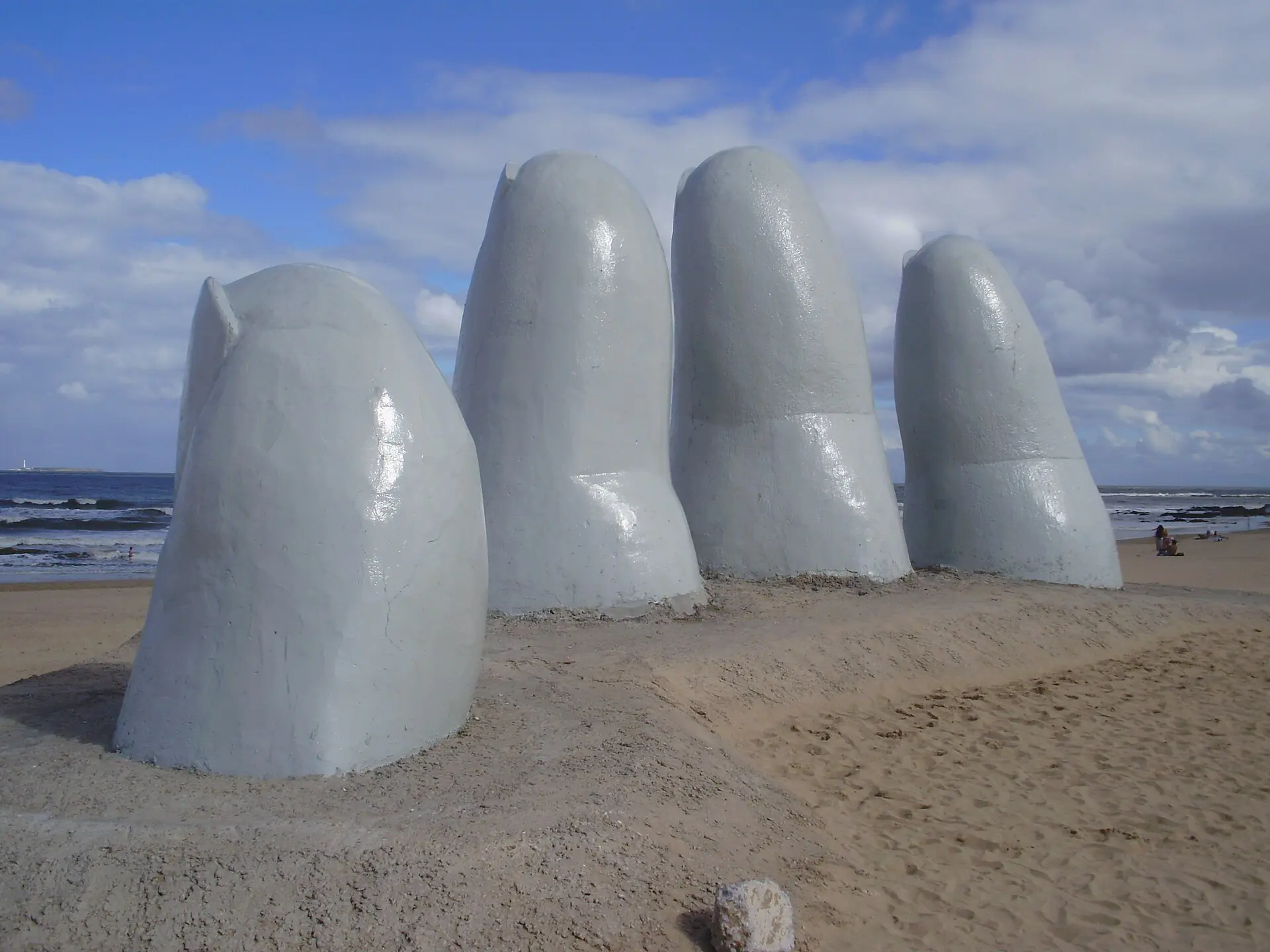
The giant sculpture of a hand rising from the sand, known as La Mano, is the town’s best-known photo stop and costs nothing. Combine it with a walk along the ocean side. Treat the surf with respect, as currents can be strong.
Take a boat to Isla de Lobos
This protected island is known for its sea lions. Boat trips leave from the port and are one of the few paid activities that deliver something you cannot get elsewhere. Pay for a licensed operator, and check current schedules since weather can cancel trips.
See Casapueblo at sunset
This white, Santorini-style complex sits on the coast near Punta Ballena. The setting is the draw; you can visit the exterior and viewpoints, and pay extra only if you want the interior or a meal. Check hours and entry fees before going.
Stroll the port and Gorriti Island
The port is free to wander, and a short boat ride reaches Gorriti Island, which has quieter beaches than the main strip. It is a budget alternative to the busier sand in peak season.
Visit La Barra
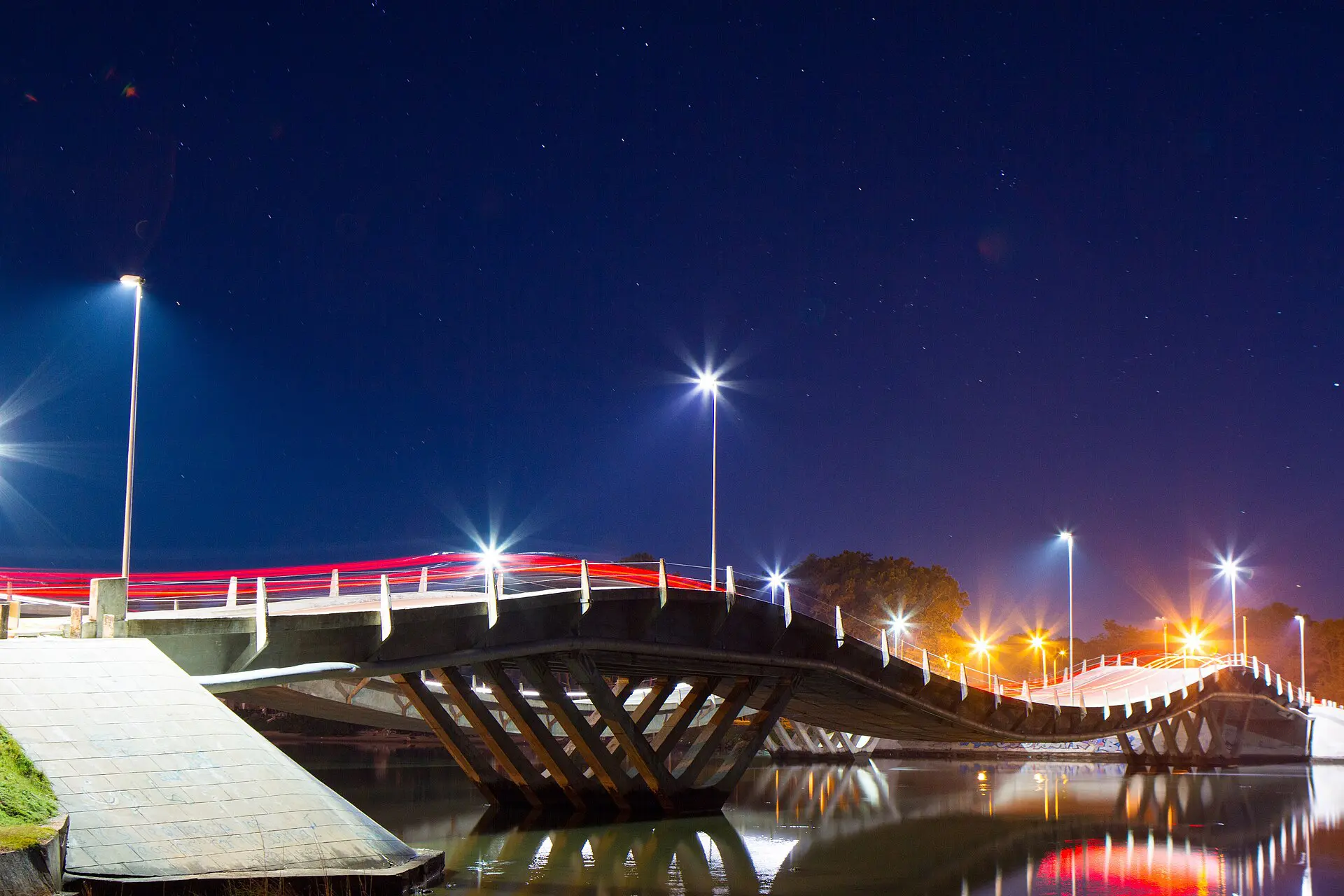
This strip just east of the peninsula has beaches, a bridge and a more relaxed feel. It is easy to reach by local bus or car and often cheaper per meal than the peninsula.
Safety, rules and practical tips
- Swim where lifeguards are present and flags allow it, especially on Brava.
- Leave valuables in the hotel; do not leave bags unattended on the sand.
- Sun and wind are strong; bring a hat and sunscreen even in shoulder months.
- Carry some cash for small purchases, but cards are widely accepted in summer.
- Reserve accommodation early for January; many places set minimum stays.
Nearby alternatives
If the peninsula is too busy or expensive, look east and west along the coast. La Barra and Punta Ballena are close, while Pan de Azucar offers a quieter, hillier setting. The Wikivoyage Punta del Este guide lists further options. Maldonado, the neighbouring city, has far cheaper rooms and a short bus ride to the sand.
Costs
Rough daily budgets per person, hedged and excluding flights, are about 60 to 90 USD on a budget plan outside peak season, 120 to 220 USD mid-range, and well above that in peak weeks in the best hotels. Uruguay is not cheap by regional standards.
Pay more for: a location near the beach in January. Save on: staying in Maldonado, travelling in March and eating the set lunch rather than dinner. See also the Punta del Este article on Wikipedia.
FAQ about Punta del Este beach
Which Punta del Este beach is best for swimming?
Playa Mansa, on the bay side, is calmer and the usual choice for swimming. Playa Brava faces the open Atlantic and has stronger waves and currents, so it suits surfing and walking more. Check the wind on the day, since it decides which side is pleasant.
Is Punta del Este expensive?
It is among the pricier places in Uruguay, especially from late December to February. Shoulder months and nearby Maldonado cut costs considerably, so compare dates before you book. Staying in Maldonado and eating the set lunch rather than dinner are the simplest savings.
How far is Punta del Este from Montevideo?
It is about 140 km, roughly two hours by bus or a little less by car. A day trip is possible, but a night or two gives you time at the beach. Buses are the best-value route.
Can you swim in Punta del Este in winter?
Technically yes, but the water and air are cold. July averages about 11.5 C, so winter is for quiet walks and low prices rather than beach days. Some places close out of season, so check opening times before you go.