A simple Portugal itinerary with kids is seven days in two bases: four nights in Lisbon and two on the Algarve coast, with one transfer of about three hours between them. Lisbon is hilly, with polished cobbles that are slippery when wet, so its days are short and paced around rest stops. The Algarve is flatter and built around the beach, which is the reset block for everyone. Each day below has a lighter version for tired children.
Portugal itinerary with kids at a glance
Fly into Lisbon and out of Faro to avoid backtracking. The transfer between the bases is the longest of the trip, and it takes up most of day 5. Times are approximate.
| Days | Base | Longest transfer | Pace |
|---|---|---|---|
| 1 | Lisbon | Airport to hotel, 20 to 40 minutes | Arrival, flat walk |
| 2 | Lisbon | 15 minutes by taxi | Medium, hills |
| 3 | Lisbon | 20 minutes by tram or taxi | Medium |
| 4 | Lisbon | 20 minutes by metro | Full, flat, indoors |
| 5 | Lisbon to Algarve | About 3 hours by car | Travel day |
| 6 | Lagos area | 10 to 20 minutes | Medium, boat |
| 7 | Lagos area, then flight | About 1 hour to Faro airport | Beach reset |
Day-by-day Portugal itinerary with kids
Lisbon days run morning outdoors, lunch, a break, and a short second block in the cooler late afternoon. Algarve days run beach first and everything else second.
Day 1: Arrive and walk the flat centre of Lisbon
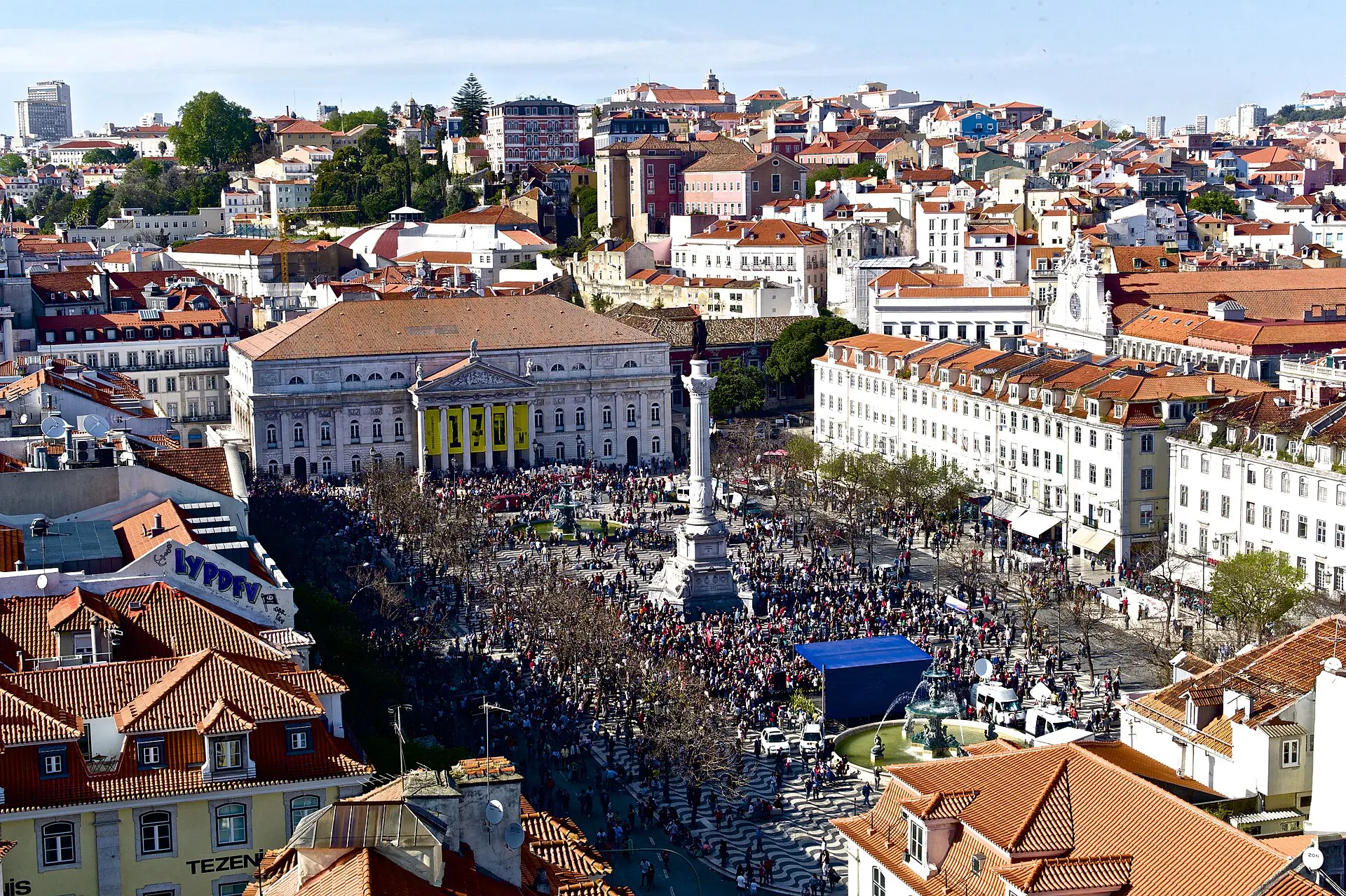
Take a taxi or the metro from the airport, which is close to the centre. Afternoon: walk through the Baixa grid of flat streets to the riverside square, then sit with a drink or an ice cream. Anchor: an early dinner, because many restaurants open for dinner at 19:00 or later, and a sleep before 21:00.
Tired-day swap: hotel and a nearby playground. Nothing on day 1 needs to be seen. Avoid the steep streets until day 2.
Day 2: Alfama, the castle and a tram decision
Alfama is the oldest district, with narrow, steep lanes, and the castle above it has ramparts and views. Morning: take a taxi up to the castle and walk down through the lanes, so that gravity does the work. Allow two hours in total, with a pause every 30 minutes for water and a seat. Anchor: lunch by 12:30, followed by an hour of rest at the hotel. Alfama has few playgrounds, so keep the afternoon block for a flat area, such as a riverside garden, rather than another climb.

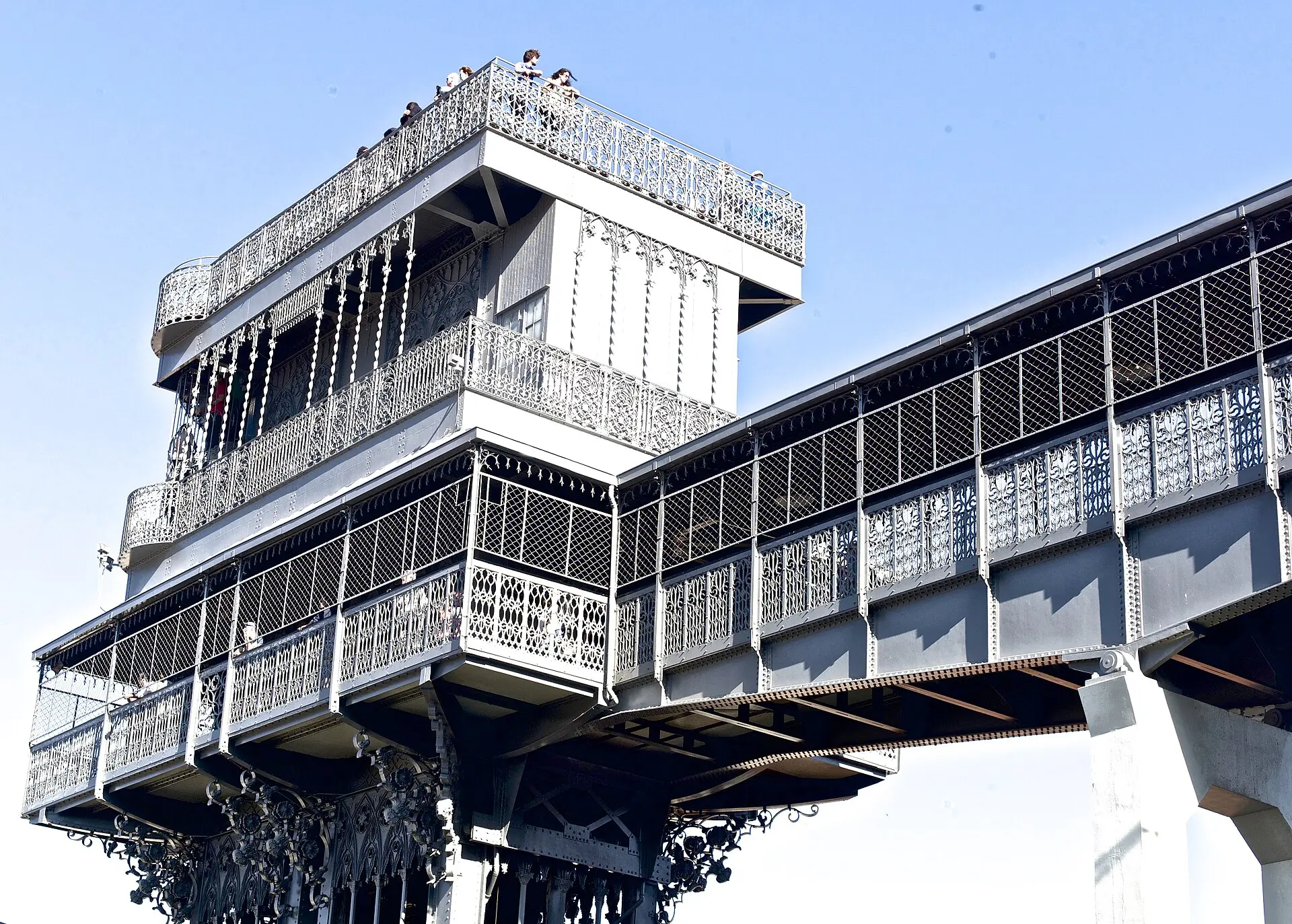
The famous Tram 28 is crowded, and pickpockets work it, so I would skip it with children and use a taxi or the elevators and funiculars. Tired-day swap: a viewpoint near the hotel and a short walk on flat ground.
Day 3: Belem by tram and riverside
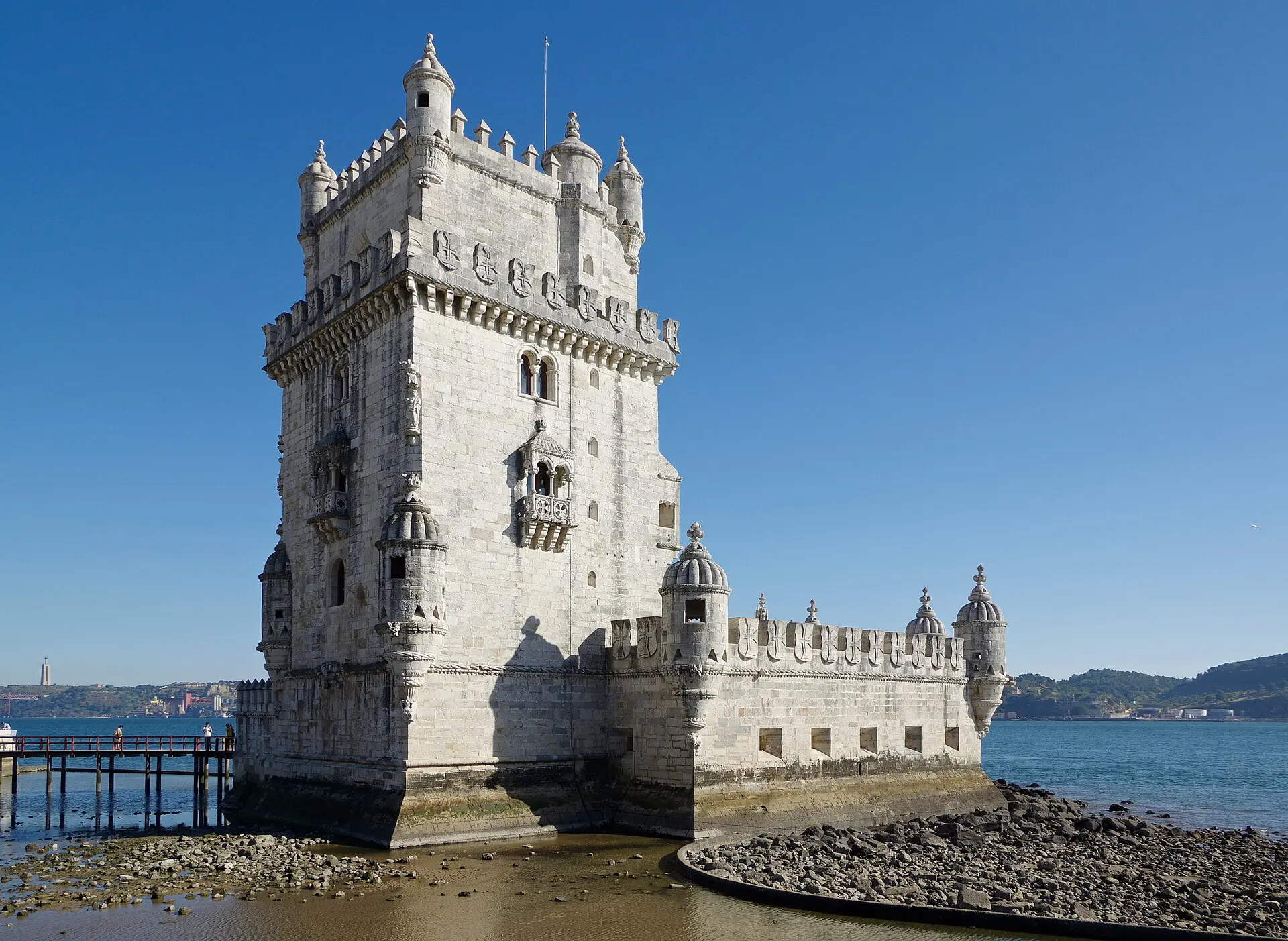
Belem is flat and open, which suits the third day. Morning: take a modern tram or a taxi to Belem, then see the tower, the monastery exterior and the riverside gardens. The famous custard tarts are a good mid-morning snack. Afternoon: a maritime museum or a long lawn picnic.
Anchor: a picnic or lunch by the river at 12:30. Tired-day swap: see the tower from the promenade only and skip any interior queues, which can run long on weekends and in school holidays.
Day 4: Oceanario and the Parque das Nacoes
The Parque das Nacoes area, built for Expo 98, is flat, modern and easy with children. Morning: the Lisbon Oceanarium, one of Europe’s larger aquariums, which takes two to three hours. Afternoon: the riverside paths, the cable car and a science museum. The area has cycle hire and plenty of benches.
Anchor: lunch at one of the food courts by 12:30. Tired-day swap: aquarium only, then a taxi back to the hotel by 14:00. This is the best wet-weather day in the plan.
Day 5: Travel to the Algarve
By car, the drive takes about three hours on the motorway, with a break at a service area. By train, expect around four hours with a change; by coach, roughly the same. A car is the easiest choice if you plan to explore the coast. Leave by 9:00 and arrive in time for lunch.
Afternoon: check in and go to the beach for an hour, then dinner. Anchor: snacks in the car and a stop at 90 minutes. Tired-day swap: go straight to the hotel pool.
Day 6: Lagos coast and a boat trip
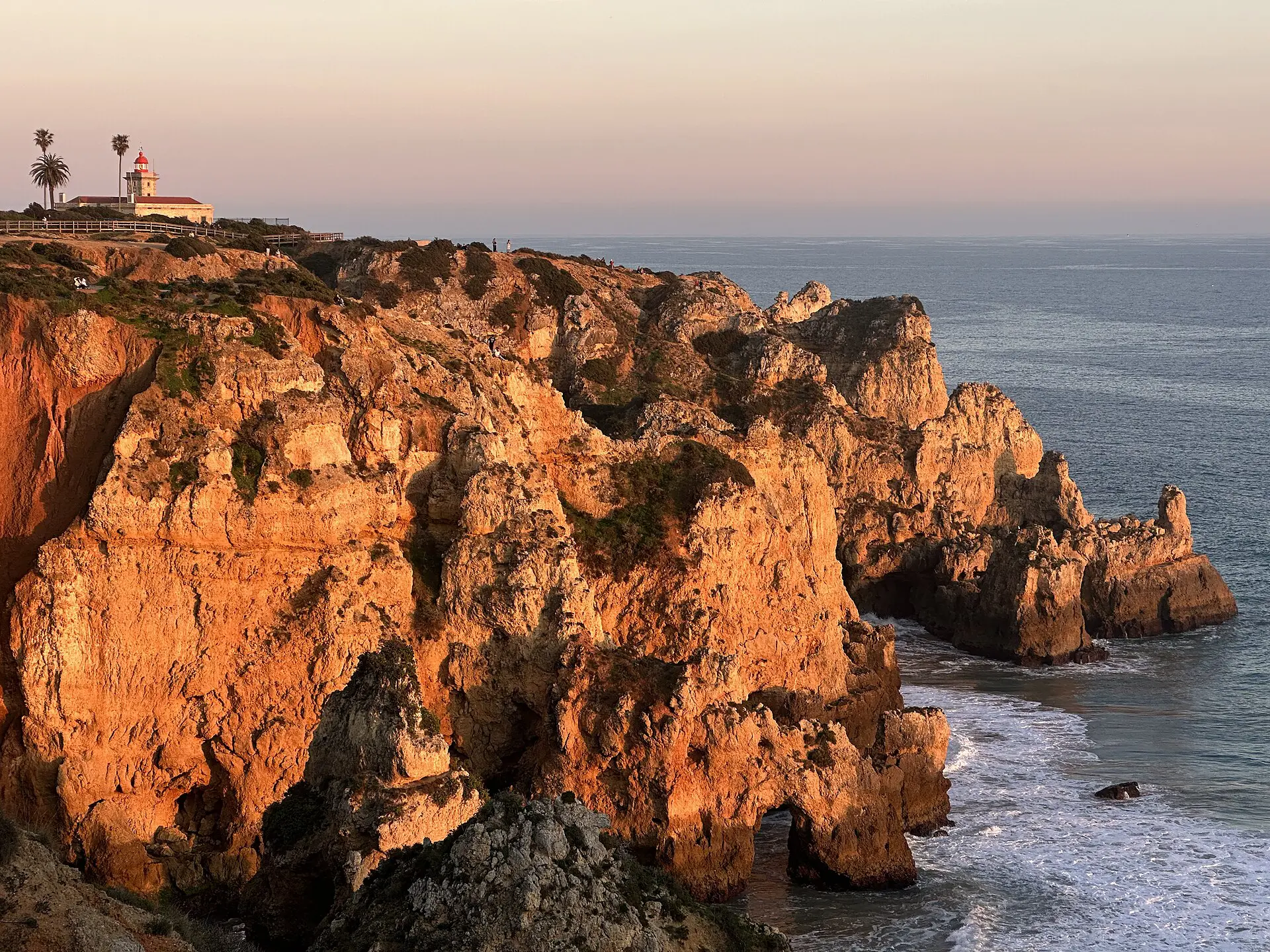
Morning: a short boat trip to see the cliffs and sea caves near Ponta da Piedade, usually about an hour and a half; the water can be rough, so check conditions. Afternoon: a sheltered beach at Lagos, such as Praia Dona Ana, with access via a staircase. Water on the south coast is cooler than many visitors expect, even in summer, with temperatures often around 18 to 22 degrees Celsius, so plan short swims and a warm towel at hand. Cliff-top paths have drops with little fencing, so keep children close and away from the edge.
Anchor: grilled fish or a simple lunch in the old town. Tired-day swap: skip the boat and keep the beach only.
Day 7: Beach reset day and departure
This is the reset day. Spend the morning on a beach with flat access and, if possible, a lifeguard. The flight leaves from Faro, about an hour away, so leave at least four hours before an afternoon departure. Anchor: an early lunch, sunscreen and a hat.
Tired-day swap: stay in the hotel and arrive at the airport early. Check flight times before you plan this day.
Day 4 alternative: Cascais beach
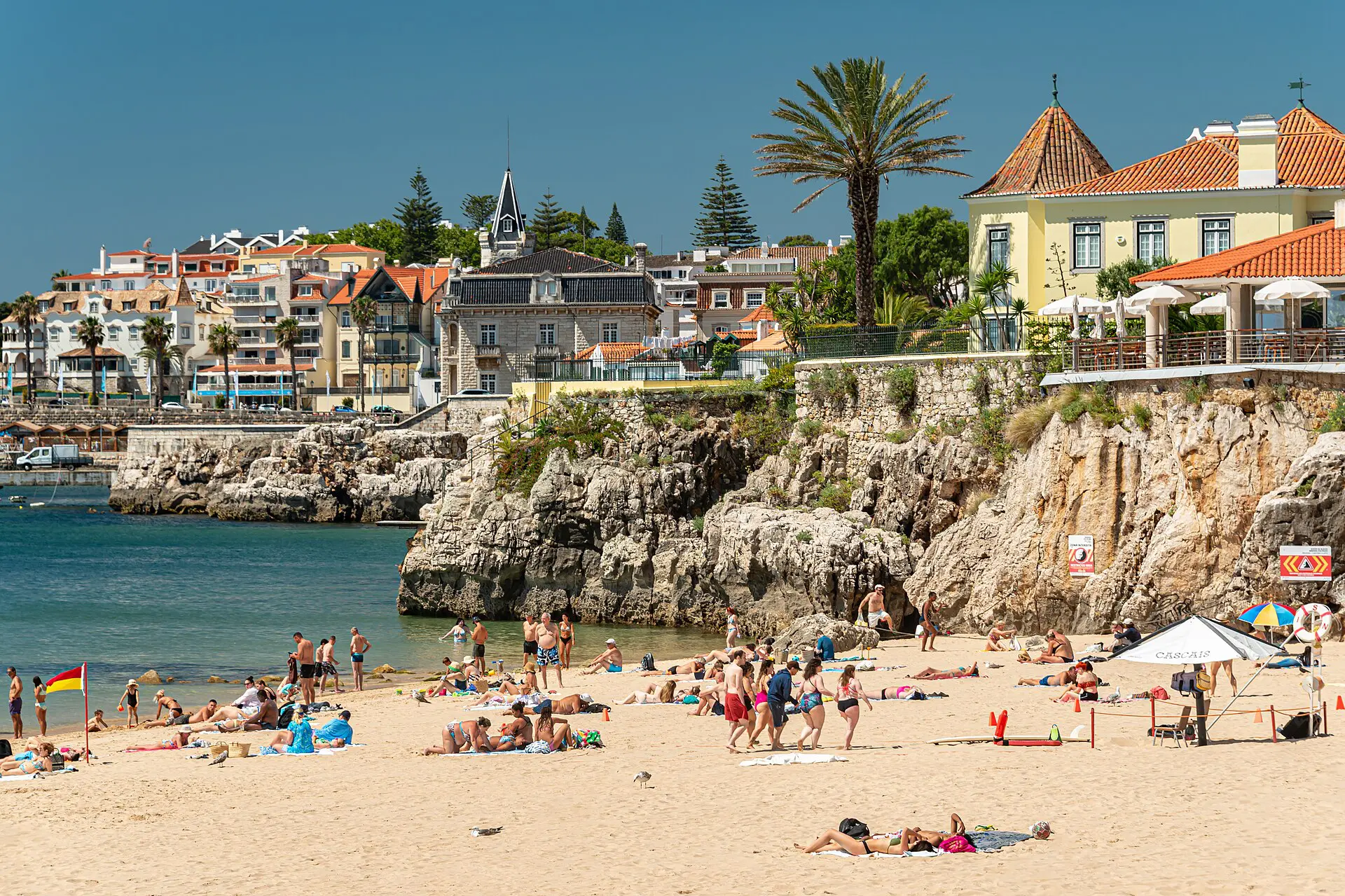
If the weather is warm and children are tired of museums, swap day 4 for Cascais. A train from Cais do Sodre takes about 40 minutes. The town has a sheltered beach, a flat promenade and ice cream stands, and the day needs no tickets. Anchor: an early lunch and a long beach break. Tired-day swap: take the train back by 15:00.
Ages and stamina on a Portugal trip
Ages 5 to 7: keep walks under two hours in Lisbon, with taxis for any uphill. A carrier is easier than a stroller on steep cobbles for a younger sibling, while a light stroller suits Belem, the Parque das Nacoes and Cascais. Children this age enjoy the Oceanarium and the beach most.
Ages 8 to 11: three hours of walking with a break is realistic. They can handle the castle ramparts and the boat trip, and they will probably want to hold the tickets and the map. Pace the hills by using a taxi on the way up and walking down. Aim for no more than 10,000 steps on the busiest days, and check at 11:00 and 15:30 whether anyone needs a seat, a snack or a pause.
Getting around Portugal with children
In Lisbon, use taxis for hills, the metro for flat links and trams for short rides outside peak times. Cobbled pavements are slippery in rain, so wear shoes with grip. On the Algarve, a car is the simplest way to reach beaches. Roads are good, and tolls on some motorways are charged electronically, so ask your rental company about the system. Child seats are mandatory.

Decision points
- Car or train for day 5? Car if you want freedom on the coast; train only if you will stay in Lagos town.
- Stroller or carrier? Carrier in Alfama and Sintra, stroller in Belem and Cascais.
- Add Sintra? Only with a spare day, because the palaces involve queues and steep bus rides.
Where to stay in Portugal with kids
- Lisbon, Baixa or Chiado area: central, flat to the river, many family rooms. Suits all ages, though lively streets can be noisy at night.
- Lagos or nearby: a self-catering apartment close to a beach, within walking distance of shops. Suits ages 5 to 11 and gives flexibility on meals.
The Portugal travel guide covers Porto and the north, which are better for a longer trip than this one.

Rainy-day and tired-day fallbacks in Portugal
In Lisbon, the Oceanarium, a science museum, a tile museum, a covered market or a cafe stop work in rain. On the Algarve, wet days are less common in summer, but a hotel pool, a cave boat only on calm days, and a long lunch fill the time. On a tired day, drop the afternoon block, keep lunch, and be at the hotel by 15:00.
How much does a Portugal itinerary with kids cost?
Portugal costs less than many western European countries. As of 2026, rough daily ranges for a family of four, excluding flights: budget 150 to 250 euros, mid-range 280 to 450 euros, and higher 500 euros and up. Accommodation and the rental car are the main costs, and the Algarve is notably pricier in July and August than in June or September. Eating a main meal at lunchtime, when many restaurants offer a set dish of the day, usually costs less than dinner. See the Portugal cost per day guide for a detailed breakdown.
Best time for families in Portugal
May to June and September to early October balance warm weather and lower crowds. July and August are hot and busy, especially on the Algarve, and the Atlantic is cooler than the Mediterranean. Winter is mild but wet, and many beach businesses close. The Wikipedia article on Portugal gives climate background.
FAQ about a Portugal itinerary with kids
How many days do you need for Portugal with kids?
Seven days suits Lisbon and the Algarve with one transfer. Five days work with Lisbon alone and a beach day at Cascais. A week split into three bases leaves too little time at each, so I would not add Porto without extra days.
Is Lisbon good for children aged 5 to 11?
Yes, with planning. The Oceanarium, the river and the parks are easy. The hills and cobbles are tiring, so use taxis uphill, keep walks short and put the flat areas, such as Belem and Parque das Nacoes, on the busier days.
Do we need a car in Portugal?
Not in Lisbon, where taxis and the metro are simpler. On the Algarve, a car makes beach days and the transfer easier. Rent one for the second half of the trip and ask about child seats and the toll system in advance.
Is the Algarve water safe for children to swim in?
Beaches vary. Sheltered bays are calmer, while open Atlantic beaches can have strong currents. Look for flags, swim near lifeguards, and keep young children within standing depth. The water is cooler than many families expect, even in summer.
What is a good beach day plan?
Arrive by 9:30, swim and play until 12:00, have lunch in the shade, and rest until 15:30. A final hour in the water works if the sun is lower. Bring a hat, a rash vest and plenty of water, as shade is limited.