This Orkney travel guide starts with the crossing, because most plans fail there. Orkney lies 16 km north of Caithness, across the Pentland Firth, and you reach it by ferry or by plane. Ferries sail daily, but storms cancel some of them, mostly between October and March. Book flexible, keep a spare day, and know your second route before you leave the mainland.
Orkney routes and operators by type
Four types of crossing serve the islands. Check each operator’s current timetable and fares, because routes, boats and seasons change.
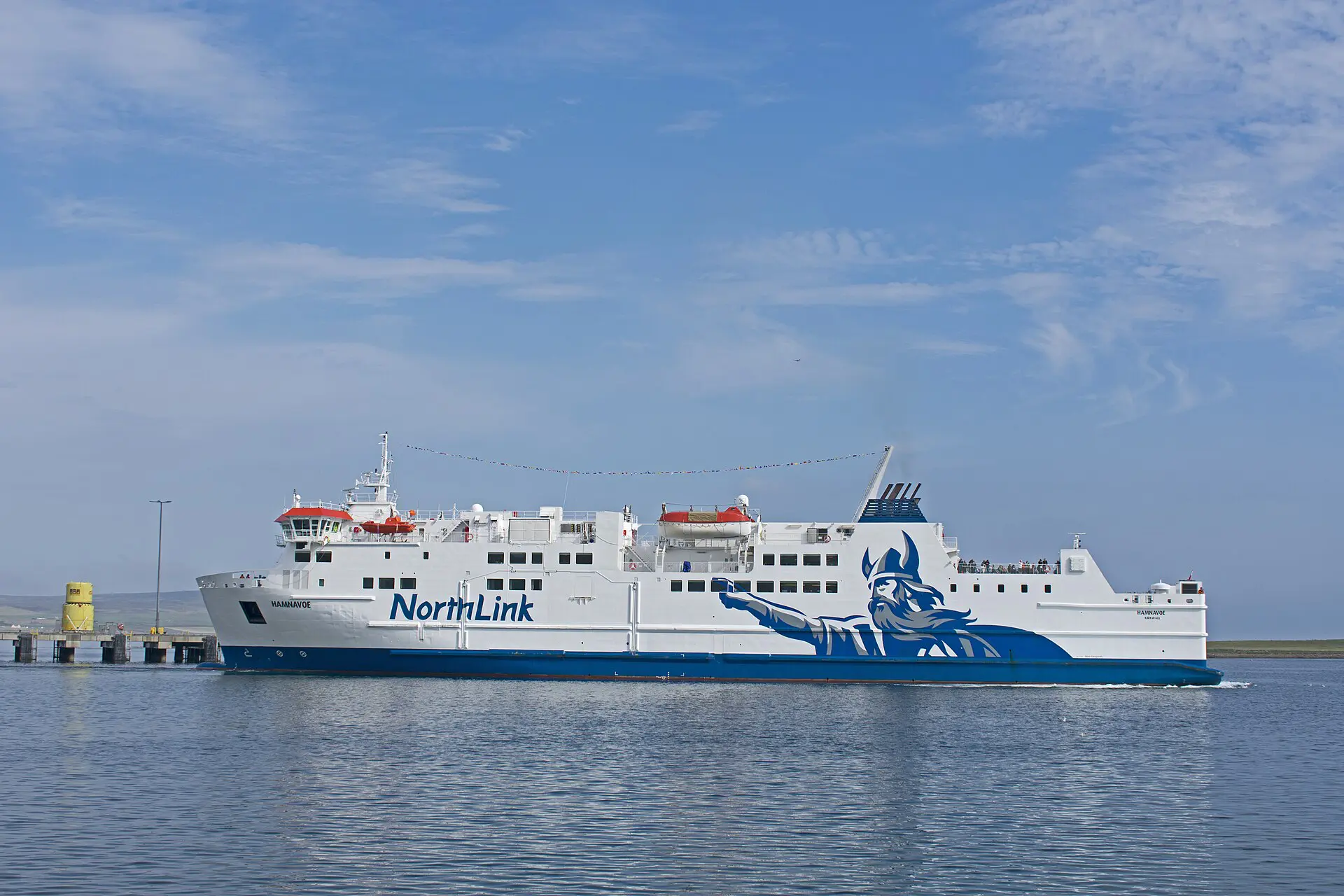
- Northern car ferry from Scrabster to Stromness. A long-established route with a large vessel, which handles rougher water than most.
- Car ferry from Gills Bay to St Margaret’s Hope. A shorter crossing of the Pentland Firth, landing in the south of the islands.
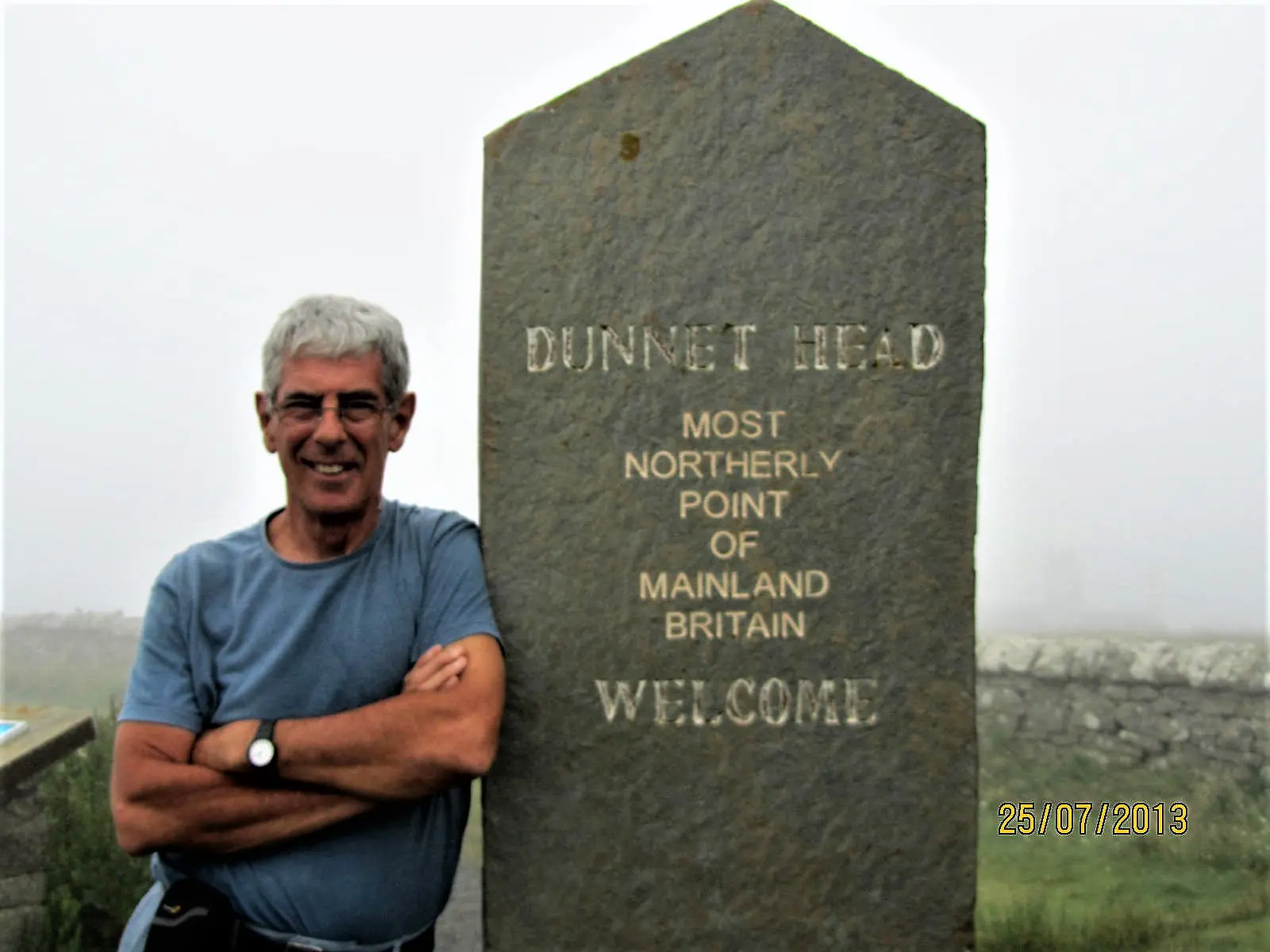
- Passenger-only boat from John o’ Groats. A seasonal summer service across the same firth. It carries no vehicles and is the most weather-sensitive.
- Overnight ferry from Aberdeen to Kirkwall. A long crossing with cabins, suited to those arriving from the south.
Planes also serve Kirkwall from several Scottish cities. Flights are fast, but small aircraft are grounded by fog and strong wind, so do not treat them as weatherproof.
Orkney crossing times and what cancels them
Times are typical and hedged. Confirm them before you book.
| Route | Typical crossing | Frequency by season | What cancels it |
|---|---|---|---|
| Scrabster to Stromness | about 90 min | Daily, more in summer | Storm swell in the Pentland Firth |
| Gills Bay to St Margaret’s Hope | about 1 h | Several daily, all year | Swell and wind; shorter run, still exposed |
| John o’ Groats to Burwick | about 40 min | Summer only | Wind, swell; first to be cancelled |
| Aberdeen to Kirkwall | an overnight run of several hours | Several weekly or daily; check | Severe North Sea weather |
| Flights to Kirkwall | about 1 h from Edinburgh, Glasgow, Aberdeen or Inverness | Daily on most routes | Fog, low cloud, strong crosswind |
How Orkney ferry cancellations work
The operator decides, usually by the previous evening or the same morning. The Pentland Firth has strong tidal flows, and when swell meets the tide the sea gets rough. A cancelled sailing normally brings a change of date or a refund, with terms that differ by fare. Passengers are contacted by text or email, but the first sign is often the operator’s website or social page.
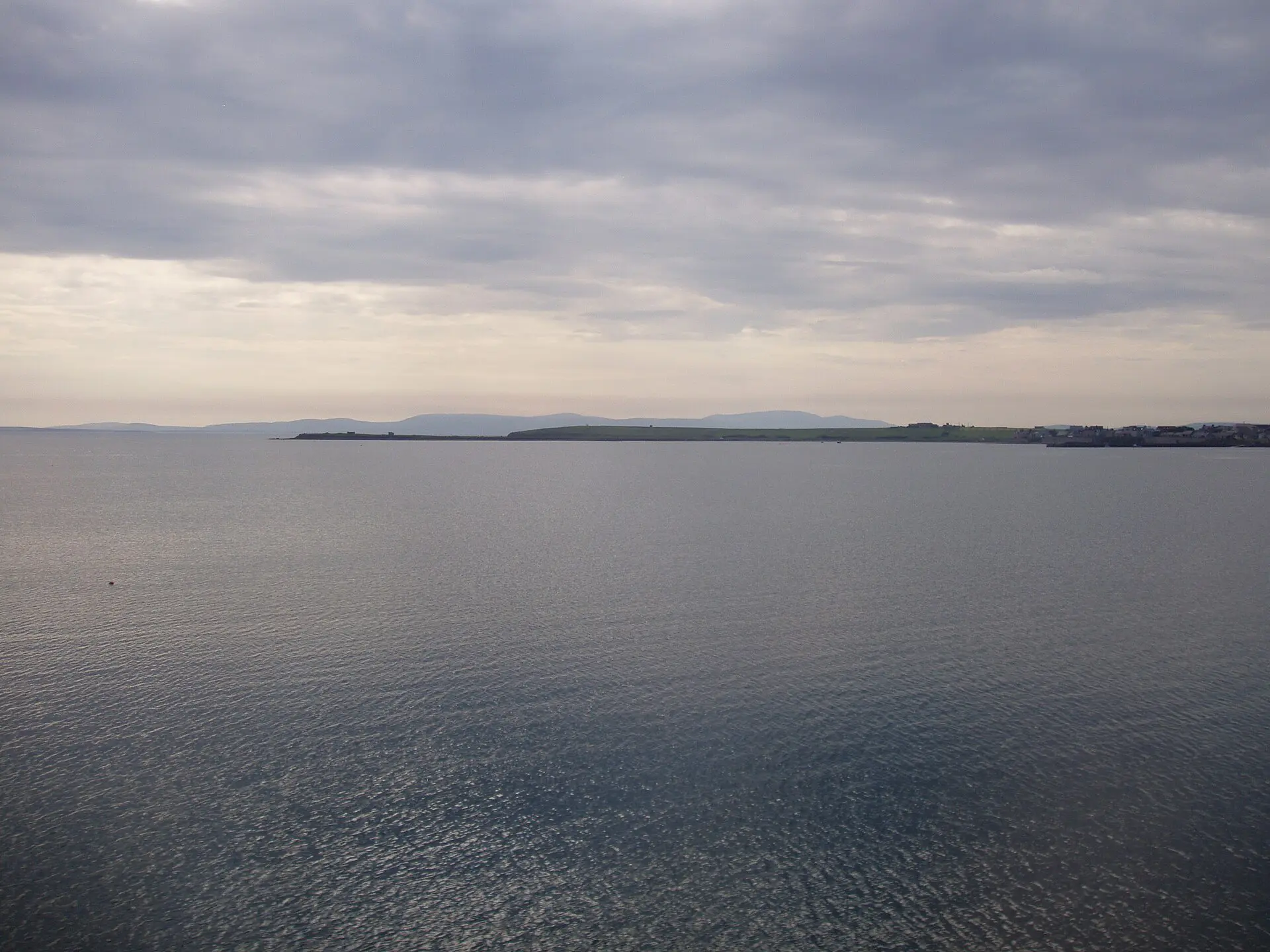
Check the status the morning you travel, then again two hours before check-in. If you are driving to the ferry, do not leave a long drive to chance. The weather on the mainland side may be calm while the firth is not. Winters average about 4 °C and summers about 12 °C, so the season sets the risk.
Ports and getting to them
Scrabster is next to Thurso, on the north coast of Caithness. Gills Bay and John o’ Groats are on the same coast, a short drive from each other. All are far from the big cities. From Inverness, allow several hours by road to the Caithness ports, and add margin for single-track sections and slow vehicles.
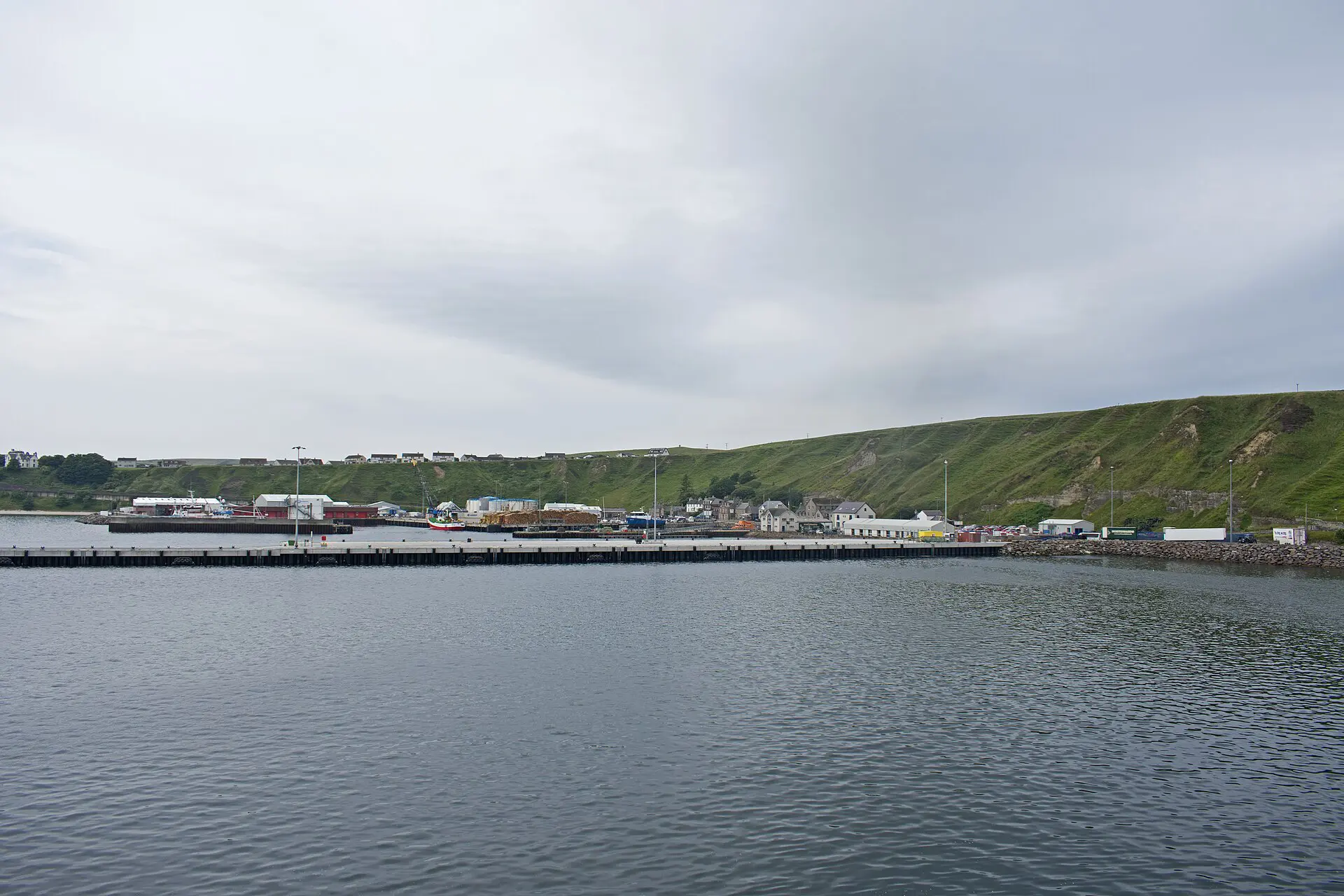
On the Orkney side, Stromness and Kirkwall are about 25 km apart by road. St Margaret’s Hope is in the south, with a road link across the Churchill Barriers to the Mainland. Distances on the islands are short, but buses are infrequent. A car makes the sites far easier. Book a rental early in summer.
The largest island, the Mainland, is 523 square kilometres, and most of the sights are on it. Do not assume island hopping is easy. The North Isles and South Isles use their own, smaller ferries, which cancel more often.
Buffer-day rules and what to book flexible
- Never plan to arrive on the day your main bookings start. Give yourself a day for a lost sailing.
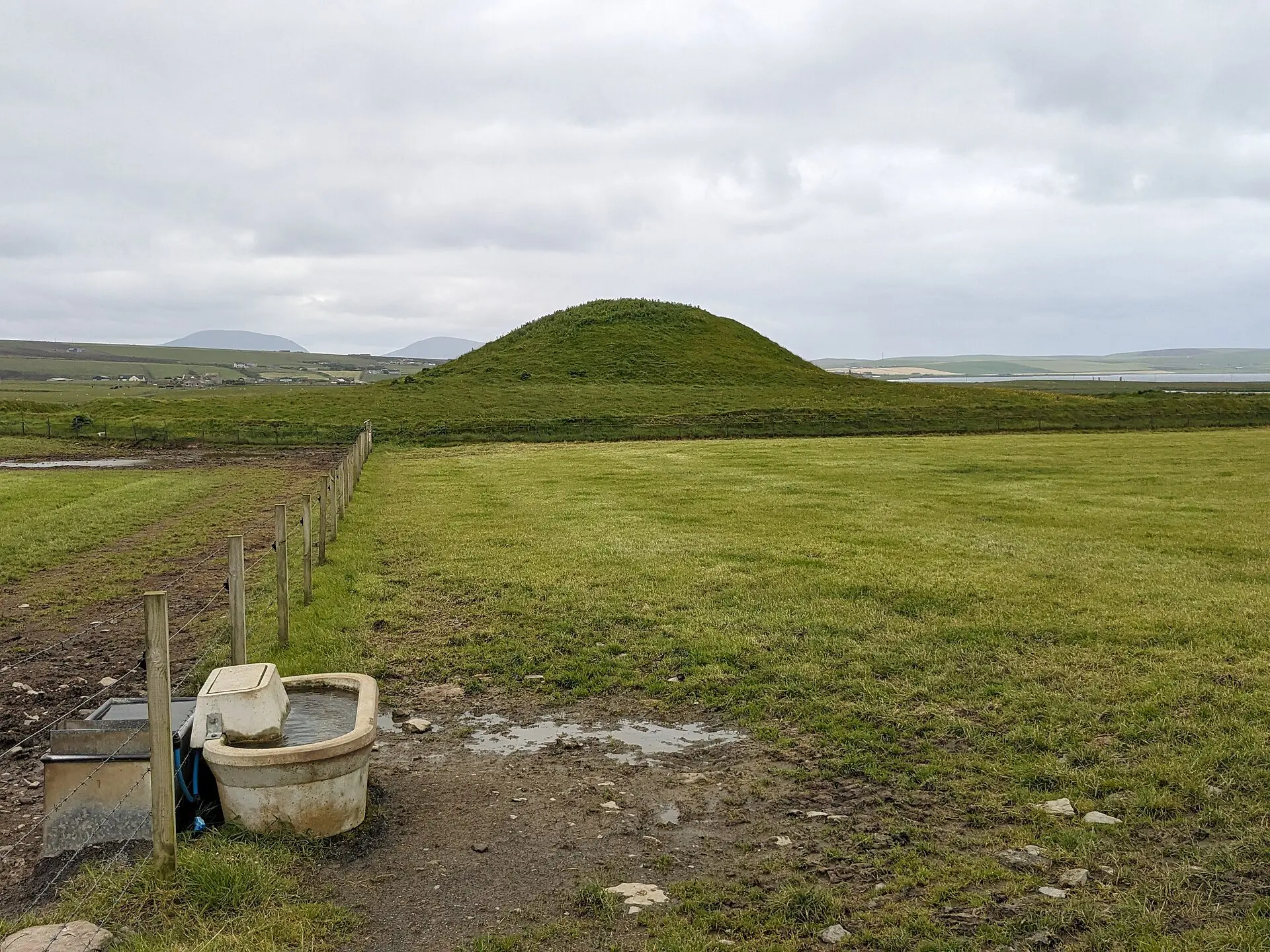
- Book timed-entry sites for the middle of your stay, not the first or last day. Neolithic sites often need advance tickets.
- Use refundable lodging for the first and last night.
- Add one spare night on the mainland before an international flight home.
- Keep your ferry fare changeable from October to March.
Orkney storm-day fallback options
1. Use the other crossing
If Scrabster is off, Gills Bay may sail, and the other way round. They share the firth, so both can fail in a big storm. Ask the operator before you drive.
2. Take the overnight ferry or a flight
If the Pentland Firth is closed, Aberdeen to Kirkwall avoids it, and flights avoid the sea. Both have their own weather limits. Treat each as a second option, not a guarantee.
3. Spend the day on the mainland
Thurso and the Caithness coast have indoor and short walking options. This costs a night and some money, but costs less than a failed schedule. Keep your Orkney bed flexible.
4. Plan indoor sites once you arrive
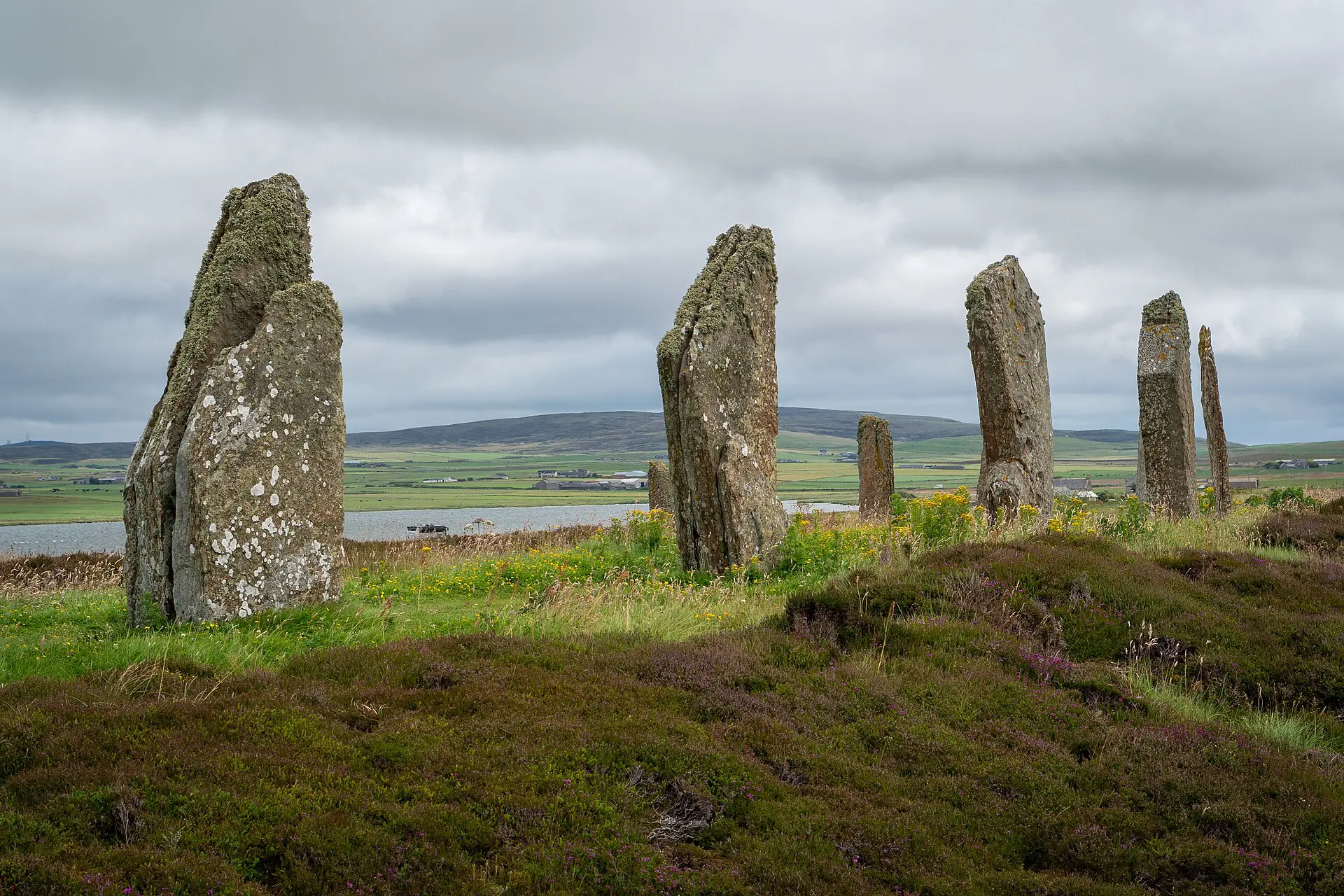
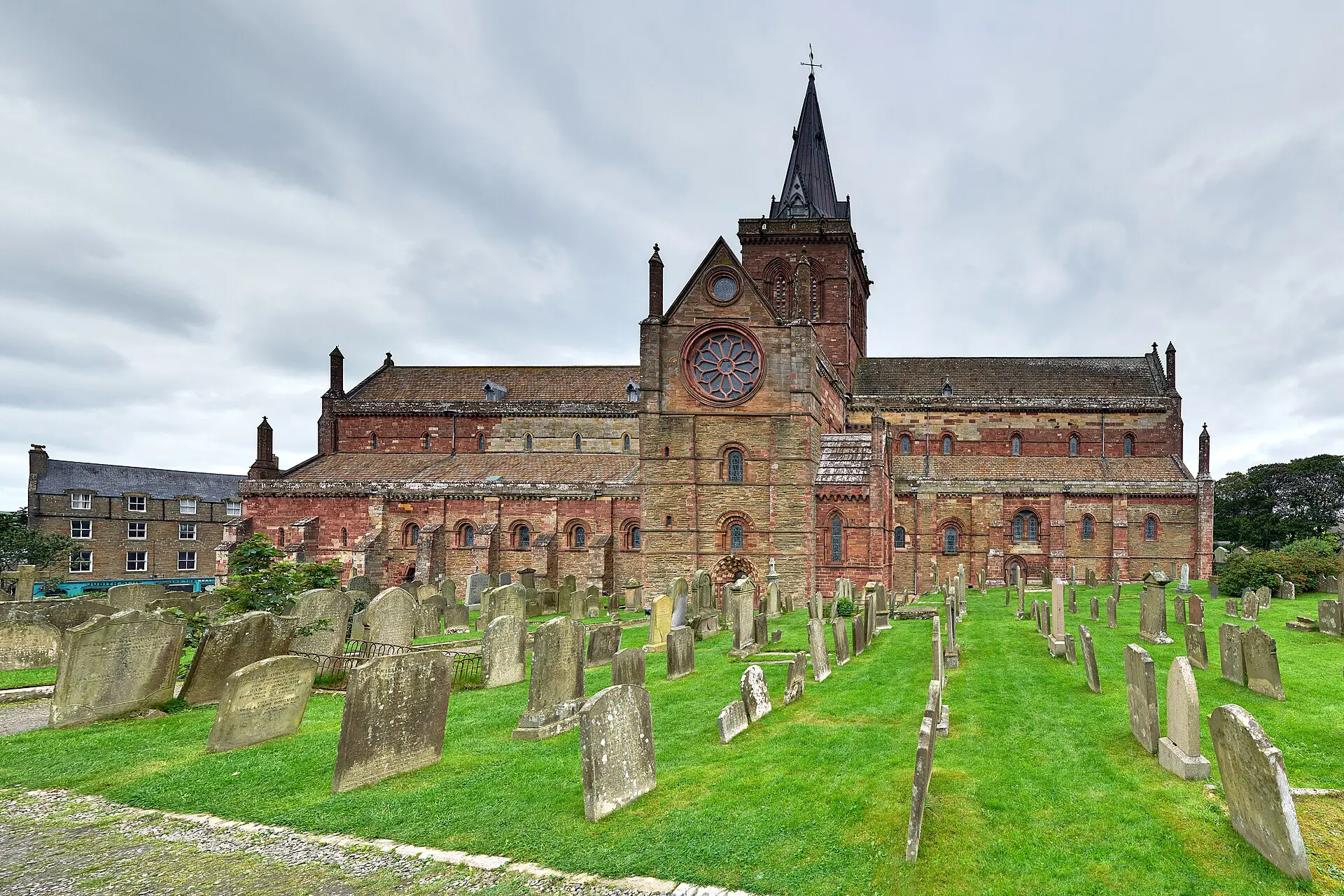
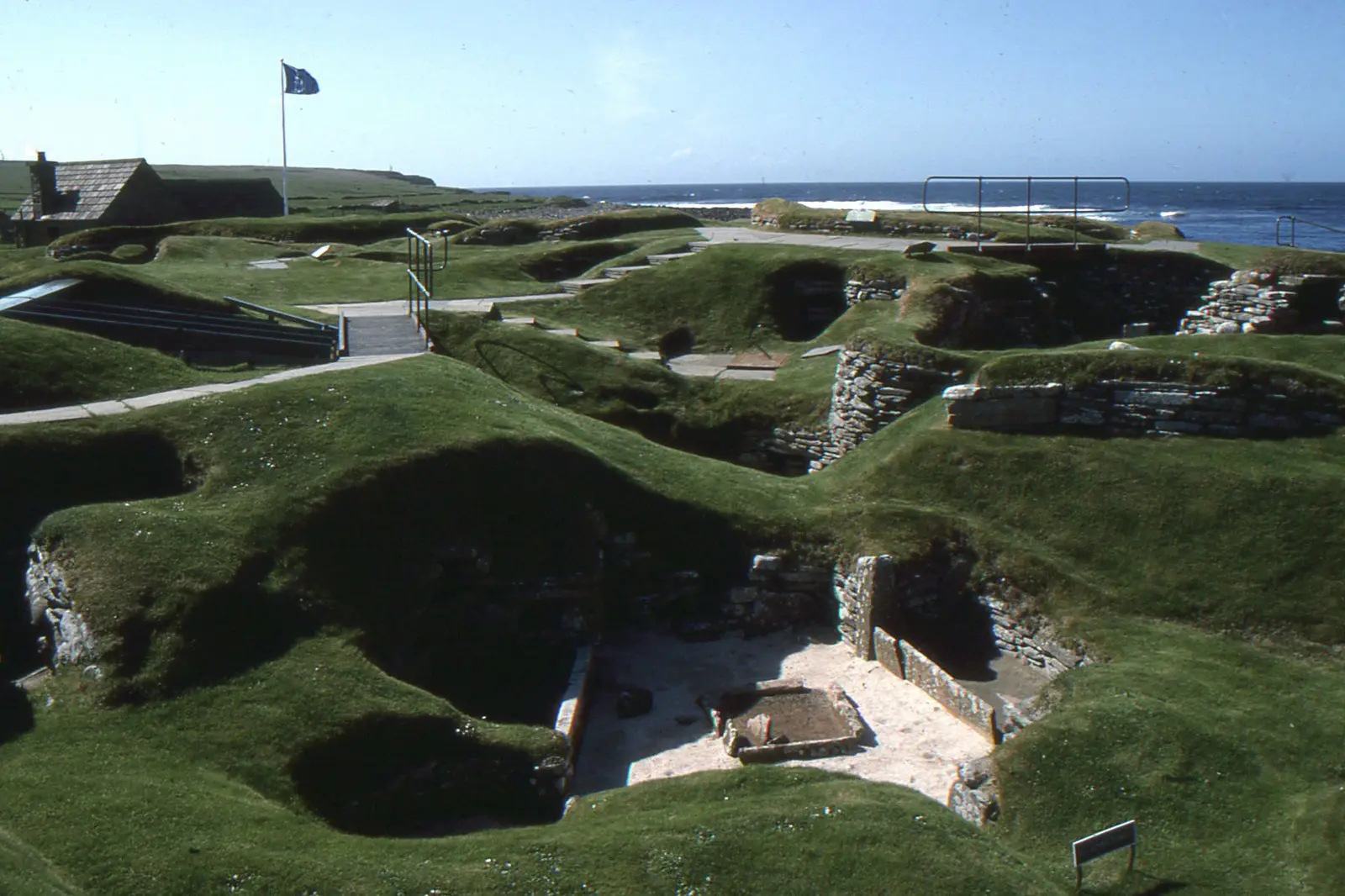
Kirkwall has St Magnus Cathedral and museums, and Stromness has a museum and a compact old town. These cover a day when wind makes the open sites unpleasant. Neolithic Orkney is a UNESCO World Heritage Site, but sites such as Skara Brae and the Ring of Brodgar are open to the sky, so they suit calm days.
5. Move a day, not the whole trip
Weather in Orkney changes fast. If the sailing is cancelled, shift the island sequence and keep the rest of the plan intact. The sites sit close together on the Mainland: Kirkwall to Skara Brae is about 30 km, and Stromness to the Ring of Brodgar is under 15 km.
Skip Orkney if
- You have only two days and need to be home on a fixed date.
- You get seasick on the Pentland Firth. Plan flights instead.
- You want guaranteed views and calm weather in winter. It is not a reliable place for that.
- You do not drive and want to see many sites. I would plan a base and a small number of stops.
FAQ about the Orkney travel guide
How do you get to Orkney?
By ferry from Scrabster, Gills Bay or John o’ Groats in the north of Scotland, by the overnight ferry from Aberdeen, or by plane to Kirkwall. Choose by where you start. Check schedules for the season, and keep a spare day.
How many days do you need in Orkney?
Three to four days is a workable minimum for the main Neolithic sites, Kirkwall and Stromness. A week allows outer islands and weather delays. A day trip from the mainland is possible in summer, but it uses much of the day on the water.
Do ferries to Orkney get cancelled?
Yes, mainly in strong wind and heavy swell, most often between October and March. The Pentland Firth is exposed. The big ferry copes better than the small passenger boat, but even it can be off. Check the day before and the morning of travel.
Where are the Orkney Islands?
Orkney is an archipelago off the north coast of mainland Scotland, 16 km north of Caithness. It has about 70 islands, of which 20 are inhabited. The largest is called the Mainland, and Kirkwall is its biggest settlement.
Do you need a car in Orkney?
A car is the easiest way to reach the sites, which are spread over a few dozen kilometres. Buses and taxis exist, but timetables are thin. If you do not drive, base yourself in Kirkwall or Stromness and book tours for the remote sites.
For background, see the Orkney article on Wikipedia. For the wider trip, use our United Kingdom travel guide.