The museums in Madrid that matter most sit on one boulevard: the Prado, the Thyssen-Bornemisza and the Reina Sofía, a short walk apart. Together they are the Golden Triangle of Art. You can see all three in a day if you accept a skim, but two days gives each an honest morning. If you only have one day, take the Prado at opening, the Reina Sofía for Picasso’s Guernica in the afternoon, and skip the Thyssen until next time.
How to use your days in Madrid’s museum district
The mistake is treating three large museums as one task. Each holds more than a visit can absorb, and fatigue sets in after about two and a half hours. The method is anchor plus street: one major collection in the morning, then something with air and movement, such as a park, a book market or a lunch street, before a second, smaller cultural stop.
Madrid is a late city. Museums open around 10am, lunch runs from about 2pm and dinner starts after 9pm. Use that. The best hours in the galleries are the first hour after opening and the last two before closing, when tour groups have left. Weekly closing days differ by museum, so check each one before you fix the order. The Madrid guide covers the rest of the city.
Time-blocked plan for the museums in Madrid
Six blocks, laid out as three days. Take the first two for a two-day trip, and the first alone if you only have one. Opening hours and closing days change by season and holiday, so confirm each one on the museum’s own site.
1. Day 1 morning: the Prado, then the Letras streets
The Prado is the anchor, and its core is Spanish painting from Velázquez and Goya, alongside Flemish and Italian masters. Book a timed ticket and arrive at opening. Go first to Las Meninas, then to Goya’s Black Paintings, then stop. Allow two to three hours. Afterwards, walk into the Barrio de las Letras, the lanes behind the museum, for a late coffee or lunch. Most kitchens in this area do not really get going until around 1:30pm.
2. Day 1 afternoon: Thyssen-Bornemisza and the Paseo del Prado
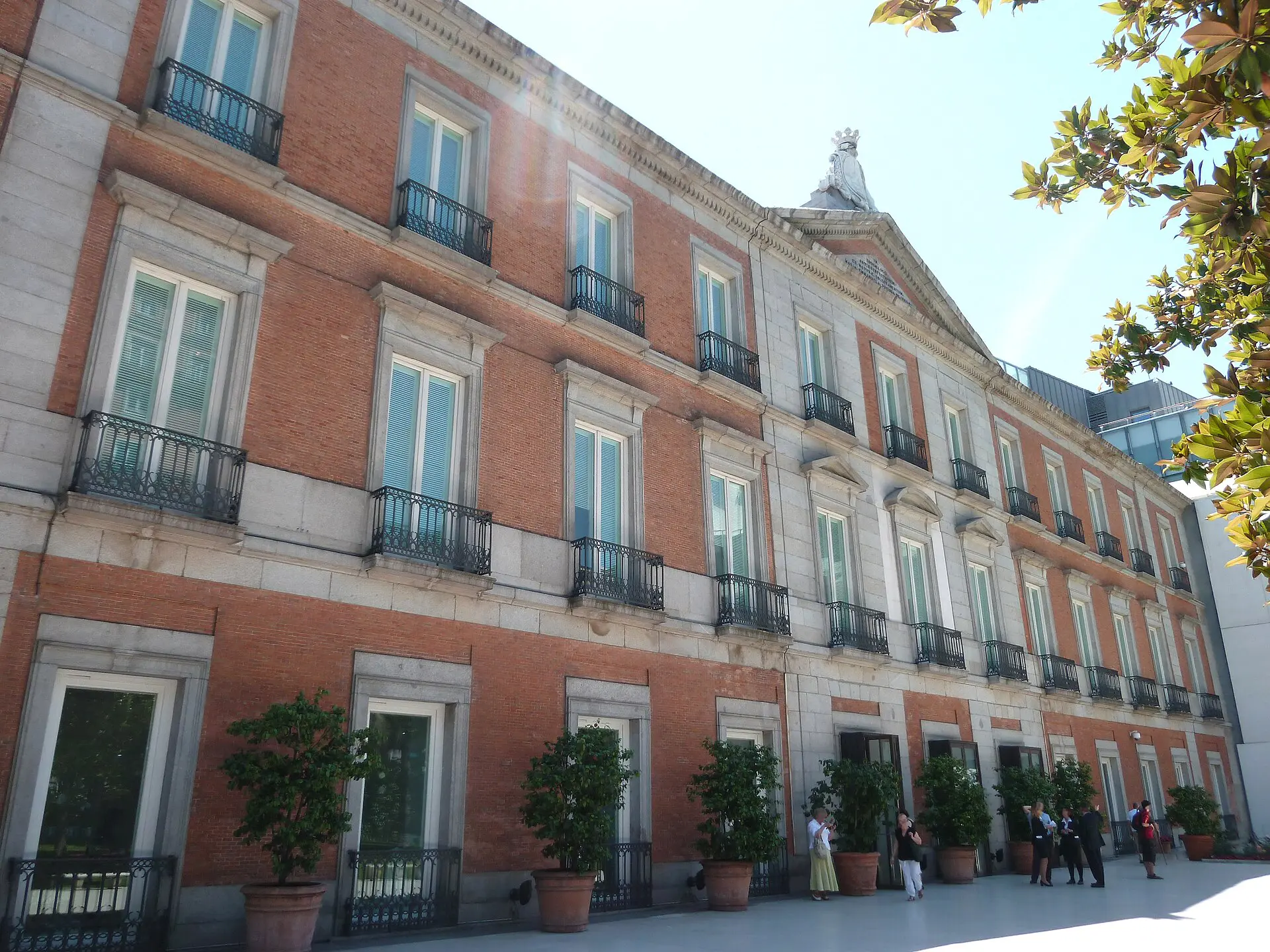
The Thyssen is the best-organised of the three, with a chronological route that runs from medieval panels to the 20th century. It makes a good second museum because you can follow the floors in order and finish in 90 minutes. Pair it with a slow walk along the tree-lined Paseo del Prado towards the Retiro. If your feet are tired, drop the park and sit on a bench instead.
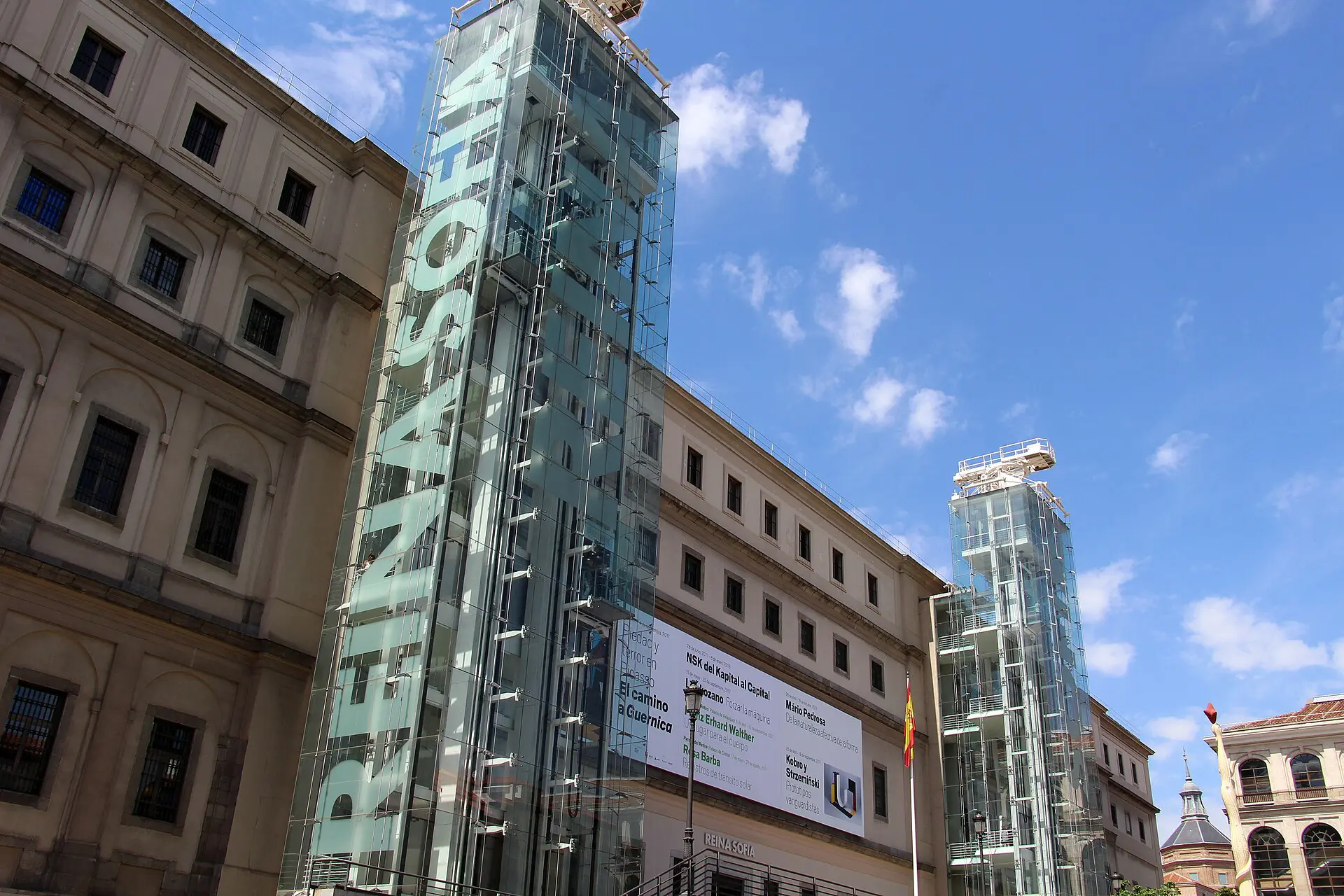
3. Day 2 morning: Reina Sofía and Lavapiés
The Reina Sofía houses Guernica, and the room is the reason most people come. It is busiest from late morning, so go straight there at opening, then work through the surrounding galleries on Spanish modernism and Surrealism. Allow two hours. Check the weekly closing day, since the museum has historically closed on Tuesday. Walk down to Lavapiés afterwards for a multicultural lunch street. On Sunday mornings, the Rastro flea market runs a short walk away in La Latina.
4. Day 2 afternoon: the Royal Palace and Plaza de Oriente
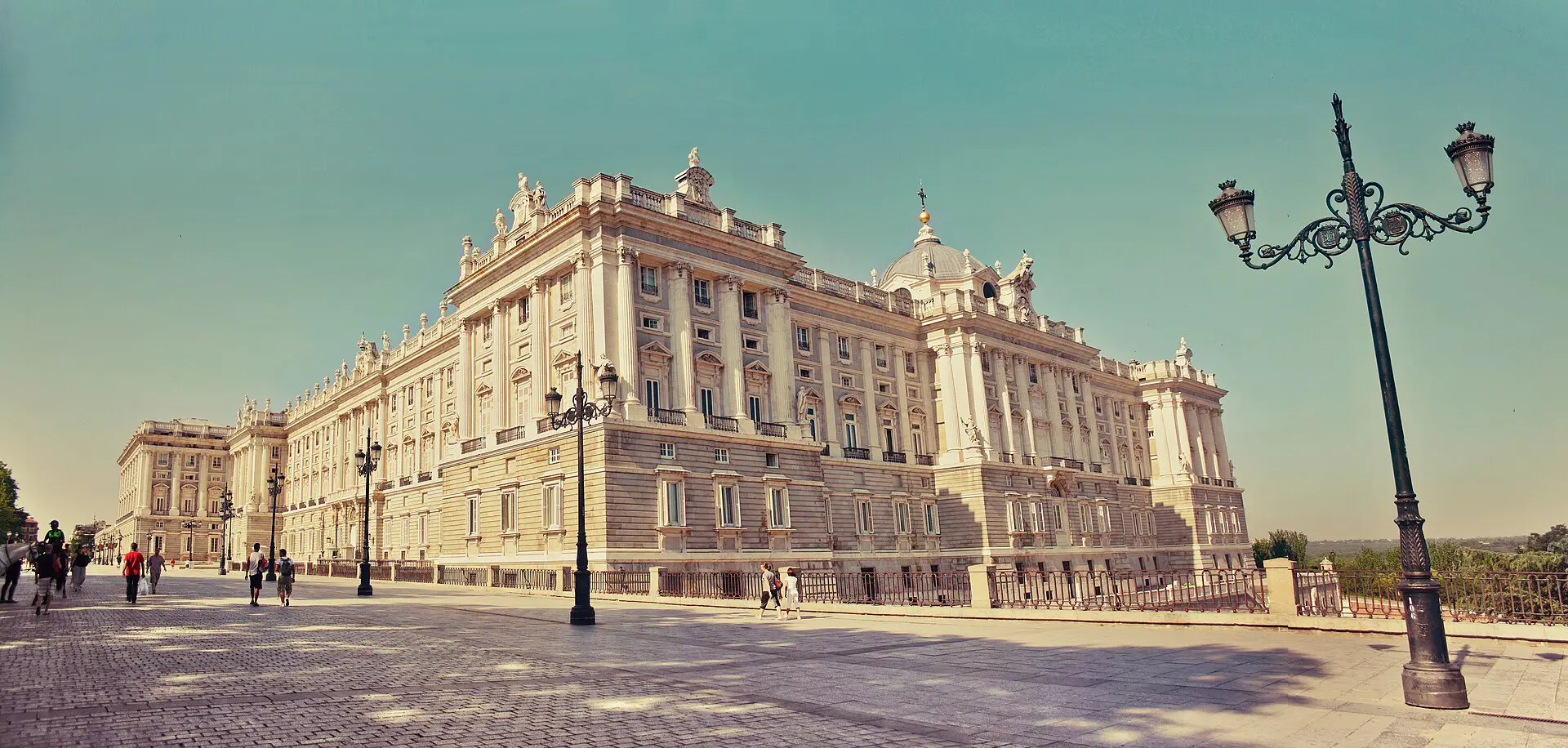
If you want architecture and royal interiors, the Palacio Real is the one large palace worth the hours. It is on a different axis from the art museums, west of Sol, so treat it as its own block. Allow 90 minutes. The palace closes for state ceremonies without much warning, so look at the day’s status online. Finish with the Plaza de Oriente gardens and the Sabatini terraces, which work as a free closing view.
5. Day 3 morning: Museo Sorolla or the Archaeological Museum
For smaller scale, choose between two rewarding stops. The Museo Sorolla is the painter’s former home and studio, calm and light-filled, with a garden. The Museo Arqueológico Nacional covers Iberian, Roman and medieval collections in one clear route. Both are manageable in 90 minutes and are in the area north of the Retiro. Their weekly closing days differ from the big three, so check before you walk over.
6. Day 3 afternoon: CaixaForum and the Retiro
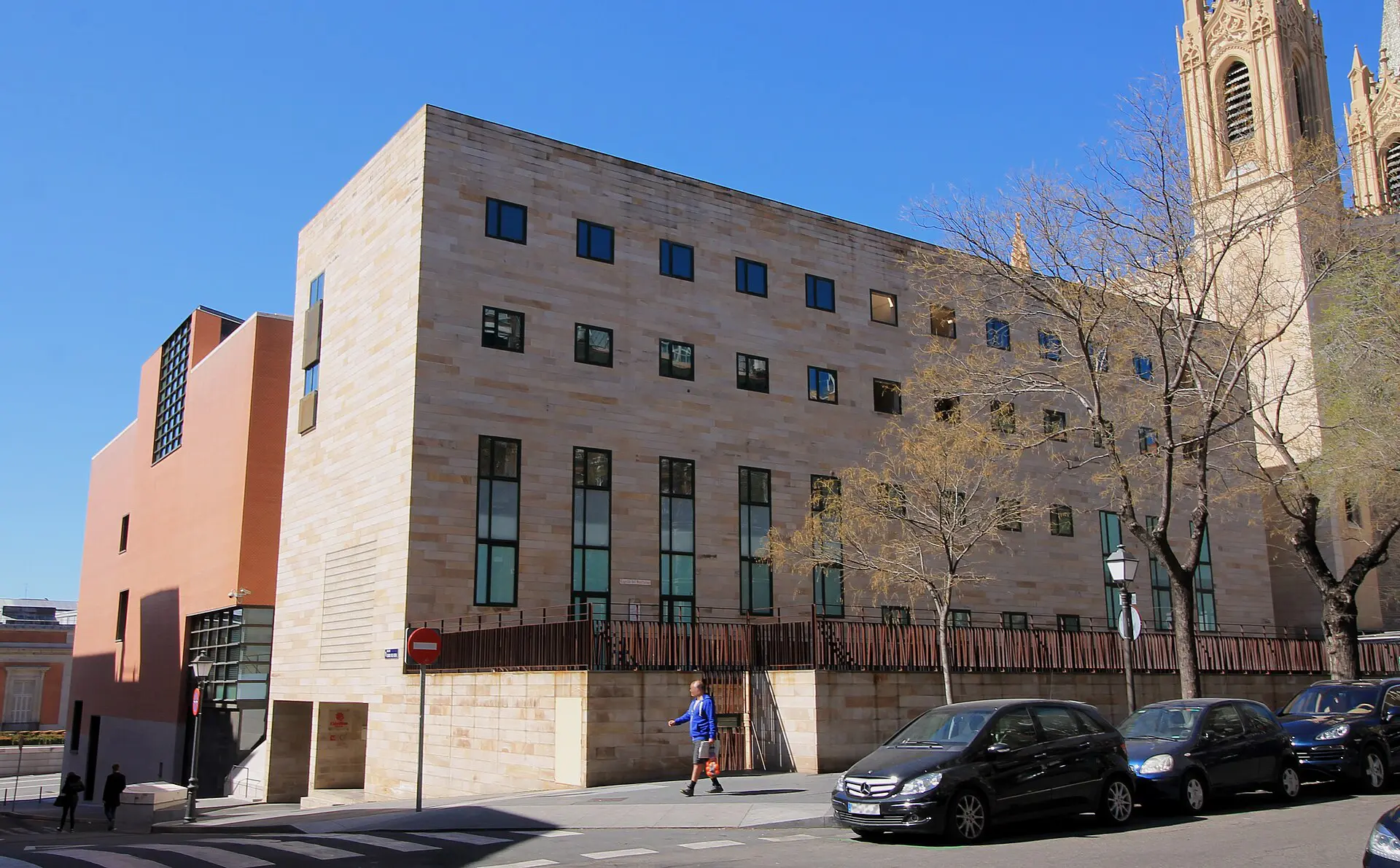
CaixaForum sits opposite the Prado and Reina Sofía, near the botanical garden, and is best known for its vertical garden wall and rotating exhibitions. Check what is on first, since the programme is the whole point. Afterwards, spend an hour in the Retiro Park and let the museum day end in the open air. The Cuesta de Moyano book stalls on the park’s southern edge make a quick browsing detour.
Queue avoidance and free entry for Madrid museums
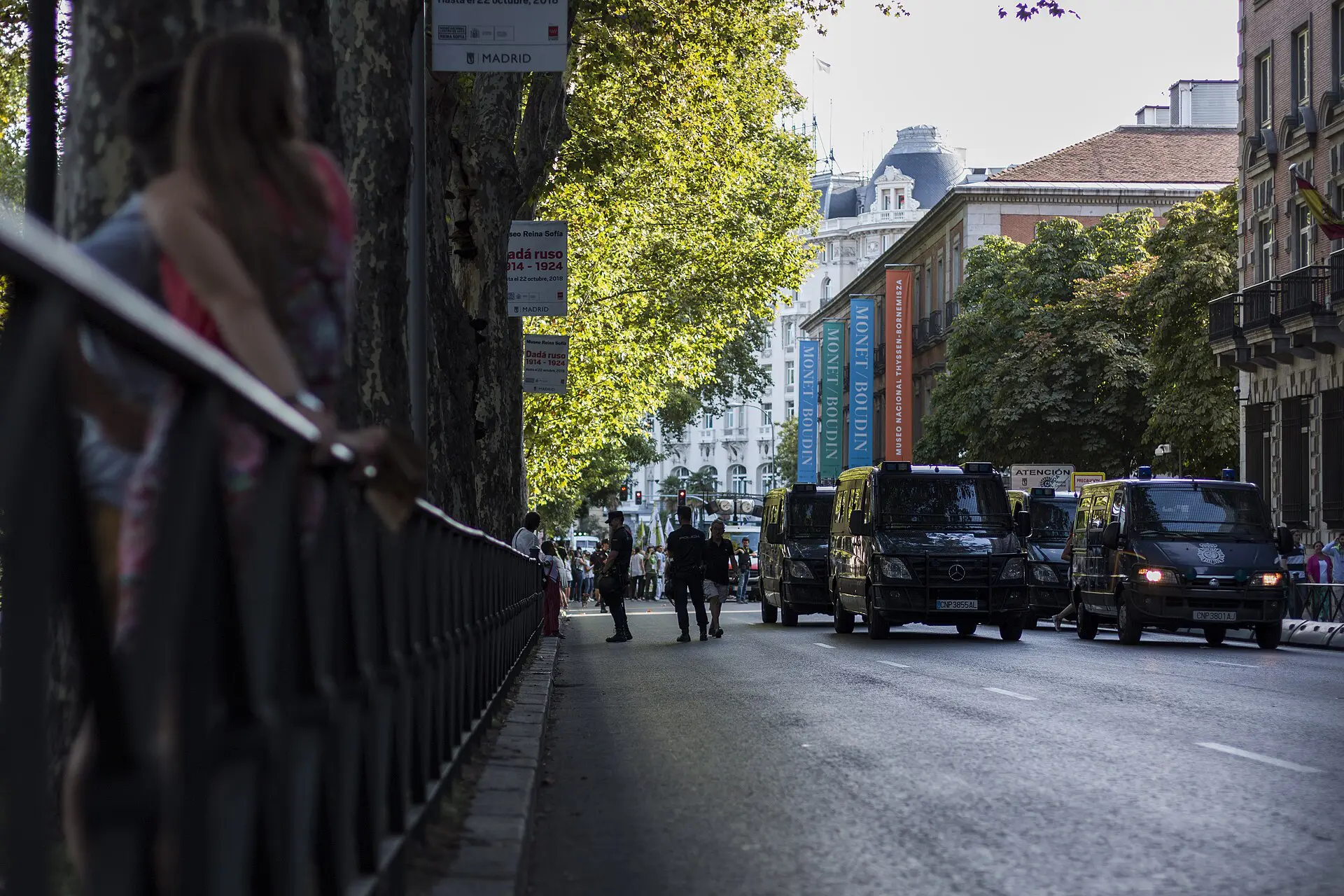
The Prado and Reina Sofía both offer free entry during set evening hours, and the lines for those slots can be long. As of 2026, free-hour timing and any booking requirement can change, so check the official site. I would not plan your priority gallery in a free slot unless you accept a crowd and a shorter visit.
- Book timed tickets online for the Prado, Reina Sofía and Thyssen at least a few days ahead in high season.
- Arrive 10 to 15 minutes before opening, then go to the single most popular work first.
- Visit Guernica at the end of your Reina Sofía session only if the room is quiet. Otherwise go first, before the crowd builds.
- Avoid the weekend and holiday mid-mornings, which are the peak for visitors from out of town.
- Carry a small bag. Large bags go to the cloakroom, and queues for it can eat 15 minutes.
Getting around between Madrid’s museums
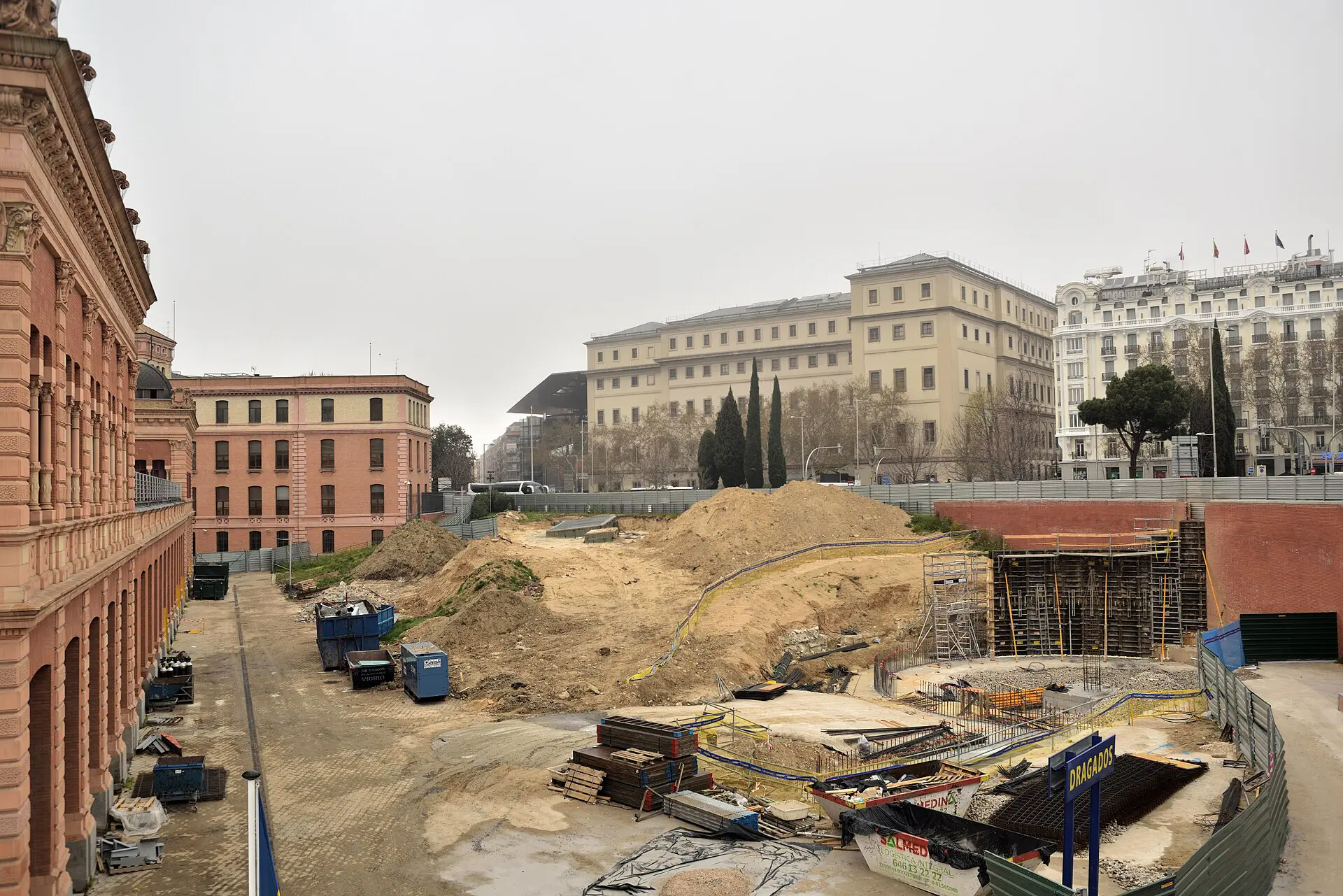
The three main museums are within a 10 to 15 minute walk of each other along Paseo del Prado. Atocha station is next to the Reina Sofía, with Metro and commuter rail connections. The Retiro Metro stop is close to the Prado. For the Royal Palace, use the Ópera or Sol stations. The Metro is clear, fast and cheap by European standards, and you rarely need a taxi in the centre. Pavements are broad, but summer heat in the afternoon is real, so move the outdoor walks to early or late.
Where to stay in Madrid for the museums
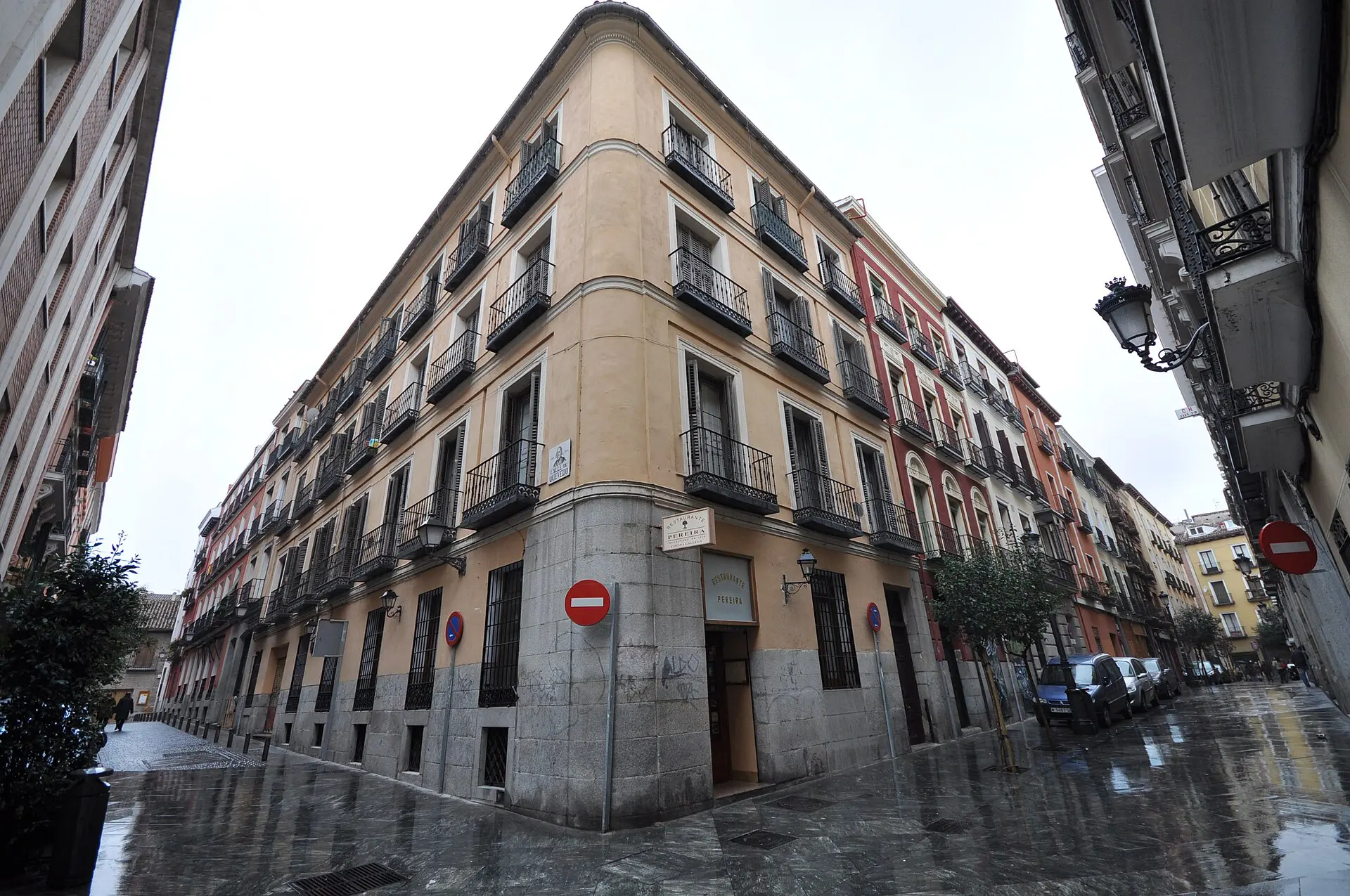
- Barrio de las Letras and Huertas: the best culture base. The Prado and Thyssen are a short walk away, and the streets have cafés and tapas bars. Weekend nights are loud.
- Centro and Sol: central and well connected, with plenty of hotels. It is busy and touristy, but it is a fine base for the Royal Palace and Metro changes.
- Salamanca: calmer, with upscale shopping, and a pleasant 20-minute walk from the Retiro. Expect higher rates.
- Malasaña and Chueca: cheaper, with bars and a younger scene, around 20 to 25 minutes on foot or a short Metro ride from the museums.
What to skip if you are short on time in Madrid
With one day, skip the Thyssen, the Royal Palace and the smaller museums, and do not try to read every wall text in the Prado. The Prado’s Spanish rooms and Guernica give you the highest return per hour. If you must choose between the Reina Sofía and the Prado, pick the Prado for older European painting and the Reina Sofía for 20th-century Spanish art. Do not add a day trip on a museum day. Background reading is available in the Wikivoyage guide to Madrid, and the Spain travel guide covers where to go next.
FAQ about museums in Madrid
How many days do you need for the museums in Madrid?
Two days is a comfortable minimum for the Golden Triangle, with one large museum per half day. One day works only if you limit yourself to the Prado and the Reina Sofía. Three days let you add the Royal Palace and one smaller museum such as the Sorolla.
Which Madrid museum is best if you only have time for one?
The Prado, for most visitors. It holds the strongest collection of Spanish painting, including Velázquez and Goya, in a single building. Choose the Reina Sofía instead if modern art and Picasso’s Guernica are your priority. Book a timed ticket and arrive at opening either way.
Are museums in Madrid free?
Several offer free entry during set hours, usually in the evening, and some on particular days. Rules, eligibility and booking requirements change, so check each museum’s official site before you rely on it. Expect queues in free slots, and treat them as a budget option, not an efficient one.
Are Madrid’s museums closed on Mondays?
Not all of them. Weekly closing days differ: the Reina Sofía has historically closed on Tuesday, and several smaller museums close on Mondays. Holidays and local festivals change hours too. Check each museum’s calendar the evening before, and do not assume a single rule across the city.