The Lombok Rinjani trek climbs a 3,726 m volcano and takes 2 to 3 days. It is a hard walk, not a scenic stroll: steep volcanic ash, a summit start around 2 a.m., and few water points. The park is usually shut for part of the wet season, so the dates decide the plan. Below: how to reach the trailheads, stage times, what cancels the climb, and what to do when it does.
How to get to the Lombok Rinjani trek start
Two trailheads matter. Sembalun, on the east side at roughly 1,100 m, is the usual start for the summit. Senaru, on the north side at roughly 600 m, is the usual finish and a common start for a lake-only trek. Both are about 2 to 3 hours by road from Lombok International Airport or from Mataram, depending on traffic and the road works of the day.
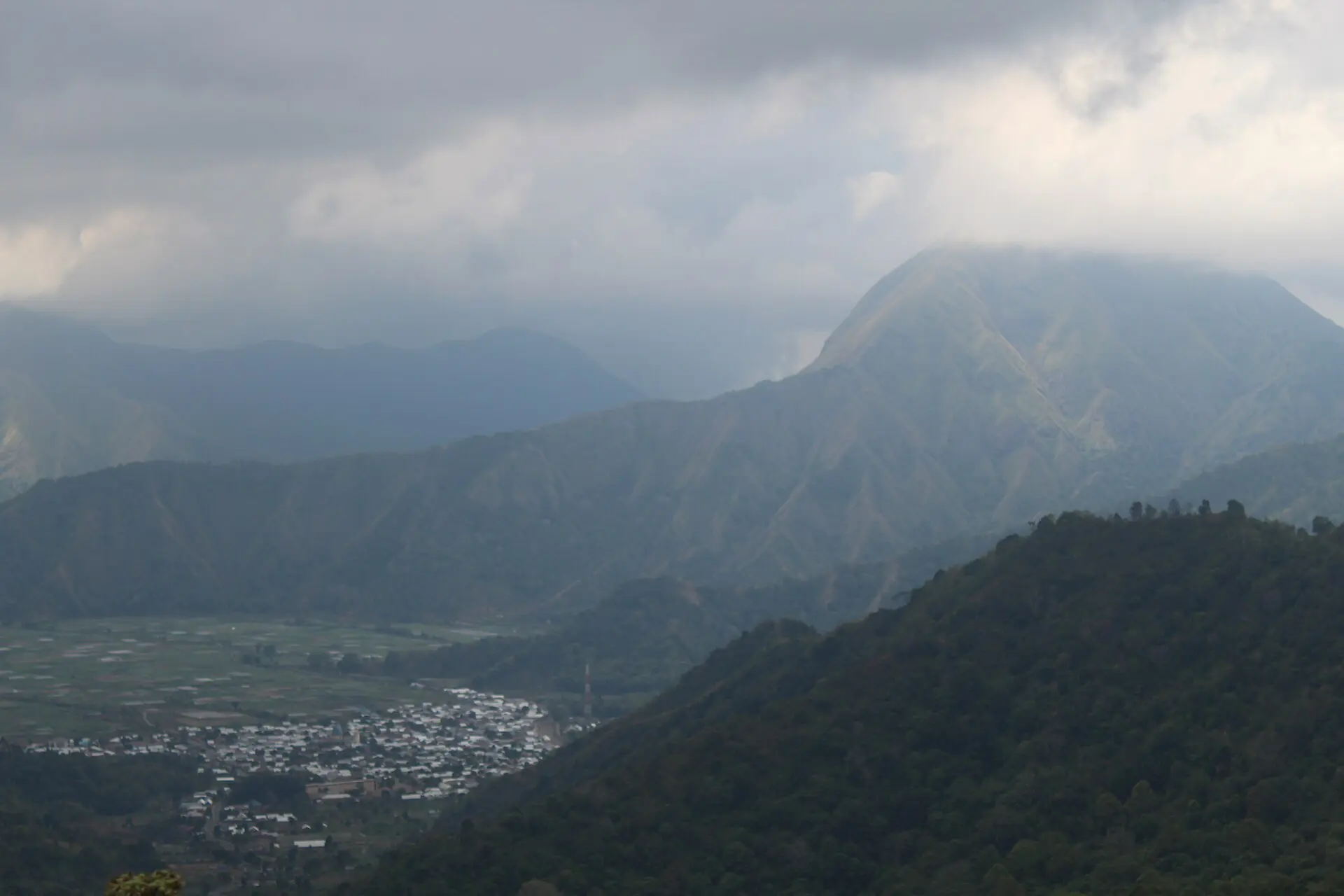
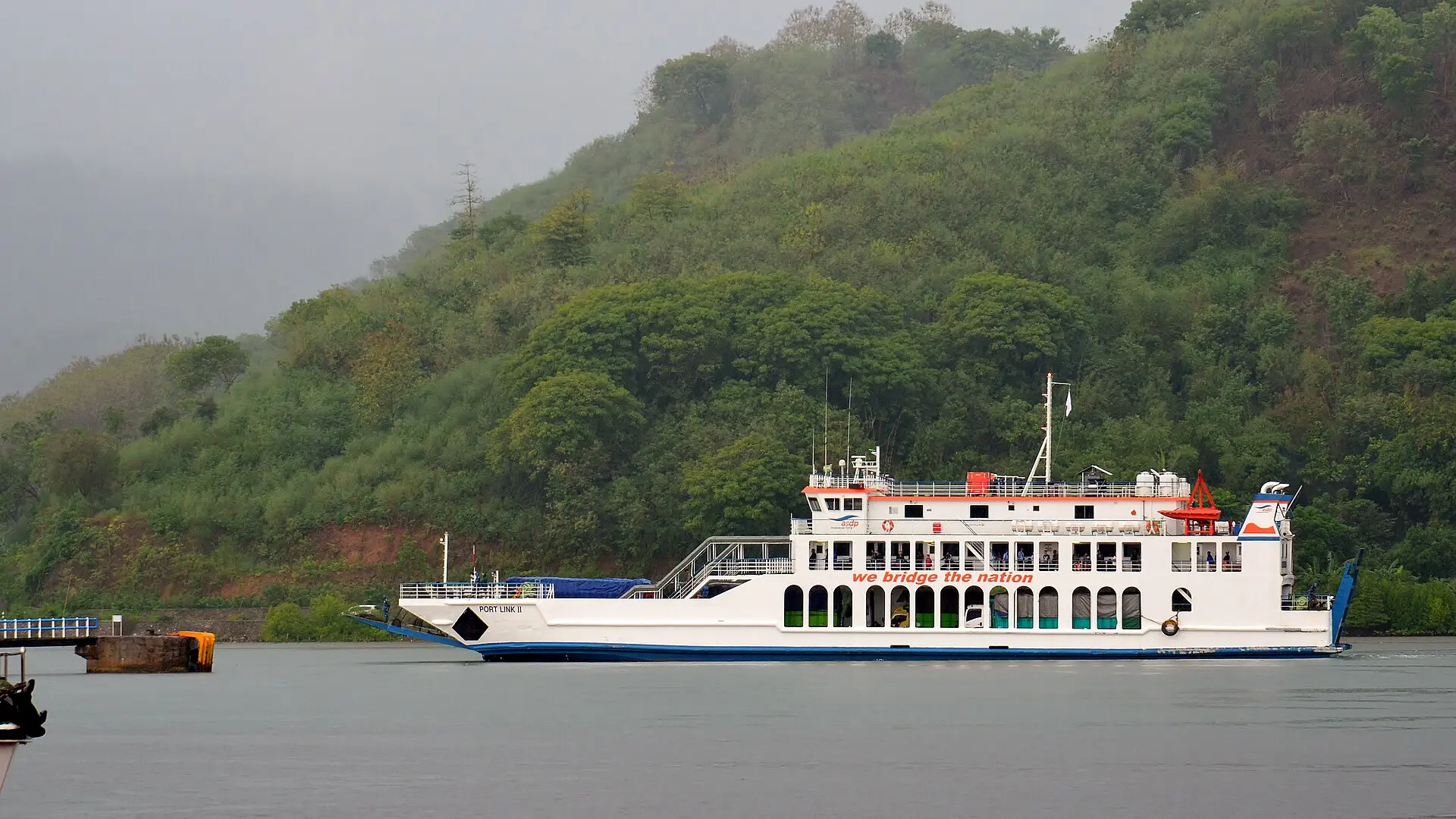
From Bali, the public ferry from Padangbai to Lembar takes several hours and runs through the night; fast boats to the Gili Islands or Lombok are quicker but cancel more in rough seas. Most trekkers book a transfer with the trek itself. As of 2026, foreign visitors are generally expected to go with a licensed guide and porter team, and the park uses an online ticket system. Rules change, so confirm with the national park authority and your operator before paying.
Rinjani stages and terrain
All figures are approximate and vary with fitness, load and weather. Treat the times as a ceiling for planning, not a target.
| Stage | Distance | Time | Difficulty | Water and food |
|---|---|---|---|---|
| Sembalun gate to crater rim camp | about 9 to 12 km | 6 to 8 h | Hard: exposed, 1,500 m climb | Carry 3 L; few or seasonal water points; hot meal at camp |
| Rim camp to summit and back | about 8 to 10 km round trip | 6 to 9 h | Very hard: loose scree, altitude, cold | Carry 2 L; snack and a hot drink before leaving |
| Rim camp down to the crater lake | about 3 to 4 km | 2 to 3 h | Hard on knees: steep, rocky | Lake water needs treatment; meals from the crew |
| Lake and hot springs | flat walking | 1 to 3 h | Easy | Treated water; camp meals |
| Lake to Senaru rim | about 3 to 4 km | 4 to 6 h | Hard: steep, rock steps, exposed | Carry 2 L; no refills on the climb |
| Senaru rim to Senaru gate | about 8 to 10 km | 4 to 6 h | Moderate to hard: forest, slippery | Water often available lower down; warung near the gate |
Stage-by-stage notes on the Rinjani trek
1. Sembalun to the crater rim
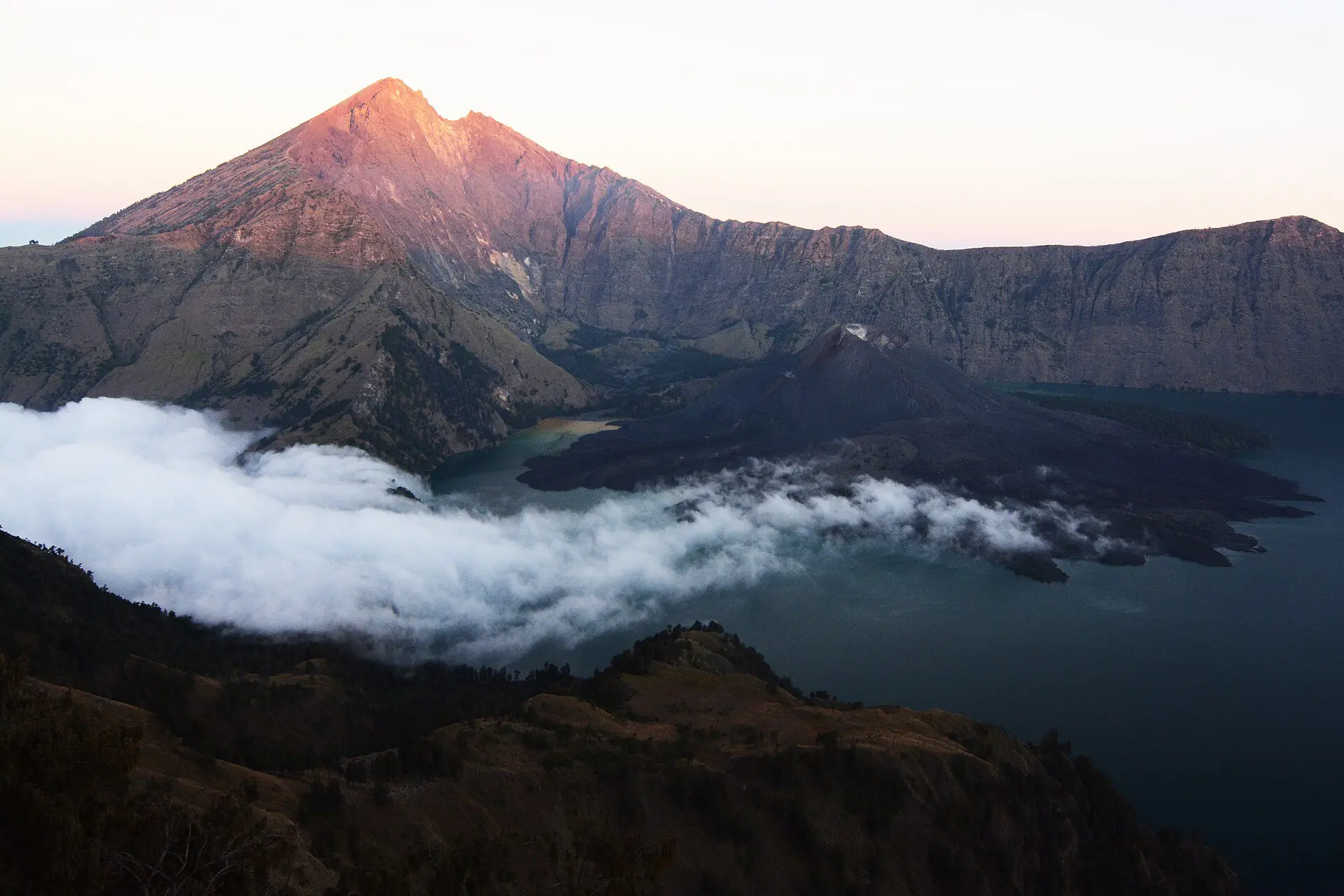
The first hours cross open savannah with no shade, then the grade steepens. Start early to be off the grass before midday heat. The rim camp sits at around 2,600 m, and temperatures there can fall near freezing at night. Pack a warm layer even in the dry season.
2. The summit push
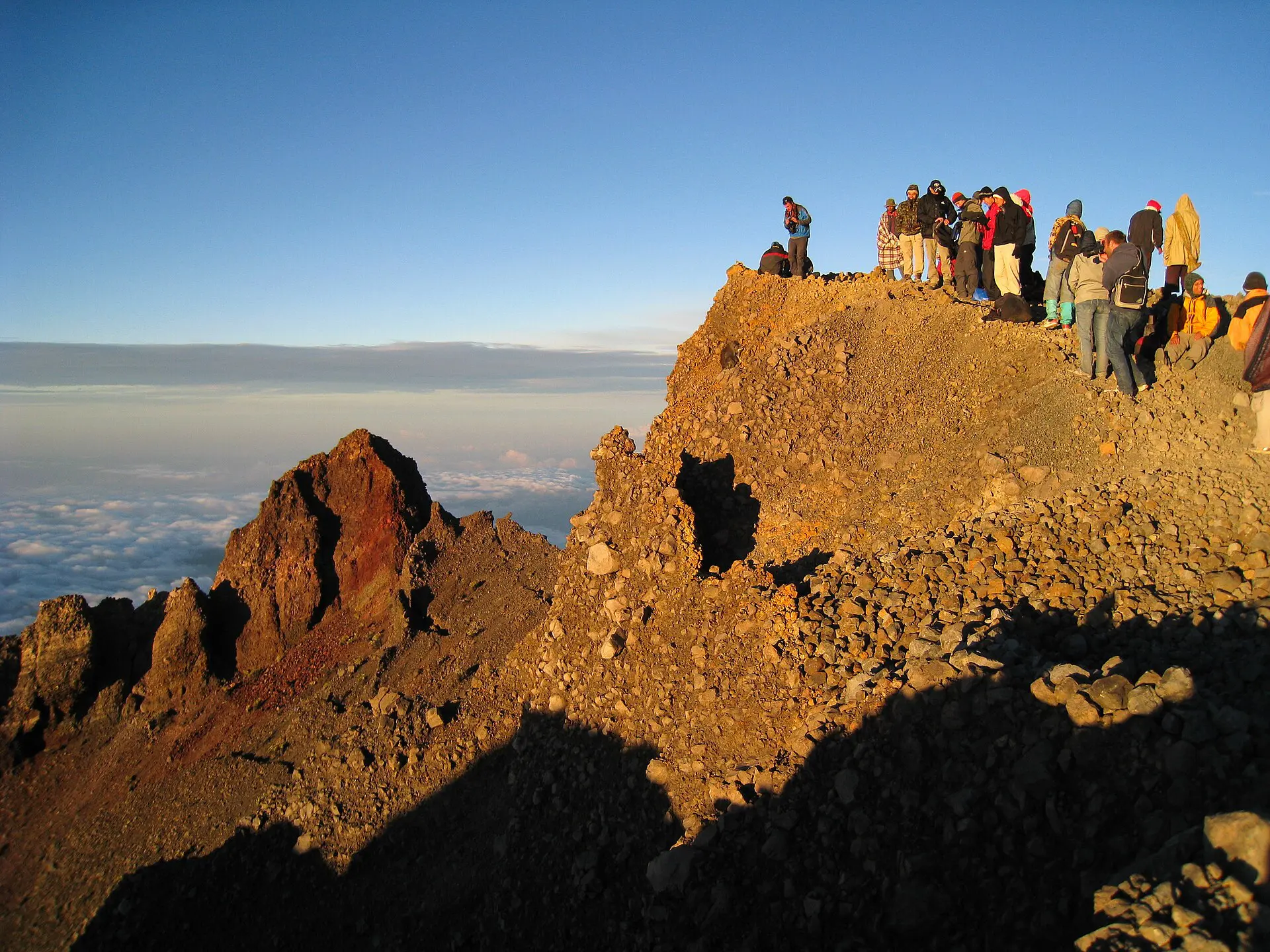
Groups leave around 2 a.m. to reach the top at sunrise. The last stretch is loose ash and scree: you slide back a half step for each step forward. Wind, cloud and altitude turn people around; that is a normal outcome, not a failure. Take a headlamp with spare batteries, gloves and a windproof shell. Eat something before leaving camp, because cold and thin air blunt appetite and energy fast. Keep one layer dry in a bag for the summit wait.
3. Down to the crater lake
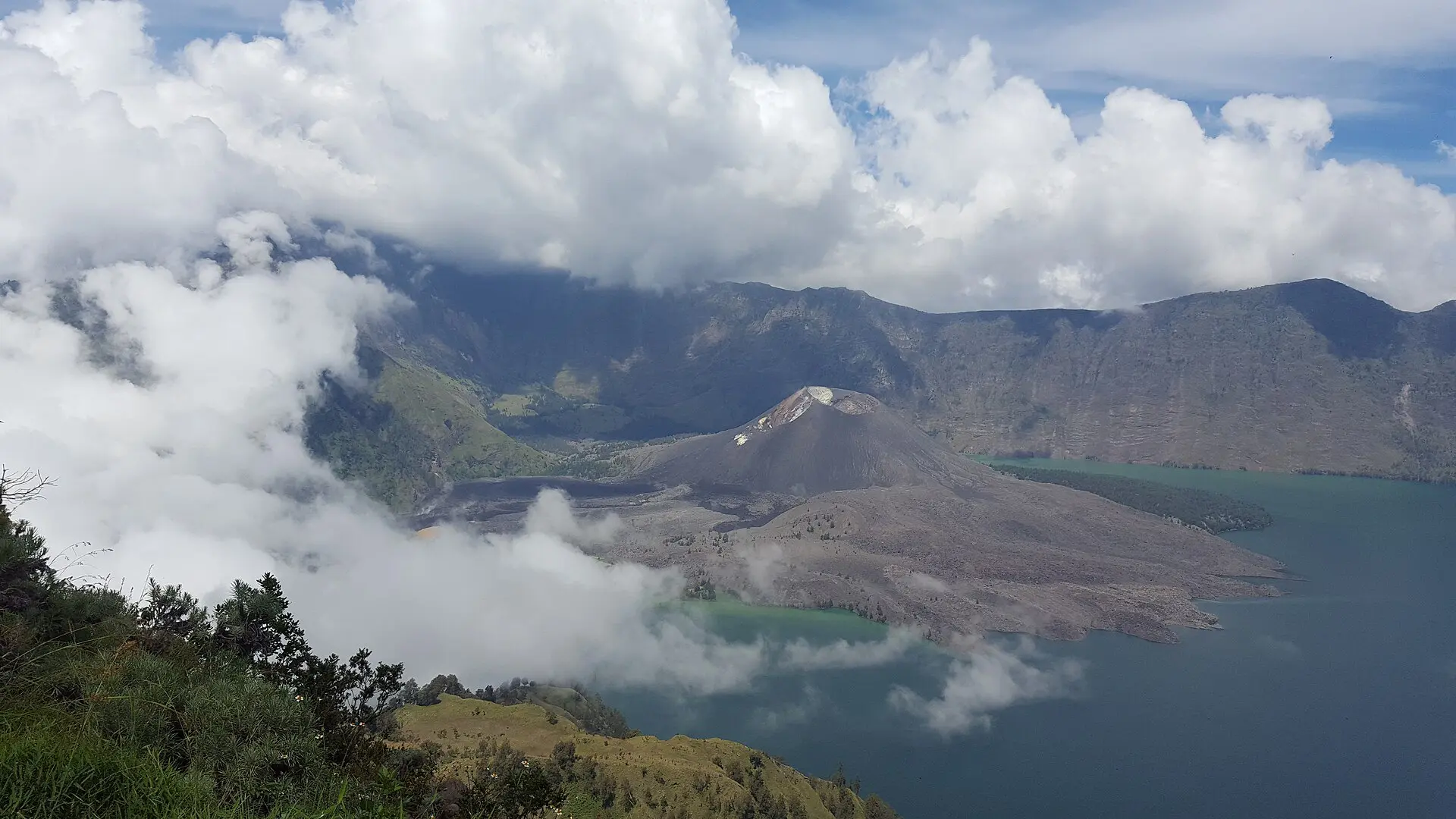
The descent from the rim to Segara Anak lake is steep and rocky. Poles help. It is the stage that wrecks knees and toenails, so tape known hot spots before you start. Expect a campsite on the shore with limited space in high season.
4. Lake day and hot springs
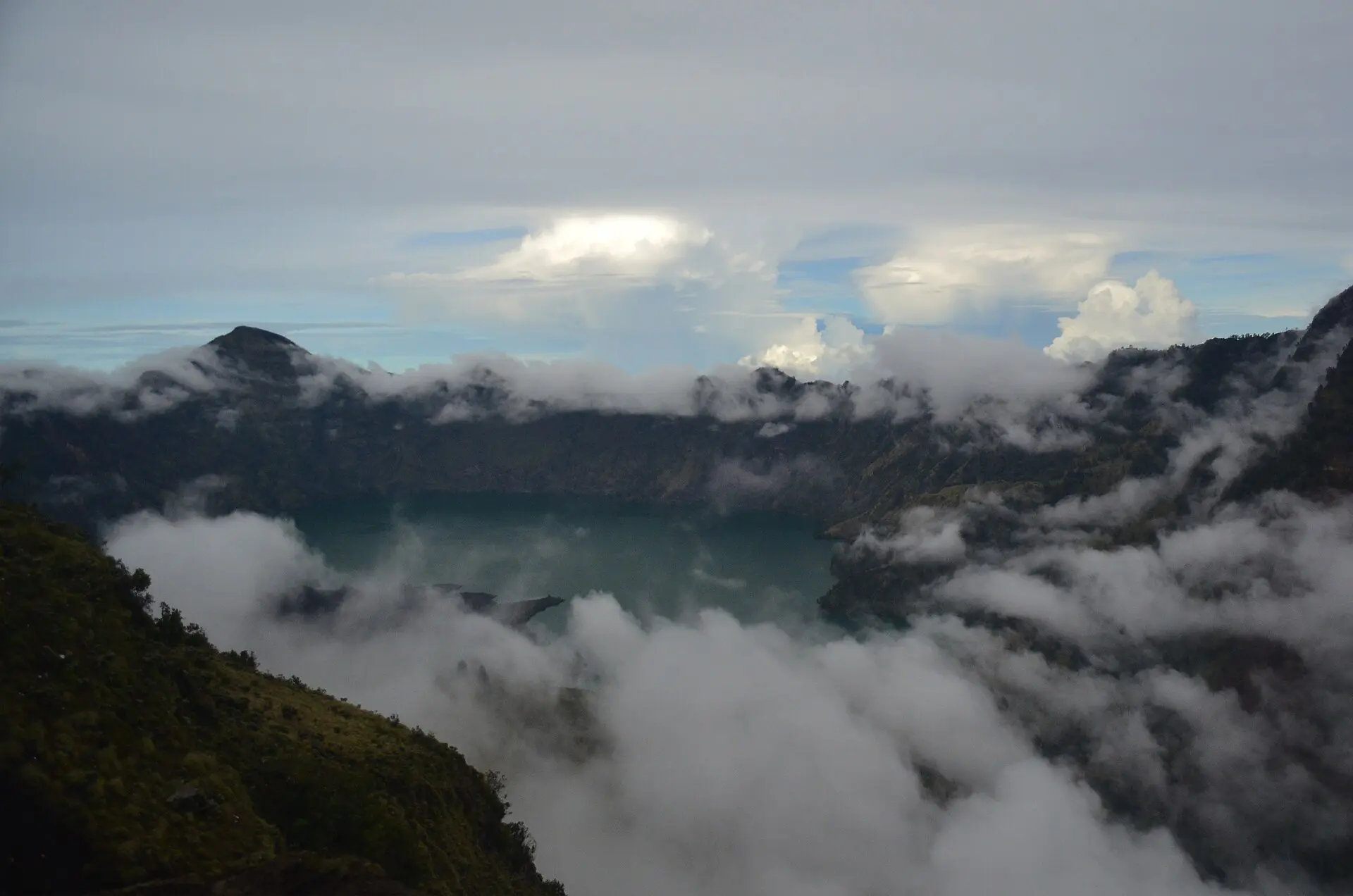
The lake sits at around 2,000 m inside the caldera. Hot springs run nearby; they are a way to rest tired legs, not a reason to stay late. Do not drink the lake water untreated. The new cone, Gunung Baru, rises from the lake and is a volcanic hazard: follow your guide and any current park notices.
5. Climb out to the Senaru rim
This is the hardest day for many people, because legs are already tired. The route climbs rock steps and tree roots with some drops beside the path. Start early. Pause often, and use your guide for route choice after rain.
6. Down to Senaru
The path crosses forest and, in the wet season, turns to mud. Leeches and slippery roots are common. Waterfalls near Senaru make a gentler end to the day, but check that paths there are open after heavy rain.
7. The Torean option
Some operators offer a longer route that leaves from the northeast side toward the lake, and then follows the Senaru descent. It avoids the Sembalun slopes and suits people who want the lake without the summit. Availability depends on trail condition and the operator; ask what the current route is.
Rinjani weather and season windows
- Roughly April to June: trails reopen, ground still damp, clearer mornings. Good if the park is open.
- July to September: the driest and busiest window. Cold, windy summits. Book early.
- October to November: hotter and hazier, with rain building late in the period.
- December to March: wet season. The park is usually closed for part of this period, historically around January to March. Dates are set by the authority and have changed, so check the current notice.
Earthquakes, eruption alerts and landslides have closed or shortened routes in past years. Keep dates flexible.
Build a buffer of one spare day on each side of the trek. If you fly out of Lombok the day after you finish, a late descent or a closed road puts the flight at risk. Book flexible onward tickets, or leave at least 24 hours between the trailhead and any flight or ferry. Fast boats to the Gili Islands and Bali cancel in rough seas, so the same rule applies to the sea leg.
Rinjani fallback days and short alternatives
Have a plan for each failure. If the summit is off because of wind or a closure, trek to the rim camp, sleep, and come down by the same route: you keep the view over the caldera and a 2-day schedule. If the whole mountain is shut, use these.
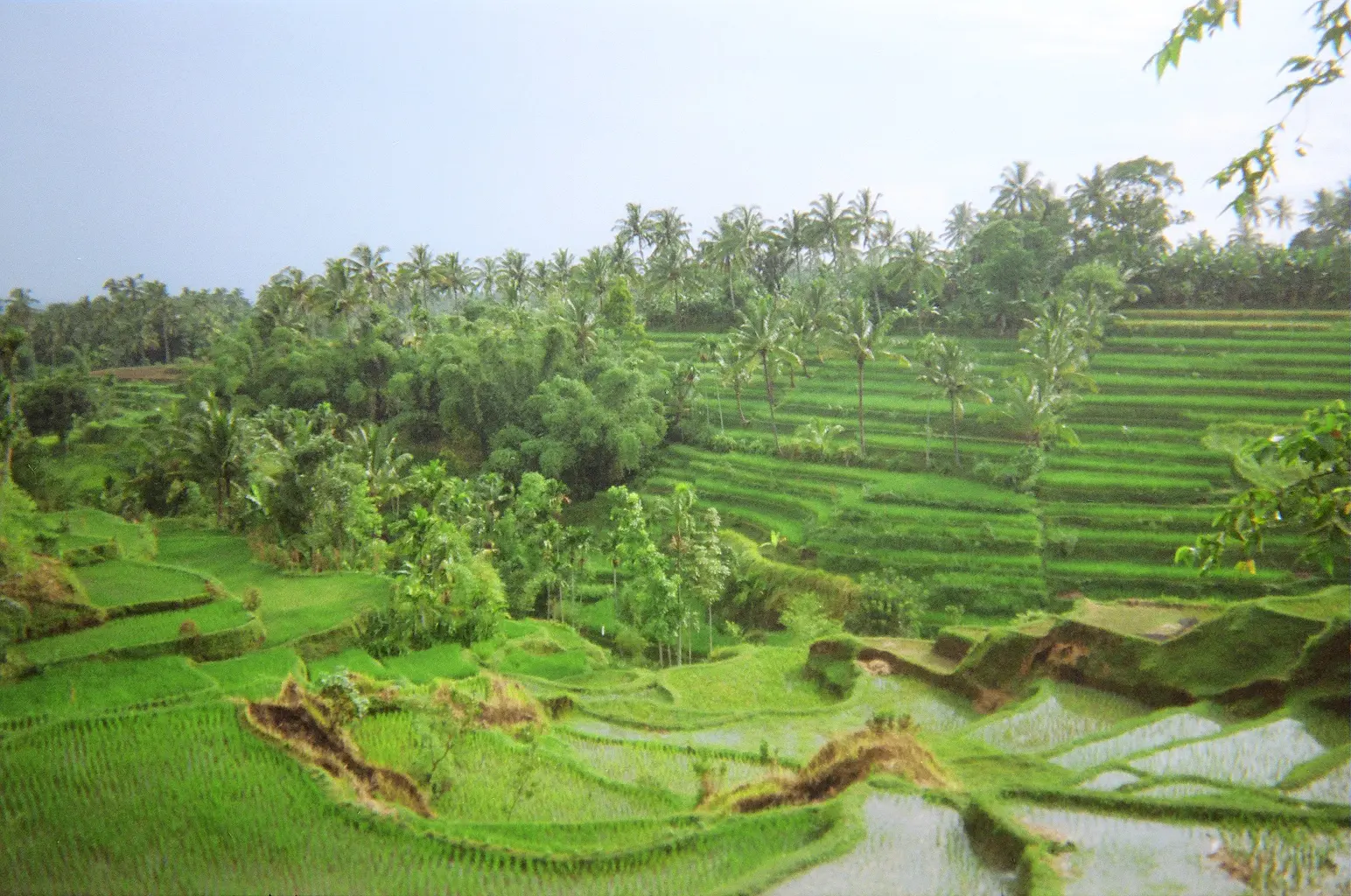
- Tetebatu: rice terraces and short forest walks on the south edge of the national park. Easy, flat, cooler than the coast.
- Senaru waterfalls: half-day walks from the village; check path status after rain.
- Sembalun hills: shorter day climbs above the village for views toward the volcano.
For the island beyond the mountain, see the Lombok guide, and for wider context the Indonesia travel guide.
Skip the Rinjani trek if
- You have knee or ankle problems. The descents do most of the damage.
- You cannot walk 8 hours with a daypack, with no guarantee of rest.
- You are travelling in the wet season and have no flexible days.
- You have untreated heart or lung conditions: the summit exceeds 3,700 m.
- You only want the view. A single-night rim trek or Tetebatu gives it for much less effort.
Costs for the Lombok Rinjani trek
Price tracks what is included, so compare like with like.
All figures are rough and change by season and operator. A 2-day, 1-night group trek has often been priced around 100 to 200 USD per person, and a 3-day, 2-night trek to the lake and out via Senaru around 150 to 350 USD. Park fees for foreigners are charged per day and are sometimes listed separately. Tips for guides and porters are usual; ask what is customary. Sleeping bags, jackets and trekking poles can be rented; check quality before you leave town.
FAQ about the Lombok Rinjani trek
How long is the Rinjani trek?
Two days and one night is the shortest practical route to the summit. Three days and two nights adds the lake and the Senaru descent, with a rest day. Four days is possible if you want a slower pace or a bad-weather buffer.
When is Rinjani closed?
The park has typically been closed for part of the wet season, around January to March, and reopens when conditions allow. Closures also follow earthquakes, eruption alerts and landslides. Always check the official notice just before booking.
Do you need a guide for Rinjani?
As of 2026, foreign trekkers are generally expected to go with a licensed guide, and independent hiking has been restricted. The terrain is easy to get lost on in cloud. Confirm the rules and use a registered operator.
Is the Rinjani summit dangerous?
Yes, it can be. Loose scree, wind, cold and altitude cause falls and exhaustion, and deaths have occurred on the mountain. Turn around if you are dizzy, soaked or cannot keep your footing, and follow your guide’s call.
Can you do Rinjani without the summit?
Yes. Trek to the crater rim and the lake, then leave via Senaru. You see the caldera, hot springs and the lake with less exposure and less altitude. Ask for this option when booking, and ask what the operator does if the summit is closed on the day: a clear refund or re-route policy is a sign of a careful company.
For background, see the Lombok guide on Wikivoyage and the Lombok article on Wikipedia.