Korean street food is built around cheap, hot, portable snacks sold from carts and market lanes, mostly from mid-afternoon until late evening. Start with tteokbokki (chewy rice cakes in red chilli sauce), add fish cake skewers and a fried item, and finish with something sweet and griddled. Most snacks cost a few thousand won, which is roughly 1-4 USD as of 2026. Below: what each dish is made of, when markets run, what to pay and how to eat without a misstep.
How Korean street food fits into the day
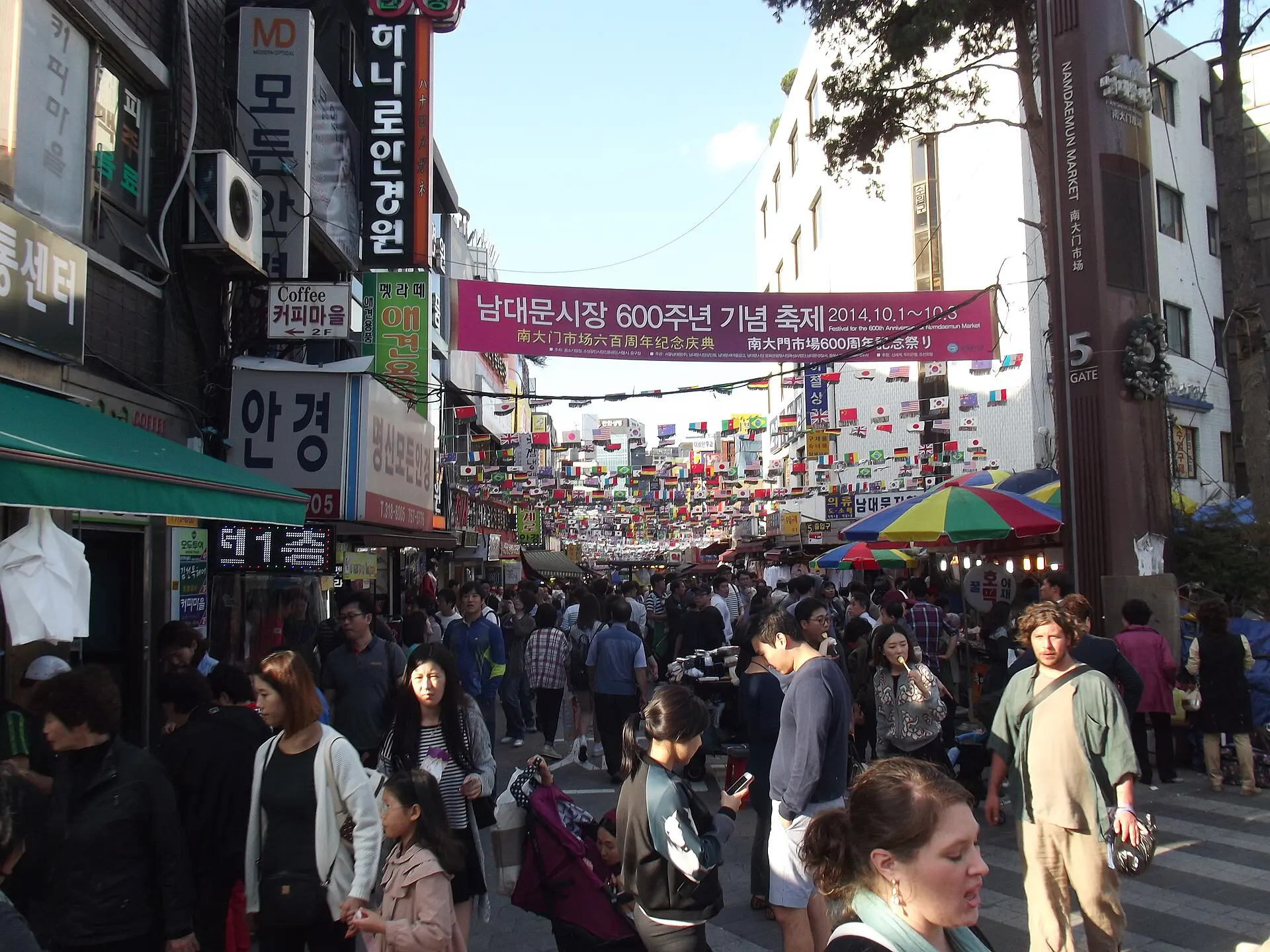
In South Korea, street snacks are called bunsik or gangsik, and they sit between meals rather than replacing them. Breakfast is often rice and soup at home, lunch is a quick set meal, and the street comes alive when school ends and offices empty. Hence the busiest carts appear from about 15:00 and peak around dinner time, then again late at night for drinking snacks.
- Morning: toasted sandwiches and egg bread near stations, hot sweet drinks in winter.
- Afternoon: tteokbokki, fish cake, fried snacks, hotteok.
- Night: grilled skewers, fried chicken, small tented stalls that serve food with soju.
The system rests on tight, shared kitchens: one broth pot, one fryer, one griddle serving a whole lane. That is why you will see the same dozen items in every market, each a little different. The South Korea travel guide covers the cities in more detail.
Best Korean street food to order first: 8 dishes
These eight cover the main techniques: simmered, fried, griddled, grilled and steamed. Menus change with the season and from city to city, so use this as a map and not a fixed list.
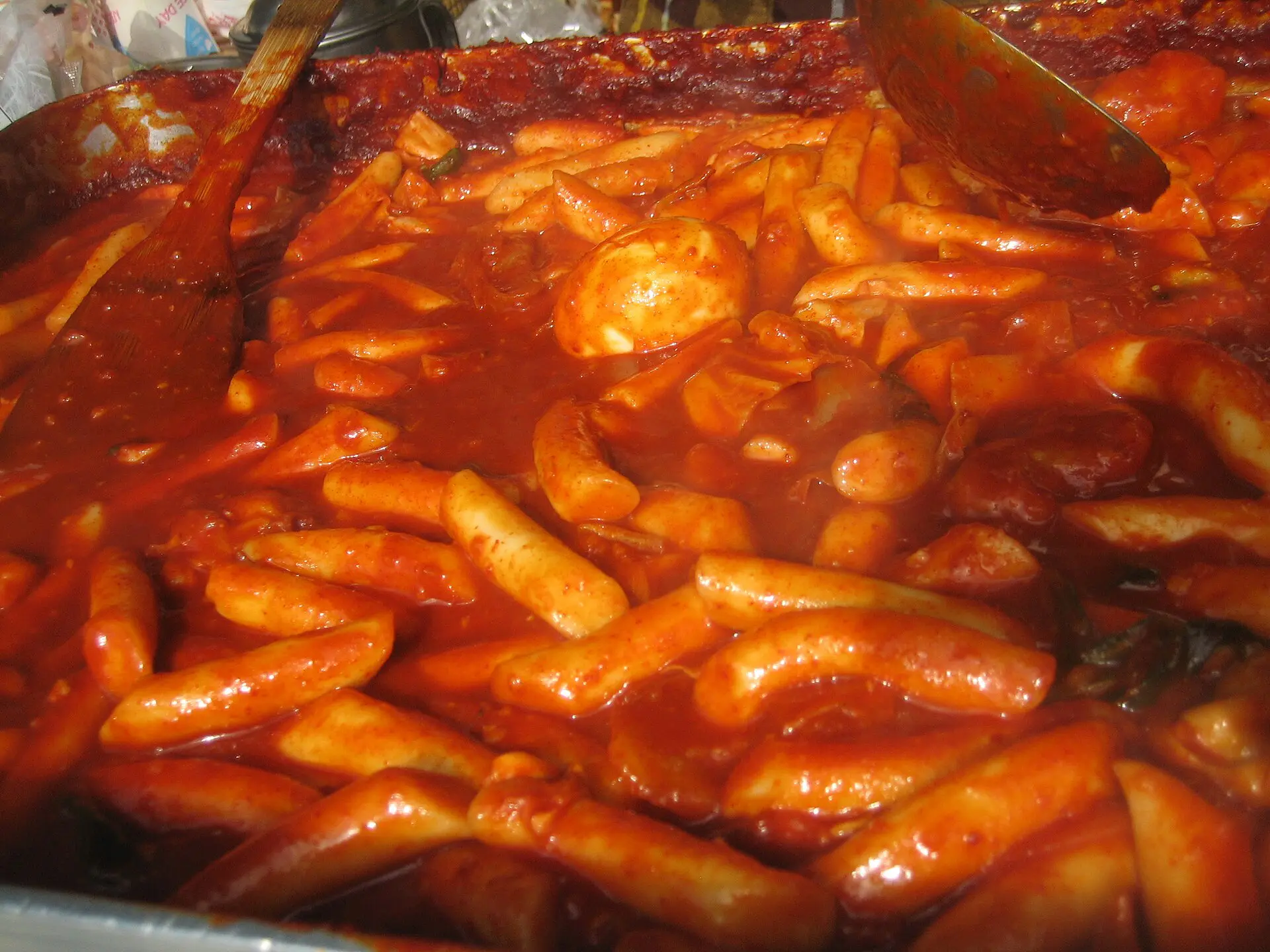
1. Tteokbokki, rice cakes in chilli sauce
Cylinders of rice flour are simmered in a sauce of gochujang (fermented red chilli paste), sugar and anchovy stock until the surface turns glossy and the centre stays chewy. Cabbage, scallion and boiled egg often go in. It is the default snack of Seoul and one of the most common sights in any market. A paper cup costs about 3,000-5,000 won, roughly 2-4 USD, as of 2026.
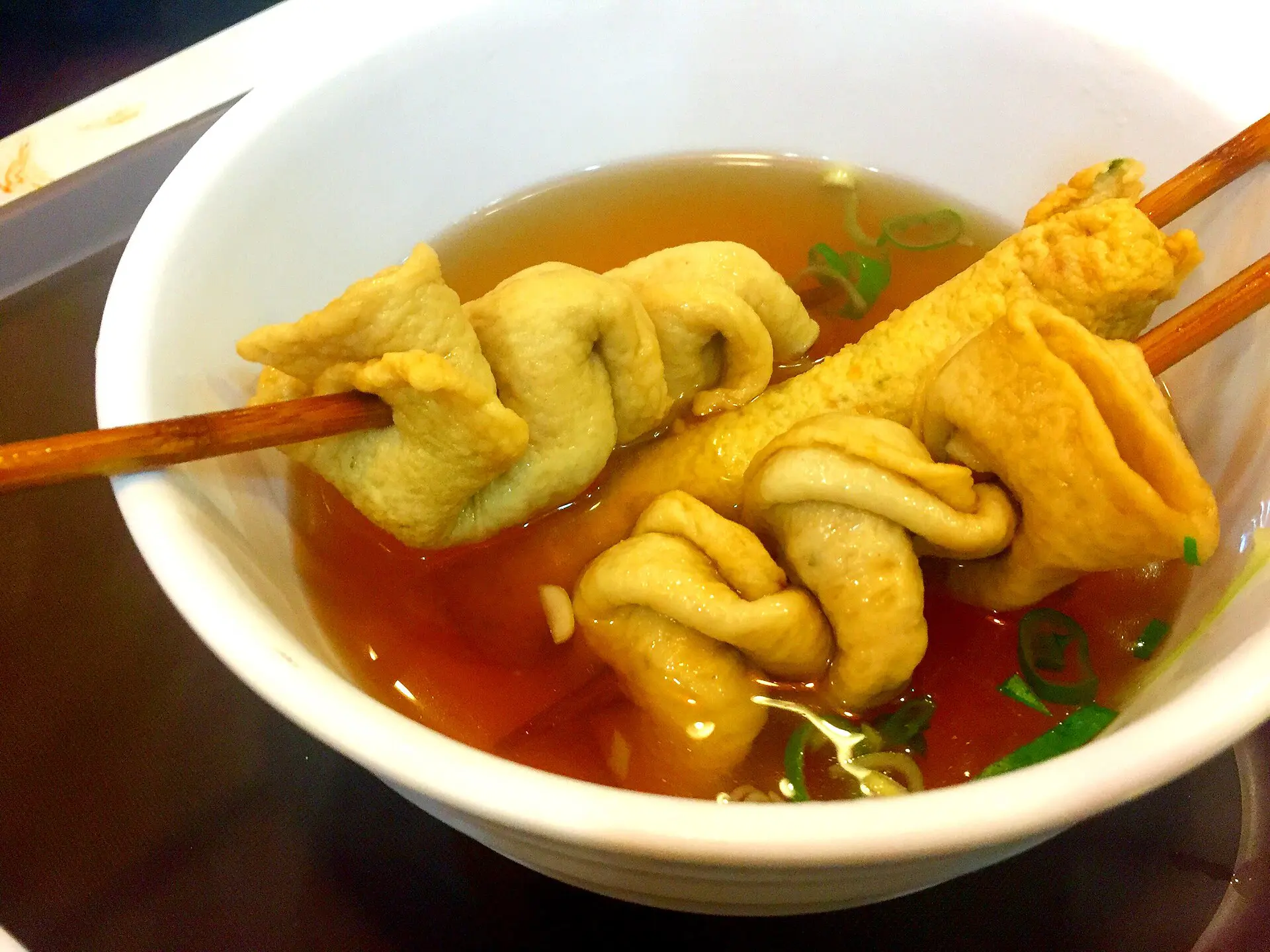
2. Eomuk, fish cake skewers in broth
Skewered sheets of ground white fish are simmered in a clear radish and kelp broth. In many markets the broth is free, served in small paper cups from the same pot. It is a winter staple and a mild counterweight to chilli-heavy snacks. A skewer is usually priced at around 1,000-2,000 won.
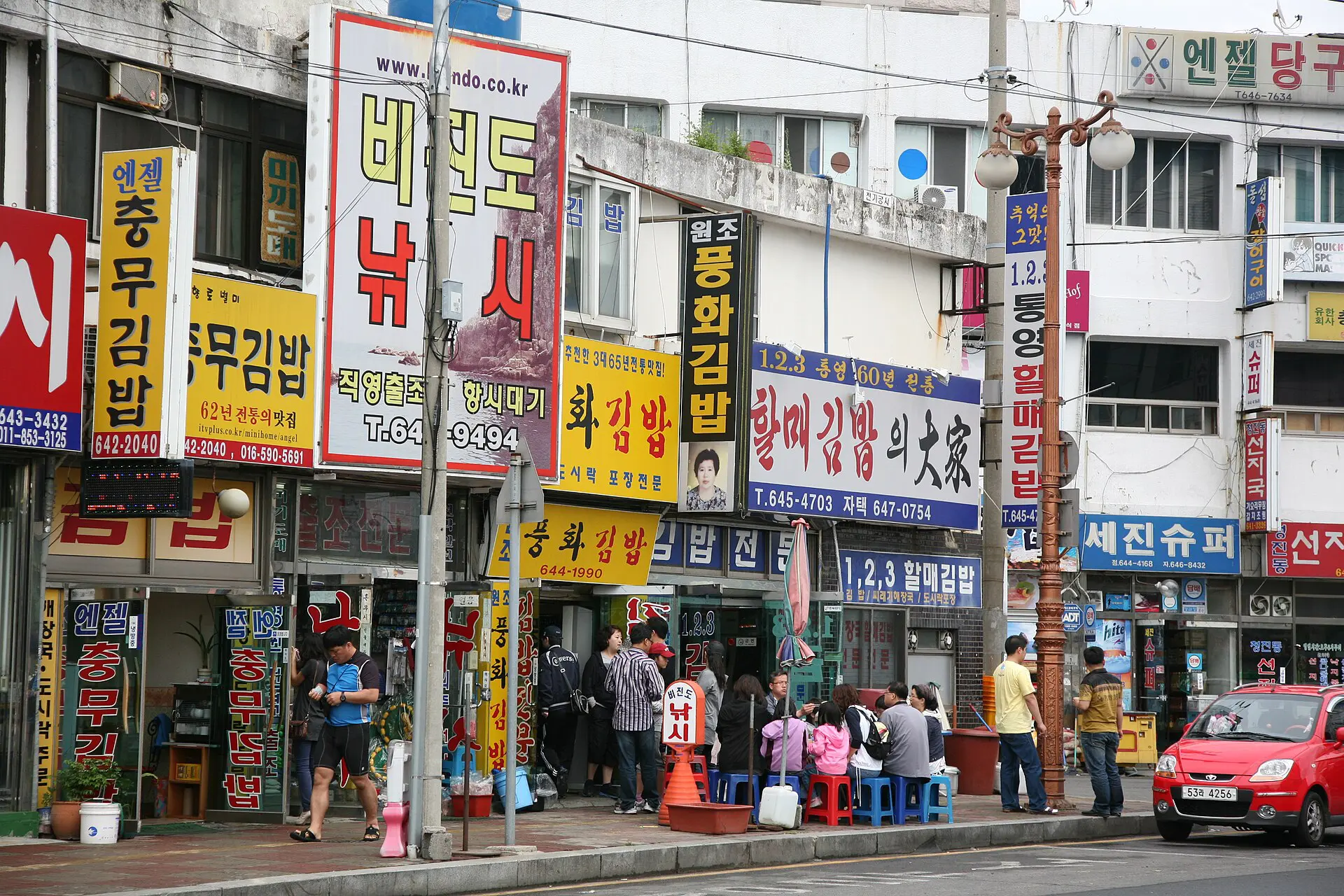
3. Gimbap, rice rolls for the road
Seaweed wrapped around rice, pickled radish, egg, carrot, spinach and ham or fish cake, sliced into rounds. It looks like sushi but is seasoned with sesame oil and salt rather than vinegar. Gimbap is the commuter and picnic food, sold from tiny counters or markets from early morning. A roll is typically 3,000-5,000 won, about 2-4 USD.
4. Twigim, fried vegetables and seafood
Twigim means fried things: sweet potato, squid, pepper, dumplings and sometimes seaweed rolls, battered and dropped into hot oil. They are often paired with tteokbokki, with the sauce used for dipping. Pick pieces from the tray, and the cook refries them for a minute. Pricing is per piece or per small portion, usually a few thousand won.
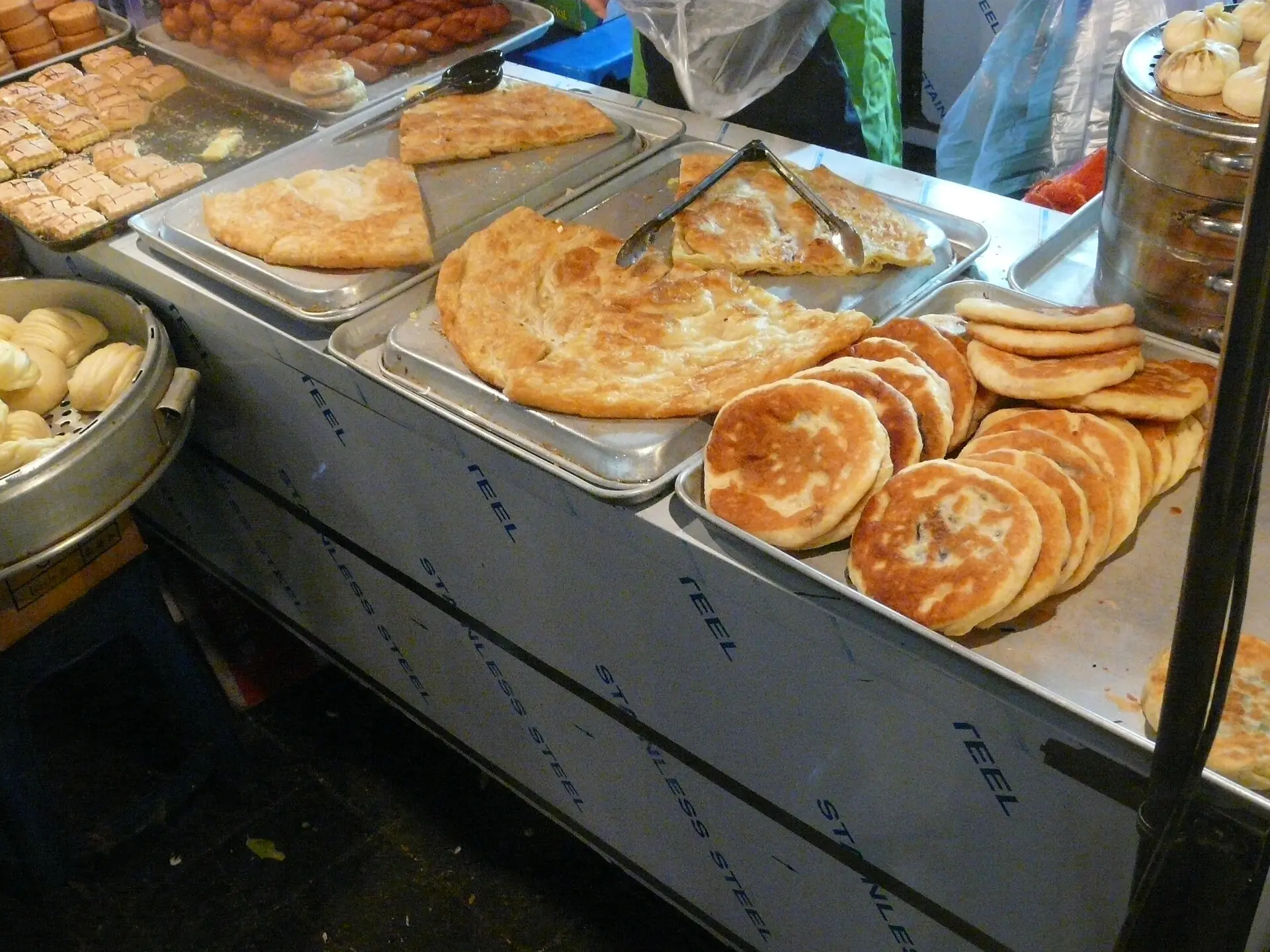
5. Hotteok, the sweet griddled pancake
A yeasted dough ball stuffed with brown sugar, cinnamon and chopped nuts is pressed flat on a griddle until crisp outside and molten inside. It is a cold-weather street snack, sold in the afternoon and evening. Hold it by the paper cup, as the filling is extremely hot. Expect around 1,500-3,000 won.
6. Sundae and soondae, blood sausage with rice noodles
Korean sundae is a steamed sausage made with pork blood, glass noodles and barley, served sliced with salt or a sesame-salt dip. It is an acquired taste and a traditional market-stall staple, especially in Busan and in old markets. If you are unsure, ask for a half portion. It is priced like other mid-range snacks.
7. Dakkochi and tornado potatoes, the grilled and fried skewers
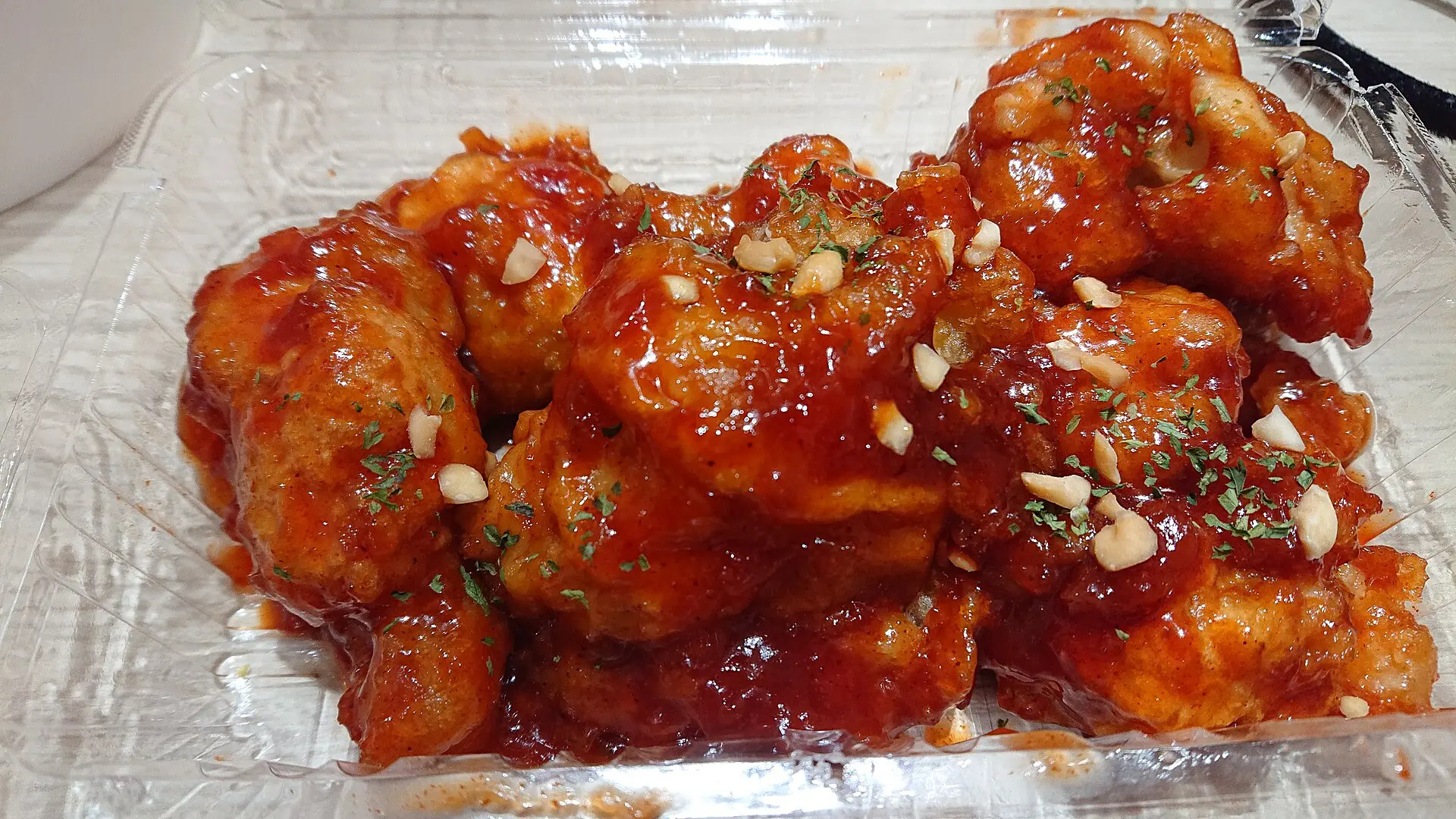
Dakkochi is chicken pieces on a skewer, glazed with a sweet-spicy sauce and charred over coals. Fried potato spirals, sometimes called tornado potatoes, are cut from a single potato and rolled in seasoning powder. Both are modern fair-and-market foods, easy to eat while walking. Prices usually run 2,000-5,000 won.
8. Bungeoppang and gyeranppang, the winter breads
Fish-shaped bungeoppang holds sweet red bean paste; gyeranppang is a small loaf with a whole egg baked in. Both are made in hot moulds on a cart, and they are most common from late autumn to early spring. A small bag is cheap, usually 1,000-3,000 won, and the cart is easy to spot by the queue of schoolchildren.
Market timing at Korean food lanes
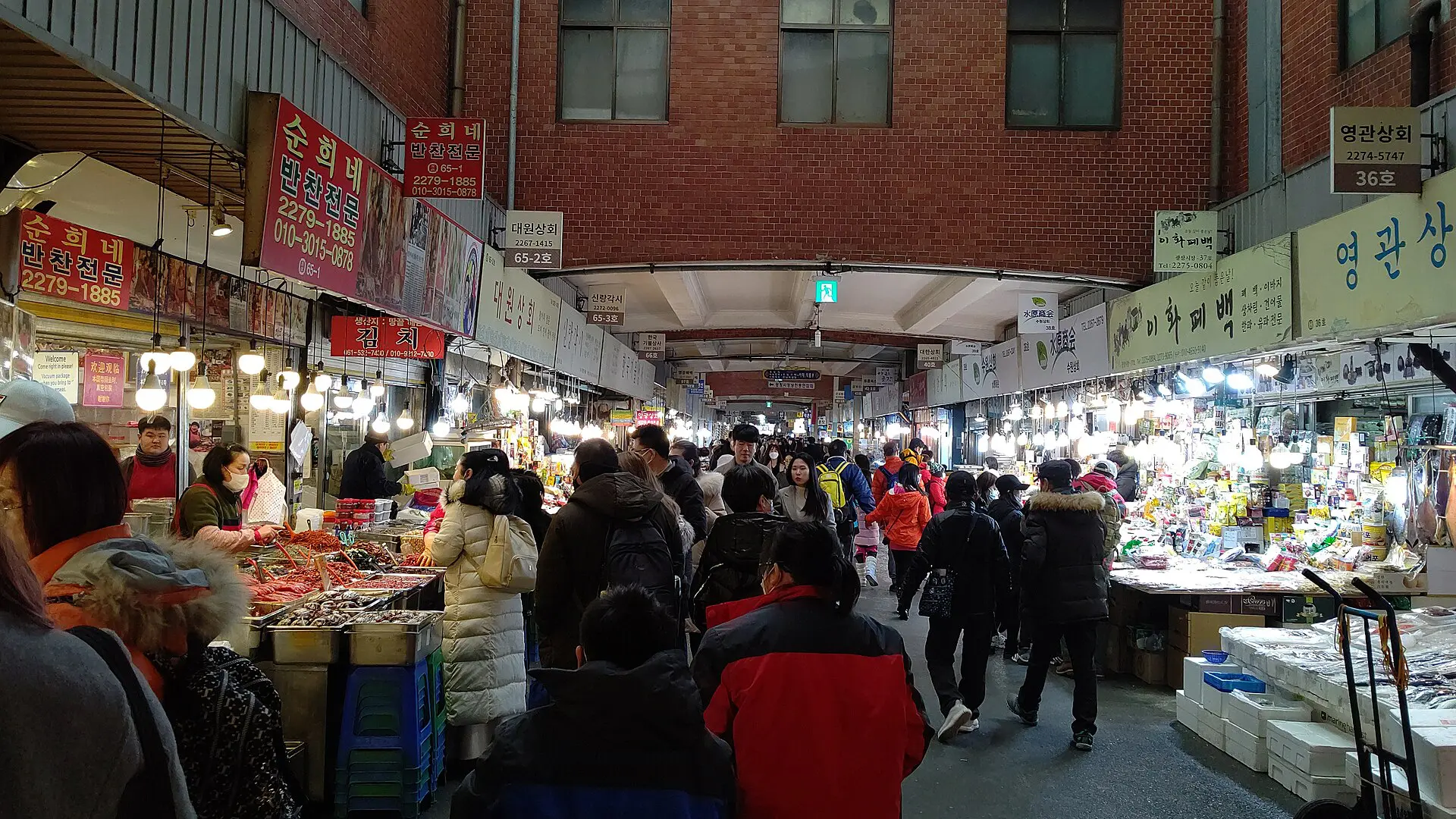
Traditional markets in Korean cities, such as the large covered markets of Seoul, Busan and Daegu, are open much of the day, but their food stalls have a rhythm. Vegetable and fish sellers start work around 06:00, while ready-to-eat stalls mostly begin from about 10:00-11:00.
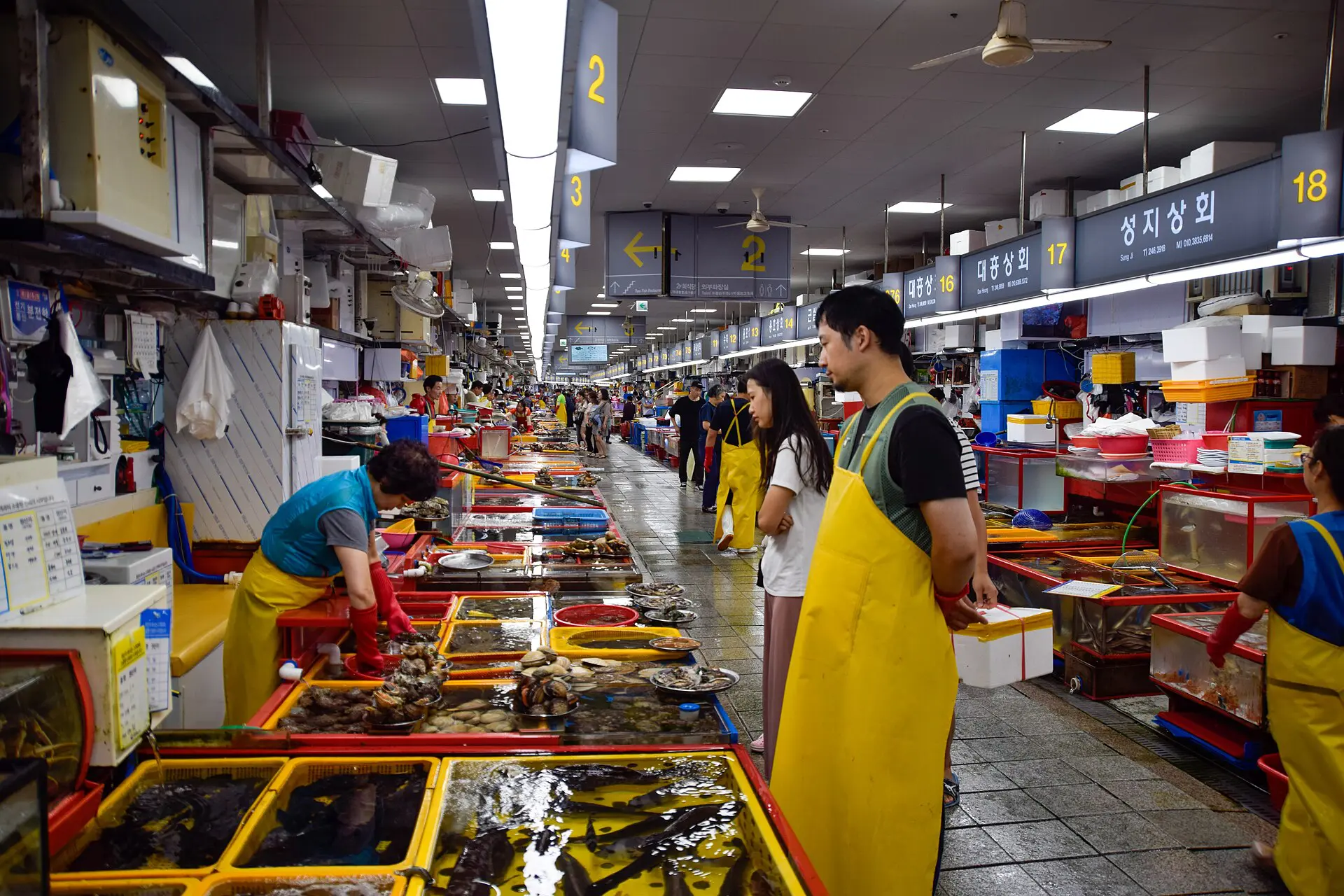
The pace is predictable once you see it. Many open late morning, grow busy at lunch, and thin out after about 20:00. Night markets and tented stalls work later and often serve food with alcohol.
- Go before 11:30 or after 14:00 to avoid the lunch rush at the most popular lanes.
- Look for turnover. A full pot or tray with a steady line of locals means fresh food.
- Check closing days. Some traditional markets close on a set day each month, and weather affects open-air stalls. Confirm locally.
Busan, the second city and main beach destination per Wikivoyage’s South Korea guide, has its own seafood-heavy market culture, with raw and grilled fish at harbour stalls.
Korean street food prices by item
South Korea is a wealthy country and street food is cheaper than a sit-down meal but not rock-bottom. These are rough per-person ranges, converted to USD, as of 2026. Prices rise in tourist-heavy districts, so check before you order.
| Item | Typical street option | Rough band (USD) |
|---|---|---|
| Small snack | Fish cake skewer, hotteok | 0.75-2 |
| Snack portion | Tteokbokki, twigim, sundae | 2-4 |
| Rice roll | Gimbap | 2-4 |
| Street meal | Several snacks or a set meal at a market | 6-12 |
Most carts post their prices on a board. Cash is common at small carts, though many accept cards or transit cards, so carry some small notes.
Etiquette at Korean food carts
Koreans eat standing at the cart or at a small counter, then hand back the cup or skewer stick. Look for a small bin or cup nearby, and do not carry sauce-dripping snacks into shops.
- Use the right tools. Metal chopsticks and a small fork or toothpick come with most snacks. Do not stick chopsticks upright in rice.
- Sharing is normal. A single cup of tteokbokki with two toothpicks is typical among friends.
- Receive and pay politely. Take items with both hands or with the right hand supported by the left, and hand over money similarly.
- Tipping is not expected. There is no tipping culture at carts or restaurants.
- Do not eat while walking through busy shops or buses. Eat at the cart.
Pair snacks with a drink. Cold barley tea, sweet rice punch (sikhye) and canned coffee are common from carts and corner shops, usually 1,000-2,000 won. At night stalls pair skewers with soju or beer, and the same snack may cost more once alcohol is involved.
How to read a Korean street menu with a language barrier
Many carts show photos or plastic samples, and tourist markets usually have English or picture boards. Point, show a number with your fingers and use a translation app for ingredients. The Korean alphabet is simple to learn and reading dish names helps.
- Maeun means spicy. Ask for “an maep-ge” (not spicy) if you want milder food.
- Gogi is meat, saeu is shrimp, ojingeo is squid. Check before you order if you avoid any.
- Ppang is bread or baked dough, while “tang” means soup or stew.
What to skip at Korean carts
I would skip the cart with no customers, any food that sits long in a lukewarm tray and the heaviest chilli level if you are not used to it. Some snacks are very spicy, even for people who like chilli. Raw seafood and live octopus are novelty items, not a necessary part of your first visit. Pork blood sausage and fermented items are an acquired taste, so go slowly.
Also skip the expectation that every market is cheap, since popular tourist lanes can charge more. For general country background, read the Wikipedia entry for South Korea.
FAQ about Korean street food
What is the most popular Korean street food?
Tteokbokki, chewy rice cakes in a sweet and spicy red chilli sauce, is the most common and most recognised snack. Fish cake skewers, gimbap, fried items and hotteok follow. You will find all of them in nearly every city, with regional twists.
Is the food spicy?
Some of it is, especially tteokbokki and spicy sauces, but not everything. Fish cake in broth, hotteok, gimbap, bungeoppang and many fried snacks are mild. Ask for a milder version or pair a spicy item with something cooling like a sweet drink.
How much should I budget for snacks?
Most snacks are about 1,000-5,000 won, roughly 1-4 USD, as of 2026. A full meal of several snacks might come to 6-12 USD. Tourist-heavy districts charge more, so compare a few carts and look for posted prices.
Is Korean street food safe to eat?
Generally yes, as South Korea has high hygiene standards, and food is cooked hot to order. Choose busy carts, avoid anything lukewarm, and be careful with raw seafood. If you have allergies, learn the key words for shellfish, peanuts and wheat before you go.
What is the best time to eat Korean street food?
Late afternoon and early evening is when most carts are busiest and freshest. Winter is the season for fish cake, hotteok and bungeoppang. Late night brings grilled skewers and tented stalls, although you should check local hours because they vary.