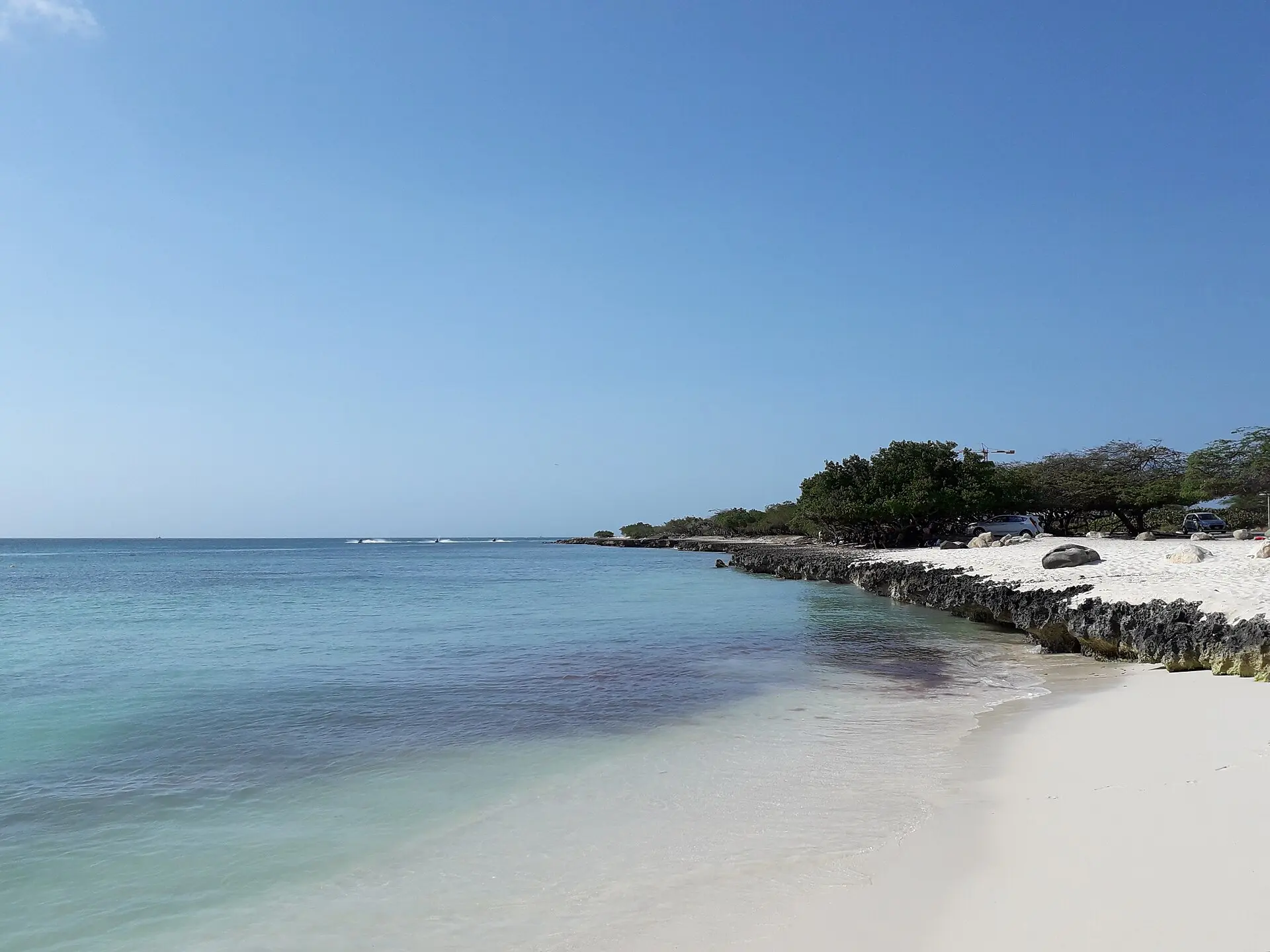
The best kid friendly Caribbean resorts are the ones on islands with short airport transfers and calm water, and for most families that means Aruba, Antigua, Barbados or the Punta Cana coast. Jamaica and St Lucia work well too, but their transfers can run past an hour. Pick the island by your child’s age and your tolerance for a long arrival day, then choose the resort. The comparison below does it in that order.
Kid friendly Caribbean resorts compared: island, cost and transfer
These are directional figures for a family of four for one week at a mid-range resort in 2026, without flights. Rates swing widely between peak weeks, roughly mid-December to April, and the quieter summer and autumn. Always check the current rate and the transfer time for the specific resort.
| Island | Typical transfer | Sea for young swimmers | Cost level |
|---|---|---|---|
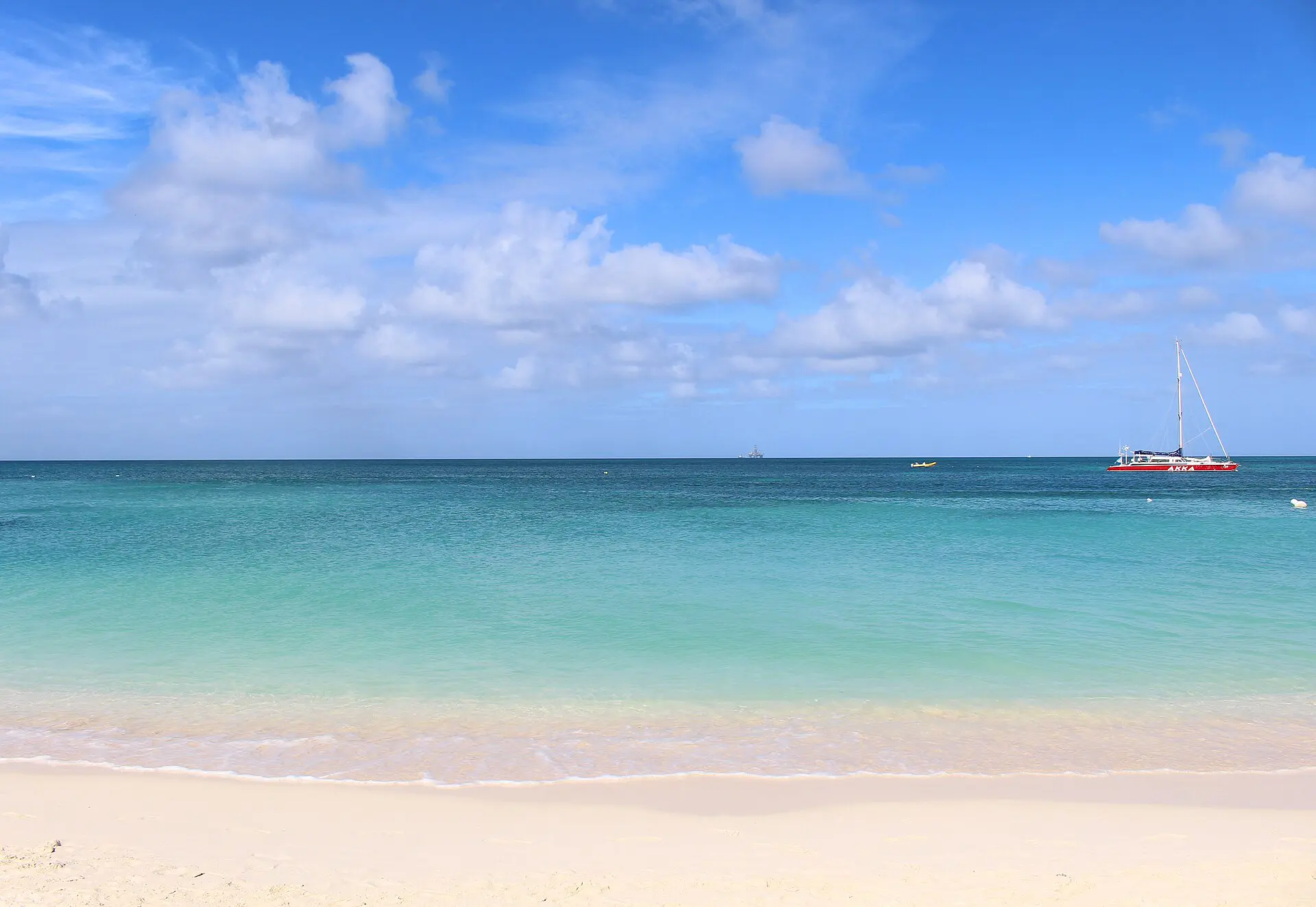
| Aruba | 10 to 25 minutes | Calm on the west coast | High |
| Antigua | 15 to 40 minutes | Mostly calm, many small bays | Mid to high |
| Barbados | 25 to 45 minutes | Calm on the west, rough on the east | High |
| Punta Cana, Dominican Republic | 15 to 45 minutes | Shallow and reef-protected in many places | Low to mid |
| Jamaica | 20 minutes to 2 hours | Varies by resort | Mid |
| St Lucia | 30 minutes to 90 minutes | Calm on the west coast | Mid to high |
| Bahamas (Nassau) | 20 to 30 minutes | Calm, shallow in places | Mid to high |
The cost column matters less than the second one. A low rate on an island with a two-hour transfer takes a day out of a seven-day trip.
Where each Caribbean island costs more or less
Each item covers the transfer, the water, the age fit and the trade-off. Choose one island and stay for the week.
1. Aruba: short transfers, dry weather
The airport is close to the main resort areas, and the island is dry and flat with a steady breeze. It also lies south of the usual hurricane track, though no island is guaranteed safe. The west-coast beaches are calm and shallow. Age fit: all ages. Trade-off: costs are generally high, and the breeze can make the shade feel cooler than the sun is.
2. Antigua: small bays and a compact island
Antigua has many sheltered bays, and the airport is not far from most resorts, so transfers are short. Resorts range from large family properties to small villa-style ones. Age fit: two years and up. Trade-off: fewer big-brand kids’ clubs than in the Dominican Republic, and flight options from some countries are limited.
3. Barbados: the west coast for calm water
The west coast has calm water, and the east coast faces the open Atlantic, so choose the side first. The island is easy to get around and has plenty to do on a rainy day, such as cave or museum visits. Age fit: all ages, with some food variety for fussy eaters. Trade-off: high prices and a limited all-inclusive choice.
4. Punta Cana: value and a large resort choice
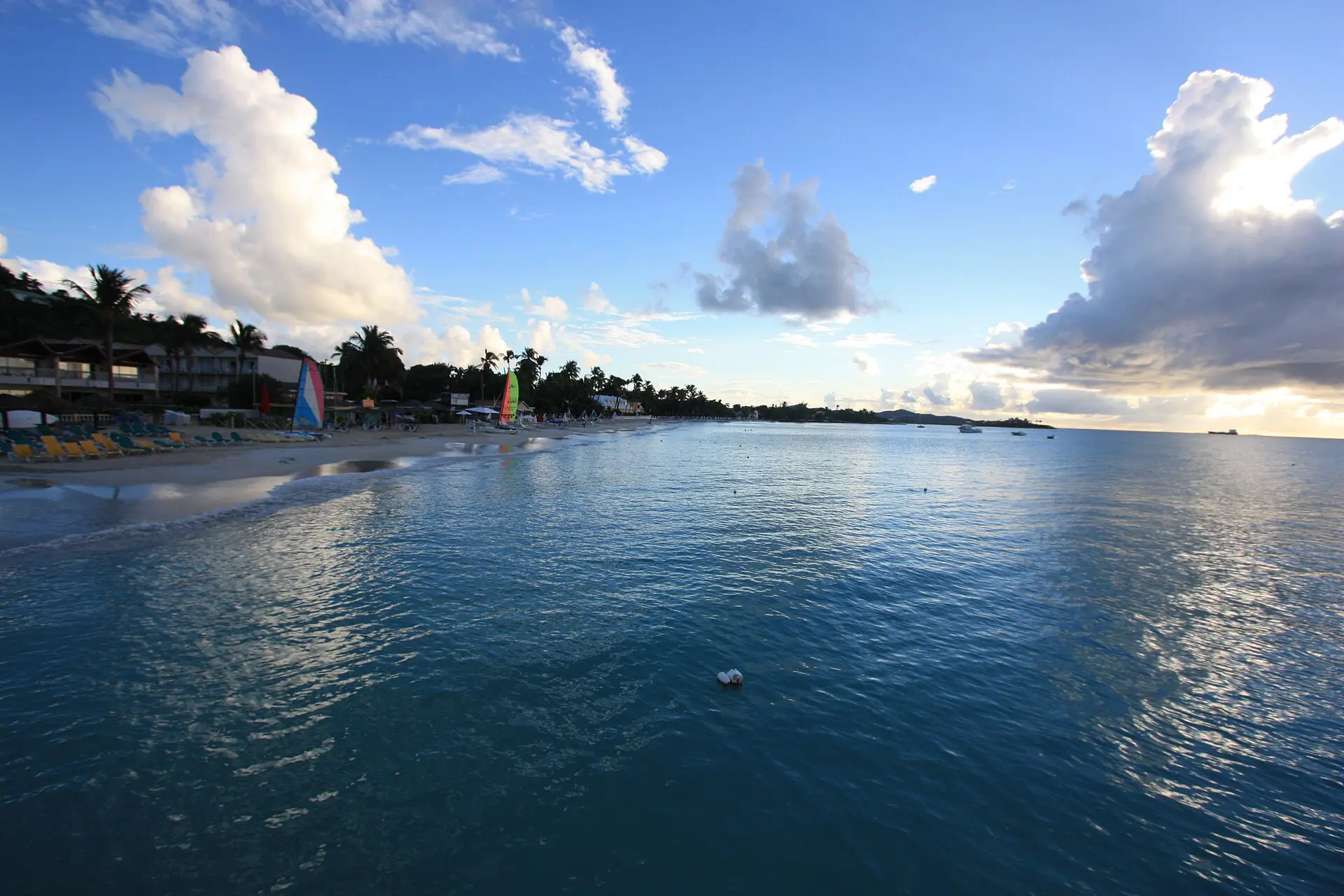
This stretch of the Dominican Republic has long beaches, many all-inclusive resorts and direct flights from several North American and European cities. Prices are often lower than on other islands. Resorts are large, so ask where your room sits in relation to the lobby, pool and kids’ club. Age fit: all ages. Trade-off: resort sprawl and few reasons to leave it.
5. Jamaica: check the resort’s location carefully
Jamaica has several resort areas, and transfer times vary from short to over two hours depending on the airport and the area. Montego Bay is closer to its airport than most others. Check the distance before you book. Age fit: four and up when a long transfer is involved. Trade-off: the price may not reflect the transfer time.
6. St Lucia: scenery with a long arrival day
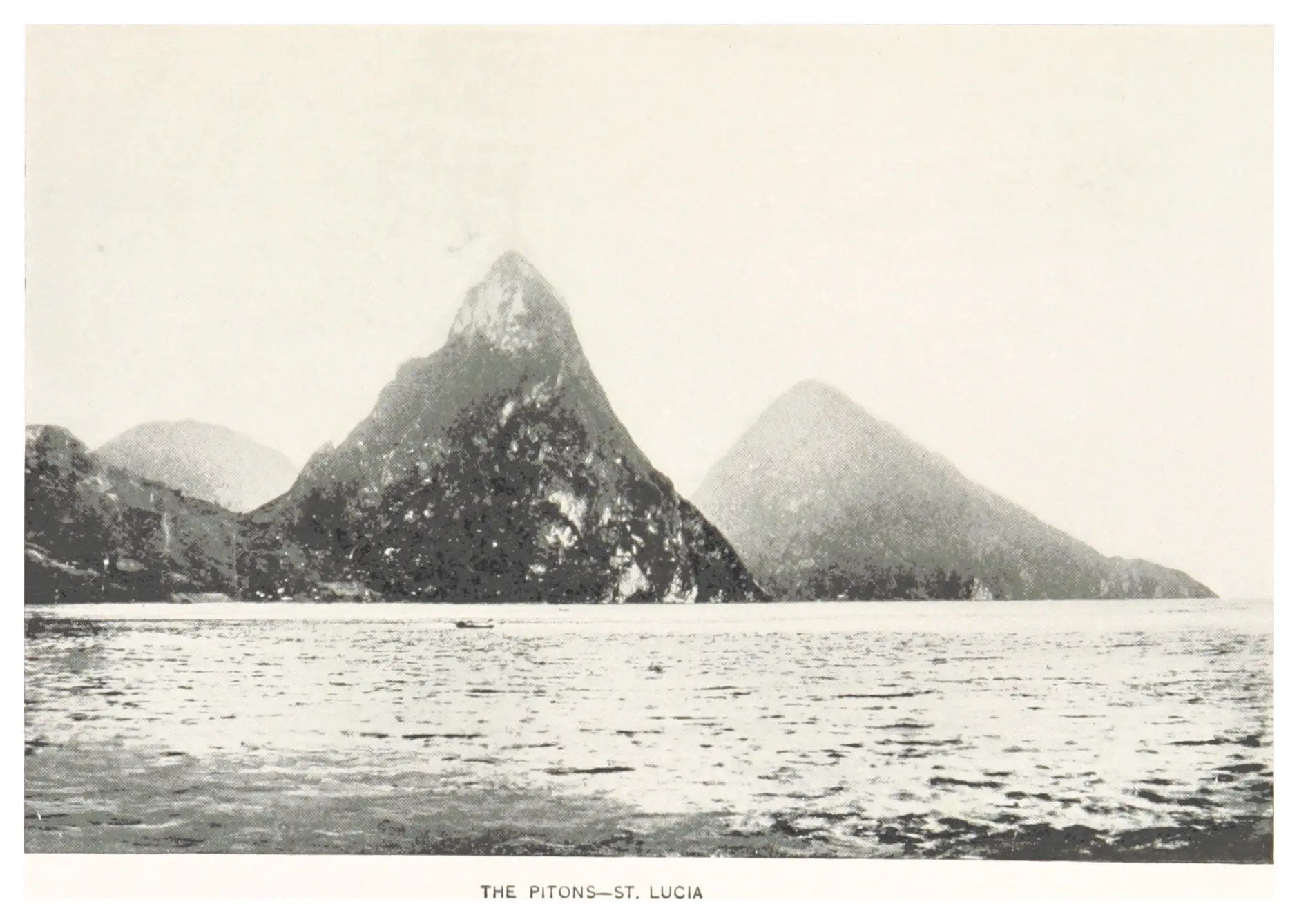
The island is green and dramatic, with warm, calm west-coast beaches. The main international airport is in the south, so transfers to the north can be around 75 to 90 minutes on winding roads. Some visitors use the smaller airport, which is closer to some resorts but has fewer flights. Age fit: five and up, or a resort in the south. Trade-off: winding roads can upset children prone to motion sickness.
7. Nassau: short flights from Florida
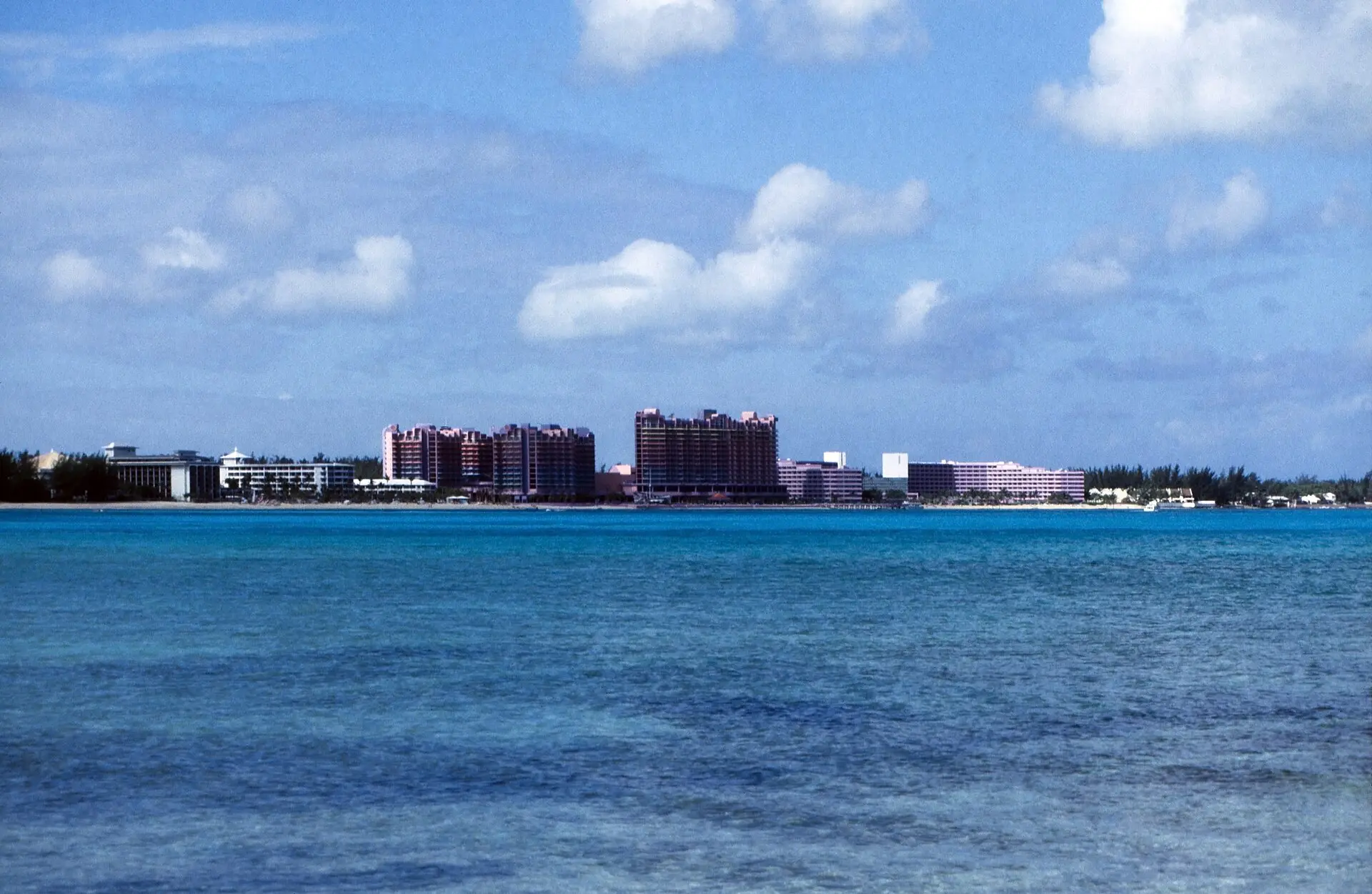
The Bahamas has some of the shortest flights from the eastern United States, which helps with a child who does not travel well. Resorts here are large and built around pools and water parks. Beaches are calm. Age fit: all ages. Trade-off: a more built-up setting and costs that can rise at peak times.
Flight and transfer deltas across the Caribbean
The Caribbean sounds close on a map, and then a connection through a hub adds half a day. Count the whole journey.

- Direct flights: the Bahamas, Aruba, Punta Cana, Jamaica and Barbados have direct services from major North American and European hubs, though schedules change by season.
- Connections: smaller islands often require one. Leave at least two hours between flights with children.
- Transfer cap: keep it under 60 minutes with children under five, or plan the first night near the airport.
- Time zone: most of the region is within an hour of US Eastern time, so jet lag is small for North American families and larger from Europe.
How to decide between two islands
If two islands are close on cost, use these decision points in order. Stop at the first one that separates them.
- Longest transfer. Reject any resort over 60 minutes from the airport if a child is under five.
- Direct flight. Prefer the island with a direct flight from your city, even at a slightly higher fare.
- Room layout. Confirm a room that sleeps four with a door between the beds and the sitting area.
- Season. If you travel between June and November, choose the island with the lower storm exposure and flexible terms.
These four checks usually decide the matter before price does, and they are quick to do from the resort’s own pages.
Which island suits which age
Age and stamina note. Toddlers need short transfers and shade, so Aruba, Antigua and the Bahamas fit best. Children aged four to eight like shallow water and a club with a fixed schedule, which suits Punta Cana and Barbados. From nine up, snorkelling, boat trips and cave visits add variety, and St Lucia and Jamaica become easier.
| Priority | Best island | Why |
|---|---|---|
| Shortest arrival | Aruba, Bahamas, Antigua | Under 40 minutes from the airport |
| Lowest cost | Punta Cana | Many all-inclusive resorts compete on price |
| Calm water | Aruba, Barbados west coast | Sheltered, shallow beaches |
| Most to do off the resort | Barbados, St Lucia | Caves, boats, markets, short hikes |
Rest, meal and nap anchors. Swim in the morning, eat lunch in the shade and rest indoors from about 13:00 to 15:00, when the sun is strongest. Dinner can be early, as many resort restaurants open at 18:00. Tired-day or rainy-day fallback: a kids’ club session, a resort indoor space, a short museum or a cave visit. Showers in the wet season are often brief.
A pacing grid for a Caribbean week
| Day | Anchor | Drop-able block | Longest transfer |
|---|---|---|---|
| 1 | Arrival and pool | Beach walk | Airport to resort |
| 2 to 3 | Beach morning, rest, club | Evening entertainment | None |
| 4 | Half-day boat trip or town visit | Second stop | Up to 45 minutes each way |
| 5 | Pool day (reset) | Everything | None |
| 6 | Snorkel or water park | Souvenirs | Under 30 minutes |
| 7 | Departure | None | Resort to airport |
What the cheaper Caribbean option costs you
Lower prices are available, mostly in the wet season and at large all-inclusives. Know what you trade.
- Weather risk. Hurricane season runs from June to November, with the peak risk in late summer and early autumn. Choose flexible terms and insurance.
- Distance. A cheaper resort may be far from the airport or the beach.
- Seasonal closures. Some restaurants and kids’ clubs reduce hours in the low season.
- Add-ons. Resort fees, excursions and drinks outside the plan add up.
For more ways to cut costs, see our guide to cheap Caribbean vacations, and the Wikivoyage Caribbean guide for island-by-island basics.
FAQ about kid friendly Caribbean resorts
What is the best Caribbean island for toddlers?
Islands with short transfers and calm water suit toddlers best, such as Aruba, Antigua and Nassau. Check for shade, a shallow pool, cot availability and a room near the lobby. A resort with a kitchenette helps with snacks and early meals.
Are all-inclusive Caribbean resorts worth it for families?
Often yes, if the family will use the meals, the club and the activities, because costs are fixed up front. They are less useful for families who want to eat out or explore. Compare what is included, including snacks, drinks and any age limits.
When is the best time to go to the Caribbean with children?
The driest and most expensive period is roughly mid-December to April. Summer is cheaper and hotter, with more showers and a hurricane risk from June to November. Families tied to school holidays should book early and check cancellation terms.
Which Caribbean islands have the shortest flights from the United States?
The Bahamas, Turks and Caicos and some Dominican and Puerto Rican destinations are among the closest to the southeastern United States. Flight time depends on your departure city, so check the schedule and count connections.
Is the Caribbean too hot for young children?
It is warm all year, so plan around the heat rather than avoid it. Swim in the morning, rest at midday, use shade and sun protection, and keep water at hand. Evenings are comfortable, which is when to schedule a walk or an early dinner out.