Cheap Caribbean vacations come from three choices: a lower-cost island such as the Dominican Republic, Jamaica or Puerto Rico, travel between late April and mid-December, and a board basis that matches how you will actually spend your days. Flights and lodging make up most of the bill, so those two decide the trip, and the rest is trimming.
How to price a cheap Caribbean vacation
The headline rate is rarely the trip cost. A cheap room on an expensive island can cost more than a mid-range room on a cheap one once food, transfers and taxes are added. Compare total cost for the same itinerary, using these levers in order of impact.
- Island: price tiers differ more than any other factor, with the same week costing two or three times as much on the dearest islands.
- Season: the dry, busy months from mid-December to April carry peak rates. Late April to mid-December is lower, with hurricane risk to manage.
- Board basis: room only, half-board or all-inclusive. The best choice depends on how much you eat and drink on site.
- Gateway and flight route: a direct flight to a high-volume airport is often cheaper than a connection to a small island.
- Extras: resort fees, taxes, transfers and excursions can add 10 to 25 percent.
The figures below are rough planning ranges in US dollars, per person per day, for two people sharing a mid-range room, excluding flights. They are not quotes. Check live prices before you book.
Caribbean vacation cost by island
| Destination | Typical daily cost per person | Cost driver | Value months |
|---|---|---|---|
| Dominican Republic (Punta Cana, Puerto Plata) | $90 to $250 | Big all-inclusive supply and direct flights | May to early Dec |
| Jamaica | $100 to $280 | Mix of resorts and local guesthouses | May to early Dec |
| Puerto Rico | $110 to $260 | No passport needed for US citizens, US dollar, high car and hotel costs in San Juan | May to Nov |
| Mexico’s Caribbean coast (Cancun, Riviera Maya) | $90 to $280 | Heavy all-inclusive competition | May to Nov |
| Aruba and Curacao | $130 to $300 | Higher base prices, drier and outside the main hurricane belt | April to Dec |
| Barbados and St Lucia | $150 to $350 | Long flights, limited budget stock | May to Nov |
| Cayman, Turks and Caicos, St Barts | $250 to $600 and up | Luxury-led pricing, little budget lodging | Rarely cheap |
Prices on any island move with exchange rates, fuel costs and demand. The gap between tiers has been stable for years, which is why choosing the island pays more than hunting for a deal on a dear one.
Seven ways to cut the cost of a Caribbean trip
1. Pick a lower-cost island first
The Dominican Republic and Jamaica sit near the bottom of the range for resort stays, with Puerto Rico and Mexico’s Caribbean coast close behind. Wikivoyage notes that the Caribbean is a very varied region, with big differences in price and development across the islands. Start your search there, then compare with Aruba or Curacao if you value dry weather.
2. Travel from late April to mid-December
The rainy months are cheaper, with rates often 20 to 40 percent below the winter peak. The trade-off is heat, humidity and hurricane risk. The Atlantic hurricane season runs from June 1 to November 30, with the risk highest from August to October. May, June and early November are the lower-risk, lower-price pockets. Buy flexible bookings and travel insurance that covers weather.
3. Compare all-inclusive with half-board and room-only
All-inclusive wins if you eat three meals and drink daily on site. Room-only wins if you plan tours and local restaurants. A rough test: add up what you would spend on food and drink per day, and compare to the price gap between board types. Where the gap is under $60 to $80 per person per day, all-inclusive often breaks even for heavy users. See our guides to Punta Cana all-inclusive and Puerto Rico all-inclusive for the cost mechanics on two of the lower-cost options.
4. Fly to the busiest airport, then hop
Large gateways such as Punta Cana, Montego Bay, San Juan, Cancun and Nassau have more flights and lower fares. A long flight to a smaller island can cost more than the room. If you want a smaller island, check whether a cheaper hub plus a short regional flight or ferry beats a direct route. Prices change by day, so test a few dates.
5. Add up taxes and resort fees early
Many Caribbean stays carry room taxes, service charges and daily resort fees that are not in the headline price. Some countries also collect departure or visitor taxes. These can add 10 to 25 percent. Filter for total price at checkout before comparing two hotels, and read the fine print on what the rate includes.
6. Eat and move like a local
Groceries, local cafes and public minibuses are far cheaper than resort dining and taxis. On several islands, shared buses cost a few dollars a ride, while a taxi costs ten times that. A self-catering apartment suits stays of five nights or more, because kitchen savings can offset a higher room rate. Taxis often use fixed fares, so ask before you ride.
7. Use one base rather than island-hopping
Inter-island flights and ferries are costly and often infrequent. For a one-week trip, one base keeps transport spend low and avoids lost days. Combine islands only where a cheap, frequent ferry exists, and compare against two separate trips. I would not mix more than two islands in a week.
Pay more for / save on, and when to book
Cheap does not mean spending nowhere. These splits decide whether a low price holds up on the ground.
- Pay more for: a room within walking distance of a decent beach, because transport costs and lost time erase small savings.
- Pay more for: flexible cancellation from June to November, and a nonstop flight if the connection would add a night.
- Pay more for: a reputable guide for snorkelling, boat and cave trips, where safety depends on the operator.
- Save on: room category, resort tour desks, airport taxis booked at the arrivals door, and souvenirs sold at the resort.
For booking windows, flights for the winter peak are usually cheapest ten to twenty weeks ahead, and low-season flights often come down six to ten weeks out. Peak rooms sell four to six months ahead, while low-season rooms can wait until two to three months out, with last-minute deals possible in September and October.
Common mistakes and edge cases
- Chasing the cheapest room: a very cheap rate far from the beach adds taxi costs and removes the point of the trip.
- Ignoring baggage and transfer fees: low-cost carriers charge for bags, and transfers can run $15 to $100 depending on distance and whether they are shared.
- Booking non-refundable rates in hurricane months: a small price premium for flexible cancellation protects a much larger sum.
- Assuming all-inclusive covers everything: premium drinks, specialty restaurants, tours and spa items are often extra.
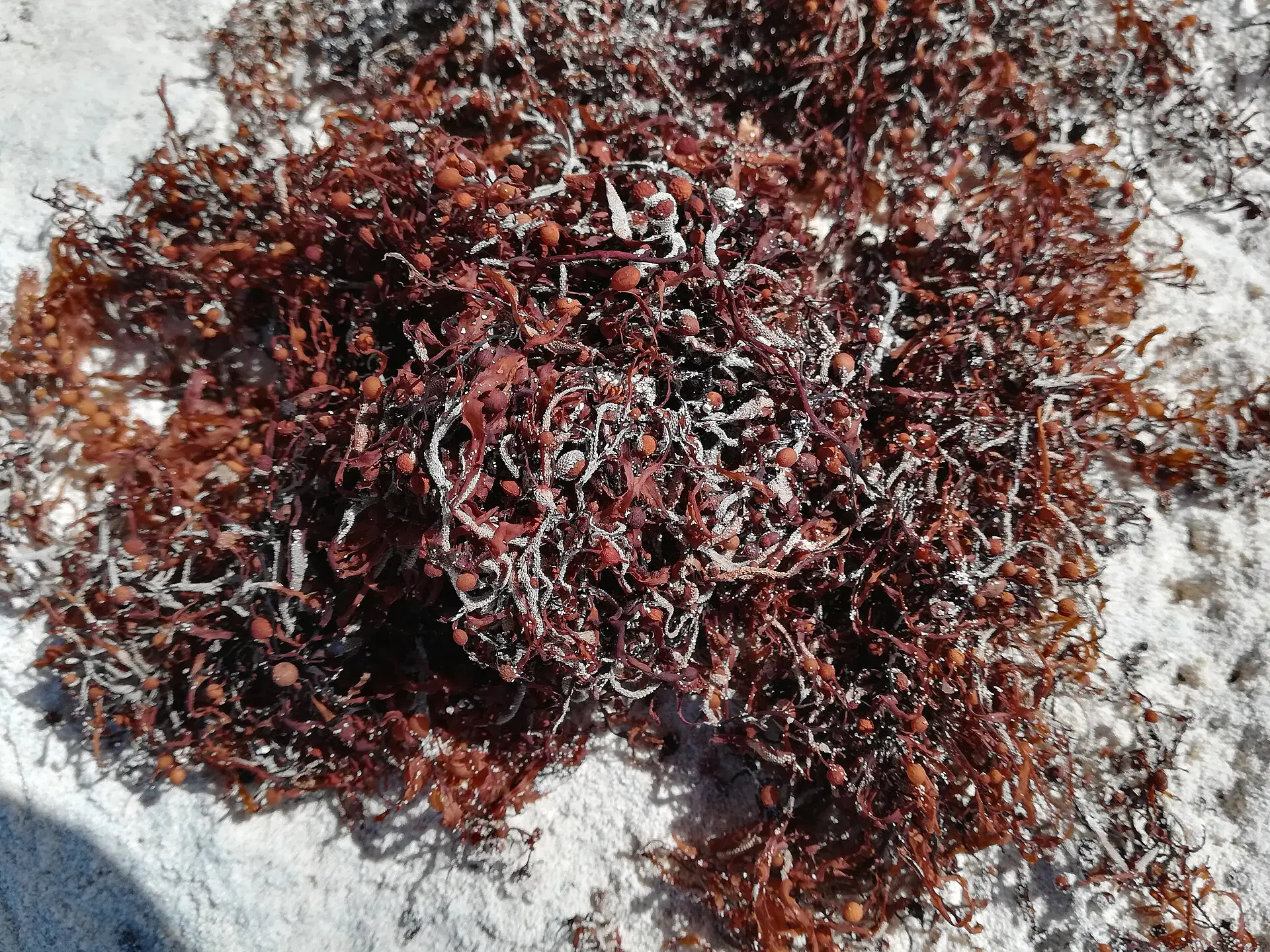
- Ignoring sargassum: seaweed can affect some Atlantic-facing beaches in warmer months, mostly spring through late summer. Check recent reports for your beach.
- Cruise shortcuts: cruises can be cheap per night, but port taxes, tips, drinks and excursions add up, and time ashore is short.
What to verify before you rely on this
Caribbean prices and rules shift every season, so check these items on official sources before you pay.
- Entry rules: passport validity, visas and any digital arrival forms, which differ by island and nationality.
- Taxes and fees: departure taxes, resort fees and tourist levies as shown at the final checkout step.
- Weather outlook: the national hurricane centre’s seasonal forecast and the property’s weather policy.
- Cancellation terms: the date after which the room, flights and insurance stop being refundable.
- Health advice: your national health agency’s current advice for the island, including mosquito-borne illness.
Treat every figure in this guide as an approximate range for planning, not as a quote.
Where to go next
If the Dominican Republic fits your budget, the Punta Cana guide above is the next read. For a Mexican alternative on the same sea, compare Tulum all inclusive resorts. For a pricier but drier island with a strong all-inclusive market, see Aruba all-inclusive. A good first reference for geography is the Wikivoyage guide to the Caribbean.

FAQ about cheap Caribbean vacations
What is the cheapest Caribbean island to visit?
The Dominican Republic and Jamaica are usually the lowest-cost options for resort stays, with Puerto Rico and Mexico’s Caribbean coast close behind. Prices vary by season and board basis, so compare total cost for your own dates.
What is the cheapest month to go to the Caribbean?
September and October are often the lowest-priced months, but they also fall in peak hurricane risk. May, June and early November give a better balance. The dearest period runs from mid-December through April, with spikes at Christmas and Easter.
Are cheap Caribbean vacations safe during hurricane season?
Many trips go ahead without disruption, but the risk is real from June to November, peaking from August to October. Choose flexible rates, buy insurance that covers weather cancellation, and avoid committing to a single long stay in peak weeks.
Is an all-inclusive vacation cheaper in the Caribbean?
It can be, mostly for heavy eaters and drinkers who stay on site. If you plan tours and local meals, room-only or half-board is often cheaper in total. Compare using your own daily spend rather than the package headline.
How much should a week in the Caribbean cost?
As a rough guide, $1,500 to $3,500 per person for a week on a lower-cost island, including flights from the United States, and more on luxury islands. Flights, season and board basis explain most of the spread.