An Aruba all inclusive stay pays off only if you eat, drink and stay on site most of the day. The island is one of the pricier Caribbean choices, so the plan’s advantage over paying separately is real for heavy users and thin for anyone who explores. As of 2026, expect roughly $350 to $1,600 or more per night for two people, depending on tier and season. Below: the cost box, a pay-more and save-on split, booking windows and the extras that catch people out.
Aruba all inclusive: total cost box
Ranges are per room per night for two adults in US dollars, as of 2026, and move with season, room type and booking date. Treat them as a planning frame, not a quote.
| Tier | Room and plan, two adults | Typical extras per day | What you give up |
|---|---|---|---|
| Value | About $350 to $550 a night, all-inclusive or a close equivalent | $0 to $40: taxes, a tour, transfers | Beach distance, newer rooms, choice of restaurants |
| Mid-range | About $550 to $950 a night | $20 to $80: excursions, premium drinks | Some top-shelf spirits and specialty dinners |
| Upper tier | About $950 to $1,600 or more | $20 to $100: spa, private tours | Little: nearly everything is included |
For a seven-night stay, that is a lodging bill of about $2,450 to $11,200 or more before flights. Always check what the plan includes, because “all inclusive” on Aruba varies more than the label suggests.
Is all inclusive in Aruba worth it?
Run a break-even test. Add up what two people would spend per day on breakfast, lunch, dinner, drinks and a few water-sports fees if booked separately. On Aruba, a restaurant dinner for two with drinks often lands in the range of $80 to $160, and beach bar rounds add up. If your daily food and drink bill would reach $150 to $250 for two, a mid-range plan starts to look fair.
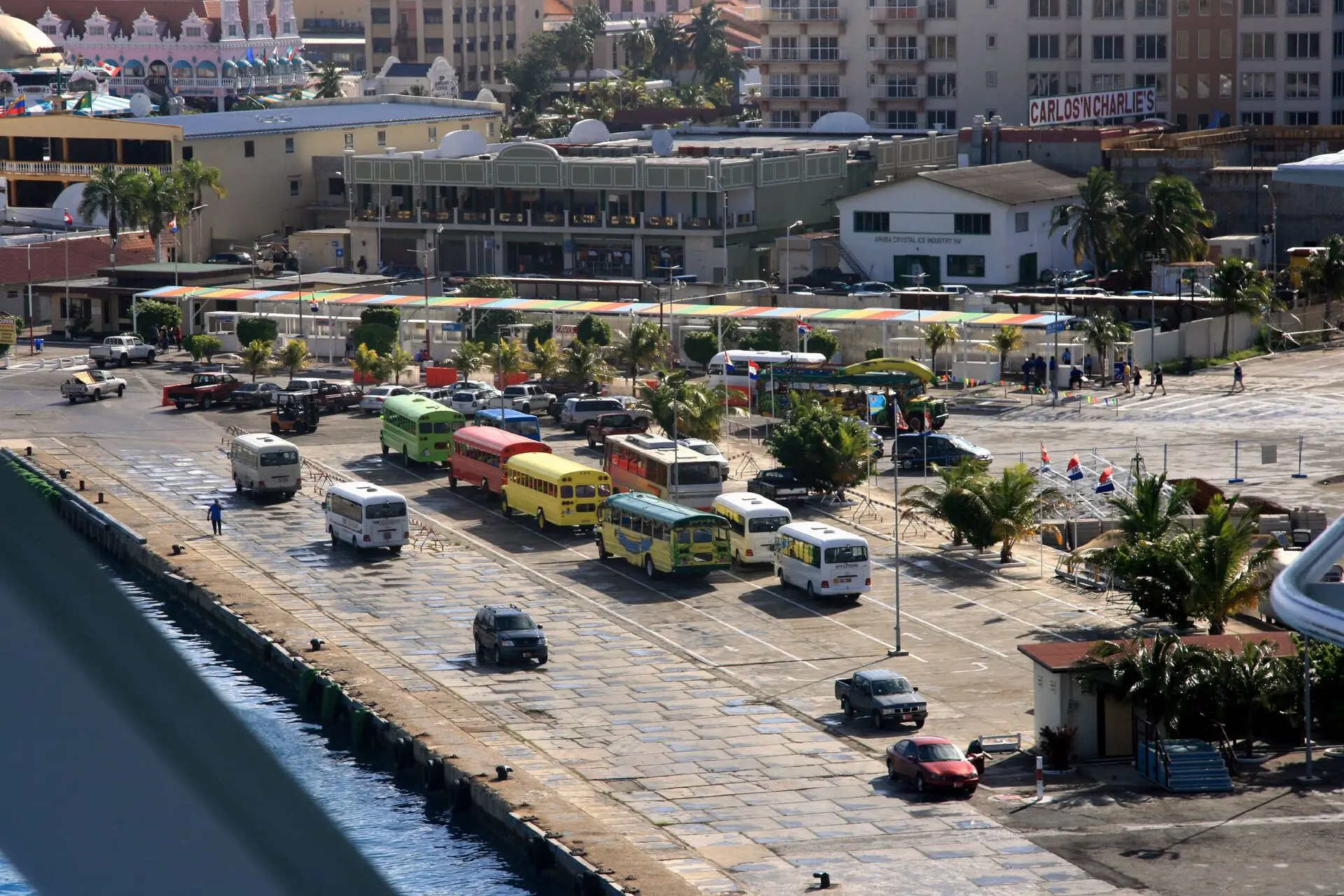
If you plan to spend most evenings in Oranjestad or Palm Beach restaurants, a plan can be wasted money. I would price a room-only rate plus a food budget before looking at any package, then compare the two totals side by side.
Pay more for / save on in Aruba
The split below is the core of the decision. Six items, in the order they usually move the total.
Pay more for: the beach side of the island
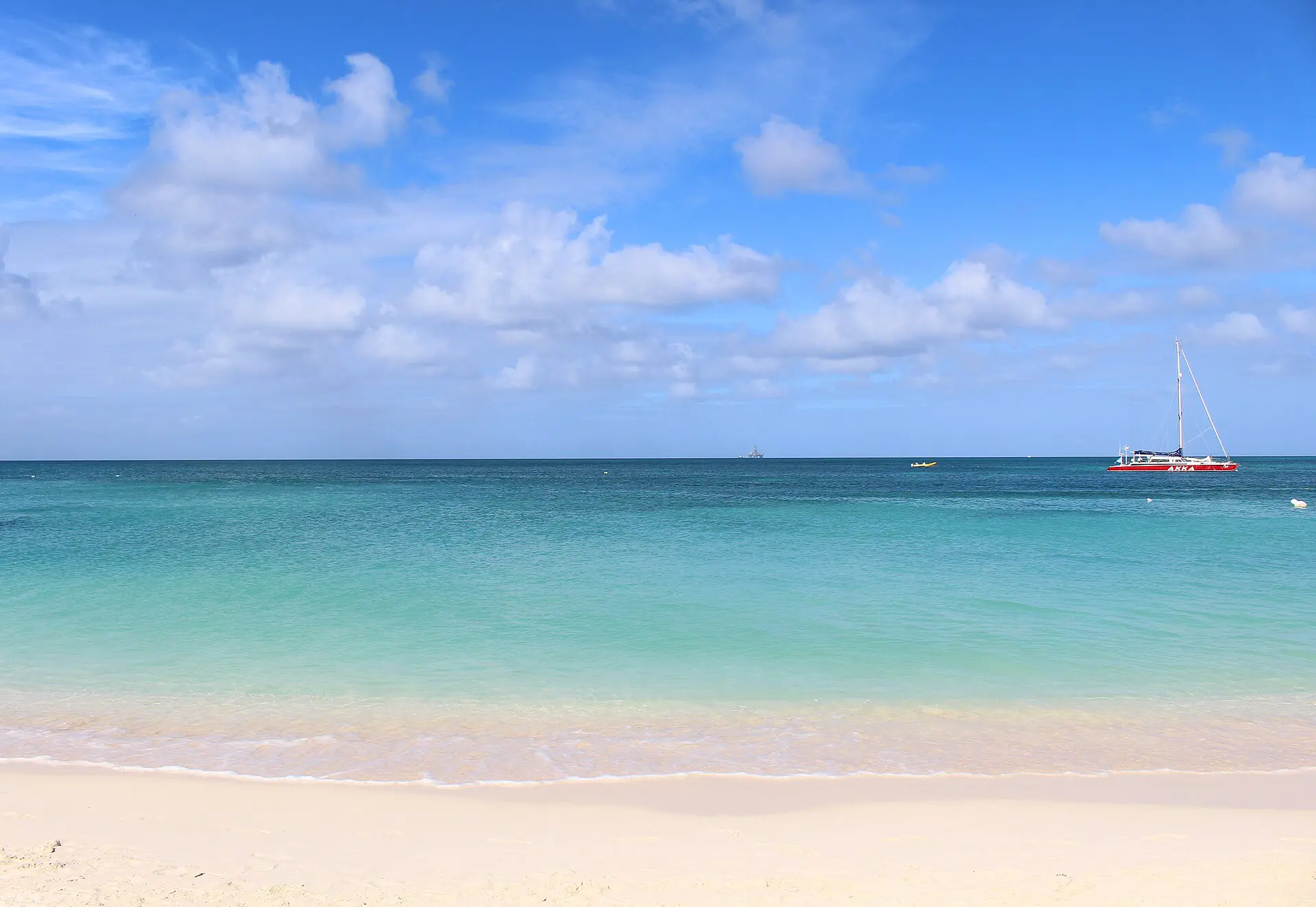
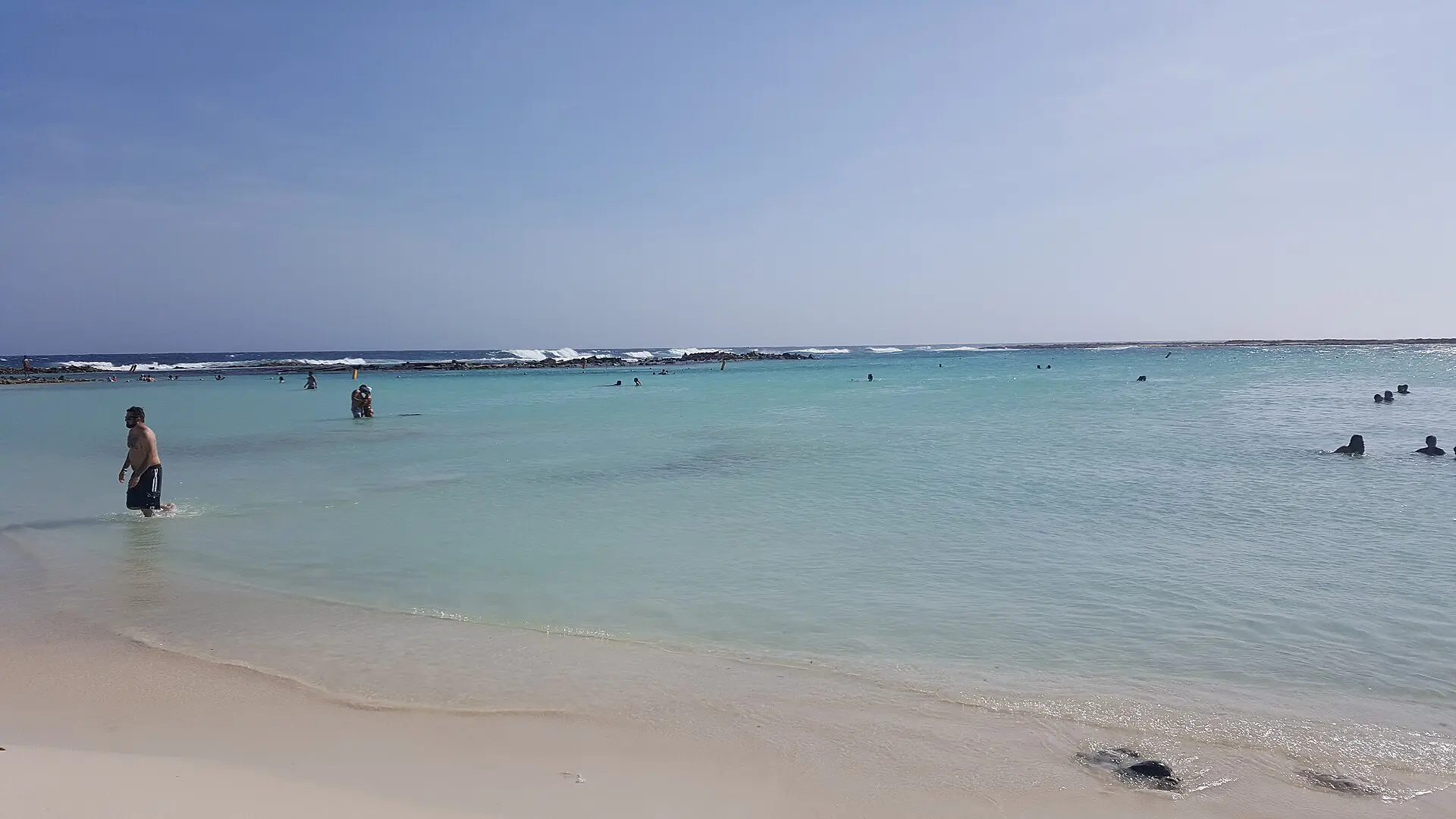
The southwest coast has the white-sand beaches and calm water, according to Wikivoyage’s Aruba guide, while the northeast faces the Atlantic with rough seas and strong currents. A property on a swimmable beach saves taxi fares and makes the plan useful, because you will actually use the facilities. A cheaper hotel far from the sand loses that benefit.
Pay more for: a plan that includes the drinks you will really order
Basic plans often cover local beer, house wine and standard spirits. If you want premium labels, specialty coffees or bottled water at the pool, ask whether those are covered. A mid-tier plan that includes them can beat a cheaper one with a long exclusions list.
Pay more for: a mid-week arrival with a longer stay
Rates for 7 nights are often lower per night than for 3 or 4, and long stays spread the transfer and tax costs. Staying five to seven nights tends to improve value more than upgrading a room type.
Save on: room category
Garden or standard rooms cost noticeably less than ocean views, and most guests spend little time in the room. Put the savings toward the plan tier instead.
Save on: excursions booked outside the resort
On-site tour desks usually charge more than independent operators. Catamaran trips, snorkel outings and jeep tours can be booked directly or through local agencies at lower prices. Compare two quotes before you commit, and read recent reviews for the operator, not the hotel.
Save on: airport transfers
Aruba is compact, about 32 kilometres long, so taxis are short and fares are fixed by zone. Pre-booked resort transfers can cost more than a taxi. Ask for the price in writing and compare it with the posted taxi rate.
Best time to book Aruba all inclusive
Aruba sits well south of the main Caribbean hurricane belt, so the usual summer discount carries less weather risk than on islands farther north. Even so, nothing is guaranteed, and trip insurance that covers weather disruption is a small premium for a large bill.
- Mid-December to April: peak demand and top rates. Book four to six months ahead for the best choice.
- May to June and September to early November: usually the best value, with rates often a quarter to a third below peak. Booking two to three months ahead is generally enough.
- Holiday weeks: expect minimum-stay rules and surcharges. Move your dates by a week if you can.
Watch the price pattern rather than a single quote. If a rate drops after you book and the cancellation terms are flexible, rebooking is worth a call.
Cheaper alternatives to an Aruba all-inclusive resort
Aruba has fewer large all-inclusive properties than the Dominican Republic or Mexico, so many visitors choose half-board, breakfast-included or room-only stays instead. The trade-offs look like this.
| Option | Rough cost, two adults per day | Pays off if |
|---|---|---|
| All-inclusive, mid-range | $550 to $950 all in | You eat and drink on site and rarely leave |
| Room with breakfast, eat out | $300 to $550 for the room, plus $120 to $250 for other meals | You want variety and local restaurants |
| Apartment or condo, self-catering | $200 to $450 for the room, plus $60 to $150 for food | You stay a week or more and cook some meals |
The self-catering route is usually the cheapest on paper and gives the most flexibility, but you lose convenience. Supermarkets on the island stock imported goods, which can be pricey, so check typical grocery costs before assuming big savings.
FAQ about Aruba all inclusive
How much does an all-inclusive trip to Aruba cost?
As of 2026, a week for two usually runs from about $2,500 for a value stay to well over $10,000 for the upper tier, excluding flights. Season, room type and how early you book change the figure, so price the same week at two or three properties before choosing.
Is Aruba cheaper than other Caribbean islands?
Not usually for all-inclusive stays. Aruba tends to cost more than the Dominican Republic or Mexico’s Caribbean coast. Its draws are dry weather, calm beaches and a location outside the main hurricane belt, which can justify a higher price if reliability matters to you.
When is the cheapest time for an all-inclusive in Aruba?
Late spring and early autumn, roughly May to June and September to early November, often carry the lowest rates. Peak winter weeks cost the most. Compare a few dates a week apart, because holiday boundaries can shift prices sharply.
Is the drinking water and food included in the plan?
Meals and standard drinks are normally included, but bottled water, premium spirits and some specialty dinners may not be. Tap water on the island is safe to drink. Read the plan’s exclusions page before booking so there are no surprises at the bar.
Do I need a car on an Aruba all-inclusive stay?
Not if you stay on the main beach strip, where taxis and buses reach Oranjestad. A rental car, or a half-day tour, only makes sense for the northeast coast and national park. Plan the cost of that day separately from the plan. For background see the Wikipedia entry on Aruba.





