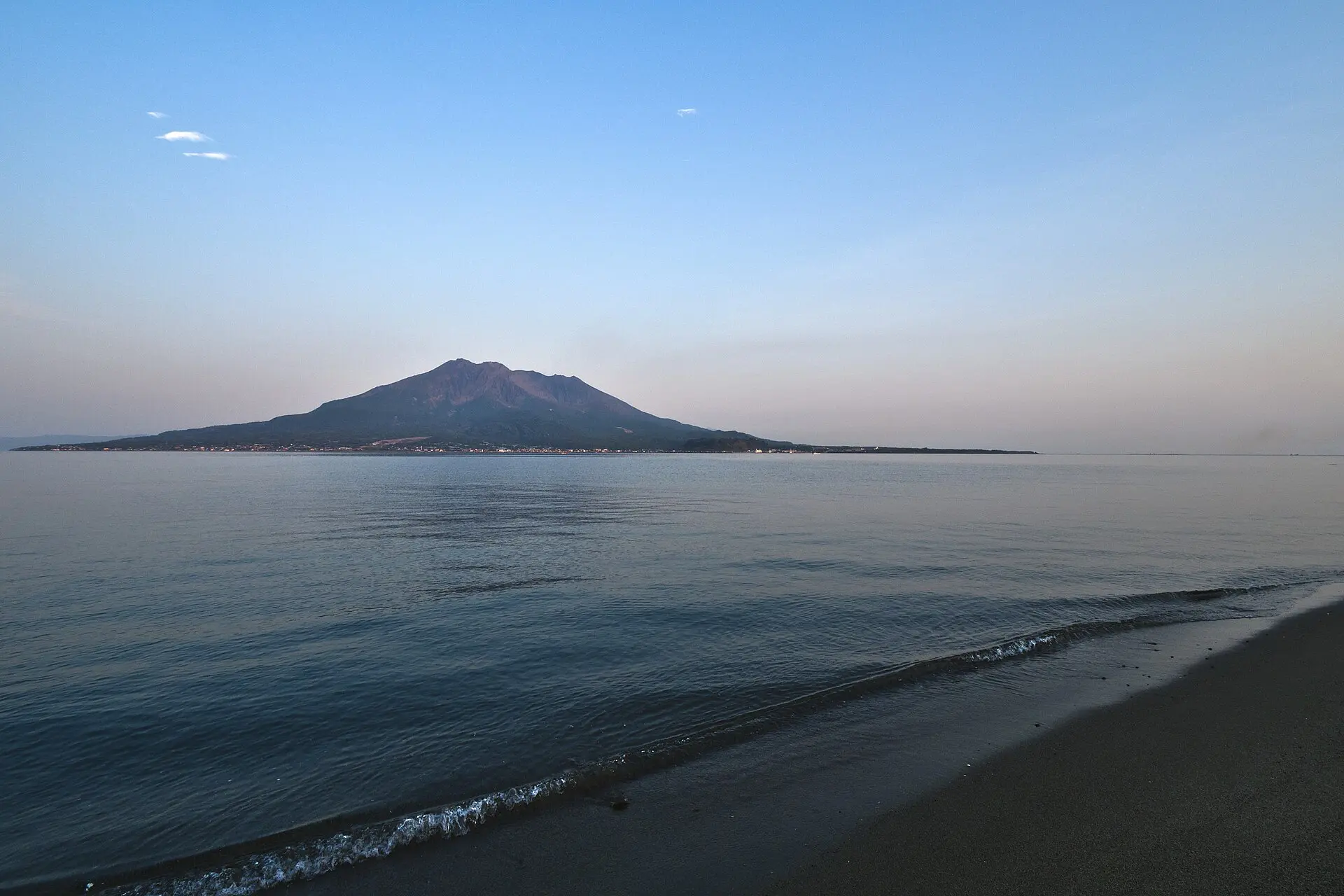
Kagoshima food starts with black pork. Kurobuta, the dark Berkshire-type pig raised across Kagoshima Prefecture, is the first thing to order, as tonkatsu, as shabu-shabu or in a miso-based stew, and sweet potato shochu is the drink that goes with it. The city sits on Kyushu’s southern bay under the active volcano Sakurajima, and the volcanic soil shapes the ingredients. Below: the food system, seven dishes, market timing, price bands and etiquette.
How eating works in Kagoshima
Kagoshima is the capital of Kagoshima Prefecture, the southernmost city on Japan’s bullet train network, and for centuries the seat of the Shimazu clan’s Satsuma domain. Sakurajima regularly dumps ash on the city. The same ash-rich volcanic soil is poor for rice and good for sweet potatoes, which is why the region grows them in quantity and distils them into shochu.
Pigs, chickens and fish complete the system. Black pork and free-range chicken are raised on the plains and hills nearby, and the bay and the open sea supply small silver fish, sardines and mackerel. The food is saltier and sweeter than much of Japan: soy sauce here is often sweet, and dishes lean on sugar, miso and sweet potato.
The day follows the usual Japanese rhythm: a light breakfast, a lunch set menu (teishoku) at midday that is the best value, and a longer evening meal with drinks. Many small places close between lunch and dinner.
Market timing in Kagoshima
| Time | Where | What to order |
|---|---|---|
| 07:00-10:00 | Bakery counters, station cafes, local fish and vegetable markets | Breakfast sets, fresh fish, satsuma-age |
| 11:30-14:00 | Lunch counters in the city centre | Black pork teishoku, chicken and rice |
| 14:00-17:00 | Cafes and shopping arcades | Shirokuma shaved ice, sweet potato sweets |
| 18:00-22:00 | Izakaya streets near the main arcade | Shochu, sashimi, black pork, fish cake |
Markets and shops vary by day and season, so check hours locally. Morning is the time for produce and fish, and lunch is the time for set meals at their best price.
What to order in Kagoshima: seven dishes
1. Kurobuta tonkatsu and shabu-shabu
Kagoshima black pork is marbled and sweet-fatted, and it is eaten two ways: crumbed and deep-fried as tonkatsu, served with shredded cabbage and sauce, and sliced thin for shabu-shabu, swished in hot broth. Order the loin or fillet cut. A lunch set typically costs 1,500-3,000 yen (about 10-20 USD), as of 2026.
2. Tonkotsu, the Satsuma stew
Not the ramen broth. This tonkotsu is a stew of pork ribs and vegetables slow-cooked with miso and sometimes brown sugar and shochu, soft enough to eat with a spoon. It is a heritage dish tied to the samurai era and is served in small restaurants and izakaya. Expect 800-1,500 yen (around 5-10 USD).
3. Satsuma-age
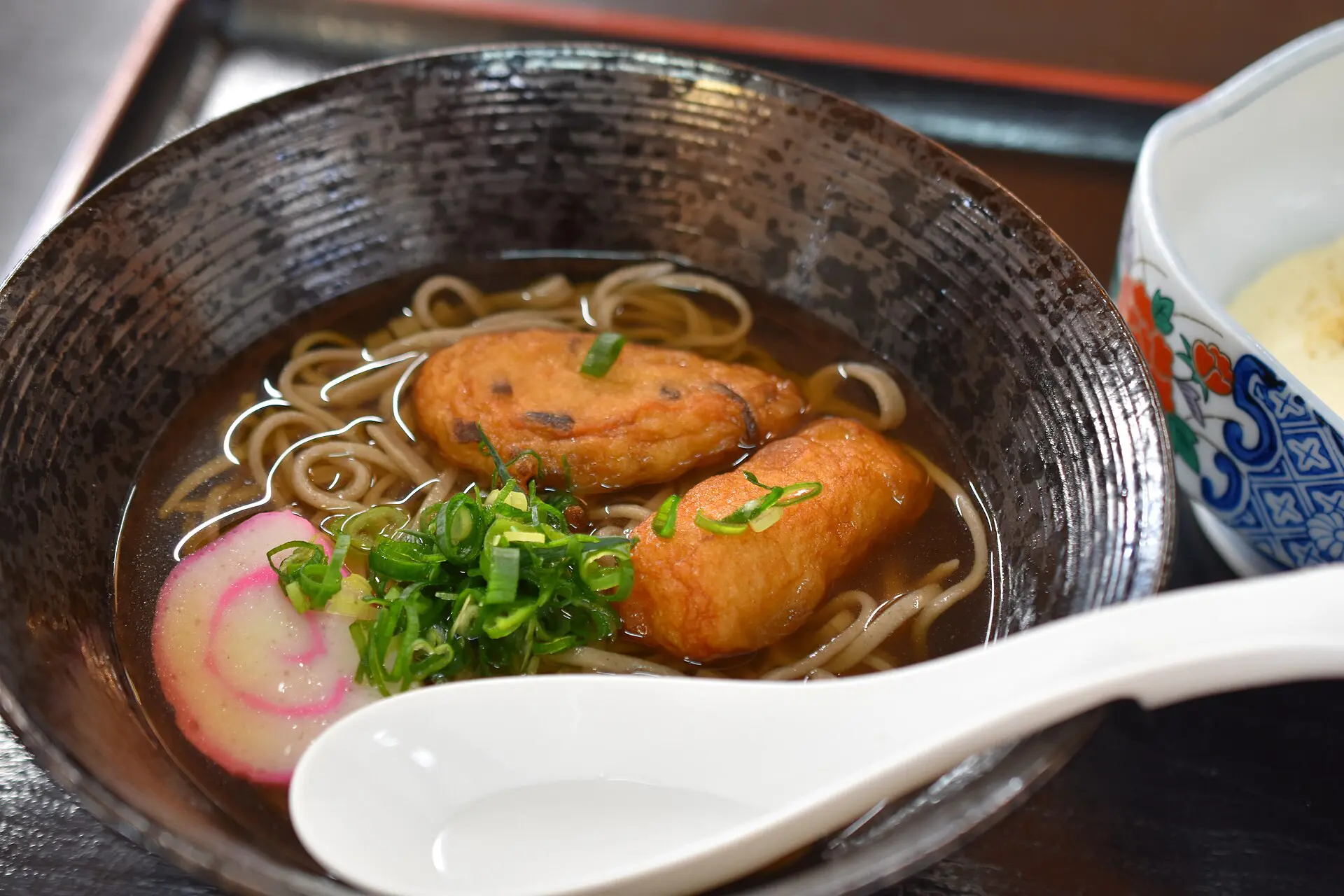
Fried fish paste, made from ground white fish mixed with sugar, sake and salt and fried until golden, sometimes with burdock, sweet potato or cheese. It is sold fresh from small shops and stalls and is the easiest snack to eat while walking. A piece usually costs a few hundred yen, roughly 1-3 USD.
4. Jidori and torisashi
Kagoshima raises free-range chicken, jidori, and cooks it grilled with a charcoal flavour. Some restaurants also serve torisashi, lightly seared raw chicken, a regional speciality. It is only safe from kitchens that specialise in it, so choose carefully or skip it. Grilled chicken is a safe order. Prices run 800-2,000 yen (5-13 USD).
5. Keihan, the chicken and rice bowl
Keihan comes from Amami Island, south of Kagoshima: shredded chicken, egg, dried shiitake, pickled papaya and spring onion over rice, with a clear chicken broth poured over it. It is gentle and filling, and a good lunch or late-night meal. A bowl costs 700-1,300 yen (about 5-9 USD).
6. Kibinago and local fish
Kibinago, small silver-striped fish, are served as sashimi, deep-fried or salted. They are a bay fish, sold in season. Ask the staff what is fresh, and order a small sashimi platter. Prices depend heavily on season and fish, so budget 1,000-2,500 yen (about 7-17 USD) for a modest plate.
7. Shirokuma and sweet potato sweets
Shirokuma, “white bear”, is a mountain of shaved ice topped with condensed milk, fruit, red beans and jelly, and it was invented in Kagoshima. It suits hot afternoons. Sweet potato appears everywhere: karukan, a steamed yam cake, and roasted sweet potatoes in autumn. A bowl of shirokuma is roughly 600-1,000 yen (4-7 USD).
Shochu in Kagoshima
Kagoshima is Japan’s sweet potato shochu country. Imo-jochu is a distilled spirit, often around 25 percent alcohol, with an earthy, fruity aroma. Locals commonly drink it mixed with hot water (oyuwari) or with cold water, and some places serve it on ice. Try a small glass before you commit to a bottle. A glass is usually 400-800 yen (3-6 USD) in a bar, as of 2026. Ask staff which brand suits you.
How much does Kagoshima food cost?
Hedged per-person ranges, as of 2026, with the yen figures approximate.
| Meal | Typical band | What it buys |
|---|---|---|
| Breakfast | about 500-1,000 yen (3-7 USD) | Bakery, set meal or station cafe |
| Lunch set | about 1,000-2,000 yen (7-14 USD) | Pork, chicken or fish with rice and soup |
| Black pork meal | about 1,500-3,500 yen (10-24 USD) | Tonkatsu or shabu-shabu |
| Izakaya dinner with drinks | about 3,500-6,000 yen (24-40 USD) | Several shared plates, shochu |
Kagoshima food etiquette
- No tipping: tipping is not expected in Japan. Say thank you instead.
- Greeting: say “itadakimasu” before eating and “gochisosama” when leaving.
- Chopsticks: do not stick them upright in rice or pass food chopstick to chopstick.
- Small bars: some izakaya add a small table charge (otoshi) for the first snack. It is normal.
- Cash: small places often prefer cash, so carry some.
Where to eat in Kagoshima by type
No names here. Choose by type, and by area.
- Near the main station: chain-free counters for set lunches, plus station food halls with regional sweets.
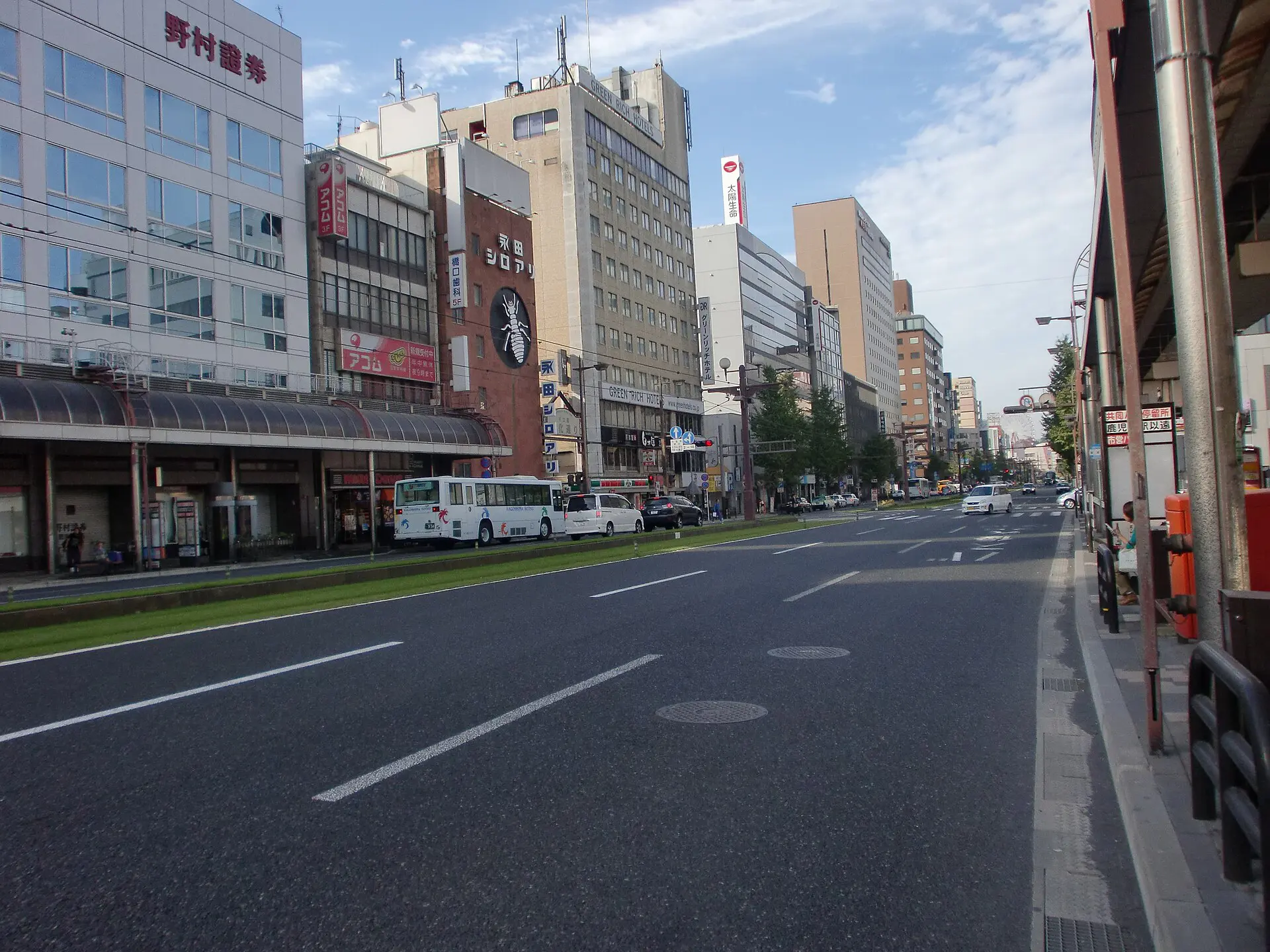
- Around the central shopping arcade: the densest area for black pork restaurants, izakaya and shochu bars. Evenings are busiest.
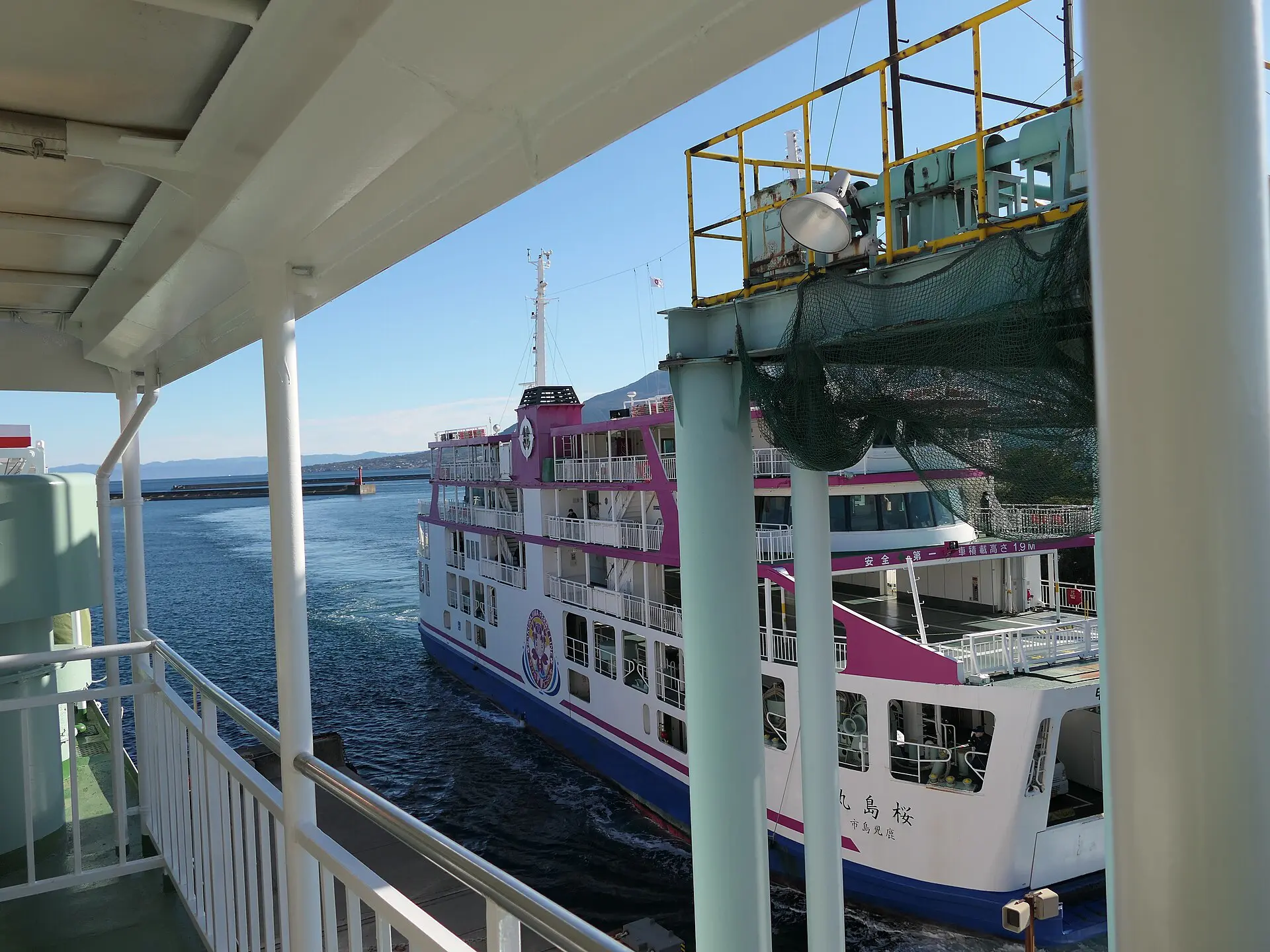
- Waterfront and ferry terminal: fish-focused kitchens and tourist-friendly cafes. The ferry crosses to Sakurajima, which has its own casual food.
- Residential streets: small counters serving one or two dishes, often only at lunch.
For planning beyond the city see our Japan travel guide.
What to skip in Kagoshima
I would skip any restaurant with a black pork sign and a very low price, as a very low price for a premium regional pork is worth a question. Ask which pork is used. Skip torisashi in a place that does not specialise in it. And skip late-evening reservations on your first night if you are tired, since a good lunch set often covers the same dishes for half the price. See also Wikivoyage’s Kagoshima guide.
FAQ about Kagoshima food
What is Kagoshima famous for eating?
Kagoshima is famous for kurobuta black pork, satsuma-age fish cake, free-range jidori chicken and sweet potato shochu. Shirokuma shaved ice and keihan chicken rice are also local. The cooking is a little sweeter than elsewhere in Japan.
What should I order first in Kagoshima?
Order black pork, tonkatsu or shabu-shabu, at a lunch set. Add satsuma-age as a snack, then try a small glass of imo shochu in the evening. Finish an afternoon with shirokuma.
Is Kagoshima black pork worth the price?
Generally yes, if you want to taste the regional ingredient. It is more marbled and sweeter than standard pork. Lunch sets cost less than dinner for the same dish, so make it your main meal of the day.
Do I need to tip in Kagoshima?
No. Tipping is not part of Japanese dining, and leaving money on the table can cause confusion. A polite thank you is enough. Some bars add a small table charge, which is normal.
How do I order food in Kagoshima without Japanese?
Many menus have photos, and plastic food models stand in windows, so you can point. Ticket machines at counters often have English buttons. A translation app that reads menus through the camera helps in small places.