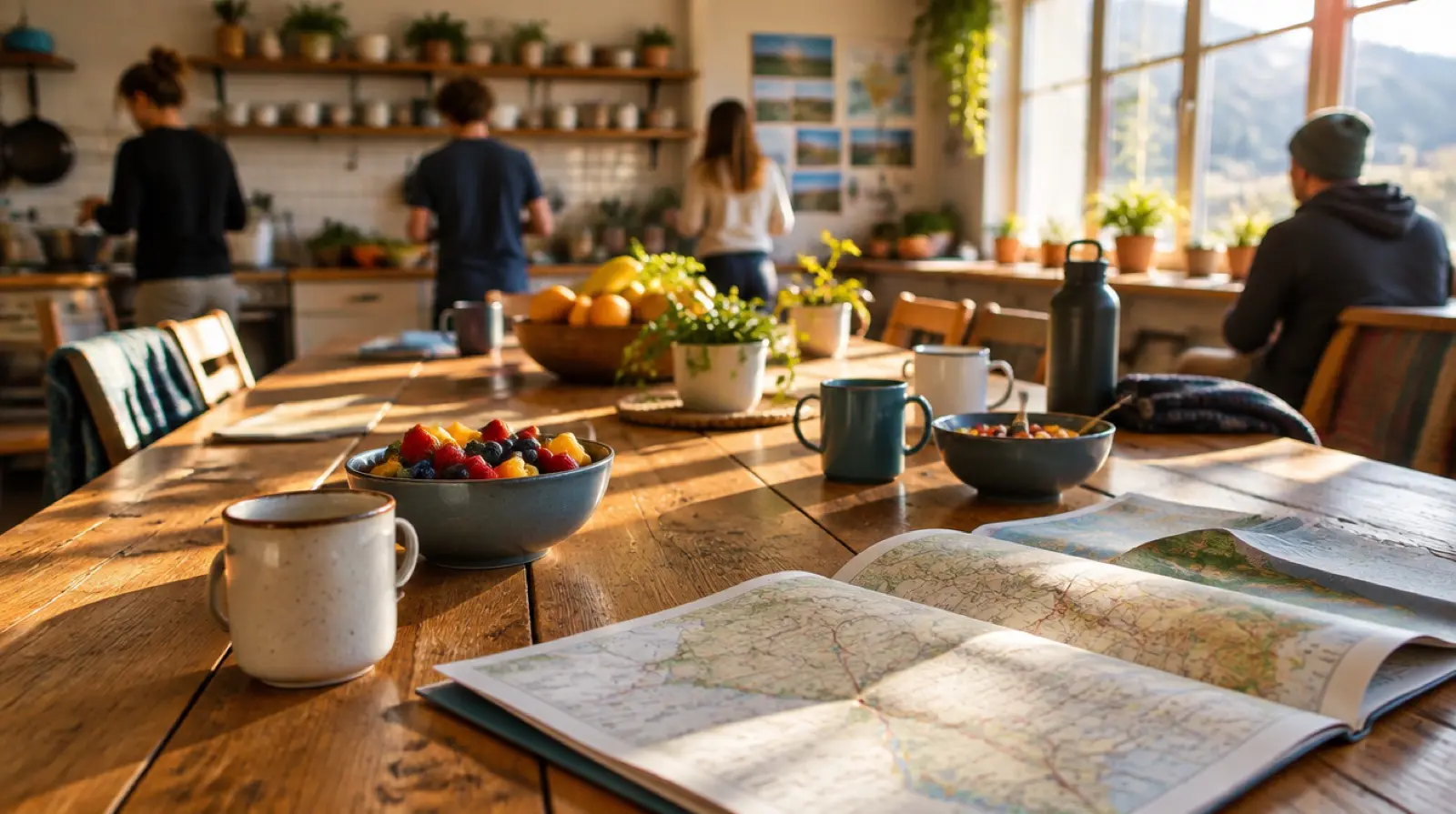
How to meet people when travelling solo comes down to one idea: join something with a fixed group, a shared task and an end time: a shared day tour, a class, a communal hostel table. These need little effort and little small talk. Start there, move up to harder options only if you want to, and keep a polite exit line ready for every conversation.
How to meet people when travelling solo: the ranking method
Every option below is scored on two things: how much effort it asks of you, and how likely it is to lead to an actual conversation. A third factor matters too, which is how easy it is to leave. The best options for most solo travelers have low effort, a clear structure and a natural end.

Introverts and extroverts can use the same list. The difference is how many rows you pick in a week. A single group activity on your second day is often enough to break the ice for the rest of the trip.
The costs and schedules of these options change by country and season, so treat the table as a pattern, not a promise. Check what is on offer in your destination before relying on it.
Effort versus reward: the main table

| Option | Effort | Chance of real conversation | Easy to leave? | Best for |
|---|---|---|---|---|
| Shared breakfast table or hostel kitchen | Very low | Medium | Yes | Day one, jet lag |
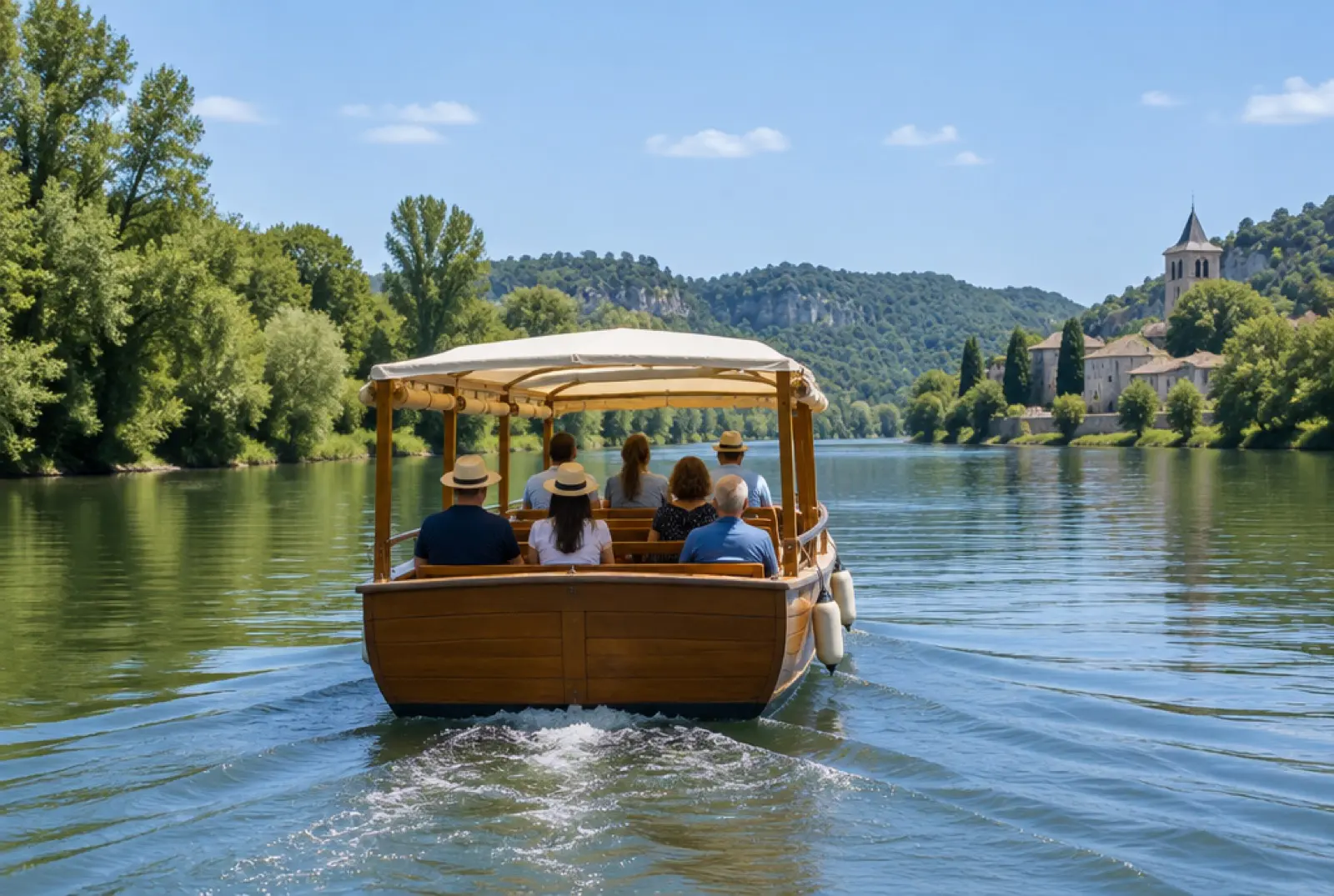
| Group day tour or shared boat | Low | High | Built-in end time | Nervous first-timers |
| Class (cooking, craft, surf, language) | Low | High | Built-in end time | Shy travelers who like a task |
| Free or tip-based walking tour | Low | Medium | Yes | The first morning in a city |
| Hostel social night or family dinner | Medium | High | Yes, if you sit near the door | Meeting future travel partners |
| Coworking space or cafe with events | Medium | Medium | Yes | Longer stays, remote workers |
| Meetup groups and social apps | Medium to high | Varies | Yes, but vet carefully | Specific interests, bigger cities |
| Bars, parties and pub crawls | High | Varies | Harder | People who like nightlife |
Seven ways to meet people when travelling solo, lowest effort first
1. Sit at the shared table
Most hostels and many guesthouses have a communal kitchen, terrace or breakfast table. Eat there rather than in your room. Sitting with a book is enough: people will ask what you are reading, and you can answer in one sentence or ten. Ask one open question, such as where someone is heading next, and let it run from there.
2. Book a group day tour
Shared boat trips, minivan day trips and small-group hikes put you with strangers for several hours, with a guide who handles the logistics. You do not need to start a conversation, because the day gives you things to point at: the view, the food, the driver’s jokes. Ask someone where they have been, and the talk runs from there. Read recent reviews for group size and whether the operator runs reliable pick-ups.
3. Take a class
Cooking classes, craft workshops, surf and dive lessons and language classes have a fixed group, a task and a clear end. They work well for people who find open-ended chat tiring, because the task gives everyone something to do with their hands. Ask about group size when you book, and pick a time slot that finishes before dark.
4. Start with a walking tour
Many cities run free or tip-based walking tours on the first morning. You learn the layout, you meet other new arrivals, and nothing is expected afterwards. A lot of friendships begin with “are you heading to the museum next?” or “do you want to share a table at lunch?”
5. Go to the hostel event
Family dinners, quiz nights and organised walks give structure to an evening. Sit near the edge so you can leave. If a hostel’s reviews describe a party atmosphere and you do not want one, choose a quieter one.
6. Try a coworking space or meetup
For stays of a week or more, coworking spaces, language exchanges and interest-based meetups add a routine. Choose public venues, tell someone where you are going and be cautious with anyone who pushes to move to a private place.
7. Use apps selectively
Traveler groups and friendship apps can help in big cities, but profiles are unverified. Meet in daylight in a busy public place, arrive and leave on your own, share the plan with a friend and trust your instincts if a message makes you uncomfortable.
Your first 48 hours: a low-pressure plan
Most people who feel lonely early on have not done anything wrong. They have arrived tired and filled the first day with logistics. A simple sequence helps.
- Day one, evening: eat at the shared table or a counter seat, and say hello to one person. That is the whole goal.
- Day two, morning: join a walking tour or a group day trip you booked the night before.
- Day two, afternoon: take a coffee with someone from the group, or go back alone. Both count.
- Day two, evening: go to one hostel event or class, sit near the door and leave when you have had enough.
By day three you will usually have a face you recognise at breakfast, and that is often all it takes. Add one structured activity every two or three days after that.
Boundary scripts: how to end a conversation
Being friendly does not mean being available. These short lines work in most languages and most settings. Say them calmly, once, and move.
- Leaving a group: “It was great to meet you. I am heading off now, enjoy the evening.”
- Declining a plan: “Thanks for the invite, I am going to pass tonight.”
- Declining a ride, drink or private invitation: “No, thank you.” No reason required.
- When someone stays too close: “I would like some space.” Then step into a shop, reception or crowd.
- When a stranger asks where you are staying: “I would rather not say.”
If someone ignores a clear no, treat that as information. Tell staff, move to a busier place and end the contact.
Common mistakes and edge cases
- Waiting until the last night. Do one group activity in the first 48 hours. It sets the tone for everything after.
- Staying only in private rooms. If you want company, choose accommodation with a shared space, or a hostel with private rooms.
- Chasing a big night out. You do not need one. A short coffee after a class counts.
- Language barriers. Tours and classes help, because the activity carries the conversation. Learn five phrases in the local language.
- Travelling in quiet seasons. Fewer people means fewer chances. Choose a place with year-round social infrastructure, or book the group activity in advance.
- Saying yes to everything. A friendly stranger is not automatically a safe plan. Keep the first meeting in public, in daylight, with your own way home.
- Burnout. You are allowed a quiet day. Alone time is not failing at the plan.
What to verify before you rely on it
- Group sizes, schedules and cancellation terms for tours and classes, which change by season.
- Reviews for hostels and tours from the last few months, not years.
- Whether free events are still running, since many are run by volunteers or small businesses.
- Local etiquette and dress norms for the places you will visit.
- That your accommodation has a staffed reception and a secure room or locker.
Use these notes on how to meet people when travelling solo as a menu, not a checklist. Two or three options from the top half of the table, repeated across a trip, usually do more than one forced night out. Plan the first group activity before you leave home, and book it on the day you arrive if you can.
Where to go next
See how these options work in specific places: Solo Female Travel in Mexico: Cities with Easy Social Entry, Solo Female Travel in New Zealand: Hostels, Shuttles and Day Hikes, El Nido Solo: Choosing a Base, Island Tours and Evening Options and Siargao Solo: Where to Stay, How to Arrive and How to Meet People.
Meeting people when travelling solo: FAQ
How do you meet people when travelling alone as an introvert?
Pick structured activities: a class, a group day tour or a shared table. These give you a topic and an end time. Aim for one a week and keep recovery time afterwards. You do not have to socialise every day to have a good trip, and a few good conversations beat many short ones.
Are hostels the best way to meet people?
They are among the easiest, mostly because of shared kitchens and organised events. Choose one with strong recent reviews for atmosphere and security. If you prefer quiet, a small guesthouse with a shared breakfast table or a hostel private room gives you the same social entry with more control.
Is it safe to meet strangers from travel apps?
It can be, with precautions. Meet in a busy public place in daylight, arrive and leave separately, tell a friend your plans and avoid sharing your accommodation. Use verified features where available. If something feels off before or during the meeting, leave, and block the account.
How do I avoid eating alone at a restaurant?
Sit at a counter, a communal table or a bar, which feel social by design. Take a book or a journal and lunch rather than dinner if evenings feel awkward. Many solo travelers find that eating alone gets easier after the first meal, and cafes are comfortable places to start.
What if I do not click with anyone?
That happens, and it does not mean you are doing it wrong. Try a different type of activity or a different hostel, and give it a few days. Enjoy the solitude on the days you have it. Plenty of strong solo trips involve more time alone than expected.


