This El Calafate travel guide treats the town as a transport hub: a base on Lago Argentino, 80 km from the Perito Moreno Glacier and 220 km from El Chaltén. The glacier is a long day trip. El Chaltén is a separate leg, not a day trip. The wind is the real constraint, so keep one spare day in the plan. Below: what each leg costs in time, what disrupts it, and what to do when it does.
Getting to El Calafate
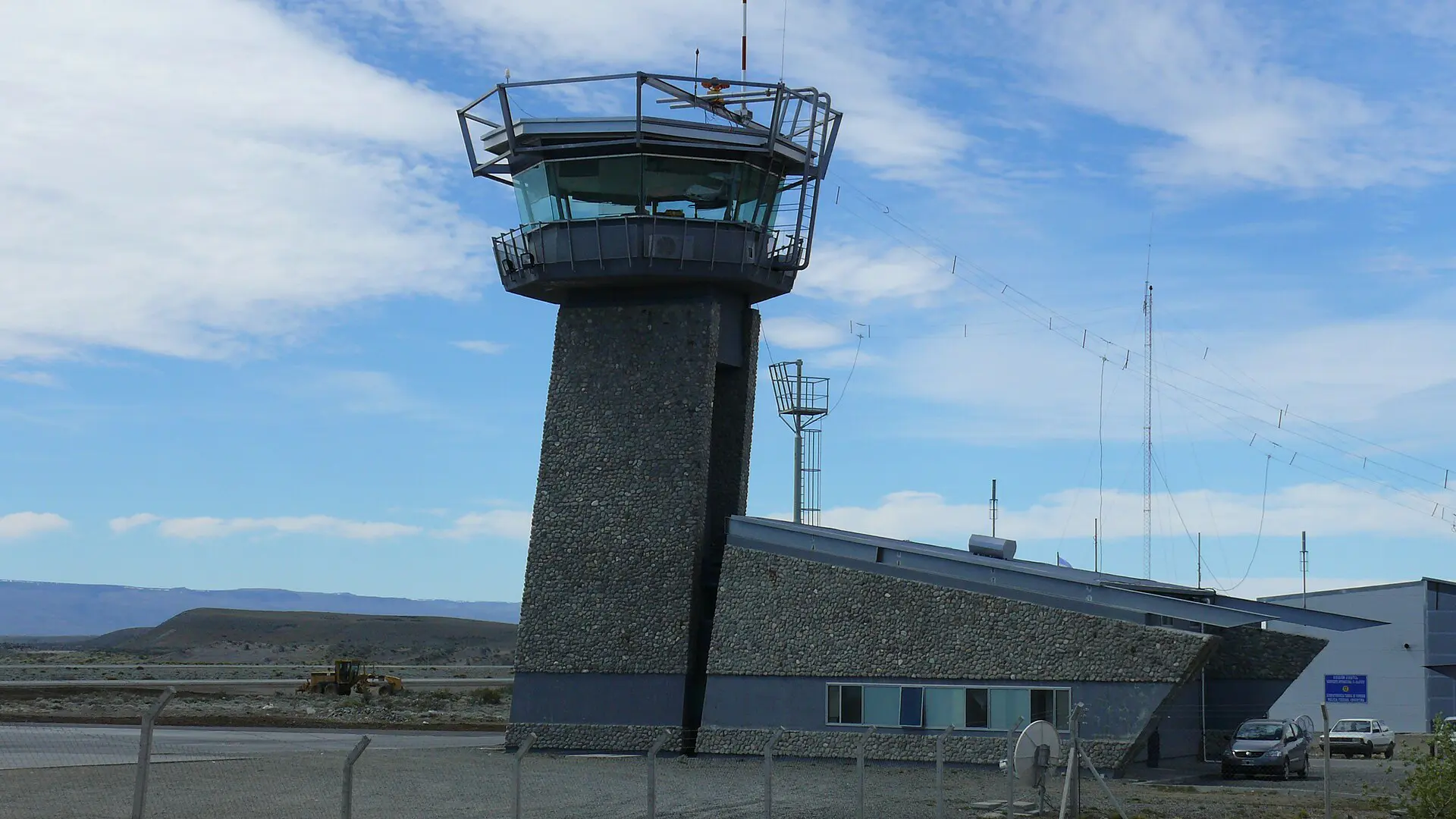
El Calafate International Airport (FTE) is about 20 km east of town. Airlines fly direct from Buenos Aires, and some routes run seasonally from other Argentine cities. In peak season flights fill with tour groups, so book early. Buenos Aires is roughly 2,700 km away by road, so nobody drives it. Ushuaia is about 860 km away and is usually flown.
From Chile, buses run from Puerto Natales on paved roads. Expect most of a day once the border is counted, and allow longer in peak season. If you rent a car in Chile, the rental company must prepare cross-border paperwork and insurance in advance. Paved Ruta 40 is the route; ignore navigation apps that suggest unpaved shortcuts.
Shared transfer buses and taxis wait at the airport exit. For three or more people a taxi can cost about the same as the bus. Fresh fruit and vegetables are screened on arrival. Do not count on the airport ATM; use the ones in town.
El Calafate distances, times and reliability
Distances come from the main road network. Times are typical and hedged; confirm timetables locally for the current season.
| Leg | Distance | Typical time | Reliability |
|---|---|---|---|
| Airport to town | about 20 km | 25 to 30 min | High; transfers meet flights |
| Town to Perito Moreno Glacier | 80 km, paved | about 1 to 1.25 h each way | High; wind can close the boardwalk edge, not the road |
| Town to El Chaltén | 220 km, paved | about 3 to 3.5 h by bus | High on the road; winter services thin out |
| Town to Río Gallegos | 315 km, paved | about 4 h | High; long empty stretches |
| Town to Puerto Natales | about 270 km, border crossing | 5 to 7 h | Medium; queues set the time |
| Town to Bariloche via Ruta 40 | 1,400 km, partly gravel | 2 to 3 days in a small van | Low; slow and weather-bound |
Fuel is sparse outside the towns. If you drive, start every leg with a full tank.
El Calafate day plans and routes
1. Perito Moreno Glacier walkways
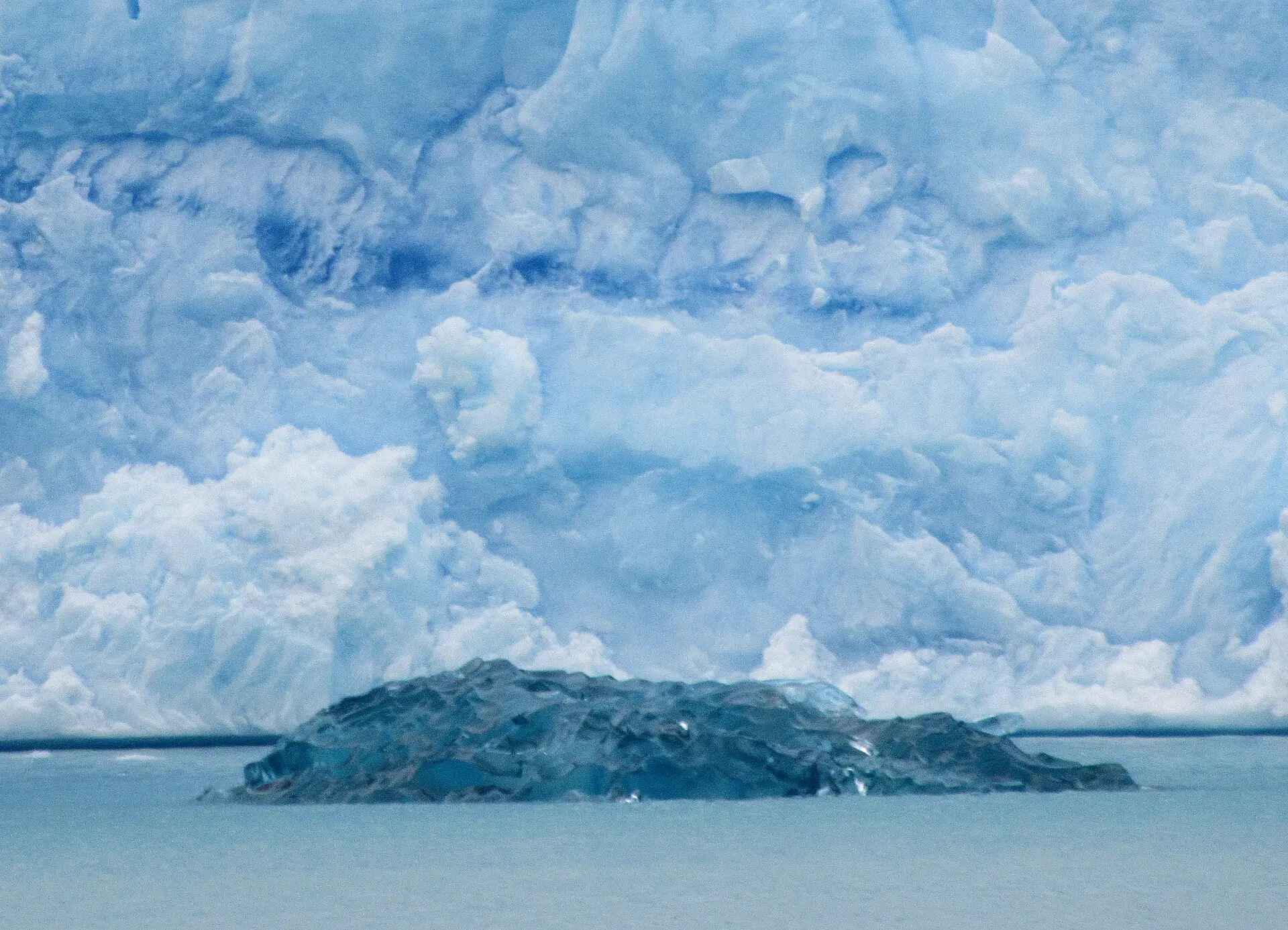
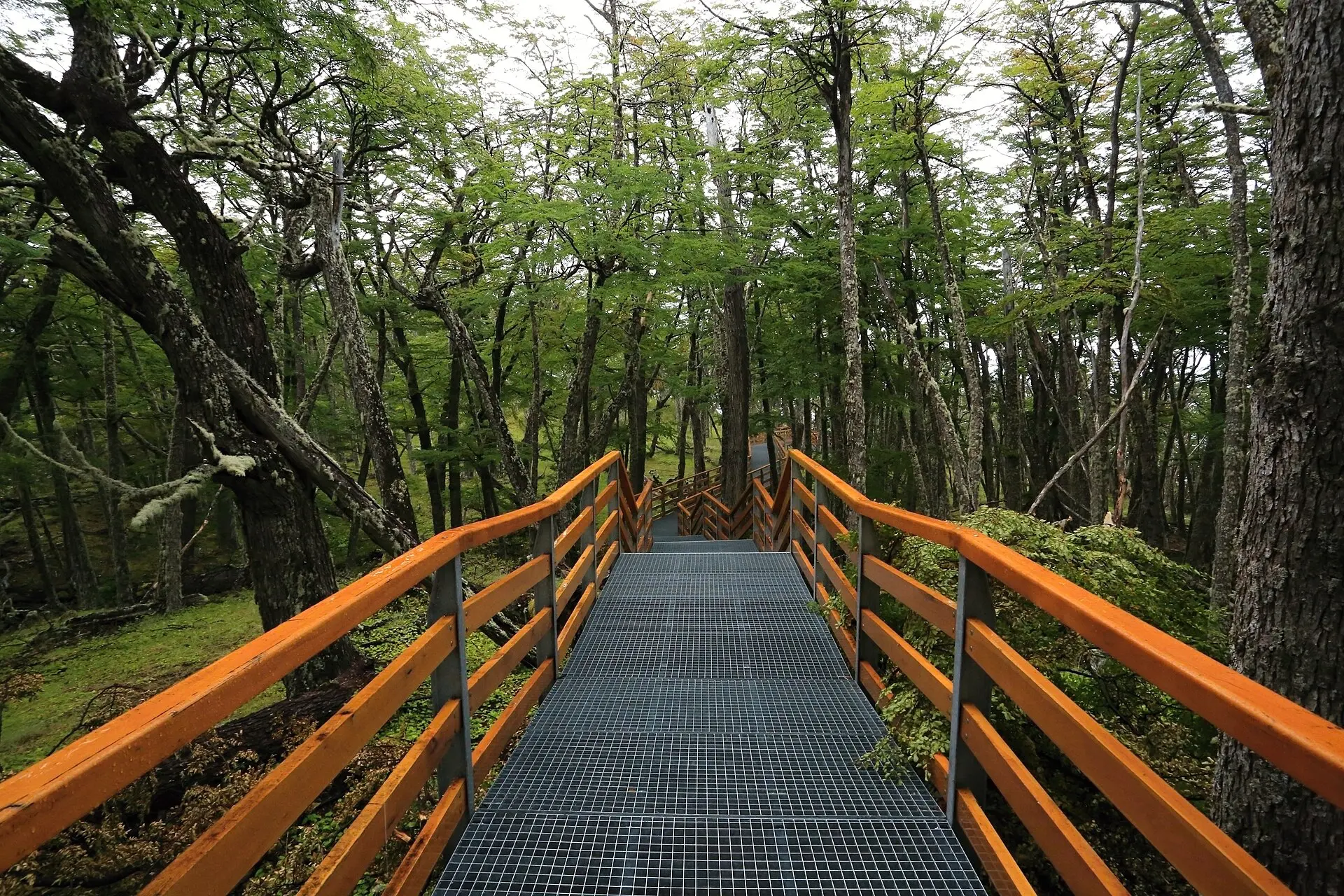
The glacier face sits about 80 km west of town inside Los Glaciares National Park. A network of steel walkways lets you view it from the opposite shore. Allow 4 to 5 hours at the site plus the drive. Carry a windproof layer, a hat and gloves, even in summer. Park entry is a separate fee and prices change, so check before you go. Fallback: if cloud sits low, wait on the lower walkways. Ice noise and calving carry on regardless of light.
2. Boat trip on Lago Argentino
Boats leave from a port west of town and cruise to glaciers that cannot be reached on foot, with the Upsala and Spegazzini glaciers the usual names. Allow a full day. Operators cancel when the wind lifts the lake into chop, often with short notice. Book it early in the trip so a lost day still leaves room to rebook. Fallback: switch to the walkway day and move the boat to your spare day.
3. El Chaltén by bus and a Fitz Roy day
The paved road to El Chaltén is 220 km and takes about 3 to 3.5 hours by bus. Plan two nights, not a return day trip. From the village, a hike to Laguna Torre is roughly 18 to 20 km return, and the walk toward Laguna de los Tres is about 20 km return with a steep final climb. Both take 6 to 10 hours. Fallback: if the cloud sits on the peaks, do a shorter valley walk and move the long hike to the next morning.
4. Glaciarium and the lakeshore
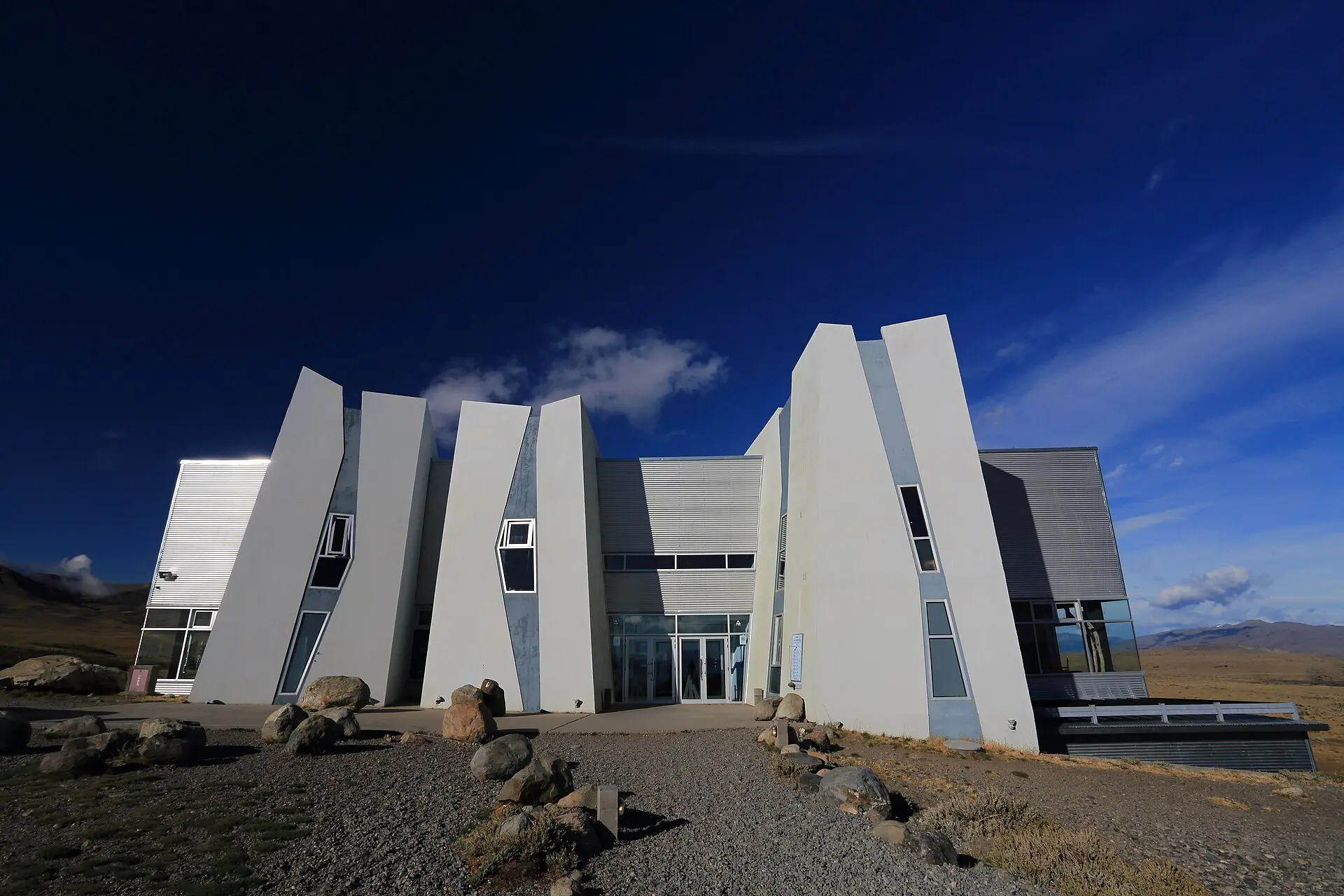
Glaciarium is a glacier museum several kilometres outside town, reached by a shuttle from the tourist office. It is the one indoor option. The entrance fee is charged in pesos and changes often, so check current prices. Pair it with a shore walk, where Chilean flamingos gather on the north side. This is a half-day filler, not a headline plan.
5. Ruta 40 toward Bariloche
This is the long north route, 1,400 km, partly gravel and often run in a small van. Expect more than 10 hours a day over about 2.5 days. It stops at El Chaltén and Perito Moreno town, the base for the Cueva de las Manos. Book your onward seat when you arrive in each stop, or you can be stuck for a couple of days. Fallback: fly the leg north from Calafate and skip the road.
6. Puerto Natales crossing
Buses connect El Calafate with Puerto Natales, the gateway to Torres del Paine, on a paved road. The border is the variable: queues of one to two hours are normal. Do not book a same-day trek start after crossing. Fallback: break the trip with a night at either end and keep a flexible bus ticket where the seller allows it.
Best time to visit El Calafate
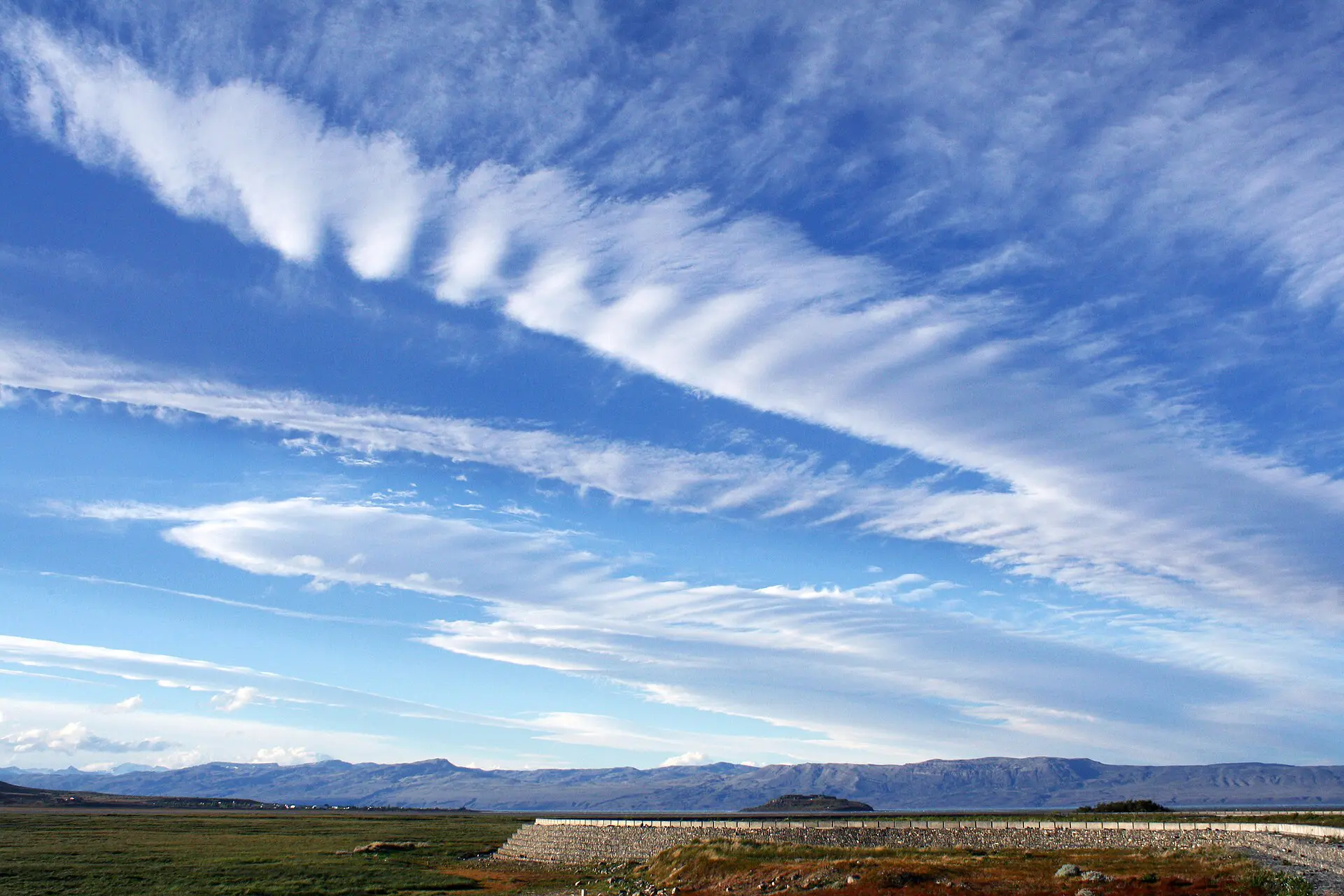
The climate is cold semi-arid. Summers are mild, dry and windy, and temperatures can drop below freezing even in midsummer. Snow falls from about May to September. Recorded extremes run from about 31 °C to minus 17 °C.
- Summer (December to February): longest days, most services running, busiest transport. Book buses and flights early.
- Shoulder (October to November, March to April): fewer people and open trails, but some operators run reduced timetables. Check each one.
- Winter (May to September): snow, short days and thin services. The glacier remains open to view, but Chaltén hiking is limited.
Whatever the month, plan one weather buffer day for each major outing. Wind decides the boats and the exposed trails.
Fallbacks for each El Calafate plan
- Glacier day lost to wind: use the spare day. If none is left, take the walkways in the afternoon, when wind often drops.
- Boat cancelled: ask for a rebooking first, then a refund. Do not wait at the pier.
- Chaltén bus full: buy the leg the day you arrive, and take an earlier or later departure.
- Trailhead road rough or closed: hike from the village instead. The Laguna Torre and Laguna de los Tres routes both start on foot from El Chaltén.
- Border queue at Puerto Natales: keep the next night’s bed flexible.
Where to sleep: El Calafate travel guide to bases
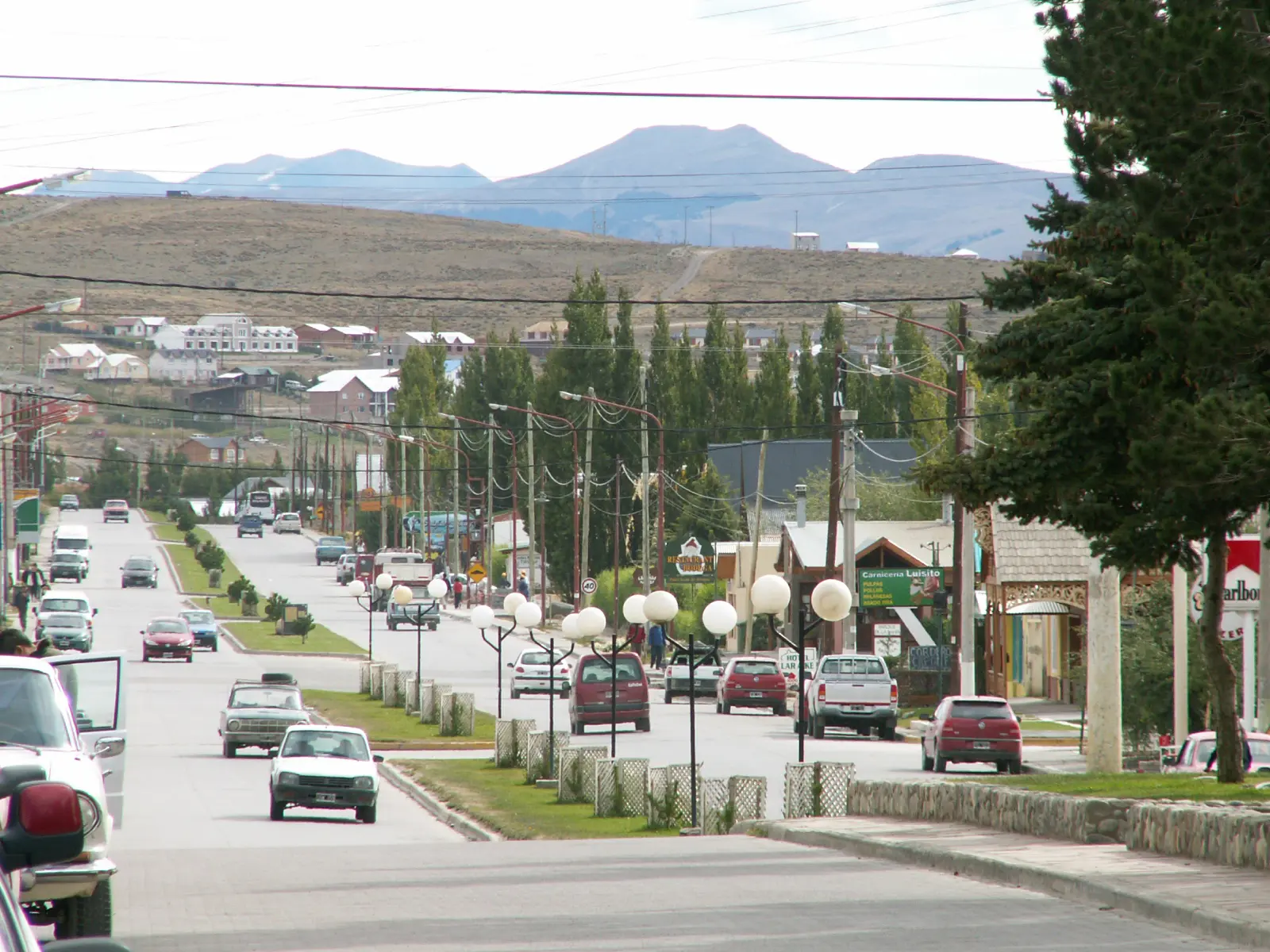
Choose by function. Near the main street you can walk to the bus station, supermarkets and the lakeshore. Hostels fill first in January and February. Cabins and apartments away from the centre suit people with a car. In El Chaltén, sleep in the village, because the trails start from it. Prices swing widely with the season, so book early for December to February.
Skip El Calafate if
- You have under three days and want both the glacier and El Chaltén. The legs will eat the time.
- You need guaranteed weather for a fixed date. This is Patagonia, and the wind is not negotiable.
- You want a quiet town. In summer it is a tourist service hub. I would treat it as a base, not a destination.
- You dislike long road legs. Every major sight is 80 km or more from town.
FAQ about El Calafate travel guide
How many days do you need in El Calafate?
Two full days cover the glacier and a boat trip or the museum. Add two to three nights if you want El Chaltén, and one buffer day for wind. Four to five days total is sensible. A single day works only for the glacier, if you accept a long drive.
How far is El Calafate from El Chaltén?
About 220 km on a paved road, usually 3 to 3.5 hours by bus. Services run through the day in season and thin out in winter, so confirm times locally. Most people stay at least one night there rather than doing it as a return day trip.
How far is Perito Moreno Glacier from El Calafate?
About 80 km, on a paved road inside Los Glaciares National Park. The drive takes around an hour each way. You pay a park entry fee separately from any bus or tour, so check the current rate before you go.
Can you get from Puerto Natales to El Calafate by bus?
Yes. Buses run on paved roads and cross the border, and the whole journey usually takes most of a day. Border queues drive the timing. Do not schedule a connection or a trek start on the same day. Check the current timetable and book in peak season.
What is the weather like in El Calafate?
Cold, dry and windy. Summers are mild but can still dip below freezing, and winters bring snow from May to September. Wind matters more than rain: it cancels boats, chills the glacier walkways and rattles buses. Pack windproof layers in every season.
For background, see the El Calafate article on Wikipedia and the El Calafate guide on Wikivoyage. For the wider country, use our Argentina travel guide, and for the town itself see the El Calafate guide.