Dubrovnik Old Town is small enough to see properly in one well-timed day, provided you respect the crowd curve. If you only have one day, walk the City Walls at opening, cross the Stradun before the cruise groups arrive, visit one museum at midday and take the cable car up Mount Srđ for the late light. The walled city is pedestrian-only and UNESCO-listed since 1979, so the plan is mostly about timing, tickets and stairs, not distance.
How to use your days in Dubrovnik Old Town
The Old Town is a compact grid of limestone streets inside medieval walls, with the main street, the Stradun, running from Pile Gate to the Old Port. Everything worth seeing is within about a 10-minute walk. The constraint is crowds: cruise passengers and day-trippers fill the centre from late morning to mid-afternoon in high season.
So run the day in three shifts. Do the walls and open-air sights early, move indoors at midday, and return to the streets once the day-trippers have left in the evening. In summer that also keeps you out of the heat. Confirm opening hours and any visitor limits before you go, because the city has been experimenting with crowd controls.
For wider context, see the Dubrovnik guide and the Croatia travel guide.
Dubrovnik Old Town: a time-blocked plan
Six blocks for a day and a half. Take blocks 1, 2 and 6 for one day. Times are patterns, so verify opening hours and ticket terms.
Block 1: the City Walls at opening
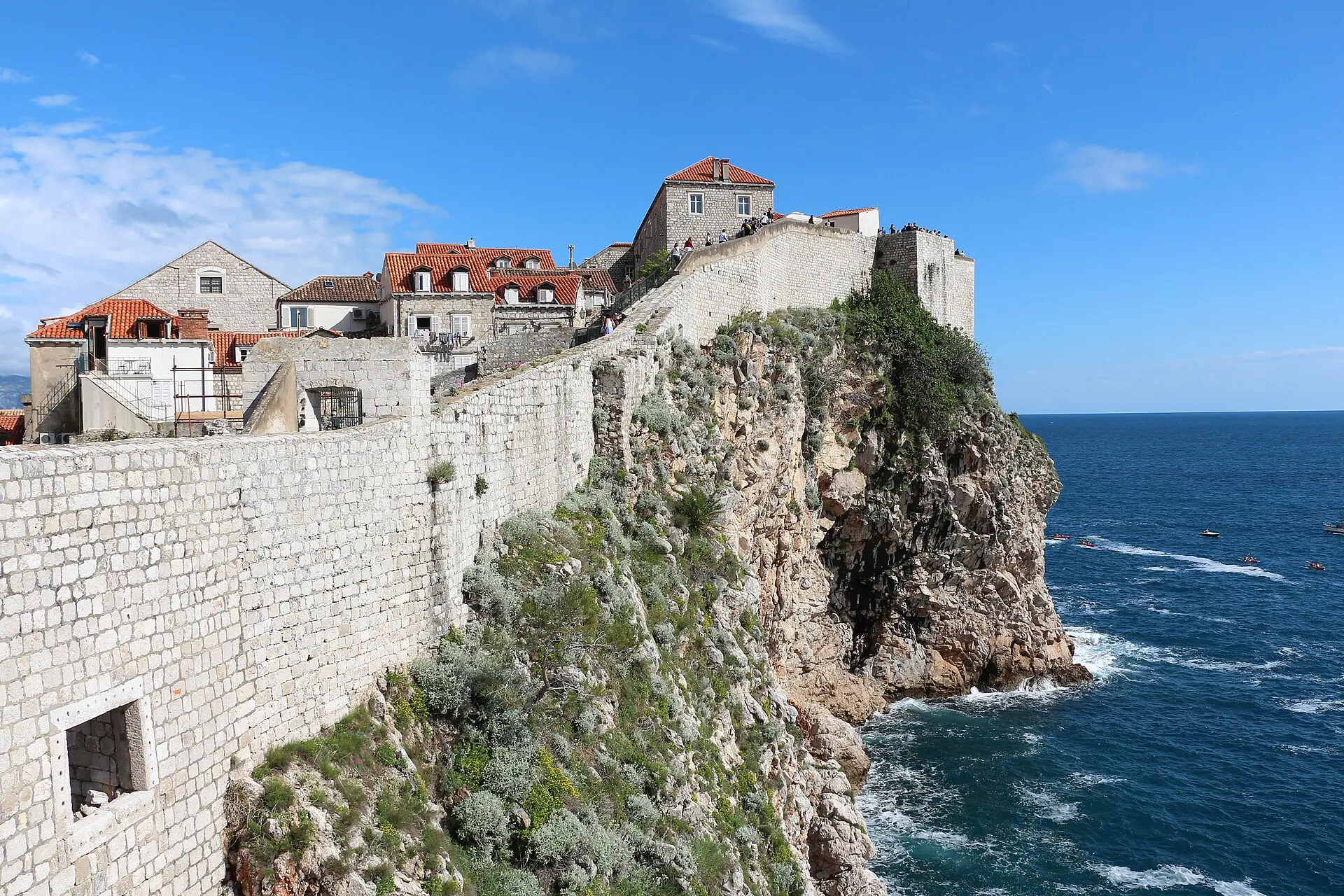
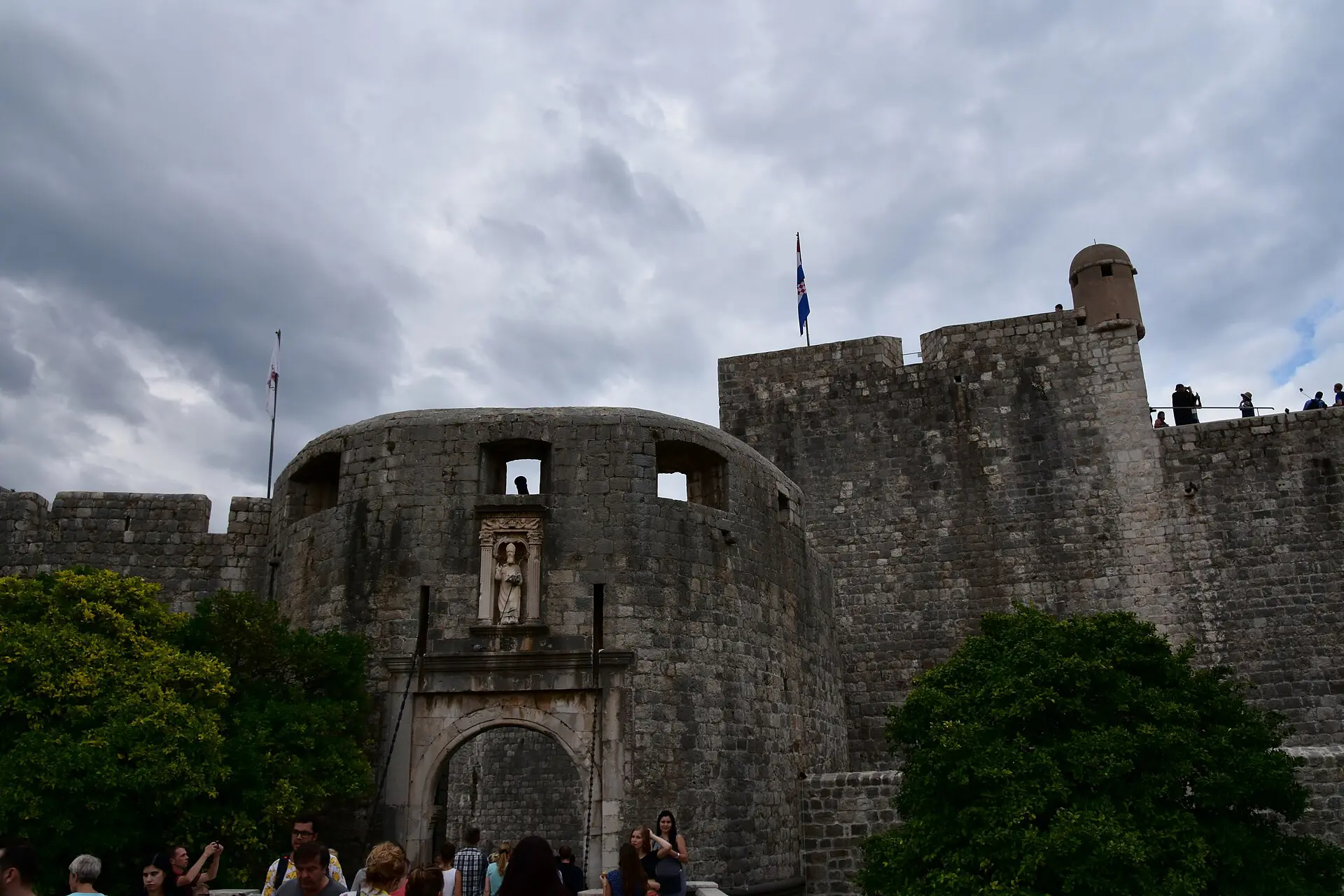
The walls form a loop of around two kilometres, with steep stairs and few shaded stretches, and give the best view of the terracotta roofs and the Adriatic. The ticket is priced in the tens of euros in high season, and it can include entry to Fort Lovrijenac depending on the current offer, so check. Entrances are at Pile Gate and near the Old Port.
Arrive the moment the walls open, usually around 8am in summer, and follow the direction of travel indicated by the signs. Allow 90 minutes to two hours. By late morning the stairs and narrow stretches are congested, and there is little shade, so bring water and a hat. Do not attempt the circuit in the midday heat, which can be genuinely exhausting.
Block 2: the Stradun, Onofrio’s Fountain and the Franciscan Monastery
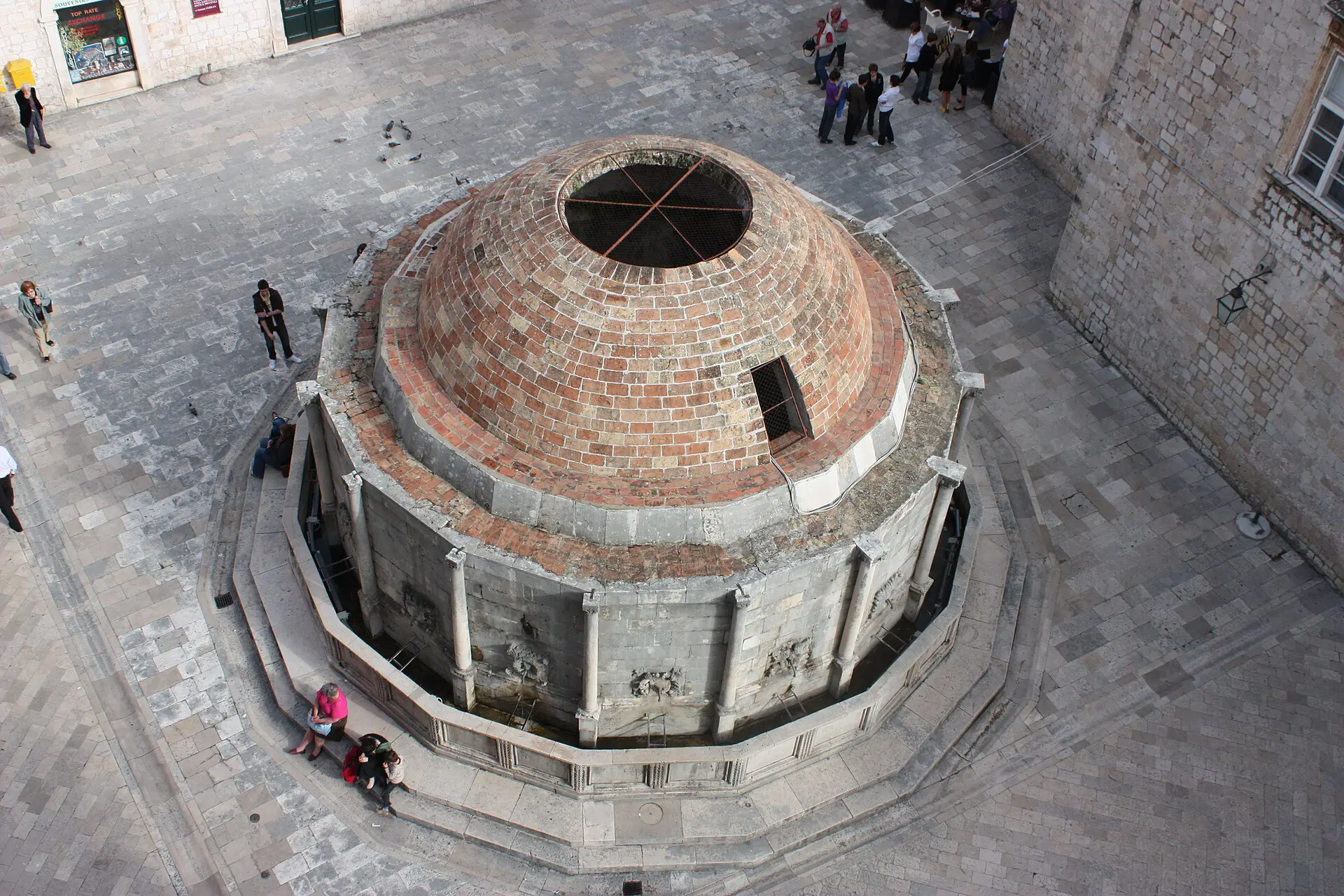
After the walls, walk the Stradun, the polished limestone main street. At Pile Gate stands the Large Onofrio’s Fountain, a 15th-century water system terminus. Beside it is the Franciscan Monastery, which houses one of the oldest pharmacies still operating in Europe, dating from the 14th century, and a small cloister.
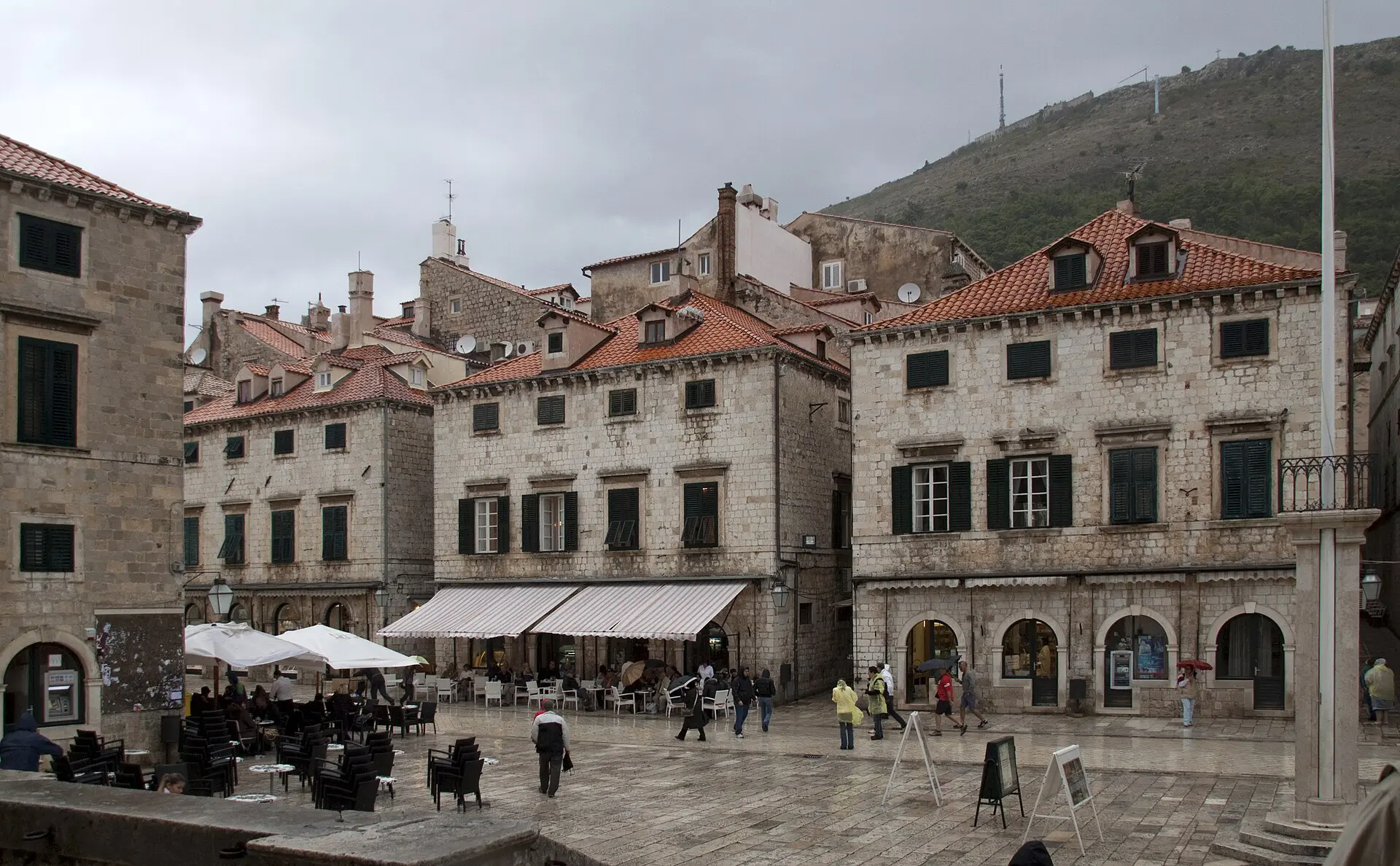
Visit the monastery in the quiet hours. It has set opening hours and may close for services, so check. The Stradun itself is best before 10am, when the stone is empty and the light is sharp.
Block 3: Rector’s Palace and Sponza Palace
The Rector’s Palace was the seat of government of the Republic of Ragusa, which ruled itself as a free state between the 14th and 19th centuries. It now houses the Cultural-Historical Museum. Allow an hour, and expect closing and ticket terms to vary by season. The nearby Sponza Palace, a Renaissance and Gothic customs house, has a courtyard and an archive of the republic.
These two make the best indoor block when the heat peaks. Both visits are short, and both are among the less crowded sights inside the walled city.
Block 4: Gundulić Square market and the Jesuit Stairs
The morning market in Gundulić Square sells fruit, vegetables, local oils and dried goods from stalls in the open. It is a working market, so it is best before noon and tends to wind down by early afternoon. Check which days it runs.
The Baroque Jesuit Stairs rise from the square to the Church of St Ignatius. It is a short but steep climb, and the view back down over the rooftops justifies the effort. Allow 45 minutes for the market and the stairs together. This pairing gives you something local and unrehearsed in a city that is otherwise heavy on tourism.
Block 5: Cathedral, St Blaise and the Old Port
The cathedral and the Church of St Blaise, patron saint of the city, stand close to Luža Square. Both are free or low-cost and are quick stops of 15 to 30 minutes. They are active churches, so dress modestly and expect shorter hours on Sundays and feast days.
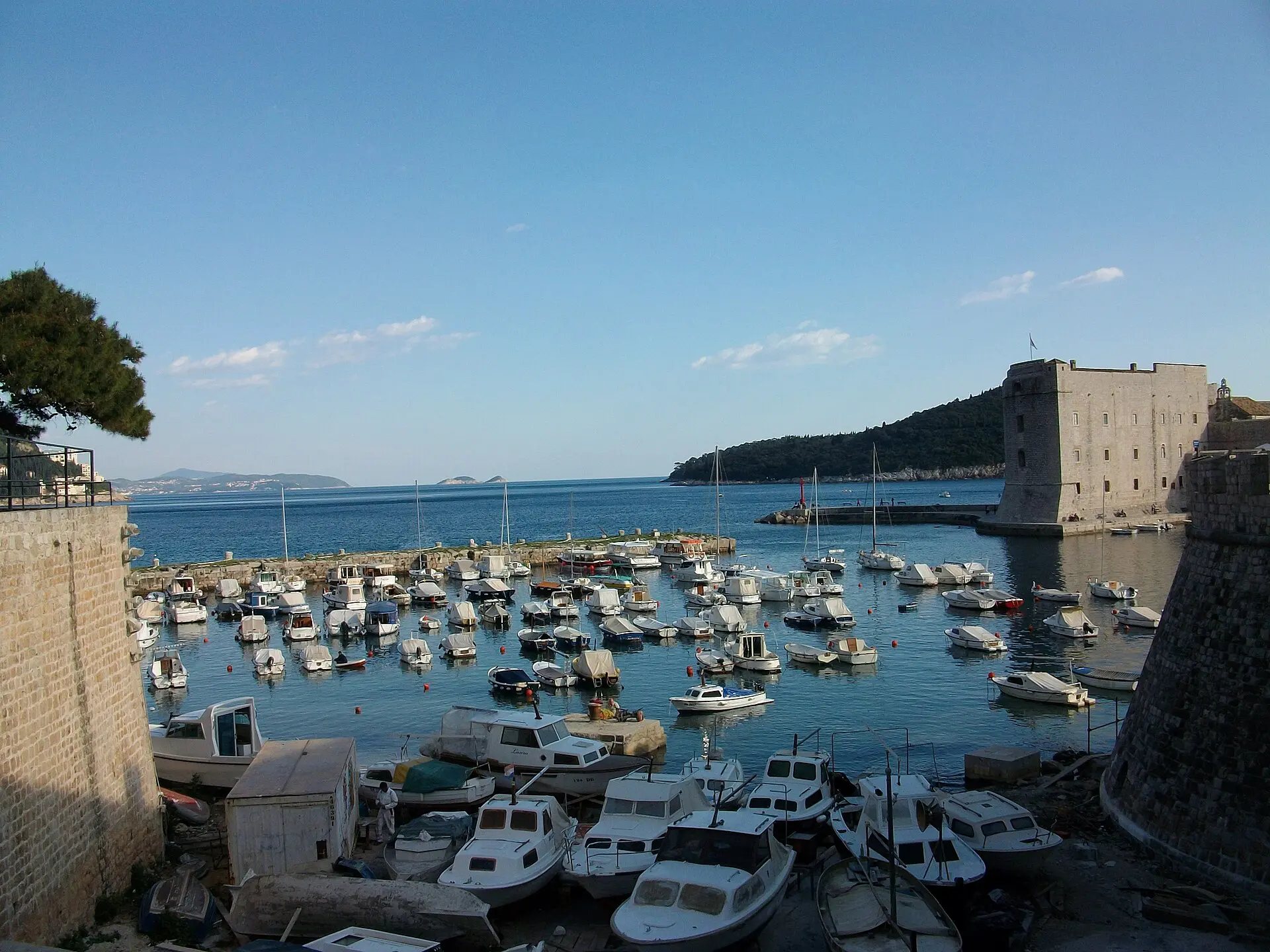
Finish by walking to the Old Port, where boats leave for Lokrum island and other short trips. A half-day on Lokrum suits a second day, since the ferry runs seasonally. Check timetables, as service is weather-dependent.
Block 6: Mount Srđ and the sunset
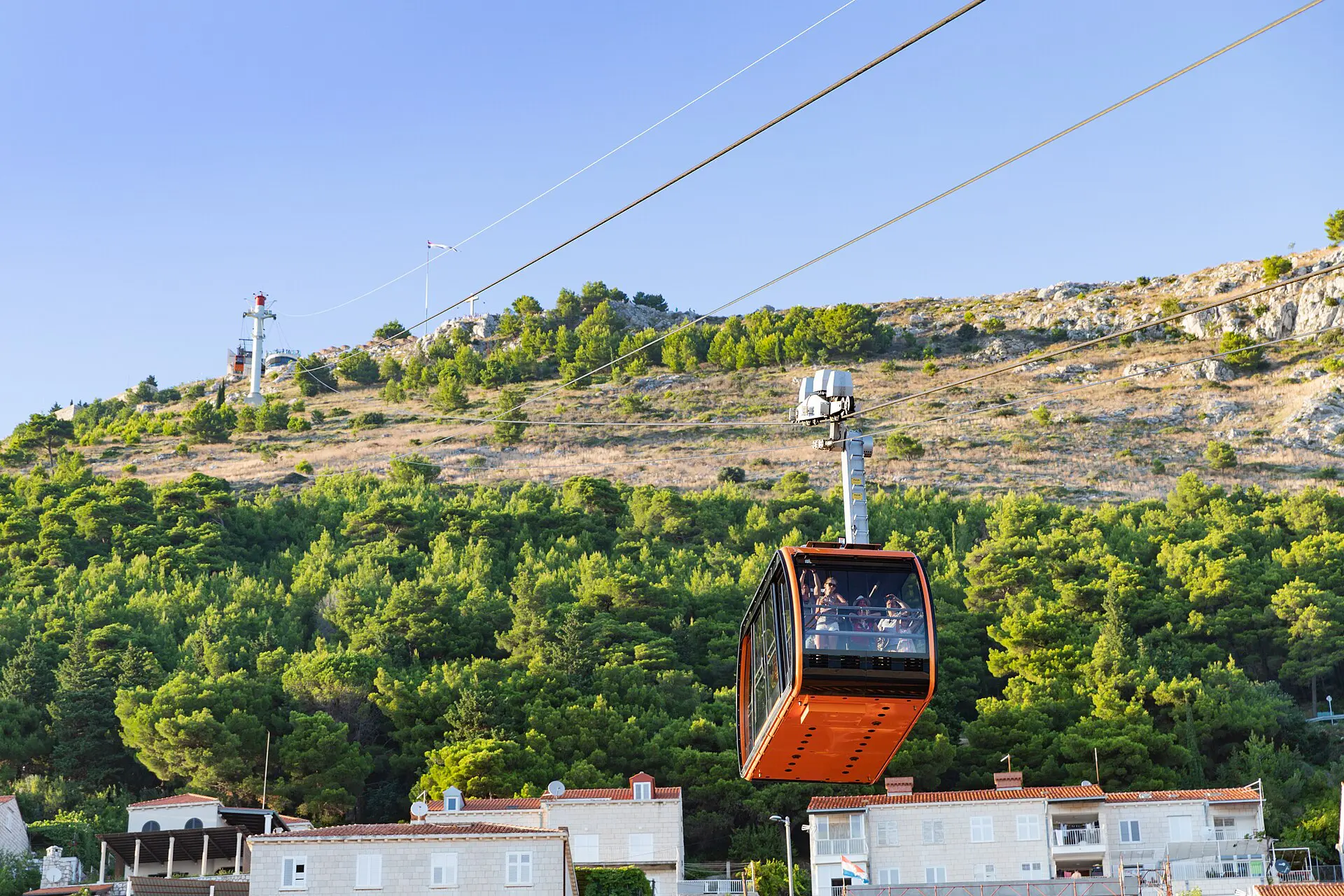
The cable car rises above the Old Town to Mount Srđ, with a panoramic view over the walls and the islands. The Homeland War Museum at the top of the hill explains the 1991 to 1992 siege, which damaged much of the city. Allow 90 minutes, and choose a time that avoids the sunset crowds if you prefer fewer people, or accept them for the sake of the light.
Check the cable car’s operating season and any closures caused by strong wind. If the car is not running, the road up is steep, and a taxi is a fallback. Come down before it gets dark if you do not want to queue.
Queue-avoidance timing in Dubrovnik Old Town
- Walls at opening: be at the gate when it opens. The first hour is cooler and has far fewer people.
- Visit before cruise arrival: check which ships are in port; the busiest days have several, and the Old Town fills from late morning.
- Shoulder seasons: April, May, late September and October are quieter and cooler. July and August are the hardest.
- Buy tickets ahead where online options exist, and note that some sights close on set days.
- Return after 5pm when day-trippers leave and the streets open up.
Getting around Dubrovnik and its stairs
No cars enter the walled city, so you walk, and the side streets running up from the Stradun are steep stone stairs. Wear flat shoes with good grip, and expect to carry or roll your luggage over uneven cobbles. The airport is about 20 kilometres to the south, and an airport shuttle bus normally runs to Pile Gate, with taxis as an alternative. Check timetables and fares before you travel.
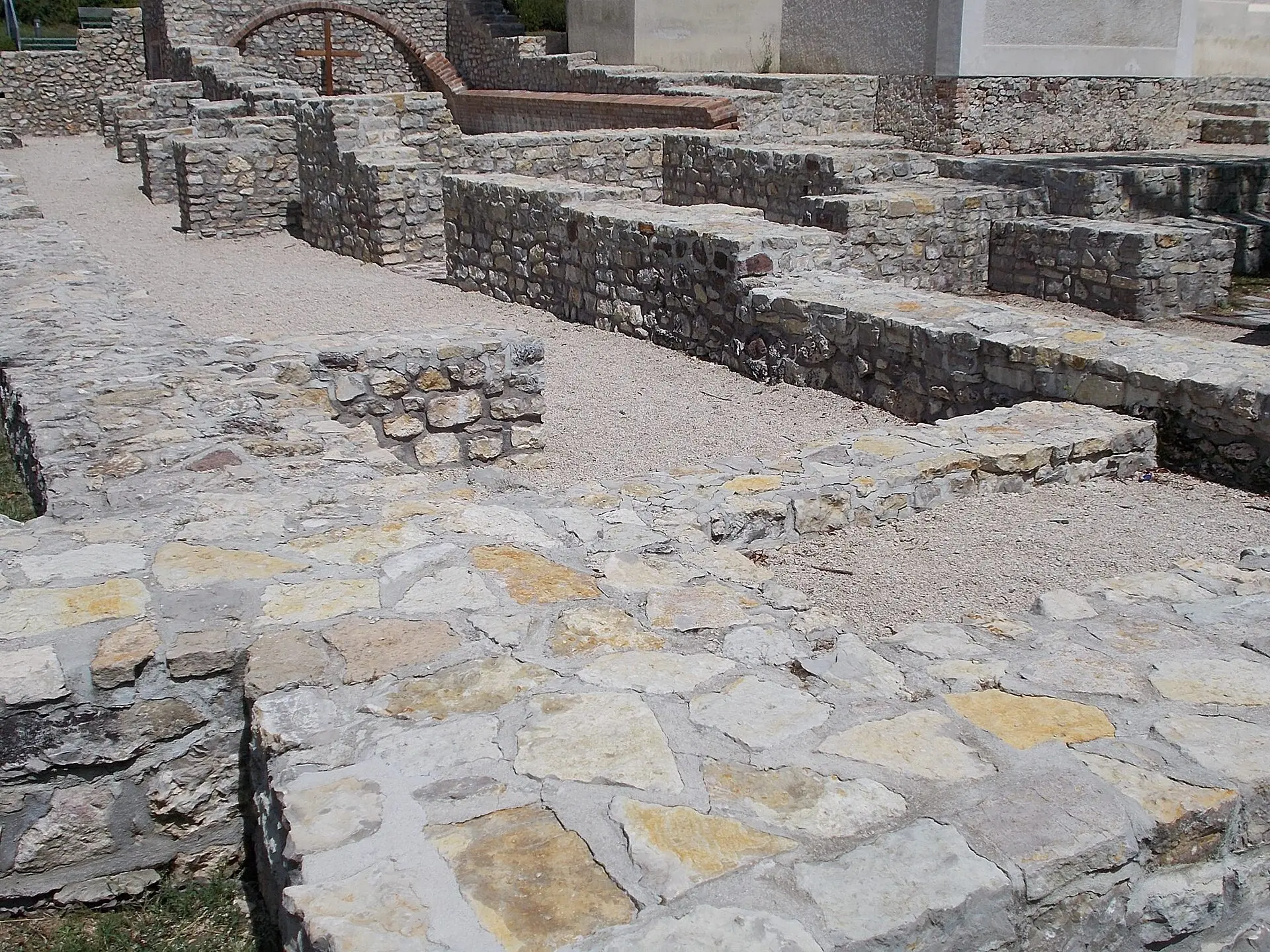
Local buses leave from near Pile Gate for Lapad, Ploče and the ferry port at Gruž. Walking from Pile Gate to the Old Port along the Stradun takes about 10 minutes. Outside the walls, use buses or taxis, and allow extra time in summer traffic.
Where to stay in Dubrovnik
- Inside the walls: unbeatable for early starts and evening quiet, though expensive and with many stairs. Noise on summer nights can be a factor.
- Ploče: just outside the eastern gate, a short walk to the Old Port and with sea views.
- Pile and Boninovo: west of the walls, handy for buses and the walls entrance.
- Lapad: a residential peninsula with beaches and a bus link, better value but less atmospheric.
What to skip if you are short on time
If you have only a few hours, do the walls and the Stradun and skip the museums. If the walls are crowded or the heat is intense, I would swap them for Mount Srđ at sunset and see the Old Town from above. Skip any lunch on the Stradun itself, since the side streets and the market have better value.
Lokrum and the cable car are optional. For background, see the Wikivoyage Dubrovnik guide and Wikipedia.
FAQ about Dubrovnik Old Town
How long do you need in Dubrovnik Old Town?
One full day covers the walls, the Stradun, one museum and the cable car. A second day adds Lokrum or the quieter back streets. If you arrive by cruise ship, you will have only a few hours, so do the walls first.
Is Dubrovnik Old Town free to enter?
Yes, walking through the gates and along the streets is free. Paid attractions include the City Walls, Rector’s Palace, the museums and the cable car. Prices change each season, so check before you go.
What is the best time to visit Dubrovnik Old Town?
Early morning and after 5pm are the best times of day, and April to May and late September to October the best months. July and August are the hottest and most crowded, so plan the walls for opening time.
Are the City Walls worth it?
Yes, if you go at opening and have the stamina for the stairs. They give the best views of the roofs and the sea. Skip them in midday heat or if you have knee problems, and choose Mount Srđ instead.