Start with a plate of provisions. Dominica food is built on the root crops, plantains and fish that grow and swim around the island, and the clearest way in is a lunch plate of boiled dasheen, green fig and fish or stewed chicken, with callaloo soup alongside. This guide gives the order to eat in, the market rhythm in Roseau, hedged price bands and the etiquette that keeps small kitchens friendly. For planning beyond food, see the Dominica travel guide.
How eating works in Dominica
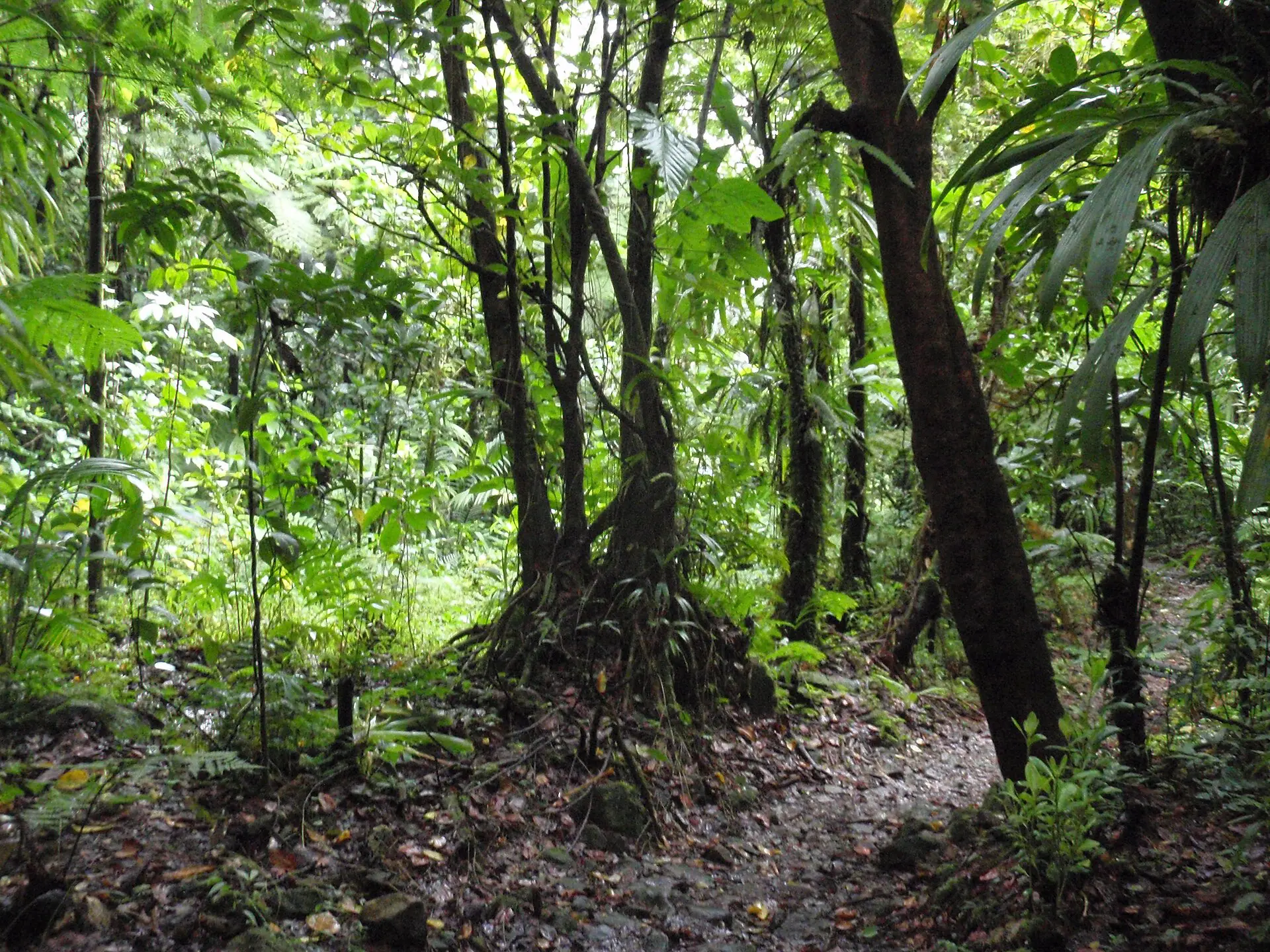
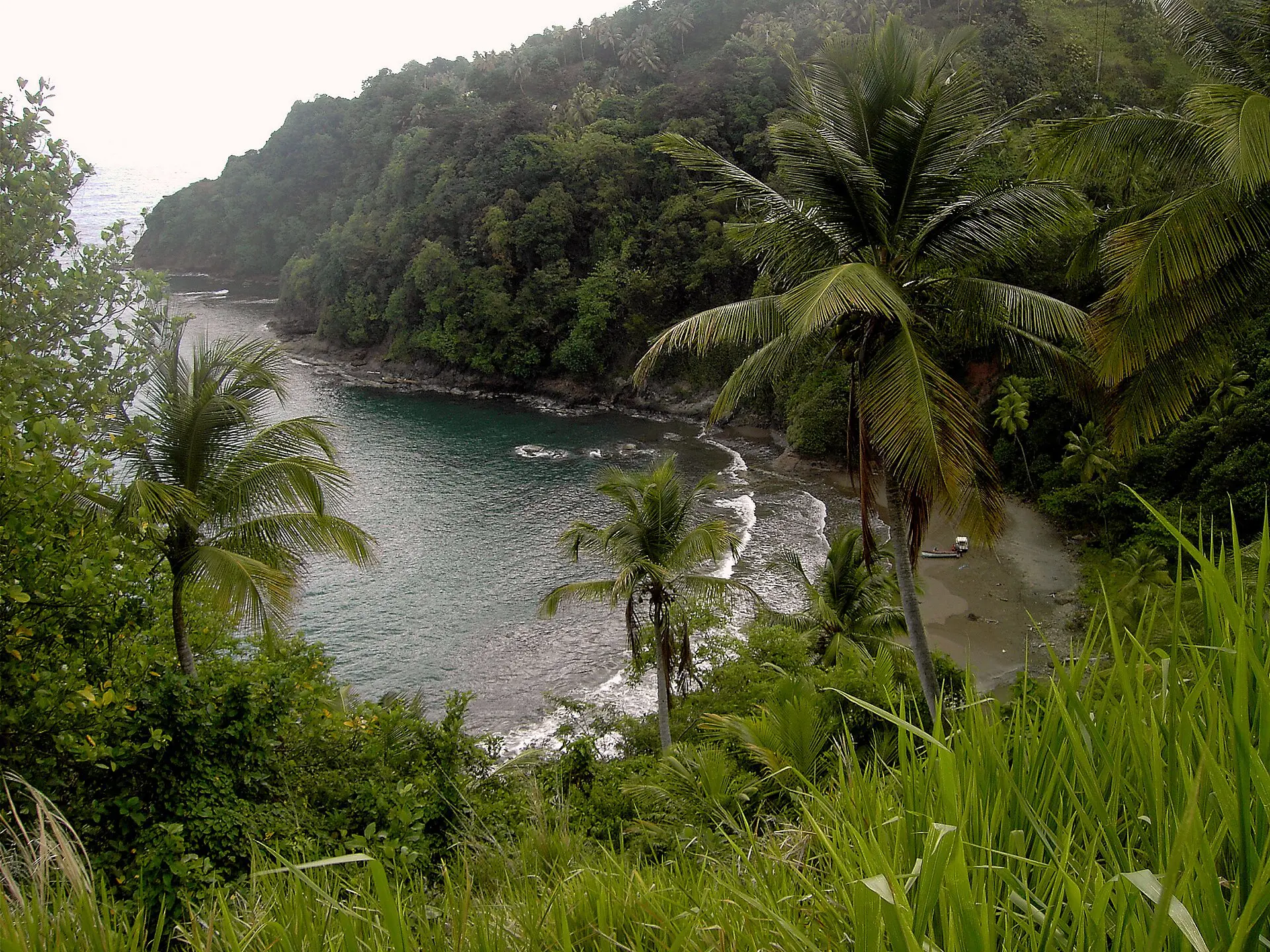
Dominica is the most mountainous of the Lesser Antilles, with rainforest, rivers and volcanic soil. That gives farmers steep plots of root crops and fruit, and gives cooks a vocabulary of provisions: dasheen, tannia, yam, sweet potato, plantain and green fig, which is a boiled green banana. Fish comes from the coast, and some of the best meals are cooked in family kitchens rather than restaurants.
Lunch is the main meal and often the best value. Breakfast is bread, bakes and tea; supper is lighter. The Kalinago people, who have lived on the island since long before the Europeans, still make cassava bread, a flat toasted round from grated cassava, in the Kalinago Territory on the east coast.
Rain shapes the menu. Heavy rainfall inland keeps the island green, and many cooks work with what is ripe that week: mango and breadfruit in their seasons, citrus and passion fruit through much of the year. Hurricane season, roughly June to November, can disrupt supply, and a dish listed on a board may simply be unavailable. Flexibility is part of eating here.
Dominica markets and meal timing
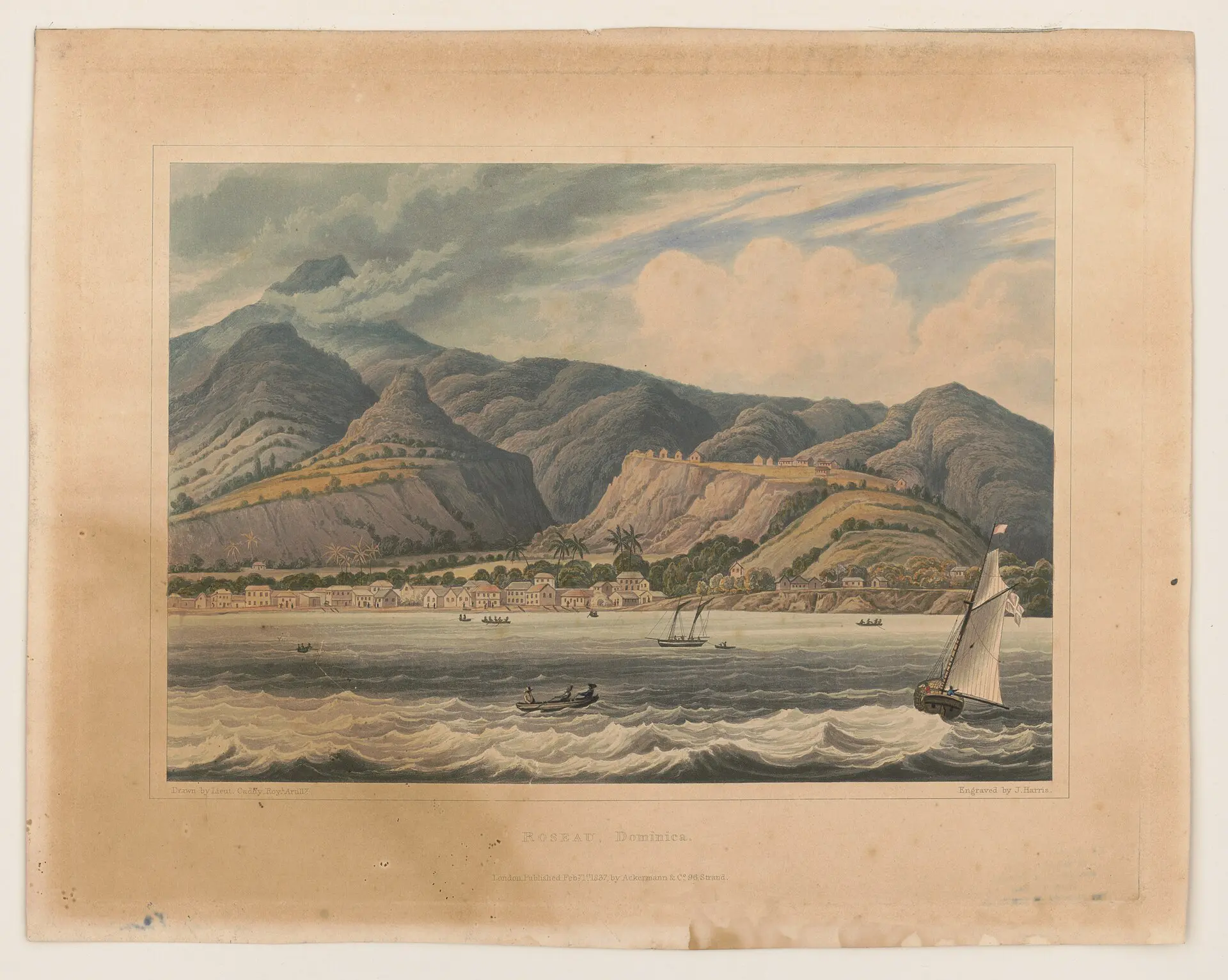
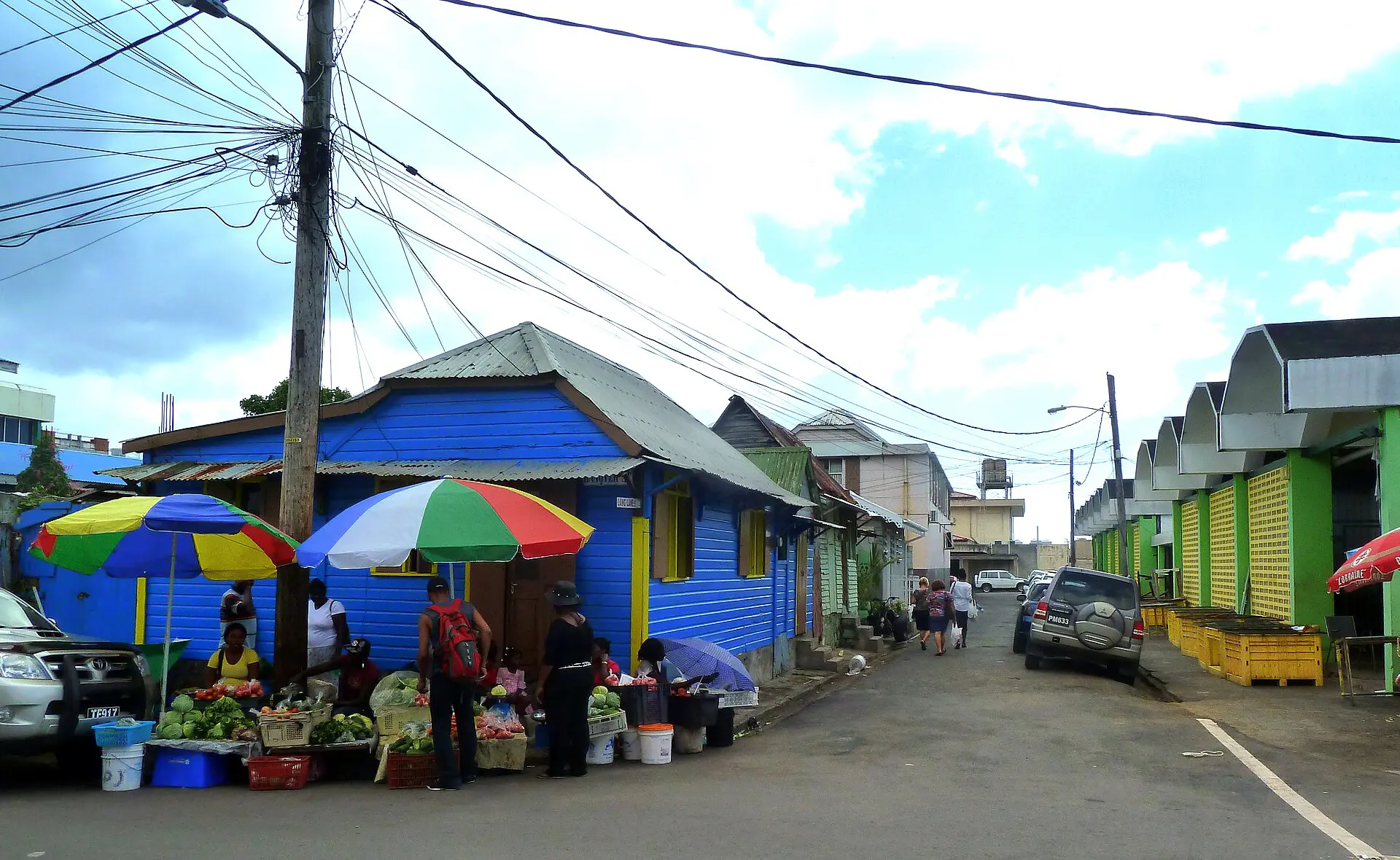
Roseau, the capital on the west coast, is the centre of the produce trade. Market stalls open early and thin out by late morning. Days and hours shift, so confirm them locally.
| Time | Where | What to order or buy |
|---|---|---|
| Early morning | Roseau market area | Fruit, provisions, herbs, bay leaf and spice; Saturday is typically the busiest day |
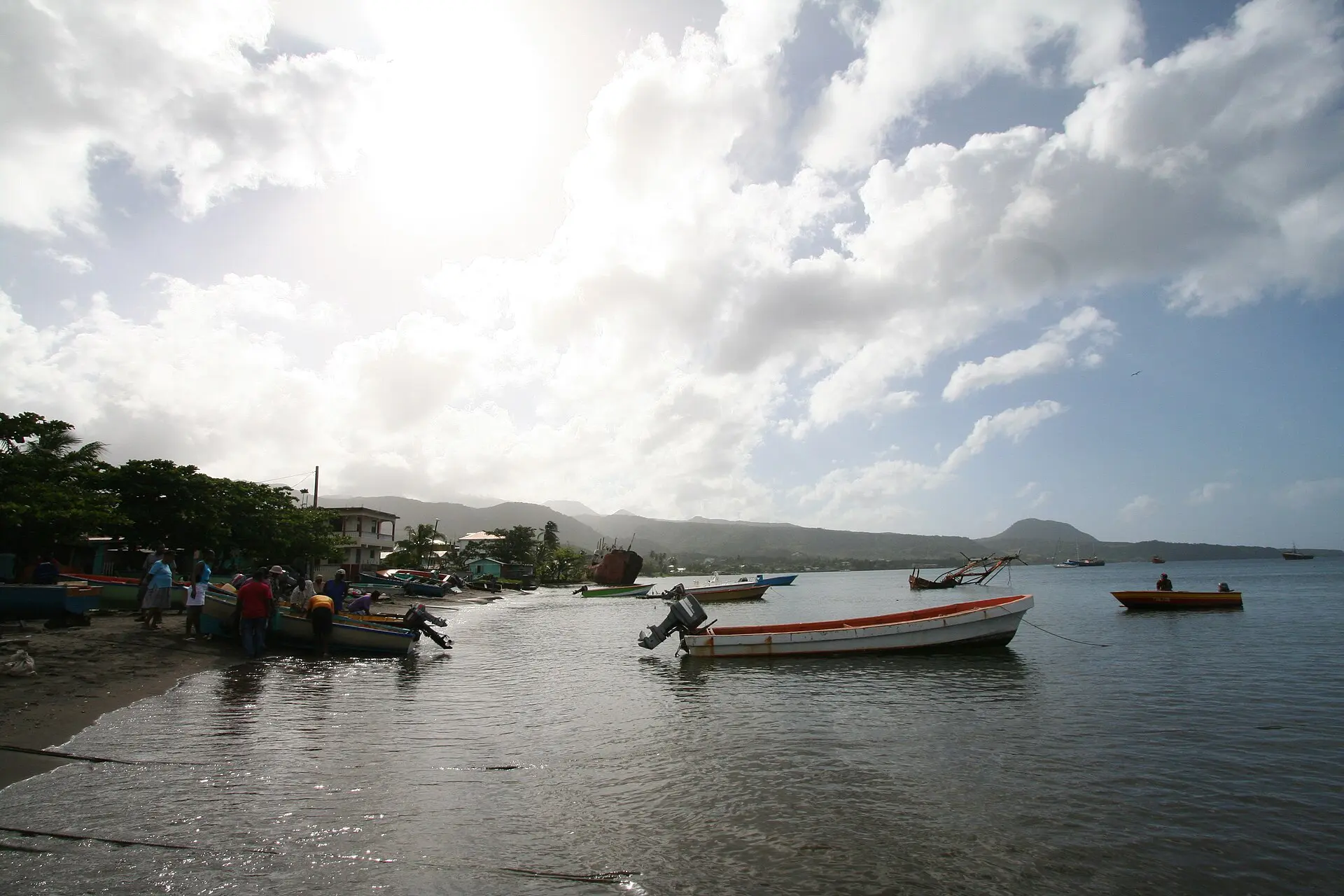
| Morning | Roseau waterfront fish sellers | Fresh fish by the pound; ask what came in today |
| Breakfast | Bakeries and small shops | Bakes, saltfish, bread and tea |
| Lunch | Local kitchens across the island | Provision plates, callaloo soup, stewed or fried chicken, fish |
| Late afternoon | Roadside stands near beaches and river sites | Fresh juice, fruit, grilled fish and snacks |
What to eat in Dominica: seven dishes
1. Provision plate
The base of a Dominican lunch. Dasheen, tannia, yam and green fig are boiled in salted water until soft, then served with fish, stewed meat or a thick sauce. Starch is the point here, so go with an appetite. It is filling and sits in the lower price band.
2. Callaloo soup
Callaloo is the leaf of the dasheen plant. It is cooked down with coconut milk, onion and garlic into a green, creamy soup, sometimes with crab or salted meat. It is mild rather than spicy and often served first. Ask about meat stock if you avoid it.
3. Fresh fish with Creole sauce
Grilled or fried whole fish, usually a reef or pelagic species such as snapper, mahi-mahi or tuna, comes with a Creole sauce of onion, tomato and thyme. It is often served with a provision or rice. Ask which fish is fresh, and expect to pay a premium near tourist sites.
4. Crab backs
A land crab speciality: crab meat is seasoned with onion, pepper and herbs, then packed back into the shell and baked. It is a small plate and worth ordering when it is on the menu. Availability varies, so treat it as a bonus rather than a plan.
5. Bakes and saltfish
A fried dough round, split and filled with salted cod, onion and pepper. This is a classic breakfast and snack. It is cheap and quick, and a good fuel stop before hiking toward the island’s trails and waterfalls.
6. Bouyon
A thick, soupy stew made with provisions, dumplings and meat, cooked until the starch thickens the broth. It is rustic and comforting, and local cooks make it on weekends and when it rains. Ask whether it is on that day, and accept that it may not be.
7. Juices, bay rum and cocoa tea
Fresh juice from passion fruit, soursop, guava or lime is common and cheaper than bottled drinks. Dominica also has a bay leaf tradition, and bay rum is a local product. Cocoa tea is a hot drink made from local cocoa, often served at breakfast. Check that juice is made from fresh fruit and clean water.
How much does food cost in Dominica?
These are broad US dollar bands, as of 2026. The East Caribbean dollar is pegged to the US dollar, so prices appear in either. Check menus, as island imports push costs up.
| Meal type | Typical band (USD) | Notes |
|---|---|---|
| Bake, snack or fruit | 2-5 | Bakeries and roadside stands |
| Local lunch plate | 6-14 | Provisions with fish or chicken |
| Fresh fish plate | 12-25 | Higher near tourist sites |
| Sit-down dinner | 20-40 | Roseau and larger lodges sit higher |
Dominica dining etiquette
Greet first. “Good morning” before a question or an order is basic courtesy, and it changes how people respond. Tipping is usually around 10 percent in sit-down places, but check for a service charge on the bill. Cash in small notes is useful, since small stands may not take cards, and change can be short in rural areas.
Ask before taking a photo of a cook, a stall or a plate. If you are invited to a table, wait to be served and try everything offered. Pepper sauce comes on the side, so add it slowly. Dishes that need long cooking, such as bouyon, are often made in batches, so a small kitchen may sell out by mid-afternoon. Plan your main meal for lunch and keep dinner simple. Tap water is often safe but many visitors choose sealed water, so ask where you are staying.
Where to eat in Dominica, by type of place
- Roseau: market stalls, bakeries and lunch counters. Best for first-time local meals and spice shopping.
- Portsmouth and the north: fishing and farming communities with grills and simple kitchens.
- Kalinago Territory: east coast, cassava bread and craft stands. Go with respect, and buy from local makers.
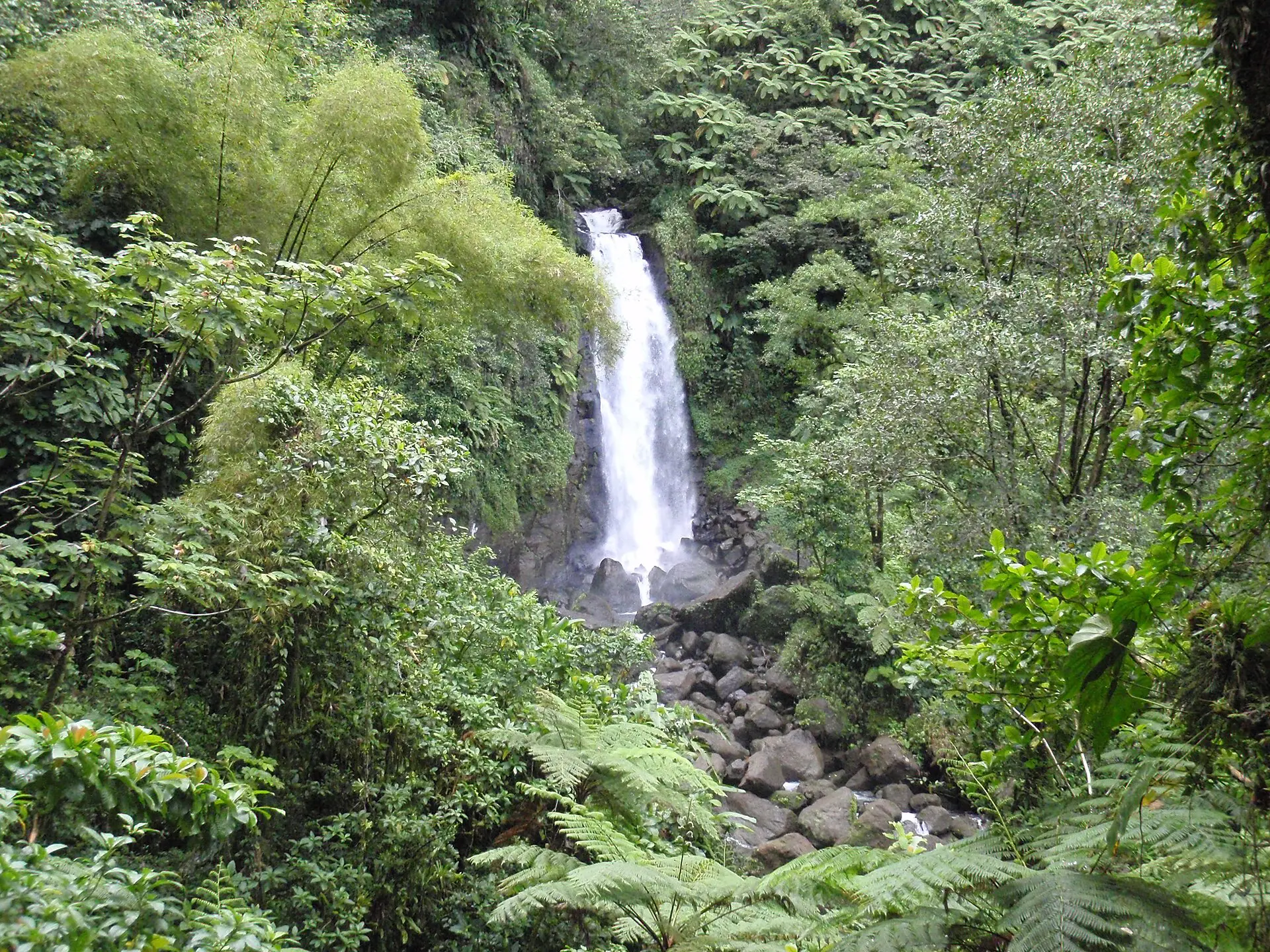
- Roadside near rivers and waterfalls: juice, fruit and snack stands that serve hikers.
- Guesthouses and lodges: many offer home-cooked dinners if you ask ahead.
What to skip when eating in Dominica
Skip mountain chicken, the giant ground frog that was once a traditional dish. It is critically endangered and protected, so it is not an ethical order. I would also skip fish sold from unrefrigerated trays in the midday heat, any stand with no customers at lunch, and packaged sweets sold as local when the label does not say where they were made.
If you want to take food home, buy spice, bay leaf and cocoa in small sealed packs, and check your own country’s rules on bringing in plant products. For a wider plan, read things to do in Dominica, and for facts see Wikivoyage’s Dominica guide.
FAQ about Dominica food
What is the national dish of Dominica?
There is no single official dish, but callaloo soup and provision plates are closest. Callaloo is made from dasheen leaves and coconut milk, and provisions are boiled root crops. Together they form the most typical local meal.
What is a provision in Dominica?
Provisions are starchy staples such as dasheen, tannia, yam, sweet potato, plantain and green fig, usually boiled and served with fish or meat. The word covers roots and fruit, and a provision plate is the standard lunch.
Can I eat the street food in Dominica?
Most visitors do, choosing busy stands where food is cooked hot and fresh. Look for steady local customers, avoid anything sitting out, and wash your hands before eating. Ask your doctor about travel health before you go.
Is Dominica food spicy?
The cooking is mostly savoury and herbal, built on thyme, garlic, onion and bay. Heat comes from pepper sauce on the side, and the local sauces can be strong, so add a drop at a time.
Where can I read more about Dominica?
The Dominica article covers geography and history, including its nickname the Nature Island of the Caribbean, which explains why so much of the food is farmed and foraged on land.