The best things to do in Dominica are outdoors: hike to Boiling Lake, swim through Titou Gorge, snorkel Champagne Reef and walk a stretch of the Waitukubuli National Trail. It is a rugged volcanic island of about 750 km2 with few beaches and little resort infrastructure. Trails are steep and wet, roads are narrow, and flights are indirect. That is the trade. Below: what to do, in rough order of value, with the terrain and fallback for each.
Best time to visit Dominica
Dry season is the safe window. Rain falls all year in the interior, so plan for wet trails whatever the month. Hurricanes are a real risk from late summer into autumn; the island was hit hard in 2017. Check forecasts and buy insurance that covers weather cancellation.
| Season | Weather | Crowds and prices | Good for |
|---|---|---|---|
| December to April | Driest and least humid; showers still common in the hills | Highest prices, still quiet by Caribbean standards | Boiling Lake, long hikes, diving |
| May to early June | Warmer, more rain, rivers rising | Cheaper, few visitors | Waterfalls, whale watching |
| Late June to November | Hot, humid, storm and flash flood risk | Lowest prices, some operators closed | Flexible travellers only |
Top things to do in Dominica
1. Hike to the Boiling Lake
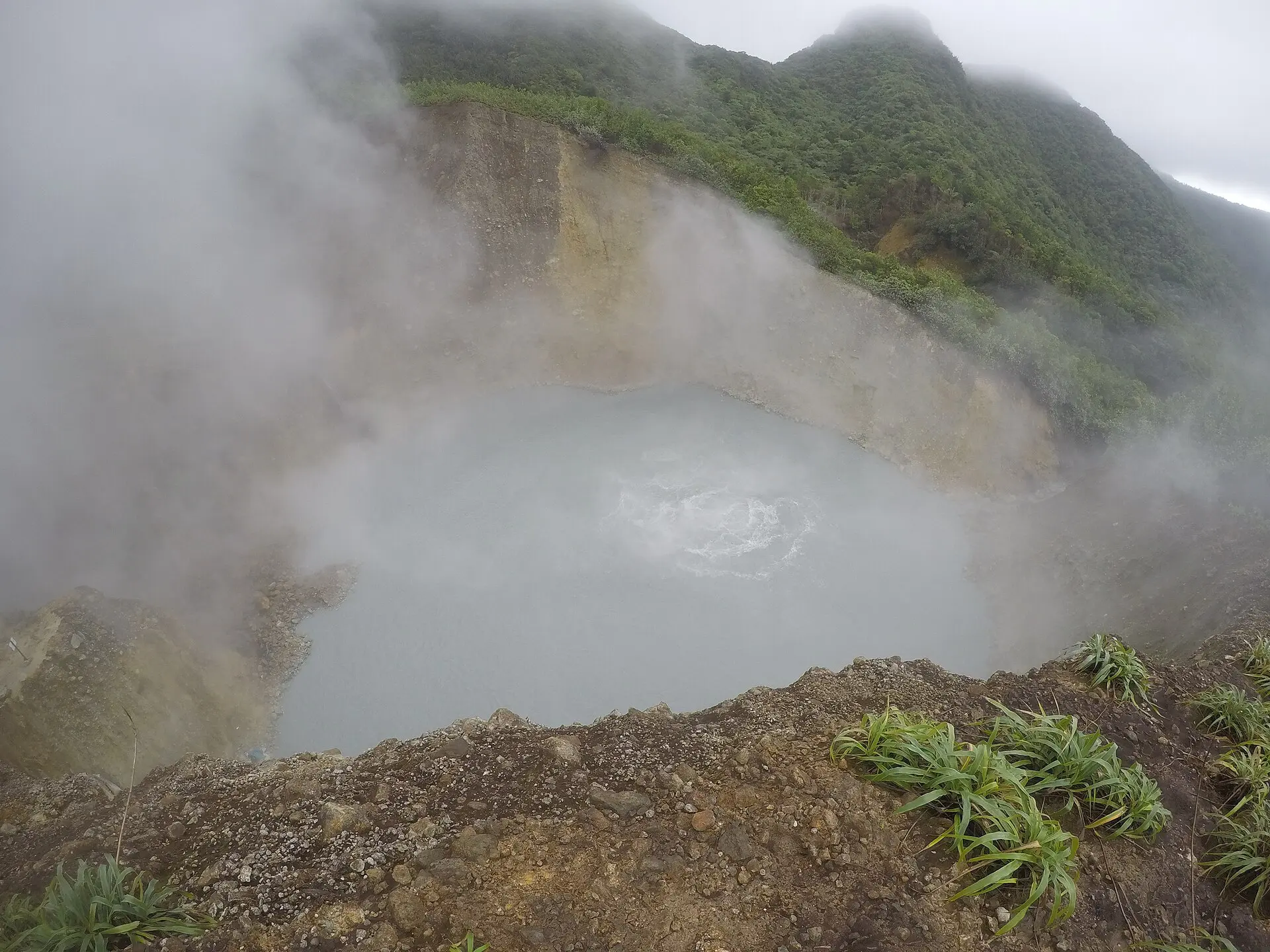
This is the hardest day on the island and the main reason many people come. Expect roughly 6 to 8 hours return, around 12 to 14 km, with steep muddy sections, river crossings and a sulphur-stained volcanic valley before the lake itself. Hire a licensed guide; the route is easy to lose in cloud and conditions change after rain. Start early, carry 2 litres of water and a dry layer. Skip it if your knees are poor or the forecast shows heavy rain.
2. Swim Titou Gorge
Titou Gorge is a narrow, water-filled canyon where cold river water meets warm volcanic seepage. You swim and wade about 100 m to a small waterfall. Currents are mild in dry weather and dangerous after heavy rain, when the gorge floods fast. Wear a life jacket if you are a weak swimmer and check conditions locally before you enter. It sits at the start of the Boiling Lake trail, so it pairs well as a rest-day swim.
3. See Trafalgar Falls
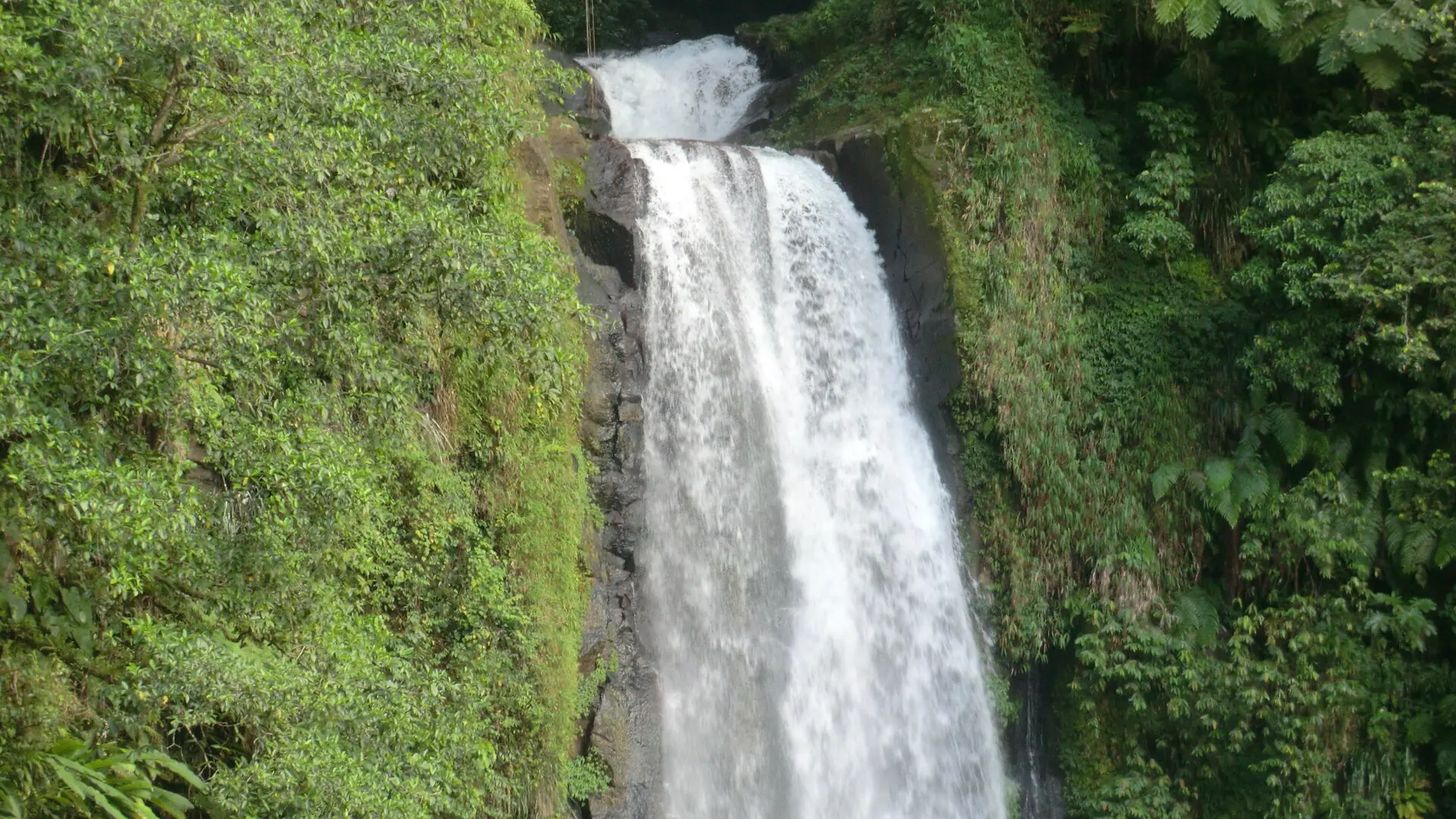
Twin falls close to Roseau, reached by a short walk from the visitor area with some uneven steps. The viewing platform needs no guide and takes 20 to 30 minutes. Going closer means boulder-hopping on wet rock, which is where most sprains happen. A hot spring pool sits below the falls. This is the easiest big sight on the island and a sensible fallback when weather rules out the longer hikes.
4. Snorkel or dive Champagne Reef
Volcanic gas vents rise through the seabed near the shore and produce streams of warm bubbles. Snorkelling is shallow and suitable for beginners; visibility is usually good in calmer months. The bubbles are the draw, not the fish count. Divers use the wider Soufriere Scotts Head Marine Reserve, where walls drop steeply. Bring your own mask if you are particular about fit, and check swell before you go.
5. Walk part of the Waitukubuli National Trail
The trail crosses the island in 14 segments, roughly 180 km in total. You do not need all of it. Pick one or two segments of 5 to 15 km and ask locally about current condition, as landslides and fallen trees close sections after storms. Waymarking is patchy in places. Take a map or offline GPS track, and arrange a ride at the far end before you start.
6. Visit Emerald Pool
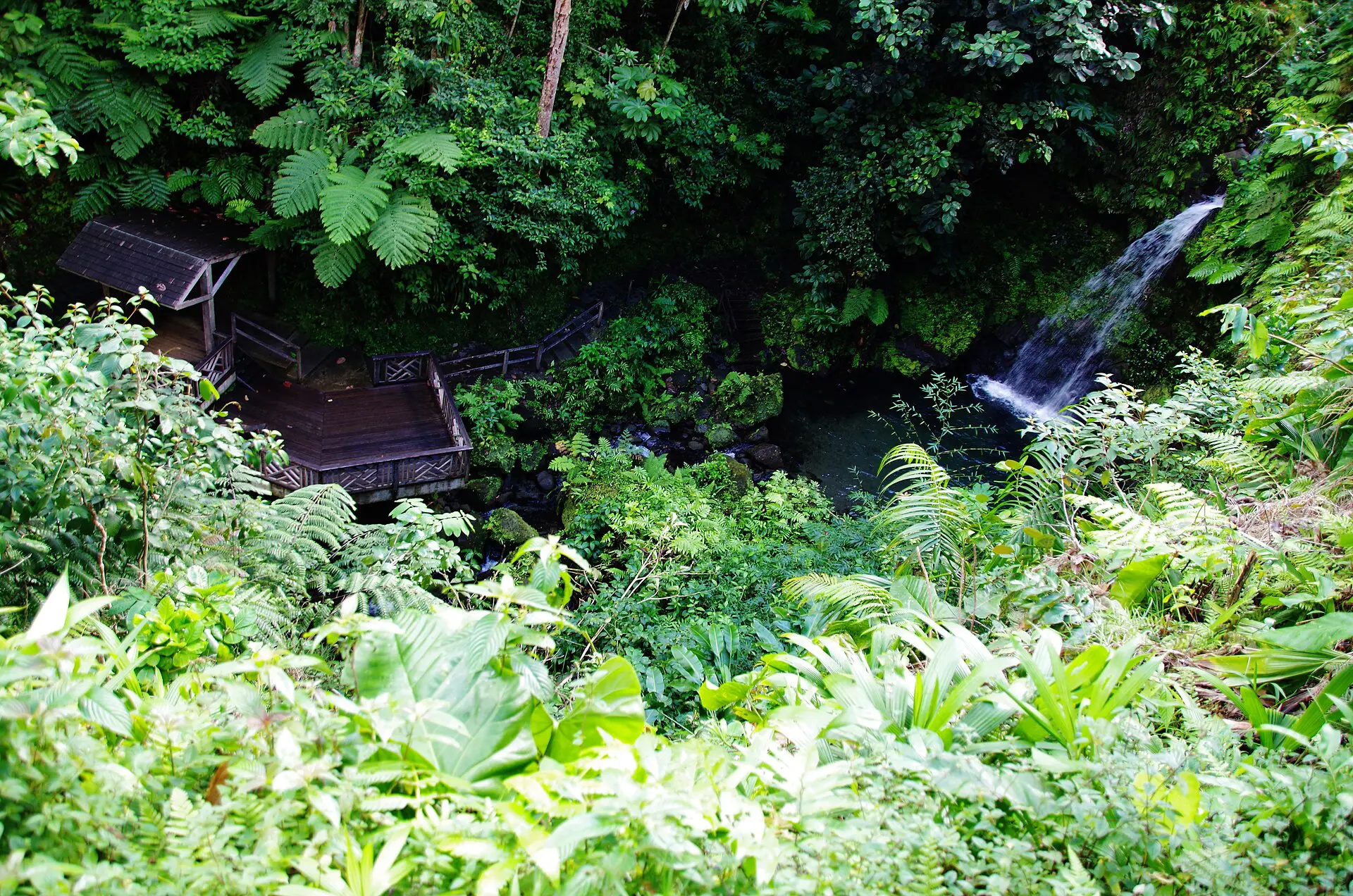
A short, mostly easy trail of about 20 minutes leads through forest to a small waterfall dropping into a green pool inside Morne Trois Pitons National Park, a World Heritage Site. Steps can be slick. It is crowded when cruise ships are in, so go early. Swimming is possible but the water is cold and the pool is small. A good low-effort stop for anyone driving across the island.
7. Hike to Middleham Falls
Middleham Falls is a longer forest walk, about 1.5 to 2 hours each way, ending at a tall waterfall. The path is rooted and muddy, so wear shoes with grip. It is quieter than Emerald Pool and better suited to people who want a proper hike without the Boiling Lake commitment. Treat it as a half-day. If rain has been heavy for days, skip it.
8. Watch for whales off the west coast
Sperm whales live in deep water close to the leeward coast, which makes sightings more reliable here than at most Caribbean islands. Boat trips run from the west side and usually last 3 to 4 hours. Sightings are likely, not guaranteed; the sea can be rough when trade winds are strong. If you get seasick, take tablets the night before, not at the dock.
9. Take the Indian River boat trip near Portsmouth
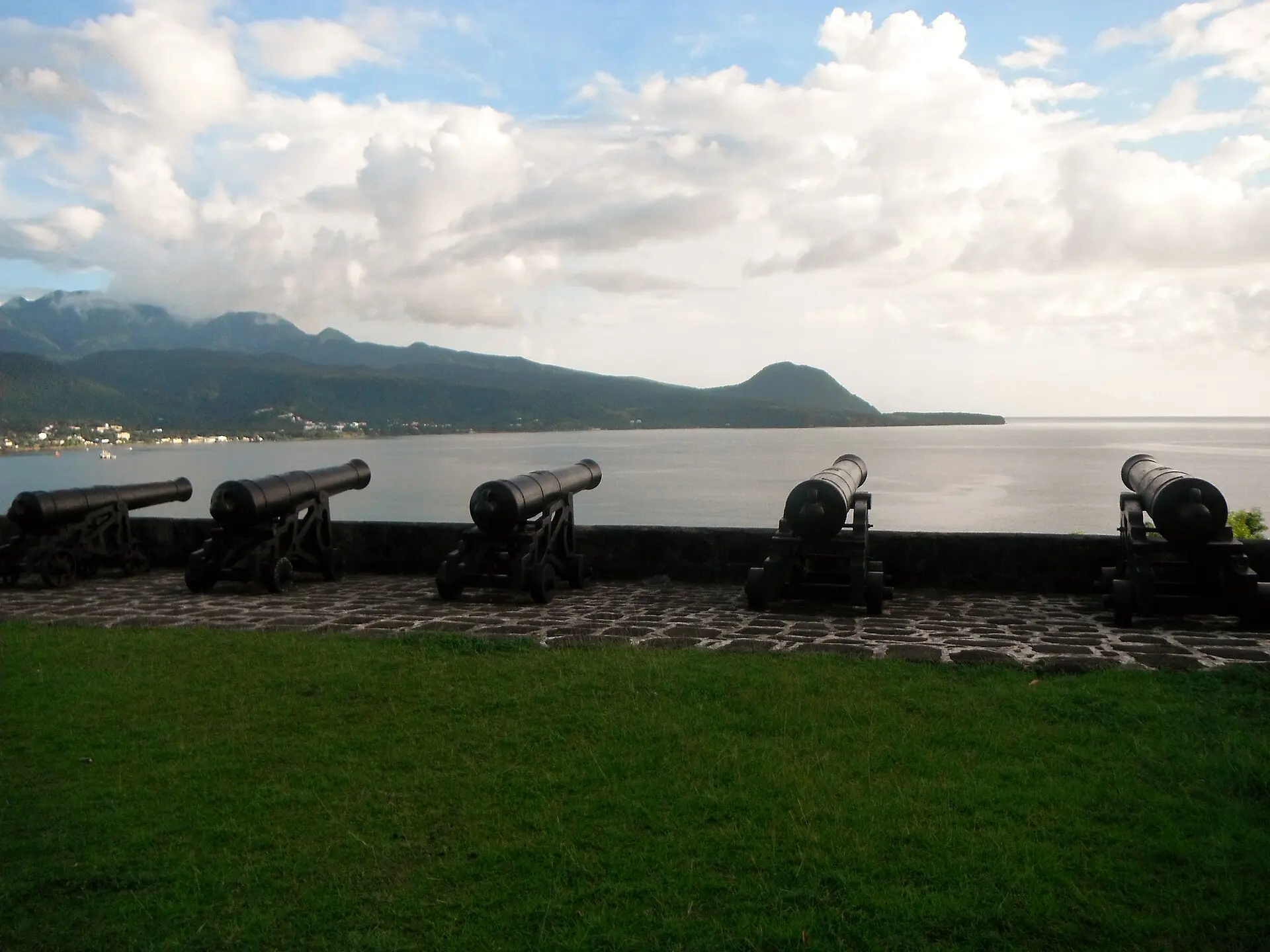
Local guides row visitors up a slow, shaded river lined with mangrove roots. It is quiet, flat and short, around an hour. It suits older travellers, children and anyone who wants a low-effort morning. Portsmouth also has Cabrits National Park, with ruined fort walls and sea views. Skip the river if you are after exertion; this is the gentle option.
10. Visit the Kalinago Territory
The Kalinago Territory on the east coast is home to the island’s indigenous people. Visits usually include craft stalls, a model village and short coastal walks. Treat it as a cultural visit, not a photo stop: ask before taking pictures of people and buy from the makers. The road there is long and winding, so allow most of a day, and expect slow driving.
Where to stay in Dominica
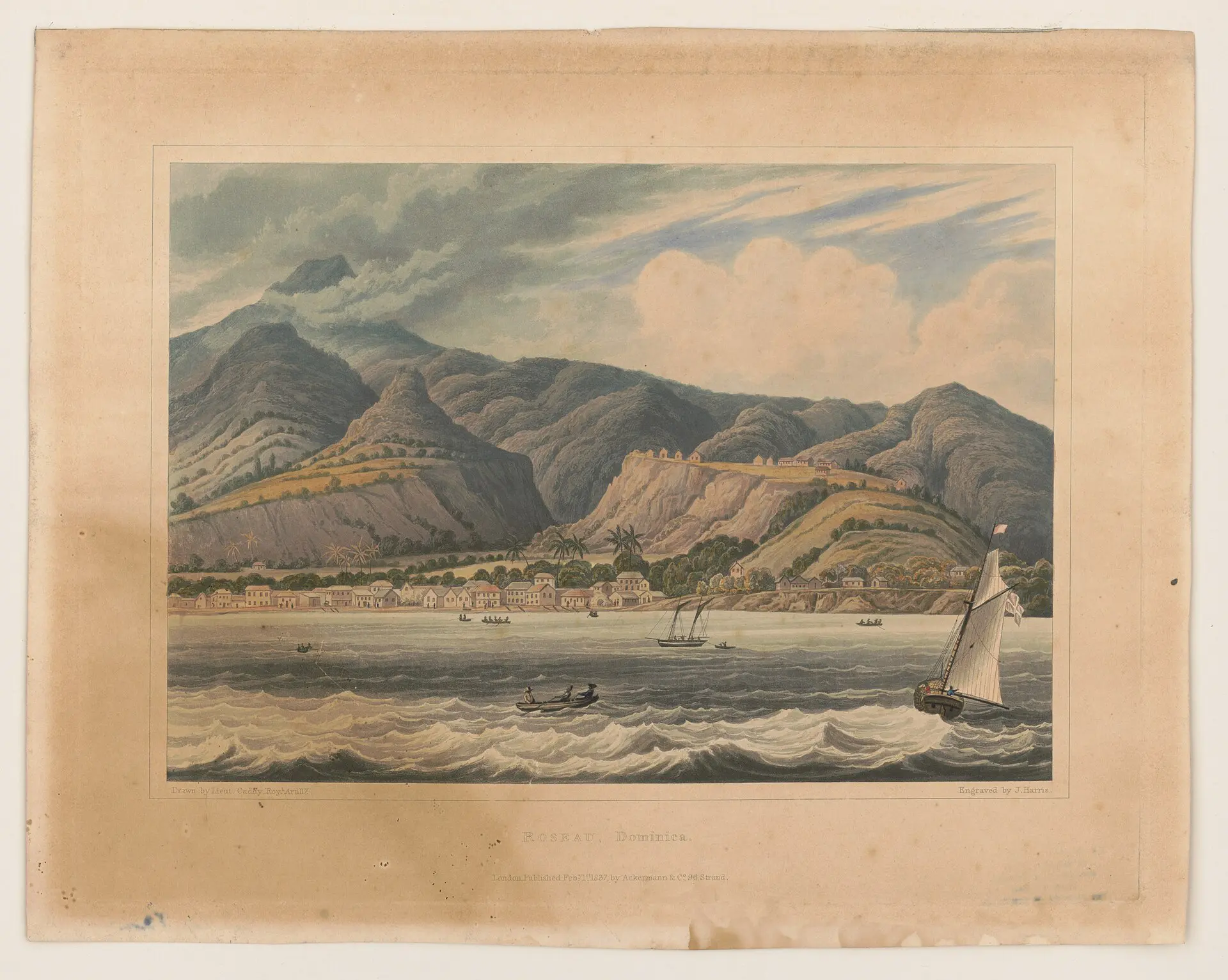
- Roseau and surroundings: the capital and the best base for buses, shops, restaurants and quick access to Trafalgar Falls and Titou Gorge. Best for first visits without a car.
- Soufriere and Scotts Head: the south-west coast, good for divers and snorkellers, quiet in the evenings. Limited food options, so check opening before you plan dinner.
- Portsmouth: the north-west, close to Cabrits National Park and the Indian River. Suits people who want a calmer base and boat trips.
- Interior and east coast: small lodges near rainforest and rivers, best for hikers who have a car and who accept slow, winding roads at night.
Getting around Dominica
Most visitors arrive via a connecting flight through a regional hub such as Antigua, Barbados or St Maarten; check current routes, as they change. Ferries link Dominica with Guadeloupe and Martinique, but schedules shift, so confirm before you commit. The airport is small and sits on the north-east coast, about an hour from Roseau by road.
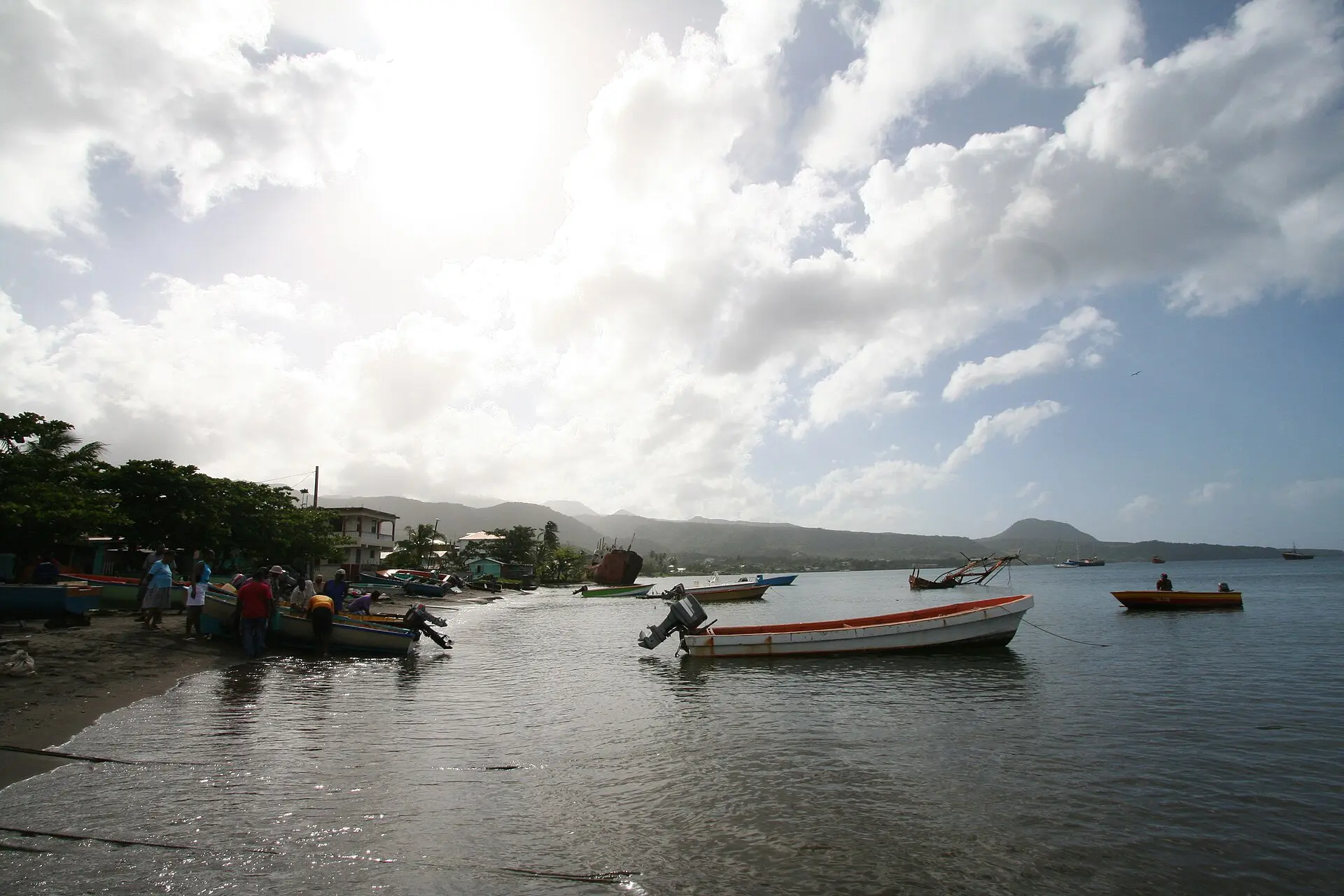
Driving is on the left, roads are narrow with sharp bends and few barriers. Rental cars need a local driving permit, normally sold at the rental desk or police station. Minibuses run between Roseau and larger towns but thin out after mid-afternoon and on Sundays. Taxis and guides charge by the trip, so agree the price first. Fallback if you do not want to drive: base in Roseau and hire a driver-guide for the far-flung sites.
How much does a trip to Dominica cost?
Prices are volatile and tourism is small-scale, so treat these as rough ranges per person per day in USD, as of 2026, and check before booking.
- Budget: around 70 to 110 USD. Guesthouse room, local food, minibuses, one paid guided hike every few days.
- Mid-range: around 130 to 220 USD. Private room with a view, a rental car or regular driver, restaurant dinners, a diving or whale trip.
- High: from roughly 250 USD upward. Eco-lodges, private guides and transfers.
The currency is the Eastern Caribbean dollar, but US dollars are widely accepted. Carry cash for guides and small shops. Many sites charge a small entry fee, and a site pass is typically available.
Is Dominica worth visiting?
Yes, if you want hiking, rivers, volcanic scenery and a place that is still mostly undeveloped. It rewards fit, self-reliant travellers. The island is covered by rainforest and national parks, and much of the appeal is physical effort in the wet and the heat.
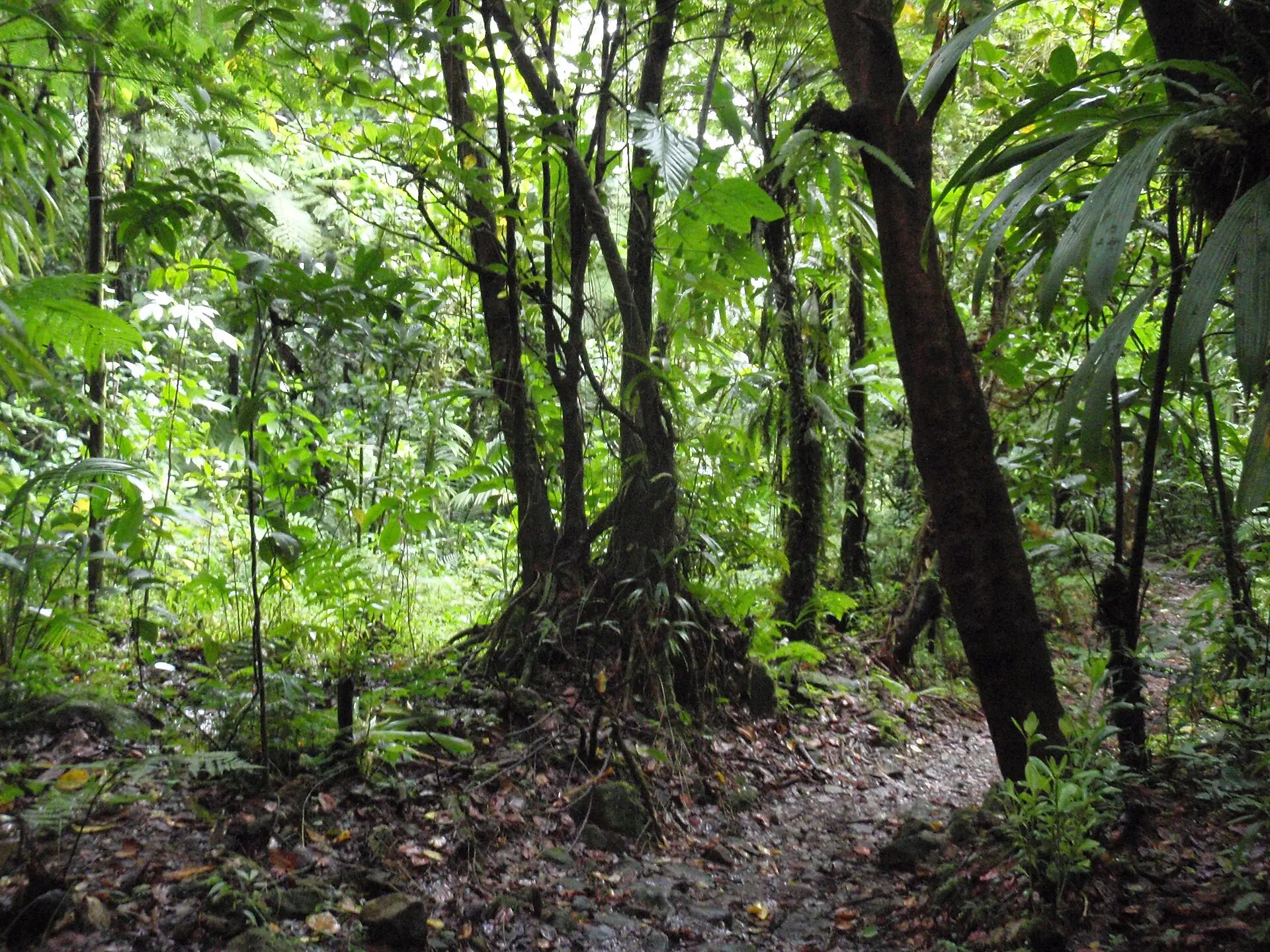
Skip it if you want long white-sand beaches, nightlife, easy direct flights or a short low-effort holiday. The beaches are mostly black sand and often rough. Rain will interfere with plans, hurricane season is a genuine risk, and some trails close after storms. Mobility is hard without a car or a driver. For more background, see Wikivoyage’s Dominica guide or the overview on Wikipedia.
FAQ about Dominica
Where is Dominica and what is the capital?
Dominica is in the Lesser Antilles, between Guadeloupe to the north-west and Martinique to the south-south-east. The capital is Roseau, on the western coast. Do not confuse it with the Dominican Republic, which is a different country on another island.
What language do they speak in Dominica?
English is the official language and is used everywhere in tourism. Many people also speak Kwéyòl, a French-based creole, in daily life. You will hear it in markets and villages, and a few words of greeting go a long way.
Do I need a guide for hikes in Dominica?
For Boiling Lake, yes: the route is long, confusing in cloud and carries real risk after rain. Short walks such as Emerald Pool and Trafalgar Falls viewpoints need no guide. For other long trails, hire one if you have no navigation experience.
Is Dominica safe for travellers?
Crime against visitors is generally low, but the main risks are natural: flash floods, slippery trails, rough seas and hurricanes. Do not swim in rivers after heavy rain. Do not drive unlit mountain roads at night. Keep valuables out of sight in parked cars.
What food should I try in Dominica?
Expect provisions such as root vegetables, plantain and breadfruit served with fish, chicken or stewed meat, plus fresh juices and local fruit. Small local eateries are usually cheaper and better than hotel restaurants. Many close early, so eat lunch as your main meal.