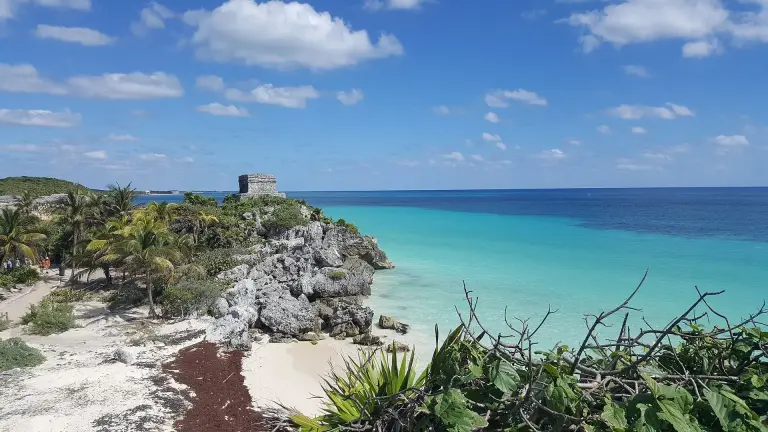
The cost of living in Costa Rica for one remote worker typically runs about US$1,800 to US$3,500 a month, which is higher than most of Central America and often higher than Southeast Asia. Rent, imported goods and car costs drive it. The Central Valley sits at the lower end, the Pacific beach towns in dry season at the upper end. These are rough ranges as of 2026, so check current listings and prices before you commit.
Cost of living in Costa Rica: the monthly budget box
Wikivoyage notes that Costa Rica can be a bit more expensive than its northern neighbours, partly because of its comparative wealth. That matches how most of us find it: not a bargain, but good value for stability, nature and a reliable base. The table turns daily spending into ten days and a month. Every cell is an estimate, and exchange rates, season and habits can shift it by a fifth either way.

| Budget level | Daily range (US$) | 10-day total (US$) | What it covers |
|---|---|---|---|
| Lean | about 55 to 80 | about 550 to 800 | Small apartment or room in a Central Valley town, sodas for lunch, buses, cafe working |
| Comfortable | about 90 to 130 | about 900 to 1,300 | Furnished studio with a desk and fast internet, mixed cooking and dining out, taxis and occasional shuttles |
| Generous | about 170 to 250 | about 1,700 to 2,500 | Beach-town condo or villa room, a rental car, regular dining out, weekend tours, a coworking pass |
That is roughly US$1,600 to 2,400 for lean, US$2,700 to 3,900 for comfortable and US$5,000 and above for generous. If you are building a holiday budget instead of a living budget, our Costa Rica trip cost guide is the better comparison.
Where to base yourself in Costa Rica by work style
Costa Rica is small but the base changes your costs, your climate and how you get around.
- Steady work and good infrastructure: the Central Valley, around San Jose, Heredia and Alajuela, has the most reliable internet and shops. Wikivoyage says most economic growth has concentrated there.
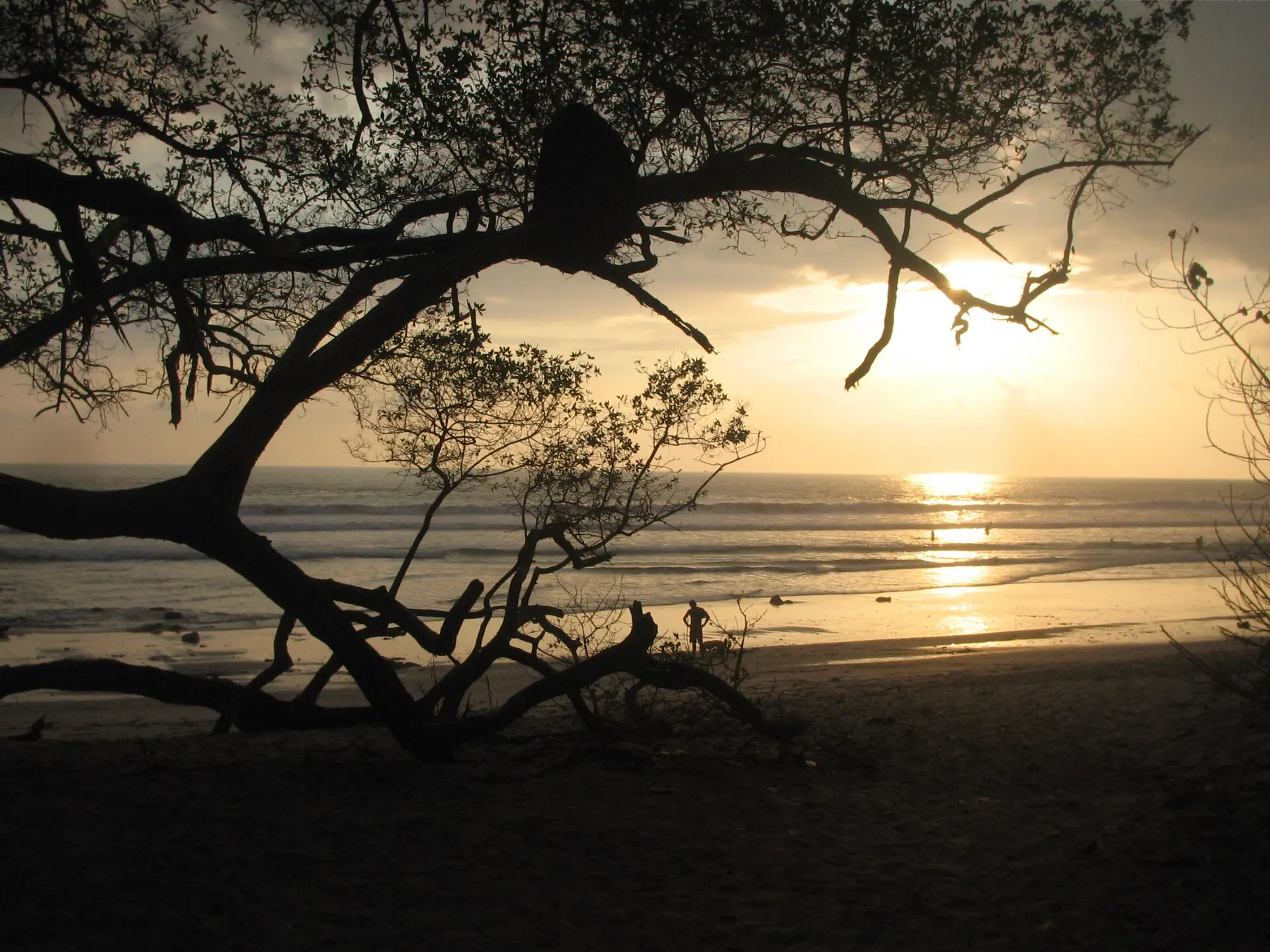
- Surf and a slower rhythm: the Nicoya Peninsula, including Santa Teresa, has beaches and a remote-work scene. See our Santa Teresa digital nomad guide for power and connectivity trade-offs.
- Nature and mountain weather: highland towns are cooler and cheaper, with fewer coworking options.
- Short stays: use the where to stay in Costa Rica guide for areas to compare before you sign a long rental.
Where paying more pays off in Costa Rica
Three spends tend to protect your working hours more than they strain the budget.
1. Internet and a backup connection
A fibre connection that works in the city can be unreliable in a beach town after a storm. Pay for the stronger plan and keep a mobile data plan as a fallback. Ask the landlord for the provider and for proof that the line is already installed.
2. A place with decent power and a desk
Outages happen, especially in remote areas and in the wet season. A building with a generator or a landlord who answers messages is worth a higher rent. Ask about a desk, a chair and ventilation, since humid heat wears down focus.
3. Safe, central location
A slightly dearer neighbourhood near shops, buses and a few cafes usually beats a cheap place that needs a car. Taxis and rental cars add up fast, so a walkable base can save money by the end of the month.
Where to save in Costa Rica
Four categories are the easiest to trim without feeling it.
4. Eat at sodas and cook
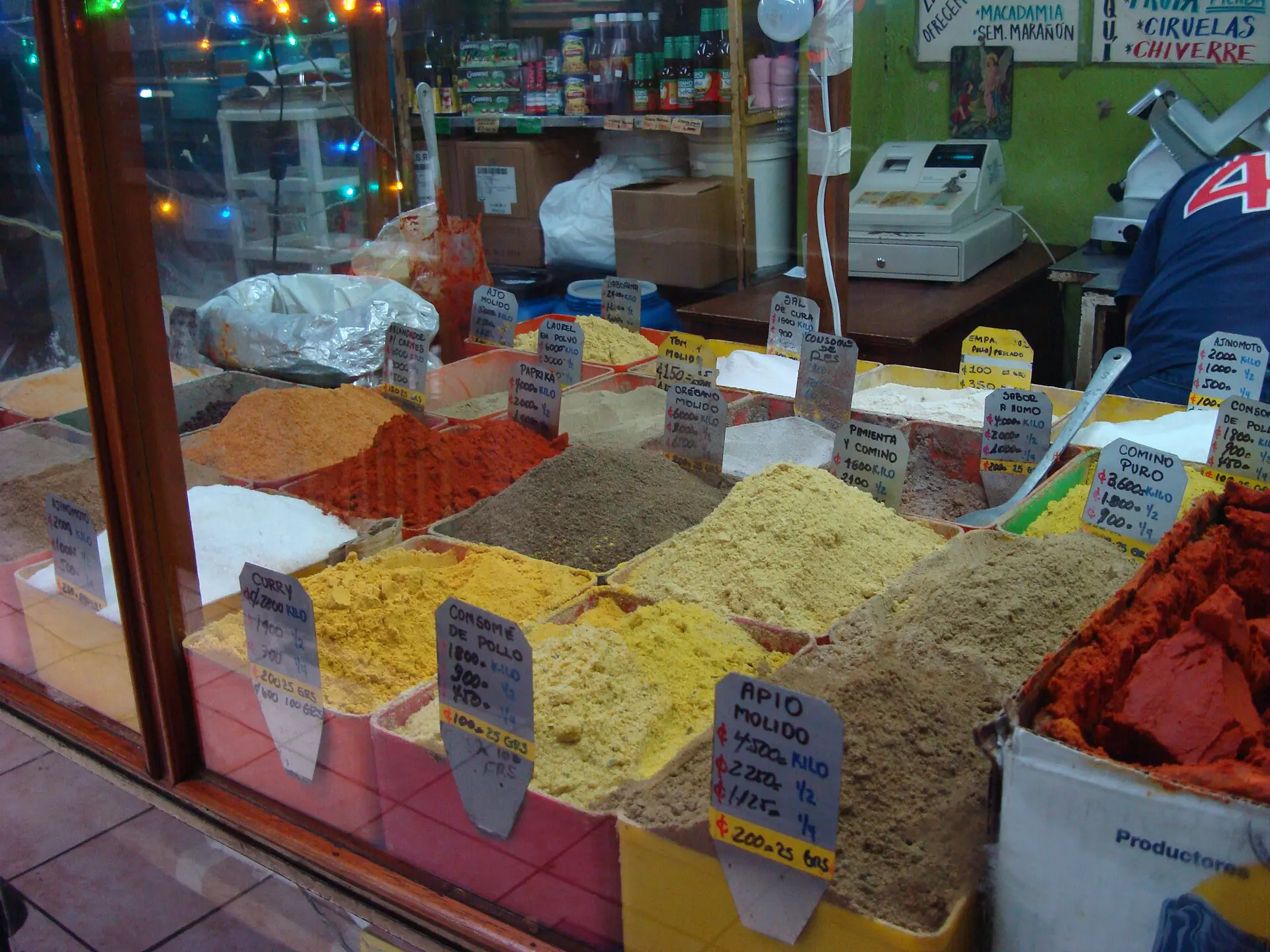
Sodas are small local restaurants serving a set lunch, usually called a casado, at far less than a tourist menu. Market and supermarket cooking saves more. Imported snacks and wine cost noticeably more than local produce, rice, beans and fruit.
5. Use public buses and shared shuttles
Intercity buses are cheap and run to most towns, though they are slower and timetables change. Shuttles cost more than buses and less than private transfers. Compare before you book, and check what is included.
6. Rent for a month, not a week
Monthly rates in apartments and long-stay cabins are often much lower per night than short-term listings. Book the first few nights, see the place, then negotiate in person. Beware of rents quoted in dollars with extra utility charges.
7. Skip the rental car if you can
A car adds the rental fee, mandatory insurance, fuel and parking. Many visitors are surprised by the final total compared with the listed price. If you work from one town, taxis and buses are usually cheaper. I would only rent if your base has no regular transport.
Transport and booking windows for Costa Rica
Most international flights land in San Jose, with a second main airport in Liberia for the northwest. Book flights a few months ahead for December to April, the popular dry season. Check domestic flights and shuttles for the Nicoya Peninsula, because road time is often longer than the map suggests.

Accommodation in the Pacific beach towns tends to fill in high season, so book earlier for those. In the green season you can usually find better value by arriving and viewing in person. Our best time to visit Costa Rica guide explains the seasons from a family angle.
Visa and stay length in Costa Rica, hedged
Many visitors receive an initial stay of up to about 90 days on arrival, but the allowed time depends on your passport and the officer. Costa Rica has also introduced a longer-stay route for remote workers with an income requirement, and the figures and paperwork have changed. Verify with the official Costa Rican immigration source before you book flights.
Taxes and work permissions depend on your situation and home country. If you plan to stay beyond a few months, take advice from a local accountant or lawyer rather than relying on a blog, including this one.
Best months for value in Costa Rica
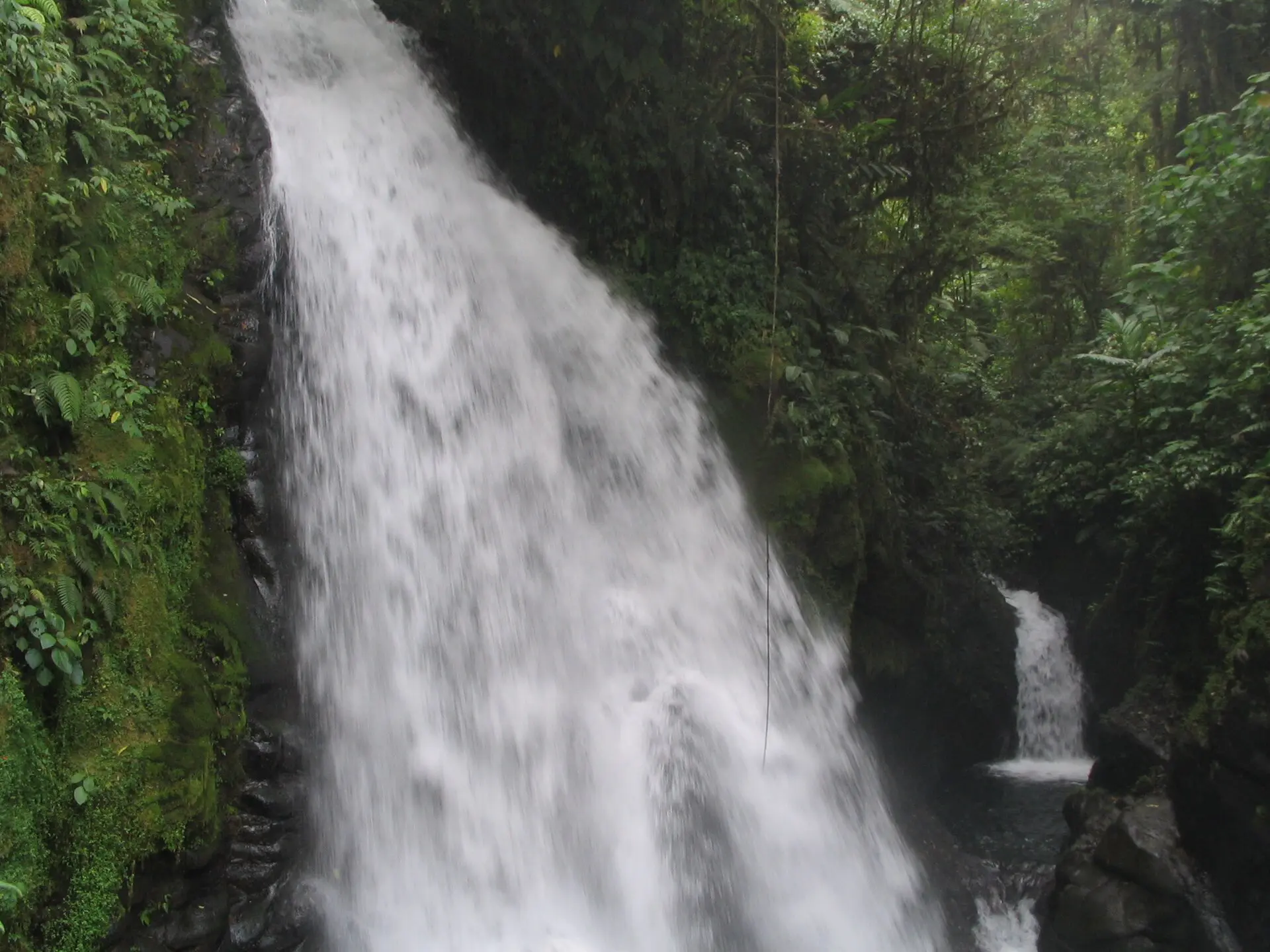
The green season, roughly May to November, brings lower rents and quieter towns. The trade-off is daily afternoon rain, mud on unpaved roads and some tours closed. December to April is the dry season, with the best weather and the highest prices, and December to January can sell out.
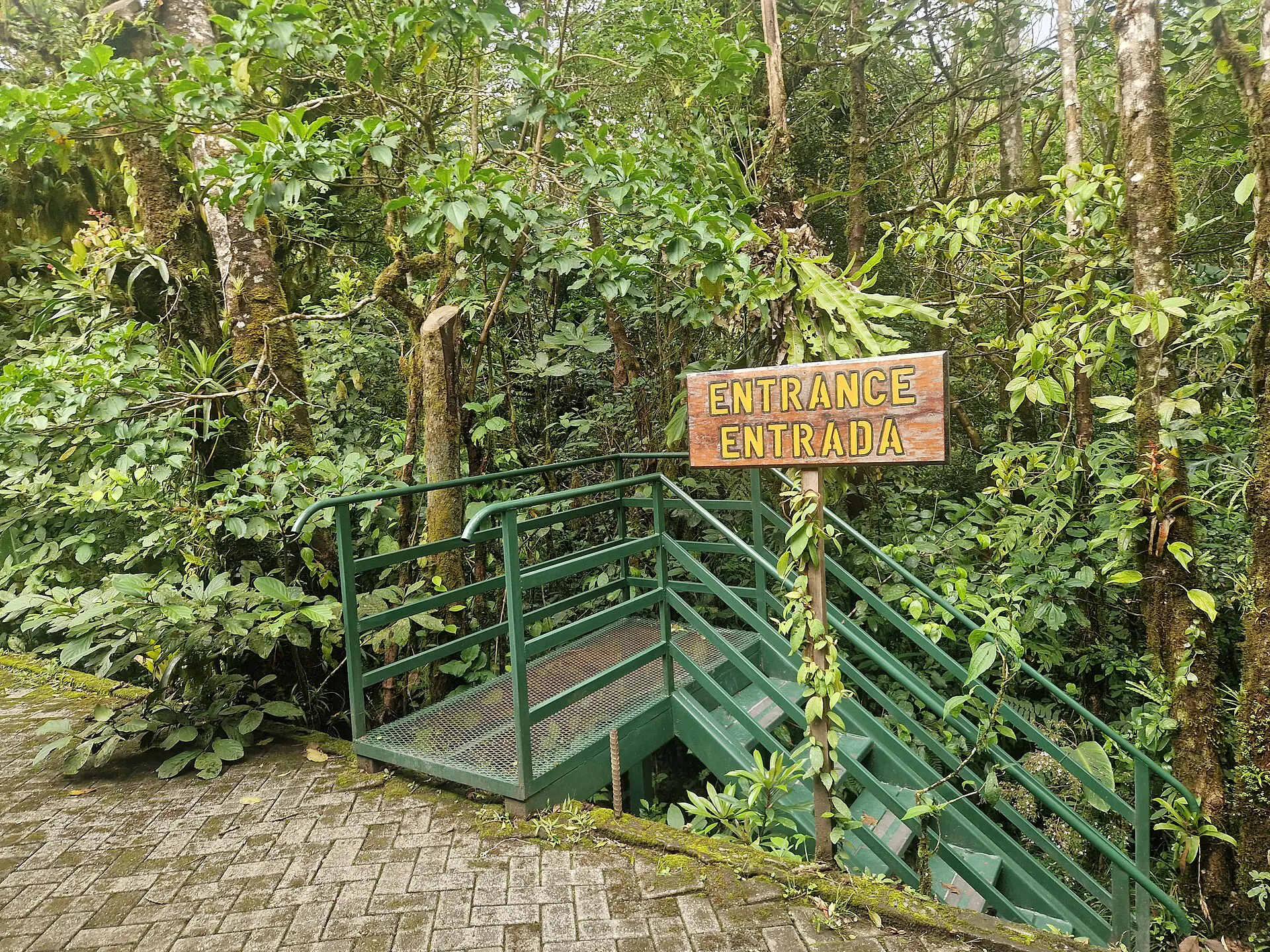
May, June and November are often the best compromise: still lush, with room to negotiate. September and October are the wettest in many areas and the quietest, so verify weather and road access if you plan to travel outside the Central Valley.
Test-it-yourself checklist for a month in Costa Rica
We cannot say any particular connection or cafe is reliable. Run a short test on your first days instead.
- Run speed tests at your desk at three different times and note the upload speed.
- Join a video call from the apartment and check for dropouts.
- Ask what happens during a power or internet outage and who fixes it.
- Check the noise level at midday and in the evening, including roosters, traffic and neighbours.
- Try a cafe, a coworking day pass and your own desk for a full day each.
- Track your first week of real spending and multiply by four.
Work-friendly spots fall into four types: cafes with a power outlet, coworking spaces, hotel or hostel common areas, and your own rental. Confirm hours and Wi-Fi in person.
Is Costa Rica worth it?
For many remote workers, yes. It is stable, easy to reach from North America and packed with nature, though not cheap. For background, see Costa Rica on Wikivoyage and our Costa Rica travel guide. If your priority is the lowest possible rent, other regions may suit you better.
FAQ about the cost of living in Costa Rica
How much does it cost to live in Costa Rica per month?
A single remote worker can generally plan on about US$1,800 to 3,500 a month, with lean budgets lower in the Central Valley and generous ones higher at the beaches. Rent, car costs and imported goods are the big swings. Treat these as ranges and check current prices.
Is Costa Rica expensive compared with the rest of Central America?
Generally yes. Wikivoyage describes it as a bit more expensive than its northern neighbours. Local food and buses are still affordable, but rent, groceries and cars cost more. You pay for stability, services and infrastructure that are stronger than in much of the region.
Do I need a car to live in Costa Rica?
Not always. In towns with buses, taxis and walkable shops you can manage without one. In remote beach areas and mountain communities a car is often more useful. Add insurance, fuel and parking before you decide, because they raise the total.
Can you work remotely in Costa Rica on a tourist stay?
The rules depend on your situation and change over time. There is a longer-stay route for remote workers with an income requirement, which may suit longer stays. Verify with the official Costa Rican immigration source before you rely on a tourist entry for ongoing work.
What is the cheapest time to live in Costa Rica?
The green season, roughly May to November, is generally cheapest, with lower rents and fewer visitors. Expect afternoon rain and some muddy roads. If you want dry weather and still want a deal, try the shoulder months either side of the high season.