A good Corsica itinerary is a loop of about 10 days by car, starting in Bastia and finishing in Bonifacio or back in the north, with one anchor sight and one slower stretch each day. If you only have one week, drop Corte and the Sartène day and keep the coast. Corsican roads are slow, so most days below stay under about three hours of driving (the last is a longer run of about 4.5 hours), with the heavy sightseeing placed where opening patterns allow it.
Corsica itinerary at a glance
- Length: 10 days; a 7-day version is noted in the plan.
- Suits: culture-minded travellers who want old towns, museums and a coastline without hiking all day.
- Difficulty: moderate. The roads are narrow and winding, and distances on the map mislead.
- Cost: roughly $110-250 per person per day, including car hire, hedged by season. Check before you go.
- Best months: May to June and September, when it is warm and less crowded than July and August.
Day-by-day Corsica itinerary
Day 1: Bastia
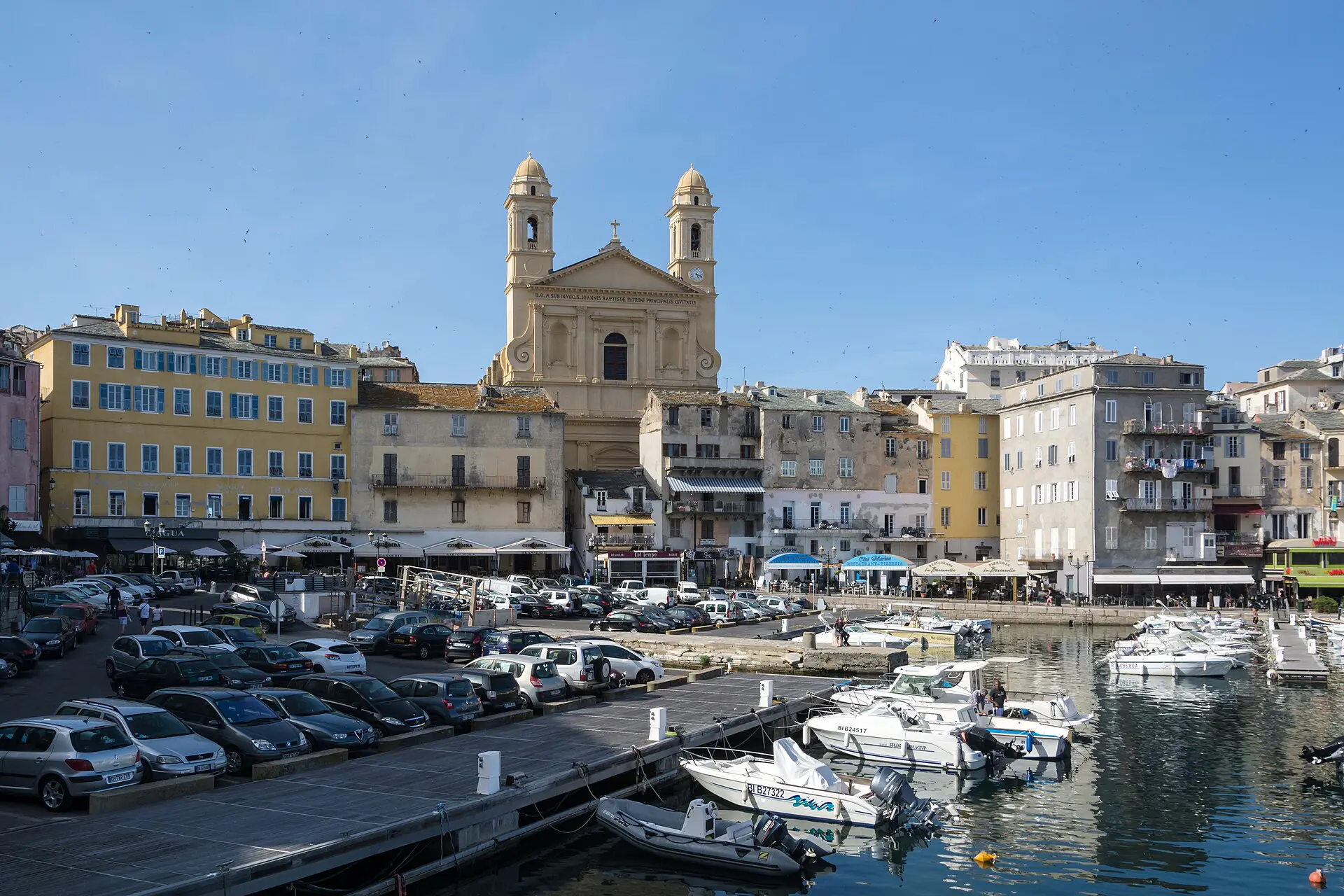
Morning: arrive and drop your bags. Afternoon: walk the old port, then climb to the citadel for views over the harbour. Evening: eat near the harbour. Bastia is the main northern port and a pleasant, lived-in town, so this is a gentle start. Allow 3 to 4 hours of sightseeing. Check museum hours, as many close for part of the week. If you land early, use the first block for the market and the old port, which are free and at their best before midday.
Day 2: Cap Corse and Nonza
Morning: drive the Cap Corse peninsula anticlockwise, stopping in small harbours and villages. Midday: lunch by the water. Afternoon: Nonza, a village stacked on a cliff above a dark pebble beach, with a tower you can climb. Plan around 3 hours of driving in total. The road is narrow and scenic, so allow extra time for stops, and fuel up first, since petrol stations thin out. Start before 09:00 to have the light and the road mostly to yourself.
Day 3: Saint-Florent and the Patrimonio vineyards
Morning: Saint-Florent, a small harbour town with a citadel. Midday: taste wine in the Patrimonio area, where local producers welcome visitors by appointment or at set hours. Afternoon: drive on towards Calvi, about 2 hours away. Book wine visits in advance in high season, and do not drink and drive on these roads. Choose one producer rather than three, because the point is a relaxed stop, not a tasting marathon.
Day 4: Calvi
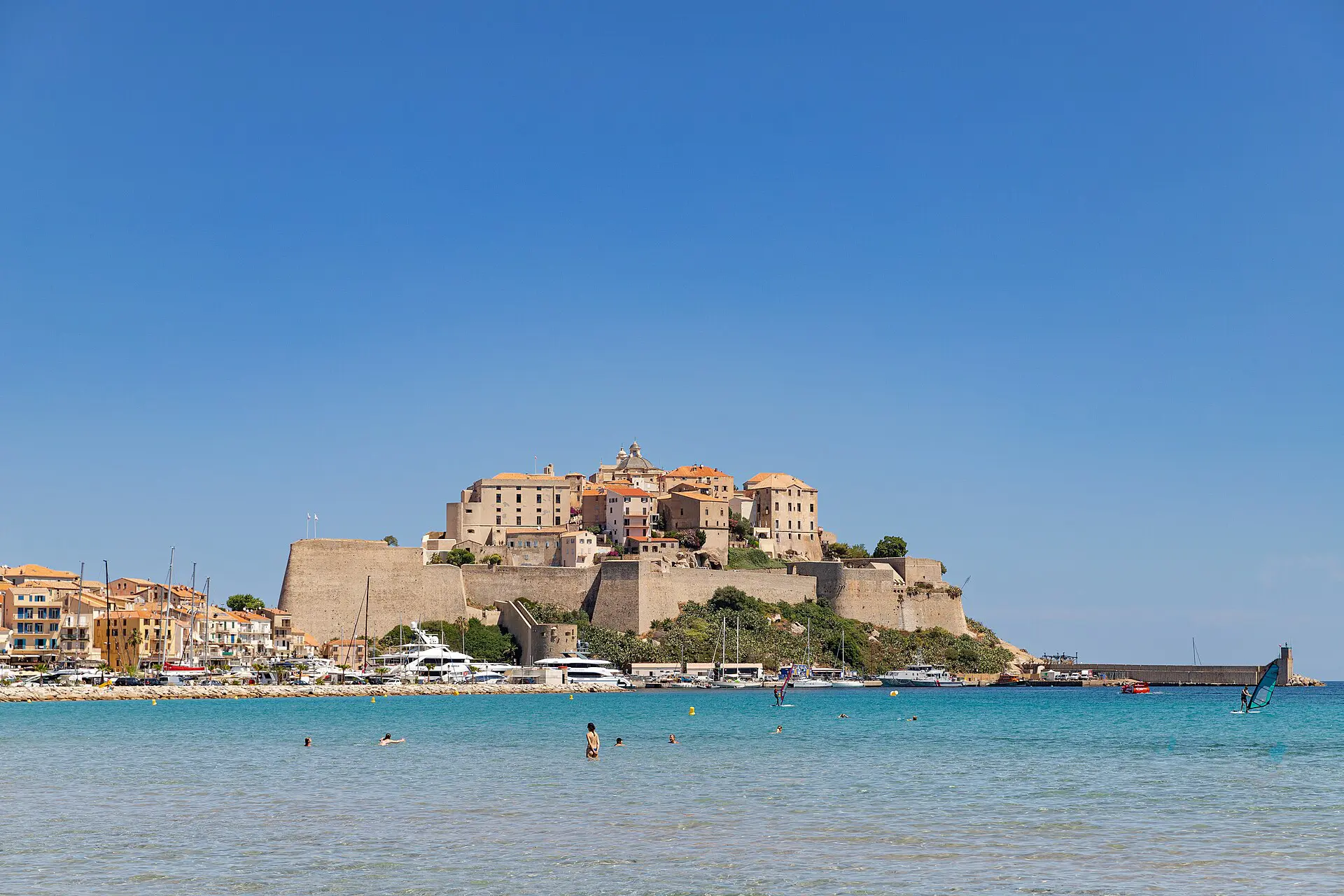
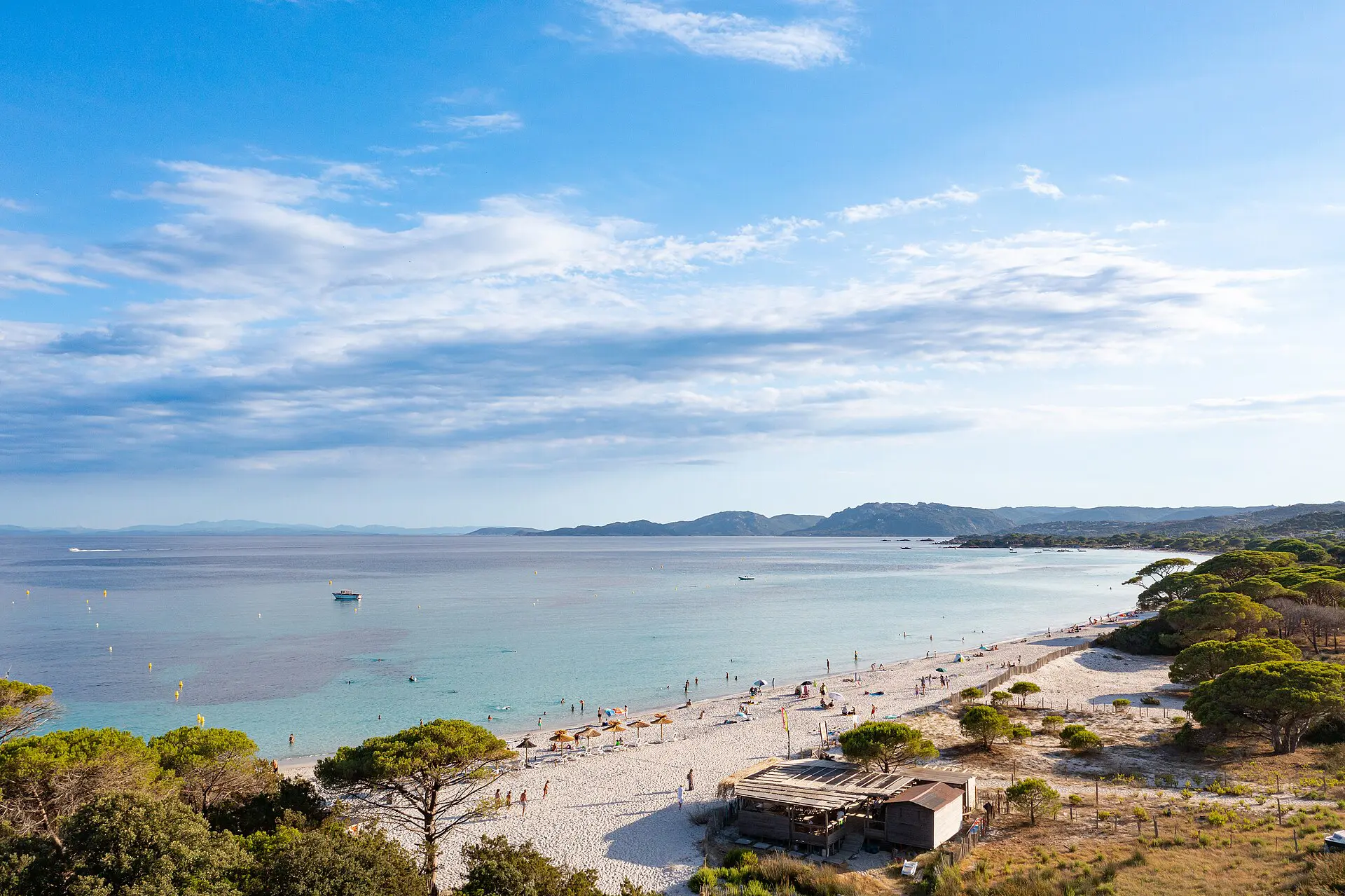
Morning: walk the citadel and old town, with its ramparts above the bay. Midday: beach time on the long sandy bay. Evening: dinner at the marina. Calvi is a major tourist centre, so it is busy in summer but easy and well equipped. Use the afternoon to rest after the drives, and book the next day’s boat trip. The citadel is quieter in the morning, before the beach crowd arrives, so keep it for the first block.
Day 5: Scandola Nature Reserve to Porto
Morning: a boat trip along the western coast to the Scandola reserve, a cliff-lined protected area with a rugged shoreline. Boats run mostly in the warmer months, so confirm schedules and weather first. Afternoon: drive on to Porto. This is a full day on the water and on the road. Bring a windproof layer and sun protection, and eat before boarding. If the sea is rough and boats are cancelled, use the day for the drive and the Calanques instead, and rebook the reserve for another time.
Day 6: Calanques de Piana and Ajaccio
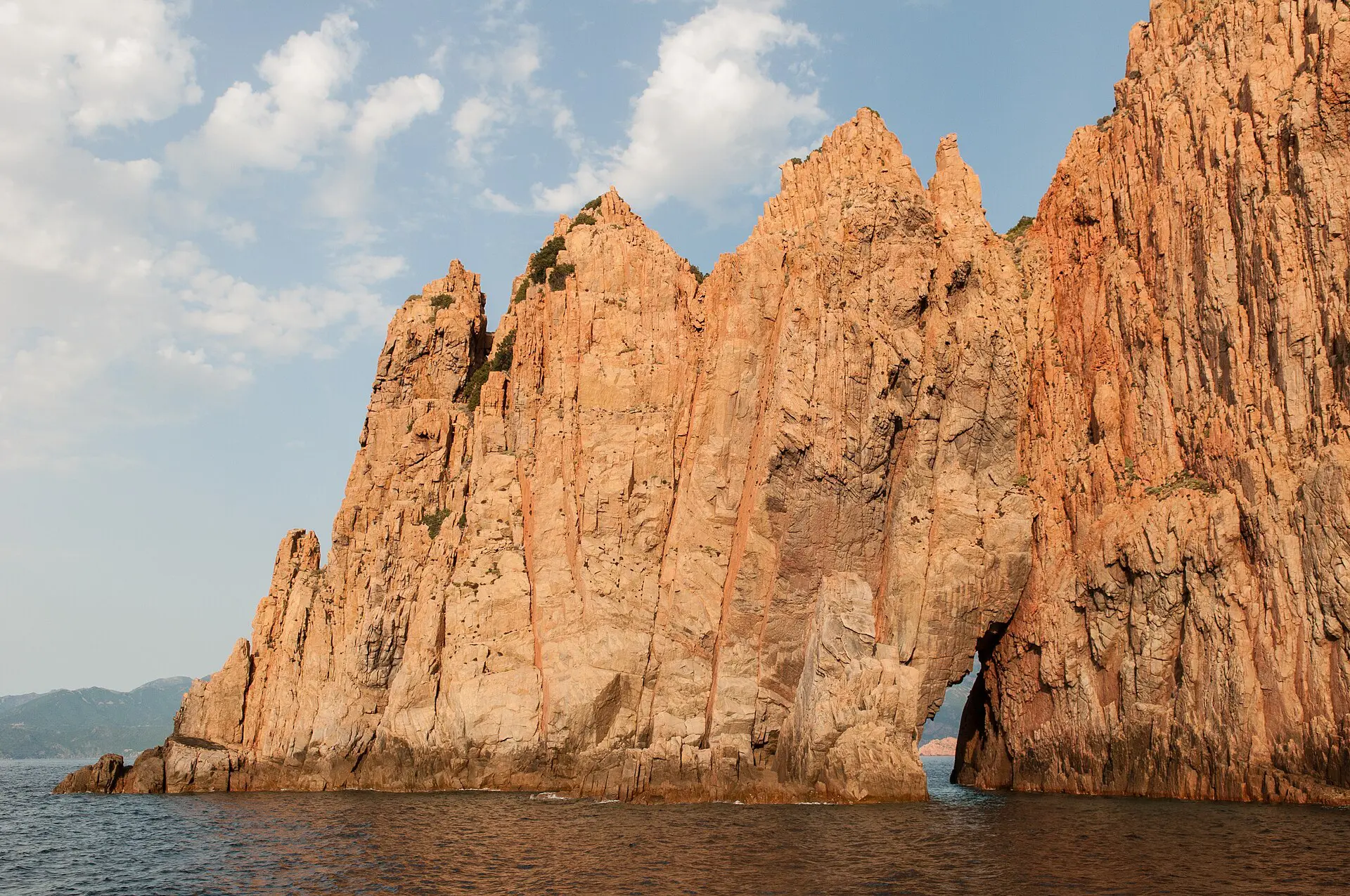
Morning: the Calanques de Piana, red granite rock formations above the sea, best seen early, before tour buses arrive. Midday: Cargèse for lunch. Afternoon: drive about 90 minutes to Ajaccio. The road is spectacular and slow. Take it easy and stop at viewpoints rather than trying to rush. Park only in marked places, as the verges are narrow and tow trucks are quick.
Day 7: Ajaccio
Morning: Maison Bonaparte, the family home of Napoleon, who was born in the town in 1769. Midday: the market and old streets. Afternoon: the Fesch Museum, known for its Italian painting collection. Ajaccio is the island’s capital and the most urban day of the trip, so it is the best slot for museums. Book the Bonaparte house and the museum in the morning, when queues are short, and keep the afternoon loose. Check opening days, since closures on Mondays and holidays are common.
Day 8: Sartène and Filitosa
Morning: Filitosa, a prehistoric site with carved standing stones, reached from the Ajaccio side. Afternoon: Sartène, a granite town with a historic old quarter and a reputation for a strong local identity. Allow 2 hours of driving. If you are short of time, this is the day to cut, though the archaeological site is the island’s best for anyone who likes prehistory. Check the seasonal opening hours at Filitosa before you commit, as they vary.
Day 9: Bonifacio
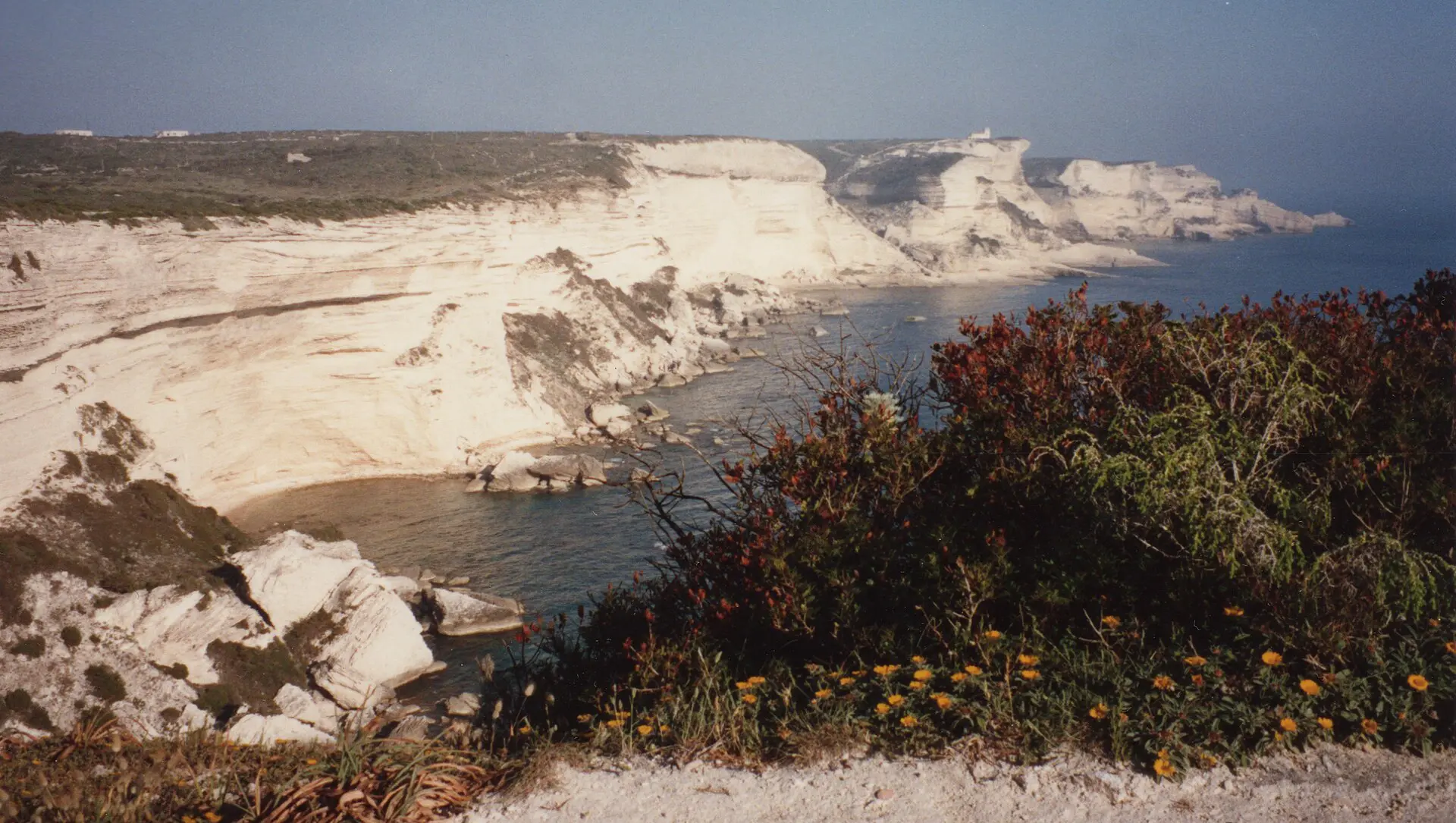
Morning: drive about an hour and a half to Bonifacio, a fortified old town on white limestone cliffs. Midday: walk the old town and the cliff edge. Afternoon: a boat trip beneath the cliffs, weather permitting. Bonifacio is the port for ferries to Sardinia, so it is lively. Arrive before midday in summer, to find parking and avoid the heat. The old town is a steep, narrow maze, so wear sturdy shoes and expect stairs.
Day 10: Corte and the return north
Morning: drive inland to Corte, about 3 hours away. Afternoon: visit the citadel and the Museum of Corsica, then continue to Bastia, about 90 minutes further. Corte was the capital of the short-lived Corsican state and has a university, so it feels different from the coast. Leave early to keep the afternoon free. If you are catching a ferry or flight that evening, finish with a margin of at least two hours, because mountain roads can be slowed by traffic or weather.
Getting there and getting around Corsica
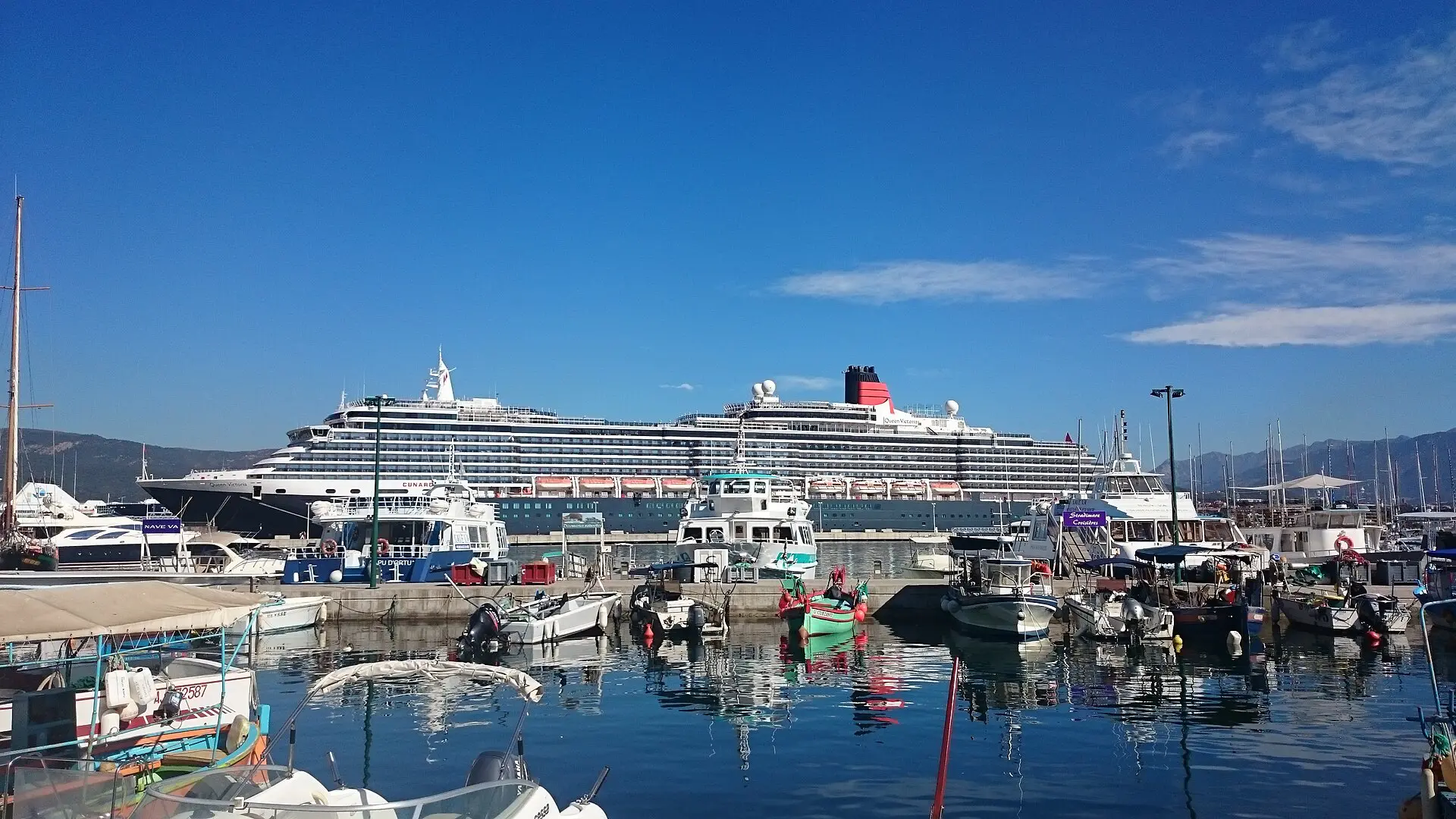
Corsica has airports at Ajaccio, Bastia, Calvi and Figari, with seasonal flights from mainland France and other European cities. Ferries serve Bastia, Ajaccio, Calvi and other ports from Marseille, Nice, Toulon and Italy, and Bonifacio connects to Sardinia. Book summer ferries and cars early, and consider arriving in one town and leaving from another to avoid doubling back.
Fuel, parking and slow driving are all part of the plan, so keep an hour of slack each day. You need a car for this itinerary, as buses and the narrow-gauge railway cover only parts of the island. The Wikivoyage Corsica guide lists the main routes.
Where to sleep in Corsica by area
- Bastia or Cap Corse: a good first or last base, with services, a port and an easy return.
- Calvi: the busiest holiday base, with a wide choice of rooms.
- Porto or Piana: small, scenic and booked early in summer.
- Ajaccio: city comfort with museums and restaurants.
- Bonifacio: expensive in July and August, so reserve first.
Corsica itinerary costs
Costs below are per person per day, excluding the ferry or flight, and shift sharply with the season. As of 2026, expect roughly:
- Budget: $70-110 for camping or simple rooms, supermarket lunches and shared car costs.
- Mid-range: $130-220 for hotels, restaurant dinners, car hire and boat trips.
- High: $250 and up for coastal hotels in peak season.
Mistakes to avoid on a Corsica itinerary
- Underestimating drive times. Corsican roads are slow and winding, so a short map distance can take hours.
- Visiting in August without bookings. Rooms, ferries and boat trips fill up first.
- Going without a car. Public transport will not link these places efficiently.
- Cramming two big days together. Alternate boat or hiking days with town days.
- Assuming everything is open. Small museums and shops often close at midday, on Mondays or out of season.
FAQ about a Corsica itinerary
How many days do you need in Corsica?
Seven days covers the main coast, and 10 days adds the interior and a slower pace. Under five days, choose one region, such as the north around Bastia and Calvi.
Do you need a car in Corsica?
For this route, yes. Public transport exists in towns and on a limited rail line, but it will not reach most villages, viewpoints and sites efficiently. Book early and choose a small car for narrow roads.
When is the best time to visit Corsica?
May, June and September give warm weather with fewer crowds. July and August are hot, busy and costly. Winter is quiet, with many services closed, so it suits only those who want solitude.
Is Corsica expensive?
It is pricier than much of mainland Europe in peak season, mainly for rooms and car hire. Prices drop sharply in spring and autumn. Self-catering and set lunches help keep costs down.
Is Corsica worth it for a culture trip?
Yes, if you also enjoy landscapes. Culture here is lighter than in a mainland city, with Ajaccio, Bastia, Corte and Bonifacio as the strongest anchors. See the Corsica overview for history.