For a Cadiz digital nomad, the appeal is a small, walkable Atlantic city with a mild climate, a beach inside the city limits and a train line to Seville. It suits people who like compact routines and can work from a flat with a good connection. It is less suited to anyone who needs a big coworking scene or a quiet, car-free countryside. Below: a monthly budget, areas by work style and a first-week test.
What does a month in Cádiz cost for a remote worker?
These are planning ranges in euros, as of 2026, and they are estimates. Prices in Andalusia are lower than in Madrid or Barcelona, but summer and Carnival pull rents up, and short-let apartments in the old town can be pricey.

| Item | Range per month |
|---|---|
| Furnished one-bed, off-season, medium-term let | EUR 700 to 1,200 |
| Same, in summer or around Carnival | EUR 1,000 to 1,800 |
| Food (market, supermarkets, set lunches) | EUR 300 to 500 |
| Transport (city bus, tram, trains) | EUR 20 to 60 |
| Coworking desk or cafe spend | EUR 0 to 180 |
| Mobile, internet and utilities | EUR 60 to 150 |
| Realistic total, single person | EUR 1,300 to 2,400 |
The big swing is rent and season. If your dates are flexible, ask for a longer winter or spring let, since many flats are priced for holidaymakers in summer.
Is Cádiz good for a remote-work routine?
Wikivoyage describes Cádiz as sitting on a sandy island about 7 km long, with an old centre and little industry, and says the old city and north end are walkable while the beach strip runs about 5 km. The climate is described as agreeable year-round because the Atlantic moderates winter and summer. That makes daily life simple: you can walk to the market, work in a cafe and swim after work without a car. Wind, particularly the easterly levante, can be tiring, and humidity can make flats feel damp in winter, so check a flat for both.
It is also a city where the pace is Andalusian: long lunches, late dinners and a lively street life in the evenings. Work early or late if you have calls with other time zones, and expect many small shops to close in the afternoon.
Where to base yourself in Cádiz by work style
The city is a long, thin island, so the main choice is how close to the old town you want to be. The old centre, the Mentidero district to the north and La Viña to the west, plus new districts running south down the island. Treat the list below as types of area and check the exact street.
1. Casco Antiguo (old town)
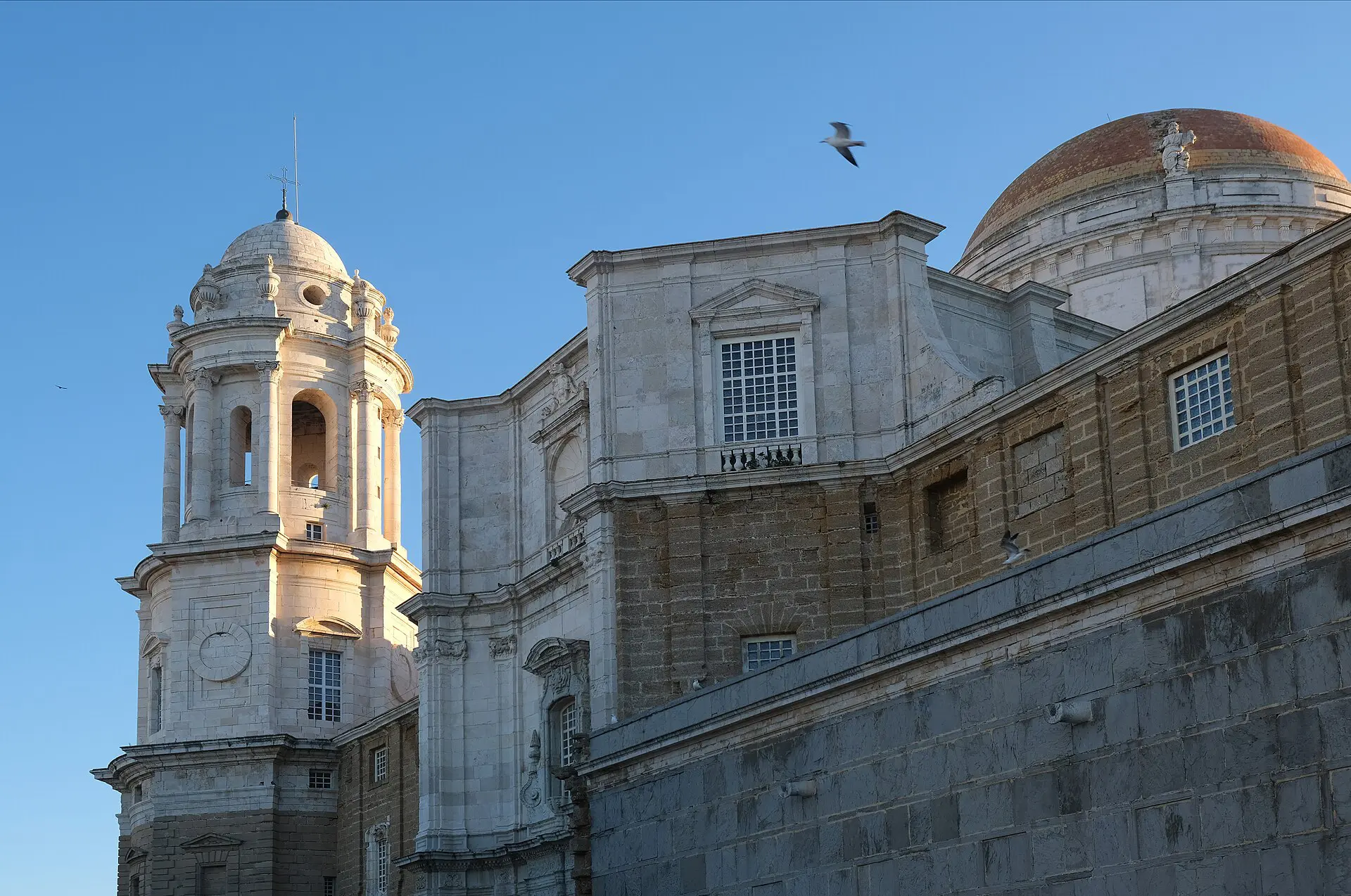
The historic centre, with narrow streets, markets, bars and the cathedral area. Best if you want to walk everywhere. Flats can be small, dark and noisy at night, so ask about windows, floor level and street noise before you sign.
2. La Viña
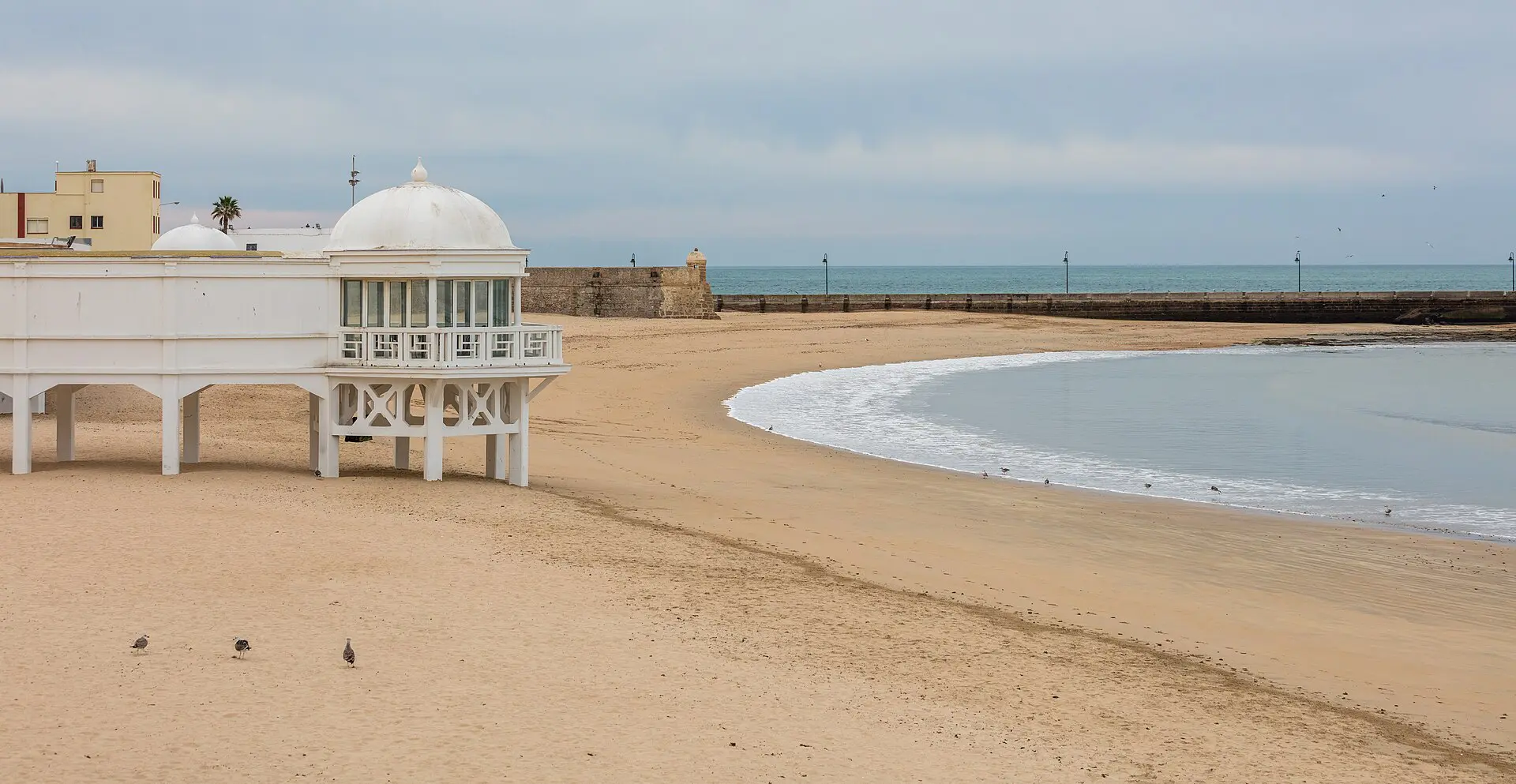
The traditional seafront quarter on the west side, close to La Caleta beach. A good mix of local life and beach access. It can be loud at weekends and during Carnival season, so plan for earplugs or a back bedroom.
3. Mentidero
The northern headland district with a more residential, settled feel and quick access to the old town. A good choice for people who want to be near the centre but need sleep and a quiet desk.
4. Santa María and the harbour side
A district near the harbour and the main train and bus stations. Handy if you plan to travel to Seville or Jerez often.
5. Playa Victoria and the new city
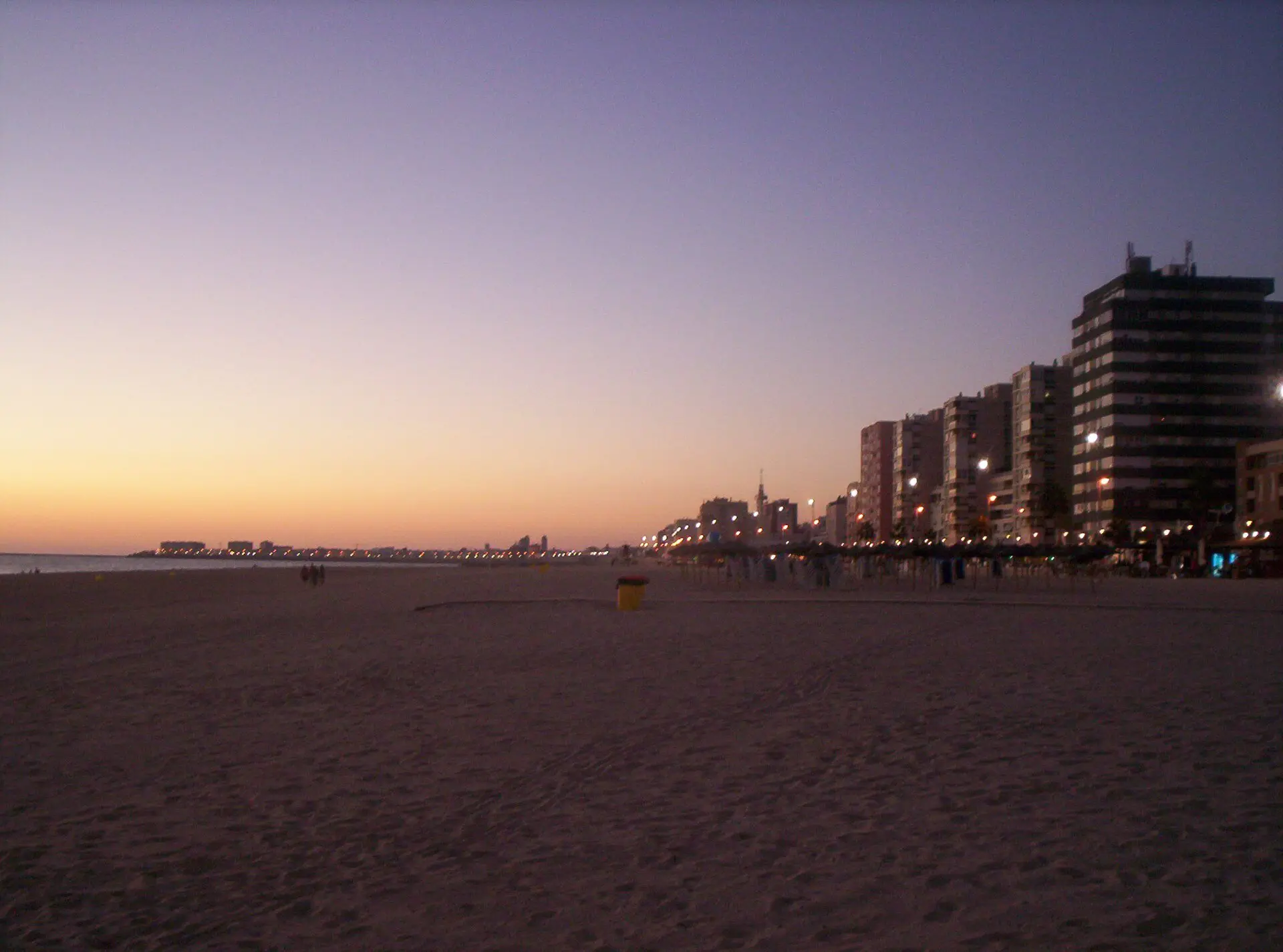
The modern strip south of the old town, running along the main beach. Newer buildings usually mean better wiring, lifts and air conditioning, but a longer walk to the old town. A bus and the tram help.
6. Puerto and Puerto Real side
The mainland towns around the bay, reached by train or ferry. Cheaper and calmer, and a sensible option for a longer stay, though you give up the daily walk to the old town. Check the commute before you commit.
Work-friendly spots by type in Cádiz
We name no places, because we cannot vouch for any connection or seat. Look for types and test them.
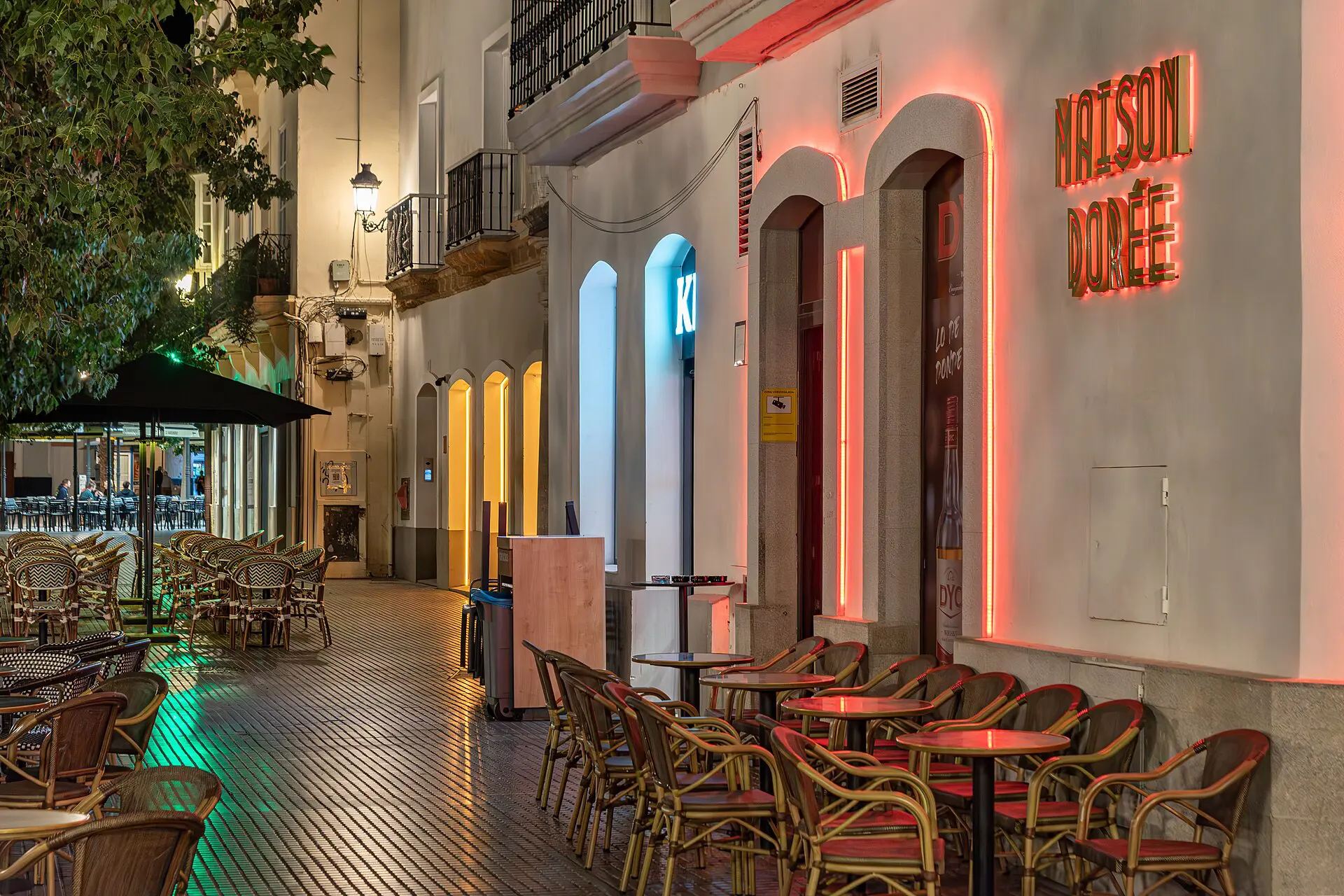
- Coworking space: Spain has a mature coworking market, and Cádiz has some options. Ask for a day pass, then a monthly desk, and check opening hours and whether a meeting room is included.
- Cafe: many cafes are social spaces rather than work spaces. Look for sockets, space for a laptop and a quiet mid-morning window, and do not stay through the lunch rush with one coffee.
- Apartment desk: the most reliable. Insist on a proper desk, a chair and a router you can see.
- Library or university space: a fallback with quiet hours, though rules for visitors vary.
Internet and power in Cádiz: what to check yourself
Spain has extensive fibre coverage, and many flats in Cádiz have it. Old buildings in the old town can be the exception, and short-let flats sometimes run on a basic plan. Do not rely on a listing that says “fast wifi”.

- Ask whether the flat has fibre and for the contracted speed, then test it yourself.
- Run a video call at your normal working hours, ideally in the evening too.
- Get a Spanish or European SIM or eSIM as a backup for calls.
- Check how many sockets the desk has and whether the plug type matches your devices.
- Ask about air conditioning and heating, since laptops and long days in a hot flat do not mix.
Cádiz visa and stay length
Rules for a Cadiz digital nomad depend on your passport. Many visitors can stay in the Schengen area for up to 90 days in any 180, but check whether you need an entry authorisation and how your days are counted. For longer stays, Spain has introduced a residence route for remote workers with income, insurance and documentation requirements, and tax rules can matter. Do not rely on a blog, including this one. Verify the current rules, and whether remote work for a foreign employer is allowed, with the Spanish consulate or the official immigration portal.
Routine and recovery in Cádiz
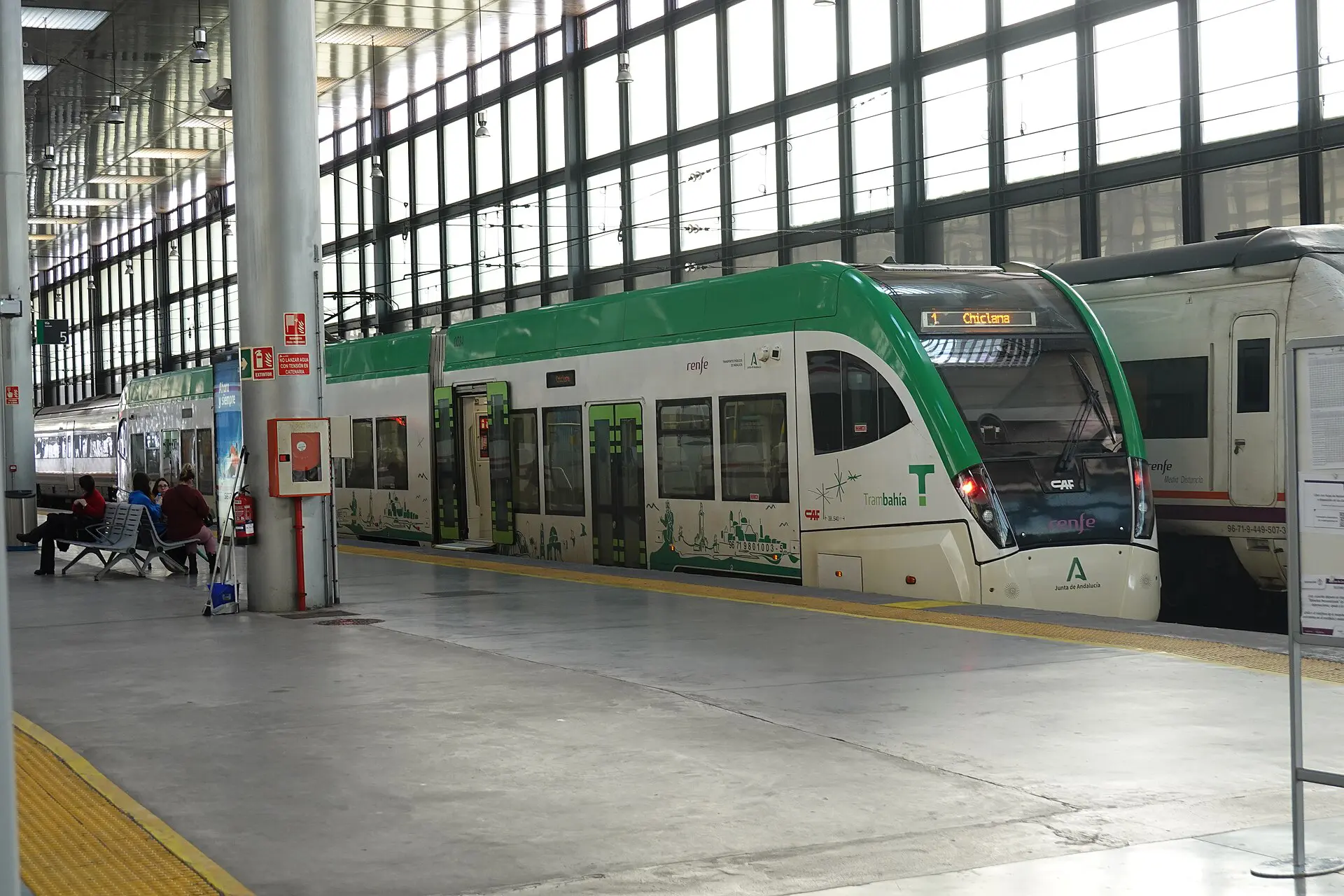
The compactness is the point of a Cadiz digital nomad routine. A normal day might be a morning work block, a late lunch, a swim on the city beach and an evening walk around the old town. Fridays and weekends suit a day trip: a train runs every hour or two to Seville, taking about 1 hour 45 minutes, plus buses and bay ferries.
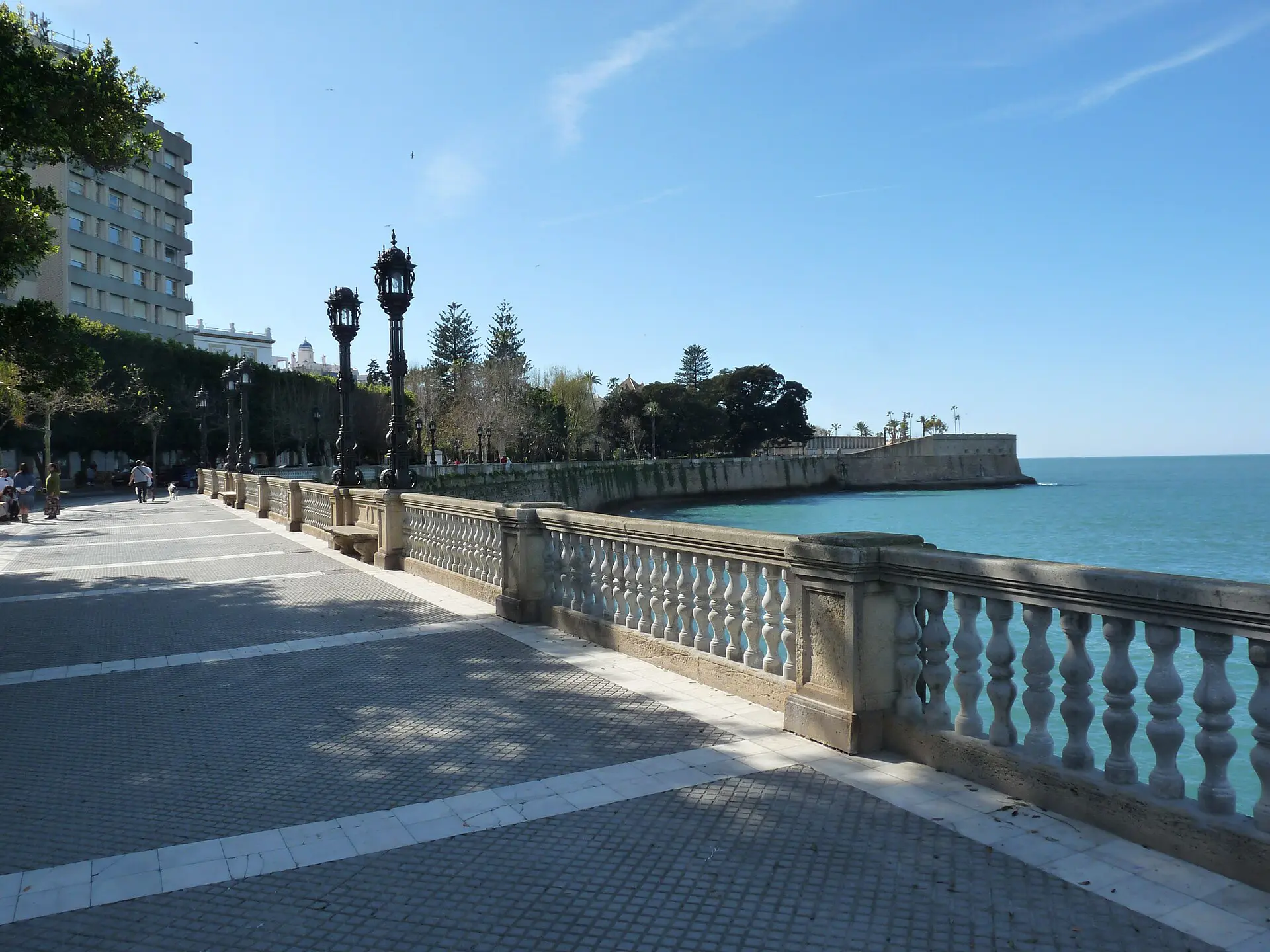
That Seville link matters. Seville has a bigger airport range, more coworking options and a larger international crowd, so many people base in Cádiz and visit Seville for a change of scene. Our Cádiz guide covers what to see, and the Spain travel guide covers the wider country.
Recovery: pick a regular walk, a swim spot and a market stall you visit weekly. In a small city, these become the structure of your week.
Test Cádiz in your first week
Book a short stay first, or ask for a flexible cancellation, and run this checklist.
- Speed-test your desk at morning, afternoon and evening, and join a real video call.
- Walk the route from your flat to the market and a backup work spot.
- Sleep two nights, including a Friday or Saturday, to check for street noise.
- Check the humidity and the wind in the flat, and see if the heating or cooling works.
- Try the train or bus to Seville once, and note the time and cost.
- Price a week of groceries and two lunches against the budget above.
- Confirm your allowed stay with the official source, then extend or leave by day seven.
FAQ about Cádiz for remote workers
Is Cádiz good for digital nomads?
For a Cadiz digital nomad it suits people who like a small, walkable city with a beach, a mild climate and Spanish daily life. The nomad community is smaller than in Seville or Valencia, and some flats are noisy or damp. Test your connection and your street in the first week.
How much does it cost to live in Cádiz for a month?
A single remote worker could plan on roughly EUR 1,300 to 2,400 a month in 2026, with rent the main variable. Summer and Carnival raise prices, and winter lets are cheaper. These are estimates, so confirm the rent before you book.
Is Cádiz walkable without a car?
Yes, for the old town and the north end. The beach strip is about 5 km long, and city buses, a tram and trains serve it. You do not need a car for daily life, although one helps for day trips around Andalusia.
Can I use Cádiz as a base to visit Seville?
Yes. Trains run every hour or two taking about 1 hour 45 minutes, plus buses at similar times. That makes day trips easy, but check timetables and ticket rules before you plan around them, since schedules change.