Braga digital nomad life is Porto’s quieter neighbour: a university and tech city in the north of Portugal, about 40 minutes from Porto by train, with lower rents and a lived-in centre. The municipality has some 212,000 residents. It suits people who want a working month with a slower pace. It suits you less if you want a big beach scene, since the coast is a drive away. Below: costs, areas, internet checks and a first-week test.
Braga digital nomad budget: what does a month cost?
These are rough monthly ranges for one person in euros, as of 2026. Portuguese rents have moved fast in recent years, so treat the table as a frame and check live listings. We priced types of spending, not specific venues.
| Item | Range per month |
|---|---|
| One-bedroom or studio, furnished | about 700 to 1,200 euros, higher in the historic centre |
| Utilities | about 80 to 180 euros |
| Mobile data and home internet | about 25 to 50 euros |
| Groceries and cooking | about 200 to 320 euros |
| Eating and coffee out | about 150 to 350 euros |
| Coworking desk (if you use one) | about 70 to 180 euros |
| Local transport, trains to Porto and taxis | about 30 to 80 euros |
| Total, comfortable single | about 1,300 to 2,200 euros |
The gap with Porto is smaller than it used to be, so do not assume a bargain. Where Braga wins is space for the money, and fewer short-let crowds. Long contracts usually beat monthly rates, though landlords often want a minimum stay.
Where to base yourself in Braga
Wikivoyage describes a sizeable old town, a university campus with plenty of cheap bars and restaurants, and a city nicknamed for its many churches. Almost all central sights sit in the first fare zone of the bus network. Choose by work style, then check the actual building.
1. The historic centre, for walking everywhere
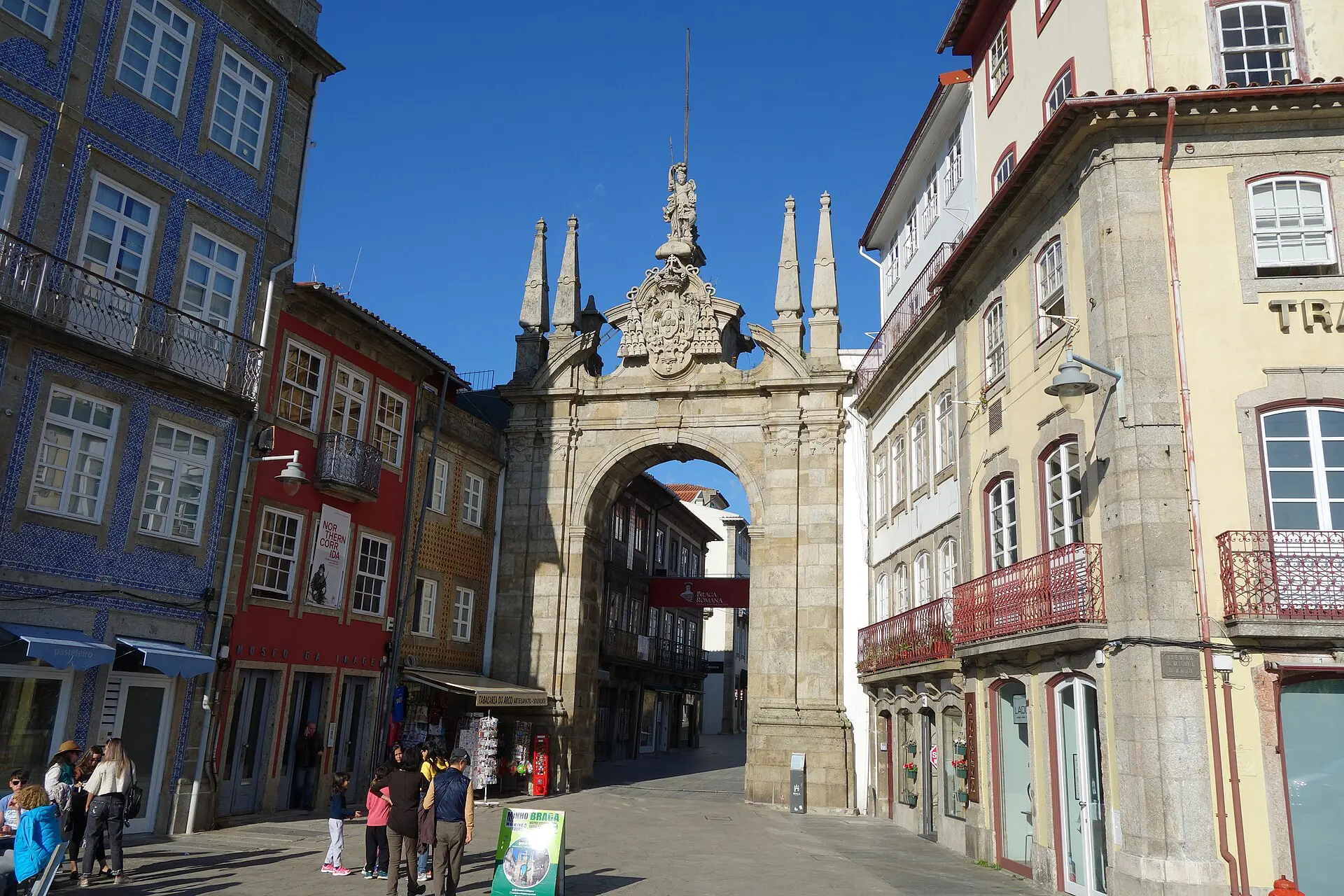
Around the cathedral and the old arch, with cafes, shops and squares close together. Flats are older and often pricier, and some are small or have thin walls. It is a good fit for short work blocks with walks between them.
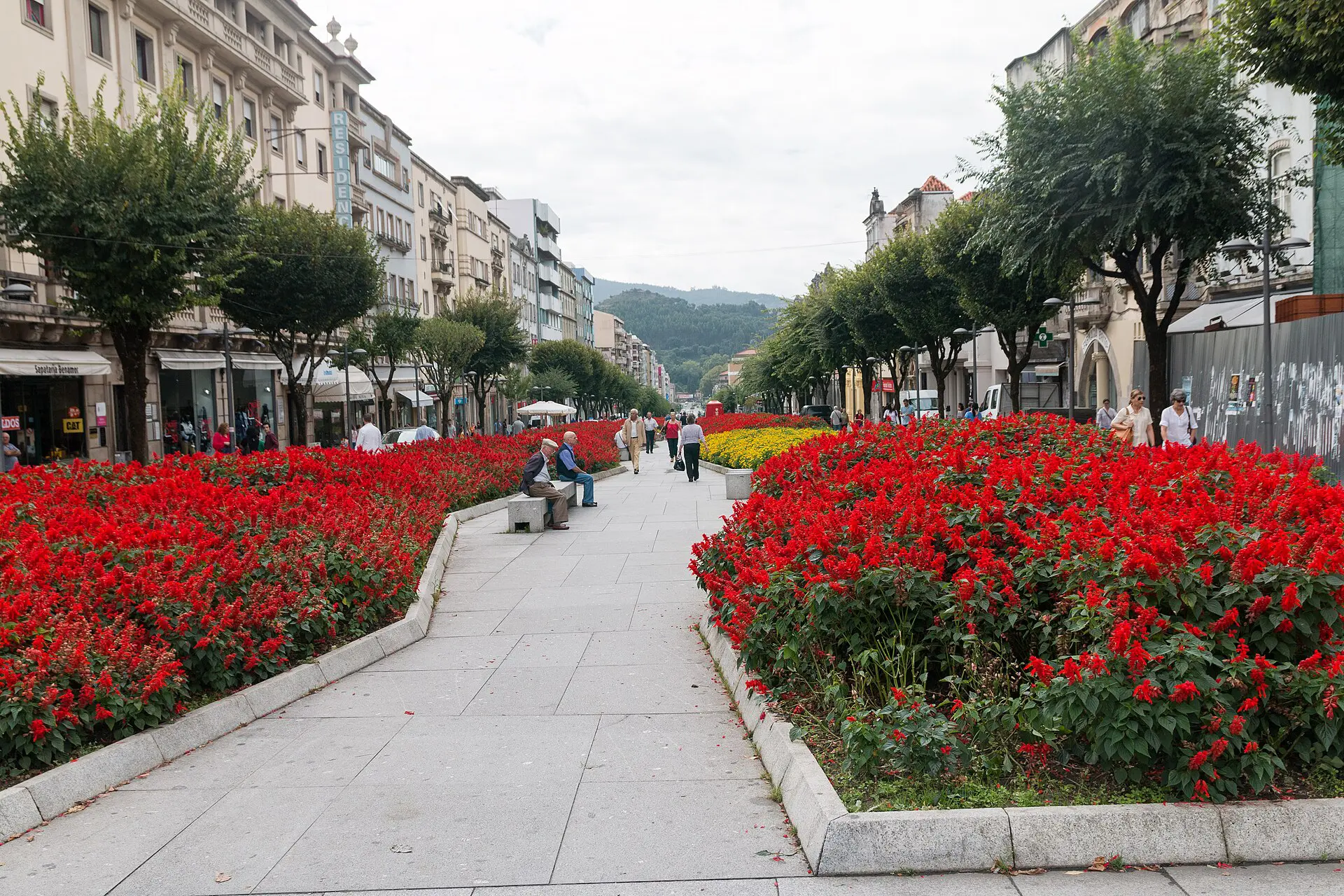
2. Avenida da Liberdade and the modern centre, for convenience
The wide avenue and nearby streets mix newer buildings and flats with good facilities. It is practical for people who want a clean, quiet building within a short walk of the old town.
3. Near the Universidade do Minho at Gualtar, for a student rhythm
The campus area is east of the centre, with cheap eating and plenty of young residents. Rents can be lower, but demand rises in the academic year. A good base if you like activity, less so if you want silence in the evening.
4. São Victor and the surrounding residential streets, for local life
Neighbourhoods just outside the core, with everyday shops and a local feel. Rents tend to be kinder, and the walk or short ride into town is easy. Test the hills before you sign.
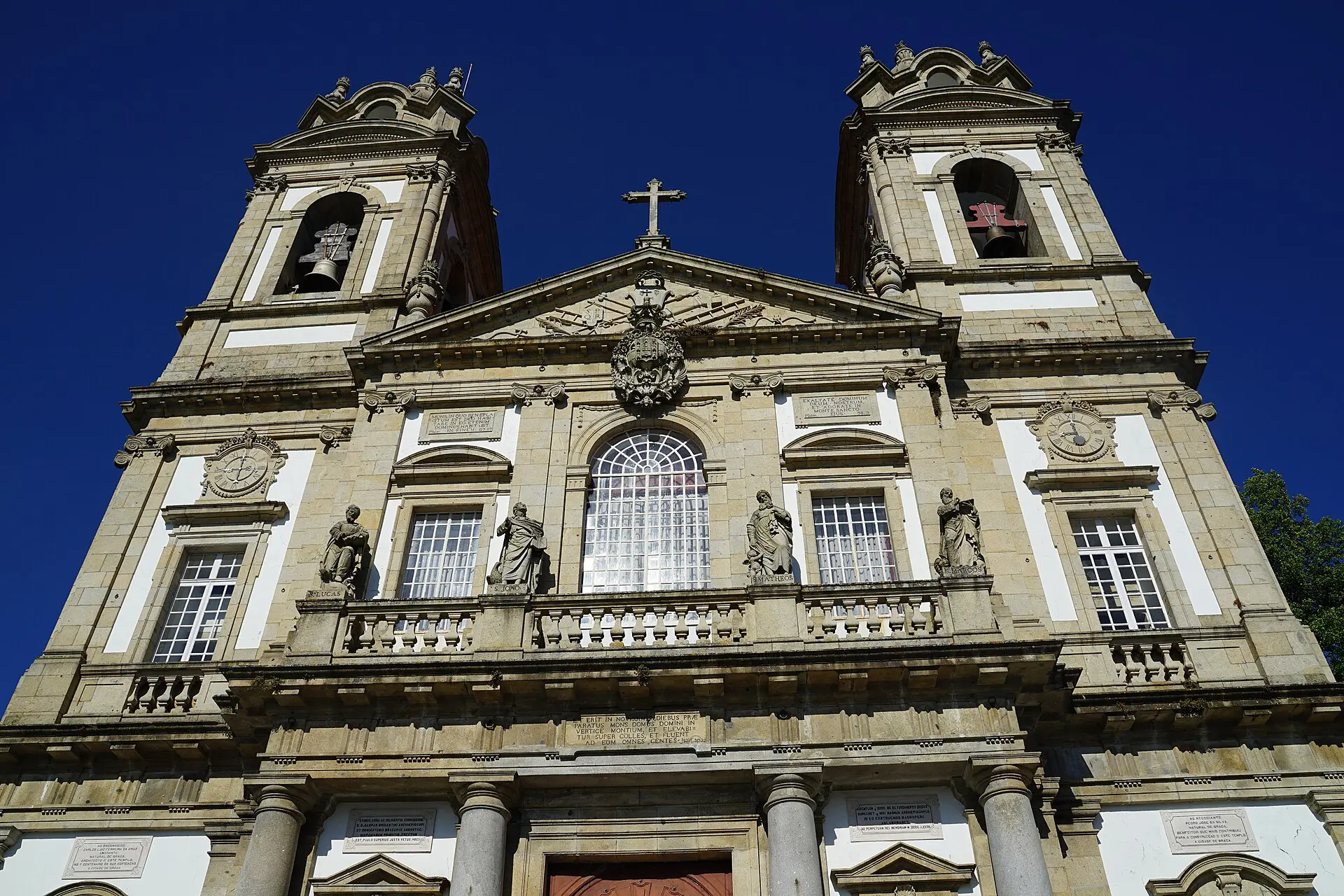
5. Near Bom Jesus do Monte, for green space and fresh air
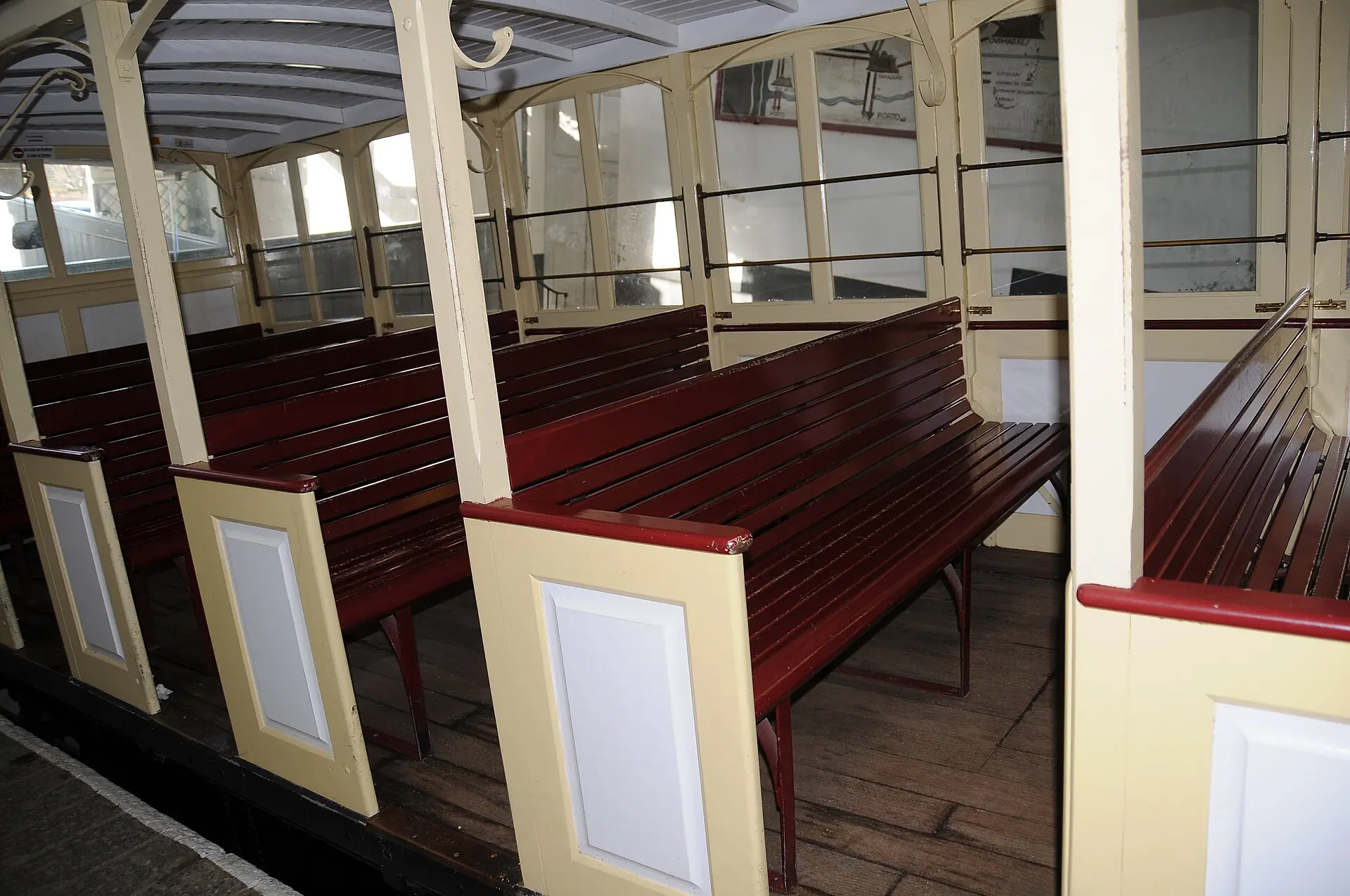
The hillside sanctuary east of the city has a park and the old water-balanced funicular. Living nearby gives quiet, but you depend on a bus or taxi. It is a base for people who value walks over cafes.
6. A short commute out, for the lowest rent
The wider municipality is large, and it is split into three fare zones. Outer areas offer cheaper flats and space, but you give up walkability. I would choose this only with a car or reliable bus link, and only for stays of two months or more.
Work-friendly spots by type
We are not naming venues, because hours, desk policies and wifi change. Look for these types.
- Coworking spaces: best for fixed hours and calls. Ask about day passes, trial days and meeting rooms. A monthly pass often beats daily rates after a week.
- Cafes: good for two or three focused hours. Check for sockets, daylight and quiet, and order regularly. Calls are rarely a good idea.
- University areas and libraries: quiet, with rules for visitors. Check access before relying on them.
- Your apartment desk: the most reliable. Ask the host for a photo of the desk and chair.
Internet and power: what to check yourself
Portugal is generally regarded as well connected, and fibre is common in city buildings, but we cannot vouch for any one flat. Older stone buildings in the centre can be slow to wire or have weak wifi through thick walls. Ask the host for a recent speed test and the provider name, then run your own at the hours you work, including upload speed.
A local SIM or eSIM is a cheap backup. Plugs are the European two-pin type, 230 volts. Old stone flats can be cold and damp in winter, so ask about heating, since many have none beyond portable units.
Why Braga works as a second-tier base
Braga is the third most populated urban area in Portugal, behind Lisbon and Porto, and it is one of the country’s entrepreneurial and technological centres. That means a steady supply of flats, supermarkets, clinics and services without a tourist overlay. The trade-off is that the nomad scene is thin. Expect local meetups rather than a ready-made community, and plan to build your own routine in the first two weeks.
Braga digital nomad visa and stay length
Portugal is in the Schengen Area. Many nationalities can stay up to 90 days in any 180 days without a visa, but that depends on your passport. Portugal has also offered a residence route aimed at remote workers, often called the D8 visa, with income requirements and processing that change. Verify the current terms with the Portuguese immigration authority, the foreign ministry and your nearest consulate before planning beyond 90 days.
Tax residency is a separate question, and working in a country for months can create obligations. Check with an adviser if your stay is long.
Routine and recovery in Braga
Braga works as a calm base with Porto as a day out. Alfa Pendular or Intercidades trains take about 40 minutes to Porto and about 3 hours 45 minutes to Lisbon, with five long-distance services a day, fewer at weekends. From Porto airport, a direct bus takes about 40 minutes and started at about 4 euros in March 2025, so check current fares.
A weekly rhythm might be deep work in the morning, a walk in the old town or up to Bom Jesus in the afternoon, and a train to Porto when you want a change of scene. For history, see Wikipedia. Our Braga guide covers the sights and the Portugal travel guide sets the country context.
Test Braga in your first week
- Run a speed test at 9am, 2pm and 8pm, and note upload speed.
- Take one video call from the desk and one from a cafe.
- Walk or ride your commute at the hour you would use it.
- Check the flat for damp, cold and night noise.
- Shop for three days and compare the total with the table.
- Time a trip to the station and the Porto airport bus.
- Decide by day 7 whether to extend, and ask for a monthly rate only then.
Braga digital nomad FAQ
Is Braga good for digital nomads?
It suits people who want a slower, university-city rhythm with Porto close by. It has fewer coworking spaces and a smaller international crowd than the big hubs. Test internet, damp and your commute in week one before you sign a long lease.
Is Braga cheaper than Porto?
Often a little, mainly on rent and space, but the gap has narrowed and varies by area. Porto has more events, flights and coworking. Braga offers calmer streets and easy trains to Porto. Compare current listings in both before choosing.
How long can I stay in Braga without a visa?
For many nationalities, up to 90 days in any 180 days across the Schengen Area, but your passport decides. Longer stays generally need a visa or residence permit. Check the official Portuguese immigration site or your consulate before booking.
How far is Braga from Porto?
About 40 minutes by long-distance train, and roughly 40 minutes by direct bus from Porto airport. Local trains take longer. Check timetables before you plan a daily commute, because services thin out at weekends.