The best museums in Berlin sit in three clusters: Museum Island in the middle of the old city, the Wall memorial sites in the north and south, and the art museums around the Kulturforum. If you only have one day, spend the morning on Museum Island and the afternoon on the Wall history route, then stop. Two to four days let you add Kreuzberg, the Jewish Museum and the modern art galleries without crossing the city twice.
How to use your days in Berlin
Berlin is a cluster of centres rather than one core, as Wikivoyage puts it, so the efficient method is to plan by cluster. Pick one anchor museum per half-day, then pair it with a street, market or district within a short walk or one train ride. That keeps transfers short and leaves energy for the museum itself.
Two rules save the most time when you visit the best museums in Berlin. First, many Berlin museums close on Mondays, so build the plan around that day instead of discovering it at the door. Second, state museums often run one late evening a week, which is the quietest time to go. Confirm both on each museum’s website before you commit, because patterns change.
For the wider picture, see the Berlin guide and the Germany travel guide.
Best museums in Berlin: a time-blocked plan
Six blocks, each a half-day. Run them in order for a three-day break, or take blocks 1 and 3 for a single day. Opening days and hours are the volatile part of any museum plan, so treat the notes below as patterns and check before you go.
Block 1: Museum Island, morning
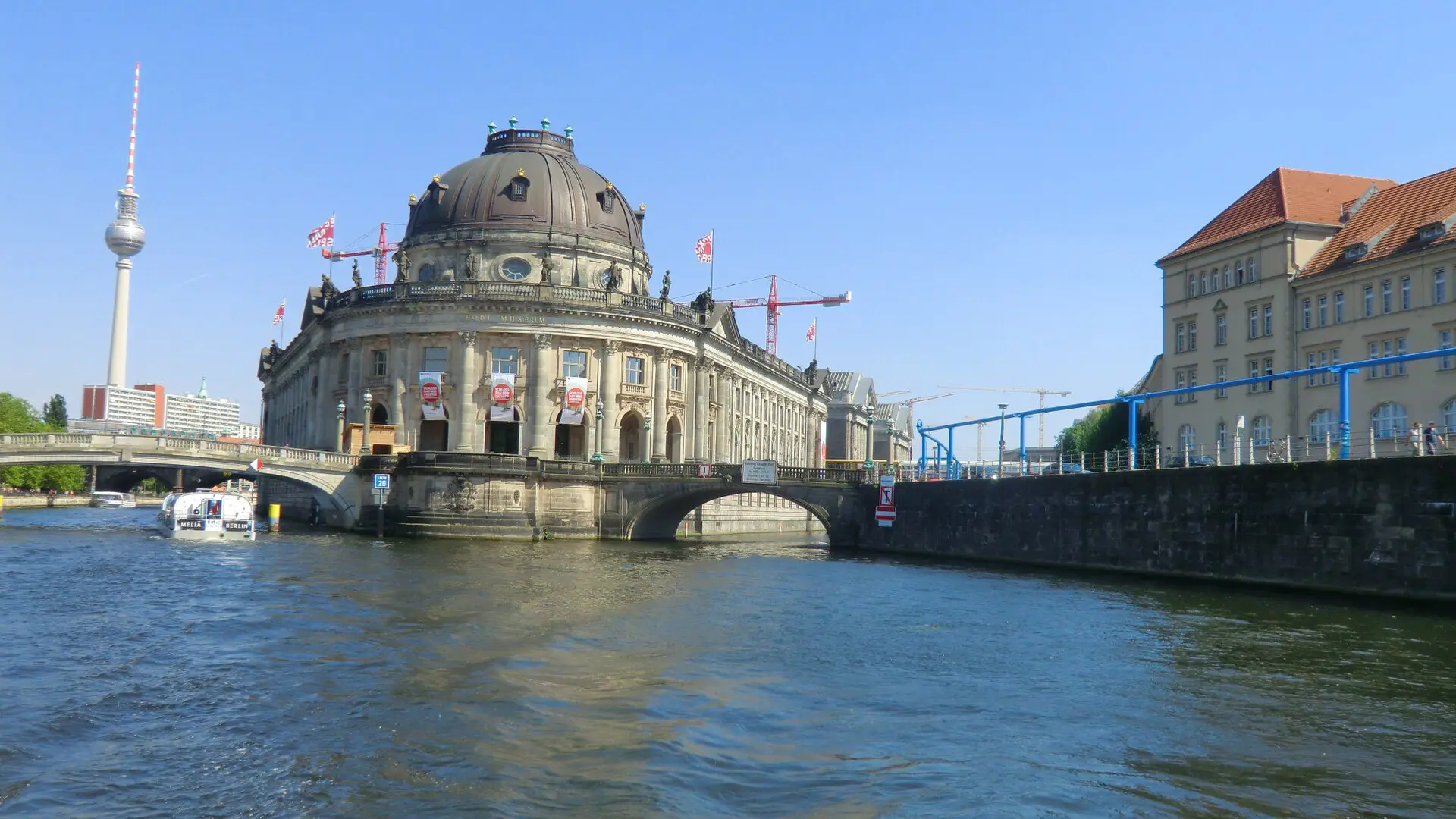
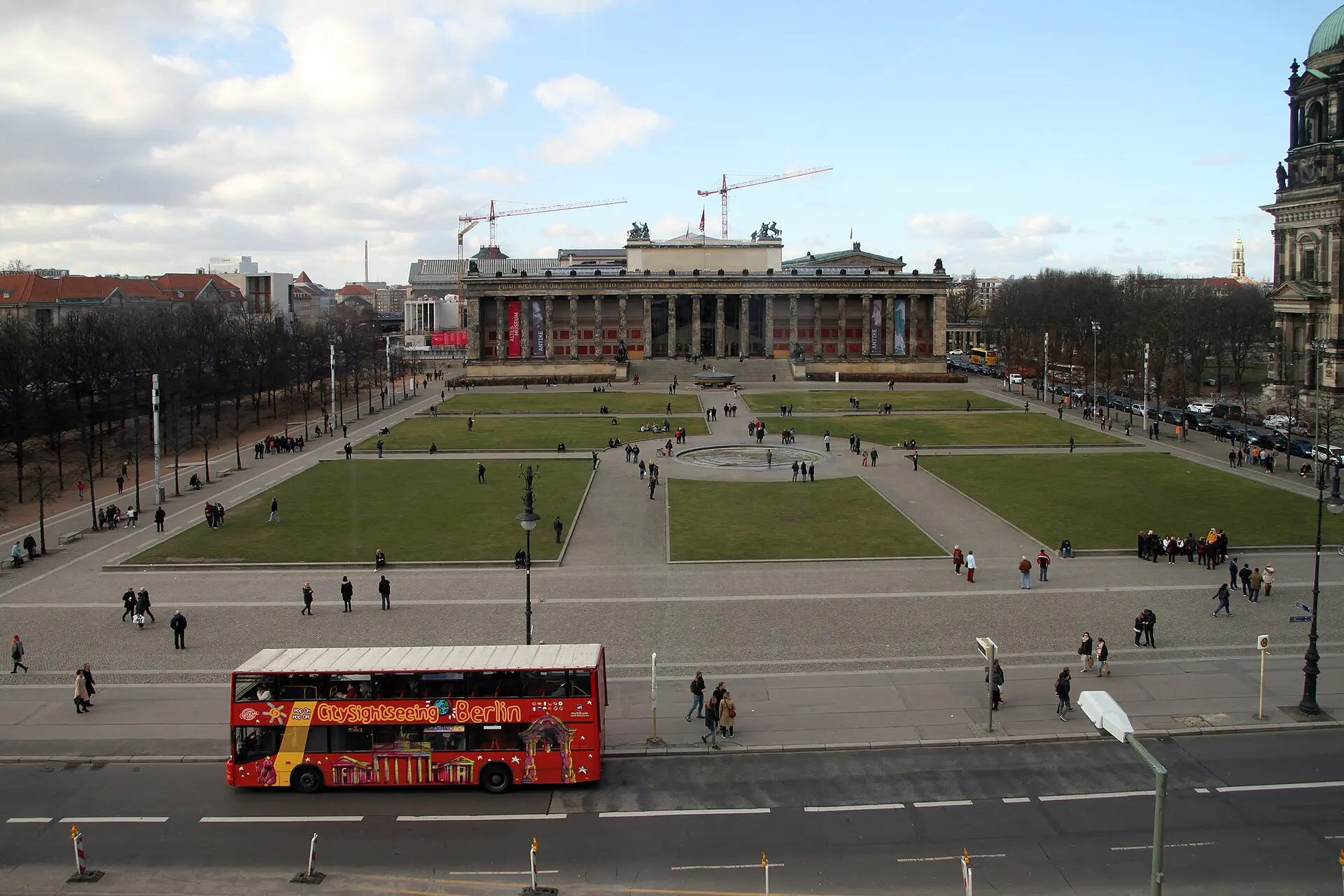
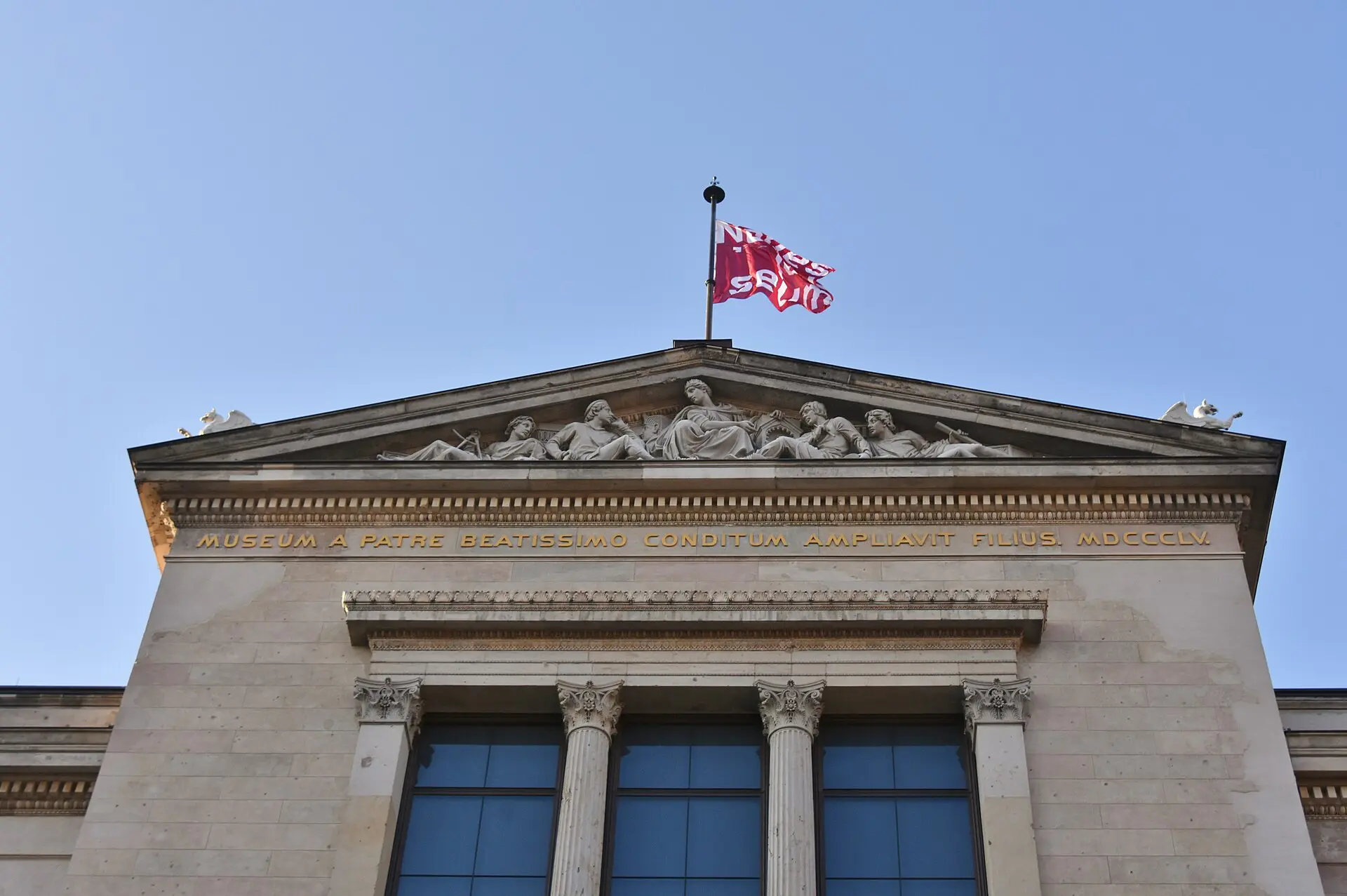
The island holds five major museums and is a UNESCO World Heritage Site. You will not do them all properly in a morning, so choose two. The Neues Museum is the usual first pick for its Egyptian collection and the bust of Nefertiti. The Alte Nationalgalerie covers 19th-century painting and is calmer. The Pergamonmuseum has been under long-running renovation, with parts closed, so check what is open before you book it.
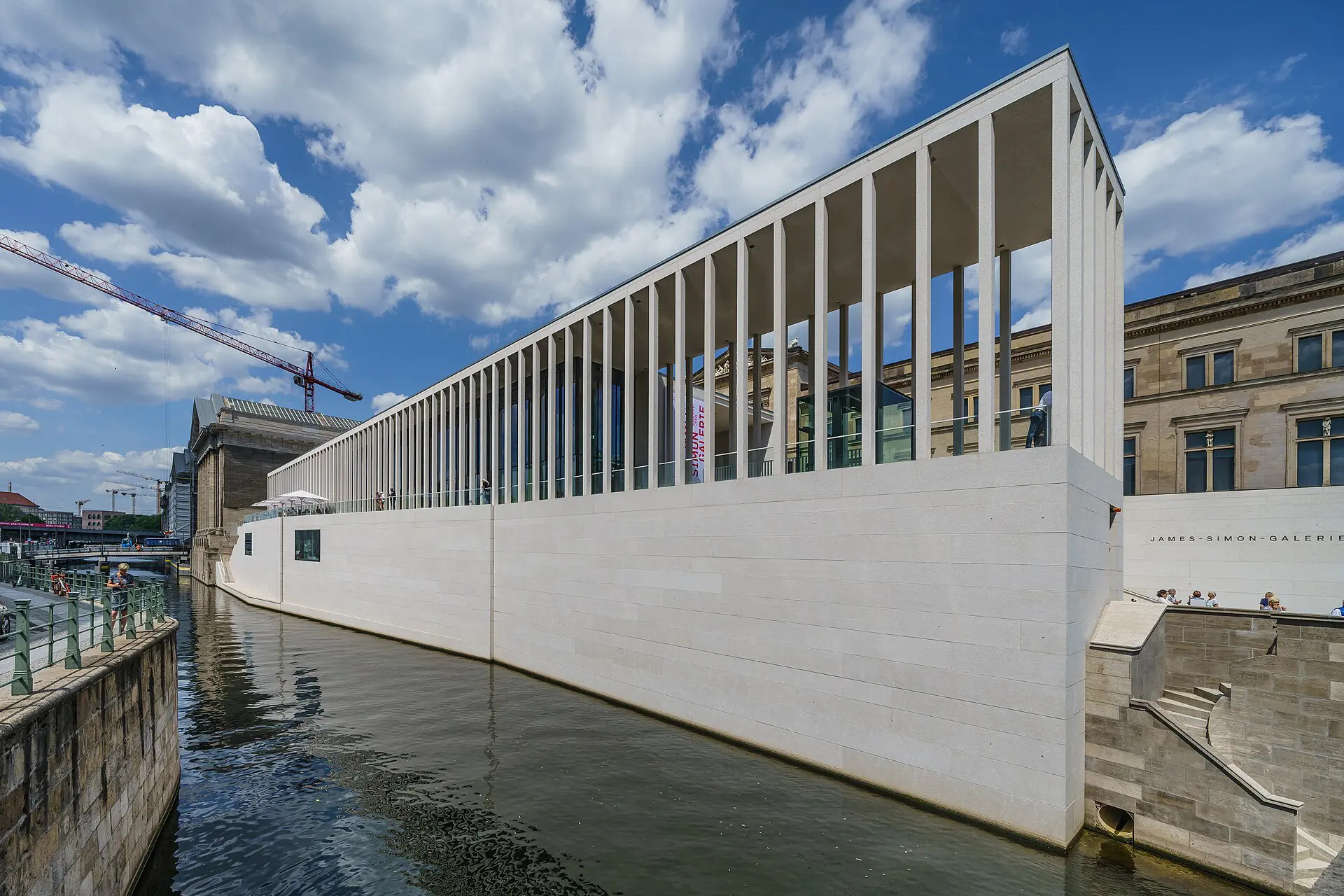
Arrive at opening and enter through the James-Simon-Galerie, the shared visitor entrance. Book a timed slot online; walk-up queues form by mid-morning. Allow two to three hours.
Block 2: Hackescher Markt and the Spandauer Vorstadt, midday
Walk ten minutes north of the island to the courtyards around Hackescher Markt for lunch and a slower hour. The streets here are lined with small galleries, cafes and independent shops, and the Hackesche Höfe courtyards are the easiest stop. Many galleries close on Sundays and Mondays, so treat this as a lunch-and-wander block rather than a fixed visit.
If you only have one day, this is the block to shorten: eat, look at one courtyard and move on.
Block 3: Berlin Wall Memorial and Bernauer Strasse, afternoon
The Berlin Wall Memorial runs along Bernauer Strasse, in the north of the centre. It keeps a stretch of the border strip, a documentation centre and a viewing platform, and it is the clearest place to understand how the division worked on the ground. Admission to the memorial is free, according to its operators, though you should confirm current terms for the centre.
The outdoor sections are open at all hours, so they suit a late-afternoon slot. The indoor centre has opening days and closing days like any museum, usually closed on Mondays. Allow 90 minutes. Take the tram or the U-Bahn to Nordbahnhof or Bernauer Strasse.
Block 4: Topography of Terror and Kreuzberg, morning of day two
The Topography of Terror documents the institutions of Nazi state terror on the site of the former Gestapo headquarters. The exhibition is largely free to enter, and it is sober and dense: allow two hours and do not combine it with another heavy museum in the same block. The open-air section runs along a preserved stretch of the Wall.
Then cross into Kreuzberg for the Jewish Museum Berlin, in a Daniel Libeskind building that is part of the exhibit. Book a timed ticket and expect security screening at the entrance. Finish with a walk through the streets around Oranienstrasse and Bergmannstrasse. Check the museums’ closing days first, as the Jewish Museum has shorter hours on some days.
Block 5: Markthalle Neun, midday
Markthalle Neun is a restored 19th-century market hall in Kreuzberg. It is best on the days when the stalls are full, which include the weekly street-food evening, and it is quieter and more useful for lunch on a weekday. Check the hall’s current trading days, because the street-food night and the weekend offer rotate.
A market lunch here keeps the day efficient: you are 15 minutes by train from the Kulturforum, and you can eat without queueing for a table. Arrive before noon to beat the lunch rush.
Block 6: Kulturforum and the modern art museums, afternoon
The Kulturforum, near Potsdamer Platz, groups the Gemäldegalerie, the Neue Nationalgalerie and the Kunstgewerbemuseum around one plaza. The Gemäldegalerie holds European painting from the 13th to the 18th centuries, and the Neue Nationalgalerie covers 20th-century art in a glass hall designed by Mies van der Rohe. Pick one. I would choose the Gemäldegalerie for old masters and the Neue Nationalgalerie for architecture.
Hamburger Bahnhof, a contemporary art museum in a former railway station near the main train station, is the alternative if you prefer recent work. Both closing days and late-opening evenings vary, so check.
Queue-avoidance timing for the best museums in Berlin
- Book timed tickets online for Museum Island, the Jewish Museum and any special exhibition. This is the single biggest time saver.
- Arrive at opening or in the last two hours. Mid-morning to early afternoon is peak for tour groups and school visits.
- Use the weekly late evening. Some state museums stay open later one evening a week, usually quieter than the day.
- Avoid Mondays for museums and Sundays for small galleries. The Wall memorial’s outdoor sections work on any day.
- Consider a multi-day museum pass if you plan three or more state museums. Compare its price with individual tickets and check which sites it covers.
Getting around Berlin
Berlin’s public transport is divided into tariff zones, and most visitors need zones A and B. The U-Bahn, S-Bahn, trams and buses share one ticket system. Validate paper tickets before boarding where required, and look at day and multi-day tickets if you plan three or more rides a day. Fares change, so check the current BVG prices.
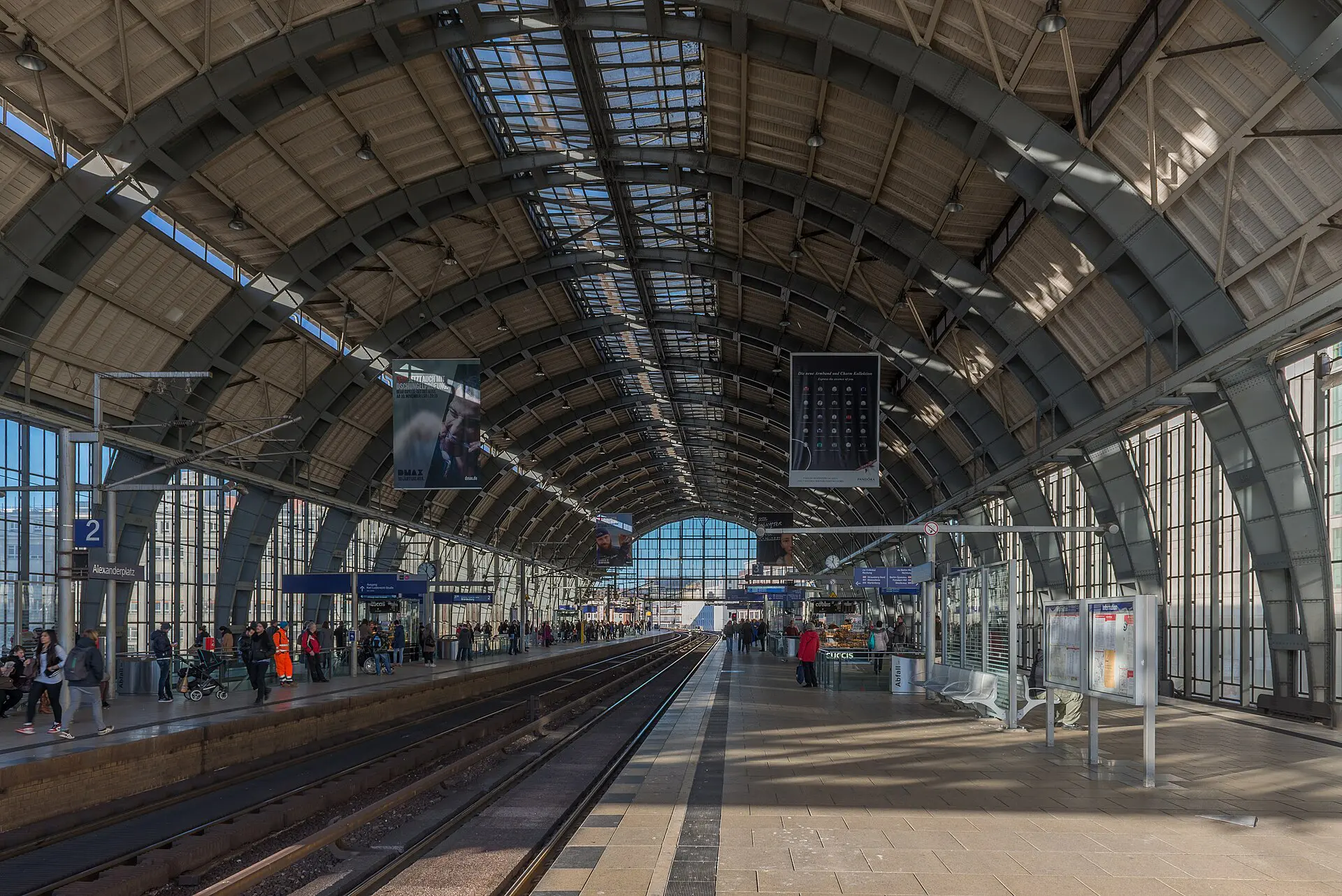
Museum Island is a short walk from Alexanderplatz. From there, trams reach Bernauer Strasse, and the U-Bahn links Kreuzberg and Potsdamer Platz. Berlin is wide, so the trick is to cluster: do not zig-zag between east and west in the same day. The main airport is Berlin Brandenburg (BER), connected by regional train and S-Bahn.
Where to stay in Berlin for museums
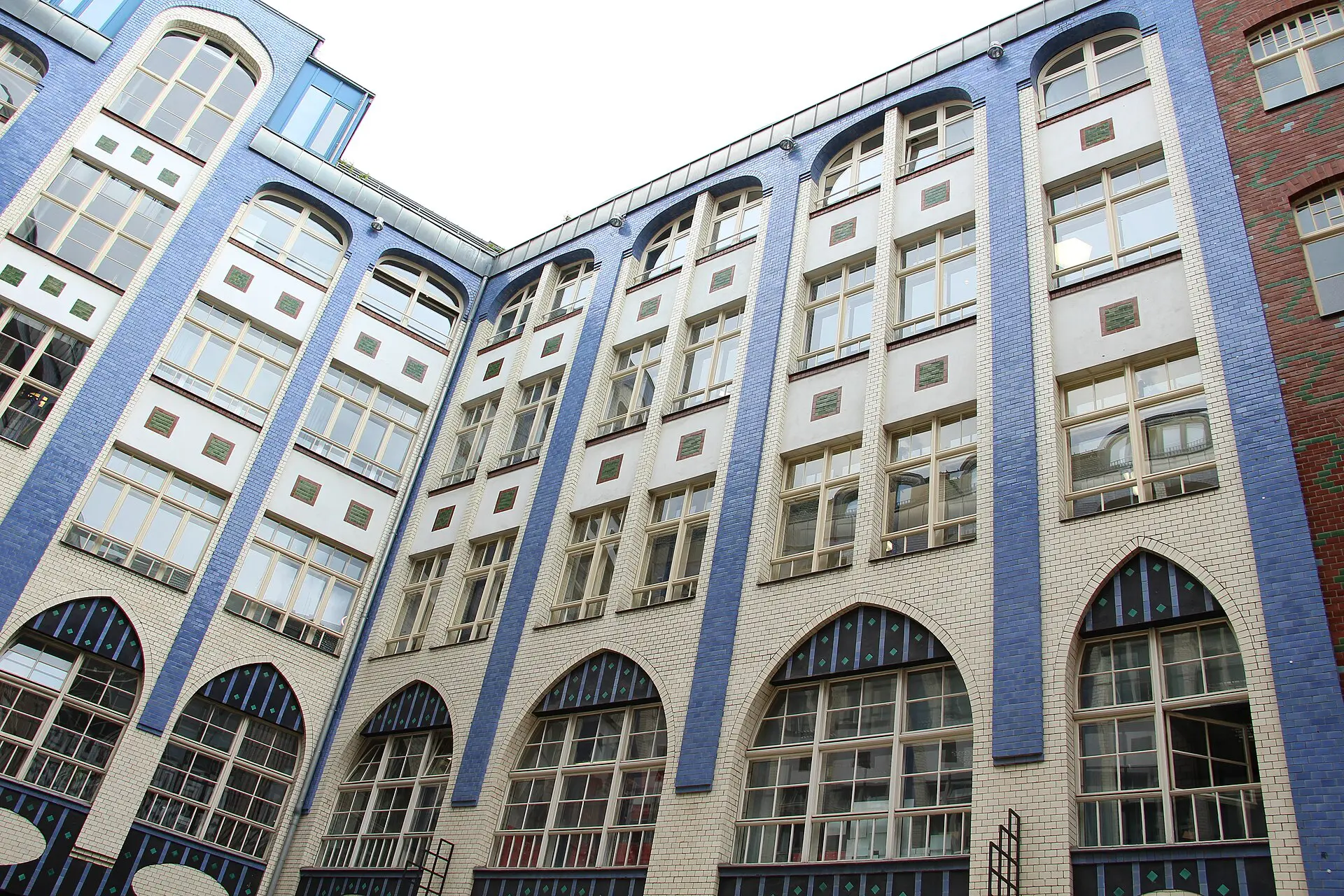
- Mitte: closest to Museum Island and the Hackescher Markt streets. Convenient for a short break, usually the highest prices.
- Prenzlauer Berg: residential, tram-connected to Bernauer Strasse and cafe-heavy. Good for quieter evenings.
- Kreuzberg: best for the Jewish Museum, Markthalle Neun and nightlife, with more noise.
- Charlottenburg: a calmer western base with its own palace and museums, and a straightforward train line to Museum Island.
What to skip if you are short on time
If you have one day, skip the Kulturforum and Kreuzberg, and do Museum Island plus the Wall Memorial. If you have two, drop block 2 and eat on the move. Skip the second museum on Museum Island unless you have a specific interest, because the first one will take most of the morning.
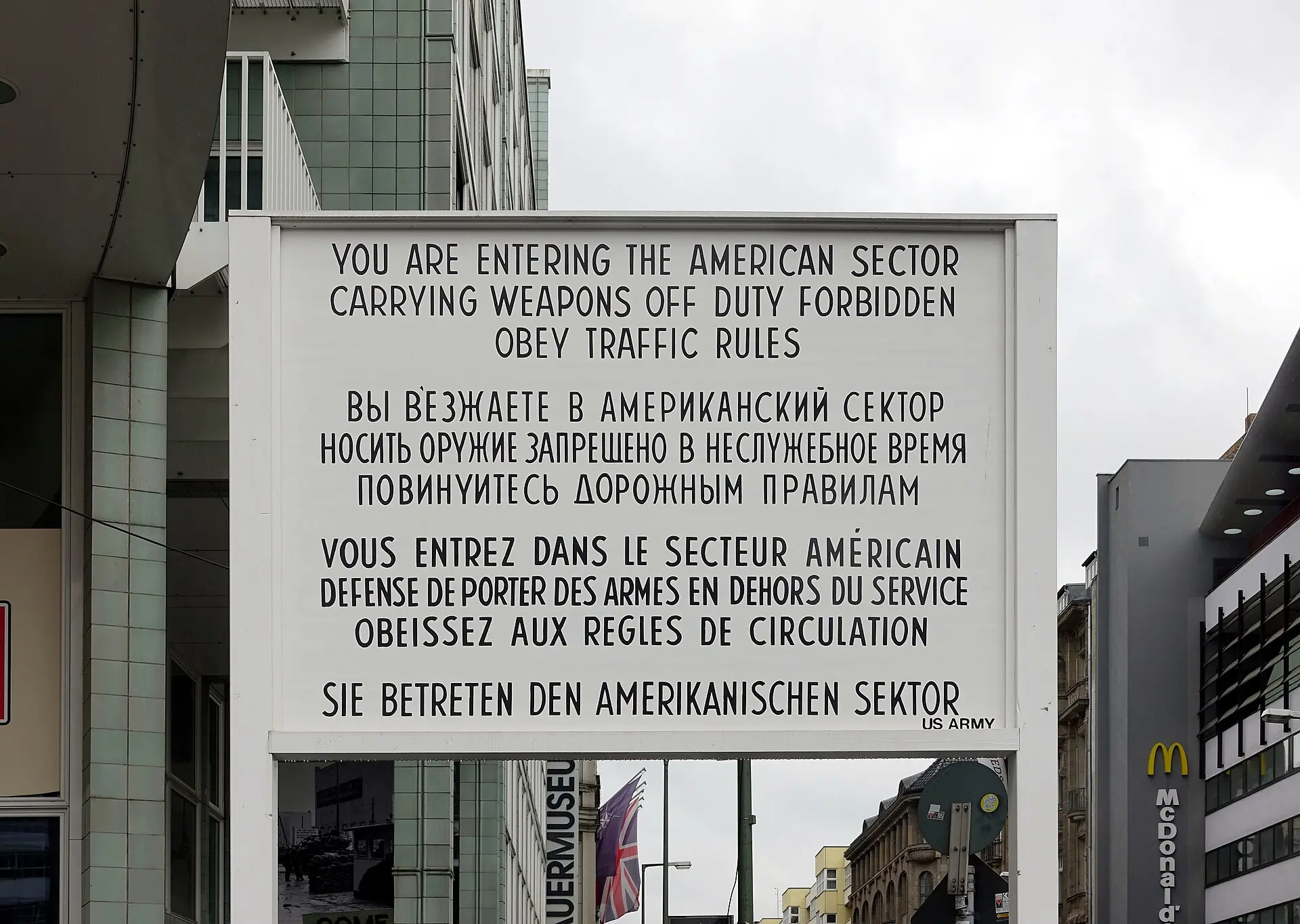
I would also skip commercial attractions near Checkpoint Charlie if your time is limited. The memorial sites above explain the Wall better and, in most cases, with less crowding. Read the Wikivoyage Berlin guide or Wikipedia for the history behind each district.
FAQ about museums in Berlin
How many days do you need for Berlin museums?
Two days cover Museum Island, the Wall Memorial and one more cluster. Three days let you add Kreuzberg, the Jewish Museum and the Kulturforum without rushing. One day is enough only for Museum Island and the Wall history route.
Are Berlin museums closed on Mondays?
Many state museums are, so plan other activities for that day. Some museums keep different weekly closing days, and holiday hours vary. Check each museum’s website before you go, and use Monday for outdoor sites such as the Wall memorial strip and the Hackescher Markt streets.
Is a Berlin museum pass worth it?
It can be, if you plan three or more state museums over several days. Compare the pass price against individual tickets for your list, check which museums it covers, and remember that timed slots may still need to be booked separately for popular sites.
What is the best museum in Berlin for a first visit?
The Neues Museum on Museum Island is the safest first choice for its collection and building. For recent history, pick the Wall Memorial or the Topography of Terror. For art, the Gemäldegalerie or Neue Nationalgalerie suit different tastes.