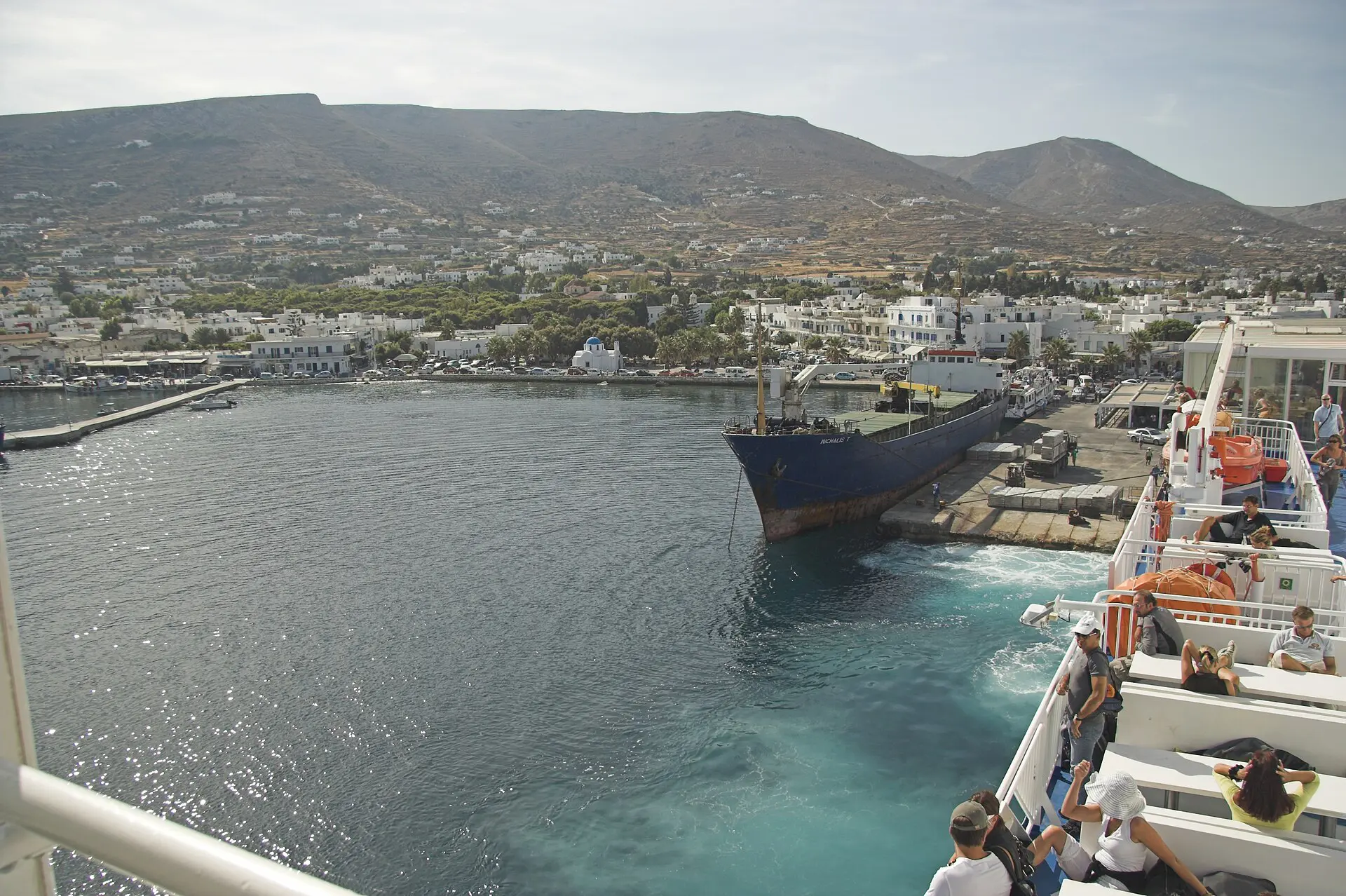
The Athens to Paros ferry runs daily from Piraeus and Rafina, and a flight takes 30 to 45 minutes. Conventional boats take longer and cost less than fast boats, and the northern wind, the meltemi, is what cancels sailings in summer. Port choice matters more than most people expect. Below: which port to use, crossing times, how wind cancels boats, and five fallbacks.
Athens to Paros ferry routes by type
Three kinds of boat serve the route, and the type decides both the price and the risk. Conventional ferries are large, slower and run in rougher seas. High-speed catamarans cut the time, cost more and are more exposed to swell. Both sail daily to Parikia, the main port of Paros. Services also link Paros with other Cyclades and with Heraklion on Crete.
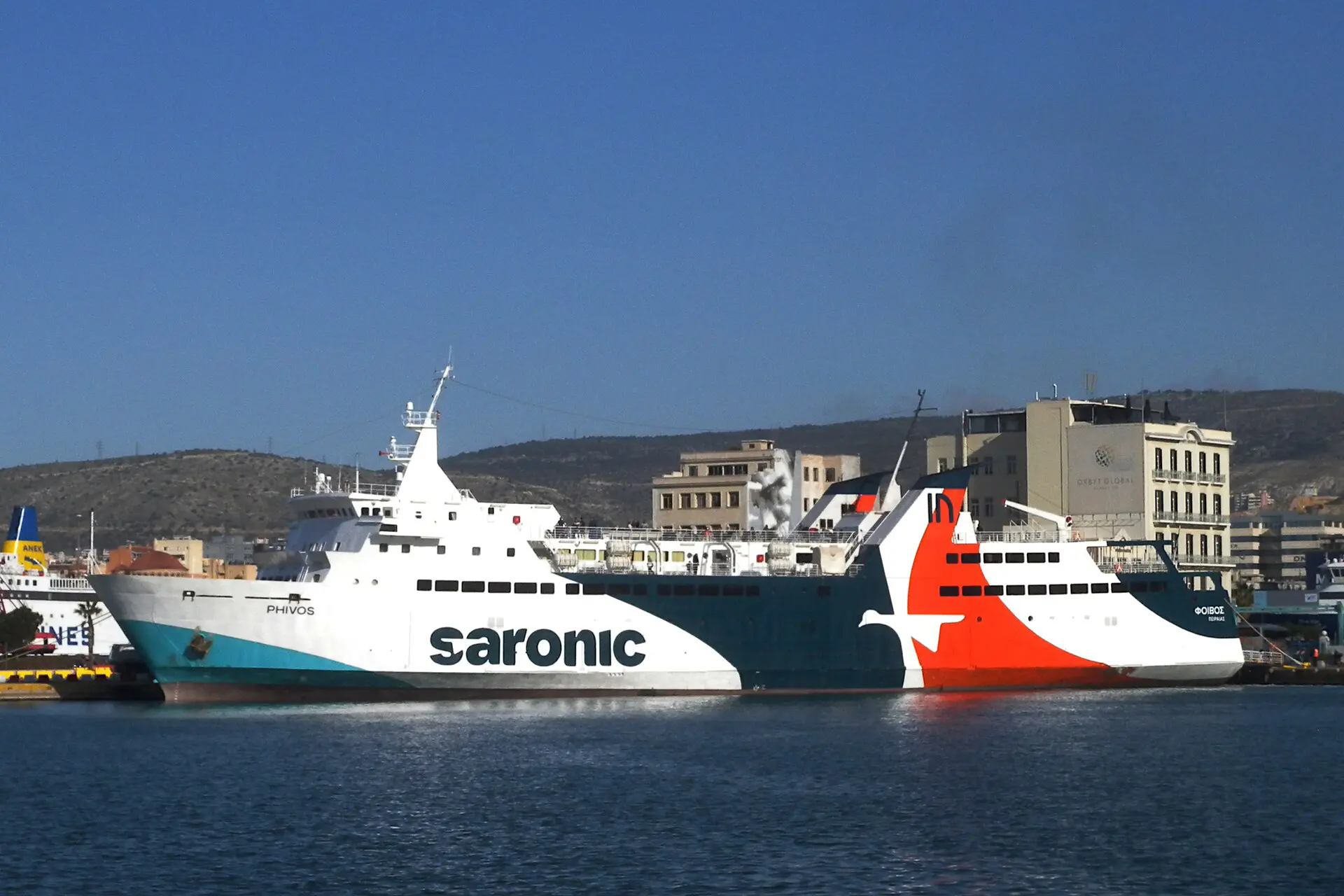
Operators change each year, so this guide names none. Compare current schedules on a ferry booking site or at the port, and check which type of vessel each sailing uses. A cheaper, slower boat is often the safer choice when the wind is up.
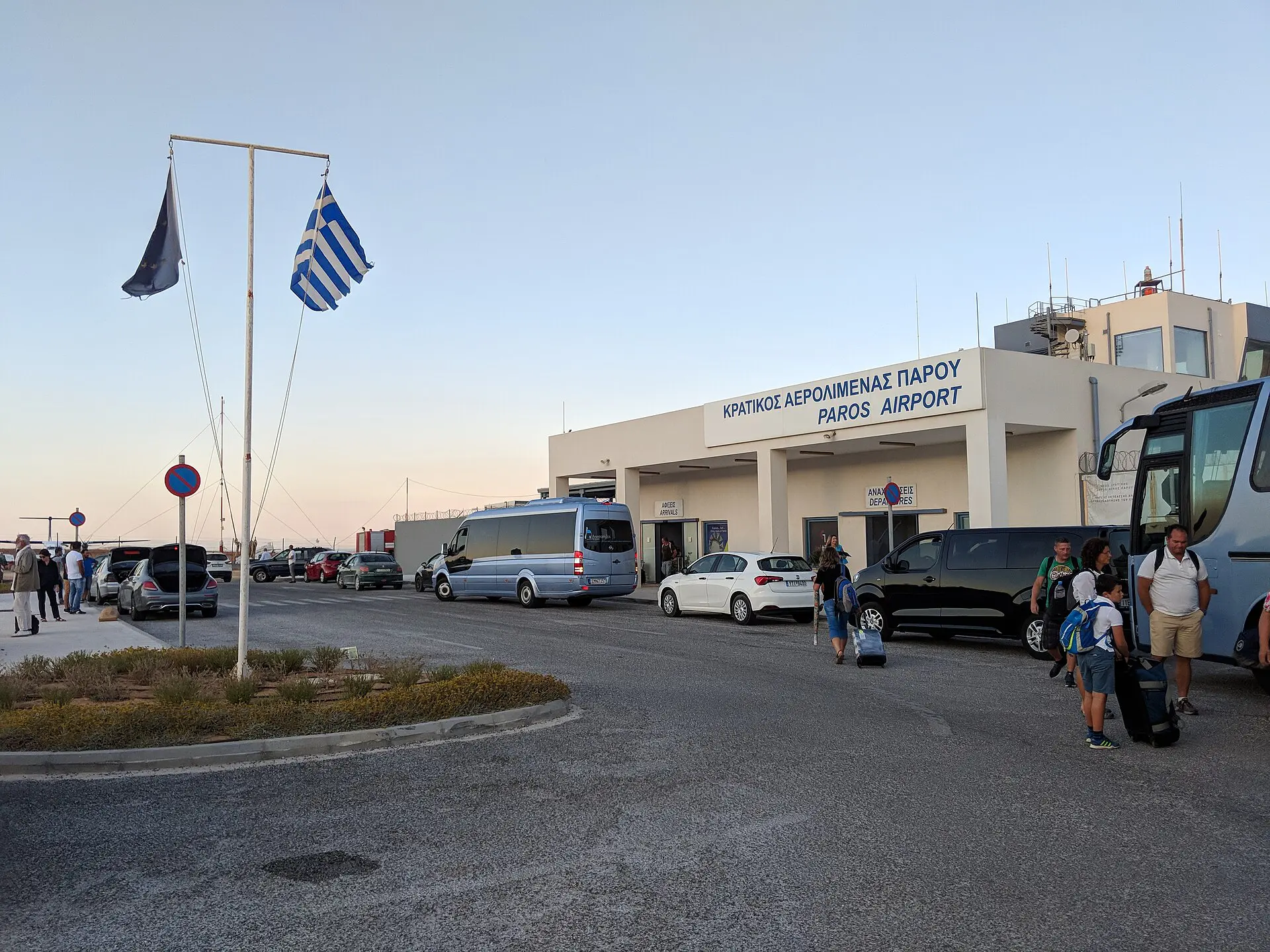
There is also a flight option. Olympic Air and AirSea Lines have run a daily air service from Athens, and the flight takes 30 to 45 minutes. In season there are flights from Thessaloniki. Another route is to fly to Mykonos, which has more international arrivals, and then take a boat of about an hour to Paros.
Athens to Paros ferry crossing times and wind risk
Times are typical and hedged. Check the current timetable before you book.
| Route | Typical crossing | Frequency by season | What cancels it |
|---|---|---|---|
| Piraeus to Parikia, conventional | about 4 to 5 h | Several daily in summer, fewer in winter | Strong meltemi, coast guard ban |
| Piraeus to Parikia, high-speed | about 2.5 to 3 h | Daily in season, reduced off-season | Wind and swell; cancelled first |
| Rafina to Parikia | about 4 to 5 h, check by sailing | Daily in summer, fewer in winter | Wind, often more exposed on the northern route |
| Athens flight to Paros | 30 to 45 min | Daily; more in summer | Wind and low cloud |
| Mykonos to Paros | about 1 h by boat | Seasonal | Wind |
How wind cancels the Athens to Paros ferry
The meltemi is a dry northerly wind that blows across the Aegean and the Cyclades, mainly from about June to September and strongest in July and August. It can blow for days. When the coast guard imposes a sailing ban on a route because of high wind, boats stay in port. Fast boats are cancelled first. Conventional ferries often still run, but they may be delayed.
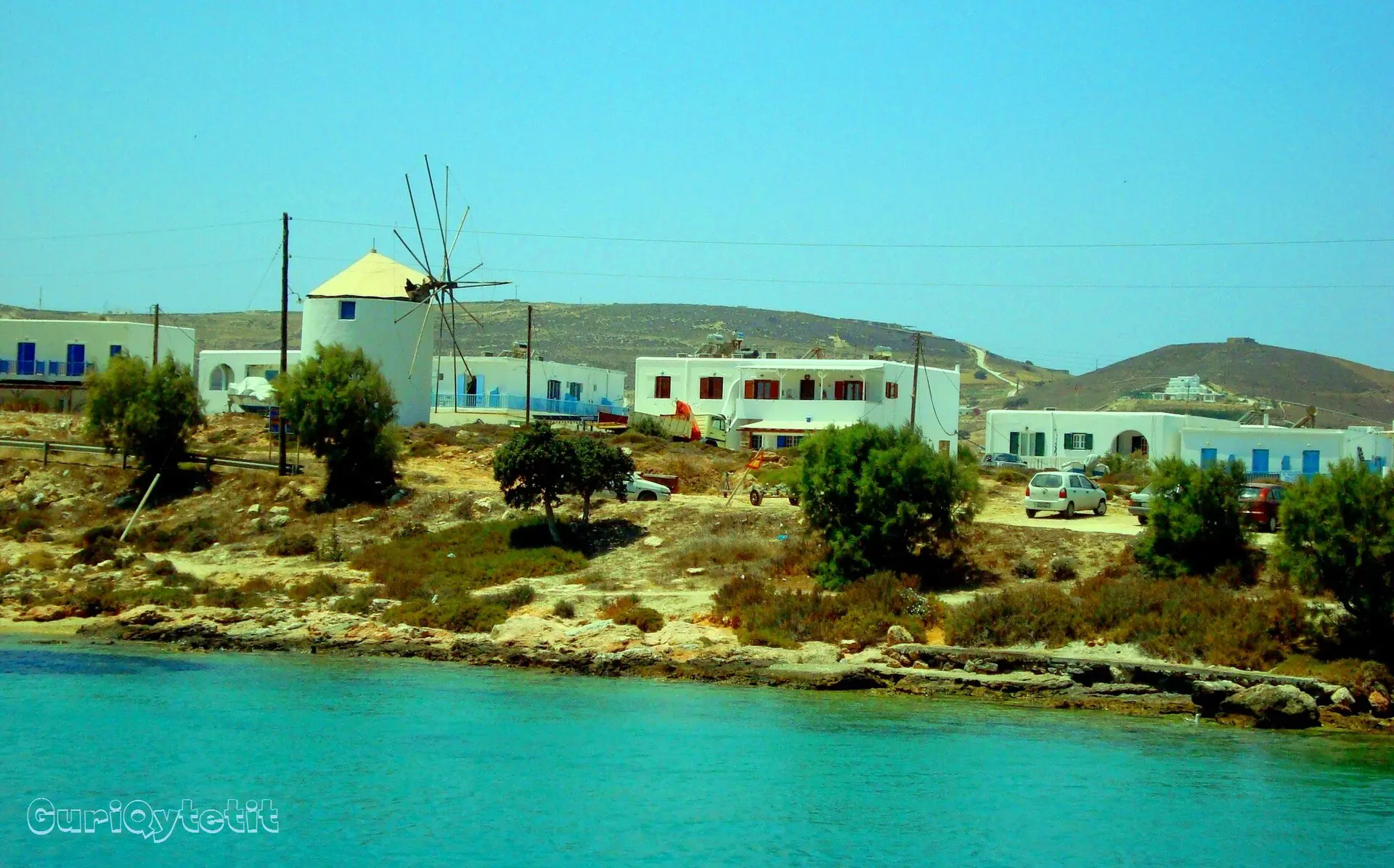
The hardest hit are the sailings of the northern routes and the open stretches between islands. A flight can also be cancelled in strong wind. Cancellations can be announced the day before or on the morning of travel, so check the day before and again the morning you leave. Ticket terms differ, so read the change and refund conditions at booking.
Piraeus or Rafina: ports and getting to them
Piraeus is the main port. It has the most sailings and the most boat types, and it connects to central Athens and the airport by metro, bus and taxi. Allow roughly an hour or more from the airport, and more at rush hour. Check the check-in time on your ticket and arrive early to find the right gate; the port is large and gates are spread out.
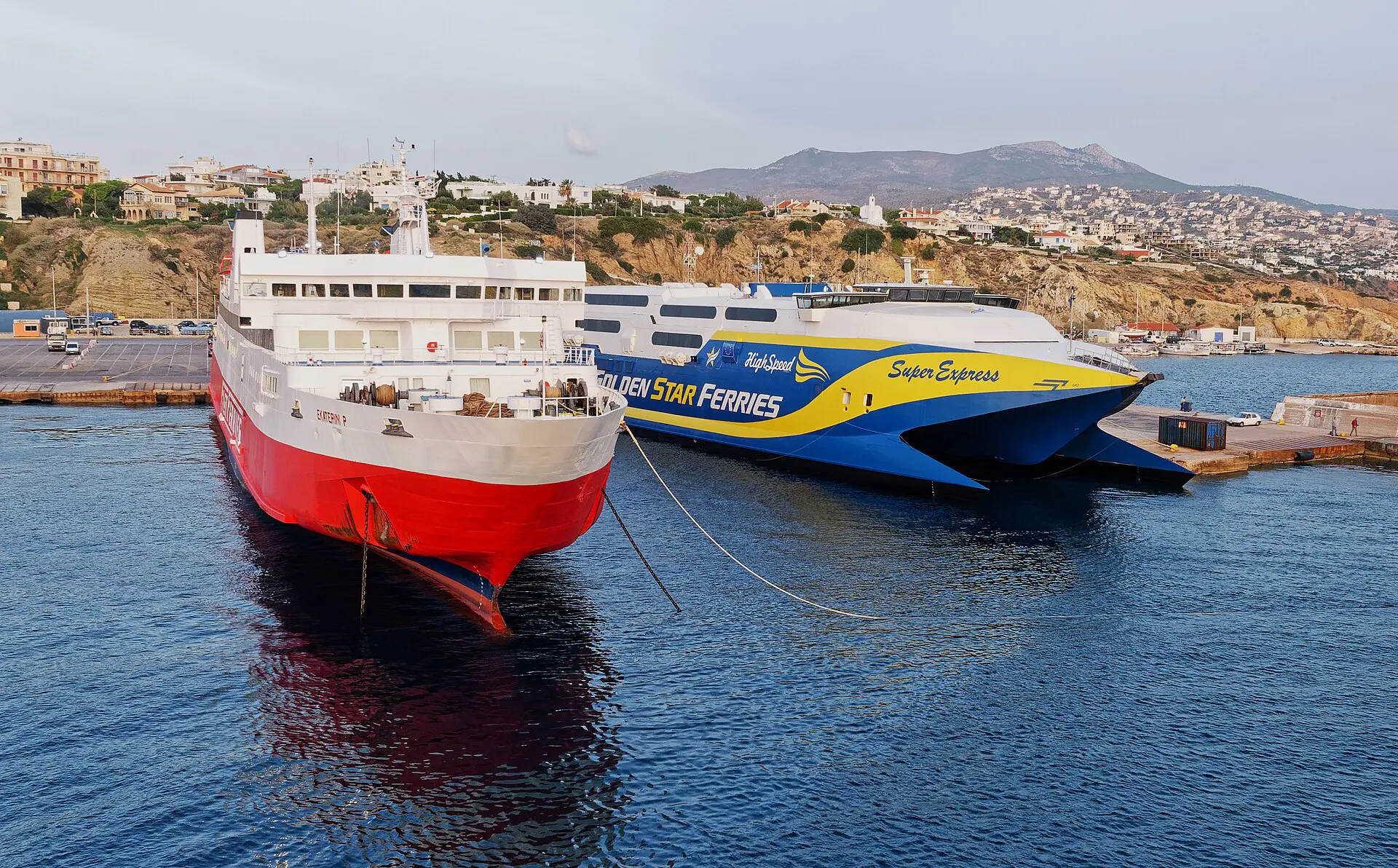
Rafina is east of Athens, on the coast near the airport. If you land at Athens airport, Rafina is often a better start than crossing the city to Piraeus. It is smaller and has fewer sailings, so a missed boat leaves fewer alternatives. Check the taxi or bus connection for your arrival time.
At Parikia, the ferry landing can be crowded, with room-hawkers at the quay. If you arrive in high wind or at night, it can feel chaotic. Know where you are going and book your bed ahead. For a first beach after you land, see our Kolymbithres beach guide, on the north coast near Naoussa.
Buffer-day rules and what to book flexible
- Never plan a same-day flight home from Athens after a Paros sailing. Allow one night in Athens, or one spare day on the island, before an international flight.
- Book the first sailing of the day, so a cancellation leaves later options.
- July and August need a flexible ticket. The meltemi is at its peak then. Choose refundable or changeable fares.
- Do not stack tight connections. Ferry, then ferry, then bus on the same day is an invitation to miss one.
- Book your first Paros night flexible. If you arrive a day late, a rigid booking is lost.
Athens to Paros fallback options
1. Switch from fast boat to conventional
If the high-speed service is cancelled, the slower ferry may still sail. It takes longer but crosses in rougher conditions. Move your booking at the port or online.
2. Change port
If one port has a sailing ban, the other may have one boat running. Both ports are exposed to northerly wind, so the gain is small. A phone call before you travel is worth it.
3. Fly to Paros
The 30 to 45 minute flight avoids the sea, and it often runs when a fast boat does not. Seats are limited, so book early. Wind can ground it too.
4. Route via Mykonos or another island
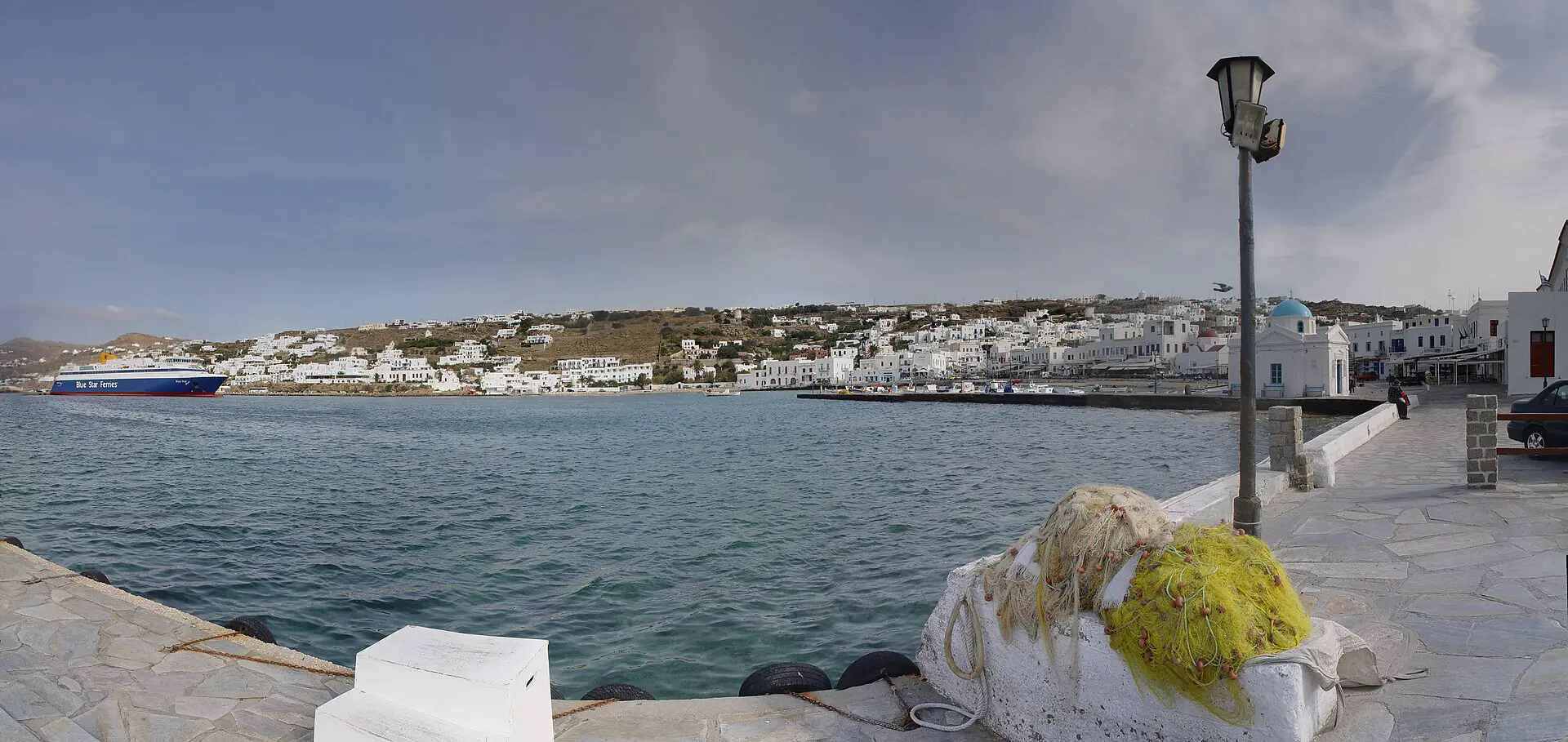
Mykonos has many international arrivals, and the boat to Paros is about an hour. Naxos and other Cyclades link to Paros too, and the Heraklion service gives a southern link. This works when the Athens boats are off but the shorter hops are running. Check each leg’s cancellation rules first.
5. Wait a night in Athens
When a ban affects the whole day, stay in Athens and sail the next day. Weather often drops within 24 to 48 hours. This is the reason for the spare night before a flight home.
Skip the ferry and fly if
- You have a fixed international departure within 24 hours of your return.
- You get seasick. The open Aegean in a meltemi is rough.
- You are travelling in July or August with no spare day.
- You do not want a long port transfer. I would fly if the price difference is small.
If you have time and a flexible plan, the boat is the better choice. It is cheaper, carries luggage easily and gives you a spare option on the day.

FAQ about the Athens to Paros ferry
How long is the Athens to Paros ferry?
A conventional ferry usually takes about 4 to 5 hours. A high-speed boat takes about 2.5 to 3 hours. Times vary by vessel and number of stops, so check your own sailing. A flight is 30 to 45 minutes.
Is it better to take the ferry from Piraeus or Rafina?
Piraeus has more sailings and more choice. Rafina is closer to the airport and can save a transfer if you land at Athens. Pick by your arrival point, then keep the other port as a fallback. Check current schedules for both.
Do ferries to Paros get cancelled?
Yes. The summer meltemi can cause sailing bans, and fast boats are cancelled first. Check the day before and the morning of travel. Keep a flexible ticket and a spare day in July and August.
Is there a flight from Athens to Paros?
Yes, a daily service has run from Athens, taking 30 to 45 minutes, with seasonal flights from Thessaloniki. Seats are limited and wind can ground planes. Check the current timetable and book early for summer.
How early should you book the Athens to Paros ferry?
For July and August, book several weeks ahead if you want a specific boat, and choose a changeable fare. Off-season you can often buy closer to the date. Prices and availability change, so check the current options.
For background, see the Paros article on Wikipedia and the Paros guide on Wikivoyage. For the island, use the Paros guide, and for the country the Greece travel guide.