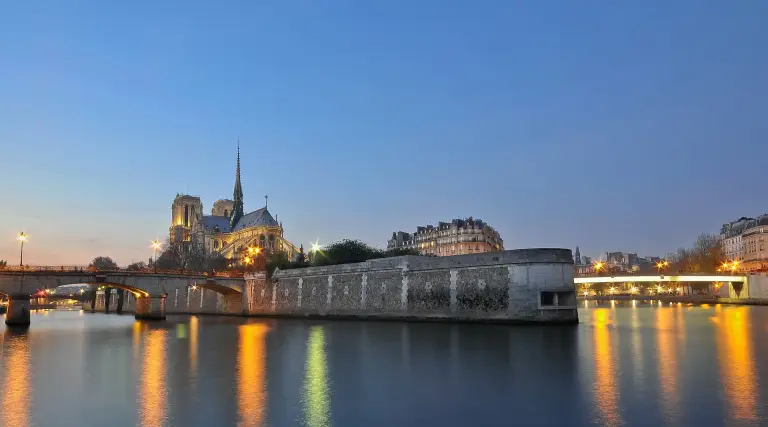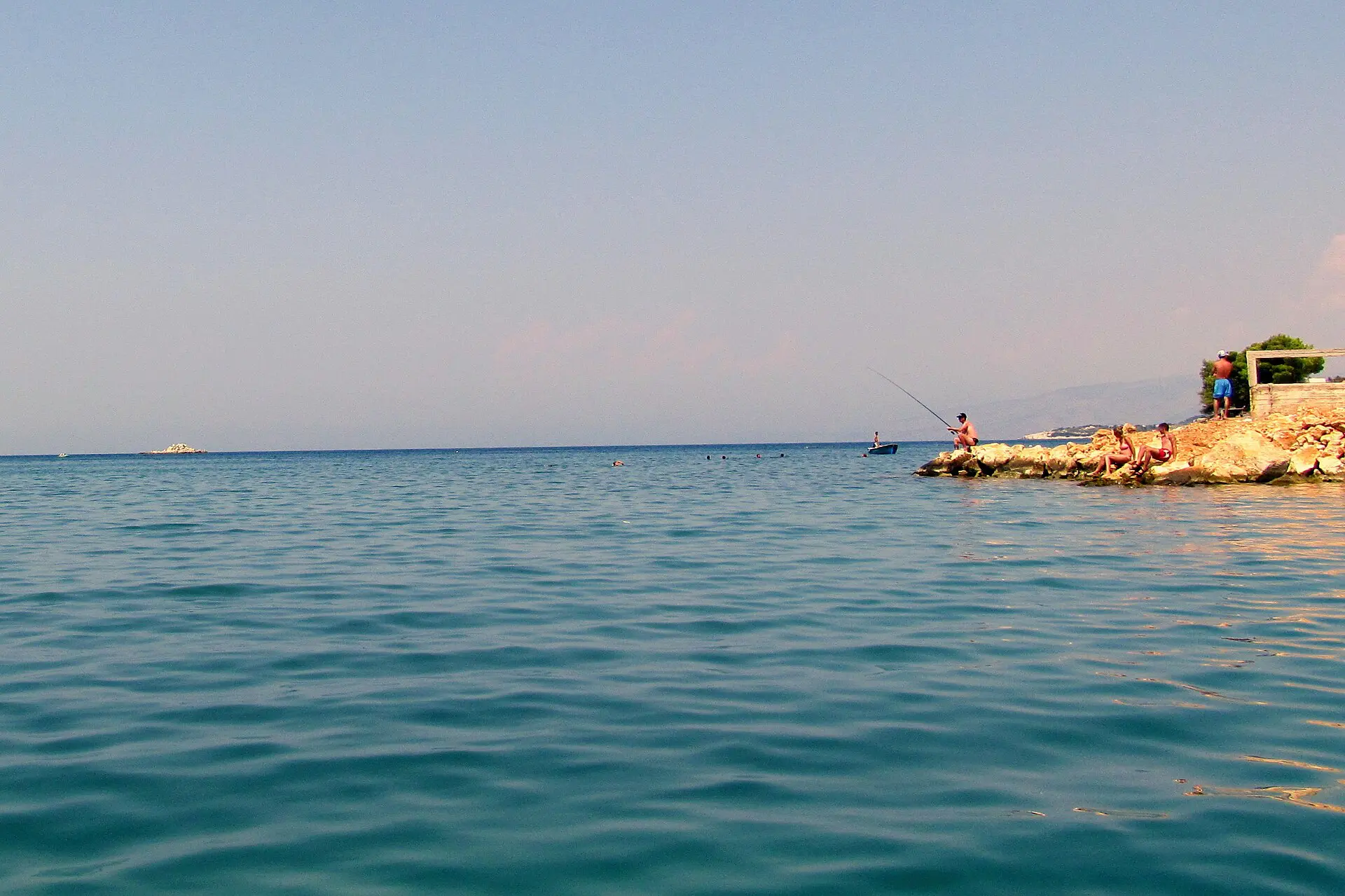
In albania vs croatia, Albania is usually 30 to 45 percent cheaper for the same ten-day coastal trip, with the biggest saving in rooms and restaurant meals. Croatia is easier to reach and to move around, and its infrastructure for ferries, buses and apartments is more developed, which is part of why it costs more. Below, one itinerary priced in both countries, the shoulder-season gap, and the places where Croatia still wins. Figures are ranges in euros as of 2026, so check before you book.
Albania vs Croatia: the same trip priced twice
The comparison assumes ten days for two people sharing: Albania as Tirana, Berat, Gjirokastër and the south coast around Ksamil; Croatia as Zagreb or Split, a central island and Dubrovnik. Prices are per person, mid-range, in June or September. Albania prices are converted from lek, so allow for exchange-rate drift.
| Item | Albania | Croatia |
|---|---|---|
| Double room per night (3-star or apartment) | About €40 to €90 | About €85 to €170 |
| Restaurant meal with a drink | About €8 to €16 | About €15 to €30 |
| Coffee | About €1 to €2 | About €2 to €3.50 |
| Intercity bus (1 to 3 hours) | About €5 to €12 | About €8 to €25 |
| Ten-day total per person, mid-range | About €650 to €1,150 | About €1,150 to €2,000 |
Total cost box per person for ten days, before flights: budget Albania about €450 to €700, Croatia about €750 to €1,200; comfort Albania about €1,100 to €1,700, Croatia about €1,800 to €3,000. The ratio holds from budget to comfort, but the absolute gap grows as you spend more.
Where Albania or Croatia costs more or less
1. Rooms on the coast
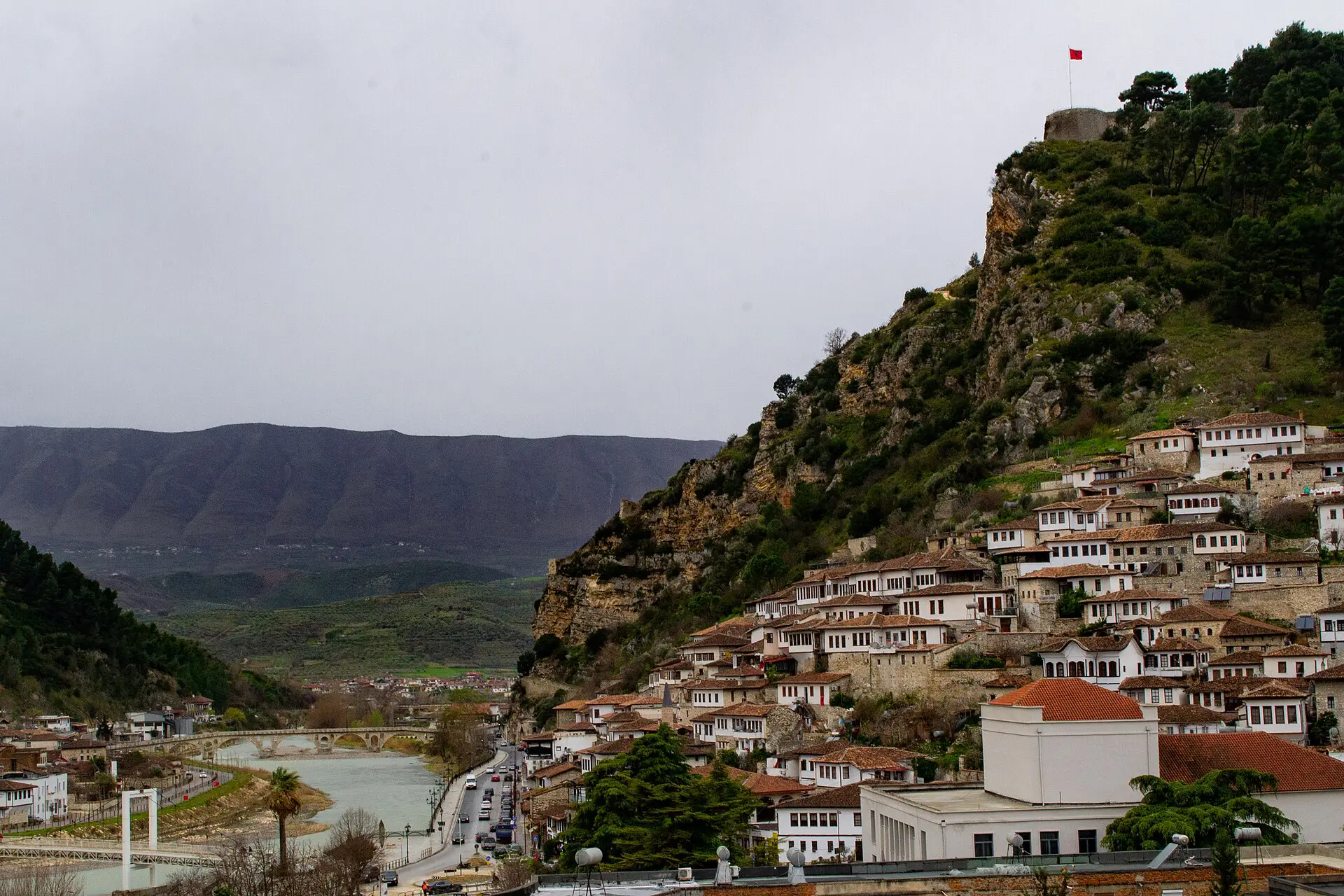
This is the main gap. A decent apartment near the water in the Albanian Riviera or at Ksamil may run €45 to €100 in shoulder season, while the equivalent in Split, Hvar or Dubrovnik runs €100 to €200 or more. Croatia adds a small visitor tax per person per night. Albania has been catching up fast, so expect August prices in Ksamil to rise sharply.
2. Eating out
Albania’s tavernas serve grilled meat, fresh seafood, salads and byrek for a fraction of the Croatian bill. A shared fish plate in a Croatian harbour town tends to cost two to three times more. Bakeries and street food in both countries keep a quick lunch under €5.
3. Sights and entry fees
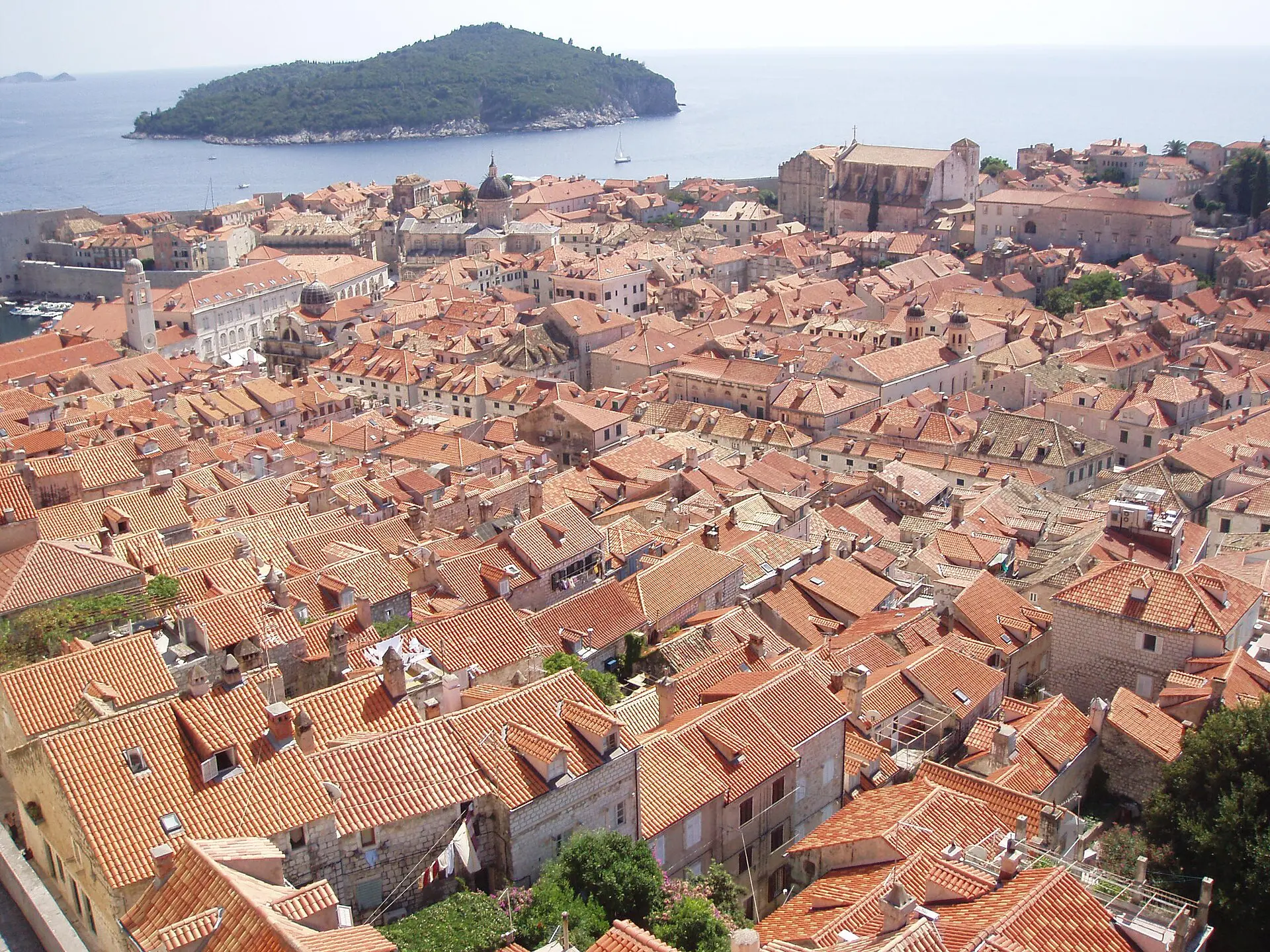
Entry fees in Albania are usually a few euros: Berat’s castle district and the Gjirokastër fortress cost far less than Croatia’s headline attractions. Dubrovnik’s city walls and Plitvice Lakes charge tickets that can reach €30 to €40 in peak months, so book online if the park uses timed entry.
4. Beaches
Both coasts have clear water. Croatia’s is rocky and pebbly with well-organised access, while Albania’s has more sand in spots. Sunbed charges at Ksamil can add €10 to €25 a day in summer, which narrows the saving, so go early or bring a towel.
5. Car hire and fuel
Rental cars cost roughly €25 to €55 a day in both. Fuel is slightly cheaper in Albania, and Croatia has toll motorways. Albanian roads have improved but can be uneven on mountain routes, and local driving habits take getting used to. Croatian motorways are faster but pricier.
6. Ferries and island hops
Croatia’s island network is the best in the Adriatic, and a passenger crossing typically costs €5 to €15 while a car adds €30 to €70, depending on route. Albania has few comparable links beyond the Corfu to Sarandë route, so the coast is mostly done by road.
7. Nightlife and drinks
A beer in Tirana’s bars can cost under €3, against €4 to €6 in a Croatian coastal bar. Festival towns such as Hvar and Novalja reach much higher prices in July and August.
The shoulder-season gap for Albania and Croatia
Timing changes the comparison more than the border does. In late May or late September, Croatian coastal rooms often cost 30 to 40 percent less than in August, and ferries and restaurants are fully open. Albania’s gap is smaller in percentage terms but still real at Ksamil and the Riviera, where small guesthouses fill in July and August and raise rates sharply.
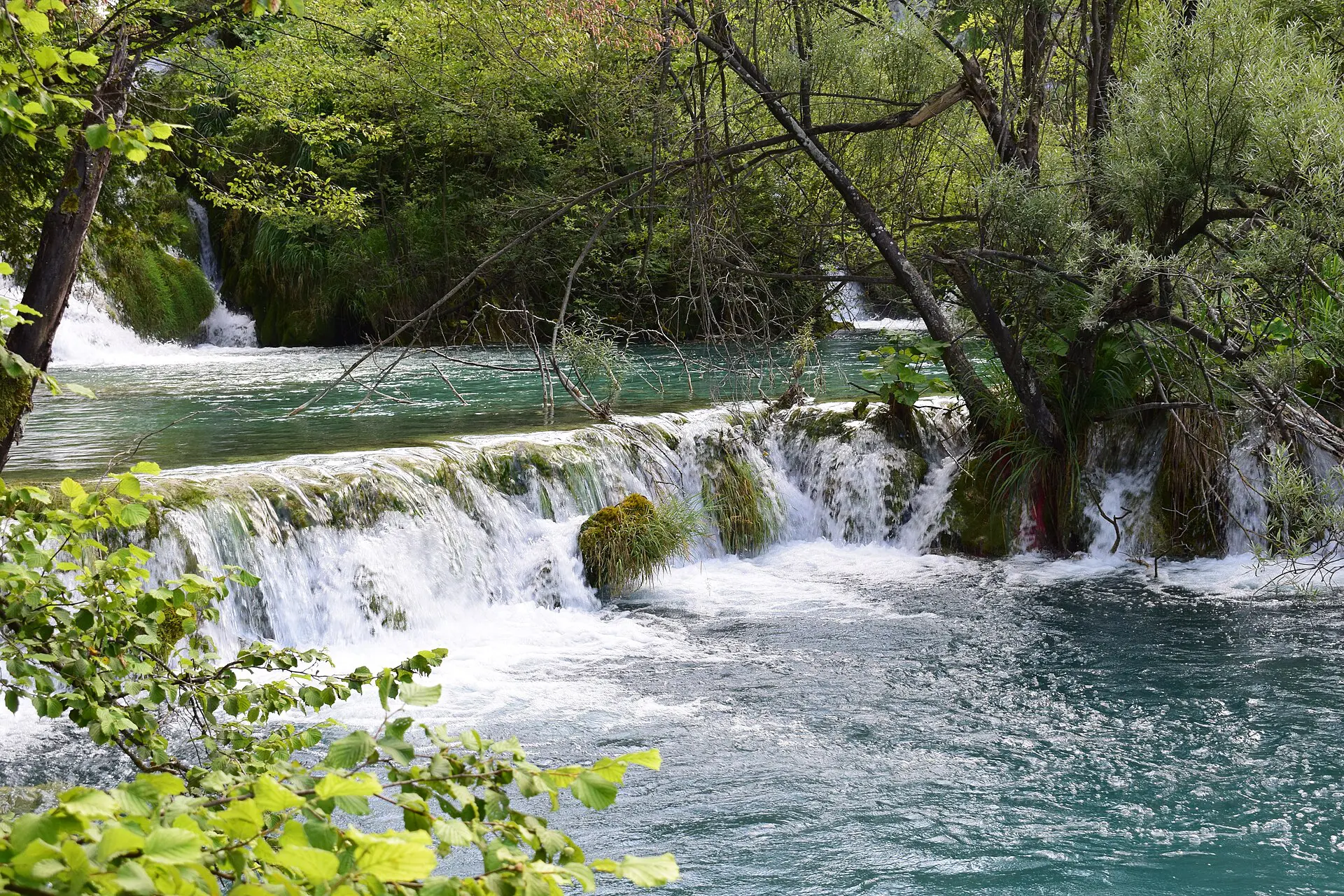
The practical result: Croatia in June can cost about the same as Albania in August. If your dates are fixed to school holidays, Albania keeps a clearer lead. If your dates are flexible, Croatia’s shoulder-season price is far easier to live with. Water is warm enough for swimming from roughly June to September in both countries.
Booking windows differ too. Croatian apartments and ferries for July and August are worth reserving three to four months out. In Albania, guesthouses can often be booked a few weeks ahead, though the best coastal places go earlier.
Pay more for / save on in Albania and Croatia
Pay more for a rental car in Albania if you plan the south and the mountains, since the saving on bus time is large, and for a room within walking distance of the sea in Croatia, because taxis from outlying apartments are costly. Pay more for timed tickets at Croatia’s busiest sights in peak months.
Save on sit-down meals in both countries by eating your main meal at lunch, and on drinks, by buying water and snacks at supermarkets. In Albania, save on transfers by using intercity buses between big towns, then taxis for the last stretch.
Transport and lodging deltas between Albania and Croatia
Albanian transport is cheap but informal. Furgons, which are shared minibuses, and buses leave from set points in Tirana and other towns, and timetables are loose. Rail is limited. Without a car, building a route around Tirana, Berat and the south works, but allow slack, and confirm departures locally the day before.
Croatia’s coast is easier to plan. Buses run frequently on the main Adriatic routes, ferries are scheduled, and online booking is common. The cost is higher fares and, in summer, full services. Book cars and ferries early for July and August.
On lodging, Albania has plenty of family-run guesthouses and small hotels in the €35 to €80 range outside Tirana. Croatia leans on private apartments, which are reasonable for four people but poor value for solo travellers. Both countries reward off-peak stays: Croatia’s prices can drop by a third between August and late May. See the Albania travel guide for towns and routes.
Which is better for your priorities
- Comfort: Croatia. More polished services, English widely spoken, and a smooth coast route. Pay more for a harbour-view room if you are staying only two nights.
- Flexibility: Croatia, for ferries and frequent buses. Albania suits those with a car and a loose plan.
- Pace: Albania, for a slower mix of city, mountain town and beach. Plan fewer bases.
- Savings: Albania, by a clear margin, especially in June and September.
I would choose Albania for a first Balkan coast trip on a fixed budget, and Croatia for a short break where logistics matter more than price.
What the cheaper option costs you in Albania
Albania saves money and costs you convenience. Public transport is less predictable. Road signage, parking and driving can be stressful for nervous drivers. Entry rules differ from Croatia’s, which is in the Schengen area: Albania is not, so check entry requirements for your passport on the official government site before you go, and check whether your insurance and roaming plan cover it.
Services are thinner away from the main spots. Card payments are widespread in Tirana and on the coast but less reliable in villages, so carry some lek. Some beaches and sights are crowded in August, and building has changed parts of the south coast fast.
Croatia still wins in a few places. If you want island hopping, well-organised national parks, sailing, or an easy trip with children, its higher cost buys real convenience. Its cities, Dubrovnik and Split in particular, are also far more compact for walking. For background reading, the Wikivoyage guide to Albania covers regions and cities in detail.
FAQ about Albania vs Croatia
Is Albania cheaper than Croatia?
Yes, usually by 30 to 45 percent for the same itinerary, with the largest gaps in rooms and restaurant meals. The gap narrows in August in Ksamil and on the Riviera, when Albanian coastal prices climb faster than elsewhere.
Is Albania safe compared with Croatia?
Both are generally safe for visitors, with petty theft the main issue in busy areas. Albania’s main risks are on the road: uneven surfaces and fast driving. Check your government’s current travel advice before you go.
When is the cheapest time to visit Albania or Croatia?
May, June and late September to October give the best prices and weather for both. July and August are the most expensive, particularly in Croatia, where coastal room rates can double compared with May.
Which has better beaches, Albania or Croatia?
Albania has more sandy stretches and quieter coves, such as around Ksamil and Himarë. Croatia has clearer, rocky coastline and better beach services. Neither is guaranteed to be empty in August, so go early or in shoulder season.
Do I need a car in Albania or Croatia?
In Croatia, buses and ferries cover most routes, so a car is optional. In Albania, a car saves time on the south coast and in the mountains, though buses and minibuses link the main towns. See the Wikipedia entry on Albania for geography.