Why visit Yokohama
People searching for things to do in Yokohama are usually looking for an easy trip from Tokyo with a harbour feel. It is the second-largest city in Japan by population and by area, with about 3.7 million residents as of 2023, and it is the capital of Kanagawa Prefecture. It lies on Tokyo Bay, south of Tokyo, in the Kantō region of Honshu.
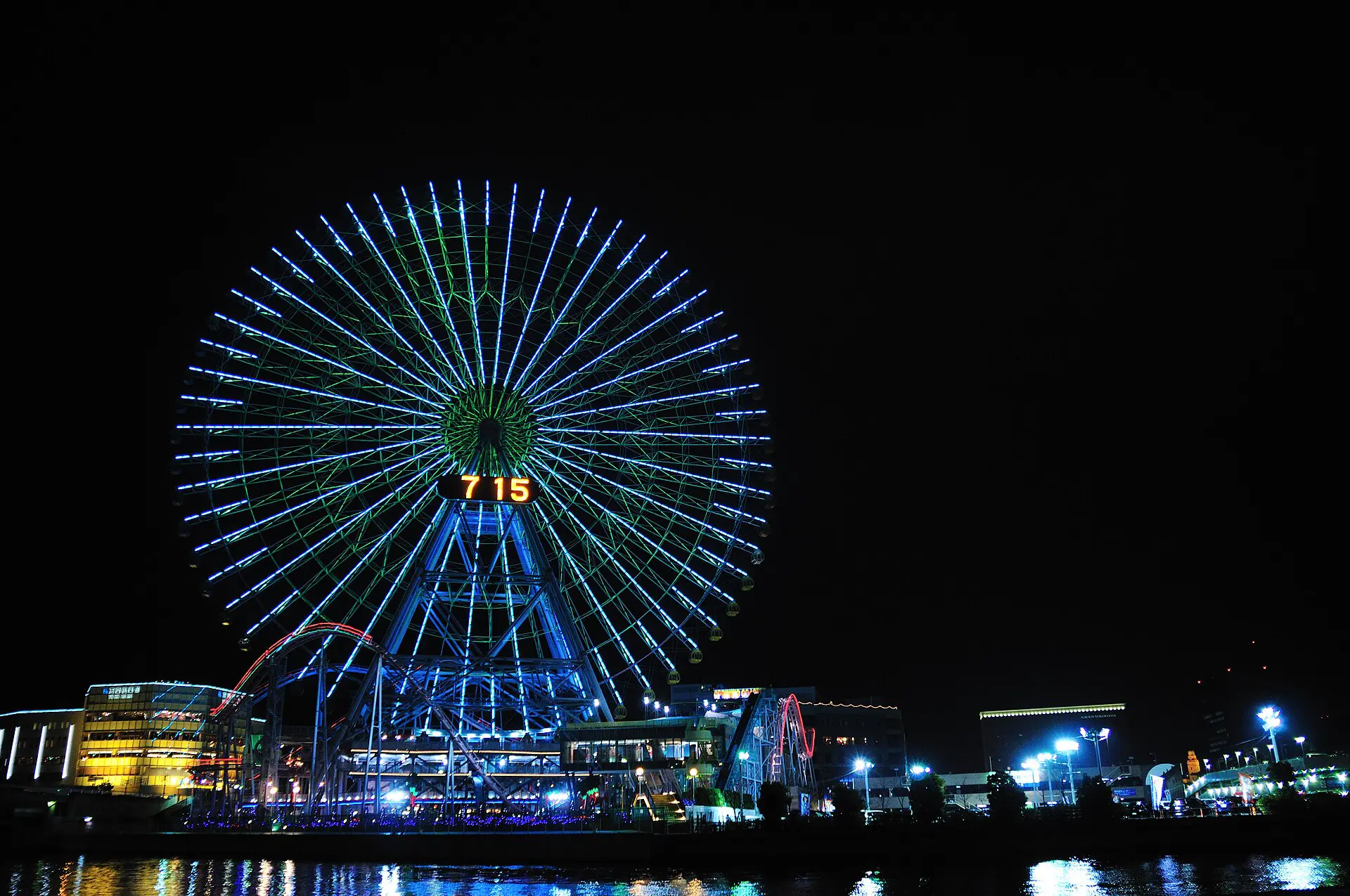
Yokohama began as a fishing village and developed into a bustling port after Japan opened to foreign trade in the 1850s. It is where Commodore Matthew Perry landed, leading to the Kanagawa Treaty, and that the first train line in Japan connected Tokyo and Yokohama. It was badly damaged by the Great Kanto Earthquake of 1923 and by firebombing in World War II.
It remains a maritime city with an international flavour and is described as one of the cities most used to seeing foreigners. Effectively part of the giant Tokyo conurbation, it makes a relaxed contrast to the capital, with open waterfront spaces, parks and a large Chinatown.
Top things to do in Yokohama
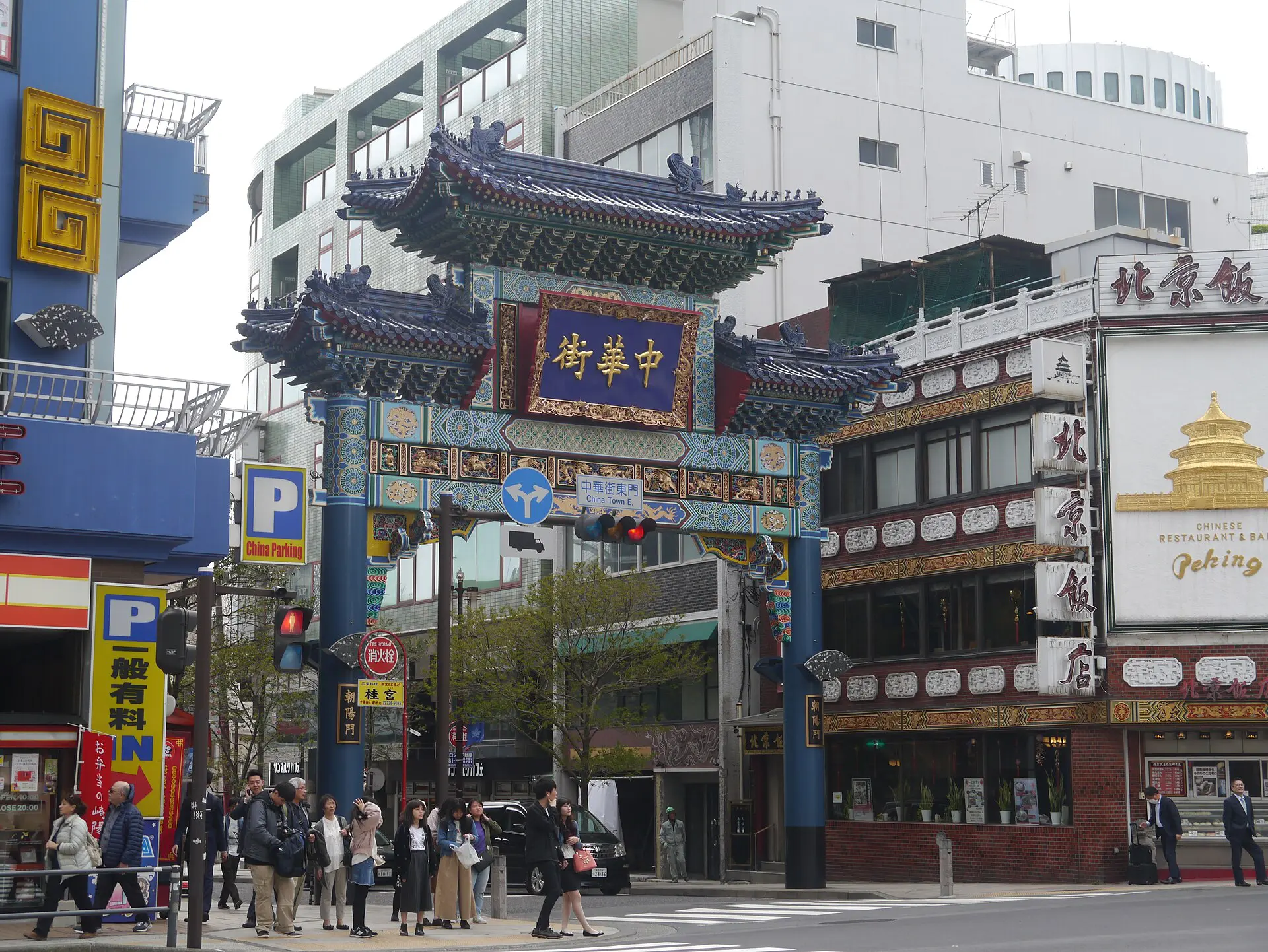
Explore Yokohama Chinatown
Described as one of the largest Chinatowns in the region, it has decorated gates, restaurants and snack stalls. Allow two hours. Tip: it is busy at weekends, so go on a weekday or at an off-peak hour, and check restaurant prices.
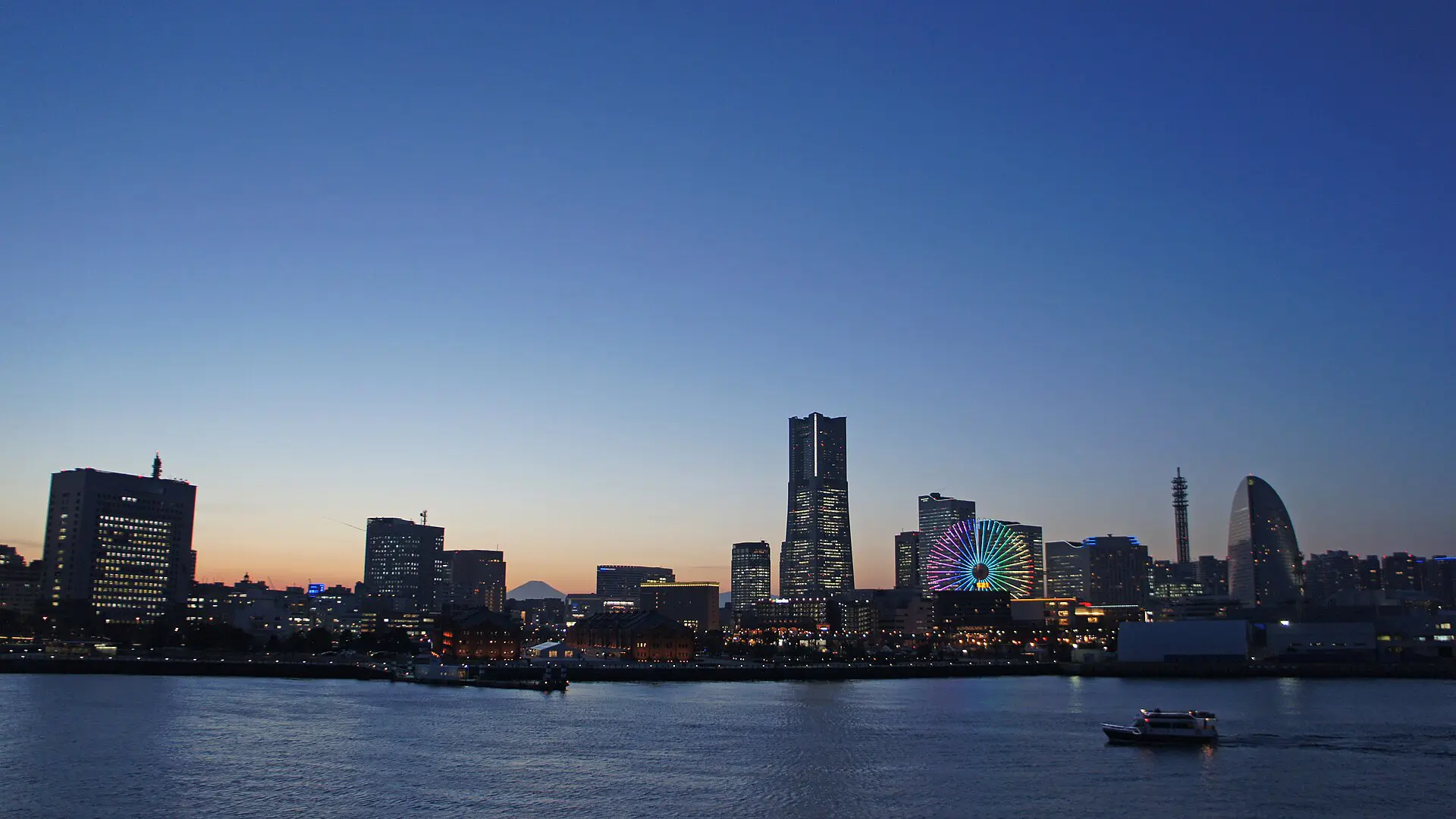
Walk Minato Mirai 21
This modern waterfront district has high-rises, shopping, a harbour promenade and a famous skyline. Allow half a day. Tip: visit at dusk for views, and check what is open before you go.
Stroll Yamashita Park and the waterfront
A long seafront park beside the harbour gives views of ships and bay bridges. Allow one to two hours. Tip: combine it with a walk to the historic port buildings.
See the Red Brick Warehouse area
Historic harbour warehouses have been turned into shops, restaurants and event spaces. Allow one to two hours. Tip: seasonal events change the atmosphere, so check what is on.
Visit Sankeien Garden
A traditional Japanese garden with historic buildings, ponds and seasonal scenery. Allow two hours. Tip: it is lovely in spring and autumn, and reaching it needs a bus or taxi, so check access in advance.
Walk the Bluff and foreign settlement area
Hillside streets hold old foreign residences from the port’s early international days. Allow two hours. Tip: wear comfortable shoes for the slopes.
Visit a ramen or food museum
The city is known for themed food attractions and local dishes. Allow two hours. Tip: check opening times and ticket prices, as they change.
Best time to visit Yokohama
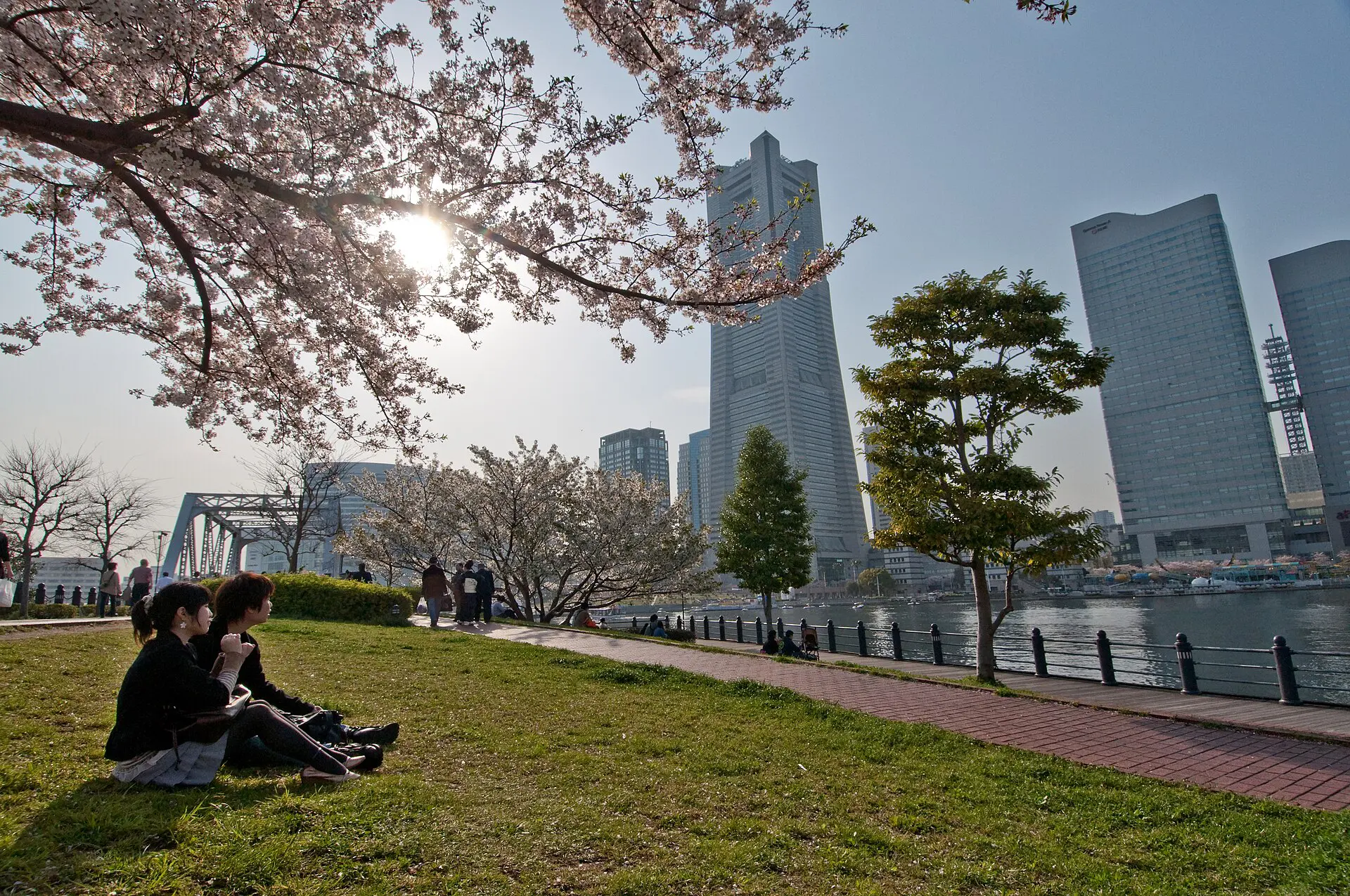
Yokohama has a temperate climate with four seasons. Spring and autumn are the most comfortable for walking, while summers are hot and humid and winters are cool and usually dry.
| Season | Weather | Crowds and prices |
|---|---|---|
| March to May | Mild, cherry blossom in spring | Busy at blossom time, moderate prices |
| June to September | Hot, humid, rainy season in early summer | Moderate, with summer events |
| October to November | Cool, clear, autumn colour | Busy at weekends |
| December to February | Cool to cold, dry | Quieter, with winter illuminations |
Check dates for festivals and fireworks, which can bring large crowds to the waterfront.
How to get to Yokohama and around
Yokohama has no airport of its own, and you can reach it from Tokyo’s two main airports. Some Narita Express trains continue through to Yokohama, and from Haneda there are direct rail and bus options. Check current services and times.
From central Tokyo, Yokohama is about half an hour away by train, and it effectively forms part of the same conurbation. Several rail lines connect the two, so choose according to your starting station. Shinkansen services also stop at Shin-Yokohama, outside the main centre.
In the city, the main sights are served by trains, the Minatomirai Line, buses and a harbour bus loop, and many waterfront sights are walkable. Day passes can save money, so check what is on offer, and use Suica or a similar transport card for convenience.
Where to stay in Yokohama
Minato Mirai suits visitors who want waterfront views, modern hotels and easy access to shopping and the harbour. It is a good choice for first-time visitors and short stays, though prices can be higher.
The area around Yokohama Station is practical for rail connections to Tokyo and beyond, with many mid-range hotels and restaurants. It suits business travellers and those who plan day trips.
Kannai and the area near Chinatown suit travellers who want a more local atmosphere and an easy walk to the historic districts. Many visitors also stay in Tokyo and visit Yokohama for the day, which is realistic given the short journey. Book ahead for major events and holidays.
How many days do you need?
One full day is enough to see the waterfront, Chinatown and a garden or museum. Two days let you slow down, add the Bluff area and a stay in the harbour district. Many visitors treat Yokohama as a day trip from Tokyo.
- Day 1: Walk Minato Mirai and Yamashita Park, have lunch in Chinatown, and see the Red Brick Warehouse area.
- Day 2: Visit Sankeien Garden in the morning, explore the Bluff in the afternoon, and finish with the harbour at dusk.
If you only have a day, start in the morning and end with views at dusk, taking the train back to Tokyo in the evening.
Day trips and nearby
Tokyo
The capital is about half an hour away by train, and it is easy to combine both in one trip. Tip: check which rail line serves your station.
Hakone
A mountain resort area known for hot springs and views, reached by train and bus. Allow a full day or an overnight stay. Tip: check transport passes and weather.
Kamakura
A coastal town with temples and shrines, a short train ride from Yokohama. Allow a full day. Tip: it is busy at weekends, so go on a weekday if you can.
Kyoto
Japan’s old capital is farther away and best treated as a separate trip by Shinkansen. Tip: check journey times and book ahead.
FAQ
Q1When is the best time to visit Yokohama?
March to May and October to November are the most comfortable, with mild weather, cherry blossom in spring and autumn colour. Summer is hot and humid, and winter is cool and dry. Check dates for fireworks and festivals, which can bring crowds.
Q2How many days do you need in Yokohama?
One full day covers the waterfront, Chinatown and one garden or museum. Two days allow more relaxed sightseeing and a stay by the harbour. Many visitors treat it as a day trip from Tokyo, which is realistic given the short journey.
Q3How do you get to Yokohama from Tokyo?
Yokohama is about half an hour from central Tokyo by train, with several lines to choose from. It has no airport, so use Haneda or Narita and continue by rail or bus. Check current services and times before you travel.
Q4Is Yokohama worth visiting?
Yes, if you want a calmer, more spacious contrast to Tokyo, with a waterfront, Chinatown and historic port districts. It is easy to reach and suits a day or a short stay, though it is less dense with sights than Tokyo or Kyoto.
Prices, schedules and entry rules change. Check current details with official sources before you travel. Read the Japan travel guide.