Why visit Okinawa
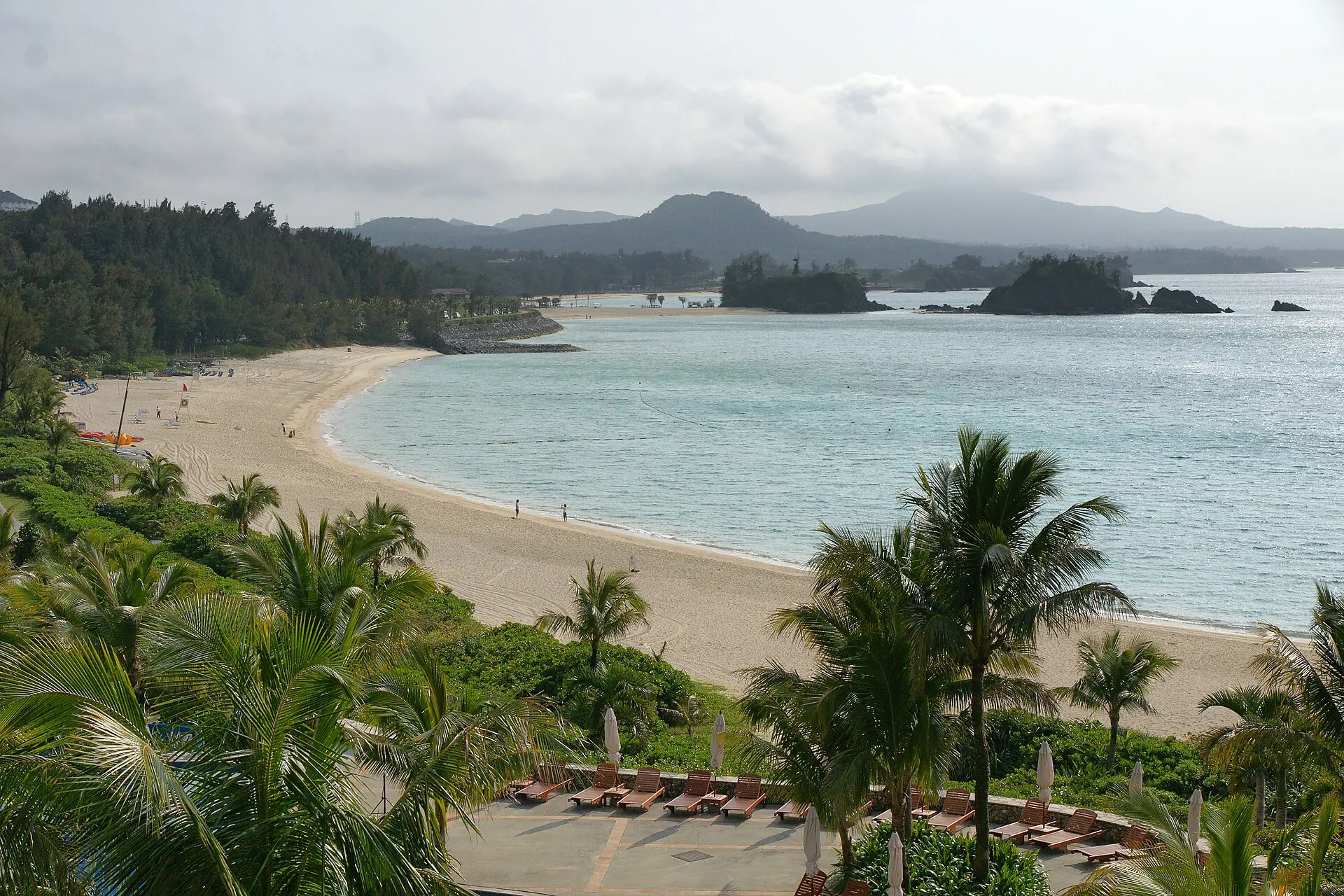
If you are planning things to do in Okinawa, start by understanding the island itself. Okinawa Island is the largest and most populated island of Okinawa Prefecture, home to more than 90 percent of its people. It is the Okinawa most visitors picture: beaches, snorkeling, large resort hotels and a cultural identity that differs noticeably from mainland Japan.
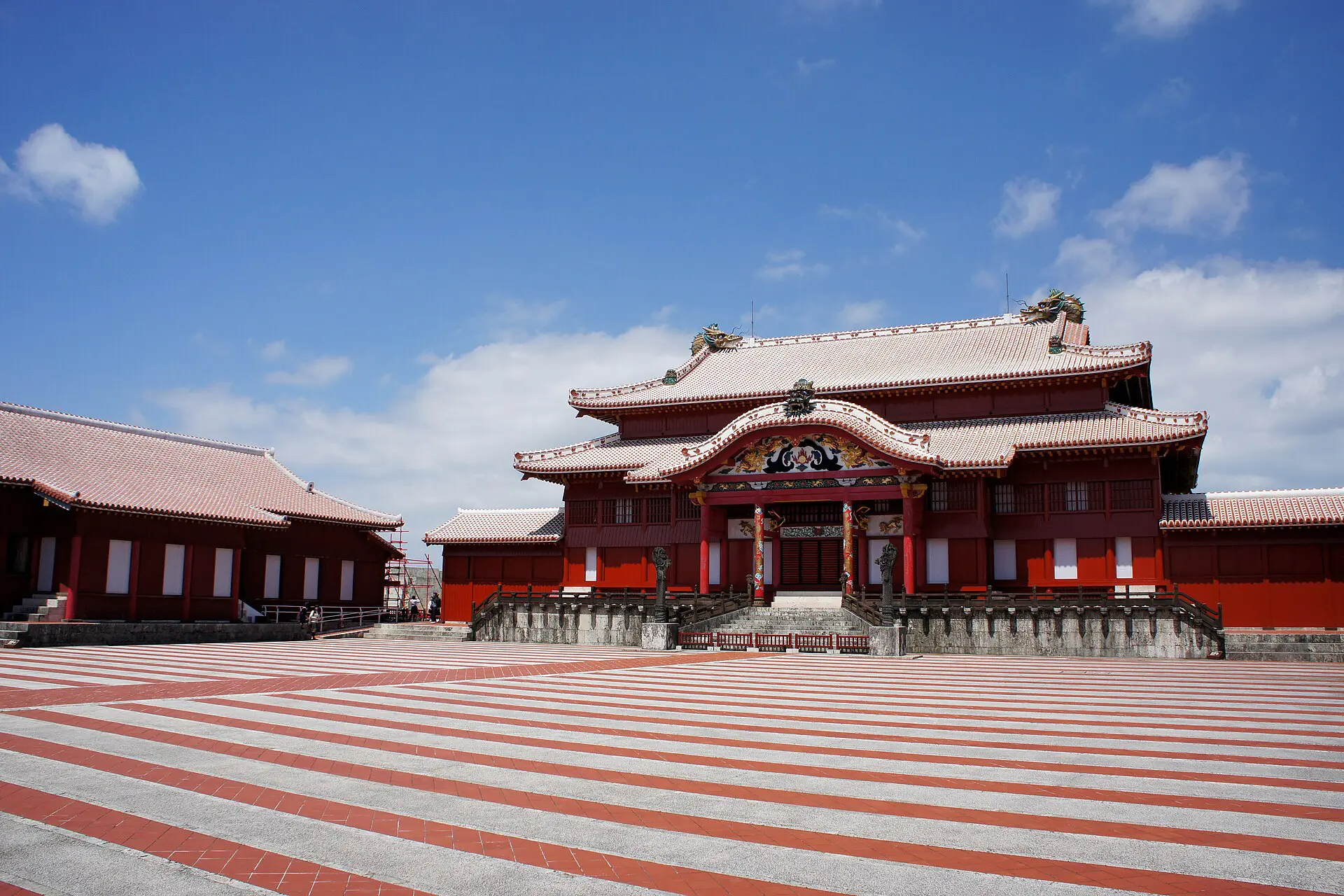
Before 1429, the island was divided into three kingdoms, which were then unified under King Sho Hashi into the Ryukyu Kingdom. That history survives in Shuri Castle and in the island’s crafts, music and cuisine. The island also carries the legacy of the Battle of Okinawa in 1945, with museums and memorials in the south that give context.
It is also a place with a large US military presence, which occupies a significant share of the land and shapes some areas. Visitors can treat that as part of the island’s modern story. Most travellers combine beach time with culture, food and a day or two of diving or snorkeling.
Top things to do in Okinawa
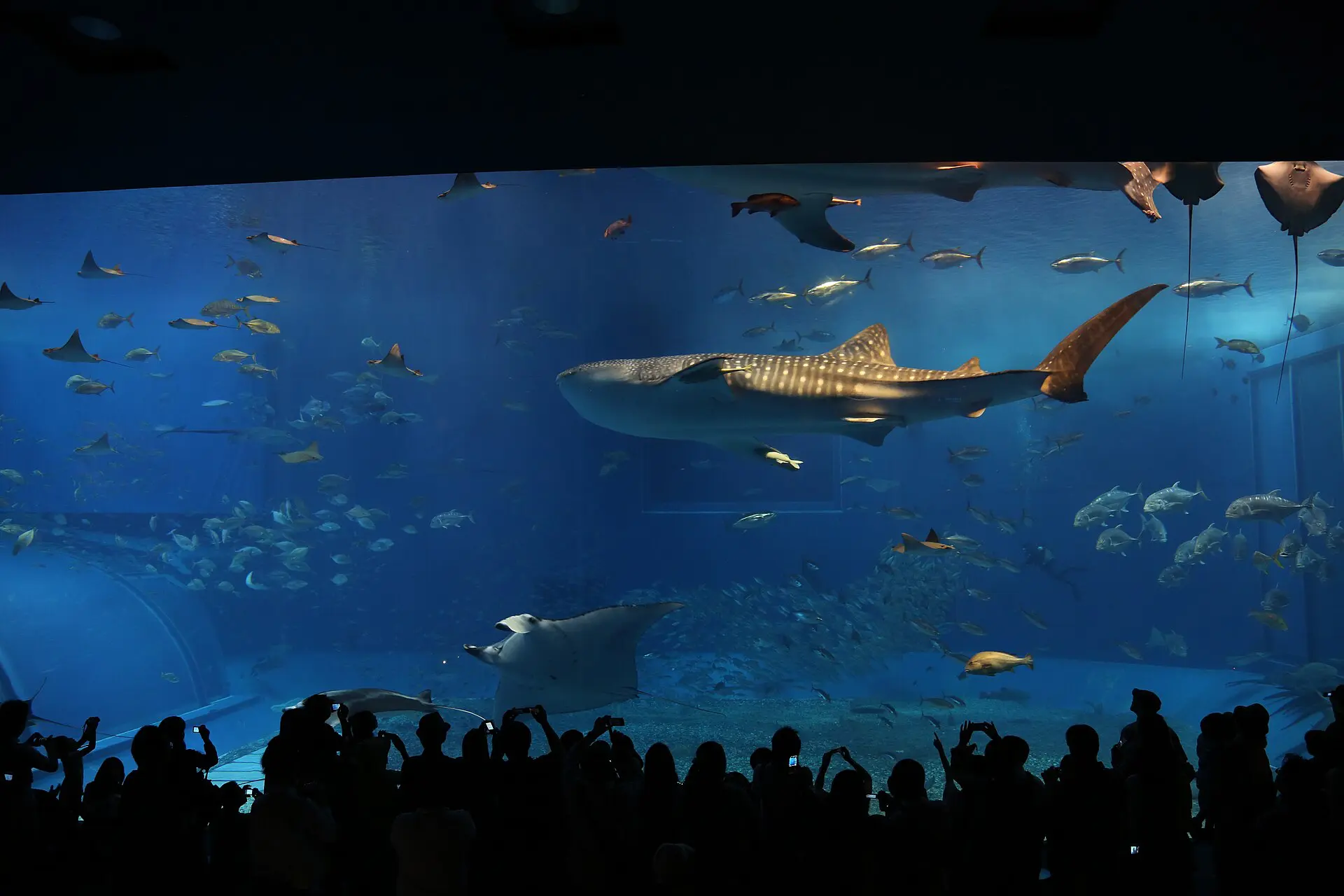
Okinawa Churaumi Aquarium
One of the island’s best-known attractions, the aquarium in the north holds a very large main tank with whale sharks and manta rays. Allow two to three hours and arrive early to avoid crowds. It is in Ocean Expo Park, which has other sights, so check ticket details.
Shuri Castle area
Shuri Castle was the royal seat of the Ryukyu Kingdom in Naha. The main buildings have suffered fires and been rebuilt over time, so check the current status of reconstruction and visitor areas before you go. Allow 1.5 to 2 hours, and wear comfortable shoes for the hillside walkways.
Kokusai-dori and Makishi Public Market
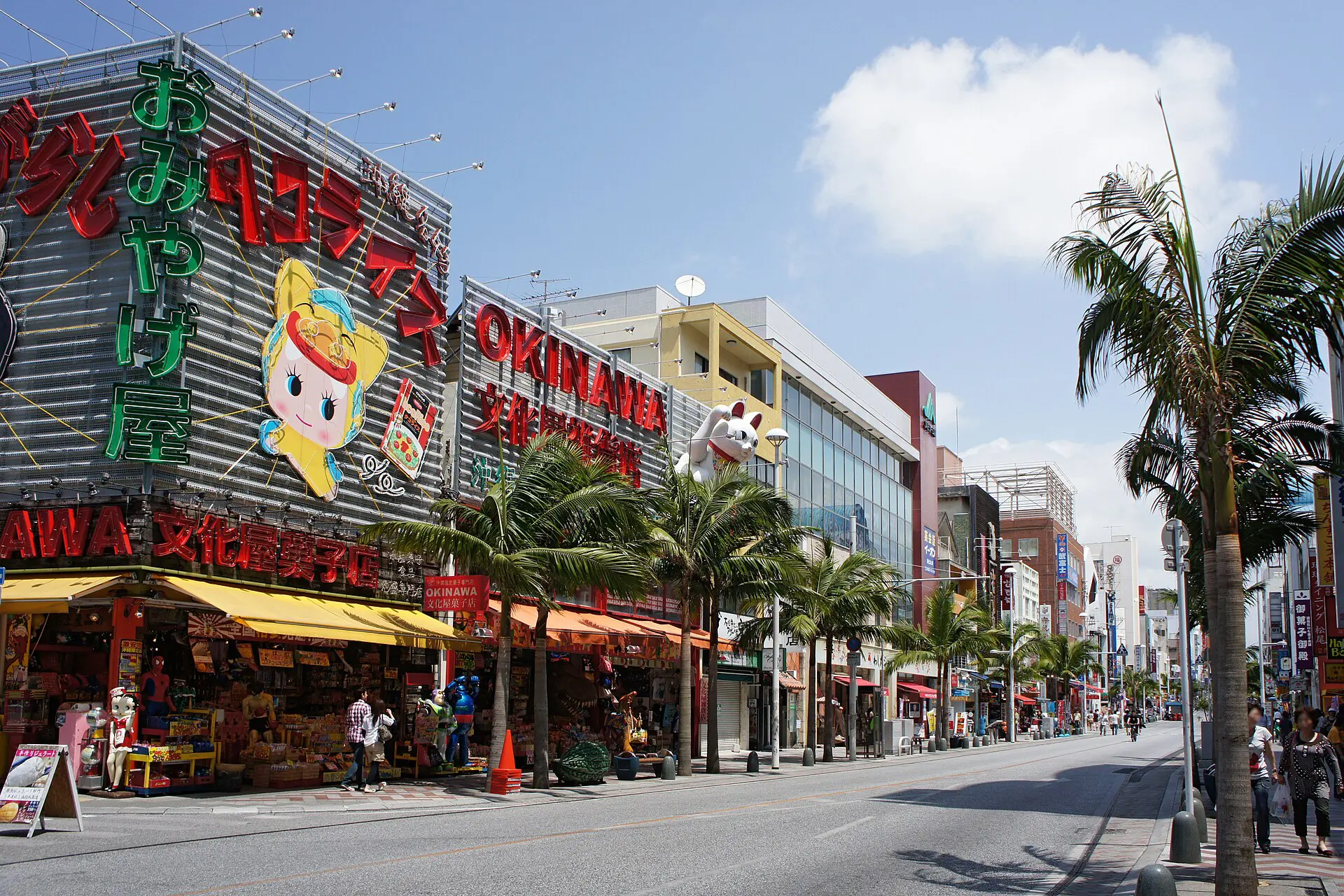
Naha’s main street is lined with shops and restaurants, and the nearby market sells fresh fish, produce and local snacks. Allow two hours. Try local dishes such as Okinawa soba and goya champuru, and bring small change for market stalls.
Beaches and snorkeling
Okinawa’s beaches and reefs are a major reason to visit, and snorkeling is possible at many spots along the coast, especially in the north and west. Check tide, wind and jellyfish warnings before swimming. Guided tours with insured operators are a sensible choice if you are new to the sea.
Cape Manzamo and the Kouri bridge area
Cape Manzamo on the west coast is known for its cliff views, while the north has long bridges across the water that make a scenic drive. Allow half a day. Weather matters here, so choose clear days for the views.
Battle of Okinawa memorials
The southern part of the island holds memorials, caves and museums related to the 1945 Battle of Okinawa. Plan two to three hours. The material is serious and sometimes graphic, so pace the visit and consider taking an audio guide if one is available.
Traditional villages and crafts
Smaller towns and cultural parks give a sense of Ryukyu traditions, including pottery, textiles and performance. Plan an hour or two per stop. Opening times vary, and some workshops need advance booking, so check with the venue.
Best time to visit Okinawa
Okinawa is subtropical, with warm weather for much of the year. Spring and autumn are comfortable, summer is hot and humid with peak beach conditions, and winter is mild but not suited to swimming for most visitors. Typhoons can disrupt travel, mainly in late summer and early autumn.
| Season | Weather | Crowds and prices |
|---|---|---|
| Spring (Mar-May) | Warm and pleasant; rainy season starts around May | Busy at Golden Week, otherwise moderate |
| Summer (Jun-Sep) | Hot, humid, typhoon risk | Peak beach season; higher prices in July and August |
| Autumn (Oct-Nov) | Warm and drier | Moderate, often good value |
| Winter (Dec-Feb) | Mild, cloudier, windy at times | Quieter; lower prices |
Check typhoon forecasts, and keep flexible bookings if you travel in late summer.
How to get to Okinawa and around
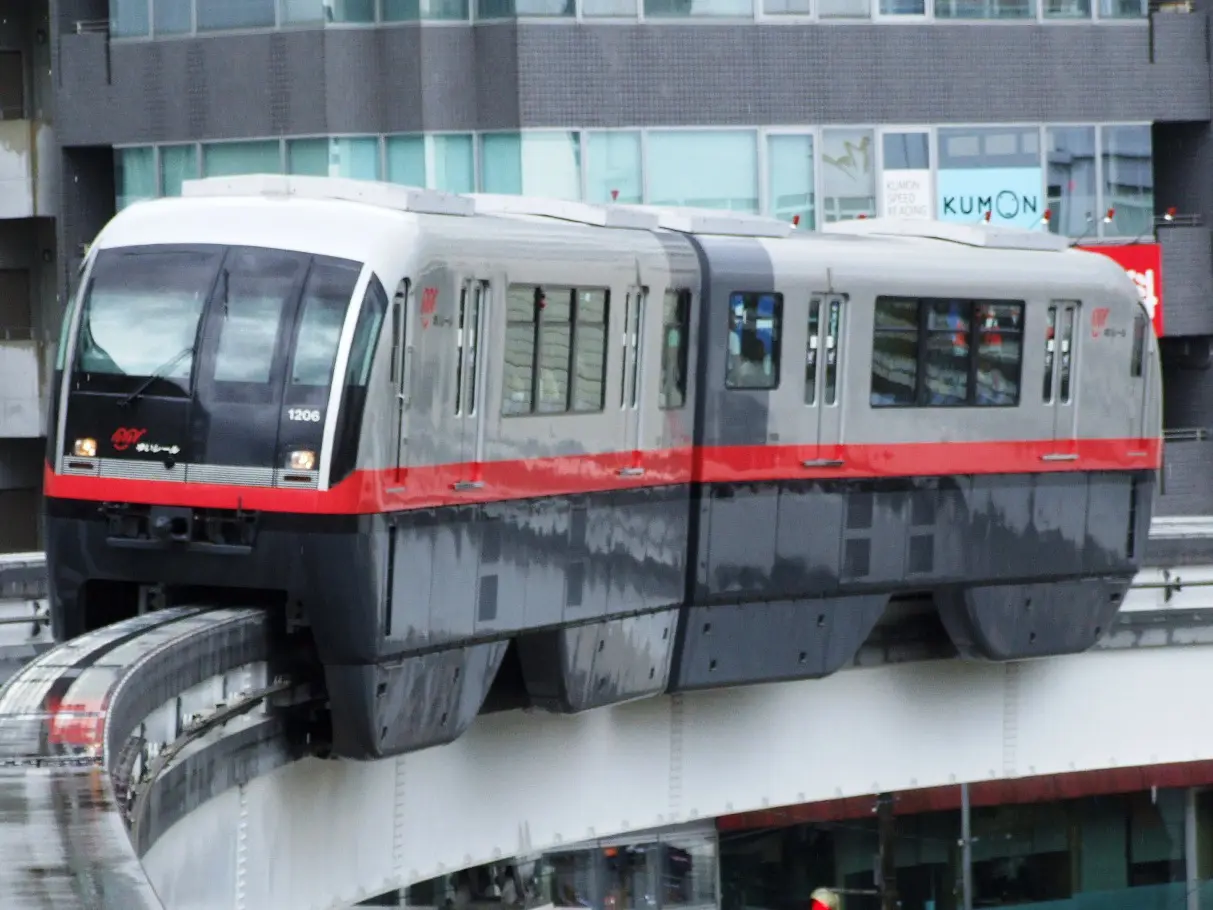
Most visitors fly into Naha Airport, which is connected to Tokyo, Osaka and other Japanese cities by frequent flights, and there are some international routes. Check current schedules and low-cost carrier options. The airport is close to central Naha, and a monorail known as the Yui Rail links the airport with the city, including the Shuri area.
Beyond Naha, public transport is limited. Buses serve many areas but are slow and infrequent, so a rental car is the usual way to see the northern coast, the aquarium and beaches. Japanese driving rules apply, and you will need to carry the correct licence documentation, so check requirements before you travel.
In Naha itself, the monorail, taxis and walking cover most needs. Organised bus tours also run to the aquarium and northern sights, which is helpful if you prefer not to drive.
Where to stay in Okinawa
Naha suits first-time visitors who want food, culture and public transport. It is a good base for short stays and for travellers who do not plan to drive every day. Hotels near Kokusai-dori put you near restaurants and nightlife, but beaches are a drive or bus ride away.
The west coast, around the resort areas north of Naha, has many large beach hotels, which suit families and anyone who wants swimming and sea views on the doorstep. Facilities are generally comprehensive, though prices rise in peak summer.
In the north, near Motobu and the aquarium, accommodation is quieter and more scenic and works well for a slower stay. A car is practically essential here. Smaller guesthouses and local inns are available in many towns, and they suit travellers seeking a more local experience.
How many days do you need?
Four to five days is a sensible length for Okinawa Island. That gives you time for Naha’s sights, at least one day on the northern coast and a beach or snorkeling day. A short trip of two to three days is possible but works best if you stay in Naha and focus on culture and food.
- Day 1: Explore Naha, including Shuri Castle area, Kokusai-dori and the market.
- Day 2: Drive north to the Churaumi Aquarium and the Motobu area, stopping at viewpoints.
- Day 3: Spend the day on a beach or snorkeling trip on the west coast.
- Day 4: Visit the southern memorials and museums, then return to Naha for dinner.
Day trips and nearby
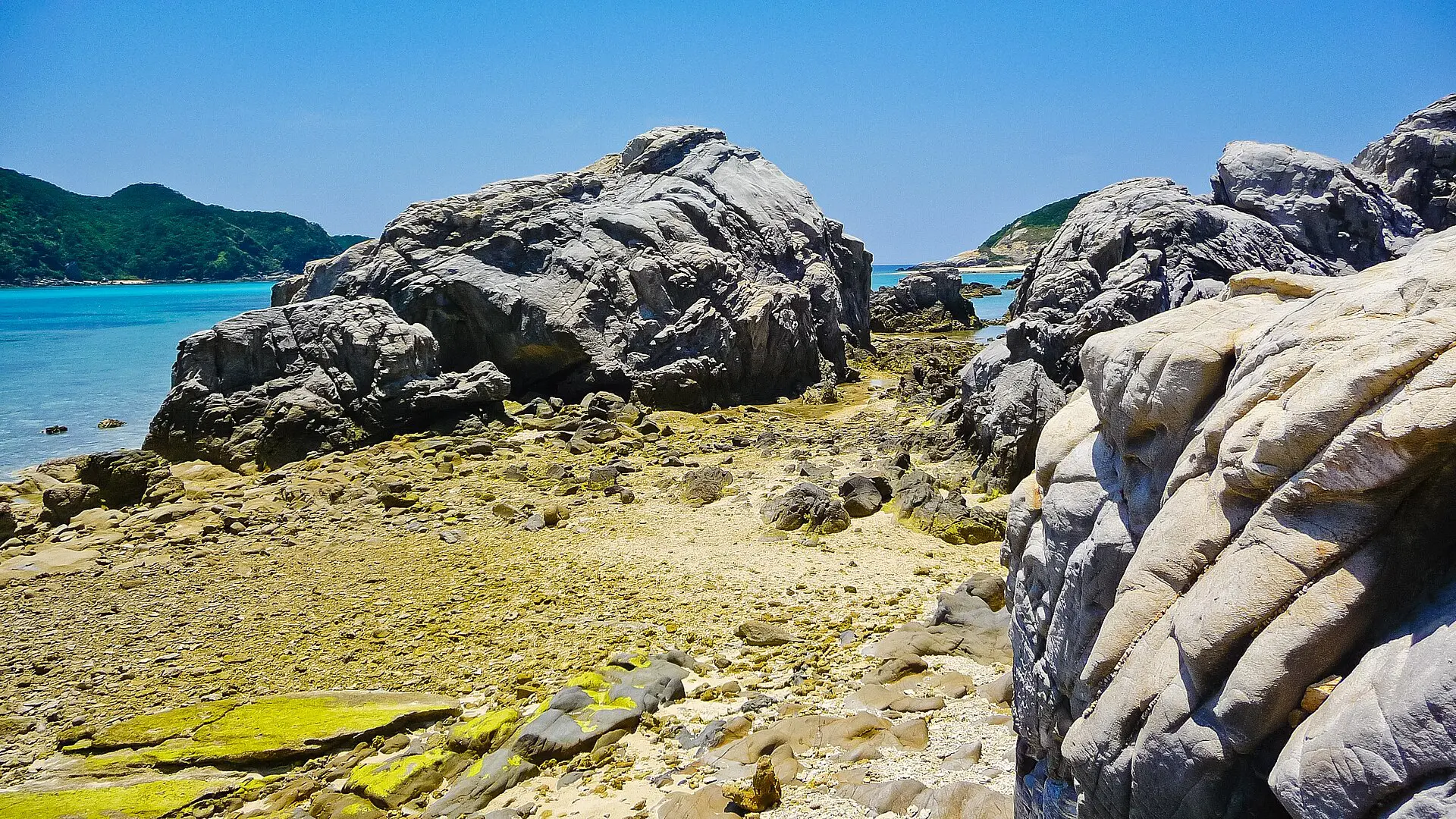
Kerama Islands
The Kerama Islands, west of Naha, are known for clear water and snorkeling, and they are reached by ferry in under an hour. Check sea conditions and ferry schedules, as services can be cancelled in rough weather.
Southern Okinawa sites
The south of the island, close to Naha, has memorials, caves and viewpoints that fit into a half-day by car or tour. Combine them with a stop at a local cafe or seaside viewpoint.
Yanbaru forest in the north
The northern part of the island has dense subtropical forest and quieter coast. It suits nature walks and slower drives, and a car is the easiest way to reach it. Check trail conditions locally.
Fukuoka and mainland Japan
Many travellers combine Okinawa with other Japanese cities such as Fukuoka or Osaka by flight. These are not day trips but can be added at the start or end of a longer trip.
FAQ
Q1How many days do you need in Okinawa?
Four to five days works well for Okinawa Island, covering Naha, the northern coast with the Churaumi Aquarium, a beach or snorkeling day and some history. With two or three days, base yourself in Naha and focus on the main sights.
Q2When is the best time to go to Okinawa?
April to June and October to November are comfortable for most travellers. Summer is best for swimming but is hot and humid, and typhoons are possible from late summer. Winter is mild and quieter but not ideal for beach days.
Q3Do you need a car in Okinawa?
In Naha you can manage without one, using the monorail, taxis and walking. For the aquarium, northern coast and beaches, a rental car is the easiest option because buses are slow and infrequent. Check licence requirements before you travel.
Q4How do you get to Okinawa?
Most visitors fly to Naha Airport, with regular flights from Tokyo, Osaka and other Japanese cities and some international routes. Flight times from Tokyo are typically around three hours. Check current schedules and compare full-service and low-cost carriers.
Prices, schedules and entry rules change. Check current details with official sources before you travel. Read the Japan travel guide.