Why visit Nara
If you are searching for things to do in Nara, start with the fact that this was the capital of Japan from 710 to 784, and the city still feels organised around that past. Eight historic sites, including Todai-ji, Kofuku-ji, Kasuga Shrine and the Heijo Palace site, form a UNESCO World Heritage listing known as the Historic Monuments of Ancient Nara.
What makes the city easy to enjoy is its scale. Most of the headline sights sit inside or beside Nara Park, a large area of lawns and woodland where several hundred sika deer roam freely. You can walk from the station to the Great Buddha Hall, climb through lantern-lined paths to Kasuga Taisha, and be back for dinner without using a bus.
It is also calmer than neighbouring Kyoto. The old merchant quarter of Naramachi has narrow lanes, small museums and cafes, and the pace drops noticeably once day-trippers leave in the late afternoon.
Top things to do in Nara
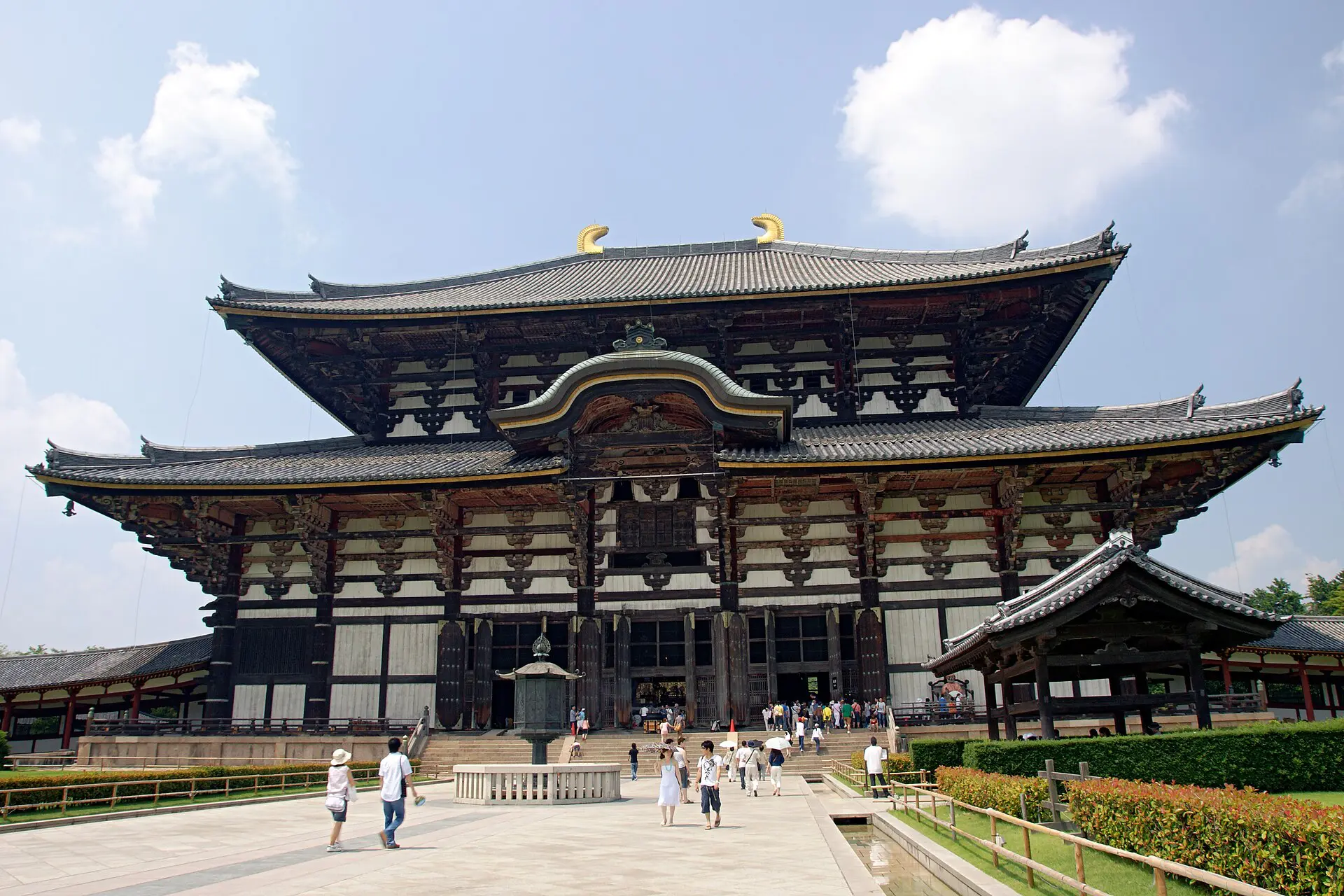
Todai-ji and the Great Buddha
Todai-ji is the city’s centrepiece. Its Great Buddha Hall is among the largest wooden buildings in the world and houses a huge seated bronze Buddha. Allow 60 to 90 minutes including the approach through the Nandaimon gate. Arrive at opening time to avoid tour groups, and check current entry fees and hours before you go.
Nara Park and the deer
The park is free to enter and is the heart of the city. The deer are wild animals that have become used to people, and vendors sell special crackers to feed them. Keep food out of sight until you are ready, because hungry deer can nudge, bite or tug at clothing and maps. Plan on an hour or more just wandering.
Kasuga Taisha
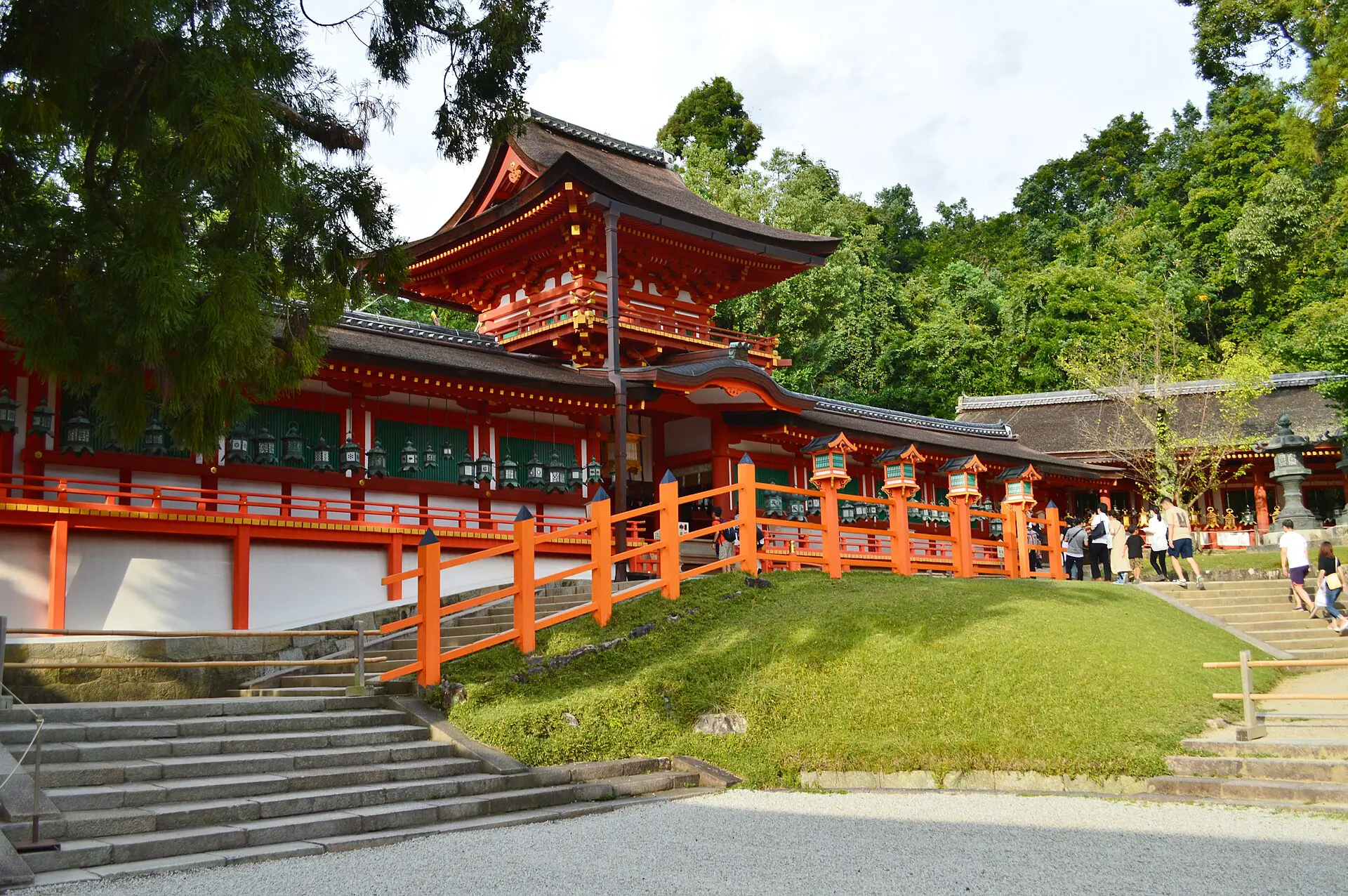
This shrine at the foot of the forested hills is known for its thousands of stone and bronze lanterns, lit on special festival nights. The walk in from the park takes about 20 to 30 minutes through trees. Entering the main inner area usually costs extra, so decide whether you want the outer approach only.
Kofuku-ji and its pagodas
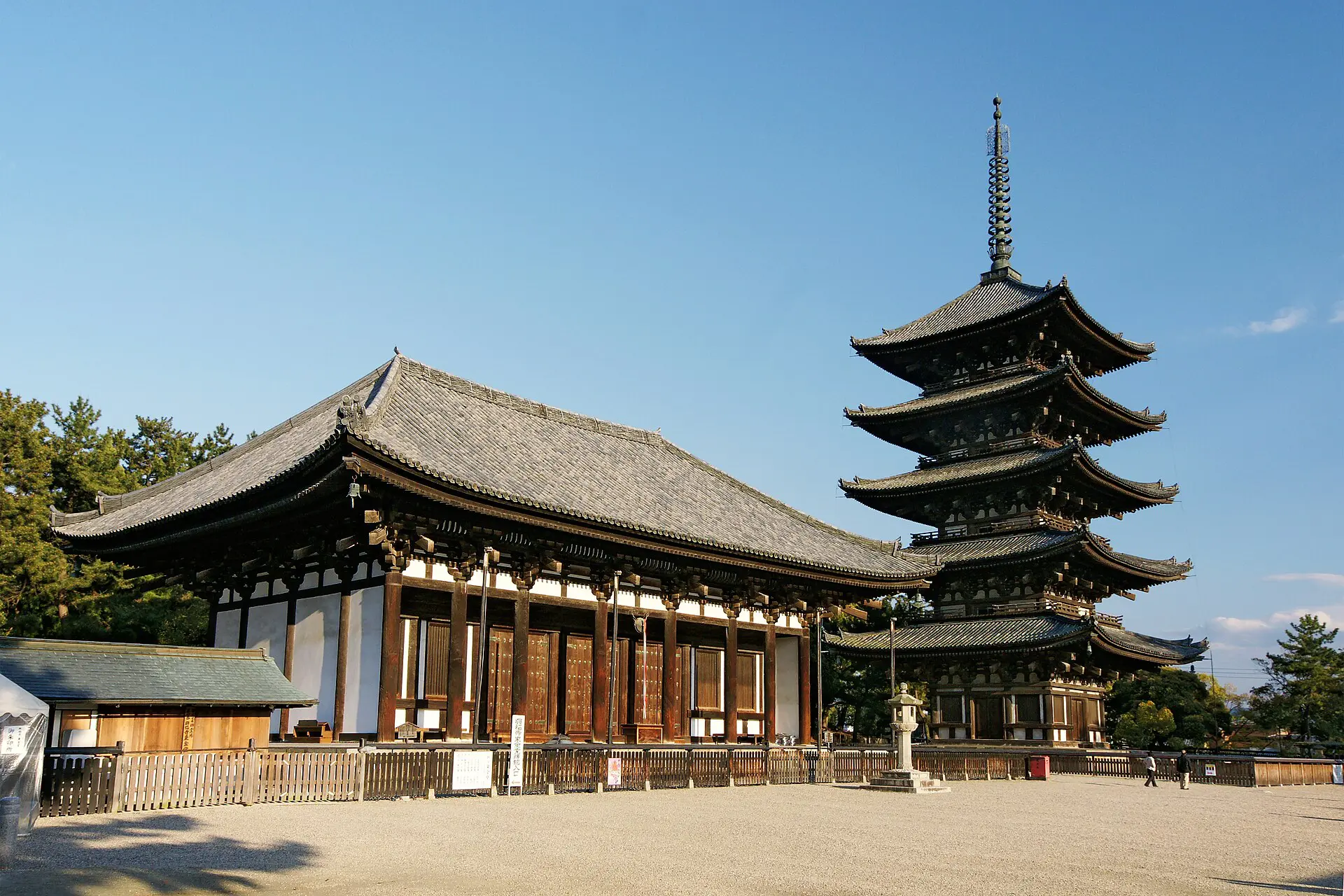
Near the pond of Sarusawa, Kofuku-ji is recognisable by its five-storey pagoda, one of the best-known skylines in the city. The treasure museum holds Buddhist sculpture. Budget 45 to 60 minutes, and visit the pond at dusk for reflections of the pagoda.
Naramachi
South of the park, Naramachi preserves lanes of traditional wooden townhouses, many now small shops, galleries and cafes. It suits a slow two-hour wander and a lunch stop. Many places close one or two days a week, so check before planning around a particular stop.
Heijo Palace site
West of the centre, this open archaeological site includes a reconstructed gate and audience hall of the old imperial capital. It is a good choice for a flat, spacious walk on a dry afternoon. Take a train or bus from the station, and allow about two hours.
Yakushi-ji and Toshodai-ji
These two UNESCO-listed temples sit close together south-west of the centre and draw fewer visitors. They are reachable by train, bus or a long walk. Together they need about two hours, and their quiet grounds are a good contrast to the busy park.
Best time to visit Nara
Spring and autumn are the most comfortable seasons. Late March to early April brings cherry blossom, and the park lawns fill with picnickers. November turns the maples around Kasuga Taisha red and orange. Both periods are busy, so book accommodation early.
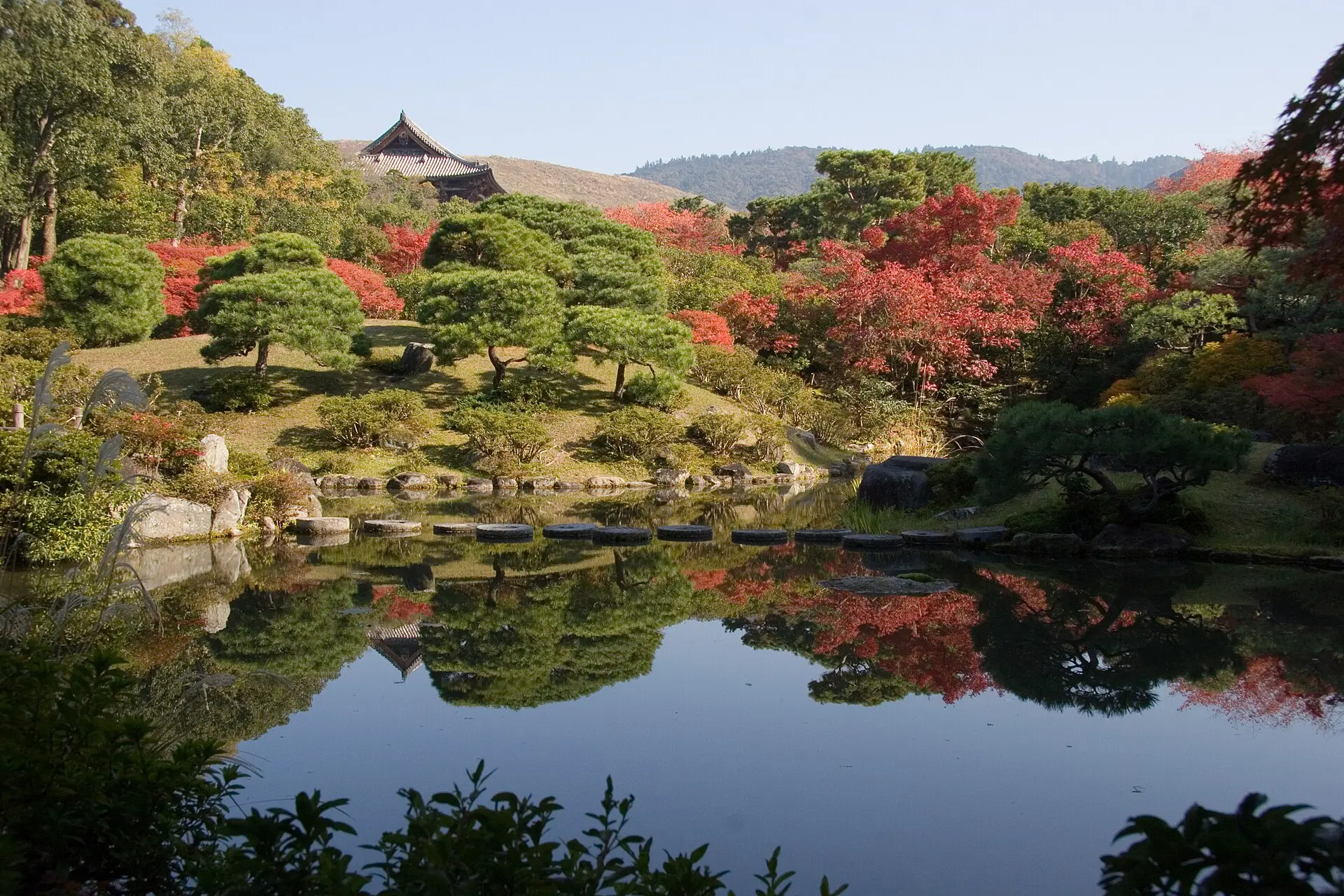
Summer is hot and humid, with a rainy season typically in June and July. Early mornings are manageable, but midday walking can be tiring, and you will want shade and water. Winter is cold but clear, with far fewer visitors and lower hotel prices. Snow is occasional and can make the temples especially atmospheric.
Special events such as the lantern festivals in early February and August light up Kasuga Taisha and the park. Dates change, so check the local tourism calendar before choosing your trip around them.
How to get to Nara and around
Most visitors arrive by train. From Kyoto, the JR Nara Line and the Kintetsu line both run to the city, with journey times typically from about 35 to 50 minutes depending on the service. From Osaka Namba, Kintetsu trains take roughly 40 minutes or less, and JR services from Osaka take around an hour. Check current timetables, since express options vary.
The main airports for international visitors are Kansai International and Osaka Itami, both with train and bus links to Osaka and onward to Nara. Nara has no airport of its own.
Inside the city, walking is the best way to see the sights. JR Nara station and Kintetsu Nara station are on opposite sides of the centre, with Kintetsu Nara closer to the park. Local buses and rental bikes cover the outlying temples, and taxis are useful if you are short on time or have luggage.
Where to stay in Nara
Most visitors base themselves in one of three places. The area around Kintetsu Nara station and the park is the most convenient for sightseeing and suits first-time visitors who want to walk everywhere and catch the early-morning quiet at the deer park.
Naramachi and the streets near Sarusawa pond have guesthouses, converted townhouses and small inns, a good fit for travellers who want a traditional atmosphere and a quieter setting after dark. Look for places that offer breakfast, since early cafes are limited.
Around JR Nara station you will find business hotels at moderate prices, handy for rail connections and for travellers using the city as a base for Kyoto and Osaka. Many of the best places are small, so book ahead in cherry blossom and autumn seasons.
How many days do you need?
One full day covers the main sights, but staying a night is worthwhile if you want the park without the daytime crowds. Two days lets you add the outlying temples and Naramachi without rushing.
- Day 1: Morning at Todai-ji and Nara Park, lunch near Kintetsu Nara, afternoon at Kasuga Taisha and Kofuku-ji, then a dusk walk past Sarusawa pond.
- Day 2: Take a train to Yakushi-ji and Toshodai-ji, spend the afternoon at Heijo Palace site or in Naramachi, and have dinner in the old town.
- Day 3 (optional): Add an excursion to Horyu-ji or the hills south of the city, or return to Kyoto or Osaka.
Day trips and nearby
Kyoto
About 40 minutes away by train, Kyoto is the obvious pairing with Nara. Many travellers stay in Kyoto and visit Nara for a day, but it works equally well the other way round, with Nara as a quieter base.
Osaka
Osaka is a short rail ride west and offers food, nightlife and a major airport connection. It makes a useful stop before or after Nara, whether you are arriving or leaving Japan.
Horyu-ji
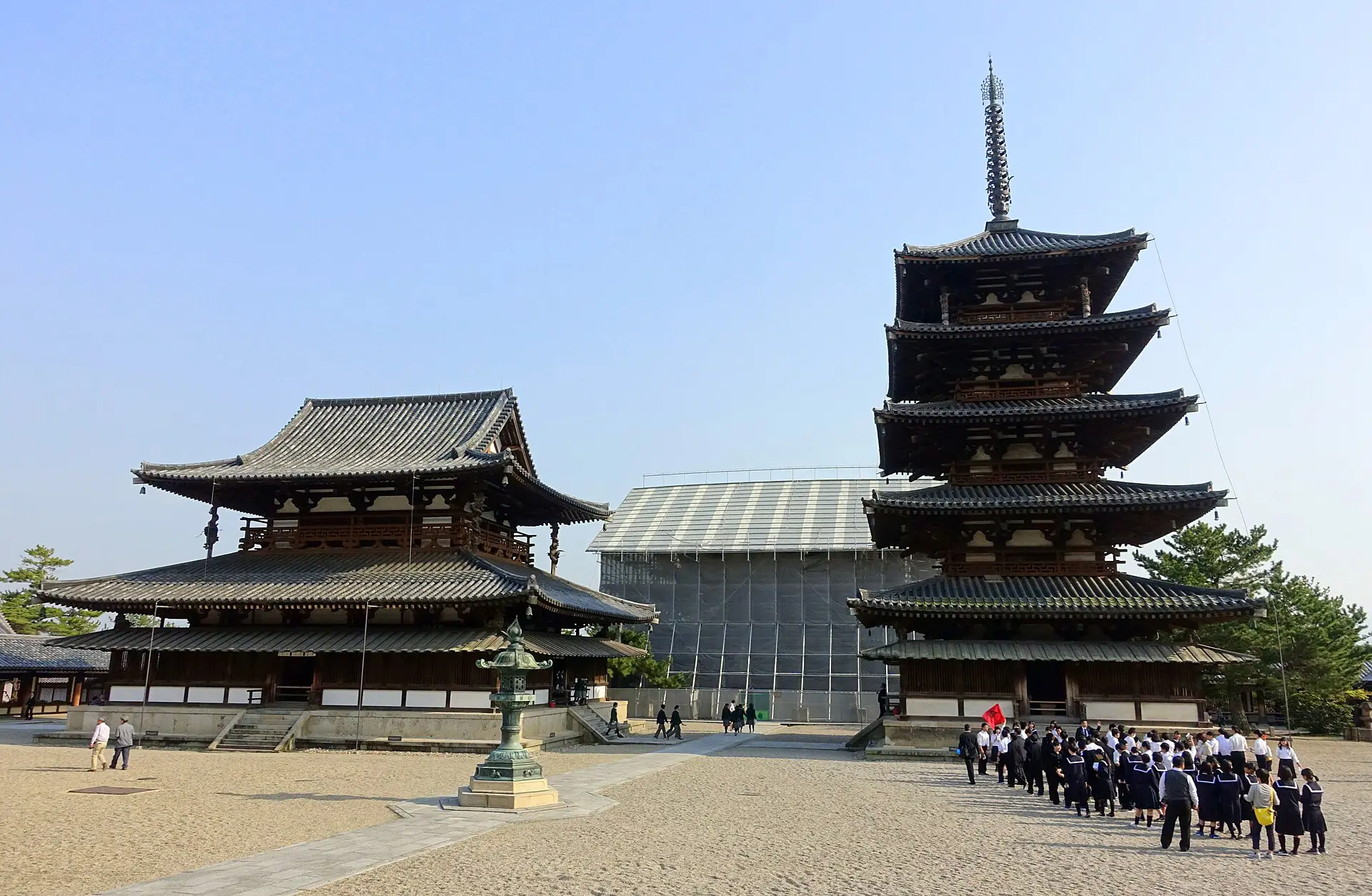
This temple complex in nearby Ikaruga is known for some of the oldest surviving wooden buildings in the world. It is reachable by train and a short bus or walk from the station. Allow half a day, and check opening hours in advance.
Kobe
Further along the Kansai network, Kobe offers a harbour, a hillside district of old foreign residences and its famous beef. It suits travellers who want a coastal contrast after the temples.
FAQ
Q1How many days do you need in Nara?
One day is enough for the big sights: Todai-ji, Nara Park, Kasuga Taisha and Kofuku-ji. If you want a slower pace, to see outlying temples such as Yakushi-ji and Toshodai-ji, or to enjoy the quiet evening hours, plan two days with one night.
Q2When is the best time to visit Nara?
Late March to May and October to November are the most pleasant, with mild weather, cherry blossom in spring and red maples in autumn. These are also the busiest periods. Winter is quiet and clear, while summer is hot and humid.
Q3How do you get from Kyoto or Osaka to Nara?
Trains run directly from both cities. From Kyoto the trip usually takes about 35 to 50 minutes depending on the service, and from Osaka Namba around 40 minutes on the Kintetsu line. Check current timetables, because express and local options differ.
Q4Is it safe to feed the deer in Nara?
Feeding is allowed using the special crackers sold nearby, and the deer are used to people. They are still wild animals, so keep paper and snacks out of reach, avoid teasing them and keep a distance from fawns in early summer.
Prices, schedules and entry rules change. Check current details with official sources before you travel. Read the Japan travel guide.