Why visit Nagoya
If you are looking for things to do in Nagoya, start with a simple point: it is one of Japan’s largest cities and a major industrial centre, sitting between Tokyo and Osaka on the main Pacific coast corridor. It is often skipped by visitors in a hurry, which is partly why it feels more relaxed.
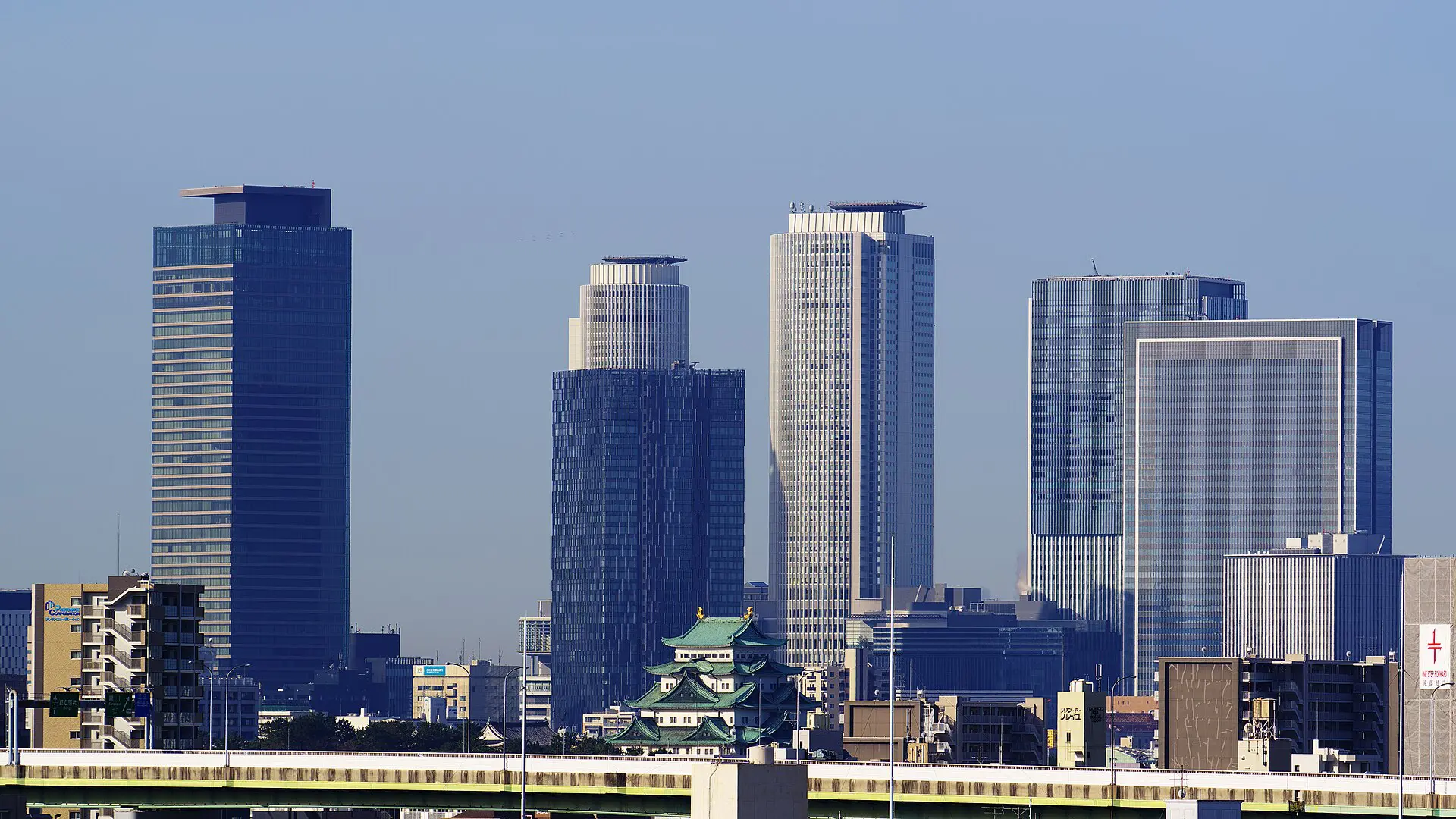
The city has a reconstructed castle, a significant Shinto shrine, museums tied to the region’s carmaking and railway history, and a food culture known for dishes such as miso katsu, hitsumabushi and kishimen noodles. Together, these make it a good place to see everyday Japanese city life rather than a postcard.
It is also an easy base. Trains and buses reach Inuyama Castle, the Ise region and the old post town of Magome within a few hours, so you can mix city time with short excursions.
Top things to do in Nagoya
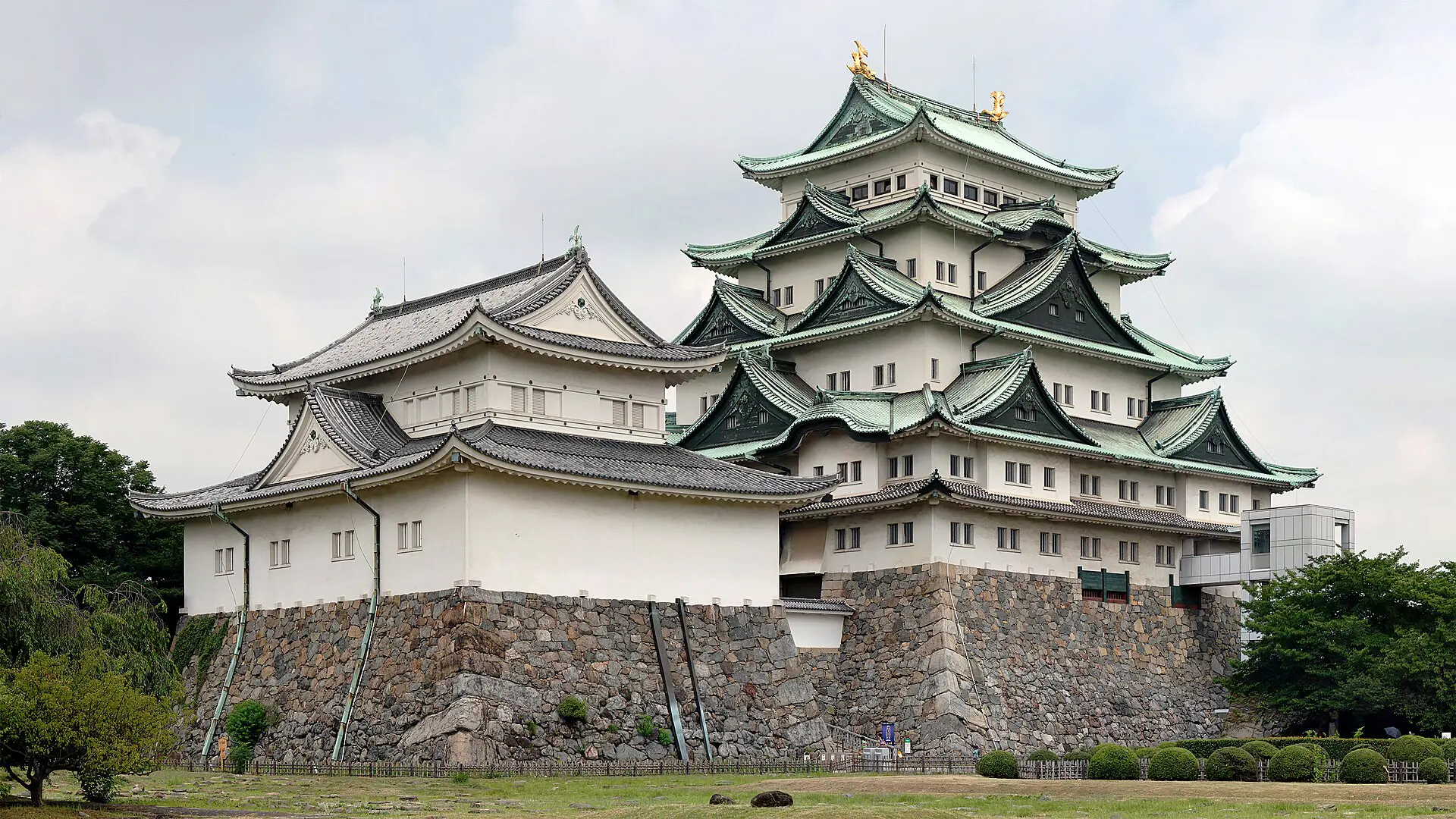
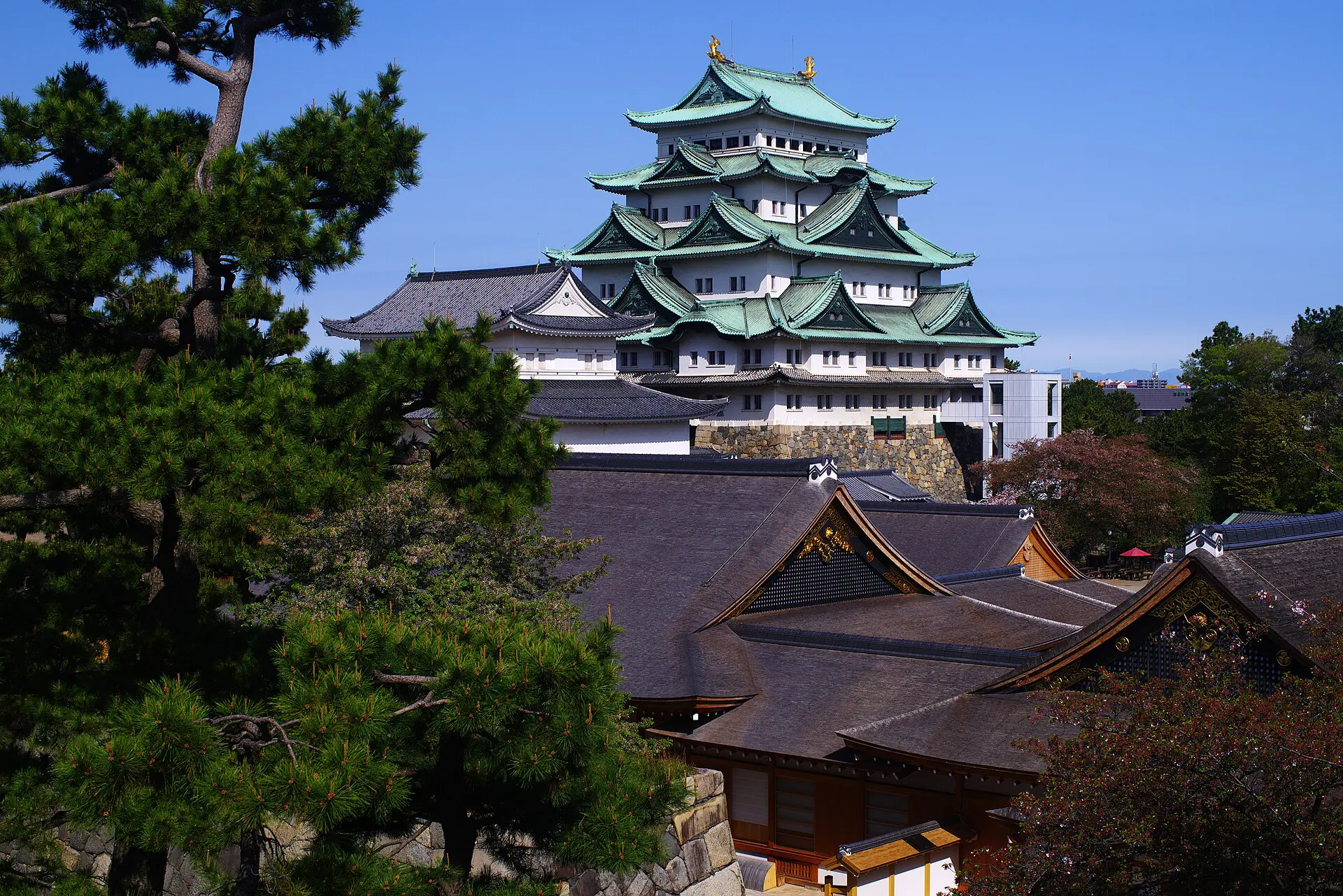
Nagoya Castle
The castle was built in the early seventeenth century for the Owari branch of the Tokugawa family and is known for its golden dolphin ornaments. The concrete keep, rebuilt after wartime destruction, has been closed to visitors for years ahead of a planned wooden reconstruction, so you may only see it from outside. Allow one to two hours for the grounds and the Honmaru Palace, and check current opening status.
Atsuta Shrine
One of Japan’s most important Shinto shrines, set in a forest of old camphor trees. It is associated with a sacred sword among the imperial regalia. Allow an hour. Go in the morning, when it is calm, and observe the usual shrine etiquette.
Toyota Commemorative Museum of Industry and Technology
Housed in an old textile factory, this museum explains the region’s move from looms to cars, with working machines and demonstrations. Allow two to three hours. It suits families and anyone curious about manufacturing history, and English guidance is usually available.
SCMAGLEV and Railway Park
A railway museum run by the company that operates the Tokaido Shinkansen, with real trains, simulators and a large diorama. Allow two to three hours. Some activities may require advance booking, so check the current rules before visiting.
Osu Kannon and Osu shopping district
A temple area surrounded by covered shopping arcades with street food, second-hand shops and pop culture stores. Allow one to two hours. It is lively in the afternoon and evening, and a good place to try local snacks.
Nagoya meshi food
The local cuisine is distinctive and bold, with miso-based sauces, grilled eel on rice and chicken wings. Try a few small dishes rather than one large meal, and expect queues at popular places at lunchtime. Arrive early or after the rush.
Oasis 21 and Sakae
The central shopping and entertainment district has a tall tower, department stores and a glass-roofed park platform that lights up at night. It is an easy evening stop, with plenty of restaurants. Allow one to two hours.
Best time to visit Nagoya
Nagoya has four distinct seasons, with hot, humid summers and cool winters. Spring and autumn are the most comfortable for sightseeing, while summer can be very hot and humid.
| Season | Weather | Crowds and prices |
|---|---|---|
| March to May | Mild, cherry blossom in spring | Busy during blossom and Golden Week |
| June to September | Rainy season, then hot and humid | Quieter, lower prices |
| October to November | Mild, autumn colour | Moderate |
| December to February | Cold, dry, some frost | Low, good value |
The rainy season is usually in June and July, and typhoons can disrupt travel in late summer and early autumn. Hotels get busy around Golden Week and large trade events, so book ahead.
How to get to Nagoya and around
Nagoya Station is on the Tokaido Shinkansen line, roughly 1.5 hours from Tokyo and around 35 minutes from Kyoto on the fastest trains, though times vary by service. It is a major interchange for local lines and routes into the Japanese Alps.
Chubu Centrair International Airport is on an artificial island south of the city, and a direct train connects it to Nagoya Station in around 30 to 40 minutes. Some travellers also fly into larger airports and take the shinkansen.
Within the city, the subway is the simplest way to travel, and a day pass is available. There are also buses, including a tourist loop bus to several sights. Taxis are plentiful but pricier. Many central sights are walkable from subway stops.
Where to stay in Nagoya
The area around Nagoya Station suits short stays and travellers using the shinkansen, with many business hotels at various prices. It is convenient but busy and less atmospheric than other parts of the city.
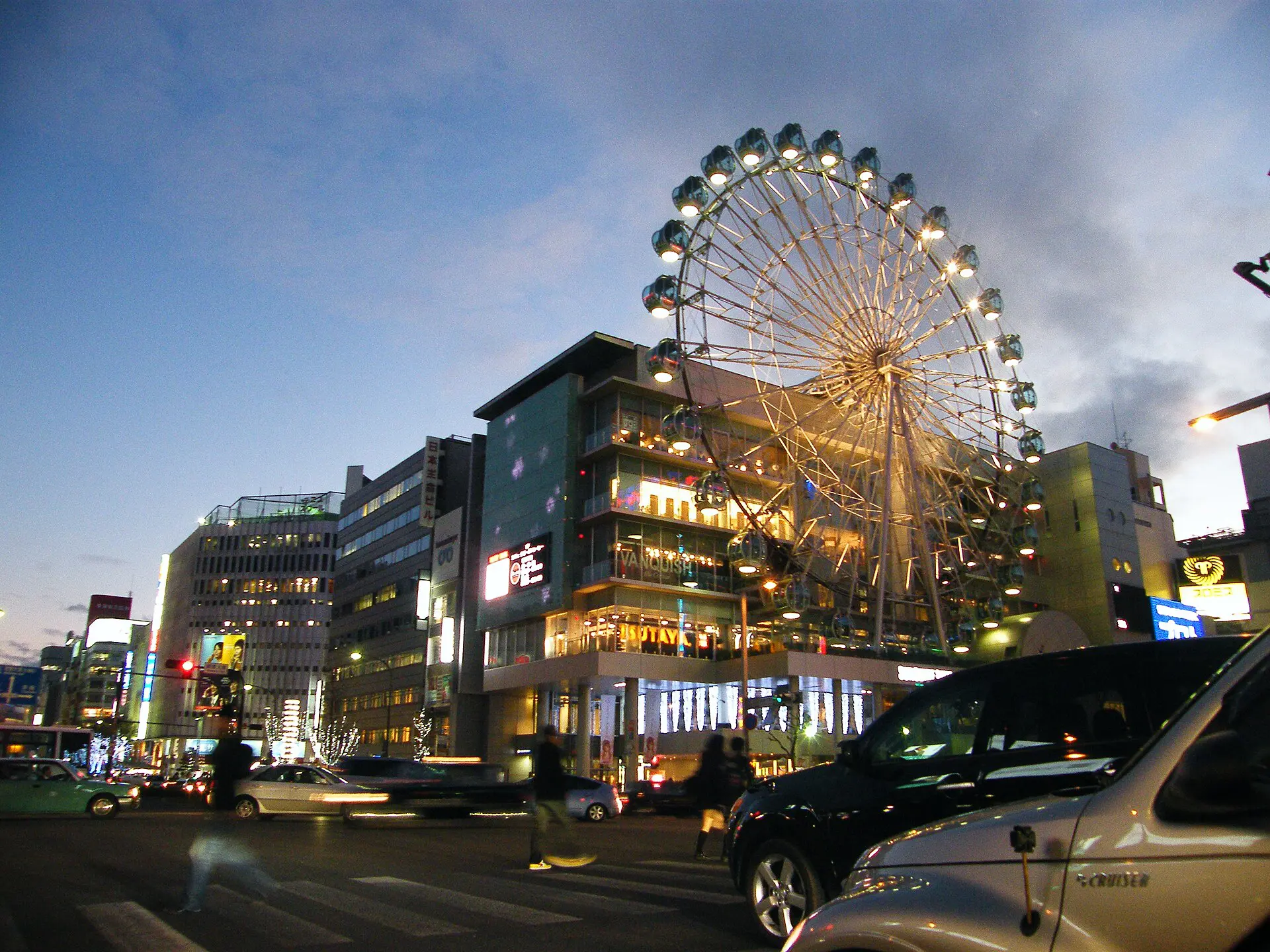
Sakae, the central entertainment and shopping district, suits visitors who want restaurants, nightlife and easy subway access. It is pricier than the station area, but you can walk to many evening activities.
Fushimi and Osu offer a quieter or more local feel, with small hotels near temples and arcades, and they suit travellers who want food and street life. Business hotels dominate across the city, so rooms are often compact but clean. Book ahead during trade fairs and holidays.
How many days do you need?
One full day covers the castle and food, but two days allows museums and a shrine without rushing. Add a third day if you want an excursion, since the city is a good base.
- Day 1: Nagoya Castle in the morning, lunch of local specialities, Atsuta Shrine in the afternoon and an evening in Sakae.
- Day 2: Toyota museum or the railway park, then Osu Kannon and the shopping arcades for dinner.
- Day 3: Day trip to Inuyama Castle or the Ise Shrines, returning by train in the evening.
If time is short, keep to the castle, shrine and one museum.
Day trips and nearby
Inuyama
A town on the Kiso River with one of Japan’s oldest surviving castle keeps. It is roughly 30 minutes by train from Nagoya, and works well as a half-day trip with a riverside walk.
Kyoto
Fast shinkansen trains cover the distance in around 35 to 50 minutes, making Kyoto an easy day trip. It is better with an overnight stay, since its temples need time and early starts.
Nara
Reachable by train via Kyoto or Osaka in about two hours, Nara has a large Buddha and a park with free-roaming deer. It is a long day trip but doable.
Hakone and the Tokyo region
Hakone is a hot-spring and mountain area on the route to Tokyo, around two to three hours from Nagoya by train. It suits an overnight stay rather than a rushed day visit.
FAQ
Q1When is the best time to visit Nagoya?
March to May and October to November are generally best, with mild weather and spring blossom or autumn colour. Summer is hot and humid, and the rainy season in June and July can limit outdoor plans.
Q2How many days do you need in Nagoya?
One to two days is enough for the castle, Atsuta Shrine, a museum and local food. Add a day if you want to include an excursion to Inuyama or the Ise region.
Q3How do you get from Tokyo to Nagoya?
The Tokaido Shinkansen runs from Tokyo to Nagoya in roughly 1.5 hours on the fastest trains. A Japan Rail Pass may or may not be worth it depending on your route, so compare fares before buying.
Q4Is Nagoya worth visiting?
Yes, if you like food, museums and a less touristy city. It has fewer famous sights than Tokyo or Kyoto, but it is easy to navigate and makes a good stop on the main rail corridor.
Prices, schedules and entry rules change. Check current details with official sources before you travel. Read the Japan travel guide.