Why visit Nagasaki
If you are planning things to do in Nagasaki, expect two strands of history that sit side by side. The city, the capital of Nagasaki Prefecture on the island of Kyushu, was founded by the Portuguese and for centuries was the only port used for trade with the Portuguese and Dutch. That left a lasting mix of Dutch, Portuguese and Chinese influence.
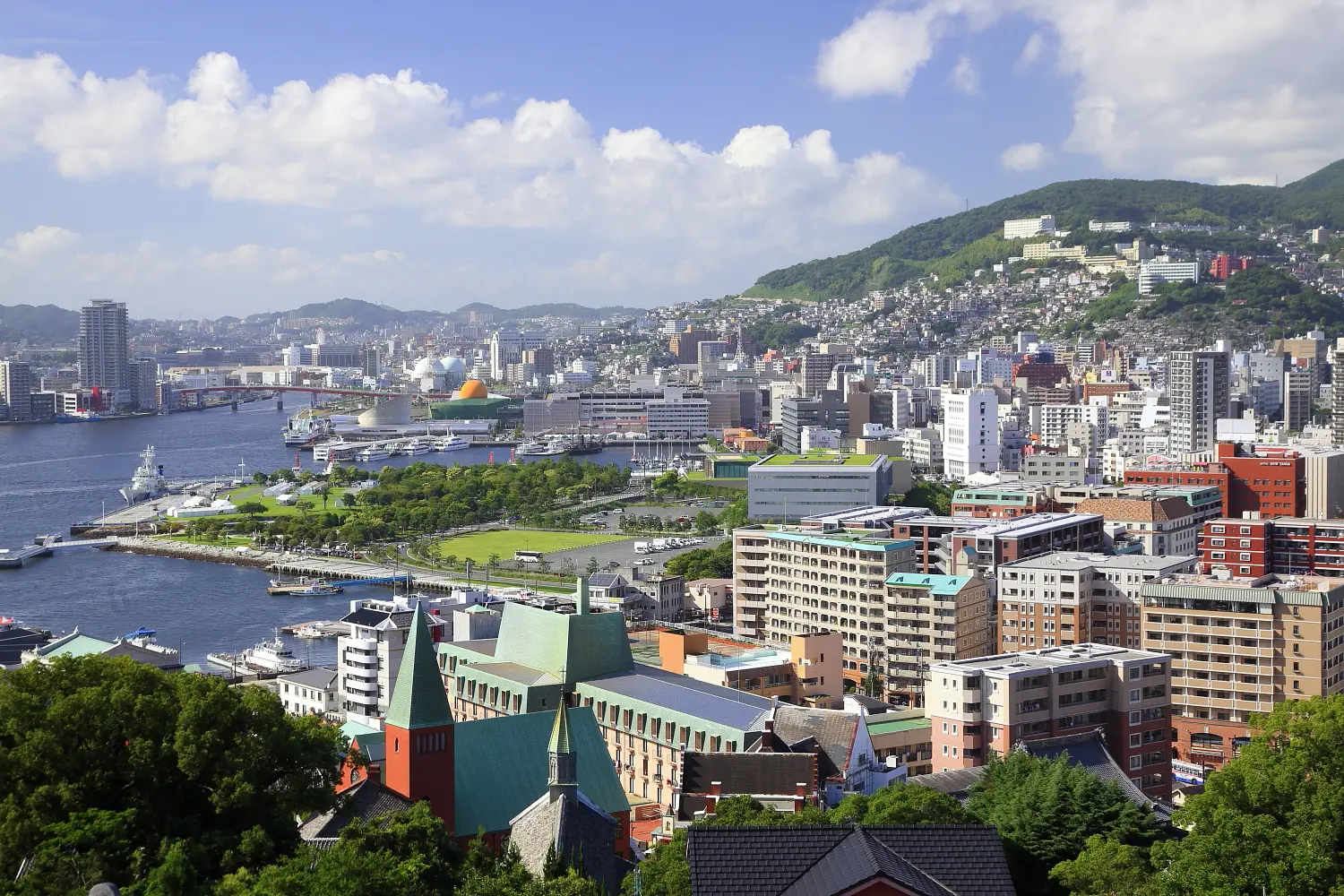
It is also the second city in the world to have experienced a nuclear attack, on 9 August 1945. Peace Park and the Atomic Bomb Museum are the main reasons many visitors come, and they are handled with a clear focus on remembrance.
Beyond these, the city has hillside streets, trams, a lively food scene and sites linked to the history of Christianity in Japan, some of which are on the UNESCO World Heritage list. It is compact, so a few days is enough.
Top things to do in Nagasaki
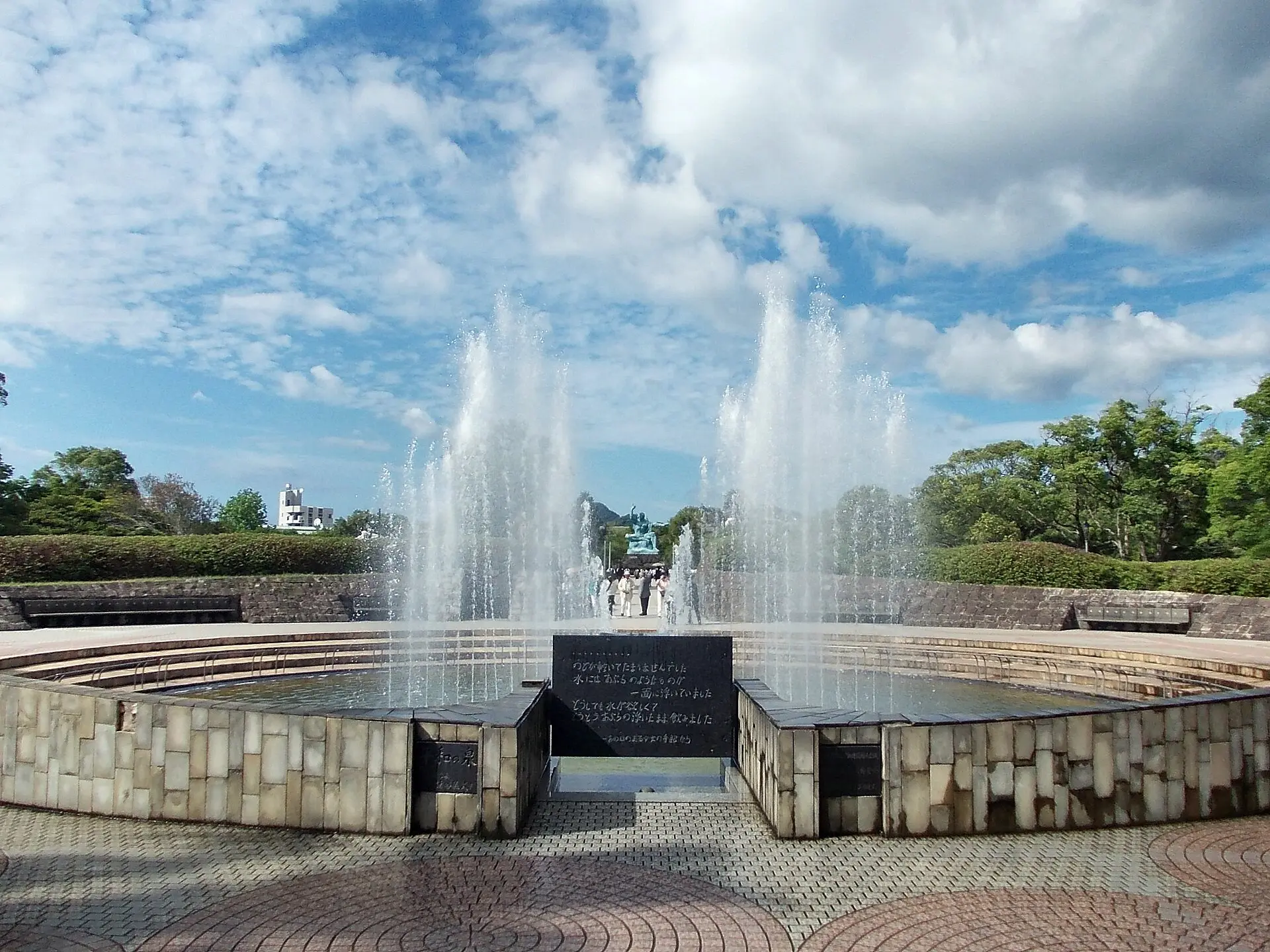
Peace Park and the Hypocenter
The park and the hypocenter mark the site of the 1945 bombing, with memorials and a calm atmosphere. Plan one to two hours. Keep voices low, follow signs and rules, and visit early to avoid larger groups.
Nagasaki Atomic Bomb Museum
The museum explains the bombing and its effects through photographs, objects and exhibits. Allow one to two hours. Some displays are upsetting, so plan time to reflect afterwards, and check the current opening hours and ticket price.
Dejima
This reconstructed trading post was home to the Dutch during Japan’s period of national isolation. Plan about an hour. Displays and re-created buildings show how the port operated, and signage in English is available but may vary. Check opening times.
Glover Garden and Oura Church
A hillside garden with historic Western-style houses and views over the harbour, close to Oura Church. Plan two hours. The slopes are steep, so wear comfortable shoes, and check whether you can use the escalators or lifts.
Hashima Island
The abandoned coal-mining town on a nearby island, often called Gunkanjima. Boat tours depart from the city. Plan half a day, check sailing times and weather, since cancellations are common in rough seas, and book ahead in busy seasons.
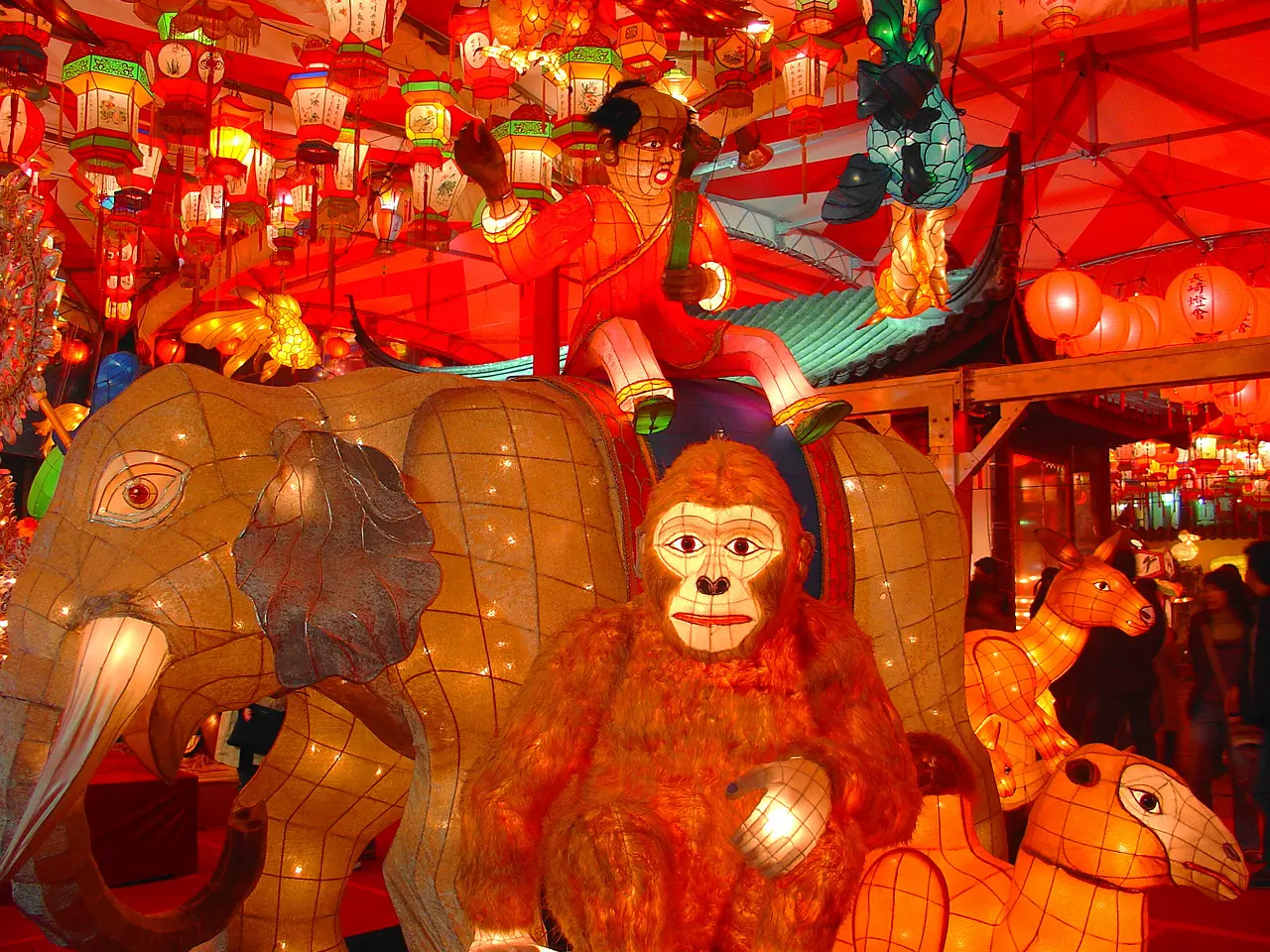
Chinatown and Dutch Slope
Nagasaki’s Chinatown is known for food and lanterns, and Dutch Slope is a short stroll of old foreign residences. Plan two to three hours. Try local dishes such as champon, and check opening hours for individual shops.
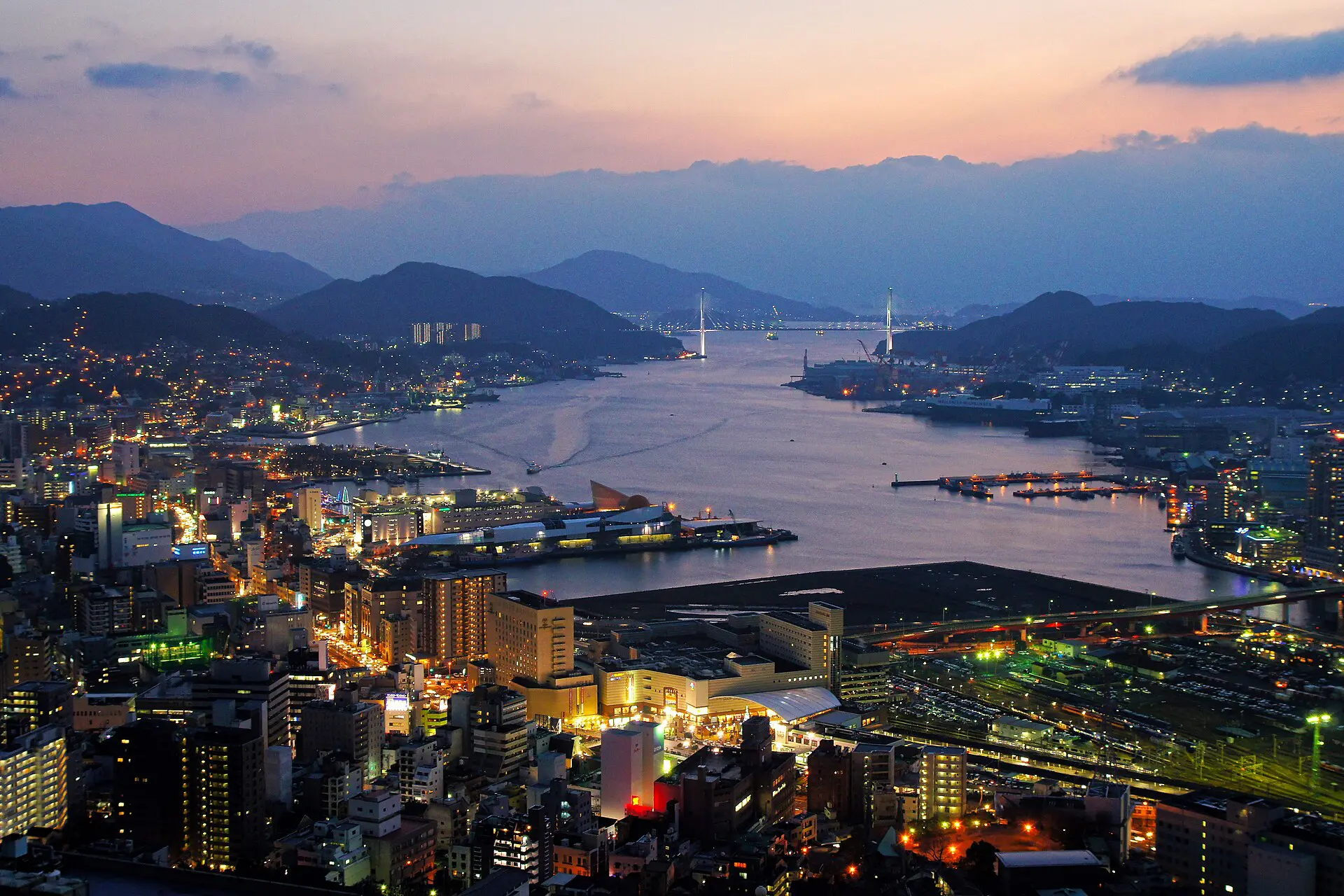
Night view and the tram ride
The harbour at night is a popular sight, with viewpoints across the hills. Plan about two hours. The city’s trams are a cheap, easy way to move between sights, so check fares and routes locally.
Best time to visit Nagasaki
Nagasaki has a mild, humid climate. Spring, from about March to May, and autumn, from around October to November, are generally the most comfortable and clear seasons for walking and sightseeing. The rainy season usually arrives in early summer, and July and August are hot and humid. Typhoon season can affect travel, particularly boats to Hashima Island, from late summer into autumn. Winter is cool, with occasional cold snaps, and the city is quiet. Check dates for local festivals, which can add atmosphere and also push up prices.
| Season | Weather | Crowds and prices |
|---|---|---|
| Spring (March-May) | Mild, mostly clear | Moderate to busy |
| Summer (June-August) | Rainy then hot, humid | Moderate, typhoon risk |
| Autumn (October-November) | Mild, clear | Moderate to busy |
| Winter (December-February) | Cool, drier | Quiet, lower prices |
How to get to Nagasaki and around
Nagasaki Airport serves flights from several Japanese cities, and both major airlines operate there. The airport lies some distance from the centre, with buses linking it to the city, so check current times. By rail, limited-express trains run from Hakata in Fukuoka, and the Shinkansen network connects through Takeo-Onsen; check current routes and journey times in advance.
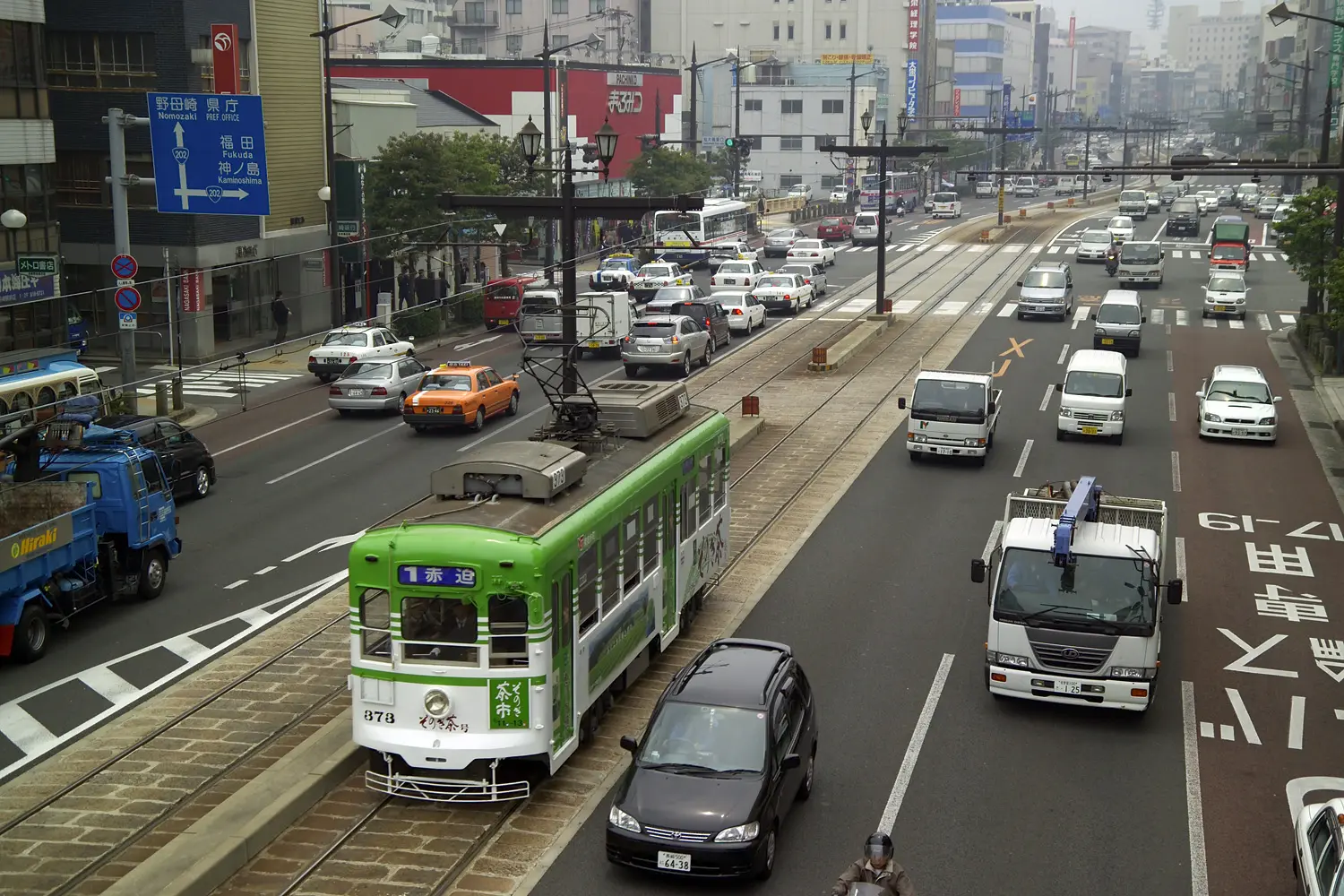
Within the city, the tram network is the easiest way to reach most sights, and fares are low. Walking is practical in the central area, though hills are steep. Buses and taxis cover other places, and boat tours leave from the harbour. A rail or transport pass can save money on a multi-day stay, so check what is available.
Where to stay in Nagasaki
The city is compact, and most visitors stay near the central stations and tram lines.
- Near Nagasaki Station: practical for rail arrivals, with easy access to trams and the harbour. Suits short stays and travellers with luggage.
- Shianbashi and the central shopping area: the city’s main dining and nightlife district, with business hotels and guesthouses. Suits food-focused visitors.
- Near Dejima and the harbour: convenient for historic sights and the waterfront, and often good for evening views.
- Hillside guesthouses: quieter, scenic stays with views, but expect steep walks.
Check how far your lodging is from tram stops, and book early for major festivals.
How many days do you need?
Two days is enough for the memorials, Dejima, Glover Garden and the night view. Three days lets you add a Hashima Island boat trip or Christian heritage sites without rushing. A single day is possible if you focus on Peace Park, the museum and one old-town sight.
- Day 1: Peace Park, the Hypocenter and the Atomic Bomb Museum in the morning, then Dejima and Chinatown in the afternoon.
- Day 2: Glover Garden, Oura Church and Dutch Slope, followed by the harbour night view.
- Day 3: Hashima Island boat tour or a trip to a Christian heritage site.
Plan an early start for the museum, since it can be crowded later in the day.
Day trips and nearby
Fukuoka
Kyushu’s largest city is the main rail and air hub and lies a couple of hours away by train. It offers food, shopping and nightlife. It can be a long day trip, so many travellers stay overnight. Check train times.
Hiroshima
Hiroshima is the other city hit by an atomic bomb and has its own Peace Memorial. It is a long journey from Nagasaki, so plan it as a separate stop on a longer Japan route.
Okinawa
The subtropical islands lie far to the south, and most travellers fly. Treat Okinawa as a separate trip for beaches and a different regional culture, not a day trip.
Kyoto and Osaka
Both are in western Honshu, a long journey by train or a short flight. They are better planned as the next part of a wider Japan itinerary.
FAQ
Q1How many days do you need in Nagasaki?
Two days covers Peace Park, the Atomic Bomb Museum, Dejima, Glover Garden and the night view. Add a third day if you want to take a boat tour to Hashima Island or visit Christian heritage sites.
Q2When is the best time to visit Nagasaki?
March to May and October to November are generally the most comfortable. Summer is hot and humid, and typhoons can disrupt travel, especially boat trips. Winter is cool and quiet. Check festival dates, which can raise prices.
Q3How do you get to Nagasaki?
You can fly to Nagasaki Airport from several Japanese cities, or take a train from Hakata in Fukuoka. Buses link the airport to the city centre. Check current train routes and journey times before you travel.
Q4Is Nagasaki worth visiting?
Yes, especially for its remembrance sites and its history as Japan's trading port. It is compact, has useful trams and good food. The atomic bomb sites are sombre, so allow time to reflect.
Prices, schedules and entry rules change. Check current details with official sources before you travel. Read the Japan travel guide.