Why visit Kobe
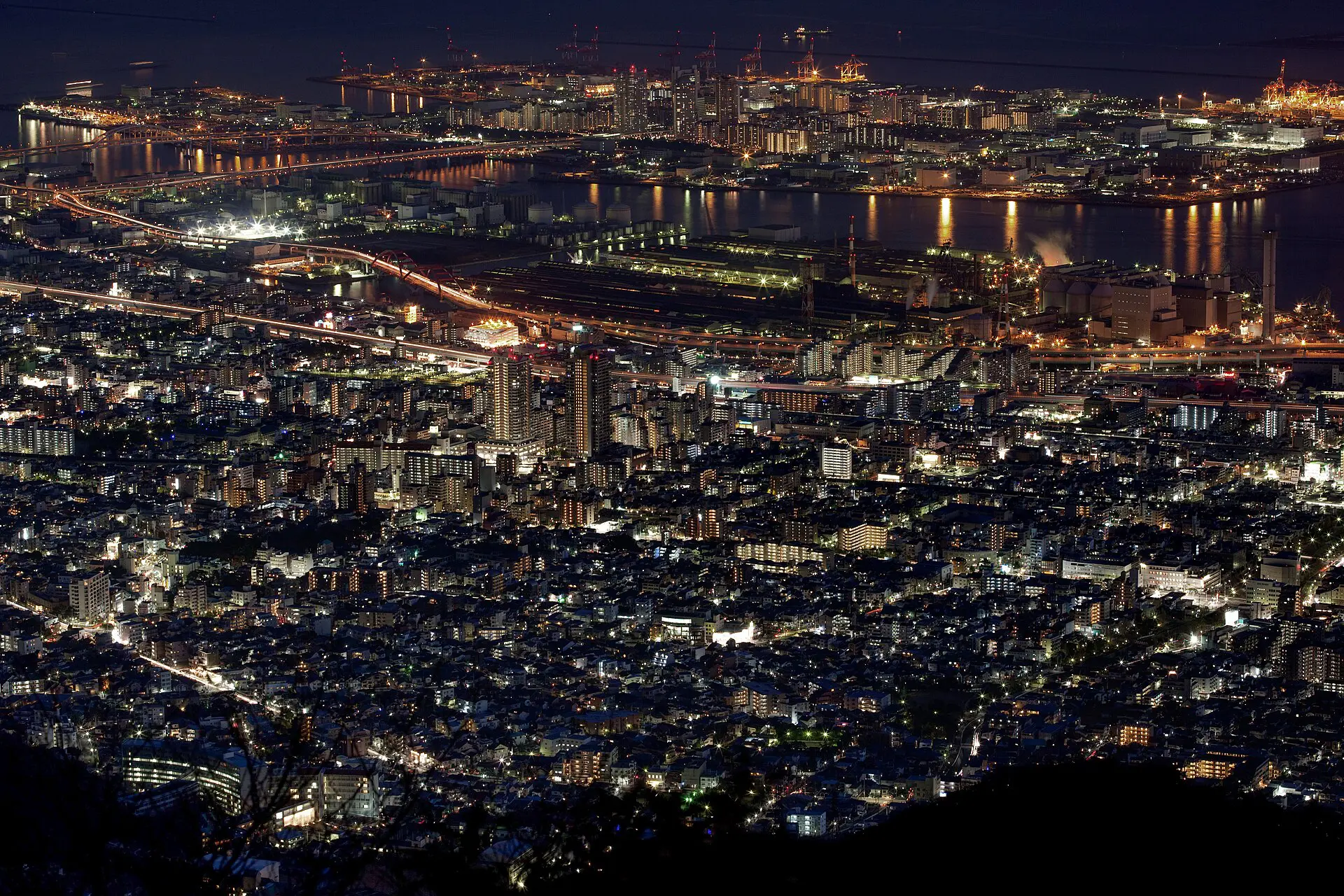
If you are looking at things to do in Kobe, the first thing to know is its shape. The city is the capital of Hyōgo Prefecture and one of Japan’s largest, with around 1.5 million people, but it is long and narrow, squeezed between Mount Rokko and the north shore of Osaka Bay.
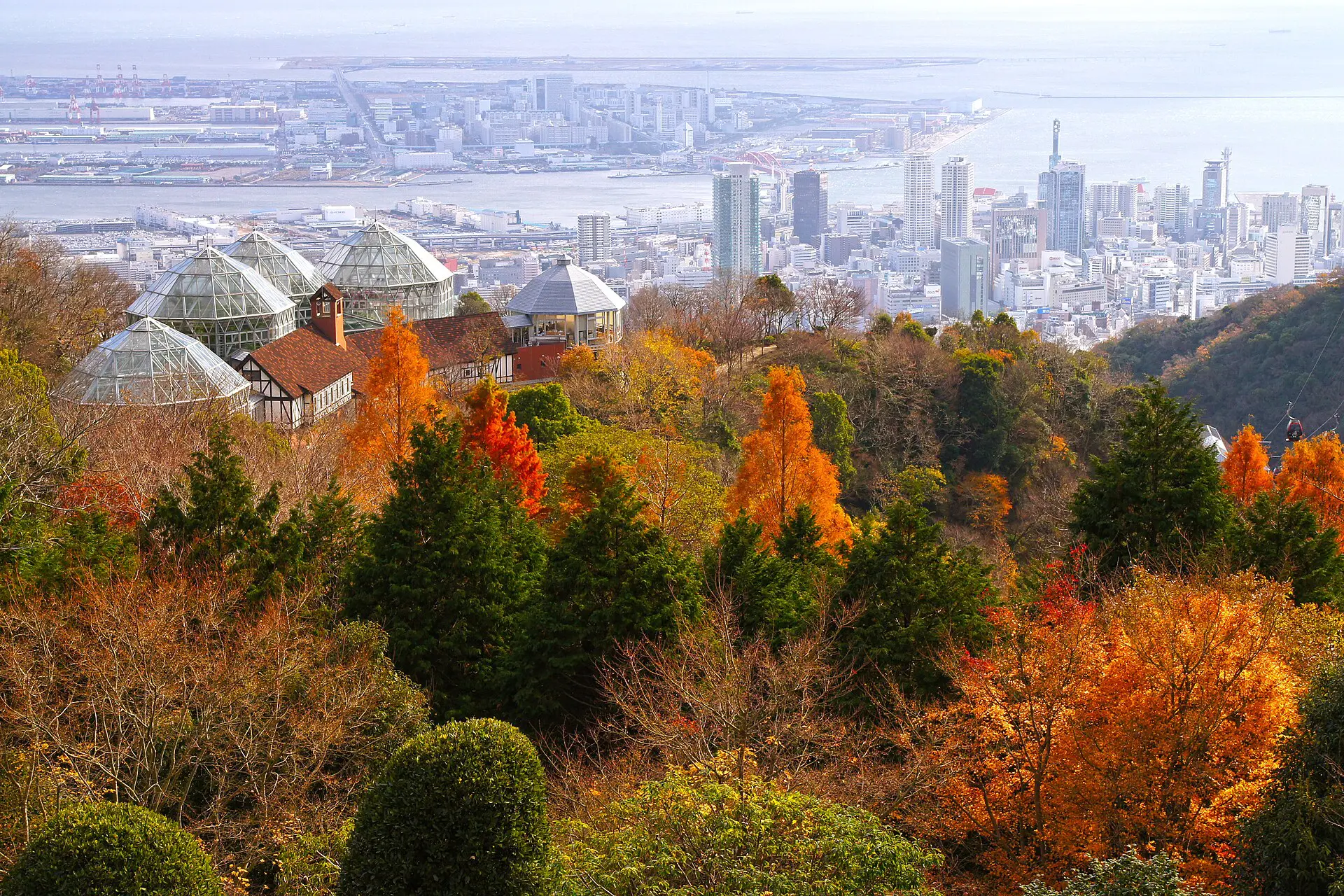
Kobe was one of the first Japanese ports opened to foreign trade in the 1860s, and that history still shows. The city has a Chinatown, European-style houses, and some of Japan’s earliest places of worship for several religions. That gives it a more international feel than many Japanese cities.
It sits about 35 km west of Osaka and 70 km southwest of Kyoto, so it fits neatly into a Kansai itinerary. Visitors come for the waterfront, the hillside views, hot springs in the hills and food. It is also a modern city that rebuilt after the Great Hanshin Earthquake of 1995.
Top things to do in Kobe
Kitano Ijinkan district
This hillside area above downtown holds Western-style houses once lived in by foreign residents. Some are open as small museums with an entry fee. Allow two to three hours, wear comfortable shoes for the slopes, and note that opening days differ between houses.
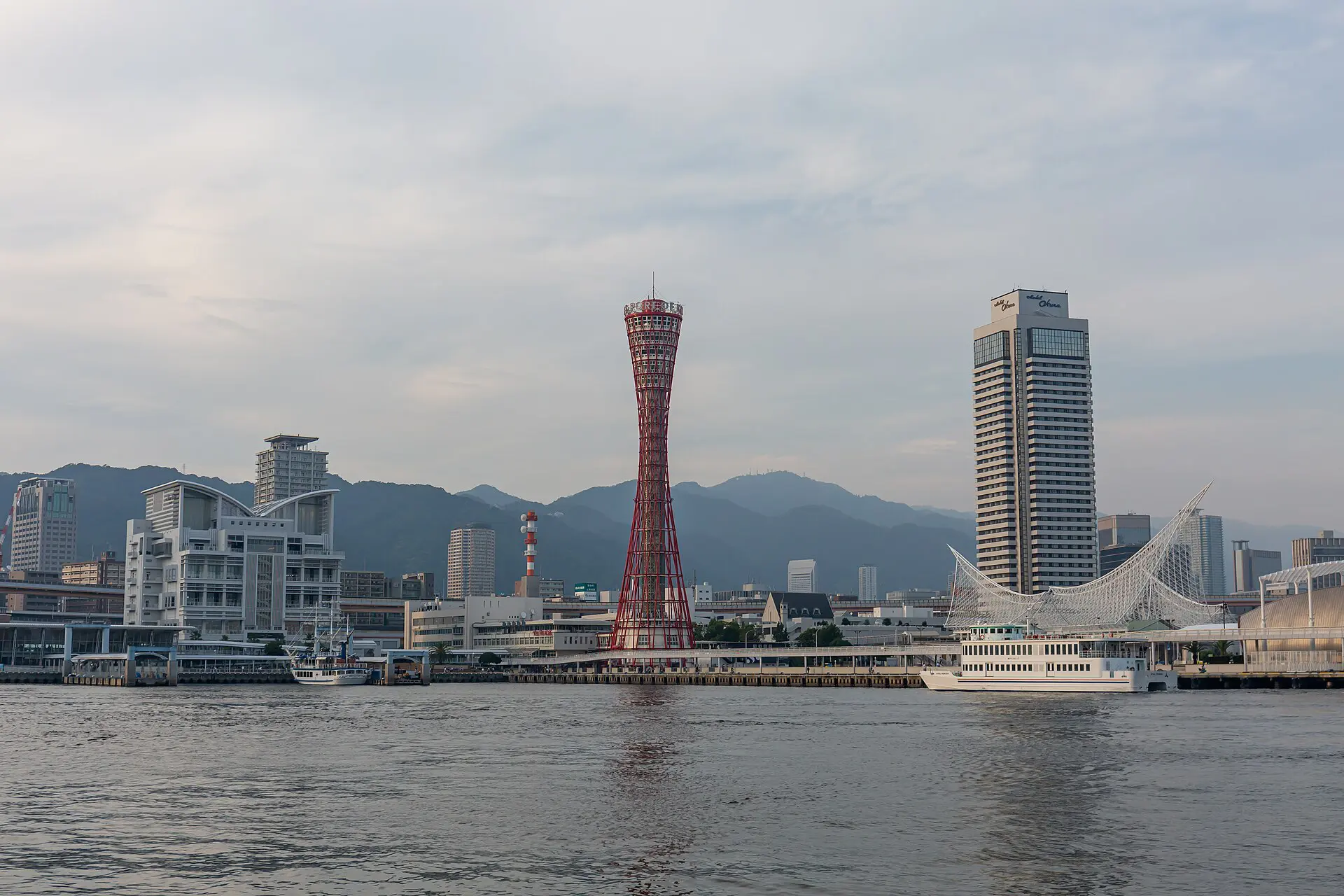
Meriken Park and Kobe Port Tower
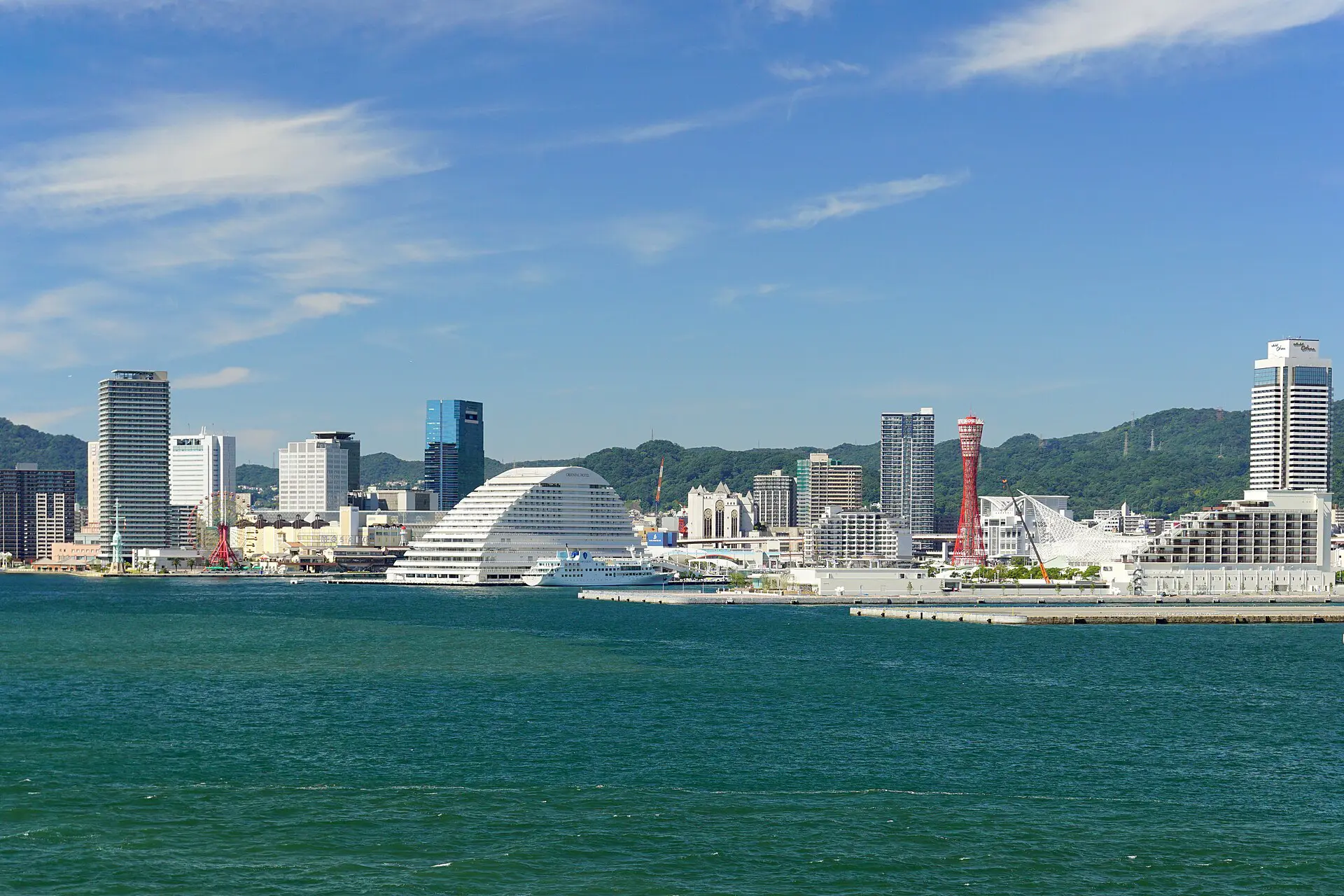
The waterfront park is the city’s classic harbour view, with the red Port Tower and nearby museums. Allow one to two hours, more if you visit an exhibit. Evening is a good time for lighting and sea breezes, though it can be windy in winter.
Nankinmachi Chinatown
A compact street district with food stalls, bakeries and gateways, close to downtown. Allow an hour for a snack walk. It is busiest at weekends and holidays, so go on a weekday if you prefer space. Carry some cash for small vendors.
Mount Rokko
The mountain behind the city offers viewpoints, walking routes and gardens, reached by a mix of train and cable car. Allow half a day. Temperatures are cooler at the top, and cable car services can pause in poor weather, so check before you go.
Arima Onsen
Arima is a long-established hot spring town on the far side of Mount Rokko. Allow half a day to a day for a bath, a stroll and a meal. Many public baths have set hours and rules on tattoos, so check before going.
Ikuta Shrine
The shrine in the middle of the city is tied to the origin of Kobe’s name and, according to the chronicle Nihon Shoki, was founded in AD 201. It takes 30 minutes to an hour and sits close to Sannomiya, so it is easy to combine with shopping streets.
Kobe beef and local food
The city is famous for its beef, which is served in steakhouses of many price levels. Allow a meal rather than a visit. Prices vary widely, so check menus and look for lunch sets, which are often cheaper than dinner.
Best time to visit Kobe
Kobe has four distinct seasons and is pleasant for much of the year. Spring and autumn are usually the most comfortable.
- Spring (March to May): mild weather and cherry blossom in late March or early April. Golden Week at the start of May is busy.
- Summer (June to August): a rainy season in early summer, then hot and humid weather. The hills are slightly cooler, and the harbour is lively in the evenings.
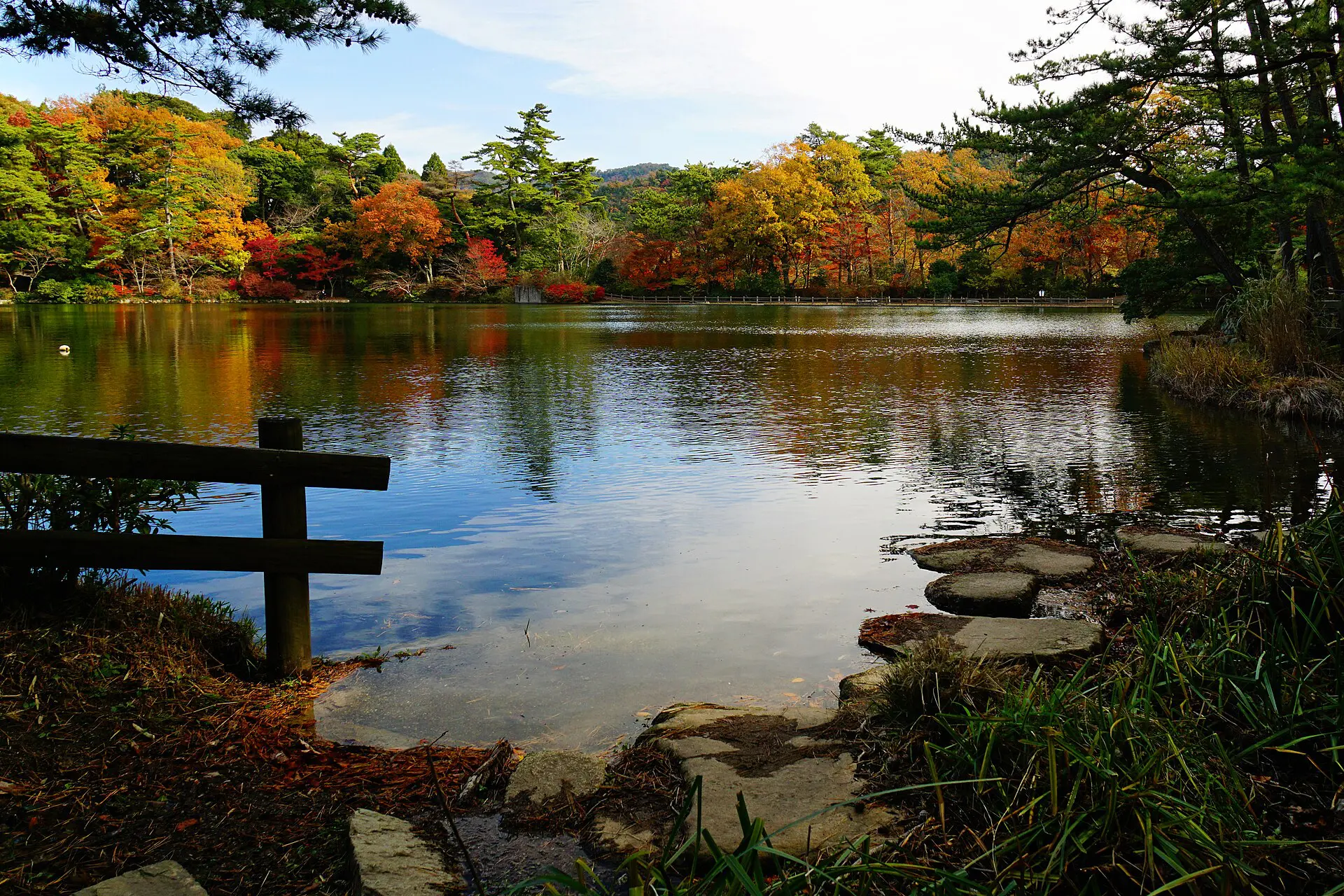
- Autumn (October to November): clear, comfortable days and autumn colour in the hills, which suit Mount Rokko and Arima.
- Winter (December to February): cold but often sunny, with fewer crowds. Hot springs are especially appealing then.
Typhoon season can affect travel from late summer to early autumn, so keep an eye on forecasts.
How to get to Kobe and around
The most useful airports are Kansai International and Osaka Itami, both within reach of Kobe by train, bus or airport limousine. Kobe also has its own airport on an island in the bay, with a limited set of domestic flights. Expect to take roughly an hour from Kansai Airport, depending on the route.
By rail, Shin-Kobe station has Shinkansen services, and Sannomiya is the main hub for local lines. Trains from Osaka take roughly 20 to 30 minutes, and Kyoto takes around an hour.
Within the city, local trains, subways and buses cover most sights, and the city centre is walkable. A City Loop bus is available for visitors, though routes and fares should be checked locally. Taxis are usually available but add up quickly.
Where to stay in Kobe
Kobe is compact enough that your choice of area matters less than in larger cities, but each part has a different feel.
- Sannomiya and Motomachi: the busiest area, with shops, restaurants and train links. Best for first-time visitors and short stays.
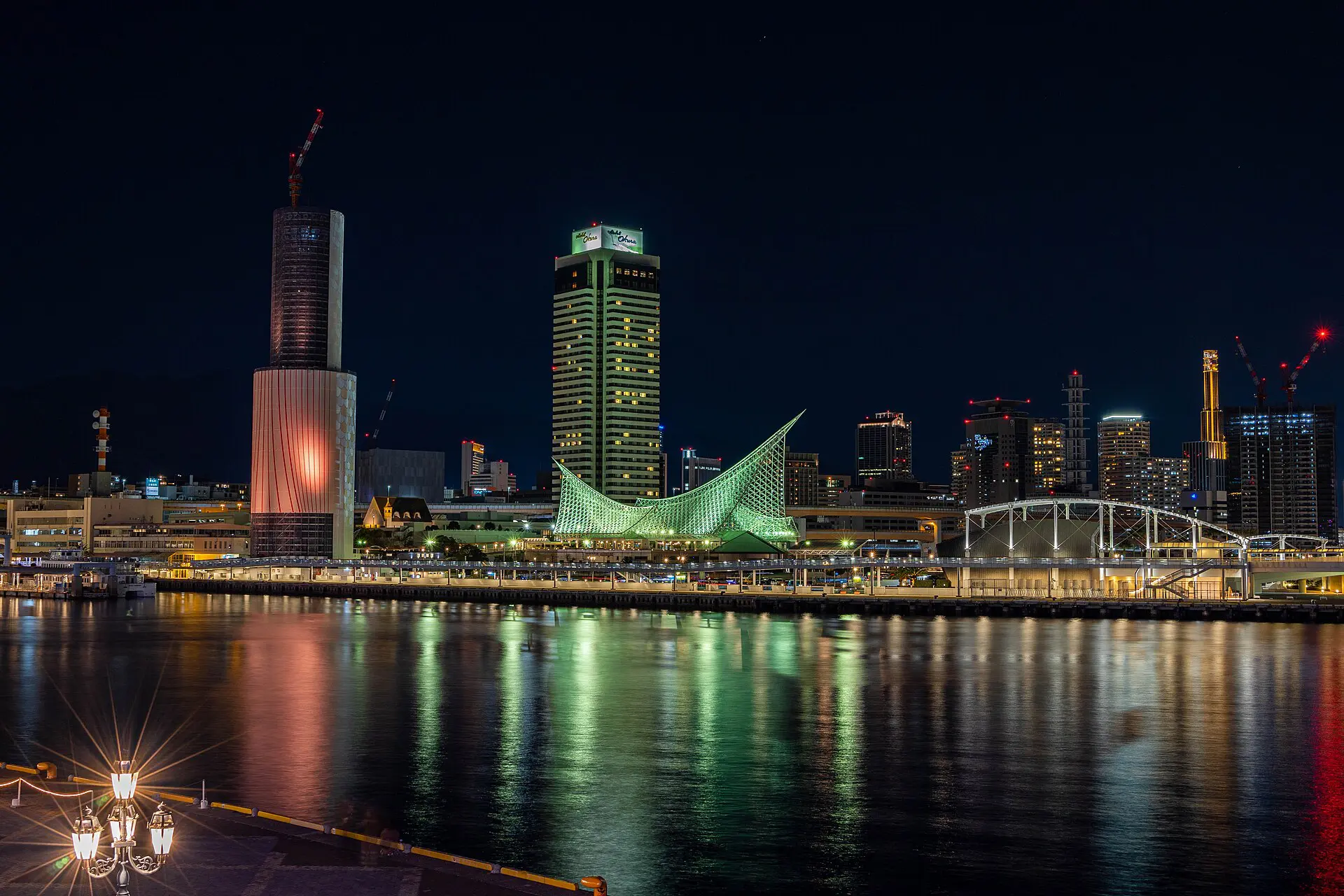
- Harbourland and Meriken Park: waterfront hotels with sea views, good for travellers who want an evening harbour walk.
- Shin-Kobe: near the Shinkansen station and the hills, convenient if you are arriving or leaving by bullet train.
- Arima Onsen: a ryokan or hot spring inn stay suits travellers who want a slower, more traditional night, at a higher price.
Hotels can fill during major holidays, so book ahead for peak dates.
How many days do you need?
One full day covers the highlights, and two lets you add Mount Rokko or a hot spring without rushing. Many visitors treat Kobe as a half-day stop from Osaka, but that leaves little time to enjoy the setting. Here is a simple plan.
- Day 1: Kitano in the morning, lunch around Sannomiya, then Chinatown and a sunset walk at Meriken Park.
- Day 2: a trip up Mount Rokko followed by Arima Onsen, returning to the city for dinner.
- Day 3: optional day trip to Himeji, Kyoto or Nara.
Weekdays are quieter than weekends and holidays.
Day trips and nearby
Osaka
Japan’s big food and nightlife city lies about 35 km east and is reached by train in roughly 20 to 30 minutes. It suits a full day for its castle, street food districts and shopping. Many travellers stay in one city and visit the other.
Kyoto
About 70 km northeast, Kyoto is known for temples, gardens and old neighbourhoods. Trains take roughly an hour. It is possible as a day trip, but is better with an overnight stay if you want to see more than a few sights.
Nara
Nara has ancient temples and a large park with roaming deer. It is reachable from Kobe by train via Osaka, typically in under two hours. Plan a full day, and check connections before you leave.
Himeji
West of Kobe along the coast, Himeji is known for its large castle. It is easy by train, and a trip typically takes a half day. Check castle opening times and ticket details before going.
FAQ
Q1When is the best time to visit Kobe?
Spring and autumn are usually best, with mild weather and good conditions for the harbour and Mount Rokko. Early summer brings rain, July and August are hot and humid, and winter is cold but quiet. Typhoons can affect late summer travel.
Q2How many days do you need in Kobe?
One to two days is enough for Kitano, the harbour, Chinatown and Mount Rokko. Add a day if you want Arima Onsen or a trip to Himeji, Kyoto or Nara. Many visitors also use Kobe as a base for Kansai.
Q3How do you get to Kobe?
Fly to Kansai or Itami airports and continue by train, bus or limousine, or arrive by Shinkansen at Shin-Kobe station. From Osaka, local trains to Sannomiya take roughly 20 to 30 minutes, and from Kyoto about an hour.
Q4Is Kobe expensive?
It is moderately priced by Japanese standards. Kobe beef can be costly, but lunch sets, casual restaurants and local transport are reasonable. Accommodation is usually cheaper than in central Tokyo or Kyoto, though prices rise at peak holiday times.
Prices, schedules and entry rules change. Check current details with official sources before you travel. Read the Japan travel guide.