Why visit Kamakura
If you are looking for things to do in Kamakura, the main draw is history set in an easy, seaside place. It was Japan’s de facto capital from 1185 to 1333, as the seat of the Kamakura shogunate founded by Minamoto no Yoritomo, the country’s first military government.
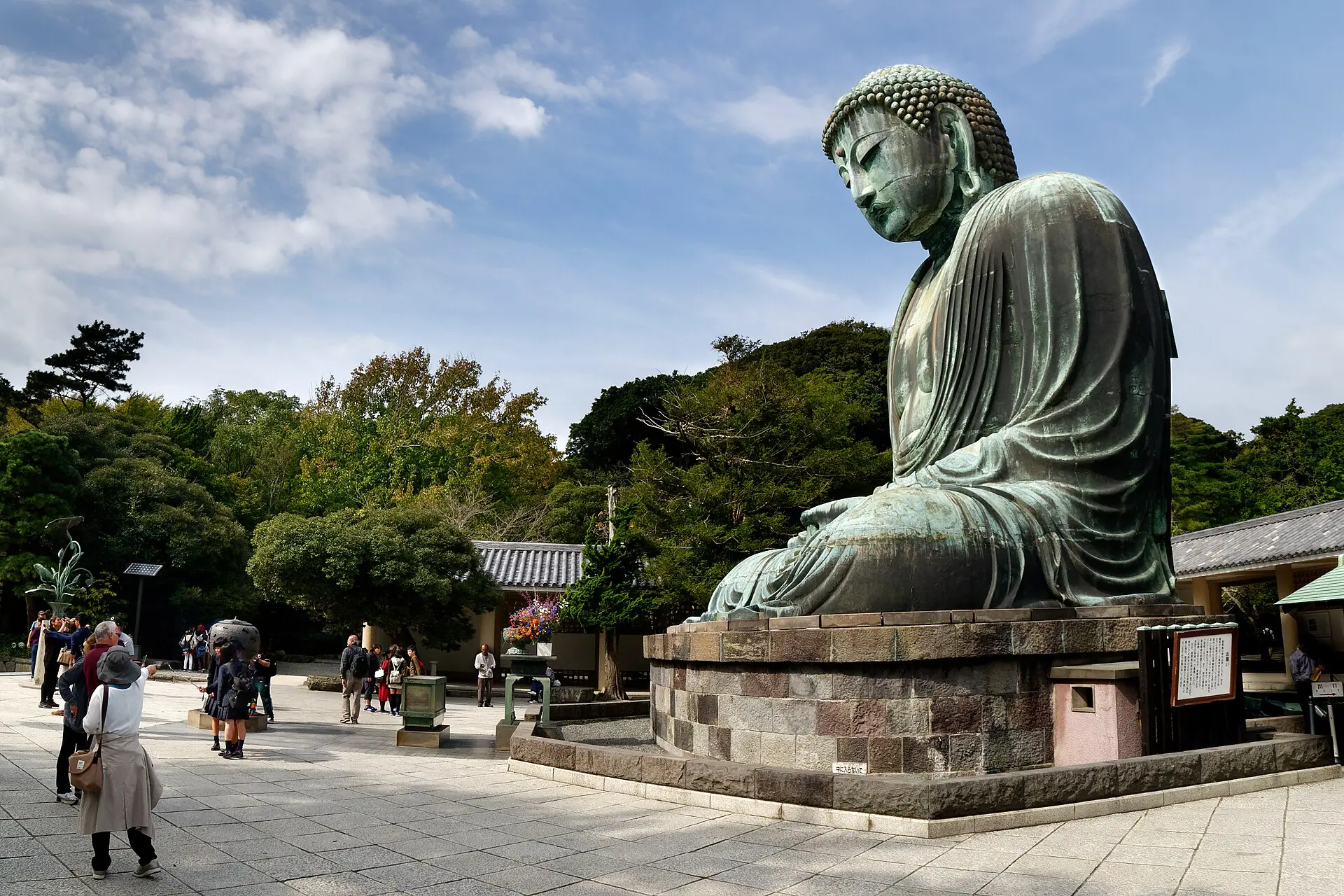
Today it is a small city in Kanagawa Prefecture, with a population of about 170,000, set between hills and the sea. Temples and shrines are scattered through wooded valleys, and the Great Buddha is among the best-known landmarks in the Kantō region.
Kamakura has lost many historic buildings, including in the Great Kantō Earthquake of 1923, and Buddhist sites suffered during the nationwide anti-Buddhist movement after the Meiji Restoration. Even so, many temples and treasures survived or were rebuilt. Tokyoites often visit for beaches, a lively centre and a break from city stress.
Top things to do in Kamakura
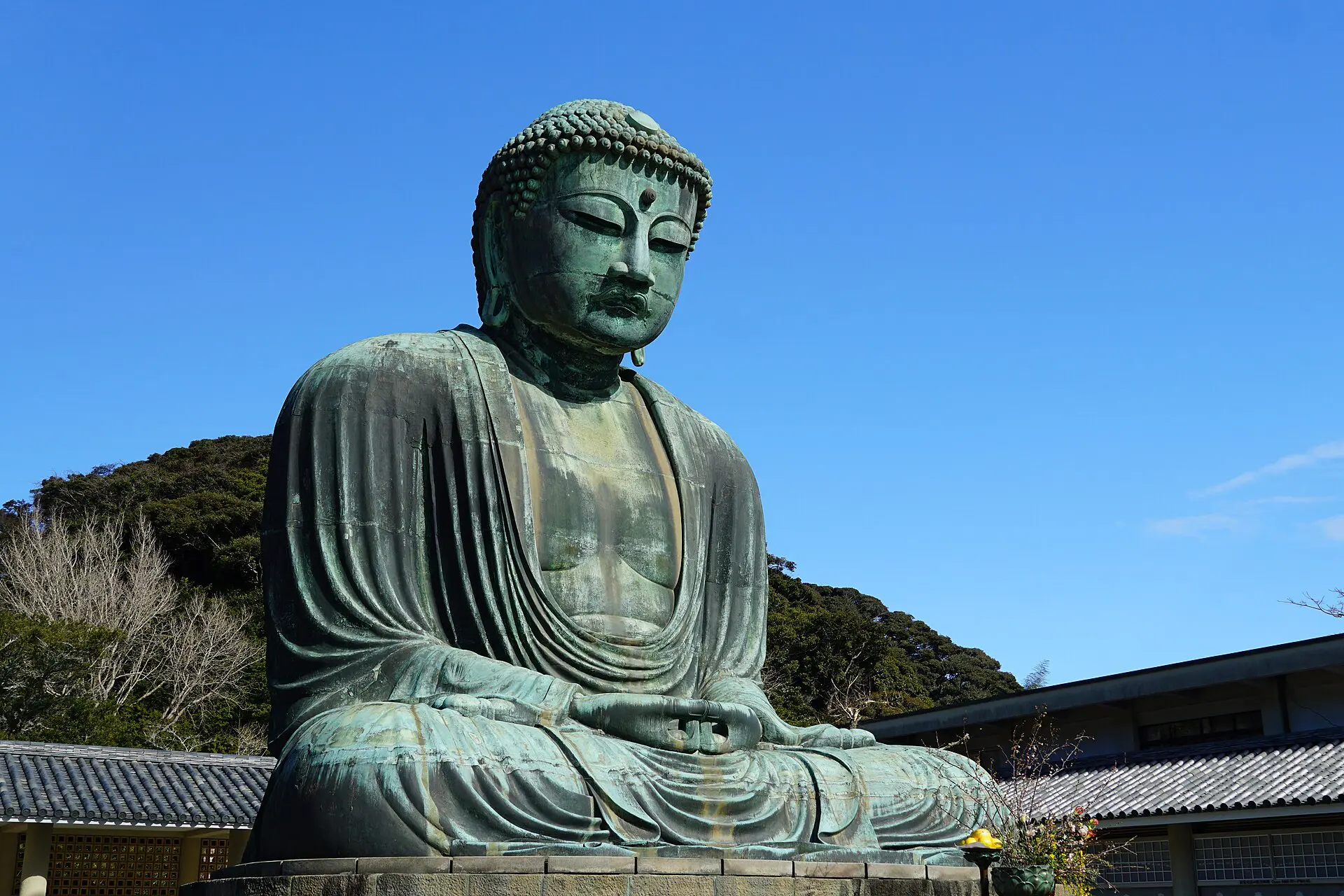
Great Buddha at Kōtoku-in
The large bronze Buddha is Kamakura’s signature sight, sitting in the open air. Allow 45 to 60 minutes. There is a small entry fee, and you may be able to go inside the statue for a small extra charge, so check on arrival. Go early to avoid tour groups.
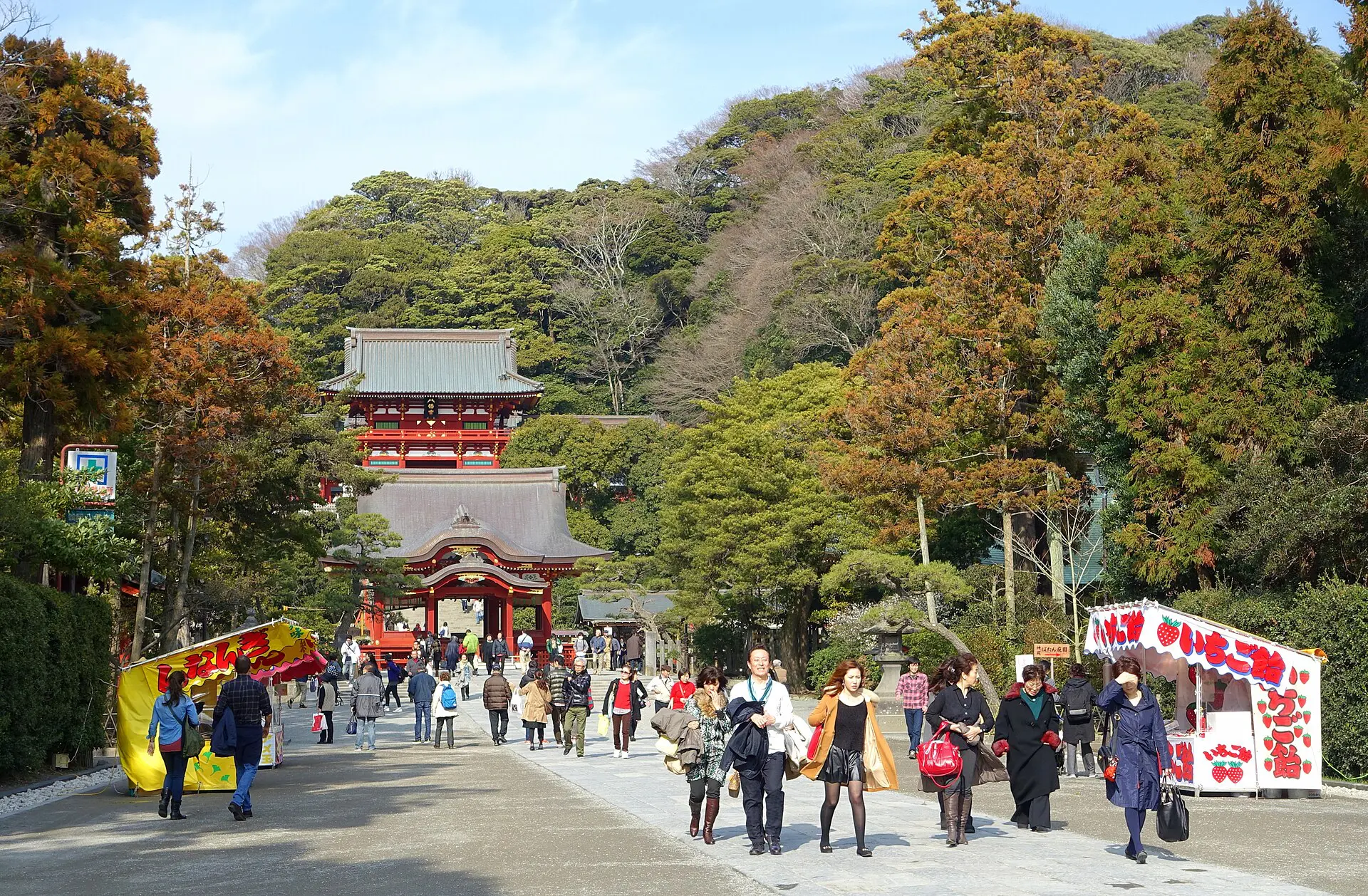
Tsurugaoka Hachimangū
The city’s main Shinto shrine is reached along a long, tree-lined approach from the sea. Allow one to two hours. The grounds are free to enter, while museums and some areas charge. Visit early in the day to avoid crowds, especially at weekends and festivals.
Hase-dera
This hillside temple has gardens, sea views and many small statues. Allow an hour. It is close to the Great Buddha, so the two combine well on foot or by tram. Check opening hours and seasonal ticket details before you go.
Komachi-dōri
The pedestrian shopping street runs from the station toward the shrine, with snacks, souvenirs and cafés. Allow an hour. It is busiest at weekends, so walk it early or late. Carry cash for small shops, though cards are increasingly accepted.
Zen temples of northern Kamakura
Temples such as Engaku-ji and Kenchō-ji sit in quiet forested valleys north of the centre. Allow two to three hours for one or two. Each charges a modest entry fee, and steps and slopes are common, so wear comfortable shoes.
Hiking trails
Forest trails link several temples across the hills, offering a break from the crowds. Allow two to three hours. Stick to marked routes, take water, and check conditions after heavy rain, as paths can be slippery.
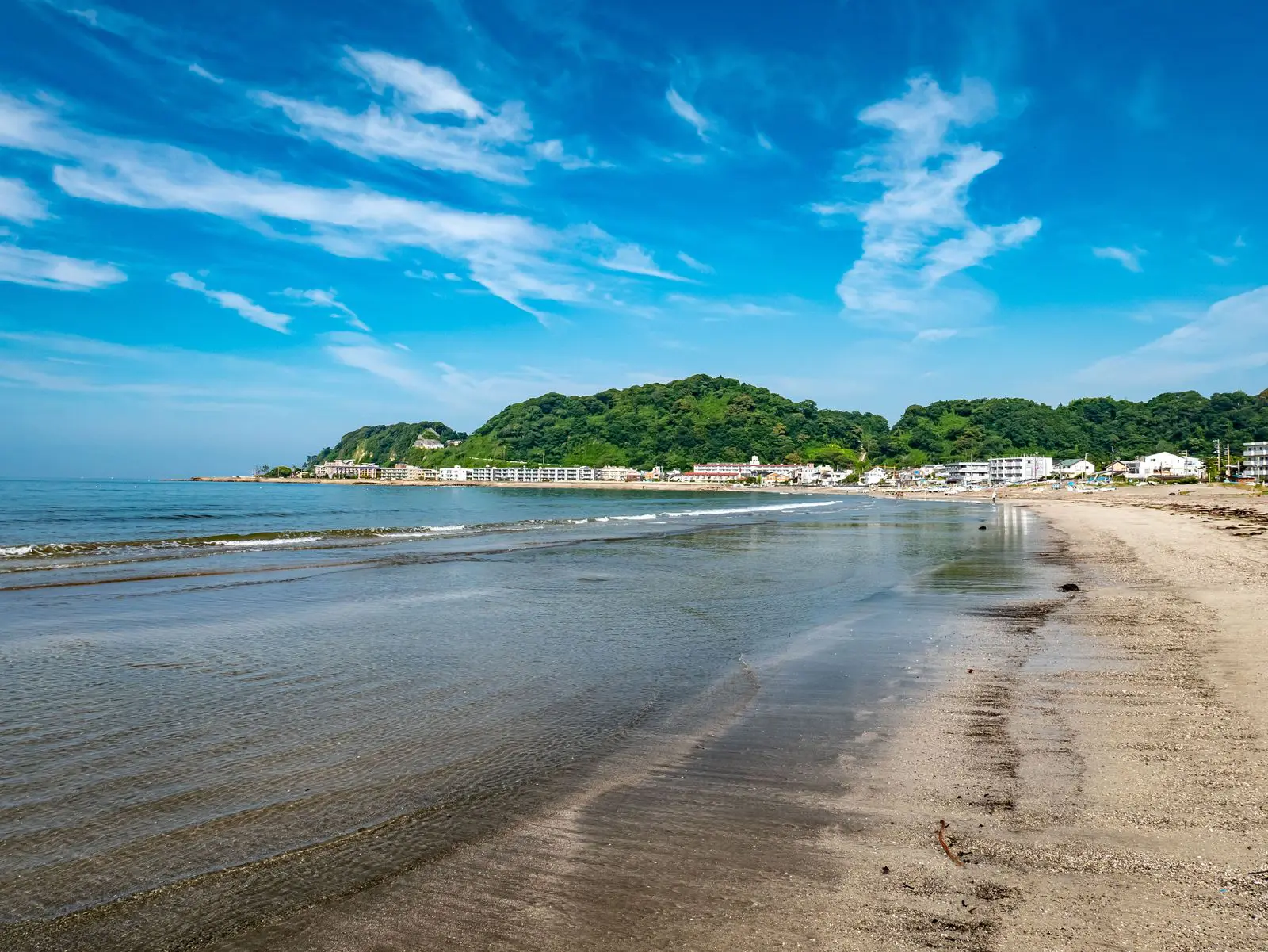
Yuigahama and Zaimokuza beaches
The beaches are popular with Tokyo residents and have surf and cafés in summer. Allow an afternoon. Facilities are seasonal, and water conditions vary, so check local signs before swimming.
Best time to visit Kamakura
Kamakura has a mild climate with four seasons, and each has its own appeal. Weekends are busier than weekdays in every season.
- Spring (March to May): mild weather and cherry blossoms in late March and early April. Golden Week at the start of May is very busy.
- Early summer (June): the rainy season, with hydrangeas in bloom at some temples that draw large crowds.
- Summer (July and August): hot and humid, with beach days and festivals, but heavy crowds at the coast.
- Autumn (October to December): comfortable weather and colourful leaves, particularly in late November and early December.
- Winter (January to February): cool, clear and quiet, with good views.
Check temple opening times, which can shift by season.
How to get to Kamakura and around
Kamakura is a very popular day trip from Tokyo. JR trains run to Kamakura Station from Tokyo and Yokohama, often taking about an hour from central Tokyo, with direct services on some lines. Check timetables, as direct trains vary through the day.
The nearest major airports are Tokyo’s Haneda and Narita, with Haneda closer. From there, you can reach Kamakura by train with a change in central Tokyo or Yokohama.
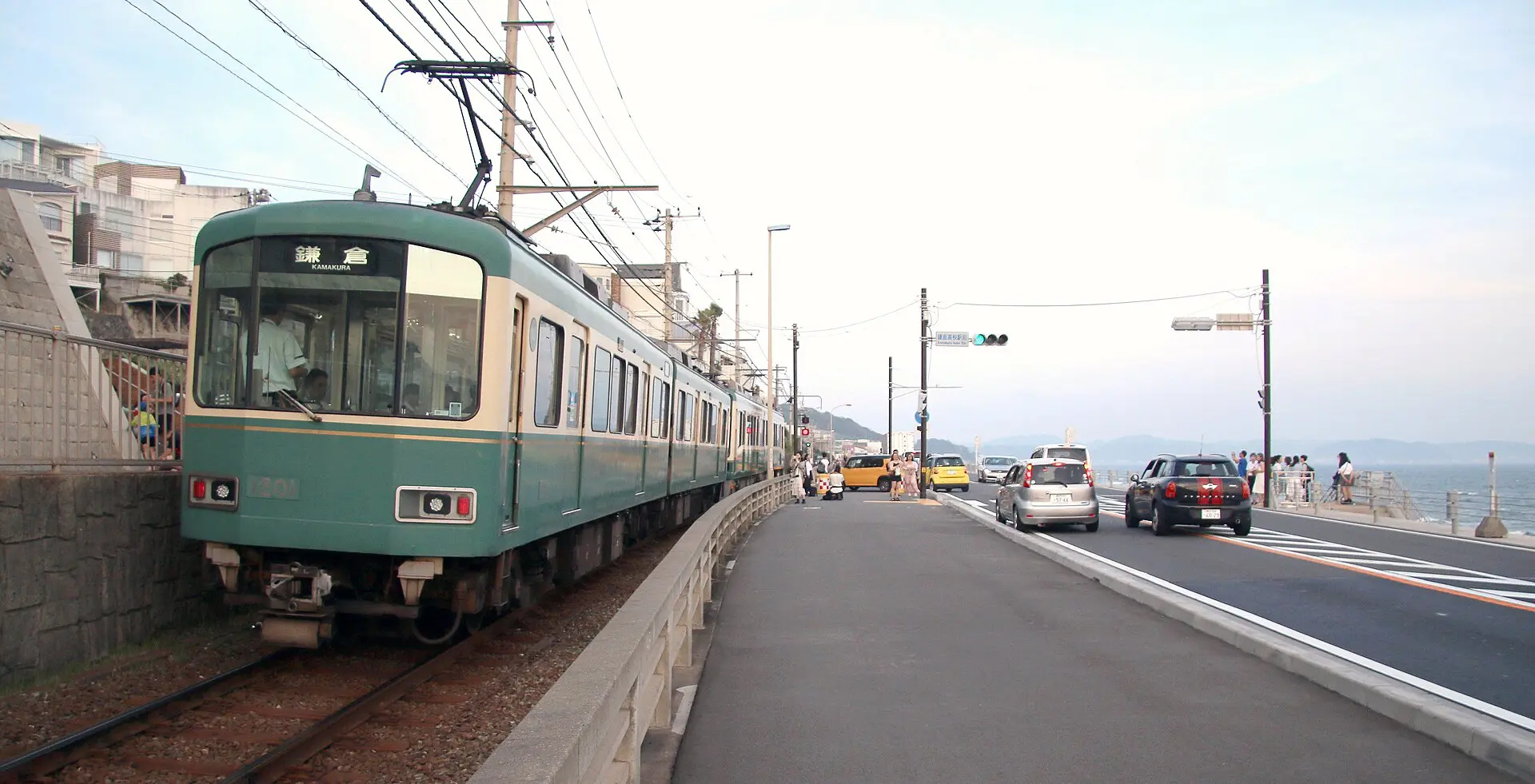
Within the city, the centre is walkable. The Enoden, a small local railway, links Kamakura with Hase, near the Great Buddha, and continues along the coast. Buses and taxis cover other temples, and cycling is possible, though narrow roads can be busy.
Where to stay in Kamakura
Most visitors treat Kamakura as a day trip, but staying overnight gives you quieter hours at the major sights.
- Near Kamakura Station: the most convenient base, with shops, restaurants and train links. Suits first-time visitors.
- Hase and Yuigahama: closer to the Great Buddha and beach, with a more relaxed feel and smaller guesthouses.
- Kita-Kamakura: a quiet spot near the Zen temples, good for walkers, with few options.
- Tokyo or Yokohama: many travellers stay there, where there is more choice and a wider range of prices.
Accommodation inside Kamakura can be limited, so book early.
How many days do you need?
One full day is enough for the main highlights. Two days allows hiking, quieter temples and a beach stop, and it lets you avoid the weekend rush if you plan carefully.
- Day 1: Kita-Kamakura temples in the morning, Tsurugaoka Hachimangū and Komachi-dōri at midday, then Hase-dera and the Great Buddha.
- Day 2: a hike across the hills, an Enoden ride along the coast and an afternoon on the beach.
If you have only half a day, choose the Great Buddha and the shrine.
Day trips and nearby
Enoshima
A small island connected to the mainland by a bridge, with a shrine, caves and sea views. It is reachable on the Enoden line from Kamakura. Allow half a day, and check weather and tide conditions before heading to the rocks.
Yokohama
Japan’s second-largest city lies on the way to Tokyo and has a harbour, Chinatown and museums. It is easy to add before or after Kamakura. Plan a half day, or a full day for more.
Hakone
The hot spring and mountain region is farther west, with views of Mount Fuji on clear days. It is better as an overnight stay than a day trip from Kamakura, and travel needs planning around trains and buses.
Tokyo
The capital is the most common starting point and also a good place to continue to. Many travellers combine Kamakura with a few days in the city, travelling by train.
FAQ
Q1When is the best time to visit Kamakura?
Spring and autumn are usually best, with mild weather, cherry blossom in spring and colourful leaves in late autumn. June brings rain and hydrangeas, summer is hot and busy at the beach, and winter is quiet and clear.
Q2How many days do you need in Kamakura?
One full day covers the Great Buddha, Tsurugaoka Hachimangū and a few temples. Two days gives time for hiking, quieter temples and the beach, and it helps you avoid weekend crowds if you plan well.
Q3How do you get to Kamakura from Tokyo?
Take a JR train from Tokyo or Yokohama to Kamakura Station, usually around an hour from central Tokyo. Some services run direct, so check timetables on the day, and consider an early start to beat crowds.
Q4Is Kamakura worth visiting?
Yes, especially for its historic temples and relaxed setting near Tokyo. It can be crowded at weekends and in hydrangea season, so a weekday visit is more pleasant. It suits a day trip or a short stay.
Prices, schedules and entry rules change. Check current details with official sources before you travel. Read the Japan travel guide.