Why visit Hiroshima
The main reason to look for things to do in Hiroshima is its Peace Memorial Park, one of the most significant historic sites in Japan. On 6 August 1945 the city became the target of the first atomic bomb used in war, and today it presents that history with restraint and care. The surrounding city, however, is not a ruin. It is a modern, cosmopolitan place of wide boulevards, tram lines and rivers that run through the delta.
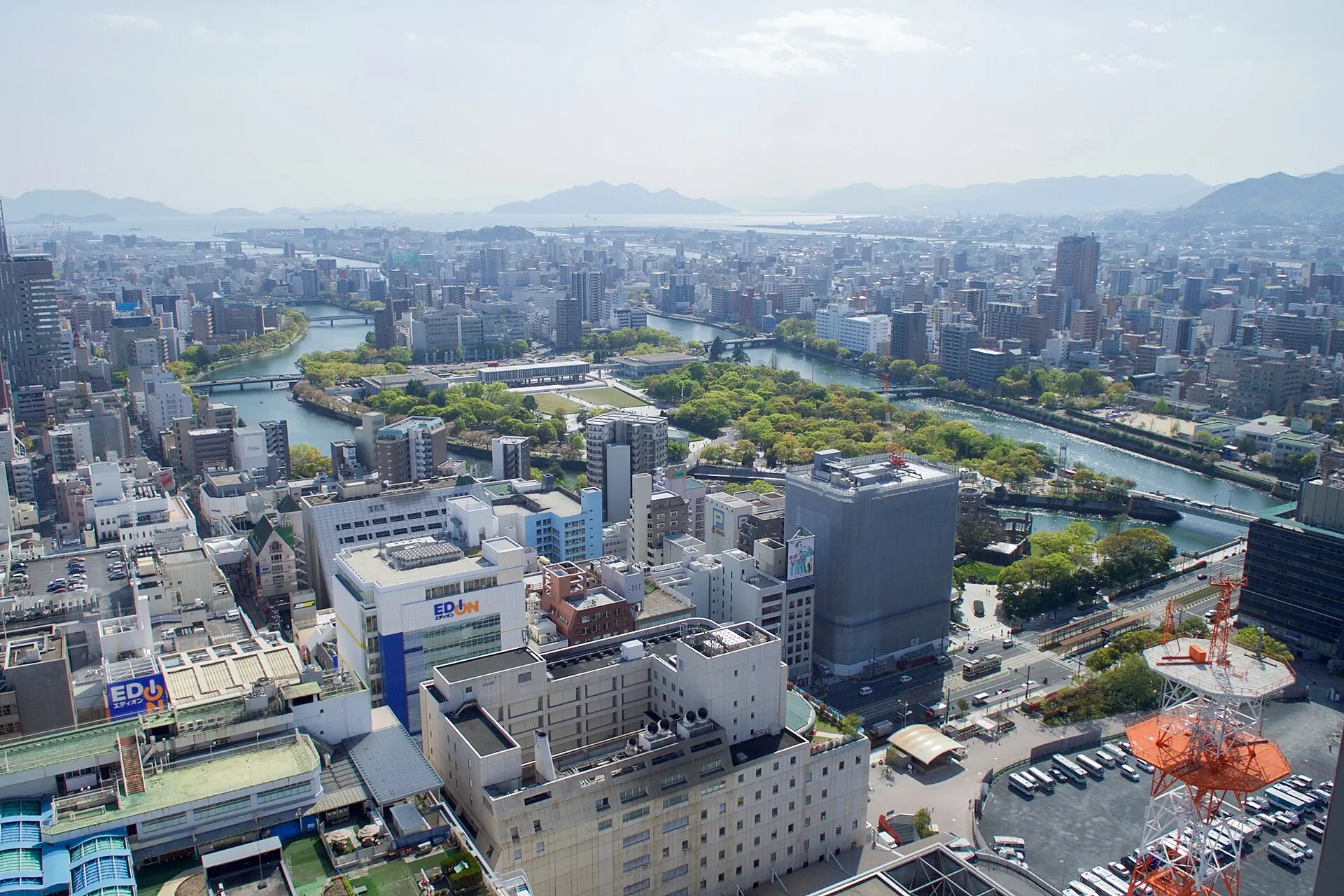
Hiroshima sits on the coast of the Seto Inland Sea, and its location makes it a good base for exploring more widely. The island of Miyajima, home to the famous floating torii gate, is a short train and ferry ride away, and the sea views and islands of the Inland Sea are close at hand.
Visitors also come for the food, especially Hiroshima-style okonomiyaki, which layers noodles and cabbage on a griddle, and for oysters from the nearby bay. Allow time for reflection at the memorial sites, then balance it with an evening in the lively central districts.
Top things to do in Hiroshima
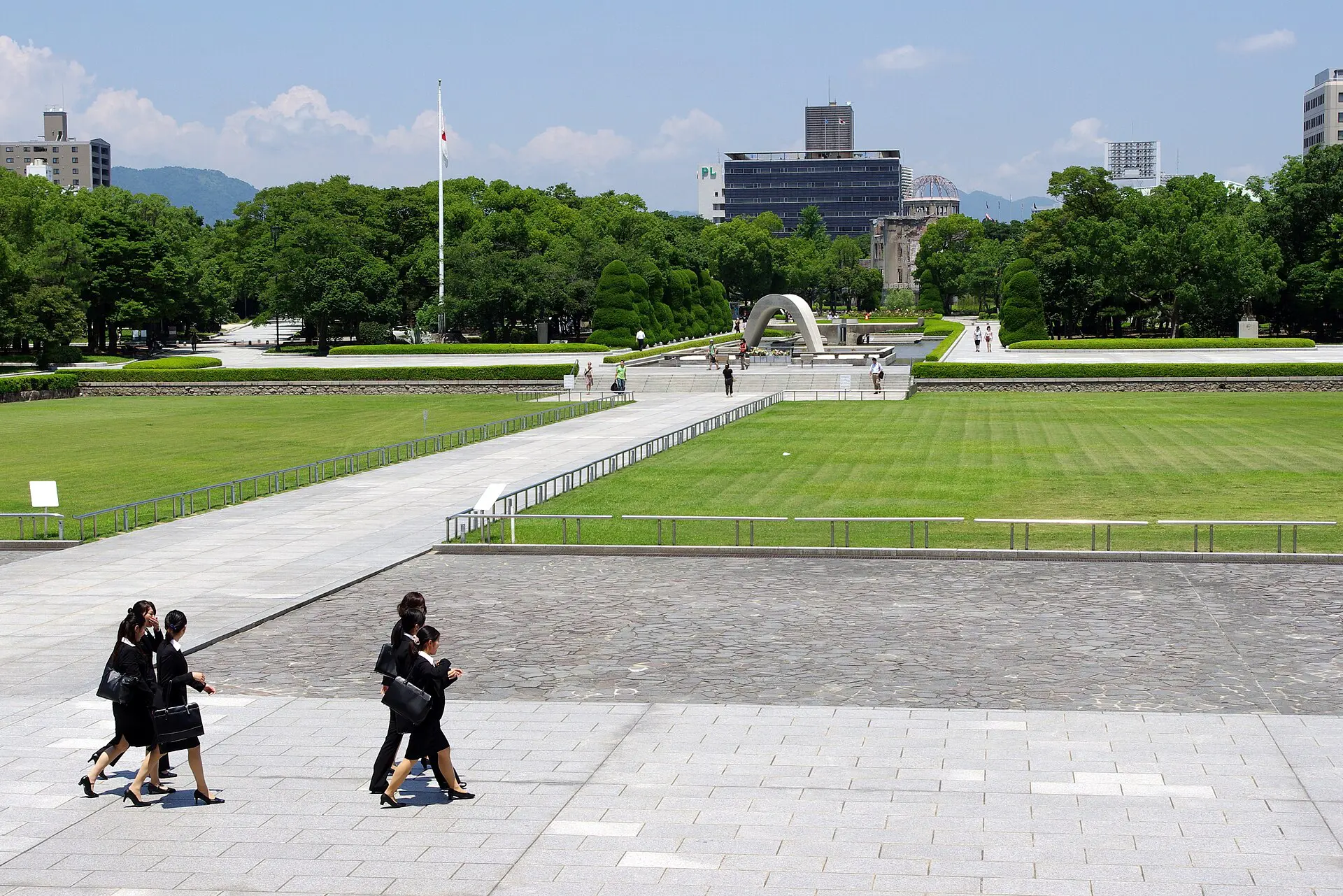
Peace Memorial Park
The park sits on a spit of land between rivers in the city centre and contains the cenotaph, the Peace Flame and several monuments. Allow one to two hours to walk the grounds. Go early in the day if you prefer a quieter, more reflective atmosphere.
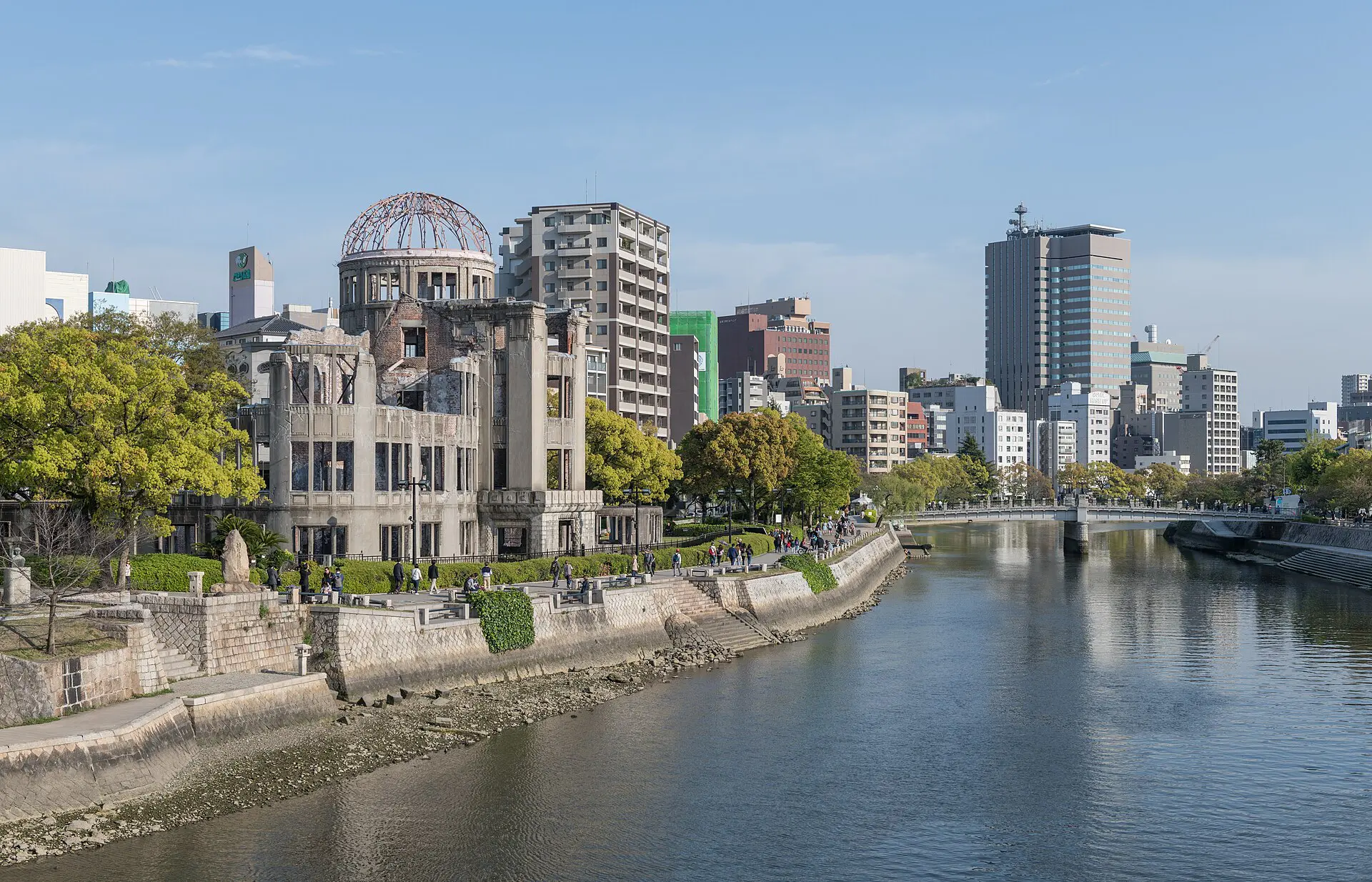
Atomic Bomb Dome
The ruined dome is the skeletal remains of a building that stood near the hypocentre and is listed as a UNESCO World Heritage Site. It is preserved as a reminder rather than restored. Plan 20 to 30 minutes, and visit at dusk, when the lighting along the river is especially atmospheric.
Hiroshima Peace Memorial Museum
The museum explains the events of 1945 through personal belongings, photographs and testimonies. It can be emotionally heavy, so plan around 1.5 to 2 hours and pace yourself. Check current ticket details and any renovation work before you go, and arrive early in busy seasons.
Hiroshima Castle
The castle was rebuilt after the war and is surrounded by a moat and grounds in the centre of the city. The main keep holds a museum on the castle and the samurai era. Allow one to two hours. Spring blossom makes the grounds especially popular, so expect more visitors in late March and early April.
Shukkeien Garden
This traditional landscape garden with ponds and bridges offers a calm break from the city. It was heavily damaged and later restored. Plan an hour, and consider visiting in autumn when the leaves change. Check opening hours and entry fees before going.
Okonomimura and local food
Hiroshima-style okonomiyaki is a signature dish, and a well-known building near the centre groups many small okonomiyaki counters together. Eat at the counter and watch the chef cook. Peak meal times can bring queues, so come slightly early or late.
Miyajima and Itsukushima Shrine
A short train and ferry ride from the city, Miyajima is home to the Itsukushima Shrine and its famous torii gate standing in the sea. Allow at least half a day. Check tide times, since the gate looks different at high and low water.
Best time to visit Hiroshima
Hiroshima has a mild climate with four seasons. Spring and autumn are the most comfortable times for walking between sights, while summer is hot and humid and winters are generally cool, with limited snow in the city itself.
| Season | Weather | Crowds and prices |
|---|---|---|
| Spring (Mar-May) | Mild, cherry blossom in late March and April | Busy at blossom time; book early |
| Summer (Jun-Aug) | Hot, humid, rainy season in June | Moderate; the 6 August memorial period is busy |
| Autumn (Sep-Nov) | Pleasant, autumn leaves in November | Popular, especially in November |
| Winter (Dec-Feb) | Cool and dry, occasional cold snaps | Quieter and often cheaper |
The typhoon season usually runs from late summer into early autumn, so keep plans flexible if you travel then.
How to get to Hiroshima and around
Hiroshima Station is on the Sanyo Shinkansen line, with trips from Osaka taking roughly 1.5 hours and from Tokyo around four hours, though times vary by train type. Hiroshima also has an airport some distance outside the city, with flights from Tokyo and other domestic cities, and buses connect it to the centre. Check current timetables and rail pass rules before booking.
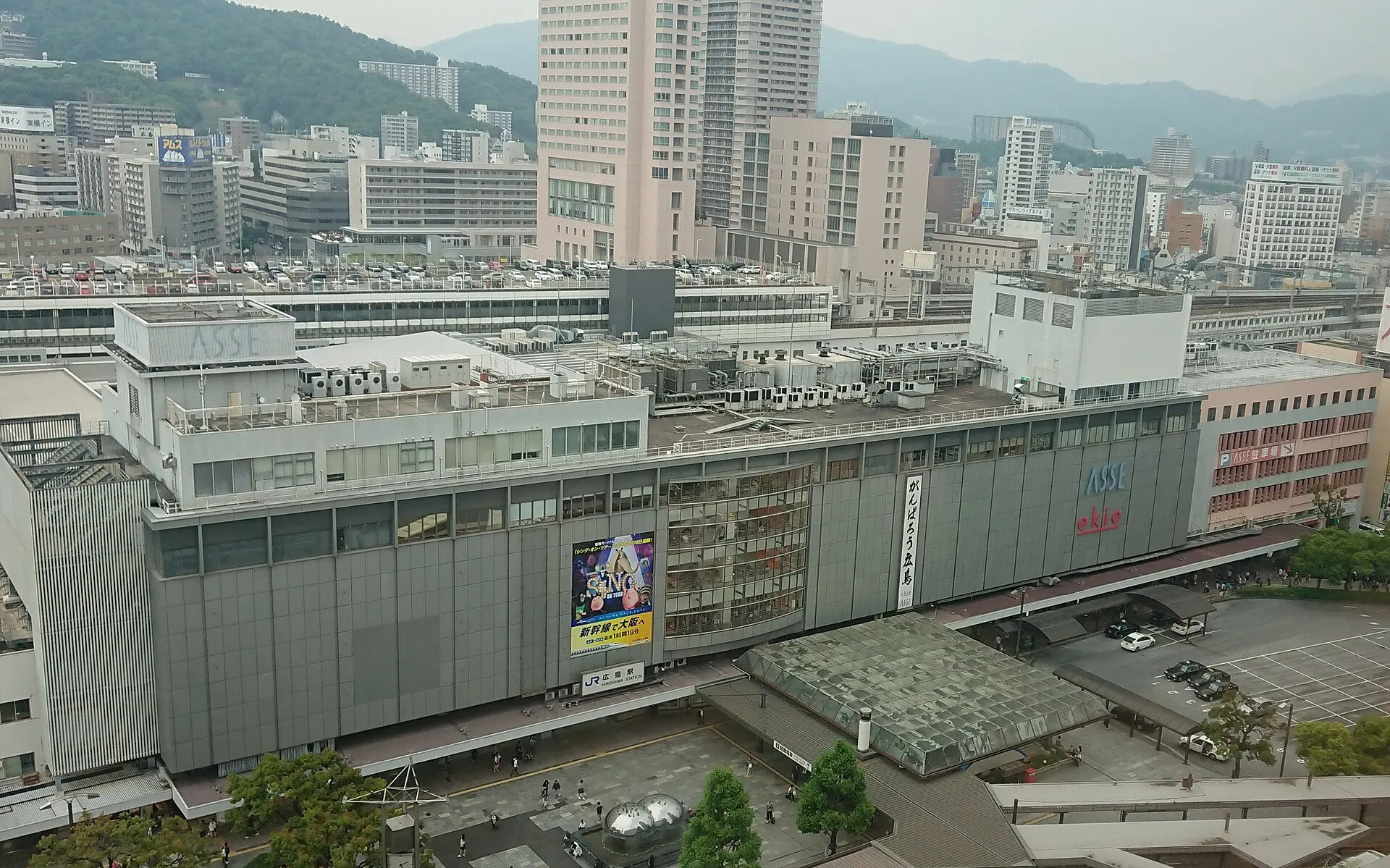
Within the city, a tram network is the most convenient way to reach the Peace Memorial Park, the castle and the main shopping districts. Fares are usually flat, and IC cards such as those used elsewhere in Japan are generally accepted. The sightseeing loop bus is another option for visitors.
For Miyajima, take a local train to Miyajimaguchi, then a short ferry ride. The trip takes roughly 45 minutes to an hour each way from the centre. Many of the core sights in the city are close enough to walk between.
Where to stay in Hiroshima
The central districts near Hiroshima Station and around Hondori and Kamiyacho put you close to the trams, the main sights and the busiest restaurants. Choosing a hotel near the station is the simplest option for short stays and onward Shinkansen connections, and many travellers appreciate the convenience of trams stopping nearby.
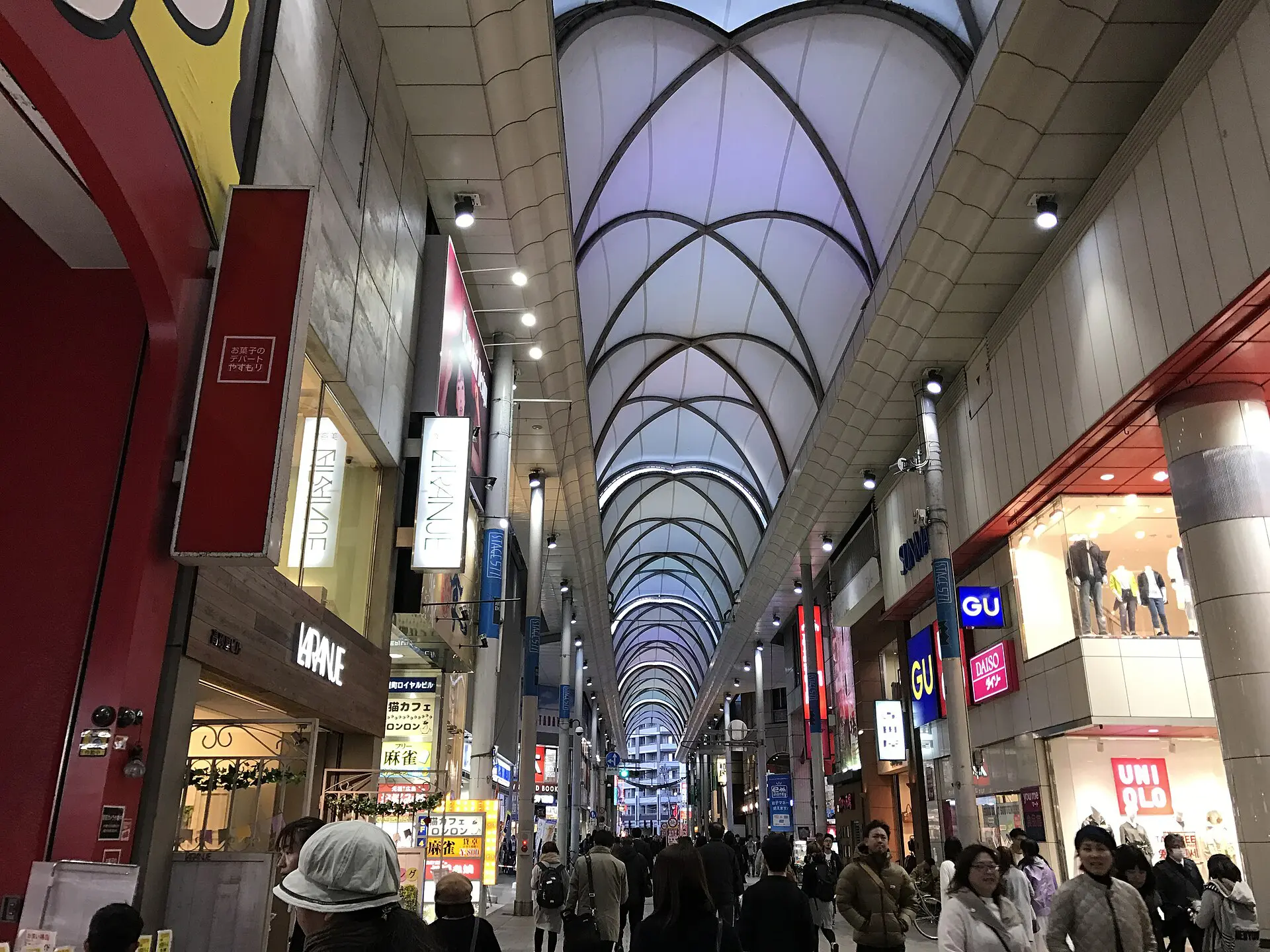
The area around the Peace Memorial Park and Hondori suits visitors who want to walk between sights and to restaurants in the evening. Nagarekawa is the main entertainment district, so expect more noise in the evening.
If you want a quieter stay on Miyajima, a traditional inn is a memorable choice, but rooms are limited and prices are higher, so book well in advance. Business hotels and mid-range options across the central city are generally reliable and good value.
How many days do you need?
Two days is a good length for Hiroshima. That gives enough time for the main memorial sites, the city’s food and a half-day on Miyajima. If you only have one day, focus on the Peace Memorial Park and Museum, then take an early evening ferry to see the shrine at dusk.
- Day 1: Walk through the Peace Memorial Park, visit the museum and the Atomic Bomb Dome, then visit Hiroshima Castle and eat okonomiyaki in the evening.
- Day 2: Take the train and ferry to Miyajima, visit Itsukushima Shrine and walk the island paths, then return in the afternoon.
- Day 3 (optional): Visit Shukkeien Garden and add a day trip along the Inland Sea or on to Fukuoka or Kyoto.
Day trips and nearby
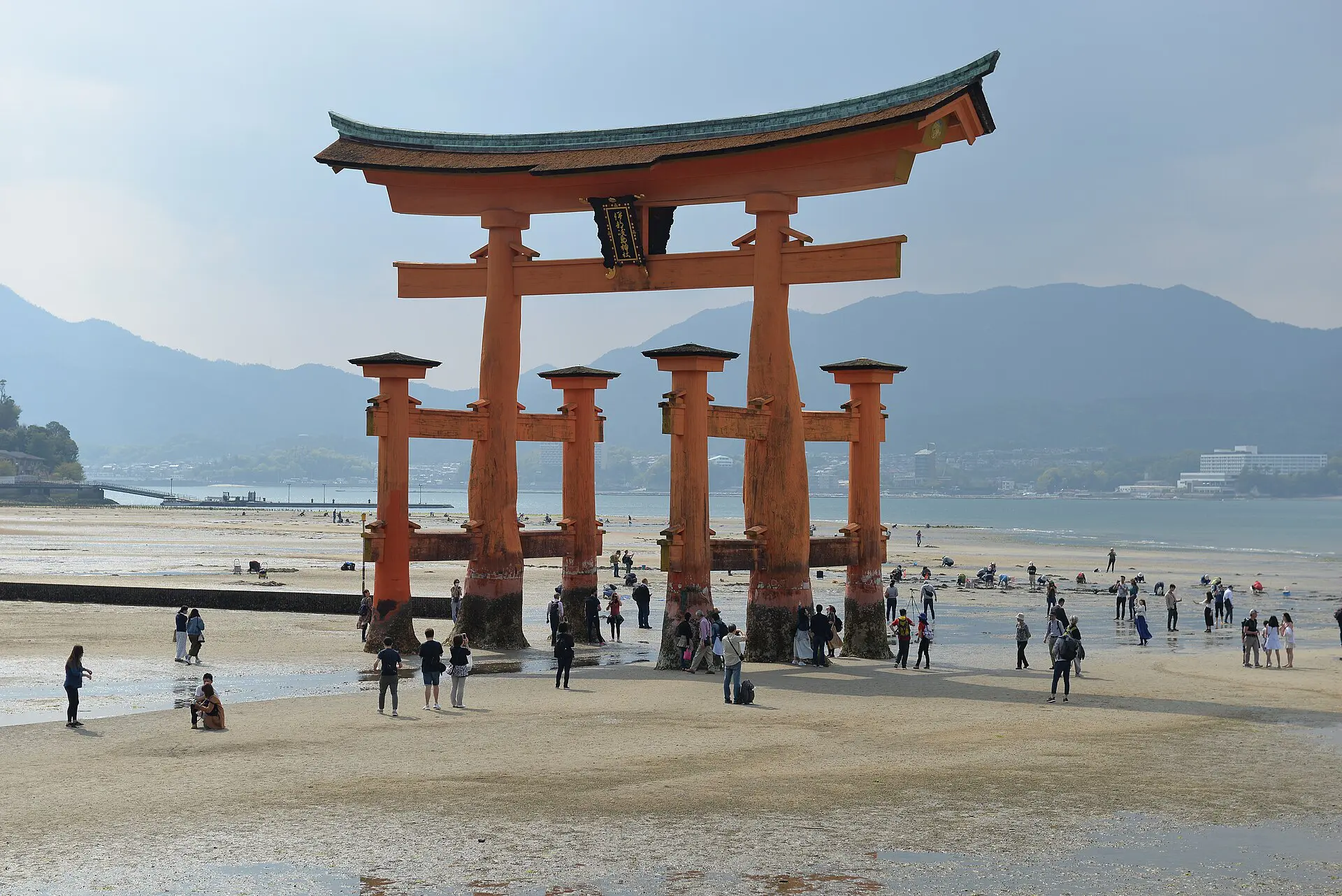
Miyajima
The island is the most popular trip from Hiroshima and is reached by train and a short ferry. Spend half a day to a full day on the shrine, walking trails and local snacks. Check the ferry timetable, since services run frequently but not through the night.
Okayama and Kurashiki
East of Hiroshima along the Shinkansen line, these cities are a useful stop on the way to Osaka or Kyoto. Kurashiki has a well-preserved canal district. Plan a day if you want to see them from Hiroshima, or break your onward journey.
Iwakuni
Iwakuni, to the southwest, is known for its wooden arch bridge, the Kintaikyo. It is within about an hour from Hiroshima by train. Allow half a day for the bridge and the nearby castle on the hill above the town.
Fukuoka and Kyushu
Fukuoka is about an hour to 1.5 hours from Hiroshima by Shinkansen, depending on train type. It works as an onward destination, with a strong food scene and access to the rest of Kyushu, rather than as a simple day trip.
FAQ
Q1How many days do you need in Hiroshima?
Two days is ideal: one for the Peace Memorial Park, the museum and the city, and one for Miyajima and the Itsukushima Shrine. You can see the highlights in a single long day if you are travelling onward by Shinkansen and start early.
Q2When is the best time to visit Hiroshima?
March to May and October to November offer the most comfortable weather, with cherry blossom in spring and autumn leaves in November. Summer is hot and humid, and typhoons are possible from late summer into autumn, so keep your plans flexible.
Q3How do you get to Hiroshima from Osaka or Tokyo?
The Sanyo Shinkansen runs directly to Hiroshima Station, taking roughly 1.5 hours from Osaka and around four hours from Tokyo, depending on the train type. Domestic flights from Tokyo are another option. Check current timetables and rail pass eligibility.
Q4Is Hiroshima worth visiting?
Yes. The Peace Memorial Park and Museum are among the most important historic sites in Japan, and the city also offers good food, tram-linked sights and Miyajima nearby. The museum is emotionally heavy, so build in quiet time during your visit.
Prices, schedules and entry rules change. Check current details with official sources before you travel. Read the Japan travel guide.