Why visit Hakone
If you are looking for things to do in Hakone, begin with the setting. It is a mountainous area west of Tokyo, and the Hakone checkpoint on the historical Tokaido road marks the beginning of the Kanto region. It is a key stop on the Golden Route between Tokyo and Osaka.
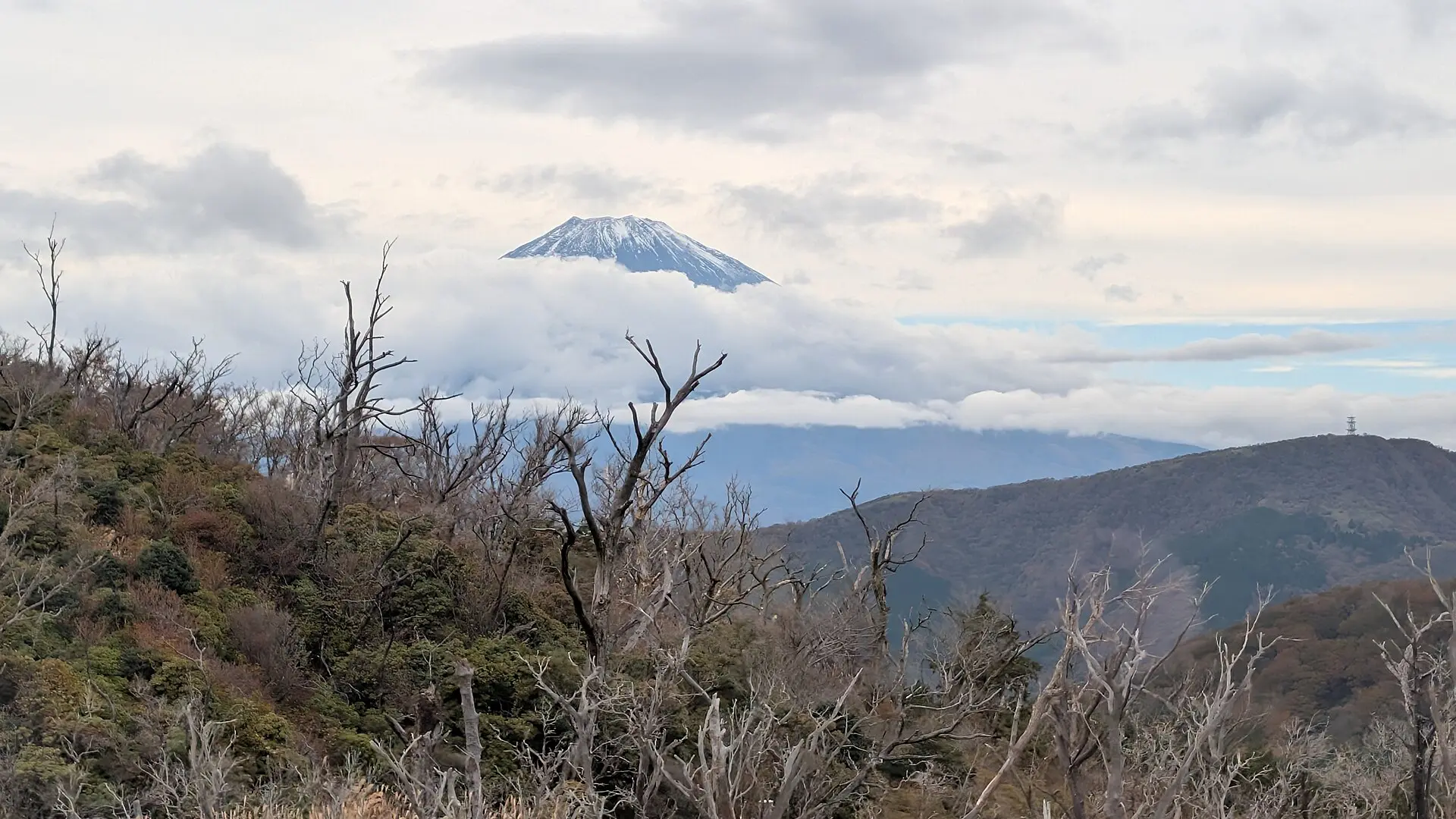
Hakone is popular with domestic and international visitors for two reasons: it is close to Tokyo, and it has good views of Mount Fuji. It is also the default choice for many visitors who want to experience an onsen hot spring or a traditional ryokan inn.
The same source warns that it can be crowded, expensive and kitschy. That is worth keeping in mind. Hakone works best with a plan, an early start and a night in a good inn, rather than a rushed day of connections. Fuji views depend on weather and are never guaranteed.
Top things to do in Hakone
Onsen and ryokan
Soaking in a hot spring is the classic Hakone experience, either at a ryokan or at a day-use bath. Allow one to two hours at a bath, and an evening at an inn. Tip: learn basic onsen etiquette first, as rules on washing, towels and tattoos vary by facility.
Lake Ashi
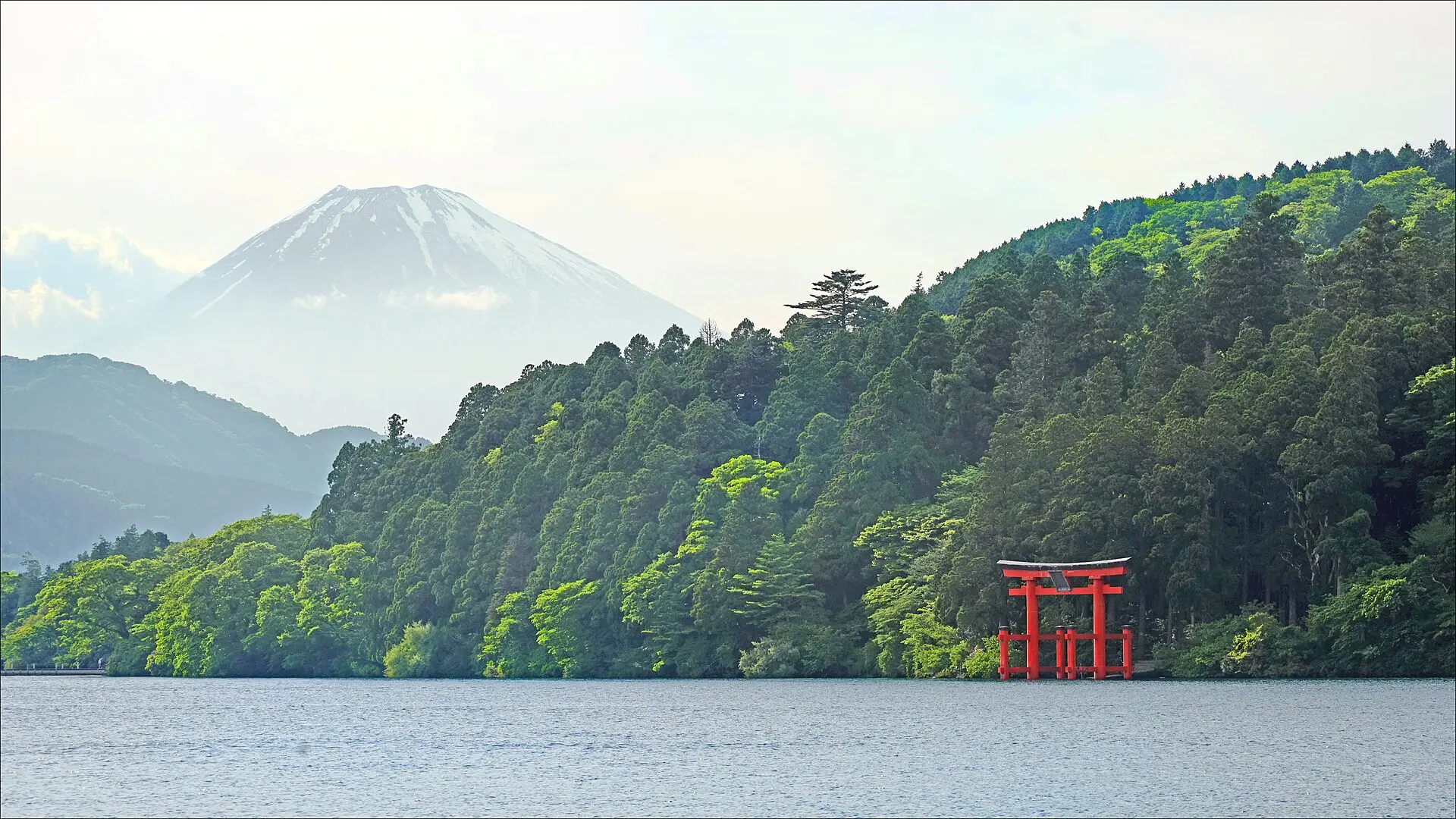
The lake is the centre of the area, with sightseeing boats, shoreline walks and views of Mount Fuji on clear days. Allow one to two hours for a boat ride and a walk. Tip: check current boat schedules and weather, as clouds often hide the mountain.
Hakone Shrine
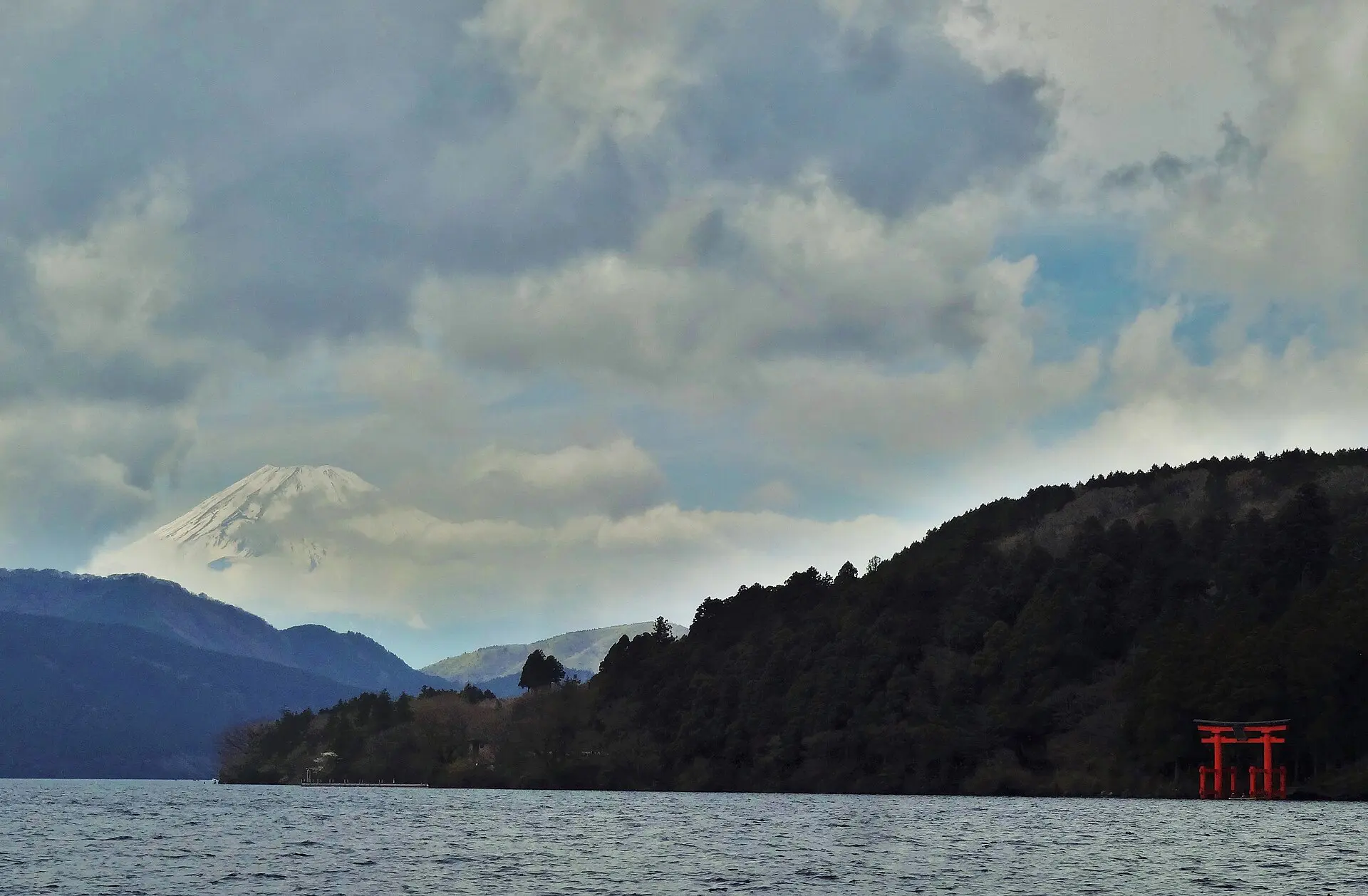
The shrine stands beside the lake in a wooded setting, and its red torii gate in the water is a well-known sight. Allow about an hour. Tip: arrive early to avoid queues for photographs.
Owakudani
This volcanic valley has steaming vents and a sulphur smell, and is reached by ropeway when it is operating. Allow one to two hours. Tip: access can be restricted when volcanic gas levels are high, so check current status before you go.
Hakone Open-Air Museum
A sculpture park set in the hills, with outdoor works and indoor galleries. Allow two to three hours. Tip: check the current opening hours and ticket arrangements, and wear comfortable shoes.
Hakone Tozan Railway
The mountain railway climbs through forest and is part of the standard sightseeing loop. Allow part of a day for the full circuit. Tip: it can be crowded in peak seasons, so start early.
Old Tokaido road
Sections of the historic road and the checkpoint area give a sense of the area’s role as a travel route. Allow one to two hours. Tip: wear good shoes, as stone paths can be uneven and slippery.
Best time to visit Hakone
Spring and autumn are the most popular seasons, with mild weather and, in autumn, colourful leaves. Both are busy, especially on weekends and national holidays, so book accommodation early and start days early.
Summer is warm and humid, but the higher elevations are cooler than Tokyo, which makes it a popular escape. Clouds and haze can hide Mount Fuji. Winter has the clearest air and the best chance of Fuji views, and hot springs feel particularly welcome in the cold. Some mountain areas can see snow or ice, so check transport conditions. Rainy periods in early summer and typhoon season in late summer and autumn can disrupt plans, so keep a flexible schedule.
How to get to Hakone and around
The nearest airports are quite far, in the Tokyo area, so allow time between landing and reaching Hakone, ideally arriving at least a day after you land if you are staying at a ryokan. From Tokyo, trains reach Odawara and Hakone-Yumoto, the usual gateways, and a limited express service runs from Shinjuku. Check current timetables and options.
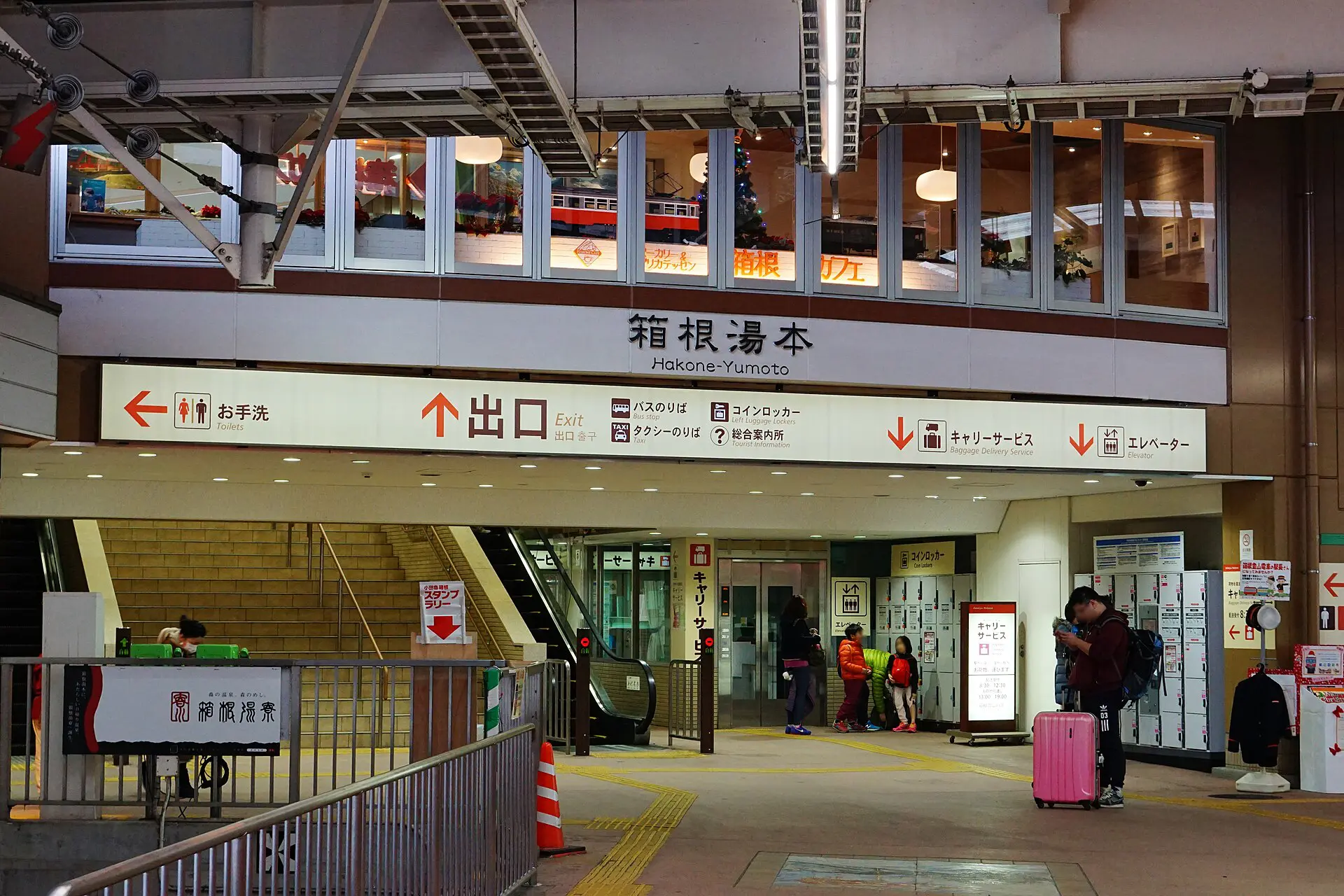
Inside Hakone, a mix of mountain railway, cable car, ropeway, boats and buses forms the standard sightseeing loop. A regional pass may save money if you plan to use several of these, so compare the cost against single tickets. Services can be disrupted by weather or volcanic activity, so check updates before you travel.
Where to stay in Hakone
A ryokan is the signature stay, usually with a hot spring bath, a futon bed and a multi-course dinner. It suits couples and anyone who wants to experience the traditional side of Japan. Book well ahead for weekends and autumn.
Hakone-Yumoto is the main gateway town and is practical for those who prefer easy transport links. Areas around Lake Ashi suit travellers who want scenery and quieter evenings, while Gora and Sengokuhara are handy for museums and the mountain routes. Western-style hotels are also available. Rates are high at peak times, so compare options and check what is included, such as meals and bath access.
How many days do you need?
You can see highlights in a long day trip from Tokyo, but it can feel rushed. One night allows a ryokan stay and a calmer pace. Two nights lets you explore beyond the standard loop.
- Day 1: Arrive in the morning, take the mountain railway and ropeway, visit Owakudani if open, and check in to your inn for an evening soak.
- Day 2: Take a lake boat, visit Hakone Shrine, and see the Open-Air Museum before heading back to Tokyo.
Day trips and nearby
Tokyo
Tokyo is the usual starting point and the most common return destination. Hakone can be a day trip, but plan a night if you want to enjoy the onsen properly.
Yokohama
Yokohama lies on the route between Tokyo and Hakone and is an easy stop with a waterfront and port history. Check train options to combine it with the trip.
Kyoto and Osaka
These are the next stops on the Golden Route, reached by train. Allow a half day for travel and treat them as separate destinations, not day trips.
Nagoya
Nagoya lies farther along the same main rail corridor and suits an onward stop rather than a side trip. Check current train schedules.
FAQ
Q1When is the best time to visit Hakone?
Spring and autumn are the most popular, with mild weather and autumn colour, but they are busy. Winter offers the clearest air and the best chance of Mount Fuji views. Summer is warm and humid, though cooler than Tokyo. Weather can block views in any season.
Q2How many days do you need in Hakone?
One day is possible from Tokyo, but one night is better, as it lets you enjoy an onsen and a ryokan dinner without rushing. Two nights give time for the museum, the lake and quieter walks beyond the standard loop.
Q3How do you get to Hakone?
Take a train from Tokyo to Odawara or Hakone-Yumoto, the main gateways. A limited express service runs from Shinjuku, and the nearest airports are in the Tokyo area. Check current timetables, passes and any disruption from weather or volcanic activity before you go.
Q4Is Hakone expensive?
It can be. Hakone is popular, crowded and expensive, and ryokan stays with meals are a major cost. You can reduce spending with a day trip, a business hotel or a regional pass. Check current prices and what is included.
Prices, schedules and entry rules change. Check current details with official sources before you travel. Read the Japan travel guide.