Why visit Vatican City
This Vatican City travel guide starts with the case for going: in an area of only 0.44 square kilometres, the state packs the largest church in Christendom, a papal palace, gardens and a museum complex with works by Raphael, Michelangelo and many others (see the Wikipedia overview for background). It is the seat of the Catholic Church and an independent state, completely surrounded by Rome.
It suits art and history lovers, pilgrims and anyone visiting Rome for the first time. It also works for short stays: St Peter’s Basilica and the museums can fill a day on their own. The trade-offs are crowds, security queues and a dress code, so plan around them. Most visitors sleep in Rome, since the Vatican itself has no hotels for tourists, and treat the Vatican as a one- or two-day highlight within a longer Rome trip.
Best places to visit in Vatican City
The best places to visit in Vatican City are all within a few hundred metres of each other, so the question is how to sequence them and when to book.
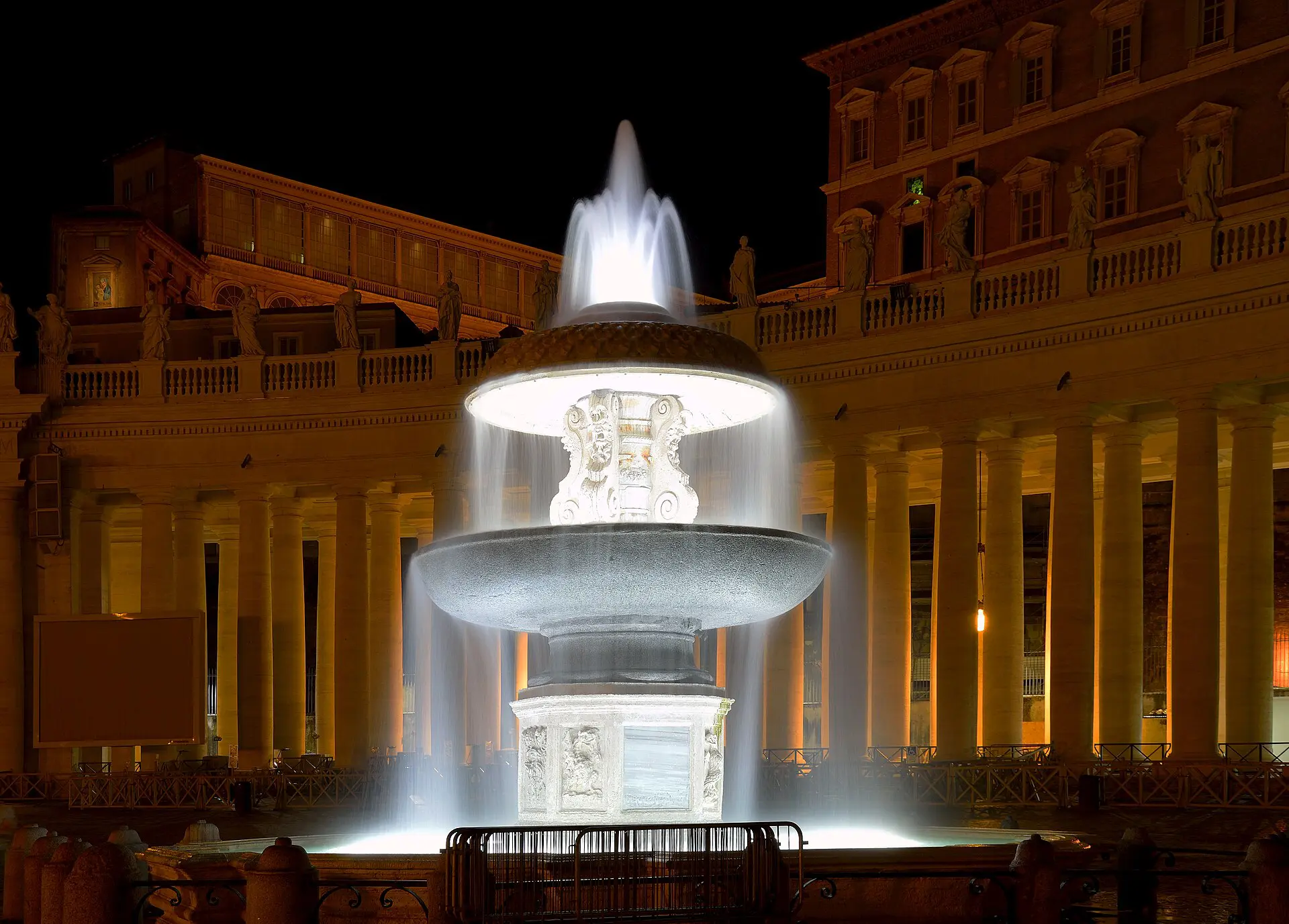
St Peter’s Square
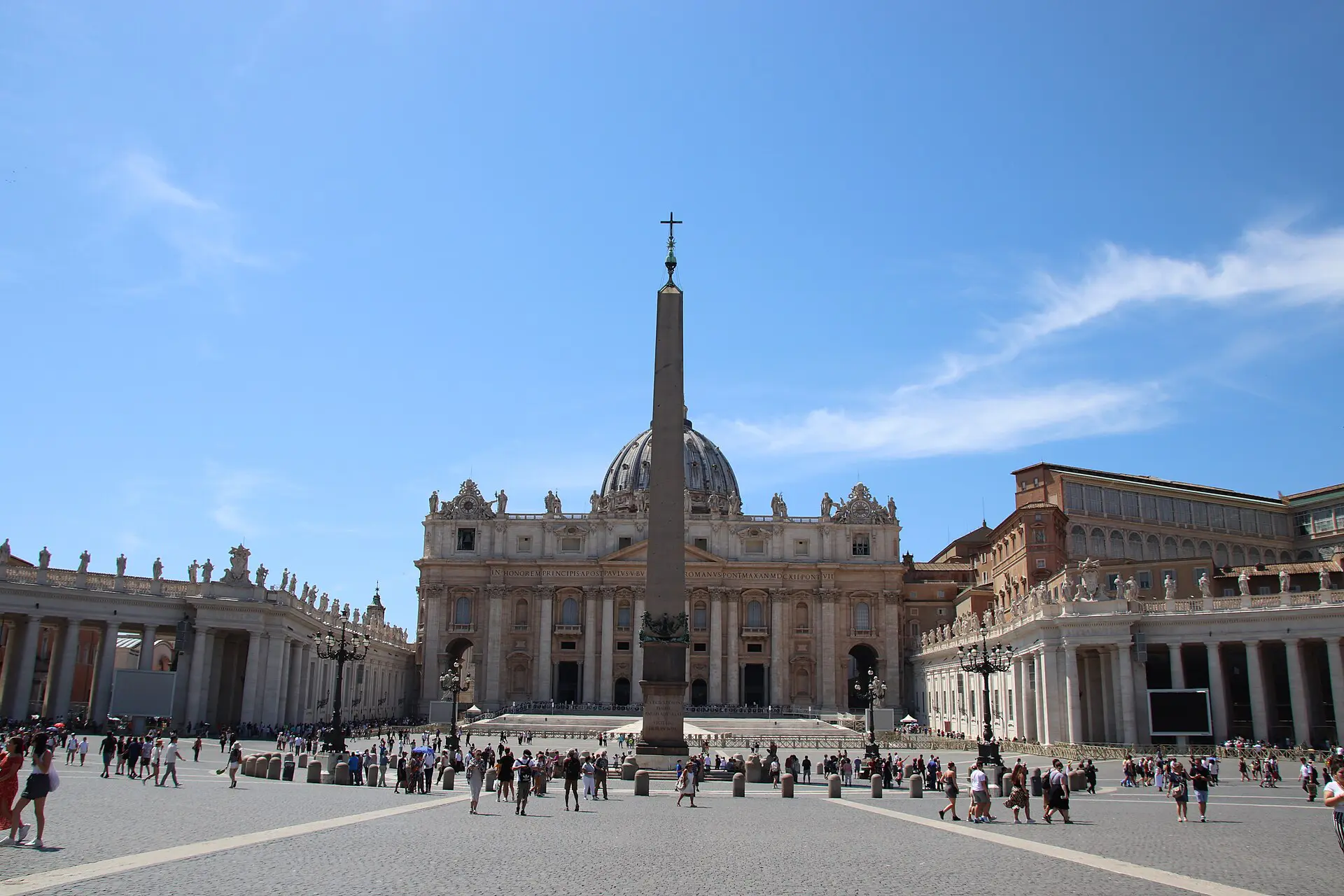
Designed largely by Bernini, the oval square is framed by colonnades of 284 columns and centred on an Egyptian obelisk. It is free to enter, though security checks create queues, and it fills for papal audiences and the Sunday Angelus blessing.
St Peter’s Basilica
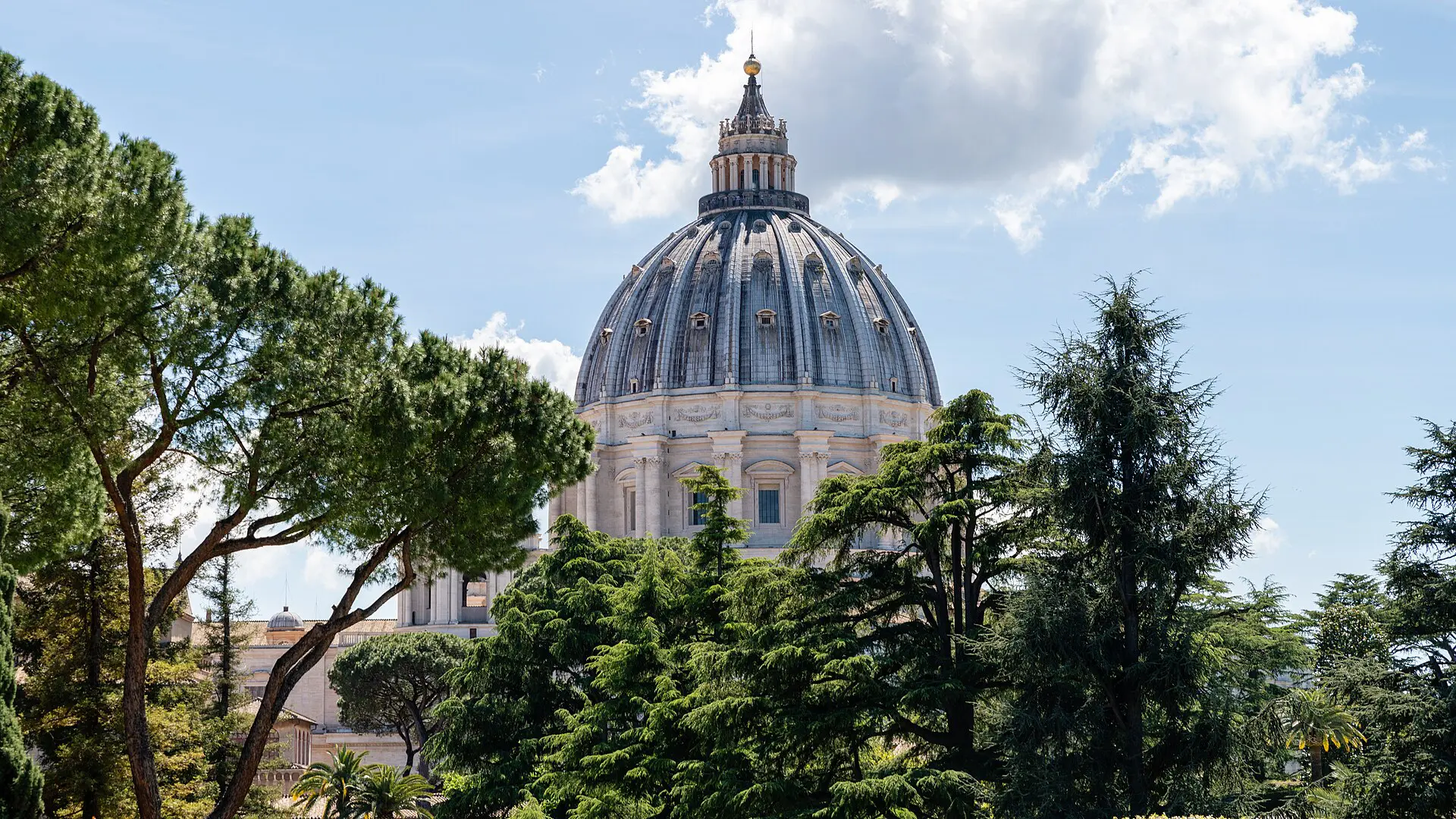
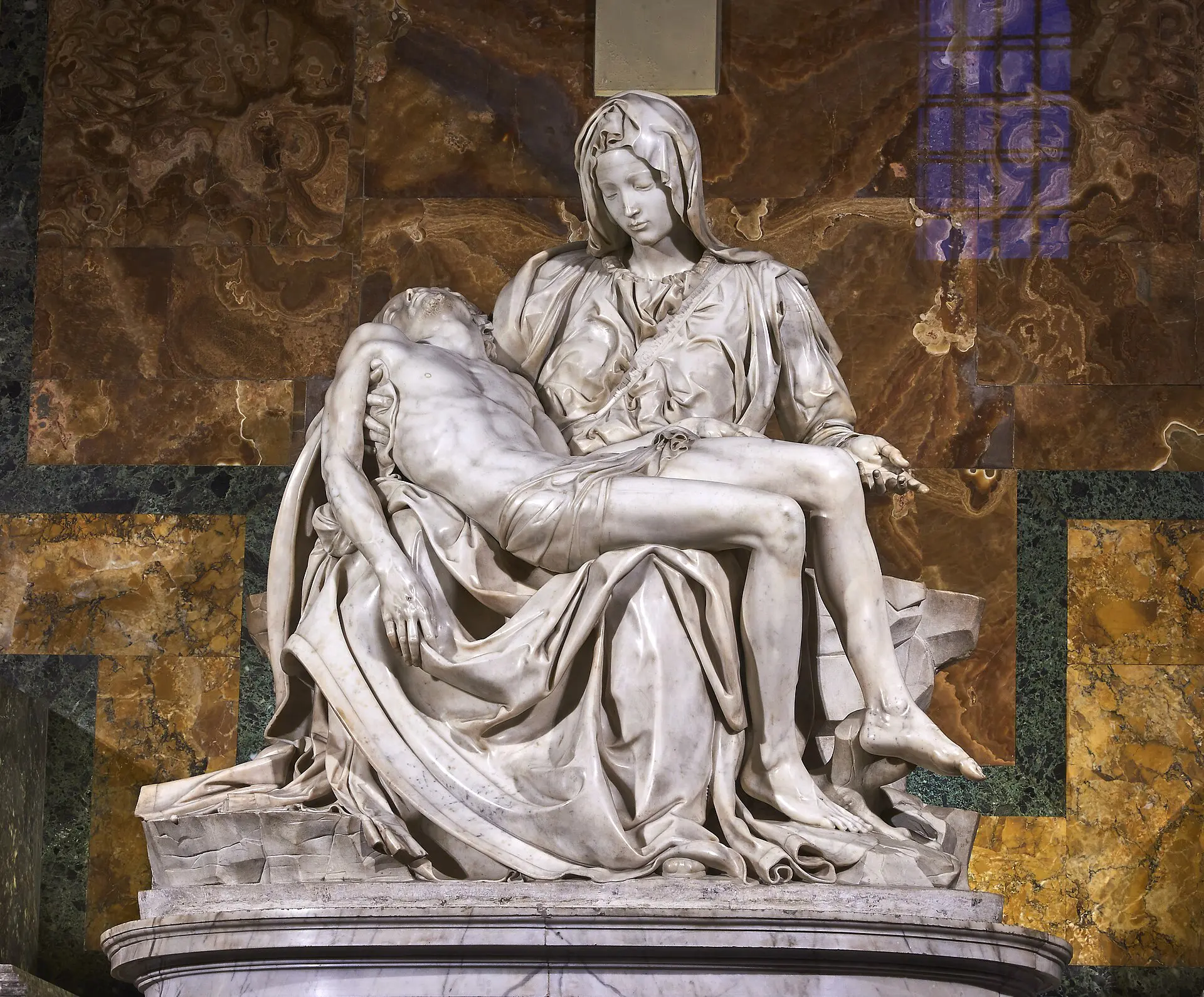
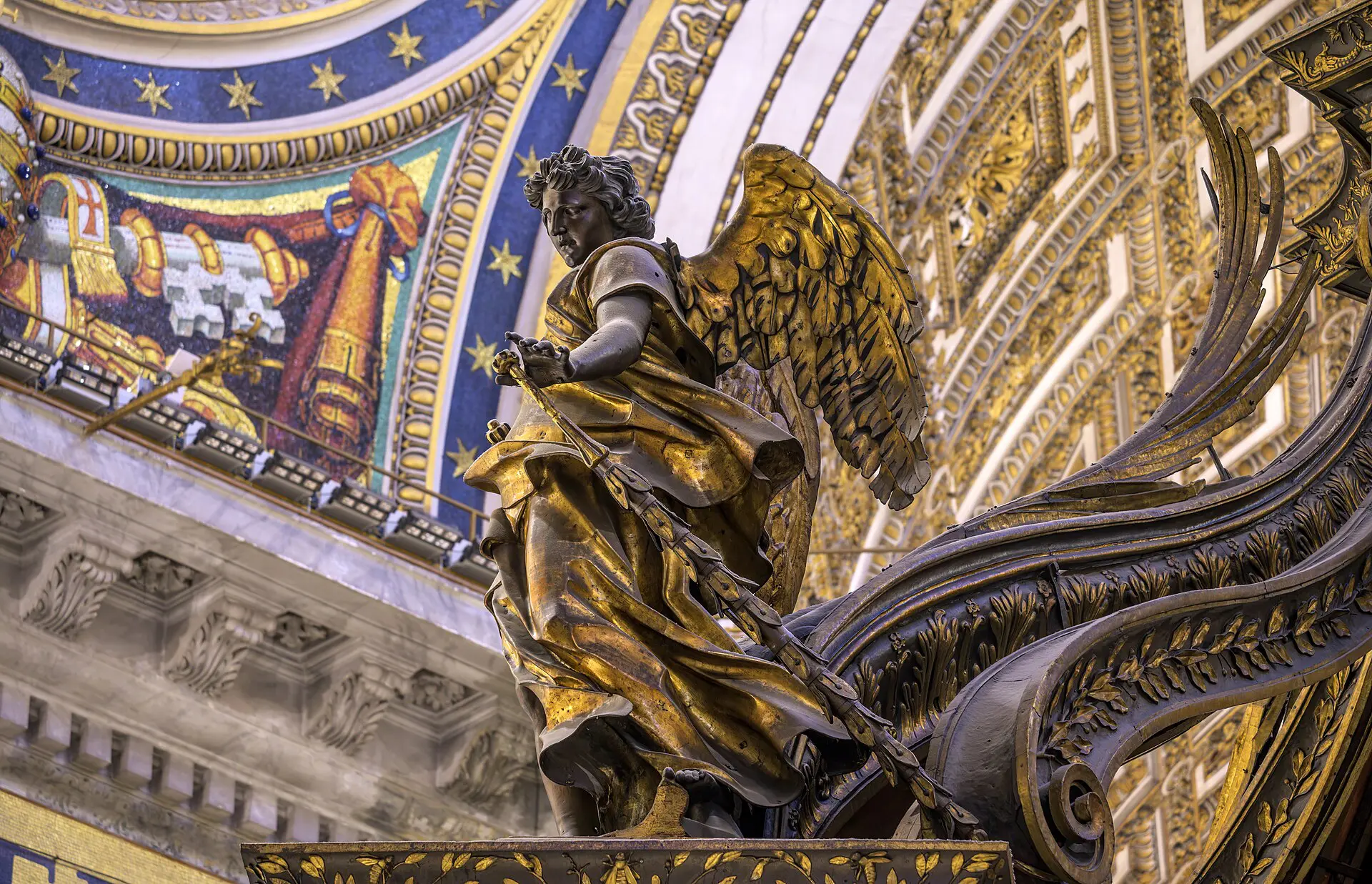
The basilica has free entry, but security lines can be long. Inside, see Michelangelo’s Pietà, Bernini’s bronze canopy over the papal altar and the dome. You can climb the dome for a fee by stairs or partly by lift, which gives views over the square and Rome.
Vatican Museums and the Sistine Chapel
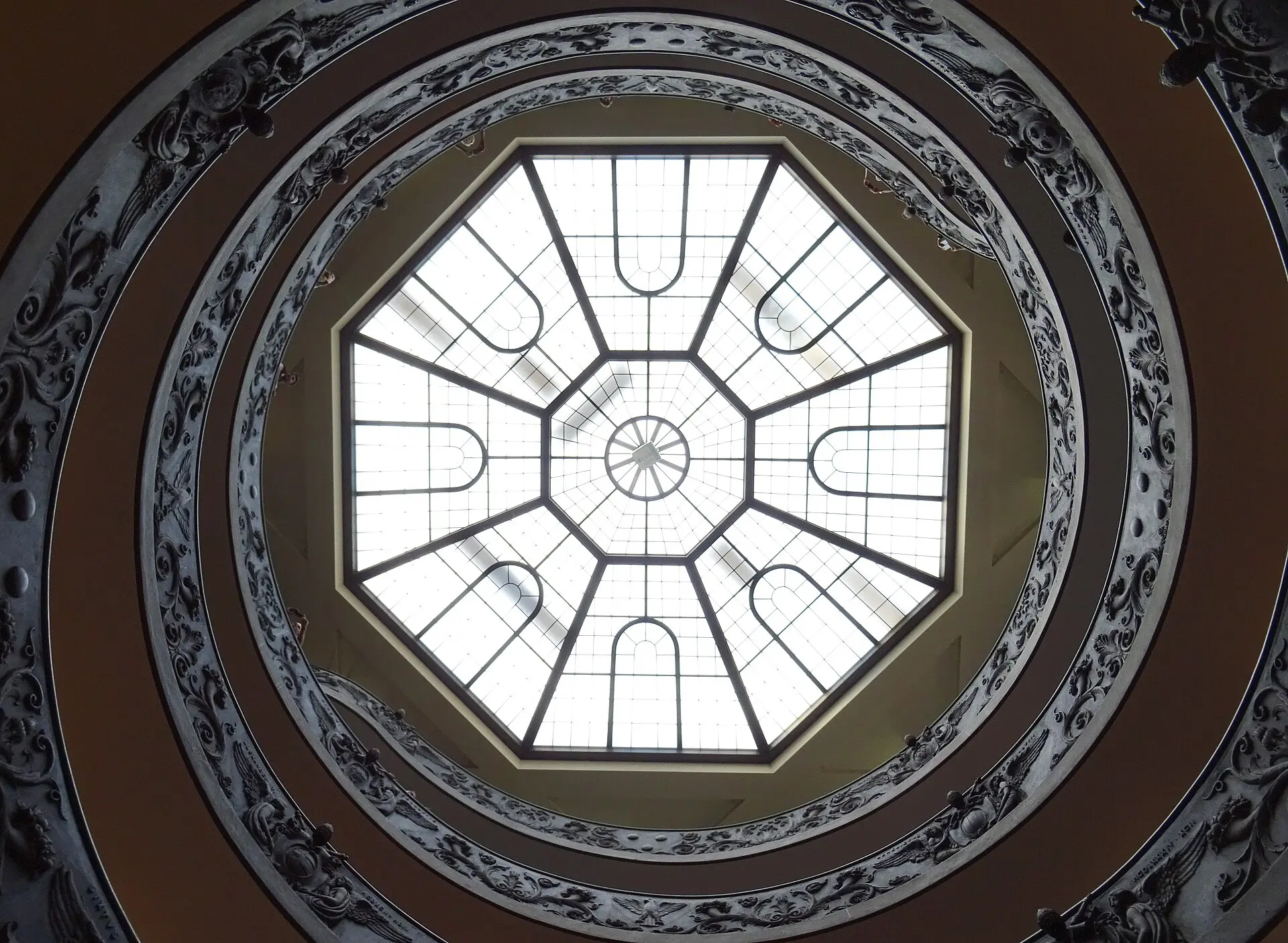
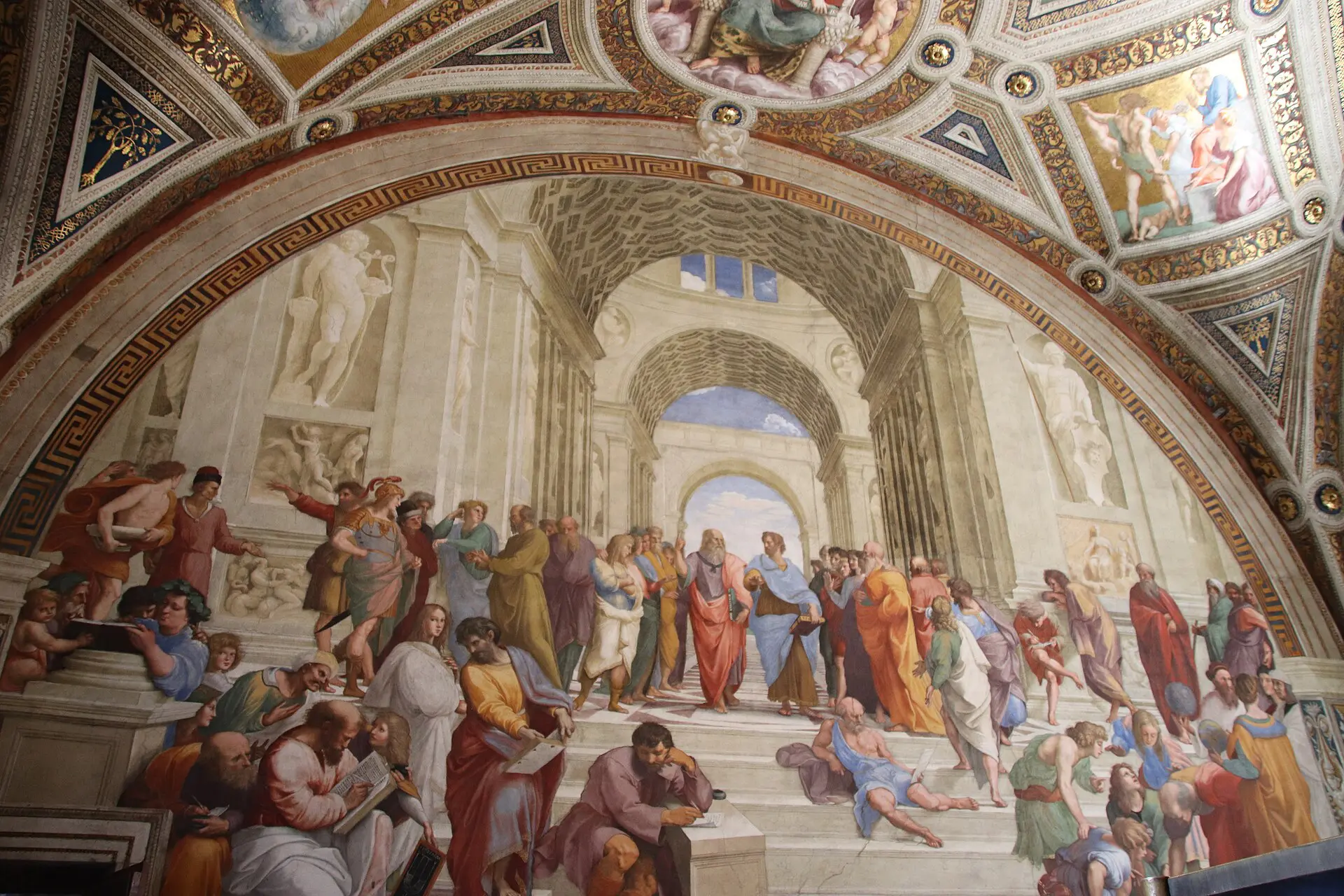
The museums cover about seven kilometres of galleries and end in the Sistine Chapel, with Michelangelo’s ceiling and Last Judgment. The Raphael Rooms, the Gallery of Maps and the spiral staircase are highlights. Book timed tickets in advance.
Vatican Gardens
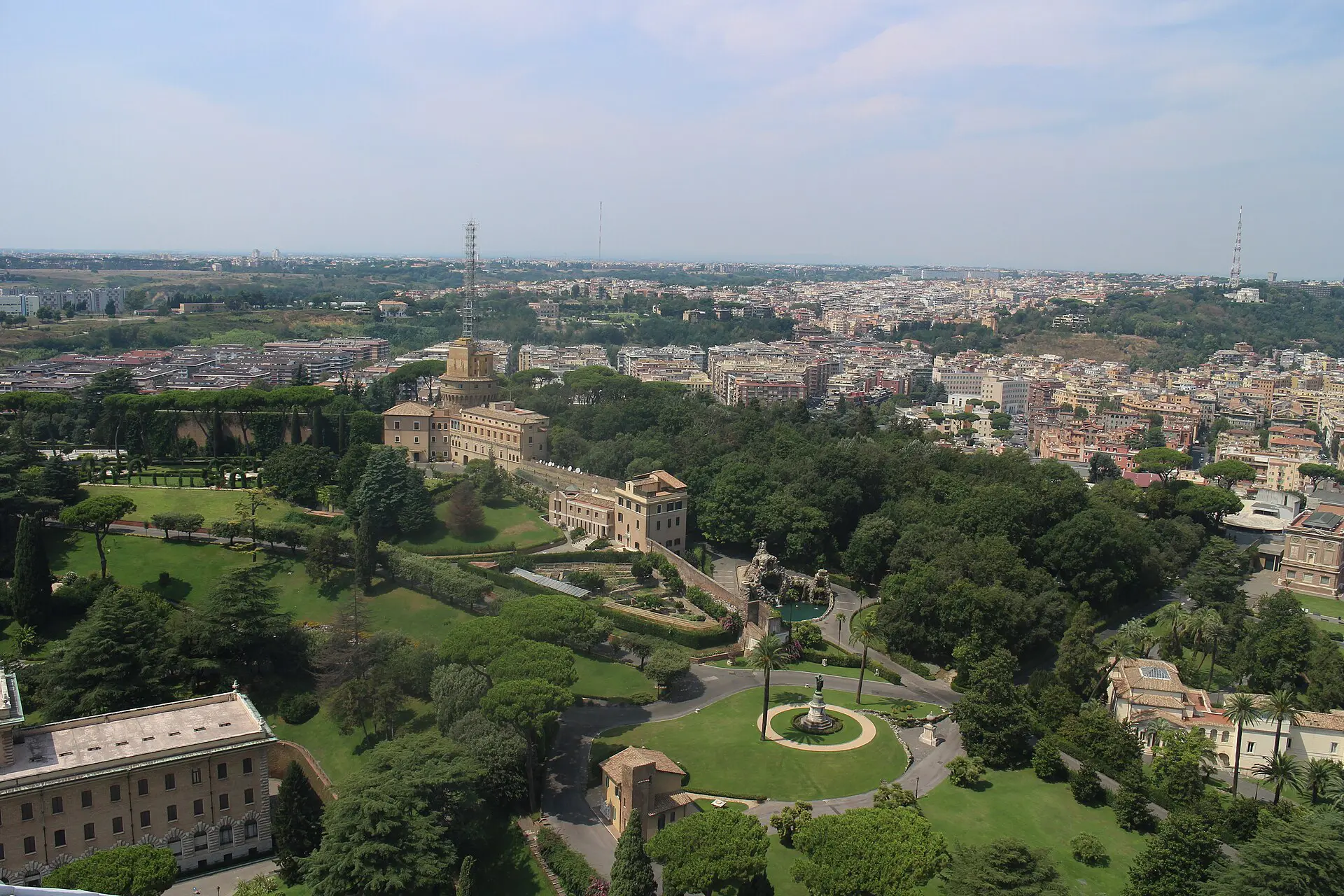
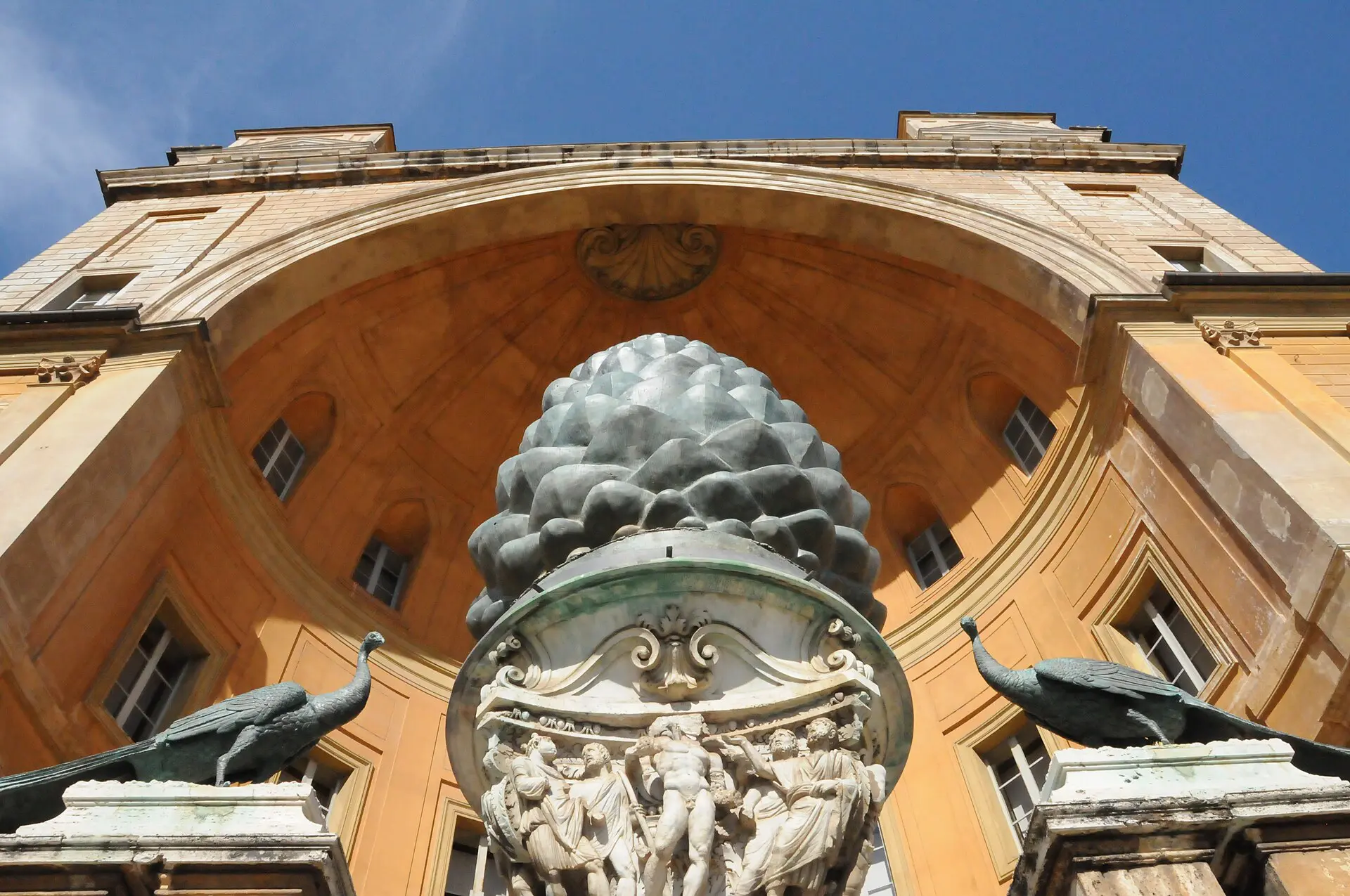
Reachable only by guided tour, the gardens cover a large part of the state and include fountains, lawns and terraced paths. Book ahead through the Vatican Museums.
Castel Sant’Angelo
Just outside the Vatican in Rome, this former mausoleum and fortress is linked to the Vatican by a covered passage and is often paired with a visit.
Top things to do in Vatican City
The top things to do in Vatican City combine art, architecture and ceremony, and most need advance planning.
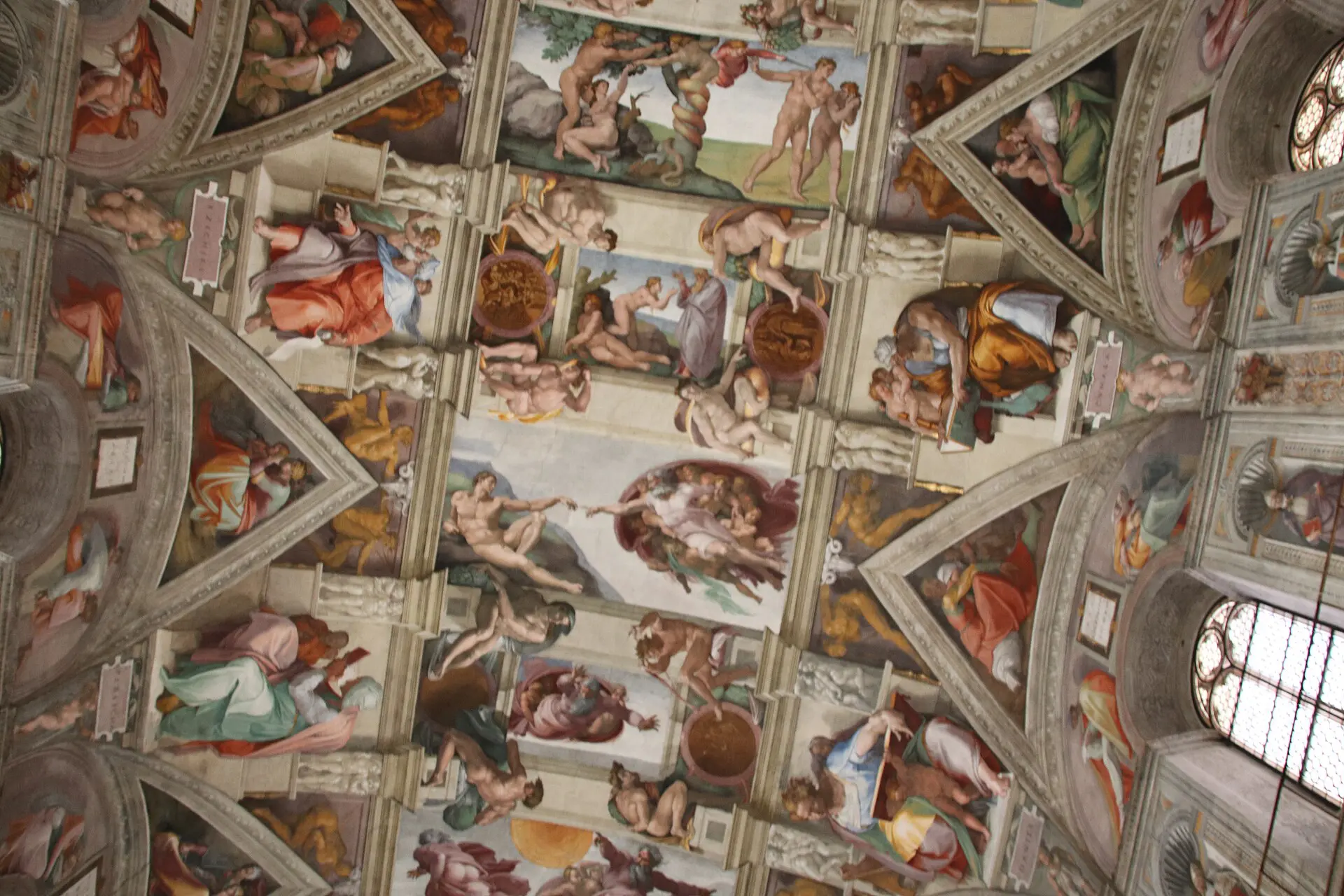
- See the Sistine Chapel ceiling: Michelangelo’s frescoes are at the end of the museum route, and no photography is allowed inside.
- Walk through the Raphael Rooms: the School of Athens is the best-known fresco in the suite.
- Visit St Peter’s Basilica: admire the Pietà, the papal altar and the size of the interior.
- Climb the dome: the stairs are narrow and steep, but the view across Rome is worth the effort.
- Join a papal audience or the Angelus: the pope usually holds a general audience on Wednesdays and an Angelus blessing on Sundays at noon, subject to the schedule.
- Tour the Vatican Gardens: a guided walk covers the lawns, fountains and views of the basilica dome.
- Look at the Gallery of Maps: a long corridor with painted maps of Italy.
- Walk the Spiral Staircase: a double-helix ramp at the museum exit, designed for easy photography of its curves.
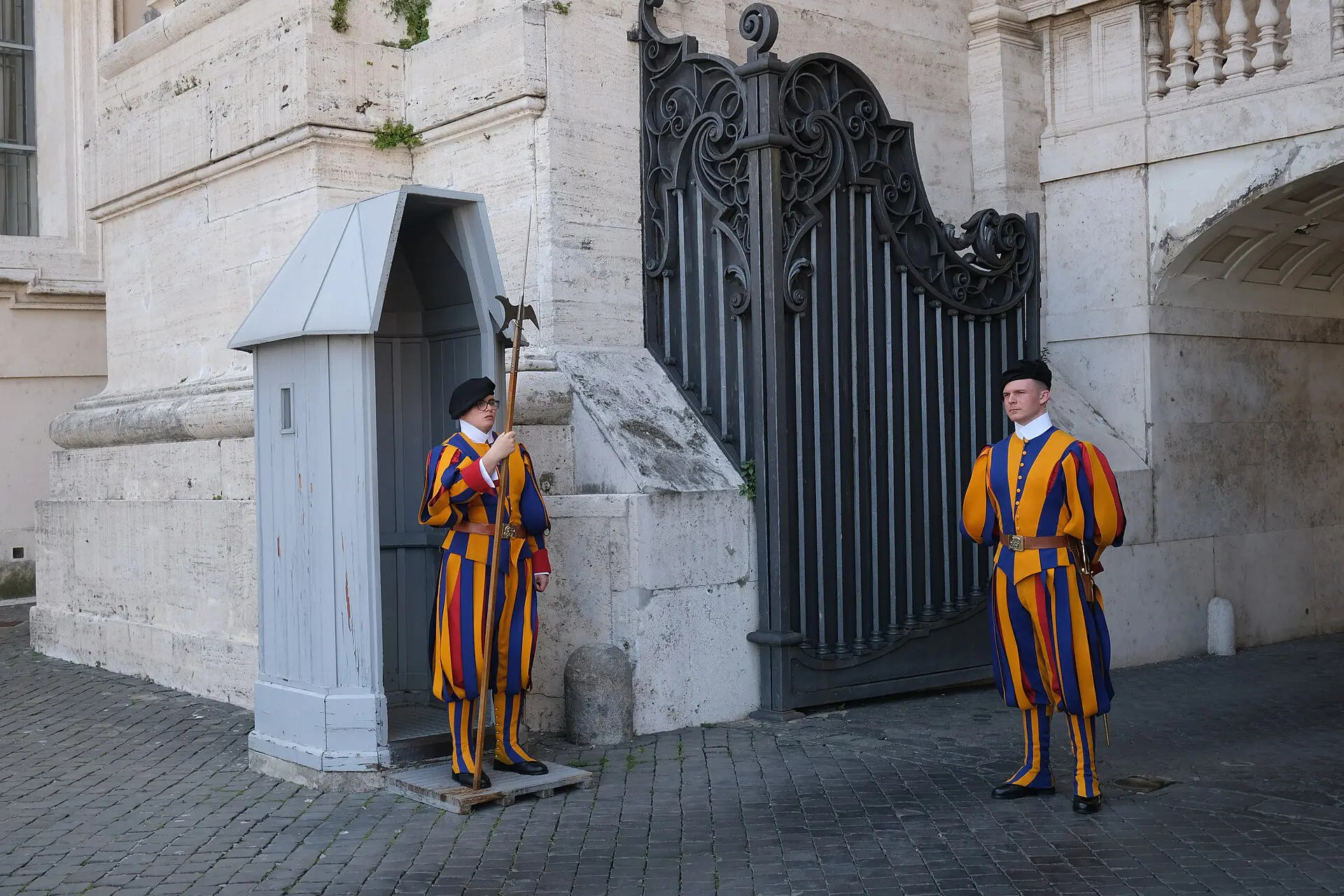
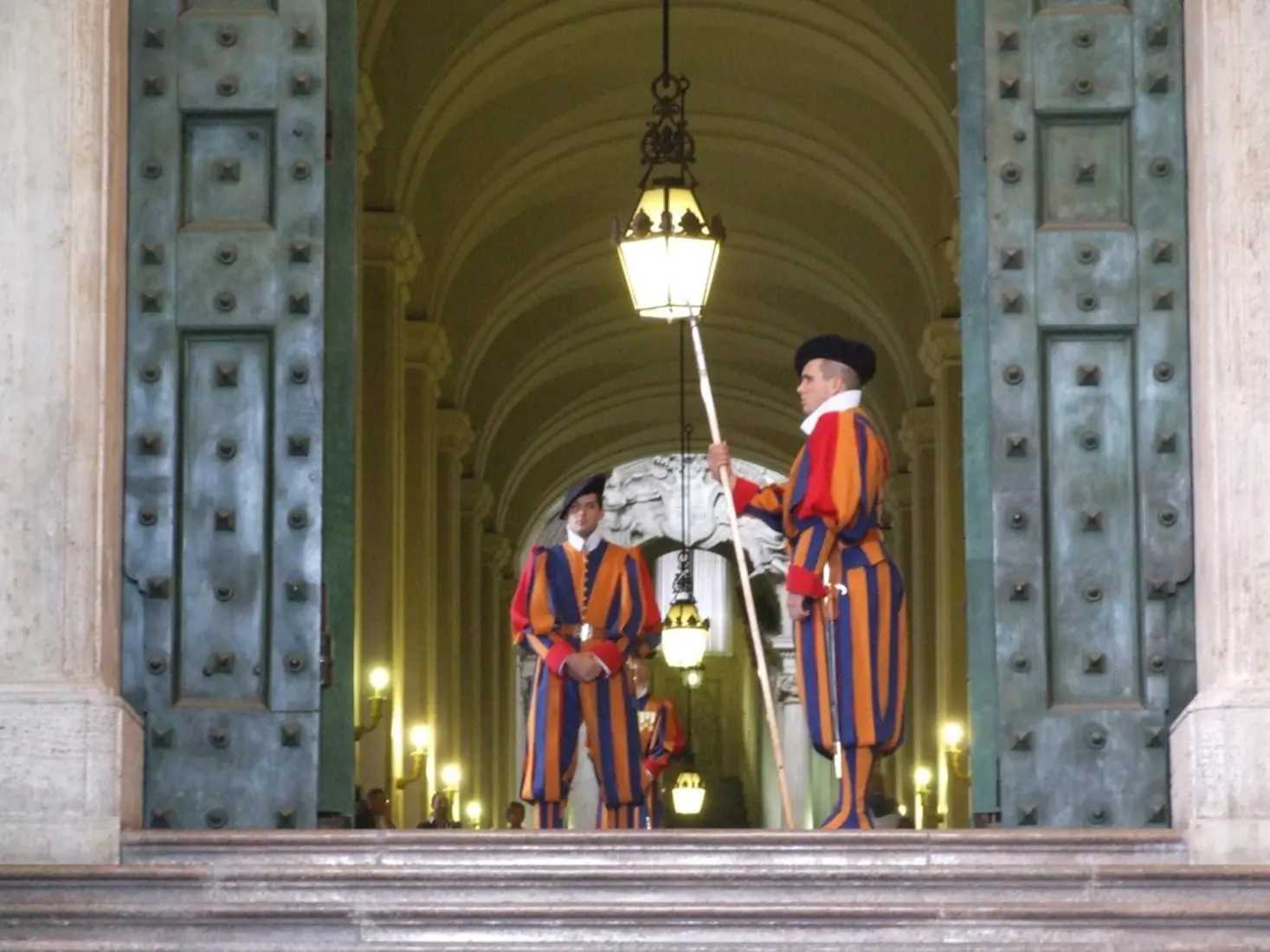
- Watch the Swiss Guard: the colourful guards stand at entrances such as the Porta Sant’Anna.
- Send a postcard: the Vatican Post Office sells its own stamps, and mail goes through its own service.
Best time to visit Vatican City
The best time to visit Vatican City is April to June and September to October, when Rome is warm but not scorching and daylight is long. Crowds are heavy year-round, and the busiest periods are Easter, summer and major religious events. The time of day often matters more than the month: go first thing in the morning or in the late afternoon, when queues are shorter and the light is softer.
| Season | Weather | Crowds and prices | Good for |
|---|---|---|---|
| Spring (Mar-May) | Mild, some rain, warm by May | High, peaking at Easter | Gardens, long days, walking |
| Summer (Jun-Aug) | Hot, often above 32 C, storms | Highest; long queues in the sun | Early-morning visits, evening openings |
| Autumn (Sep-Nov) | Warm, then cooler and wetter | High in September, then easing | Museums, basilica, good light |
| Winter (Dec-Feb) | Cool and damp, occasional cold snaps | Lowest, apart from Christmas | Shorter queues, quiet galleries |
The Vatican Museums are usually closed on Sundays, except for a free entry day on the last Sunday of each month with very long queues, and they close on some religious holidays. Check the official calendar before you plan your visit.
Is Vatican City safe to visit?
Yes, Vatican City is very safe for visitors, with a heavy security presence and bag checks at every entrance. The real risks are in the crowds around it: pickpockets, ticket touts and unofficial guides in the streets near St Peter’s Square and on public transport in Rome. Check your government’s current travel advice, such as the UK FCDO or US State Department pages for Italy, before you go.
Scams and theft. Book tickets from the official Vatican Museums site, rather than from people in the street who sell skip-the-line passes at inflated prices. Keep bags zipped, wear them in front in queues and keep phones out of back pockets on buses and the metro.
Security. Expect airport-style screening, bag limits and a ban on large backpacks, sharp objects and some drinks. Queues for security can be long.
Heat and health. Summer queues have little shade, so carry water, a hat and sunscreen. Wheelchair access is available but check routes in advance, and carry travel insurance with medical cover.
Visa and entry requirements for Vatican City
There is no passport control at the border of Vatican City, which has an open boundary with Rome, so your entry rules are in practice those for Italy. Italy is in the Schengen Area, and requirements depend on your nationality. Many visitors, including citizens of the EU, UK and US, have generally been able to visit Schengen countries without a visa for short stays, though newer systems such as electronic travel authorisations are being introduced, so check the latest rules with the Italian foreign ministry or your embassy before booking.
Bring a passport or ID for the journey, because security staff at the Vatican Museums and the basilica can ask for ID. Visitors must pass security screening and follow the dress code: shoulders and knees covered, with no hats inside churches.
The UNESCO page for the Holy See lists the Vatican’s World Heritage listing and helps with background reading, though it does not cover entry rules. If you want to attend a papal audience, request free tickets through the official Prefecture of the Papal Household.
Getting to and around Vatican City
Most visitors fly into Rome Fiumicino Airport, about 30 kilometres from the Vatican, or into Ciampino, which serves some budget airlines. From Fiumicino, trains run to central Rome in about 30 minutes, and taxis and shuttle buses are available. From Roma Termini station, the main hub, the Vatican is about 15 minutes by metro and a few more on foot.
For the museums, take Metro Line A to Ottaviano or Cipro, both about a ten-minute walk from the entrance. For St Peter’s Square, the walk from Castel Sant’Angelo along Via della Conciliazione takes around ten minutes and is the classic approach. Several city buses and trams also stop near the Vatican, and trains reach Roma San Pietro station close by.
Inside Vatican City you walk. The state is tiny, though the museum route is long. Taxis in Rome are metered, and you should use official taxi ranks or ride-hailing apps rather than touts. The Vatican has its own small railway station, which is not used for regular tourist travel.
How much does a trip to Vatican City cost?
Vatican City itself is cheap to enter, since St Peter’s Basilica and St Peter’s Square are free, but the museums, dome and tours cost extra, and Rome is not a cheap city. The currency is the euro; the Vatican also issues its own euro coins, which are collectible. Figures below are rough per-person guides for a stay in Rome and change with the season.
- Budget: around EUR 80 to 120 per day, with hostel beds, street food and free sights such as the basilica.
- Mid-range: around EUR 150 to 250 per day, with a hotel, restaurant meals and a Vatican Museums ticket.
- High-end: from around EUR 400 per day, with a boutique hotel, private guides and early-access tours.
A standard Vatican Museums ticket has recently cost around EUR 20 to 30 with online booking fees, while guided small-group tours and dome climbs cost more. Prices change, so check the official site for current tariffs. Accommodation in central Rome is the biggest cost, and eating a few streets away from the Vatican is cheaper than near the entrances.
Vatican City food and drink
Vatican City food is essentially Roman food: the state has a few cafés and a self-service restaurant inside the museums, but the best meals are in the Prati and Borgo districts, a short walk from the walls. Prices at tourist cafés beside St Peter’s Square are higher and the quality is mixed, so walk a few streets away.
- Carbonara and cacio e pepe: classic Roman pastas made with pecorino, pepper and either egg and guanciale or just cheese and pepper.
- Pizza al taglio: pizza by the slice, cheap and fast, sold by weight in bakeries.
- Supplì: fried rice balls with a mozzarella centre, a traditional snack.
- Carciofi alla giudia: deep-fried artichokes in season, from the Jewish quarter tradition.
- Saltimbocca alla romana: veal with ham and sage in a wine sauce.
- Gelato: choose a shop where the ice cream is stored in covered tubs and not piled up in bright mounds.
- Espresso and cappuccino: drink coffee standing at the bar for the lowest price.
Vegetarians find pasta with vegetables, pizza margherita, salads and artichokes without trouble, and vegans may need to ask. Lunch is usually from 12:30 and dinner from around 19:30, and many restaurants close on Sundays or Mondays.
Culture, language and etiquette in Vatican City
Italian is the everyday language, and Latin is used in official documents and in some church services. English is widely spoken by staff, guides and visitors, and signs in the museums are multilingual. The Vatican is the spiritual centre of the Catholic Church and an active place of worship, so it carries religious expectations as well as tourism.
The dress code is strictly enforced: shoulders and knees must be covered in the basilica and in the museums at times, and hats are removed inside churches. Carry a light scarf or shawl in summer. Behave quietly and respectfully inside St Peter’s, and do not photograph while services are in progress. In the Sistine Chapel, photos and loud talking are banned, and guards will ask you to be silent.
Pilgrims form a large part of the crowd, and masses and audiences are not a show. Avoid political or religious arguments, and follow signs and staff instructions. The Swiss Guard are ceremonial and security staff, so do not touch them or try to pose too closely.
Vatican City itinerary: a 7-day route
Vatican City needs only a day or two, so this route builds a week in Rome around it, with the Vatican on two separate days to avoid fatigue.
- Day 1, Rome centre: arrive, then walk the Pantheon, Piazza Navona and Trevi Fountain, and eat dinner in the old centre.
- Day 2, Vatican Museums: take an early timed ticket, see the Raphael Rooms and the Sistine Chapel, and exit toward St Peter’s Basilica.
- Day 3, St Peter’s and Castel Sant’Angelo: visit the basilica, climb the dome, then walk down Via della Conciliazione to the castle.
- Day 4, Ancient Rome: spend the day at the Colosseum, Roman Forum and Palatine Hill, using a combined ticket.
- Day 5, Vatican Gardens or Trastevere: take a gardens tour in the morning, then explore Trastevere and its churches.
- Day 6, Borghese and Spanish Steps: book Borghese Gallery in advance, then walk the Spanish Steps and Via Condotti.
- Day 7, departure or a day trip: go to Ostia Antica or Tivoli by train, or return to the airport with time to spare.
If you only have one day, do the museums early and St Peter’s in the afternoon. On Wednesdays, a papal audience can affect access to the square, so check the schedule.
Practical tips for Vatican City
- Tickets: book Vatican Museums entry on the official website, and choose an early or late slot; booking sells out in high season.
- Money: the euro is used; ATMs and cards are widely accepted, and the Vatican Post Office and shops take cards. Carry some cash for small cafés.
- SIM and eSIM: Italian prepaid SIMs and eSIMs work throughout, and EU roaming rules apply for many European plans. Check your own plan.
- Plugs: types C, F and L at 230 V; bring an adaptor if needed.
- Tipping: not expected; rounding up or a few euros for good service is fine.
- Bags: carry a small bag, since large backpacks and some items are not permitted and will need to be left at the cloakroom.
- Health: bring water, comfortable shoes and sunscreen; you will walk many kilometres inside the museums and queues.
- Packing: a light scarf or cardigan to meet the dress code, and a portable charger.
For wider background on the area, see the Wikivoyage guide to the Vatican district.
FAQ
Q1Is Vatican City safe?
Yes, very. Security is tight, and bag checks are at every entrance. The main risks are pickpockets and touts in the queues and streets outside. Buy tickets from the official site, keep bags zipped and check your government's current travel advice for Italy.
Q2What is the best time to visit Vatican City?
April to June and September to October offer warm weather and long days, while winter has the shortest queues. Crowds are heavy all year, so go first thing in the morning or late in the afternoon. Avoid Easter and midsummer if you dislike crowds.
Q3What are the best things to do in Vatican City?
See the Sistine Chapel and Raphael Rooms in the Vatican Museums, visit St Peter's Basilica and climb its dome, tour the Vatican Gardens, and attend a papal audience or Sunday Angelus if available. Book museum tickets and gardens tours in advance.
Q4Do I need a visa for Vatican City?
There is no border control, so entry rules are those for Italy and the Schengen Area, which depend on your nationality. Many visitors can enter visa-free for short stays, but rules change, so confirm with the Italian foreign ministry or an embassy.
Q5What should I wear to visit the Vatican?
Cover your shoulders and knees, and remove hats inside churches. Light long trousers, a skirt below the knee and a scarf work well in summer. Staff can refuse entry to the basilica and museums if you are not dressed appropriately.
Q6How long do you need at the Vatican?
Allow three to four hours for the Vatican Museums and the Sistine Chapel, and one to two hours for St Peter's Basilica, plus time for security queues. Most visitors need a full day, or two half days, to see both without rushing.
Q7How much does it cost to visit the Vatican?
St Peter's Basilica and the square are free, but the Vatican Museums charge an entry fee, recently around EUR 20 to 30 with online booking. Dome climbs, gardens tours and guided visits cost extra, so check the official site for current prices.