Why visit Sudan
This Sudan travel guide starts with a caution: Sudan is not currently a place to visit. An armed conflict that began in April 2023 has caused mass displacement, shortages and widespread damage, and governments advise against all travel. The information below is background for readers who follow the country’s heritage or who may plan a trip once conditions have clearly changed.
Sudan is Africa’s third-largest country by area, covering about 1.89 million square kilometres, with the Nile running through its desert north. It was home to ancient Nubia and the Kingdom of Kush, whose rulers conquered Egypt and whose capital Meroë left more than 200 pyramids (see the Wikipedia overview for the history). Before the war, those who visited praised the heritage sites, empty desert landscapes and the hospitality of local people, and some visitors did so on organised trips. The capital is Khartoum, and the official language is Arabic, along with English.
Best places to visit in Sudan
The best places to visit in Sudan, in normal times, are archaeological sites along the Nile and the Red Sea coast. These descriptions are for reference only, and many areas are affected by the conflict. Do not travel to any place without checking current official advice.
Meroë
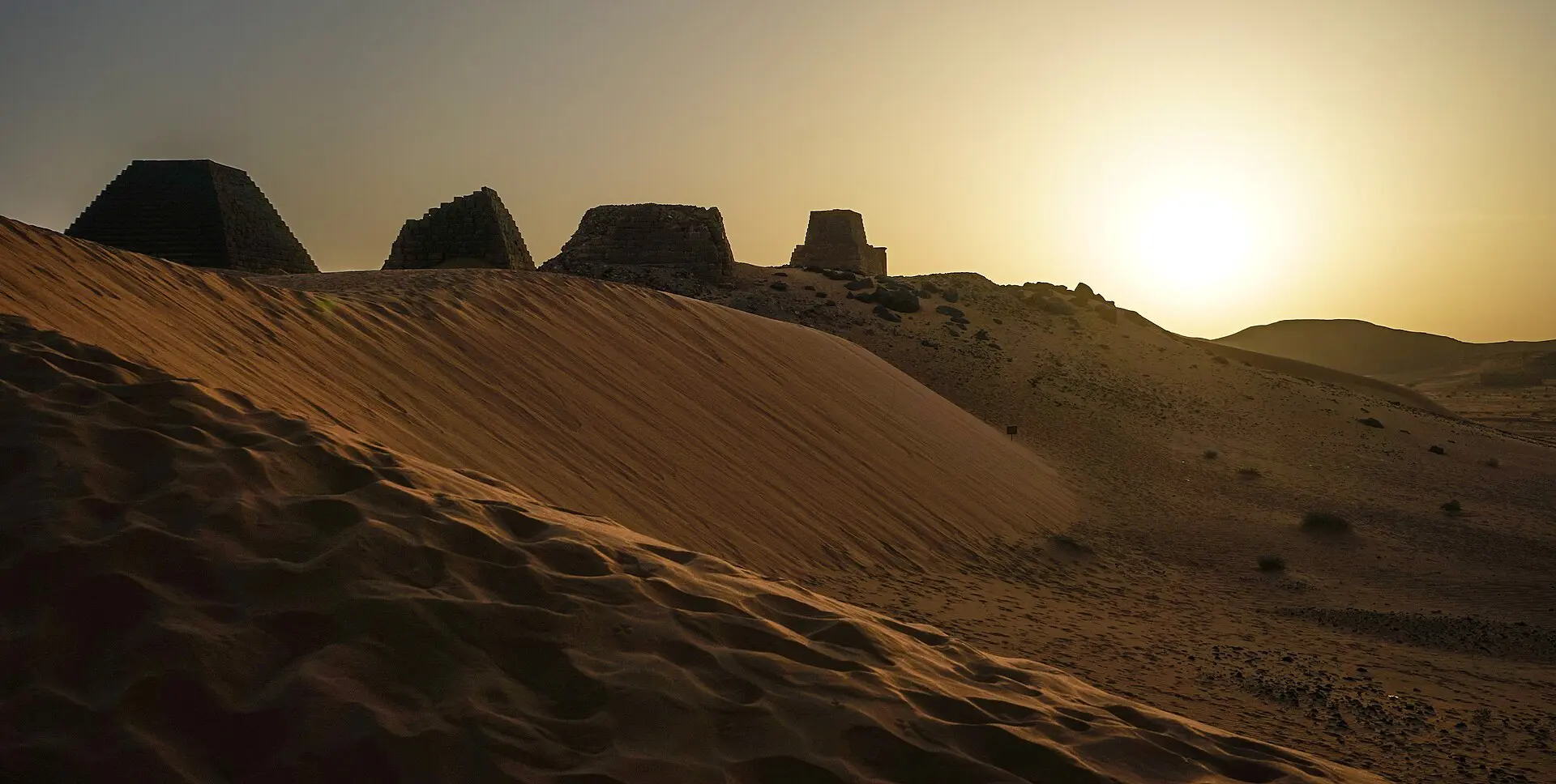
The royal city of the Kingdom of Kush, on the Nile north of Khartoum, has more than 200 small, steep-sided pyramids in sandy desert. It is a UNESCO World Heritage Site and the best-known sight in the country.
Jebel Barkal and Karima
A sandstone hill beside the Nile marks the sacred centre of Napata, with temples, palaces and a few pyramids. UNESCO lists the site, and the nearby town of Karima is the usual base.
Kerma
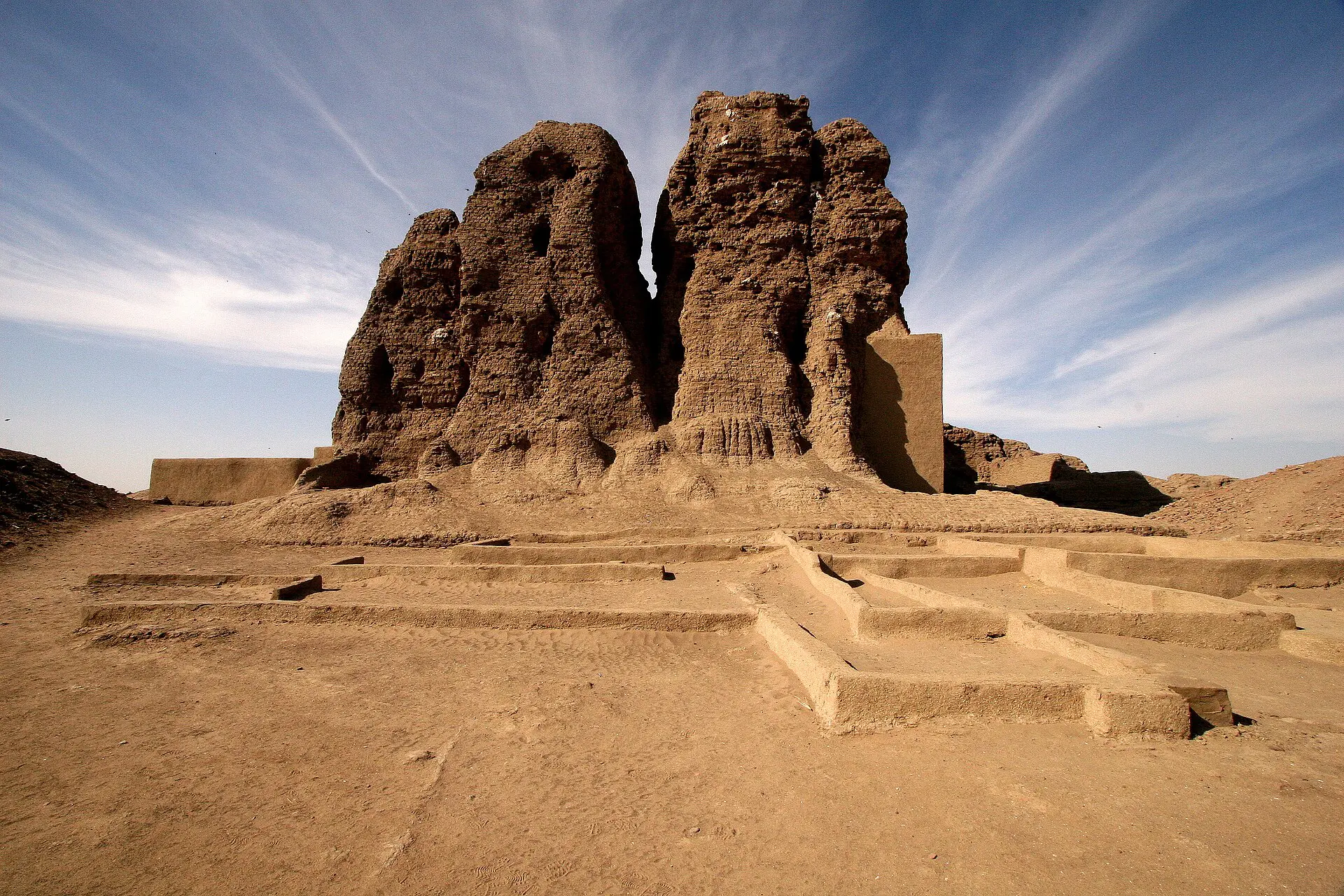
Kerma was the capital of the first centralised Nubian state. Its mud-brick Deffufa temple remains, and the site is on the UNESCO list with other Nile locations.
Khartoum and Omdurman
The capital sits where the Blue and White Nile meet. Before the conflict it had a national museum with temples moved from Nubia, and Omdurman had a large souk. The war has badly affected the capital and its institutions.
Port Sudan and Suakin
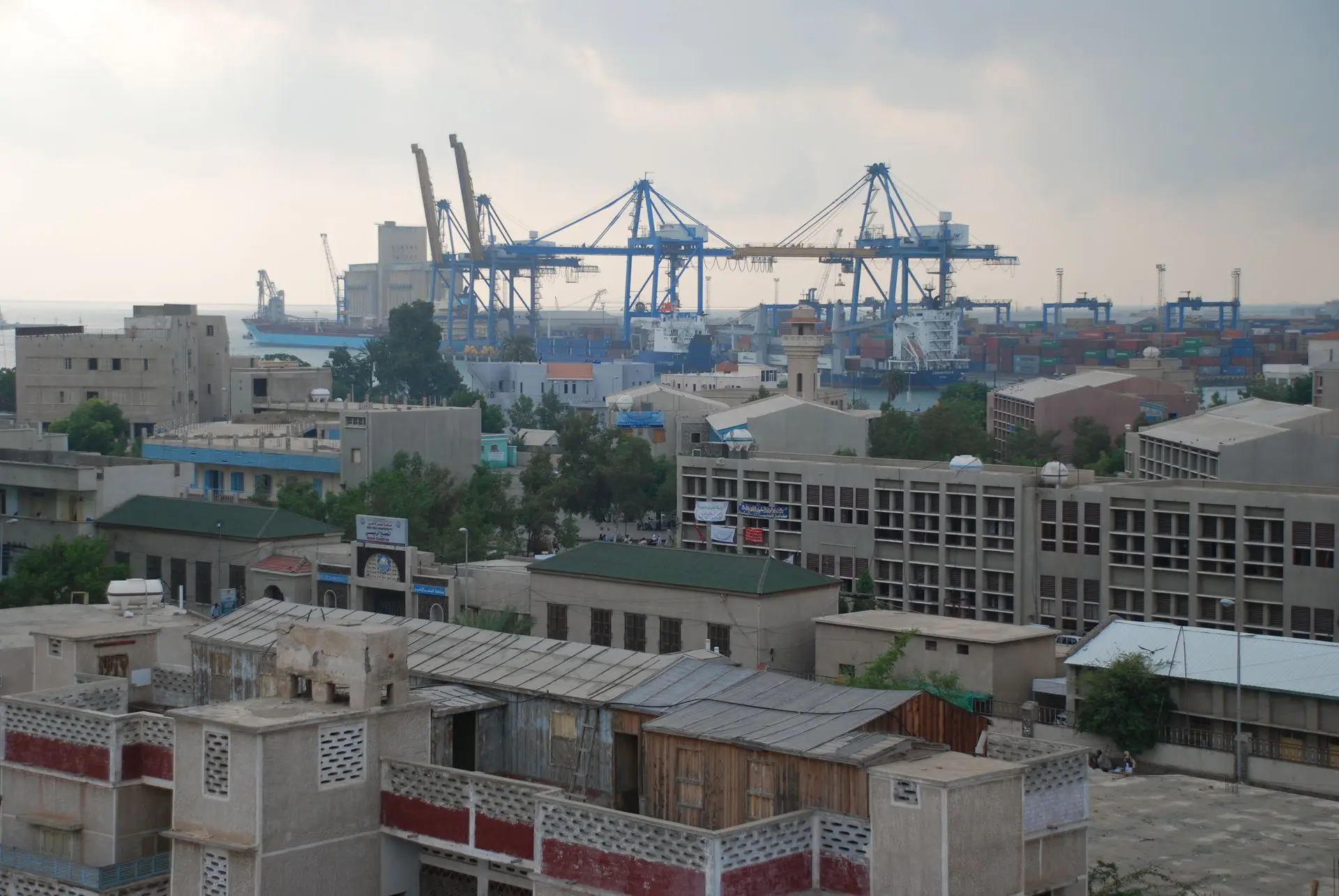
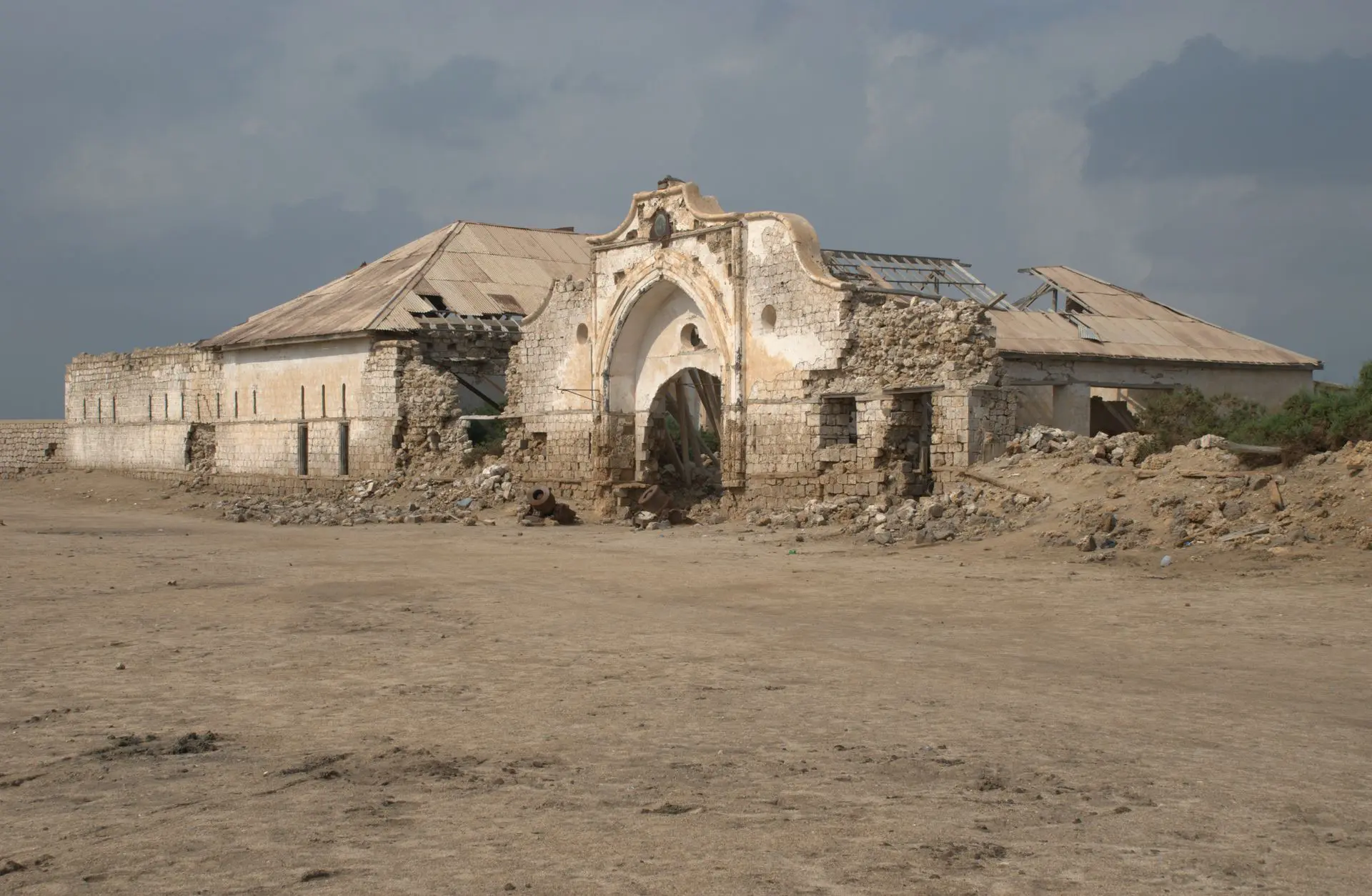
Port Sudan is the main Red Sea port, and the ruined Ottoman island town of Suakin lies nearby. Offshore reefs, including Sanganeb, attracted divers before the conflict.
Top things to do in Sudan
The top things to do in Sudan were, before the war, concentrated on history and the outdoors. The list below describes what travellers did in normal times. None of it should be attempted while governments advise against travel.
- See the Meroë pyramids: visit at sunrise or sunset when the light on the sand is at its best.
- Climb Jebel Barkal: the hill has views over the temples and the green strip of the Nile.
- Explore the Deffufa at Kerma: the huge mud-brick structure is one of the oldest in Africa.
- Visit the National Museum in Khartoum: it held Nubian temples and frescoes, though its condition now is uncertain.
- Watch Sufi ceremonies in Omdurman: Friday evening gatherings at the Hamed al-Nil tomb were a well-known sight.
- Dive Sanganeb Atoll: the Red Sea reef and the wreck of the Umbria drew divers to Port Sudan.
- Walk Suakin’s ruins: the coral-stone Ottoman port was once a major pilgrimage and trade harbour.
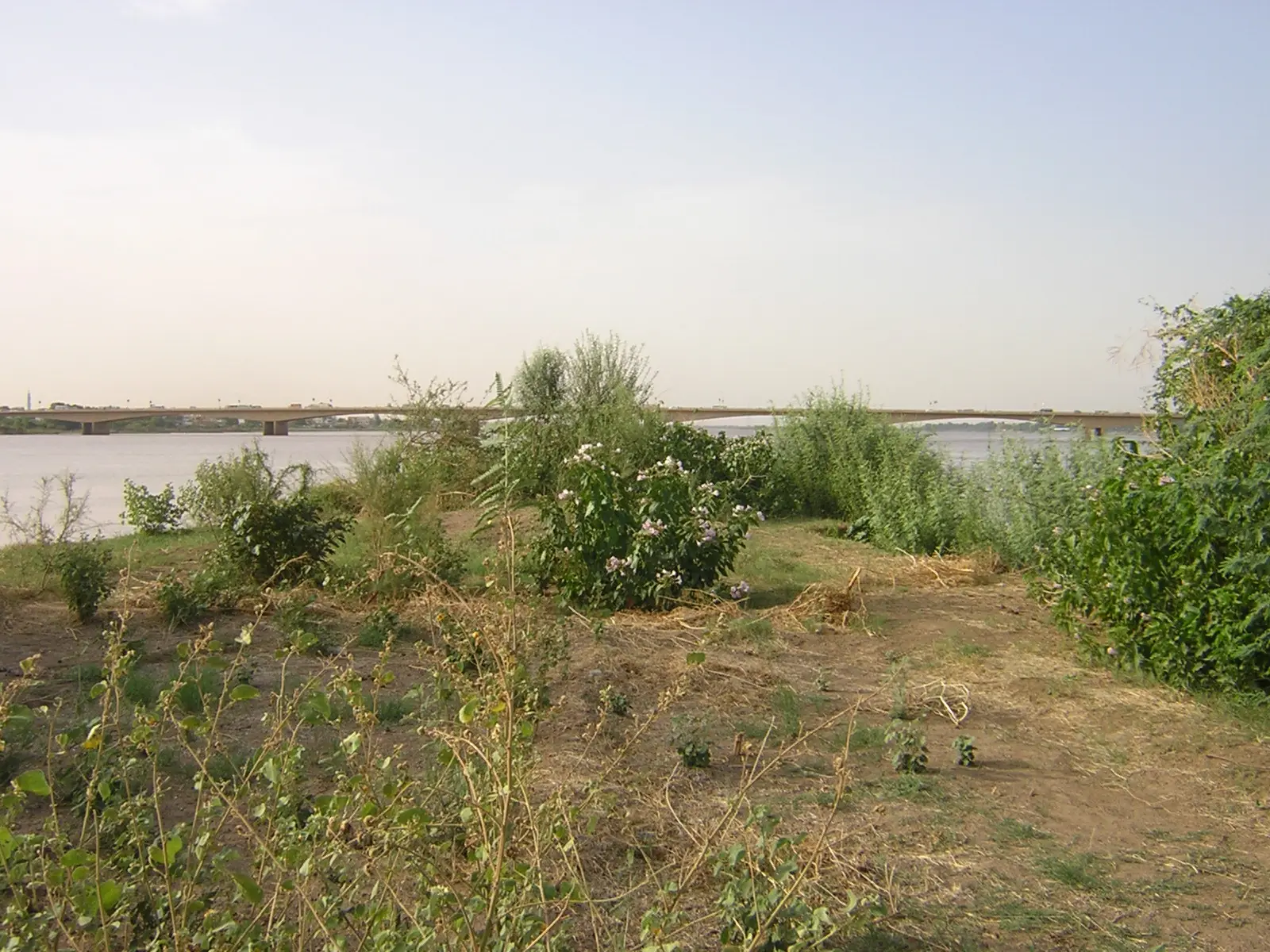
- Visit the confluence of the Niles: the Blue and White Nile join near Khartoum.
- Shop at Omdurman market: traditional crafts, spices and silver.
- Travel by Nile: villages in the Nubian north offer date farms and simple guesthouses.
Today, the most useful things to do are to follow official updates and support credible humanitarian organisations.
Best time to visit Sudan
The best time to visit Sudan, once conditions allow, is November to February, when the days are warmer rather than extremely hot and nights in the desert are cool. Summer temperatures in Khartoum and the north can exceed 40 C, and the rainy season in the south, roughly June to September, brings floods and impassable roads. The Red Sea coast is humid, with comfortable diving conditions in winter.
| Season | Weather | Crowds and prices | Good for |
|---|---|---|---|
| Nov-Feb | Warm days, cool nights in the north | Peak season in normal times; few tourists even then | Nile sites, desert, Red Sea diving |
| Mar-May | Hot, with dust storms (haboobs) | Quiet | Red Sea, with care |
| Jun-Sep | Very hot in the north; rainy season, floods in the south | Very quiet | Not recommended |
| Oct | Heat easing, roads drying | Quiet | Early planning |
These patterns describe the climate, not the security situation. Until governments lift their advisories, no season is a good time to travel.
Is Sudan safe to visit?
No, Sudan is not safe to visit at present. Fighting between the Sudanese Armed Forces and the Rapid Support Forces began in April 2023 and has spread across several regions, including Khartoum, Darfur and Kordofan. Governments such as the UK and the US advise against all travel to the country, and embassies have limited ability to assist citizens. Check the UK FCDO and US State Department pages for the latest position.
Conflict. Reports describe airstrikes, shelling, looting, sexual violence and attacks on civilians. Conditions can change quickly, and roads, airports and borders may close without notice.
Humanitarian situation. Millions of people have been displaced, and parts of the country face severe food shortages and disease outbreaks. Electricity, fuel, banking and mobile networks are unreliable or unavailable in many areas.
Other risks. Landmines and unexploded ordnance, kidnapping, banditry, disease such as cholera and dengue, and extreme heat all add to the danger. Travel insurance generally does not cover regions under government advisories.
If you have a professional or humanitarian reason to be in Sudan, follow your organisation’s security procedures and your embassy’s guidance. Tourists should postpone any plans.
Visa and entry requirements for Sudan
Most foreign visitors need a visa to enter Sudan, but normal entry arrangements cannot be relied on right now. Since the conflict began, many embassies have suspended or limited services, airports have been closed or damaged, and rules have changed at short notice. Confirm the current position with the official Sudanese authorities and your own government’s travel advice before anything else.
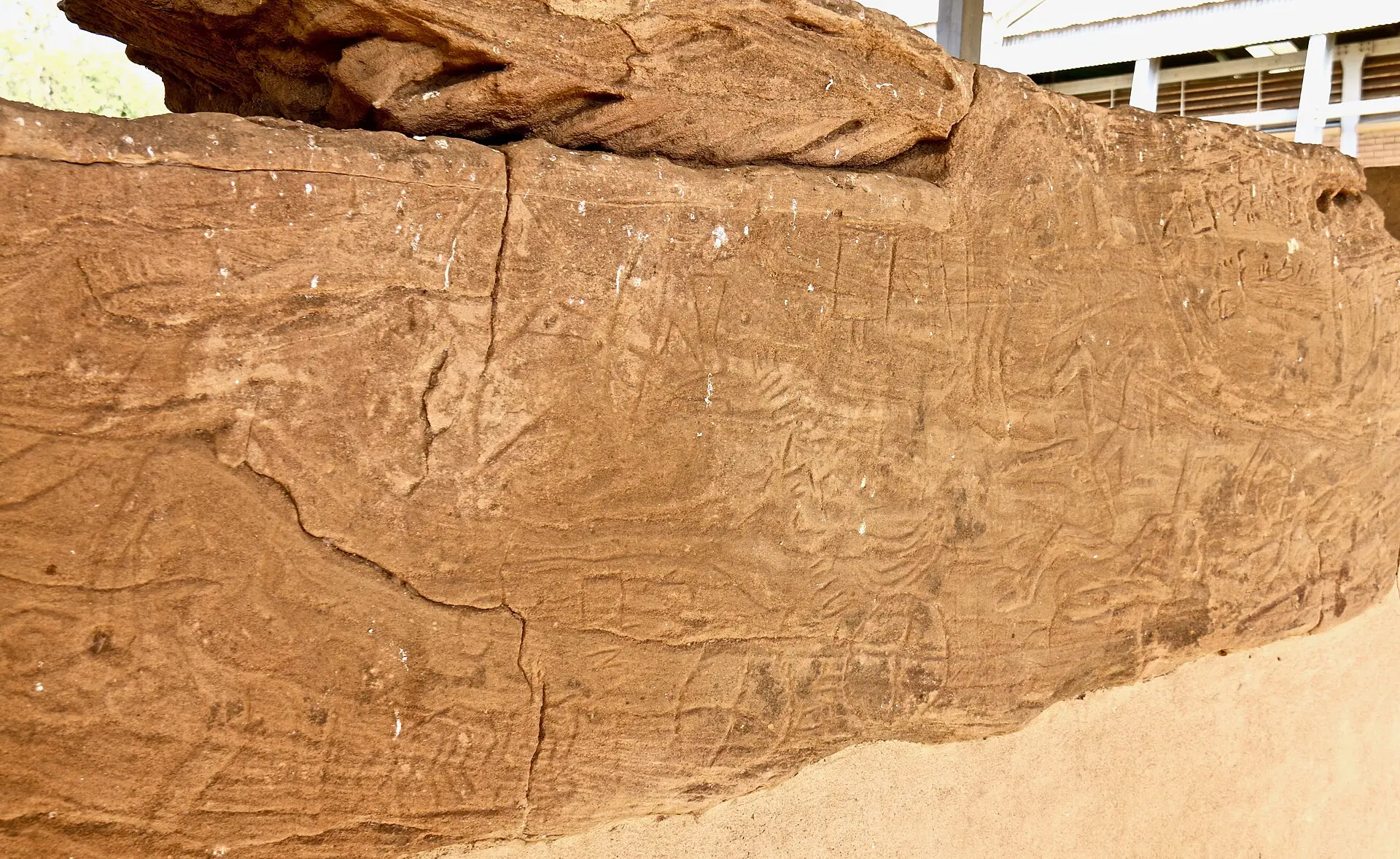
In normal times, visitors applied through a Sudanese embassy and needed a passport with sufficient validity, a letter of invitation or travel agency sponsorship, and proof of accommodation. Travellers also had to register with the authorities after arrival and obtain a photography permit to take pictures. Passports with Israeli stamps can cause problems in many countries in the region.
Land borders with Egypt, Chad, South Sudan, Ethiopia and Eritrea have seen closures and heavy refugee flows. Overland entry is not advisable, and no tourism-focused crossing can be recommended at this time.
Getting to and around Sudan
Getting to Sudan is currently difficult and not advisable. Khartoum International Airport has been closed to commercial traffic or heavily damaged during the war, and flights have been suspended or limited, with Port Sudan serving as the main hub for humanitarian and some commercial arrivals. Schedules change without notice, and airlines may cancel flights. Do not book travel based on old information.
In normal times, visitors flew into Khartoum and travelled by road to the Nile sites, usually in a 4×4 with a driver and a guide. Long distances and poor roads meant that trips from Khartoum to Meroë took half a day or more. Buses and minibuses linked towns, and a rail network once ran north to Wadi Halfa, but services were limited. The ferry between Wadi Halfa and Aswan in Egypt was the traditional overland link.
Driving is on the right. Checkpoints, fuel shortages, flooding and security risks make independent travel unsafe now. Anyone who must travel for humanitarian or professional reasons should rely on their organisation’s logistics rather than on public transport.
How much does a trip to Sudan cost?
A trip to Sudan cannot be priced reliably at present, because normal tourism is suspended and the economy is severely disrupted. The currency is the Sudanese pound (SDG), which has lost much of its value, and official and market exchange rates have differed widely. Any figure published before 2023 is out of date.
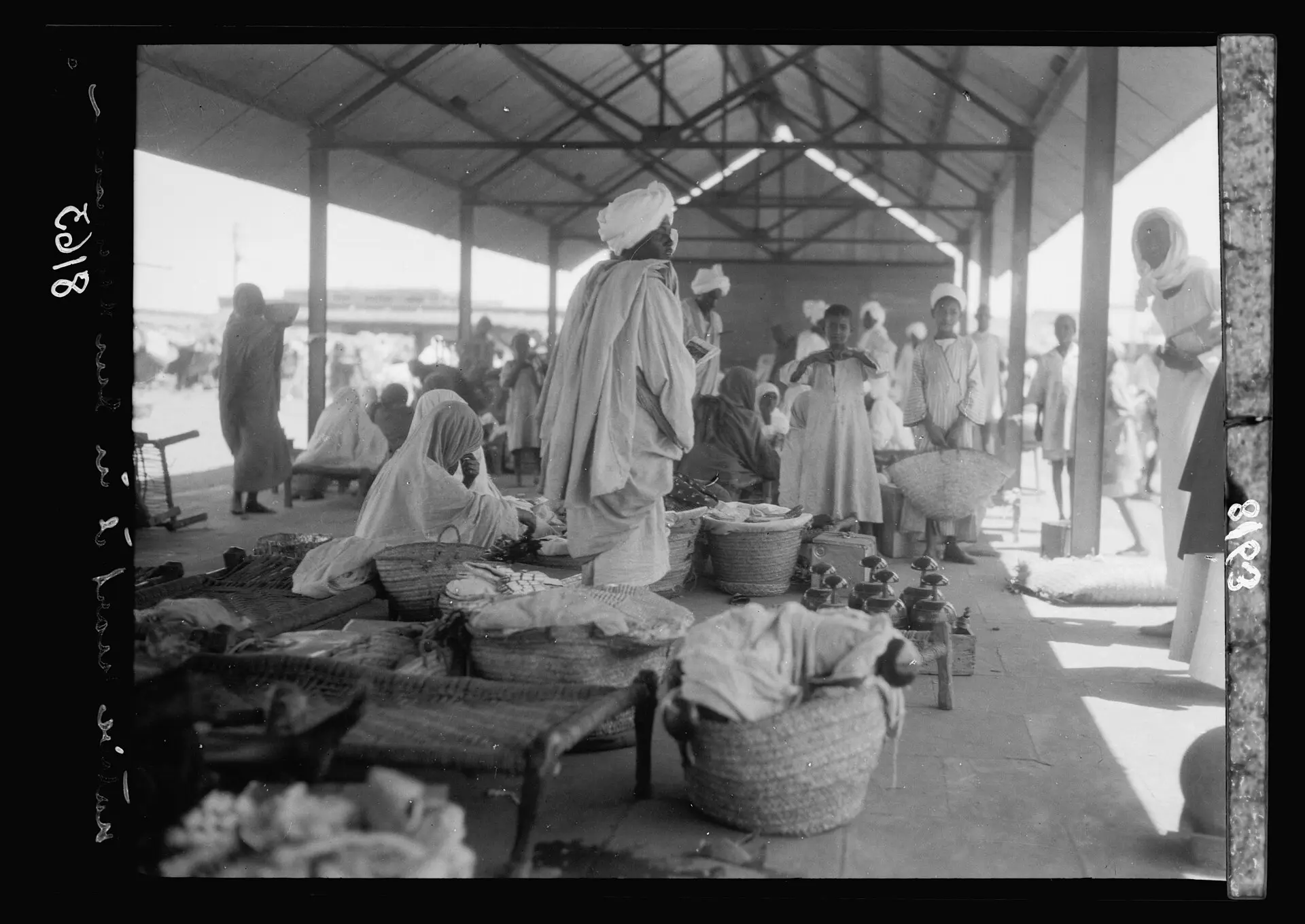
Before the war, travel in Sudan was cheap for food and basic lodging but costly for organised tours. Visitors typically paid a tour operator for a driver, guide, permits and accommodation, with the largest costs being transport over long distances and the visa and permit process. Cash in US dollars was often needed, since international cards did not work and ATMs were unavailable for foreign cards.
If conditions improve, expect costs to be driven by security arrangements, fuel prices, flights and the shortage of formal accommodation. Prices should be confirmed directly with a reputable operator at the time, and nothing should be paid in advance for travel that governments advise against. Be cautious about unofficial offers online, since scams exploit people who are seeking information about the country.
Sudan food and drink
Sudanese food mixes Nile Valley, Arab and East African influences, with simple, filling dishes shared from a common plate. Food shortages are severe in many parts of the country now, so this list reflects normal times.
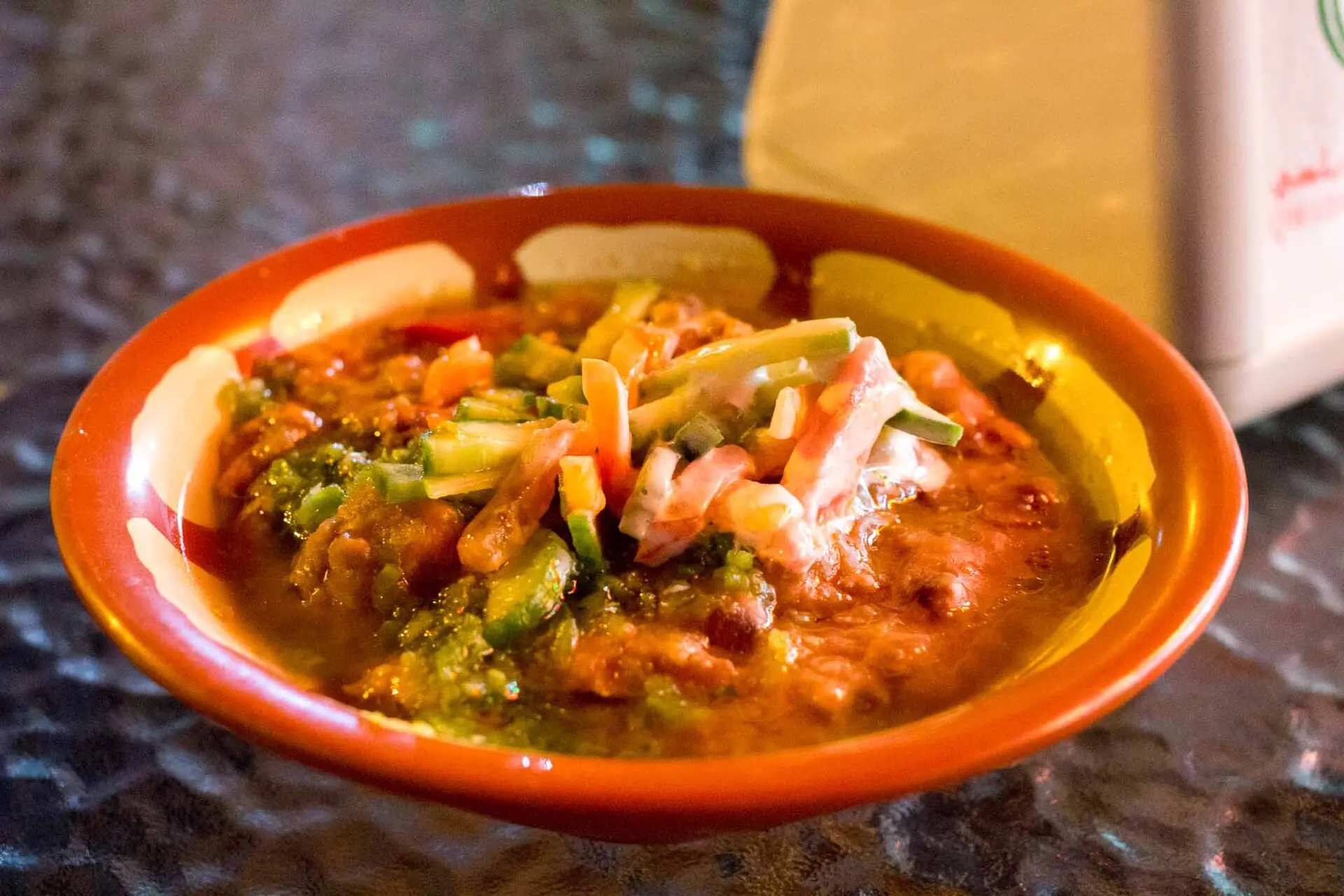
- Ful medames: stewed fava beans with oil, onion and cheese, a common breakfast.
- Ta’amiya: Sudanese falafel, often made with broad beans and eaten with bread.
- Kisra: thin fermented sorghum bread, eaten across the country.
- Asida: a thick porridge of sorghum or wheat served with stew.
- Mulah: a stew of meat or vegetables, often served with asida or kisra.
- Shaiyah: grilled meat, especially lamb, cooked over charcoal.
- Karkadeh: a hibiscus drink served hot or cold.
- Jebena coffee: spiced coffee brewed in a clay pot and often served by street vendors, usually women.
Alcohol has been restricted or banned for years, and rules have changed since the political changes of 2019, so check before bringing any. Most food is halal, and vegetarian dishes are common, especially bean and lentil dishes. Eating from a shared plate with your right hand is traditional. Food safety is a concern, and drinking water should be bottled or treated.
Culture, language and etiquette in Sudan
Arabic and English are the official languages, and many other languages are spoken, including Nubian languages, Beja, Fur and Nuba languages. Sudan has hundreds of ethnic groups, and most of the population is Muslim, with Christian and traditional communities, especially in the south and the Nuba mountains. Hospitality is a strong cultural value, and visitors in normal times reported being invited for tea or meals.
Dress and behaviour are conservative. Women generally wear loose clothing that covers the arms, legs and often the hair, and men avoid shorts. Greet people with a handshake and a few polite words, and use the right hand for eating and giving items. Public displays of affection are inappropriate. Ask before photographing people, and avoid photographing military sites, bridges and government buildings. A photography permit was required in normal times.
Politics and the war are sensitive. Let people speak first, avoid taking sides, and do not discuss religion critically. Friday is the main day of prayer, and shops and offices close at midday. During Ramadan, avoid eating and drinking in public during daylight hours.
Sudan itinerary: a 7-day route
There is no 7-day route for Sudan that can be recommended today. Independent travel is not advisable, and governments advise against all travel to the whole country. Writing a day-by-day plan through Khartoum, the Nile sites or other regions would send readers toward areas affected by fighting, so this guide does not provide one.
If you are researching a future trip, treat the heritage sites in this guide as a wish list to revisit after the situation changes. Before planning any route, check that your government has lifted or eased its advisory, that international flights and border crossings are operating, and that travel insurance will cover your destination. Choose a licensed operator with recent, verifiable experience in Sudan, and be wary of anyone who offers cheap trips now.
In the meantime, you can learn about the country by reading history of Nubia and Kush, visiting Sudanese collections in museums abroad, or following reputable news sources and humanitarian reports. Donating to established aid organisations working with displaced people is the most practical help for most readers.
Practical tips for Sudan
These practical points are for background. They do not make travel to Sudan advisable under current conditions.
- Advice first: read the UK FCDO and US State Department advice, register with your embassy if you must be in the country and keep family informed of your plans.
- Money: the currency is the Sudanese pound. Cash was widely needed before the war and foreign cards often did not work. Banking and exchange are heavily disrupted now.
- SIM and connectivity: mobile and internet networks have been interrupted. A satellite communication device may be needed for professionals working in remote areas.
- Plugs: sockets are types C and D at 230 V. Power cuts are common, so bring power banks.
- Tipping: small tips for guides and drivers are customary.
- Health: check vaccines with a travel clinic, including yellow fever, and take malaria and water precautions. Medical facilities are badly damaged or overstretched.
- Insurance: standard policies usually exclude countries with government advisories against all travel.
- Time and calling: Sudan uses Central Africa Time (UTC+2), and the calling code is +249.
FAQ
Q1Is Sudan safe to visit?
No. Fighting between the army and the Rapid Support Forces began in April 2023, and governments such as the UK and US advise against all travel. Risks include airstrikes, shelling, kidnapping, landmines and disease, and consular help is limited. Check your government's current advice.
Q2Can tourists travel to Sudan now?
Not safely. Normal tourism has been suspended, airports and borders have been disrupted, and embassy services are limited. Most travel insurance does not cover regions under government advisories against all travel. Postpone any plans until your government has changed its advice.
Q3Do I need a visa for Sudan?
Normally yes. Most foreign visitors apply through a Sudanese embassy with a passport, an invitation or tour operator sponsorship and proof of accommodation. Because services are disrupted and rules change, confirm the current position with official sources, and do not travel while advisories remain.
Q4What is the best time to visit Sudan?
In normal times, November to February is best, with warm days and cool nights in the north. Summers can exceed 40 C, and the rainy season brings floods in the south. These are climate patterns only, and no season is currently safe for tourism.
Q5What is Sudan famous for?
Sudan is known for ancient Nubia and the Kingdom of Kush, including the Meroë pyramids, Jebel Barkal and Kerma, which are UNESCO-listed. It also has the Nile confluence at Khartoum and Red Sea diving, such as Sanganeb Atoll. The country has more pyramids than Egypt.
Q6Are there pyramids in Sudan?
Yes. Sudan has more than 200 Nubian pyramids at Meroë, plus others at Jebel Barkal and Nuri. They are smaller and steeper than Egypt's and were built by the rulers of Kush. They are not currently reachable by safe or advisable travel.
Q7How can I help people in Sudan?
Donate to established humanitarian organisations working with displaced people, such as UN agencies and recognised charities, and check their track record first. Follow reputable news sources, and avoid unofficial fundraisers or travel offers that claim to operate in the country now.