Why visit San Marino
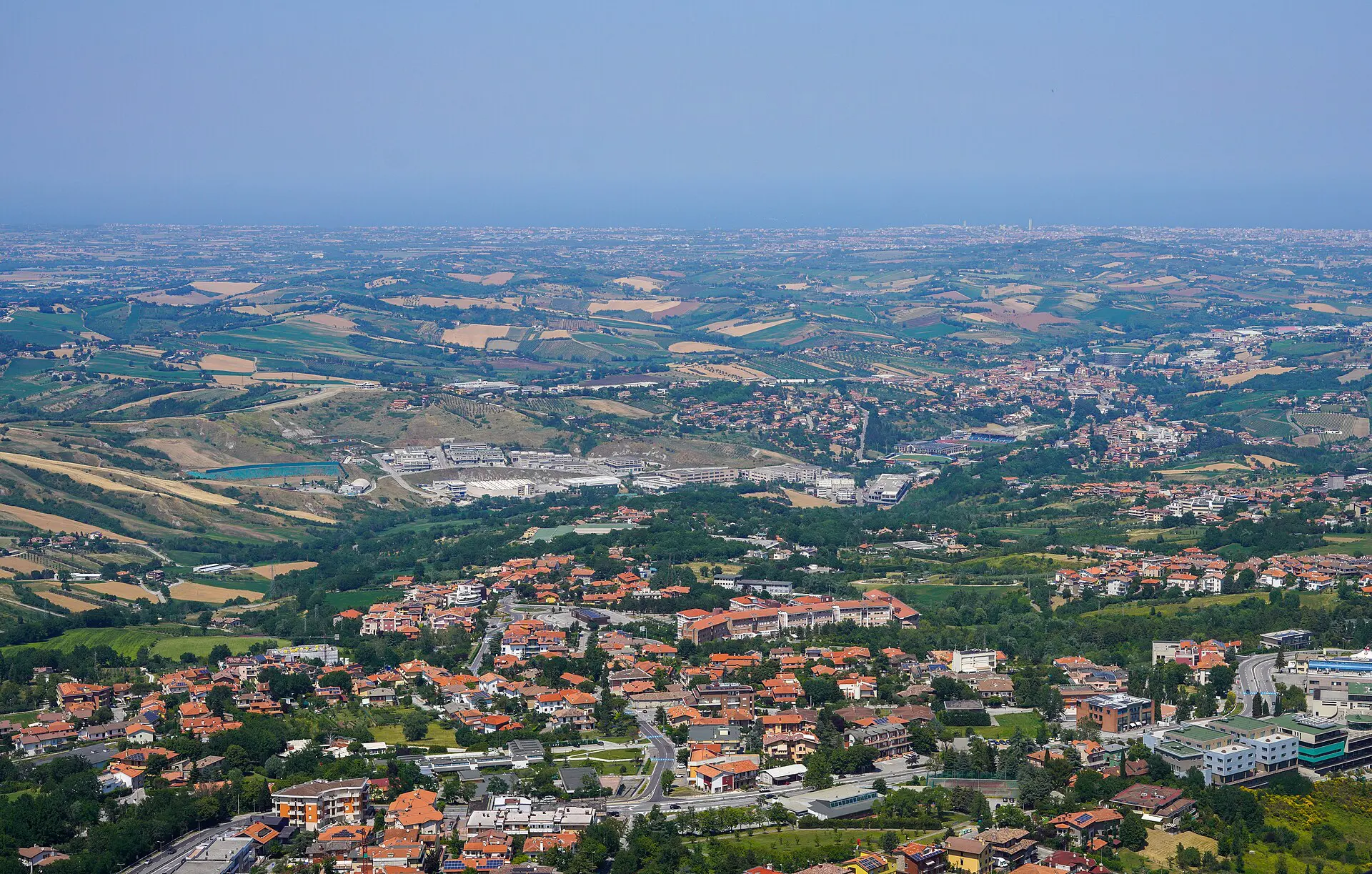
This San Marino travel guide starts with the case for going: the country claims to have been founded in AD 301 and to be the oldest surviving sovereign state and constitutional republic (see the Wikipedia overview for background). It sits on the slopes of Monte Titano in the Apennines, about 657 metres above sea level, and its fortified capital looks across to the Adriatic and the Italian countryside.
San Marino suits travellers who like compact places with real history: medieval towers, a town hall, a 1600 constitution still in force and a state led by two Captains Regent who change every six months. It is easy to combine with a beach stay in Rimini or a Romagna road trip. It is also very small, with a tourist centre that fills with day visitors in summer, so the best experiences are early or late in the day, and out on the walls and trails.
Best places to visit in San Marino
The best places to visit in San Marino are all within a few kilometres of each other, and most visitors cover the highlights in a single day.
City of San Marino
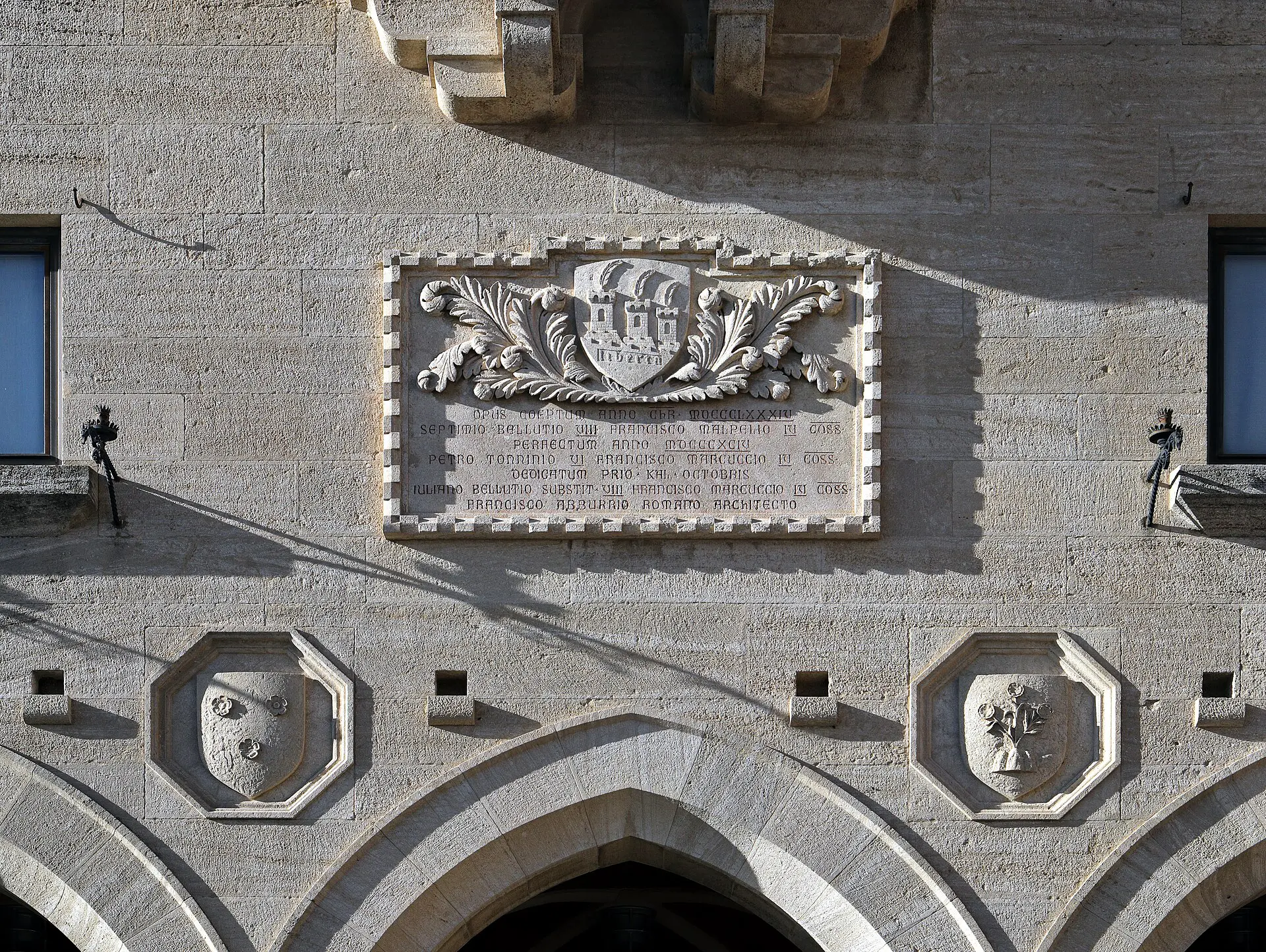
The historic centre is the heart of the country, with narrow streets, shops and viewing terraces. It was inscribed on the UNESCO World Heritage List in 2008, together with Monte Titano. Piazza della Libertà holds the Palazzo Pubblico, the seat of government.
The three towers
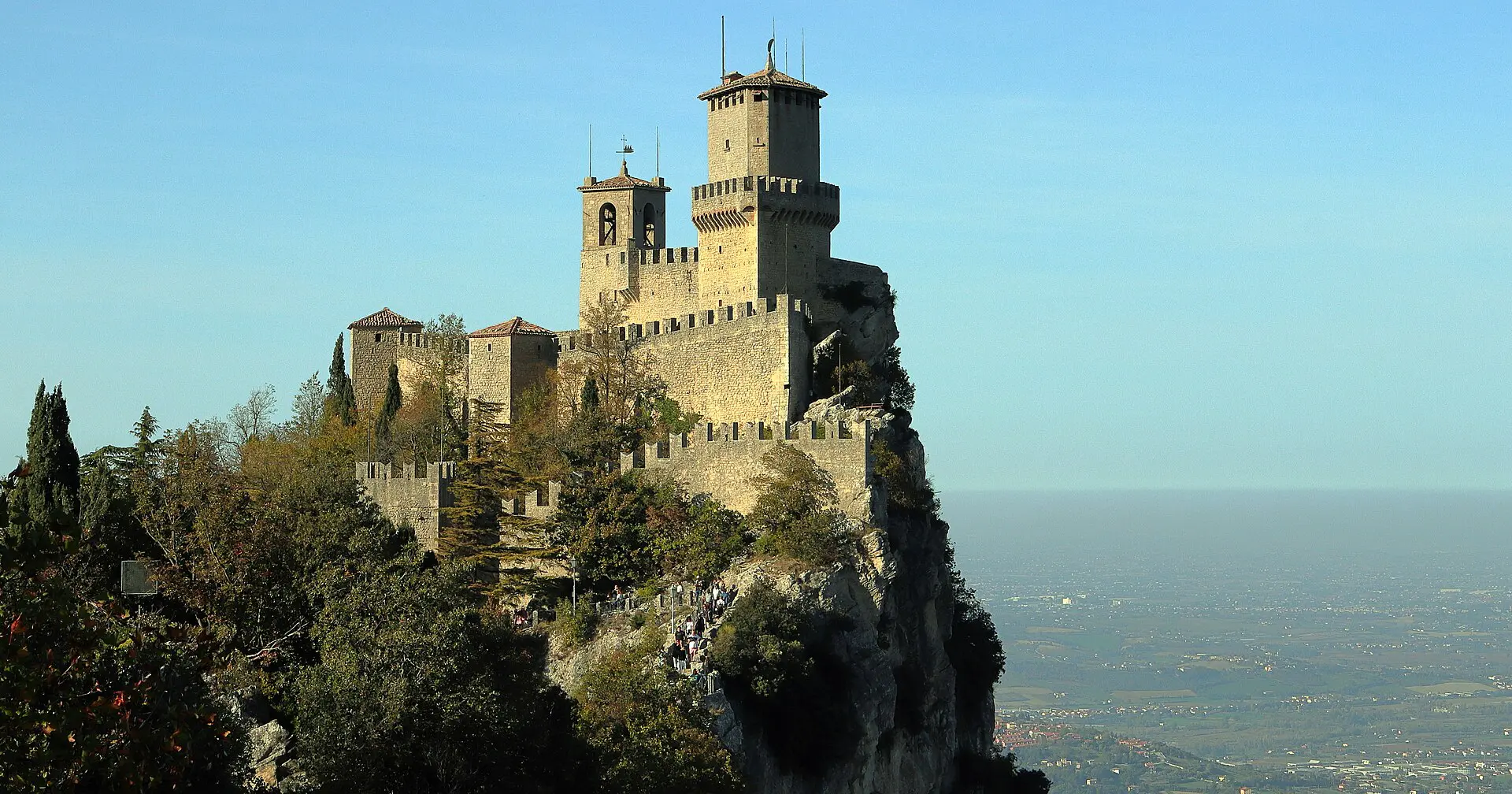
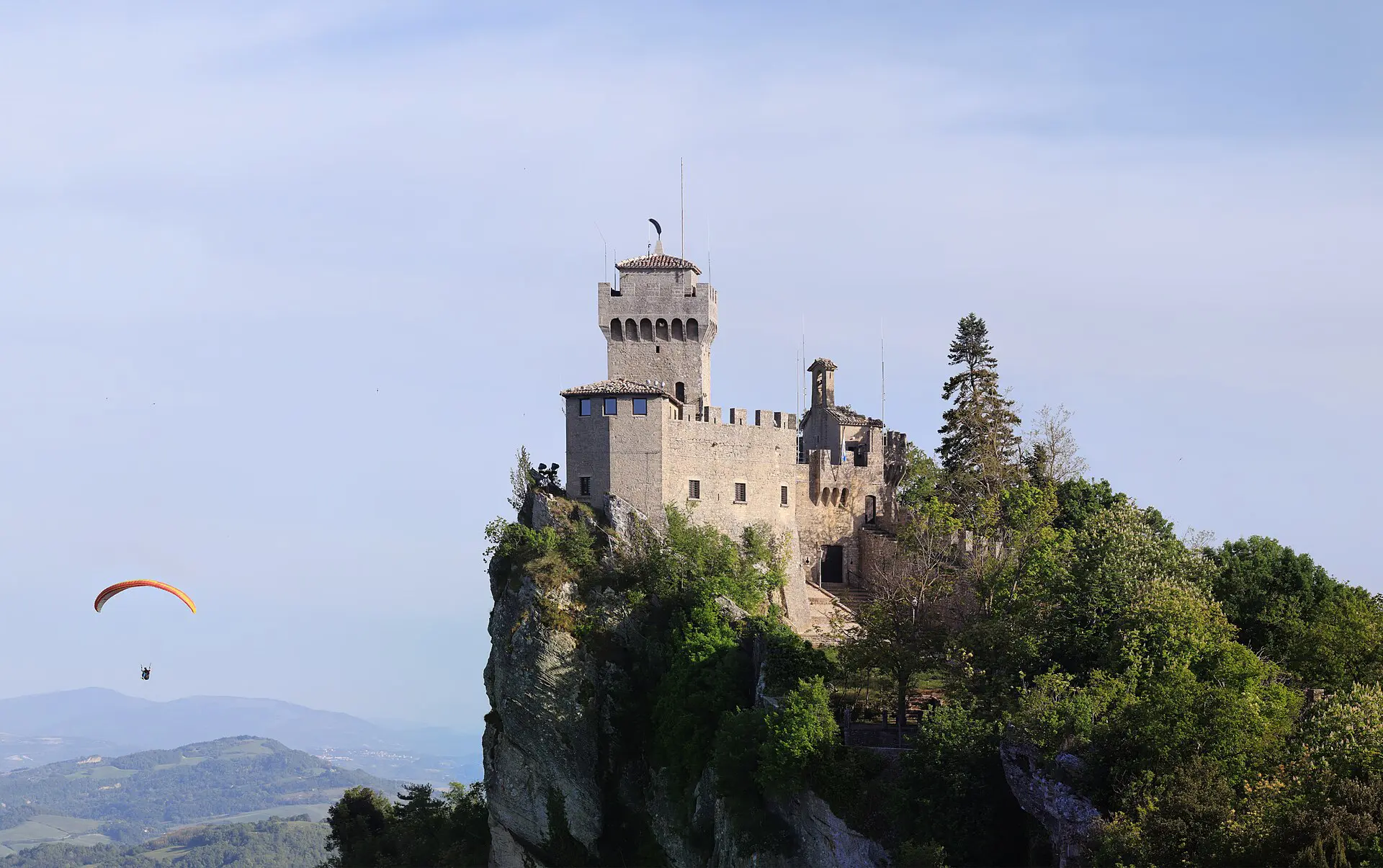
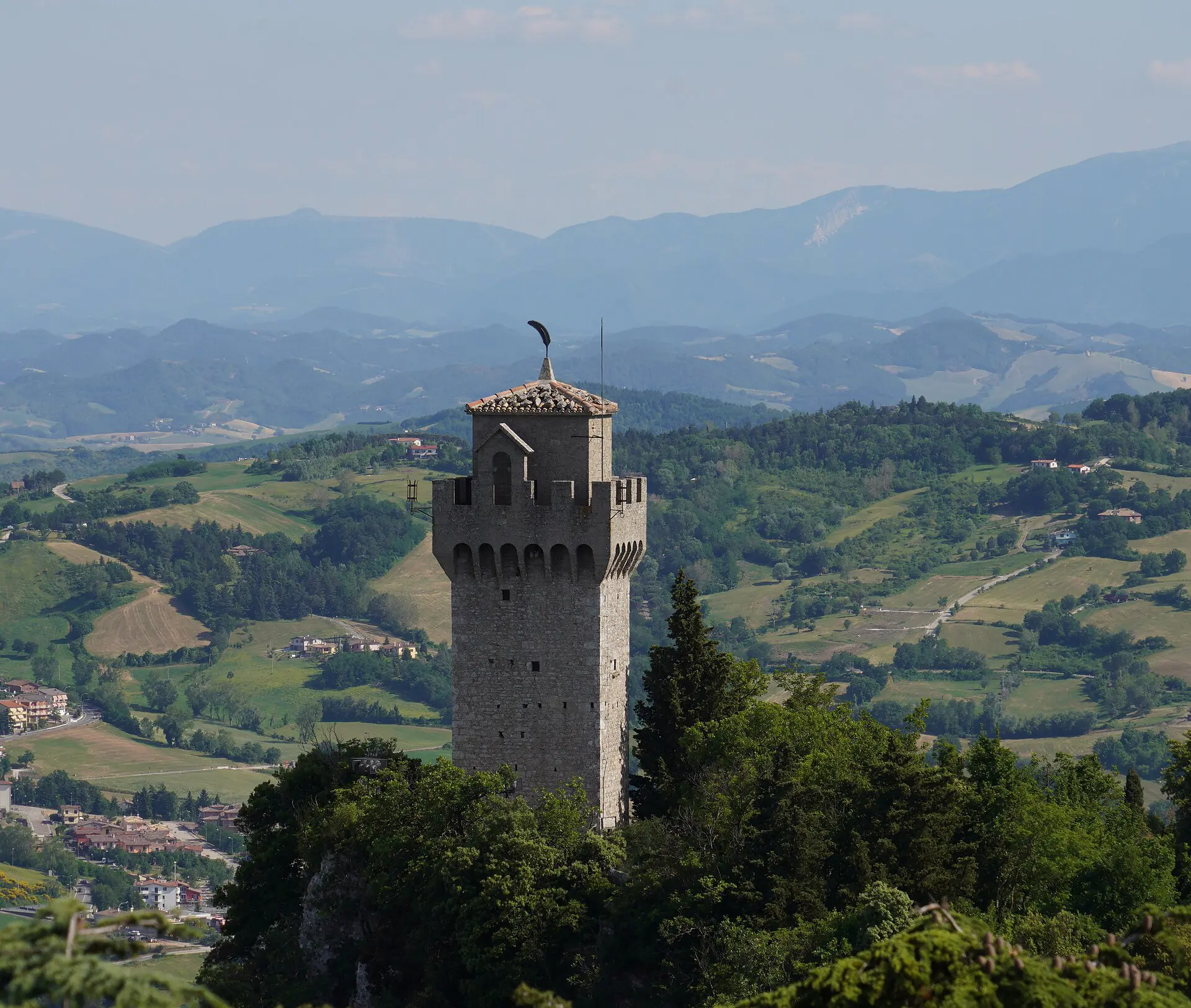
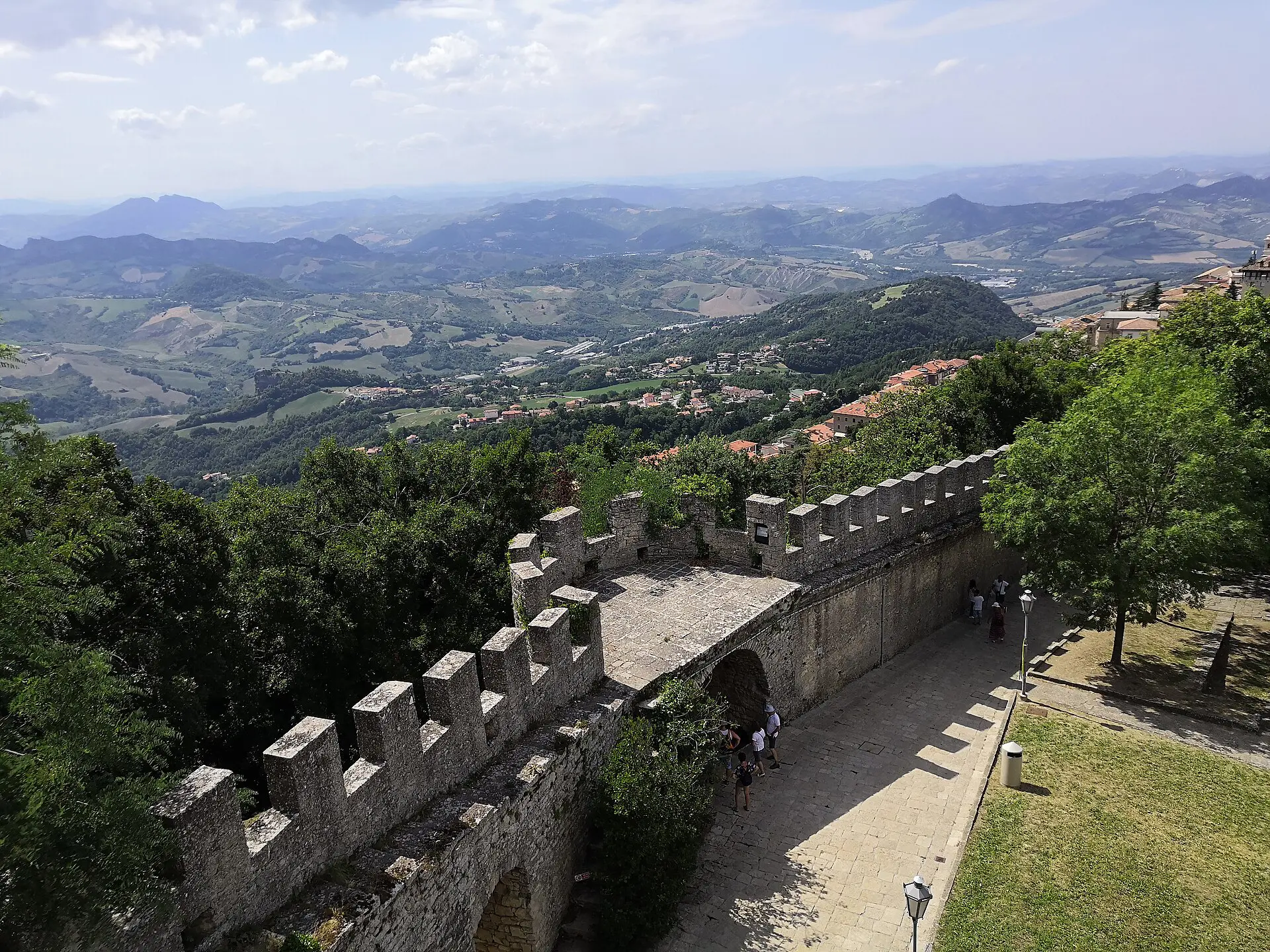
Guaita, Cesta and Montale stand along the ridge of Monte Titano, linked by a path. Guaita is the oldest and best preserved, while Cesta houses a small museum of historic arms.
Borgo Maggiore
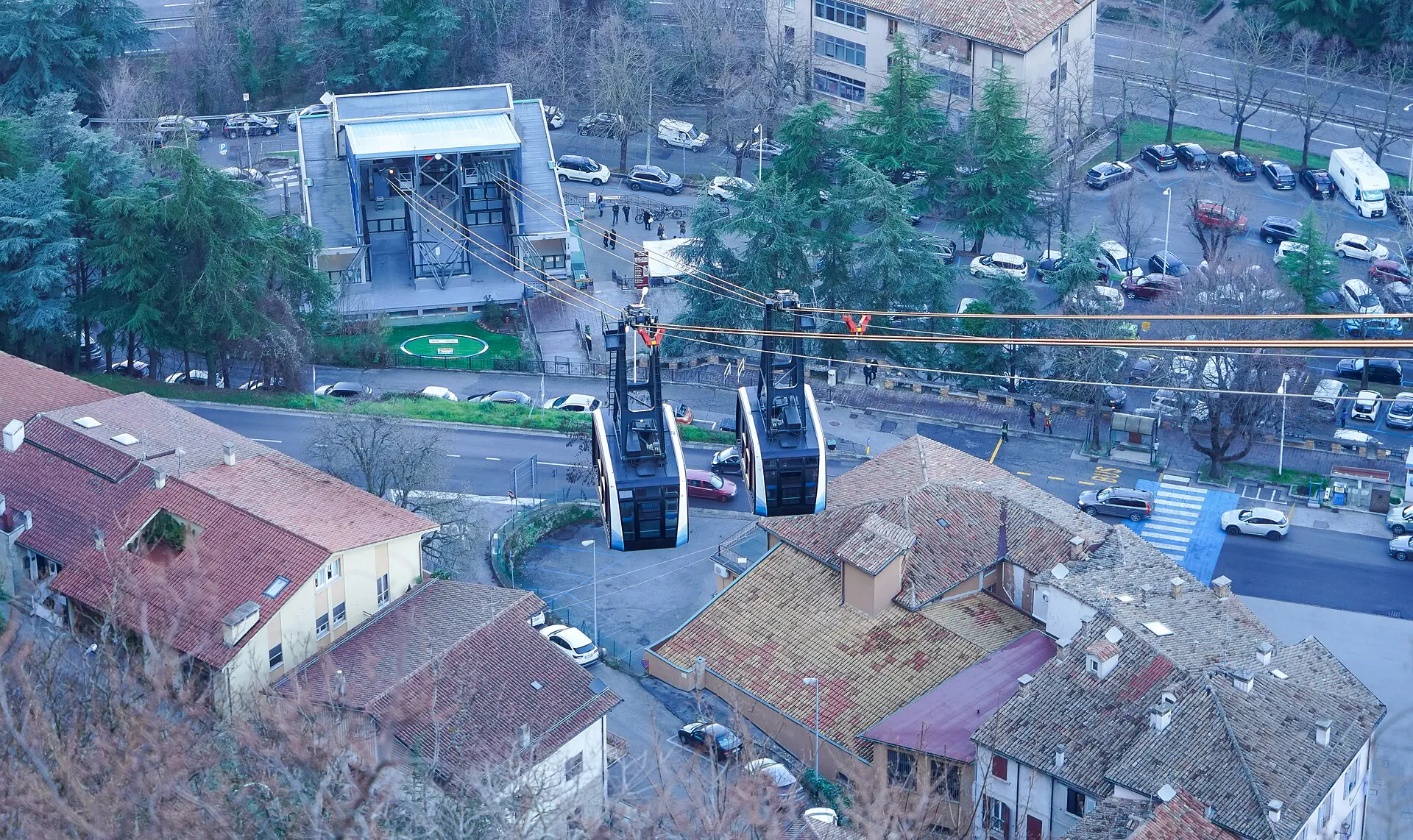
This lower town has a market and a cable car link to the capital. It has local food shops and restaurants that are less touristy than the upper town.
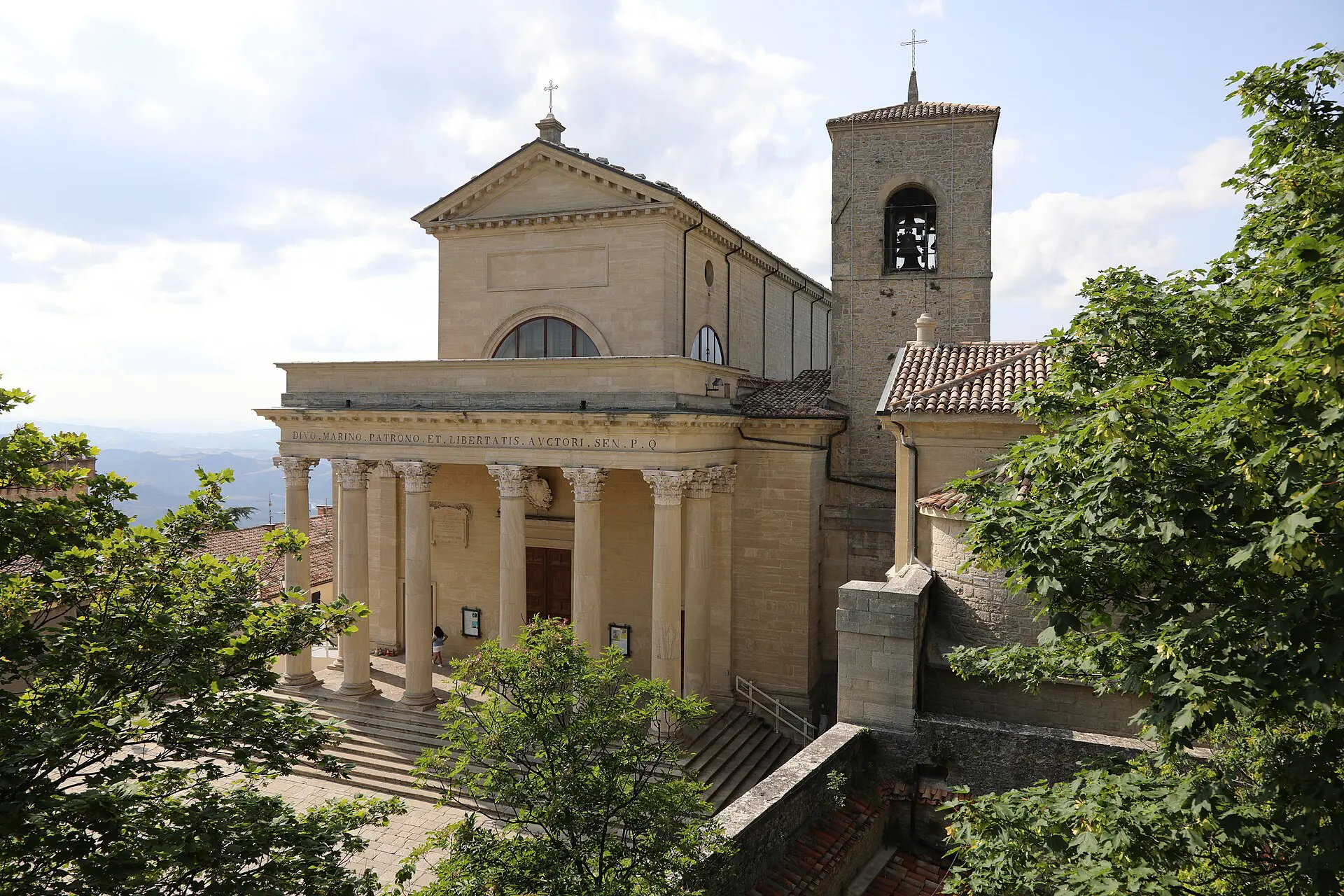
Basilica di San Marino
The neoclassical church in the centre is dedicated to the founding saint and is free to enter.
Monte Titano trails
Footpaths through the woods around the mountain give quieter views of the walls and the coast.
Serravalle and the lowlands
The valley towns are mostly industrial, but they are useful for shopping, parking and car rental if you are not staying on the mountain.
Top things to do in San Marino
The top things to do in San Marino are short, walkable and focused on history and views.
- Climb Guaita Tower: the oldest fortress has a prison section and long views to the coast.
- Walk the Passo delle Streghe path: the ridge walk links the three towers in about 20 to 30 minutes.
- Watch the guard at Palazzo Pubblico: uniformed guards are posted at the government building, and the changing ceremony draws crowds in season.
- Ride the cable car: the funivia connects Borgo Maggiore with the capital in a couple of minutes.
- Visit the Basilica di San Marino: the neoclassical church is a calm stop from the shopping streets.
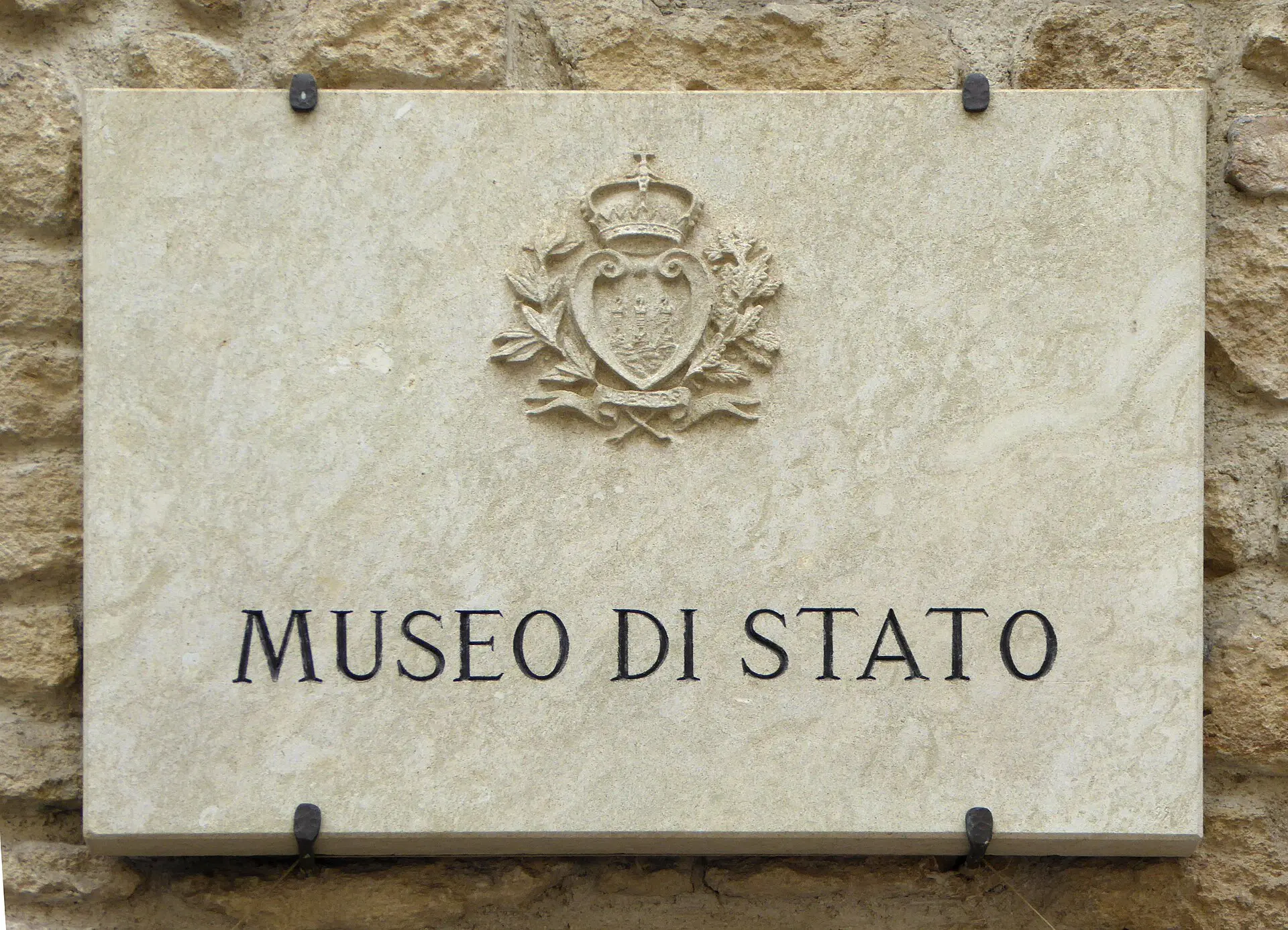
- Browse the State Museum: collections cover archaeology, art and the history of the republic.
- Get your passport stamped: a small tourist office offers a souvenir stamp for a modest fee.
- Shop for duty-free goods: the main street has many shops selling electronics, perfumes and spirits.
- Try crossbow culture: a medieval crossbow tradition is still part of local festivals and tournaments.
- Watch sunset from the walls: the evening light on the Adriatic is worth waiting for.
Best time to visit San Marino
The best time to visit San Marino is April to June and September to October, when walking is pleasant, skies are often clear and crowds are manageable. July and August are warm and very busy with day visitors from the Rimini coast. Winters are cool and often foggy, with occasional snow, and some attractions have shorter hours.
| Season | Weather | Crowds and prices | Good for |
|---|---|---|---|
| Spring (Apr-Jun) | Mild, some showers | Moderate, rising in June | Walking, towers, photography |
| Summer (Jul-Aug) | Warm to hot, less breezy in town | Highest, crowded by midday | Events, evening strolls |
| Autumn (Sep-Oct) | Warm to cool, clear views | Falling | Food, trails, quieter streets |
| Winter (Nov-Mar) | Cold, fog and wind | Low; some shops close early | Quiet visits, Christmas lights |
San Marino holds a medieval festival in July, though dates change each year. Check the official tourism calendar before planning around it.
Is San Marino safe to visit?
Yes, San Marino is very safe to visit, and it has one of the lowest crime rates in Europe. The practical risks are minor: steep cobbled streets, wind and fog on the mountain, summer heat and the odd opportunistic theft in crowded spots. Check your government’s current travel advice, since San Marino is usually covered with Italy or in its own short entry.
Streets and towers. Paths are steep and uneven, and some tower stairs and walls have no railings, so wear grippy shoes and take care with children.
Weather. Fog can reduce visibility on the mountain road, and winter ice can make streets slippery. Strong wind is common on the ridge.
Theft and shops. Keep valuables out of sight in busy streets. Compare prices before buying electronics or souvenirs, and check the returns policy.
Driving. Mountain roads are winding, and parking in the old town is limited. Use the car parks outside the walls and walk up.
Health. Italy’s emergency number 112 works in San Marino, and travellers from the EU should carry a European Health Insurance Card, with other visitors using travel insurance.
Visa and entry requirements for San Marino
Entry rules depend on your nationality. San Marino is not a member of the EU or the Schengen area, but it has an open border with Italy and no routine passport checks, so in practice you follow the Italian and Schengen entry rules for your passport. Many visitors, including citizens of the EU, UK and US, have generally been able to enter Italy visa-free for short stays, but this changes, so confirm the current rule with official Italian sources or your nearest embassy.
Bring a valid passport or ID card, even though you may not be checked. If you need a Schengen visa for Italy, it is valid for the Italian side of your trip, so apply for the Italian visa before you go. Check whether new EU entry systems, such as ETIAS, apply to your passport when you travel.
If you drive in a rental car from Italy, make sure the rental company allows it, and carry your licence. The UNESCO page for San Marino lists the World Heritage site, though it does not cover entry rules.
Getting to and around San Marino
San Marino has no airport and no railway. Most visitors arrive via Rimini, about 10 kilometres away, where Federico Fellini International Airport has budget flights from many European cities, and the train station links to Bologna, Ravenna and the Adriatic coast. Bologna Guglielmo Marconi Airport is another option, about two hours away by bus and train.
A regular bus runs from Rimini station to the City of San Marino, usually taking around 40 to 50 minutes. Check the current timetable before you travel, as services change. By car, the drive from Rimini takes about 30 minutes, and visitors should park at one of the car parks on the lower slopes or at Borgo Maggiore, then take the cable car or walk uphill.
The capital is small and walkable, but steep. Local buses connect it with Borgo Maggiore and the lowlands. Taxis exist, though they are few. Driving is on the right, and the roads are good but twisting.
How much does a trip to San Marino cost?
San Marino is roughly in line with northern Italy, with tourist-area restaurants and hotels at the upper end. The currency is the euro. Most visitors take a day trip from Rimini, which keeps costs low, and many only spend on lunch and tower tickets. Figures below are rough per-person guides for 2026.
- Budget: around EUR 50 to 80 per day, with a simple hotel or a base in Rimini, a bus, a light lunch and tower tickets.
- Mid-range: around EUR 80 to 150 per day, with a hotel in the old town, sit-down meals and museum entries.
- High-end: from around EUR 200 per day, with boutique accommodation and fine dining.
Accommodation is the main variable, and staying in Rimini is cheaper than on the mountain, especially outside summer. Meals in the old town cost more than in Borgo Maggiore. A combined ticket for the towers and museums is usually better value than single entries, so check current prices at the ticket office.
San Marino food and drink
San Marino food follows the Romagna and Marche traditions, with fresh pasta, grilled meats, cheese and simple desserts. Menus are short, and local wine is a highlight.
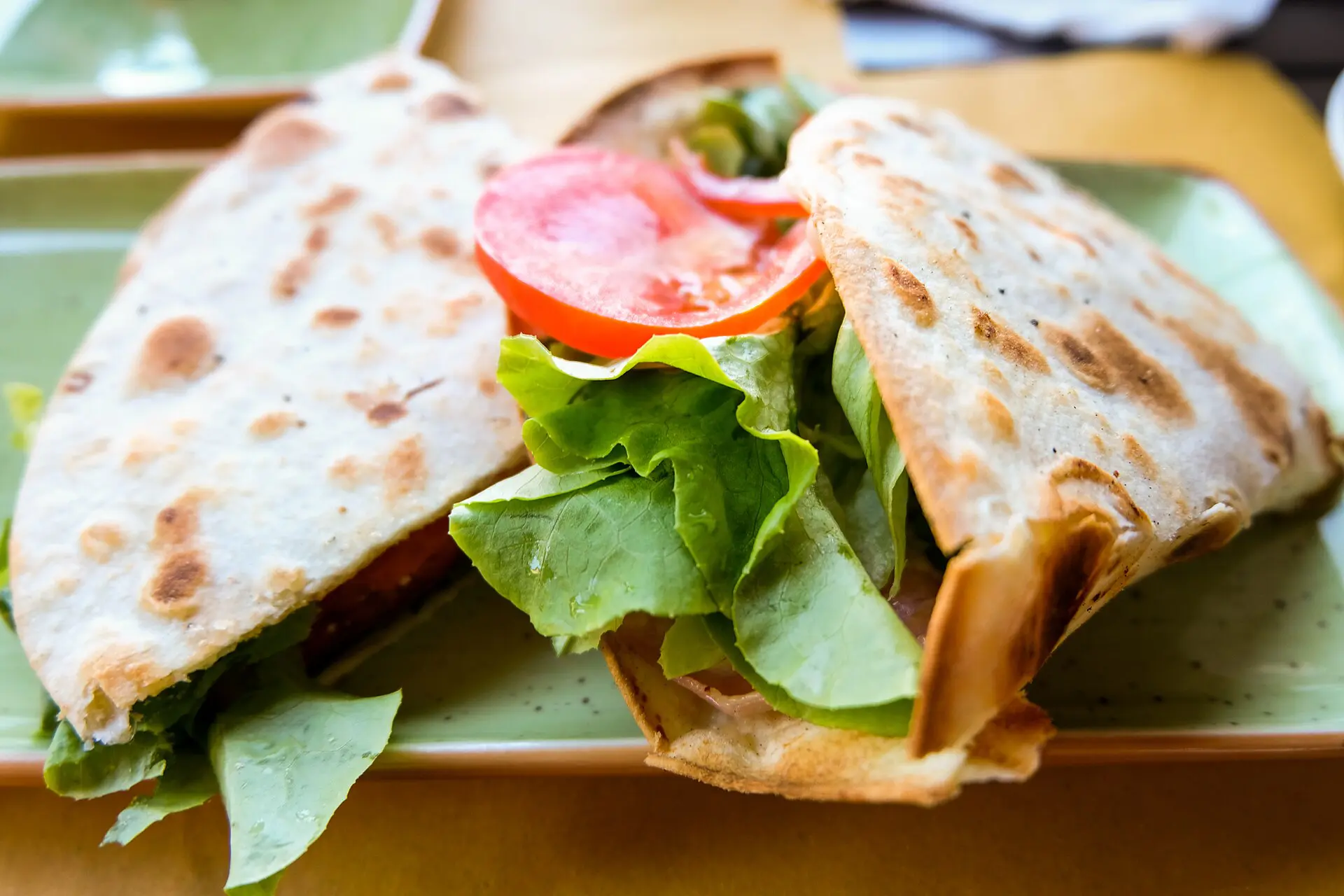
- Piadina: a thin flatbread filled with cured meat, cheese and rocket, the everyday snack of the region.
- Tagliatelle and passatelli: fresh egg pasta with ragù, and a bread-crumb pasta served in broth.
- Nidi di rondine: baked pasta rolls filled with ham and cheese, a local speciality.
- Grilled meats: pork, lamb and rabbit, often served with roast potatoes or beans.
- Torta Titano: a layered cake with wafers, hazelnuts and chocolate that is named after the mountain.
- Sangiovese and Biancale: local wines, with Moscato and a herbal liqueur called Mistrà as after-dinner drinks.
- Cheeses and cured meats: available in Borgo Maggiore’s market and local shops.
Vegetarians can eat well with pasta, vegetable dishes and piadina, though meat sauces are common. Prices fall as you leave the main streets of the old town, and lunch menus are the best value. Restaurants often close one day a week, so check opening times.
Culture, language and etiquette in San Marino
Italian is the official language, spoken with a local Romagnol accent. English is common in the tourist centre. Learn a few words, such as grazie (thank you) and buongiorno (good day), and greet staff when you enter a shop or restaurant.
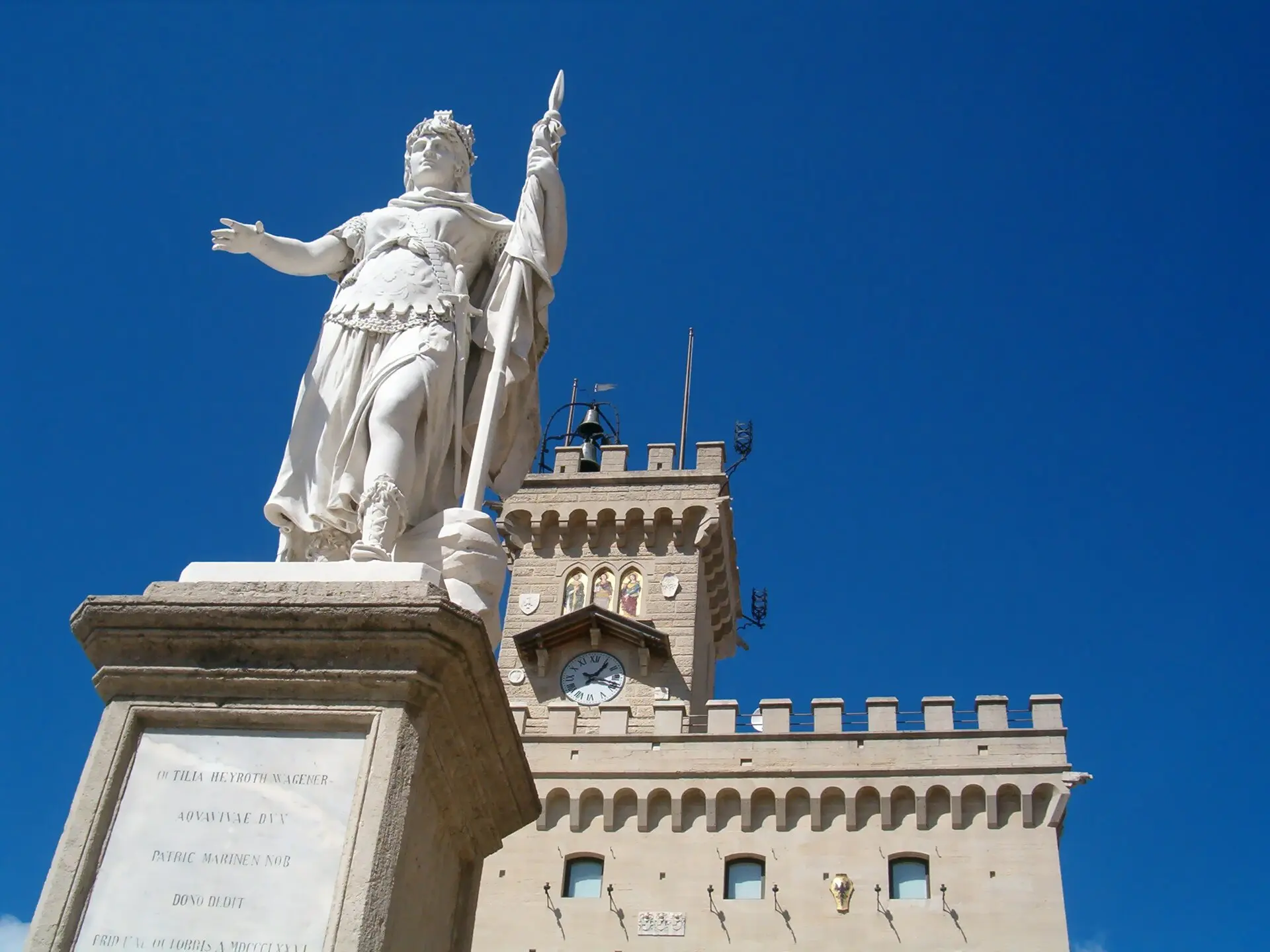
San Marino has a strong sense of identity built on centuries of independence. The state is led by two Captains Regent, chosen by the Grand and General Council and serving six-month terms. The republic is proud of its constitution of 1600 and its legend of founding by Saint Marinus, a stonemason from the island of Rab, with Republic Day celebrated in early September.
Most residents are Catholic. Dress modestly in churches, with covered shoulders and knees, and be quiet in services. Do not take photos of the guards’ faces without asking, and respect the ceremonial areas. Meals are social and slow, so allow time, and bargaining is not customary, even in the souvenir shops.
San Marino itinerary: a 7-day route
San Marino needs only a day or two, so this route uses it as one stop on a week around Romagna and the Adriatic. Hire a car or use buses and trains.
- Day 1, Rimini: arrive, then walk the old town and the seafront.
- Day 2, San Marino: take the bus up in the morning, climb Guaita and Cesta, and eat lunch in Borgo Maggiore.
- Day 3, San Marino and walking: walk the Monte Titano trails and visit the museum, or stay overnight for the quiet evening streets.
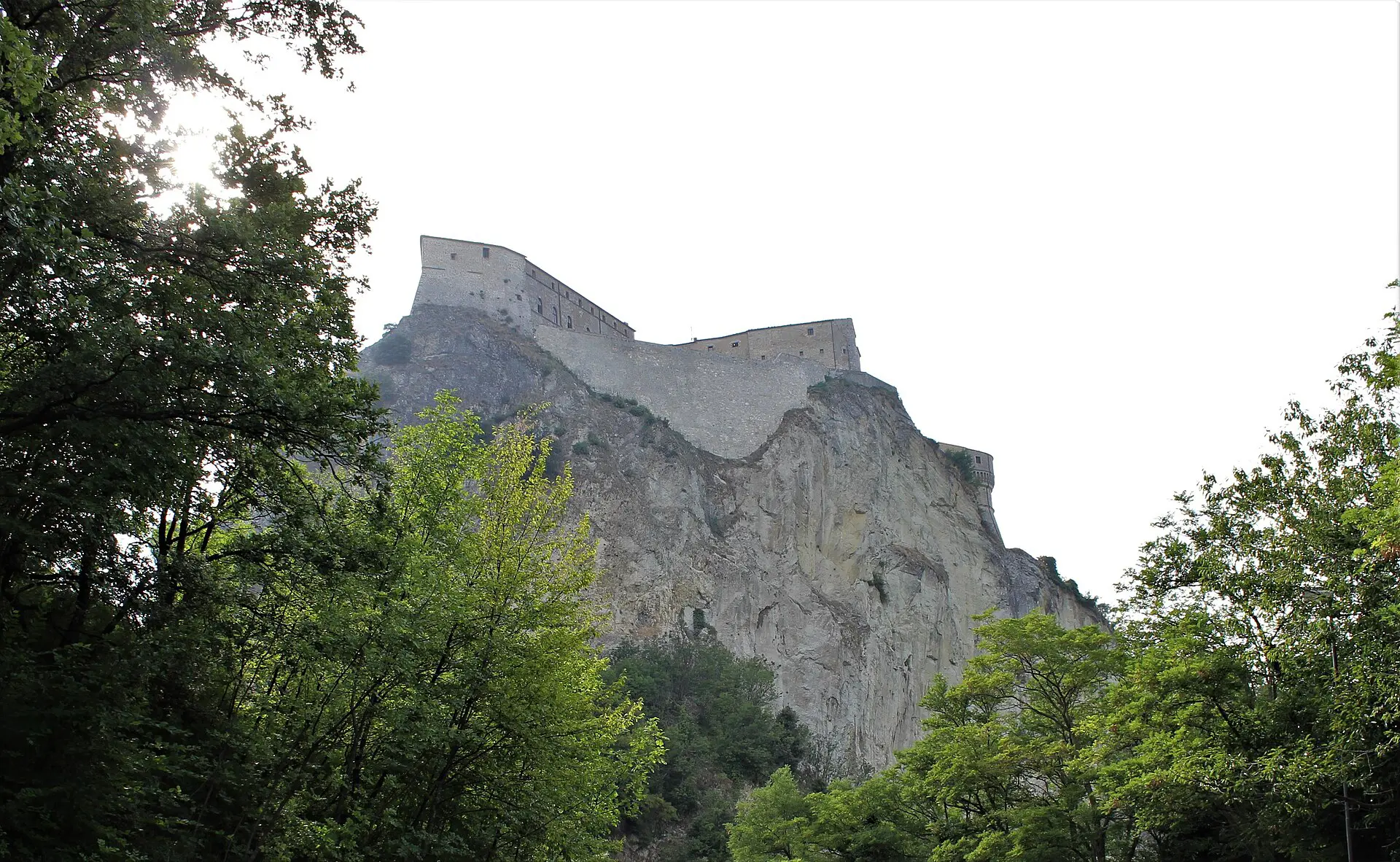
- Day 4, San Leo: go about 40 minutes by car to the hill fortress and village in the Montefeltro.
- Day 5, Urbino: travel about an hour to see the Renaissance Ducal Palace.
- Day 6, Ravenna: take the train from Rimini, about an hour, to see the Byzantine mosaics.
- Day 7, return: allow time for Rimini airport or the train to Bologna.
With less time, do San Marino as a half-day from Rimini. In winter, shift outdoor walking to the middle of the day, and check opening hours.
Practical tips for San Marino
- Money: the euro is used; ATMs and cards are widely accepted, but carry a little cash for small shops and car parks.
- SIM and eSIM: Italian and EU SIMs generally work, though coverage may use a San Marino network, and roaming charges can differ, so check your plan.
- Plugs: types C, F and L at 230 V, as in Italy.
- Tipping: not obligatory, but rounding up or leaving about 5 to 10 percent for good service is welcome.
- Health: bring travel insurance, and carry an EHIC if you are from the EU.
- Packing: comfortable shoes with grip for steep cobbles, a windproof layer even in summer and a small day pack.
- Timing: arrive before about 10 am or after 4 pm to avoid coach crowds, and check tower opening hours, which change by season.
- Parking: use the lower car parks and the cable car instead of driving into the old town.
For wider background, see the Wikivoyage San Marino guide.
FAQ
Q1Is San Marino worth visiting?
Yes, for a day or an overnight stay. The UNESCO-listed hilltop town has three medieval towers, museums and broad views, and it is easy to reach from Rimini. It is very small and crowded in midsummer, so go early or late and combine it with Romagna.
Q2How do I get from Rimini to San Marino?
A regular bus runs from Rimini station to the City of San Marino, taking roughly 40 to 50 minutes, and by car it takes about 30 minutes. There is no airport or railway in San Marino. Check the current bus timetable and ticket prices before you travel.
Q3What are the best things to do in San Marino?
Climb Guaita and Cesta towers, walk the ridge path along Monte Titano, see Palazzo Pubblico and the guards on Piazza della Libertà, ride the cable car from Borgo Maggiore and eat piadina or local pasta. Allow about half a day to a full day.
Q4Is San Marino safe?
Yes, San Marino is very safe, with one of the lowest crime rates in Europe. The practical risks are steep cobbles, wind, fog and occasional pickpocketing in crowded streets. Check your government's travel advice, and use the emergency number 112 for urgent help.
Q5Do I need a visa for San Marino?
San Marino has an open border with Italy, so Italian and Schengen rules effectively apply. Many visitors, including those from the US and UK, have generally been able to visit visa-free for short stays, but rules change. Confirm with official Italian sources, including any new EU entry systems.
Q6What is the best time to visit San Marino?
April to June and September to October are best, with mild weather, clear views and fewer visitors. July and August are hot and crowded with day trippers, while winter is cold and foggy with shorter hours. Pick weekday mornings to avoid crowds.
Q7What food is San Marino known for?
San Marino shares the Romagna kitchen: piadina flatbread, fresh tagliatelle and passatelli, nidi di rondine pasta rolls, grilled meats, Torta Titano cake and Sangiovese wine. Borgo Maggiore has less touristy restaurants than the upper town, and lunch menus are the best value.