Why visit Malta
The list of things to do in Malta is long for a country of about 316 square kilometres. The islands sit between Sicily and North Africa, and the Wikipedia overview describes a history that includes Phoenicians, Romans, Arabs, the Knights of St John and the British. That history is visible everywhere: in Valletta’s bastions, Mdina’s walled streets, the prehistoric temples that predate Stonehenge and wartime shelters.
Malta suits short city and sea breaks, since you can swim in the morning and see a fortress in the afternoon. English is an official language, driving is on the left, and the main islands are small enough to cross in under an hour. It works well for couples, families, divers and older travellers. It is less suited to travellers who want empty beaches in summer, as the best swimming spots fill up quickly, and rocky shores are more common than sand.
Best places to visit in Malta
The best places to visit in Malta are close together, so you can base yourself in one spot and make day trips.
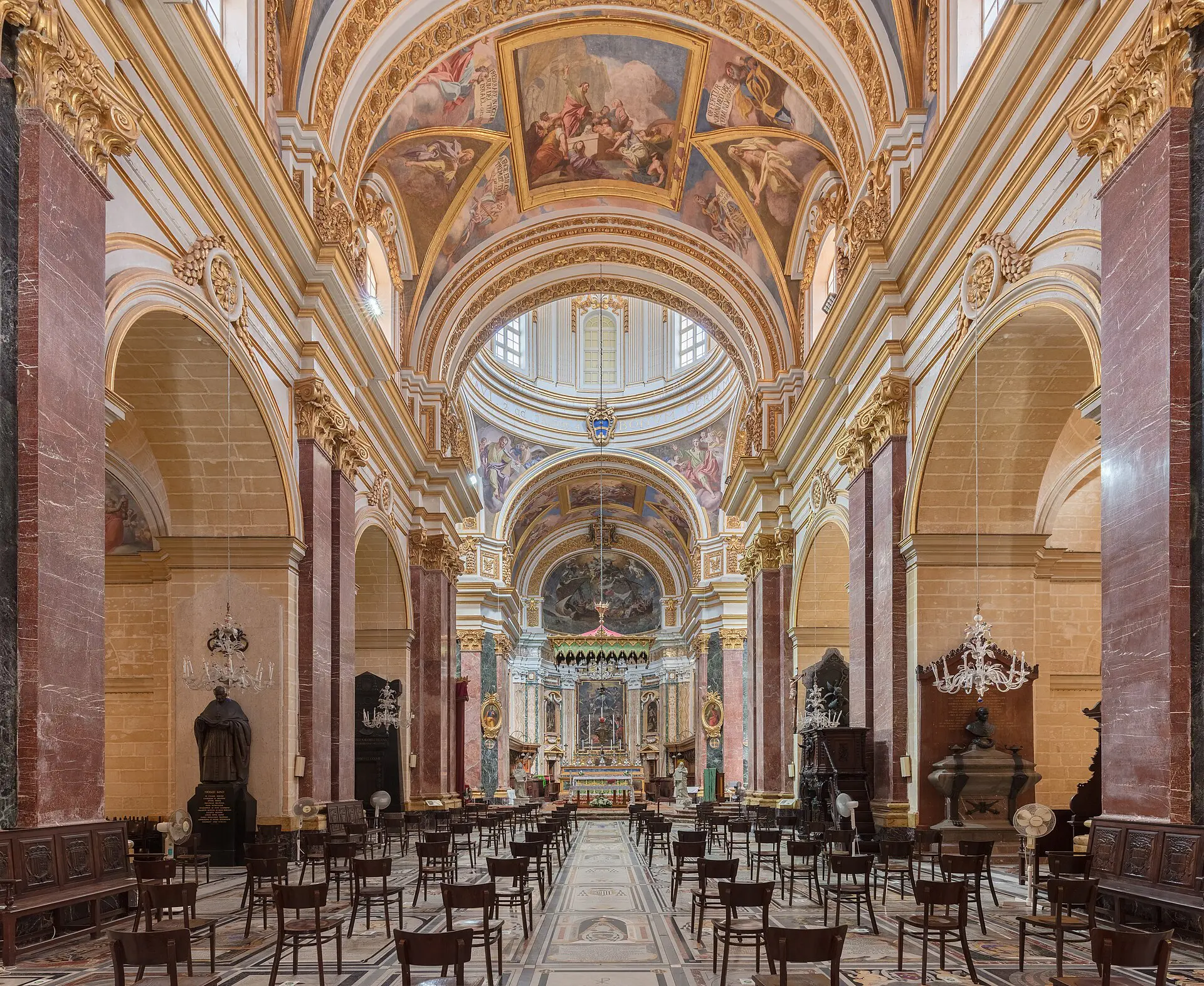
Valletta
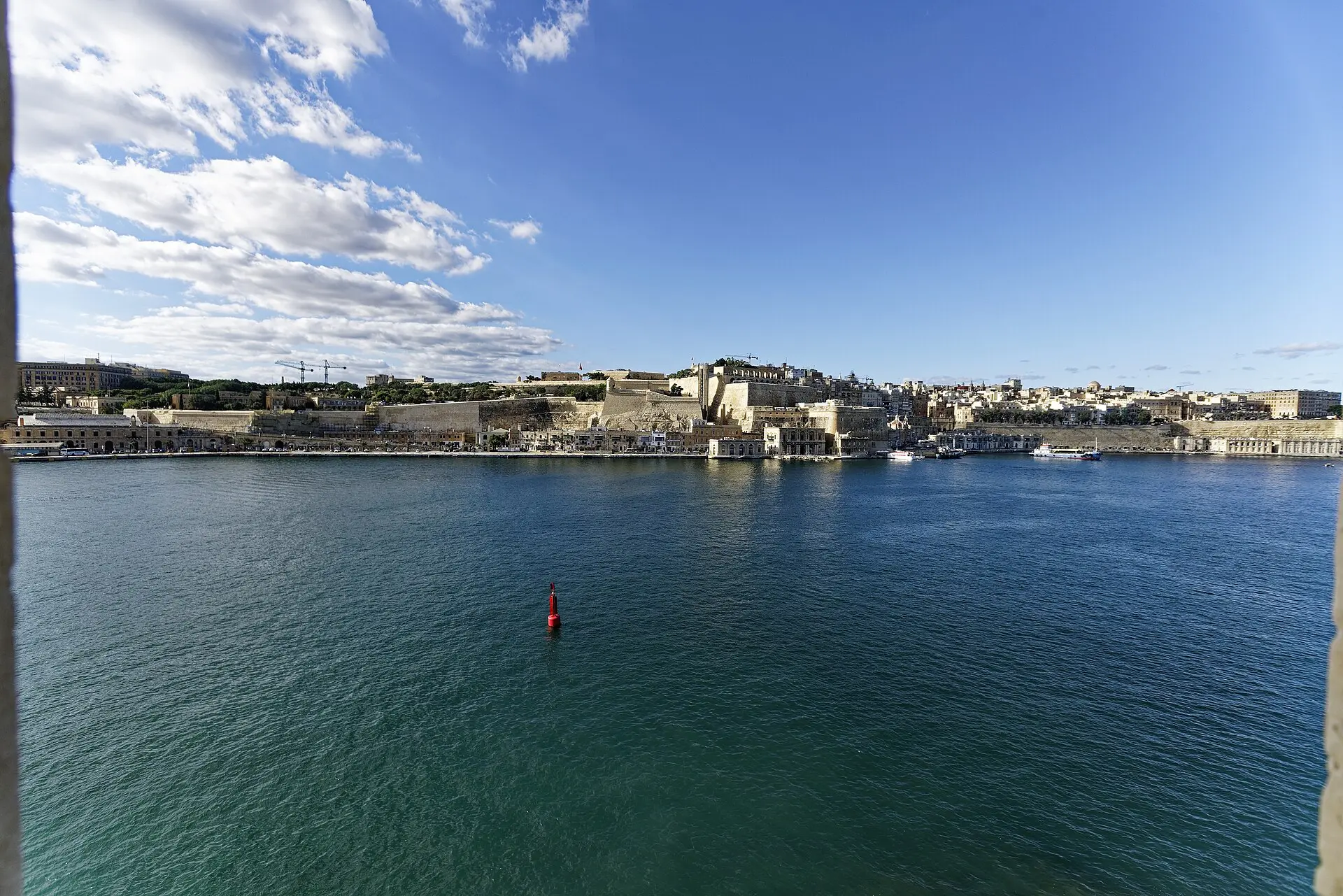
The tiny UNESCO-listed capital was built by the Knights of St John after the Great Siege of 1565. St John’s Co-Cathedral, the Upper Barrakka Gardens and the Grand Harbour views are the highlights, and the grid of streets is easily walked in a day.
Mdina and Rabat
Mdina is the old walled capital, quiet and car-free inside the gates, with narrow lanes and bastion views across the island. Rabat, just outside, has catacombs and a Roman villa.
The Three Cities
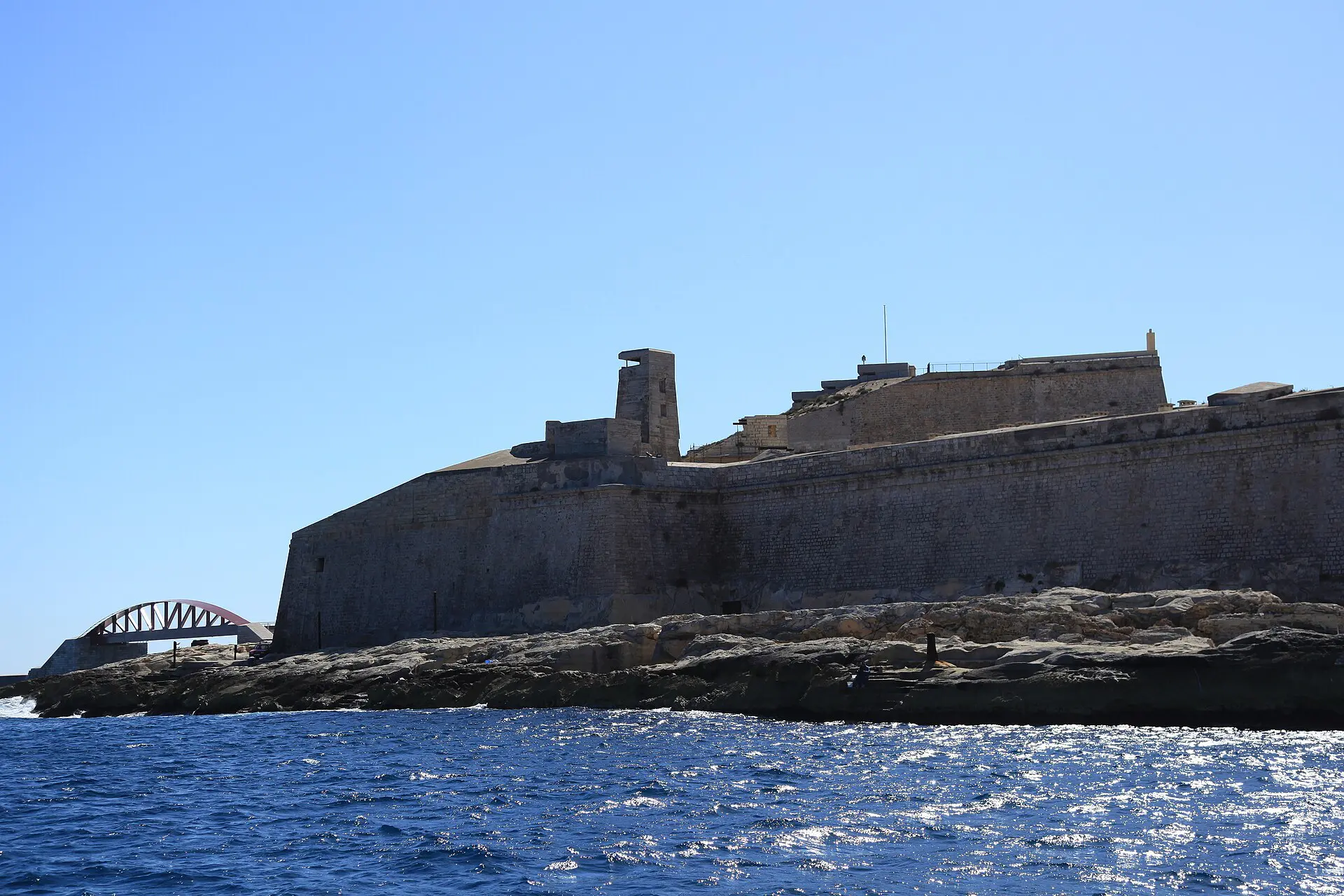
Birgu, Senglea and Cospicua sit across the Grand Harbour from Valletta and hold some of the oldest fortifications. They are less crowded than Valletta, and the ferry across is part of the pleasure.
Marsaxlokk
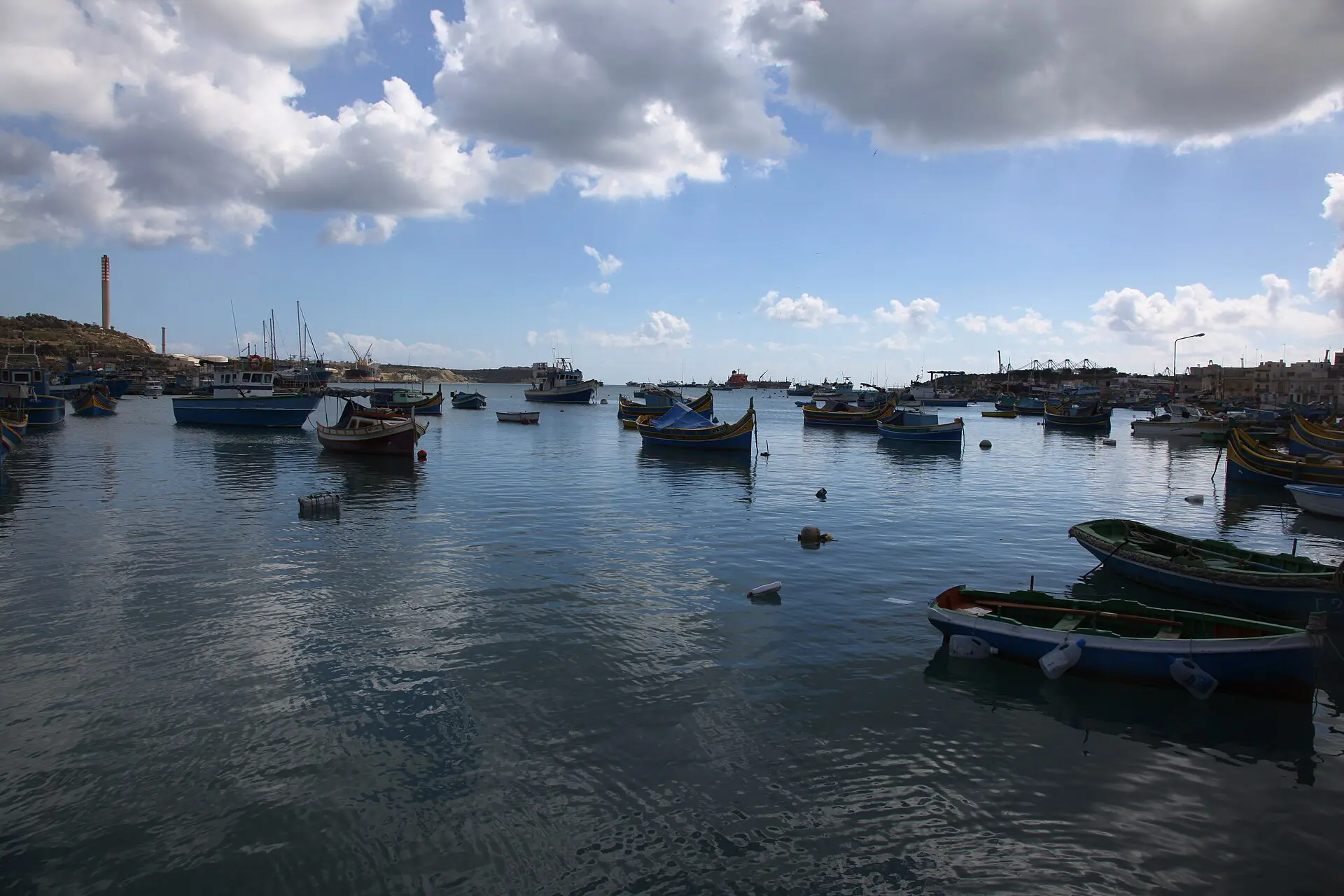
This fishing village in the southeast is known for its colourful luzzu boats and its Sunday fish market. Seafood restaurants line the waterfront.
Gozo and Comino
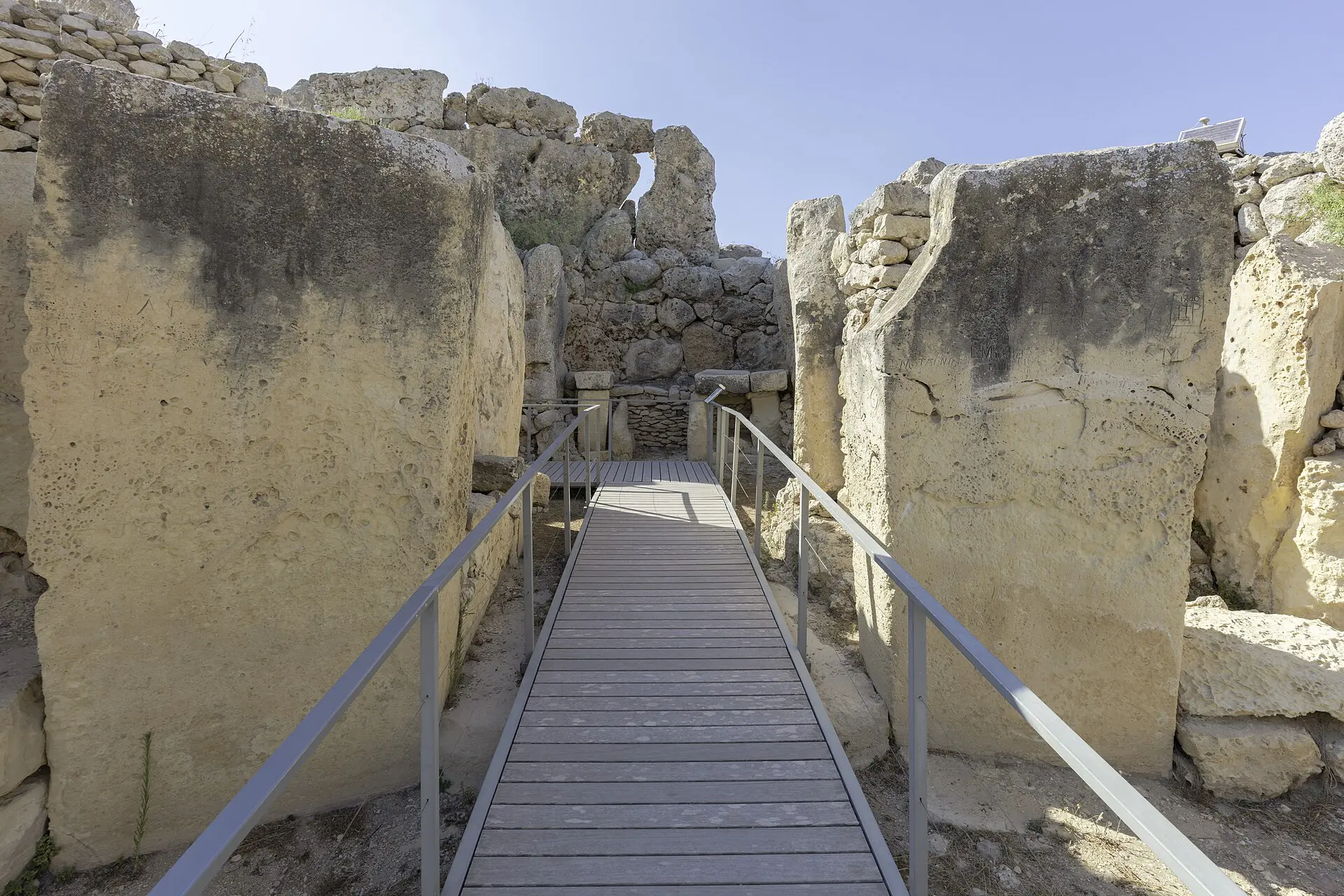
Gozo is greener and slower than Malta, with the Citadel in Victoria and prehistoric temples at Ġgantija. Tiny Comino, in between, is known for the Blue Lagoon.
Sliema and St Julian’s
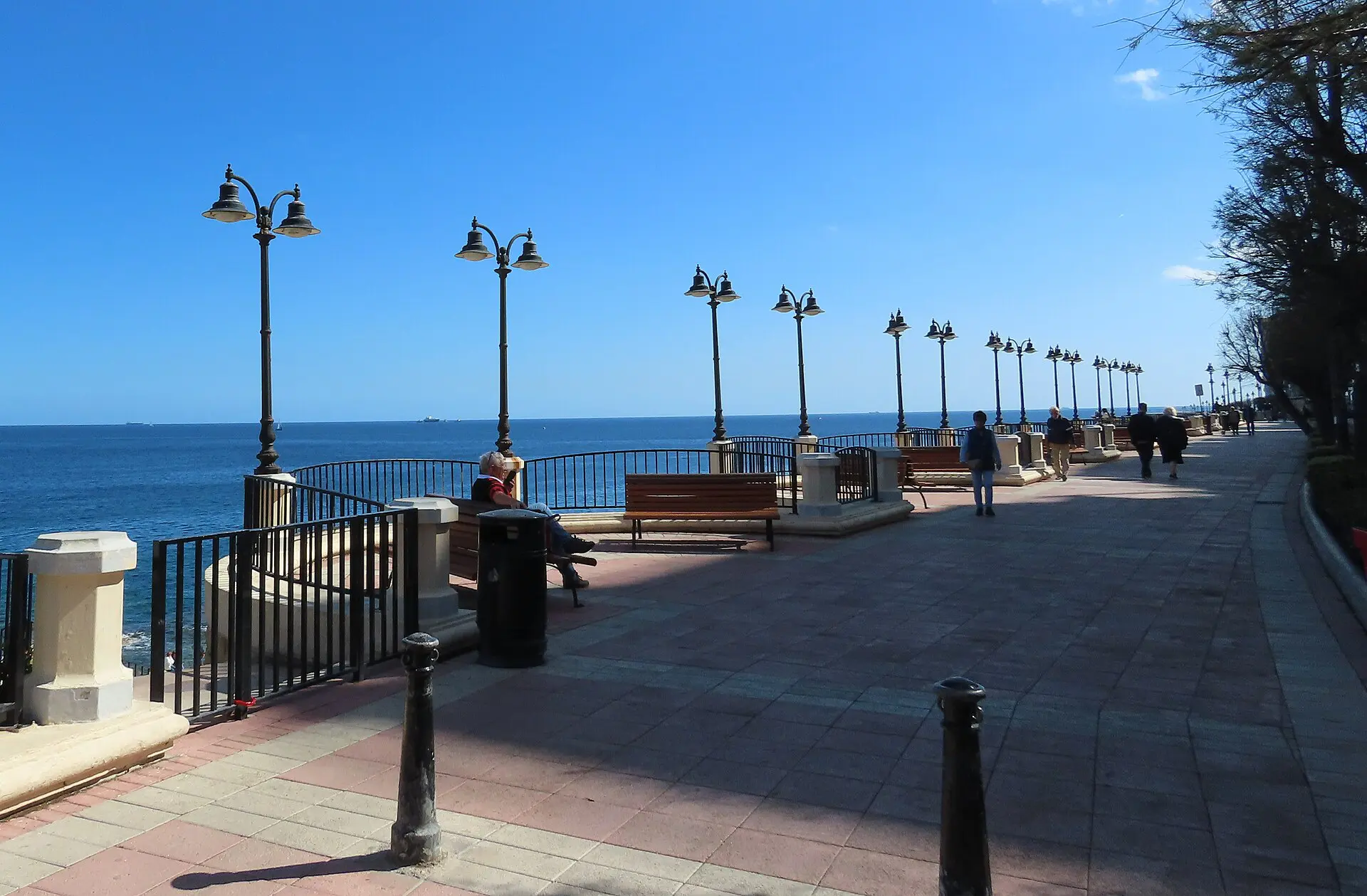
These are the main resort areas, with seafront promenades, restaurants and nightlife, and they are the most convenient bases for first-time visitors.
Top things to do in Malta
The top things to do in Malta mix heritage, sea and food, and many are free or low cost.
- Walk Valletta: stroll Republic Street, visit St John’s Co-Cathedral and look over the Grand Harbour from the Upper Barrakka Gardens.
- Explore Mdina: wander its lanes in the early morning or evening, when day trippers are fewer.
- Visit the temples: Ħaġar Qim and Mnajdra, and Ġgantija on Gozo, are among the oldest free-standing stone buildings in the world.
- Book the Hypogeum: the underground prehistoric burial complex at Paola has strictly limited visitor numbers, so tickets sell out well ahead.
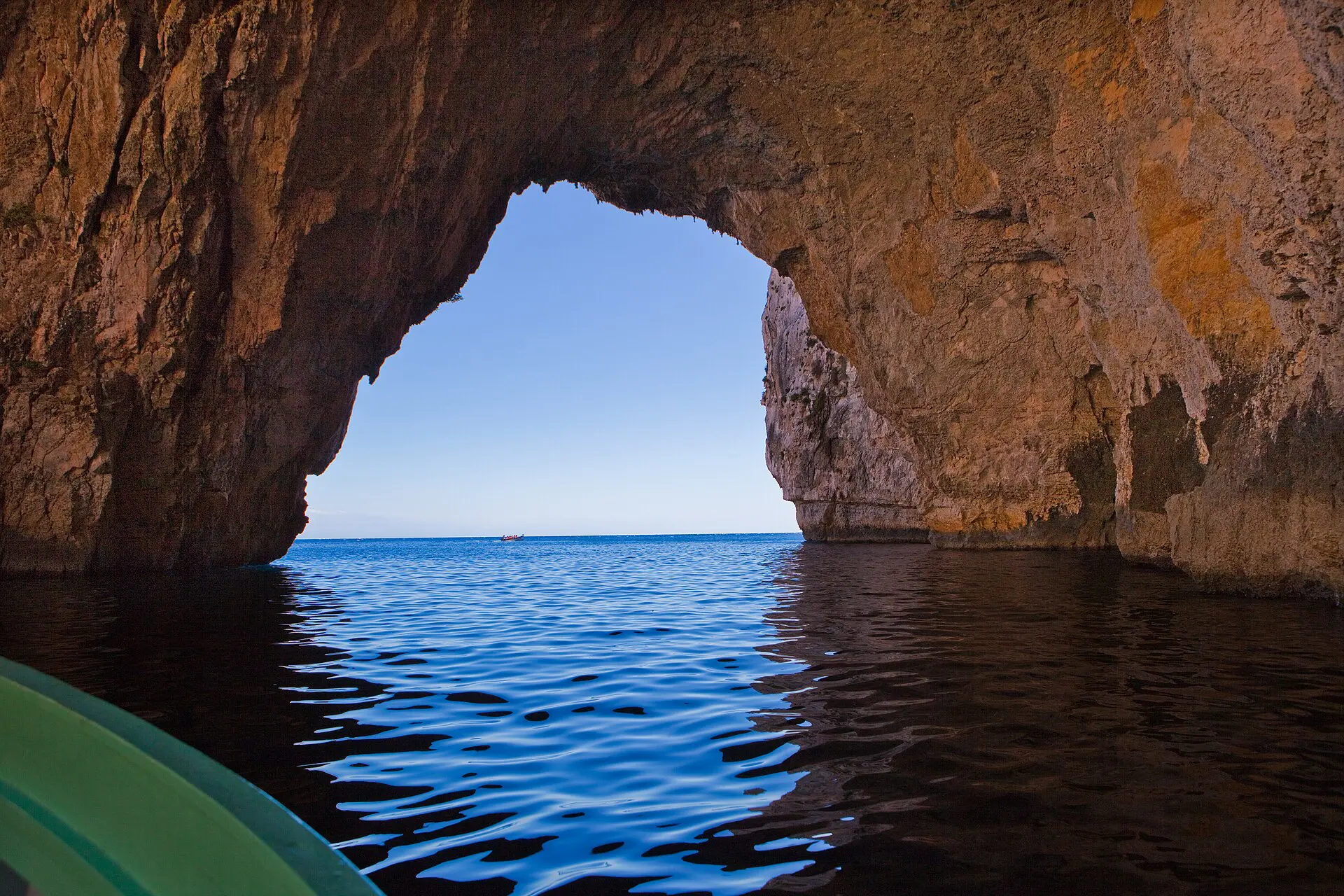
- Take a boat to the Blue Grotto: small boats from Wied iż-Żurrieq visit sea caves, in calm weather.
- Swim at Comino: the Blue Lagoon is stunning but crowded in summer, so go early or late.
- Dive: wrecks, caves and reefs make Malta and Gozo popular with divers all year.
- Ride a ferry across the Grand Harbour: the crossing to the Three Cities is short and scenic.
- Visit the Dingli Cliffs: sunset views from the island’s highest point, around 250 metres.
- Visit Popeye Village: the film set at Mellieħa Bay is now a family attraction.
Best time to visit Malta
The best time to visit Malta is April to June and September to October, when the weather is warm, the sea is comfortable and sightseeing is easy. July and August are hot, often above 30 C, and crowded, with the highest prices. Winters are mild but can be wet and windy, and sea temperatures are low, though the islands stay green and quiet.
| Season | Weather | Crowds and prices | Good for |
|---|---|---|---|
| Spring (Mar-May) | Mild to warm, some showers early | Moderate, rising by May | Sightseeing, walking, wildflowers |
| Summer (Jun-Aug) | Hot and dry, sea about 25 C | Highest prices and crowds | Beaches, boat trips, diving |
| Autumn (Sep-Oct) | Warm, sea still warm | Falling after mid-September | Swimming, culture, food |
| Winter (Nov-Feb) | Cool, wet and windy at times | Low | City breaks, cheap deals, diving |
Easter and the village festas, which run mainly from June to September, bring processions, fireworks and bands. Ferries and some boat trips are limited in winter when seas are rough.
Is Malta safe to visit?
Yes, Malta is safe for visitors and has low levels of violent crime. The main problems are petty theft in crowded places, heat in summer and sea hazards. Check the UK FCDO or your own government’s travel advice before you go.
Theft and nightlife. Pickpocketing is rare but occurs at festivals and buses. Paceville in St Julian’s is the nightlife centre, where drunken behaviour and drink spiking are known problems, so watch your glass and stay with friends.
Roads. Malta drives on the left, and traffic is heavy and often fast. Pavements are narrow in many towns, and drivers can be impatient, so take care when crossing.
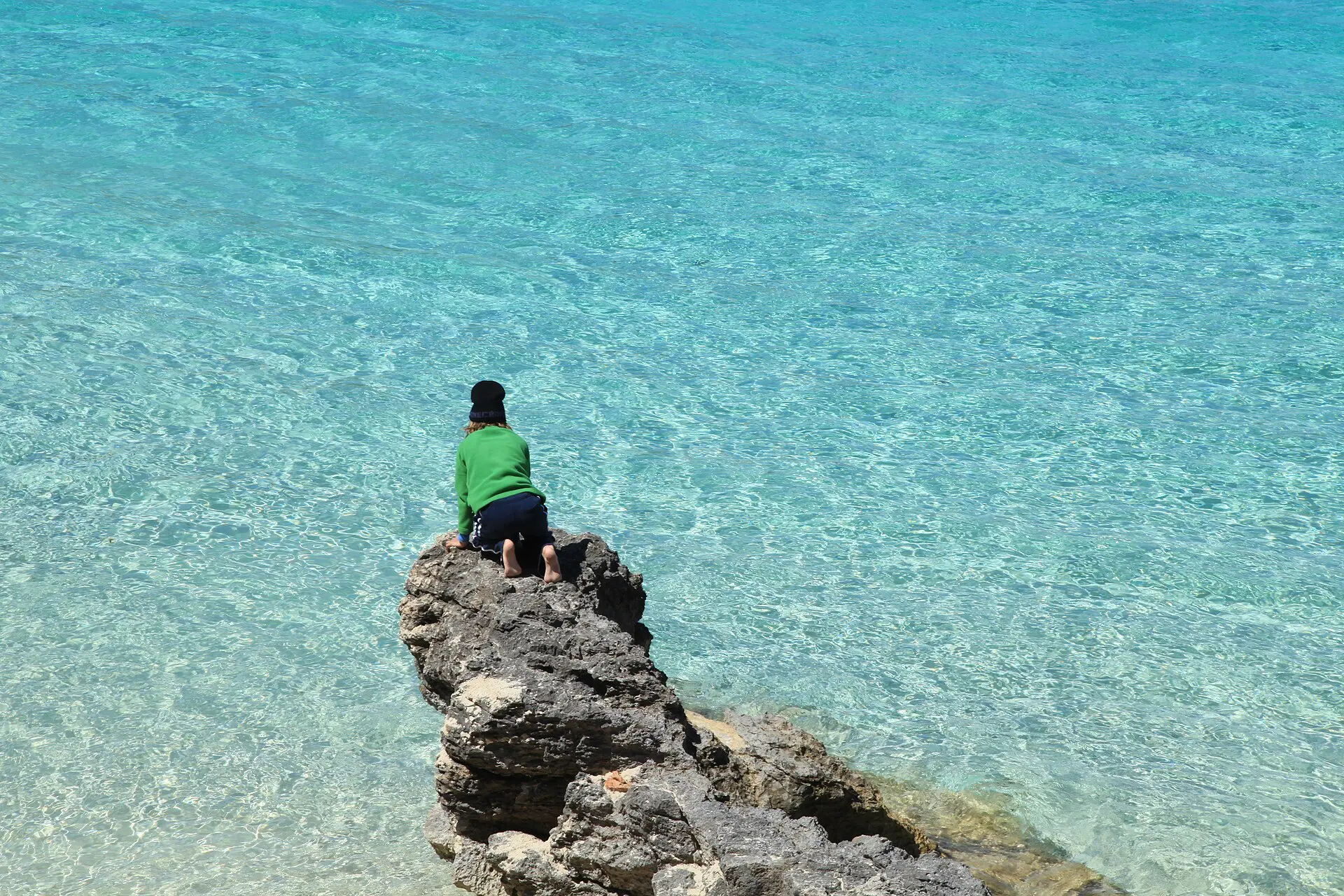
Sea and weather. Currents, rocky entries and jellyfish can affect swimmers, and some beaches have no lifeguards. Heat waves in July and August can be dangerous, so carry water and avoid midday sun.
Health and law. Tap water is safe to drink, though many visitors prefer bottled water for the taste. EU visitors should carry a health insurance card, and others should buy insurance with medical cover.
Malta visa and entry requirements
Malta is a member of the European Union and the Schengen Area, so entry rules follow Schengen rules. EU, EEA and Swiss citizens can enter with a passport or national ID, and many other visitors, including those from the UK, the US, Canada and Australia, have been able to stay visa-free for up to 90 days in any 180-day period. Rules vary by nationality and change, so confirm the current requirement with the Maltese authorities or your nearest embassy.
The EU has been introducing new entry systems, including a biometric entry and exit system and the ETIAS travel authorisation for visa-exempt travellers. Check the current start dates before you book, because they may apply to your trip. Your passport should usually be valid for at least three months beyond your stay and issued within the last ten years.
Travellers who need a Schengen visa must apply in advance through a Maltese or other Schengen consulate. Keep proof of accommodation, return travel and funds. The UNESCO page for Malta is a helpful guide to heritage sites, though it does not cover entry rules.
Getting to and around Malta
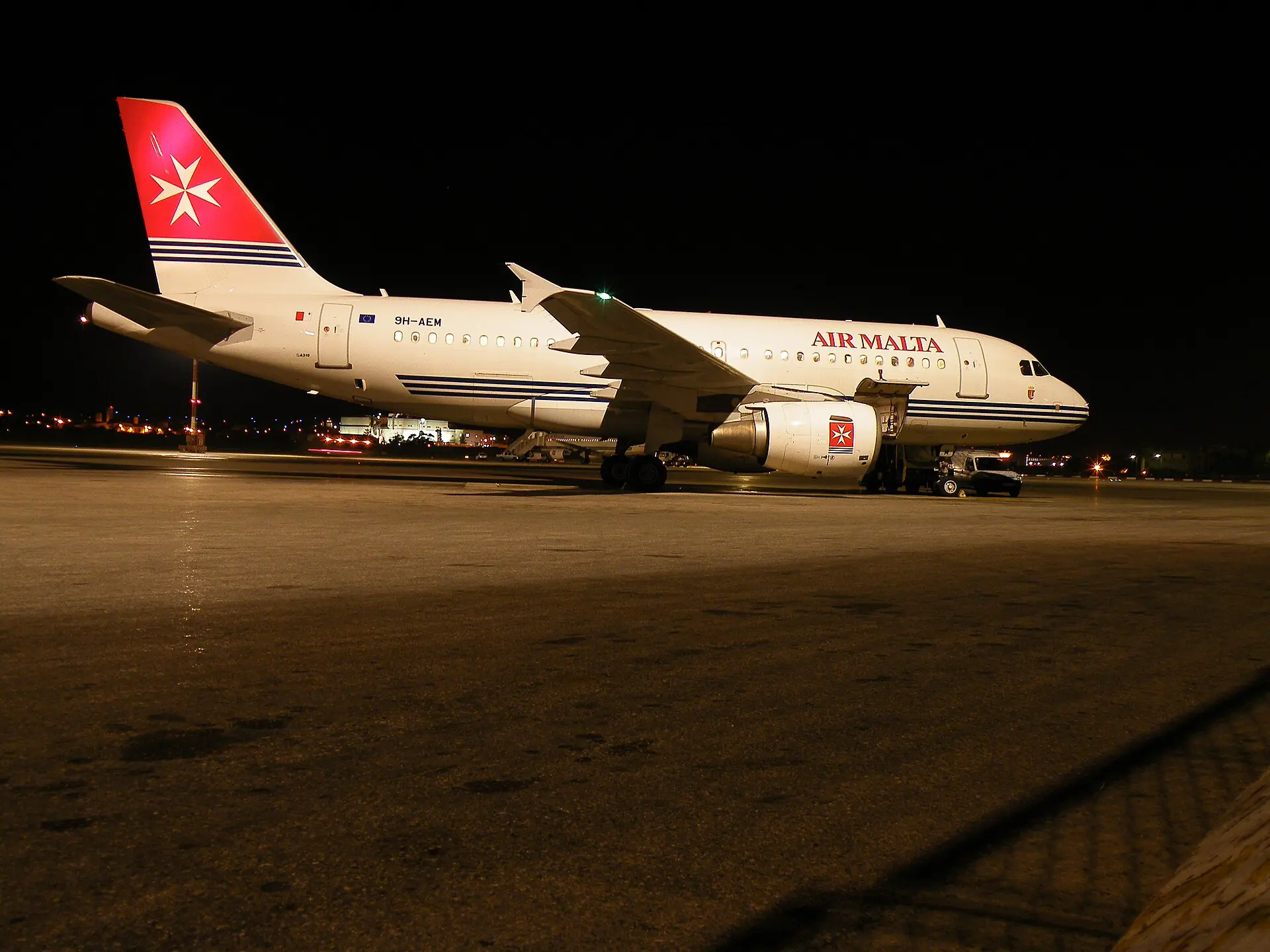
Nearly all visitors arrive at Malta International Airport, near Luqa, about 15 to 30 minutes by road from Valletta, Sliema or St Julian’s. It has direct flights from many European cities, with the most choice in summer. Ferries connect Malta with Sicily, for example from Pozzallo to Valletta, but the crossing takes around two hours or more and runs on a limited schedule.
Buses are the cheapest way around Malta and Gozo, with most routes passing through Valletta’s bus terminus, and a tourist or personalised card makes fares cheaper. Buses can be crowded and slow in summer. Taxis and ride-hailing apps are plentiful, and prices are best checked before you ride.
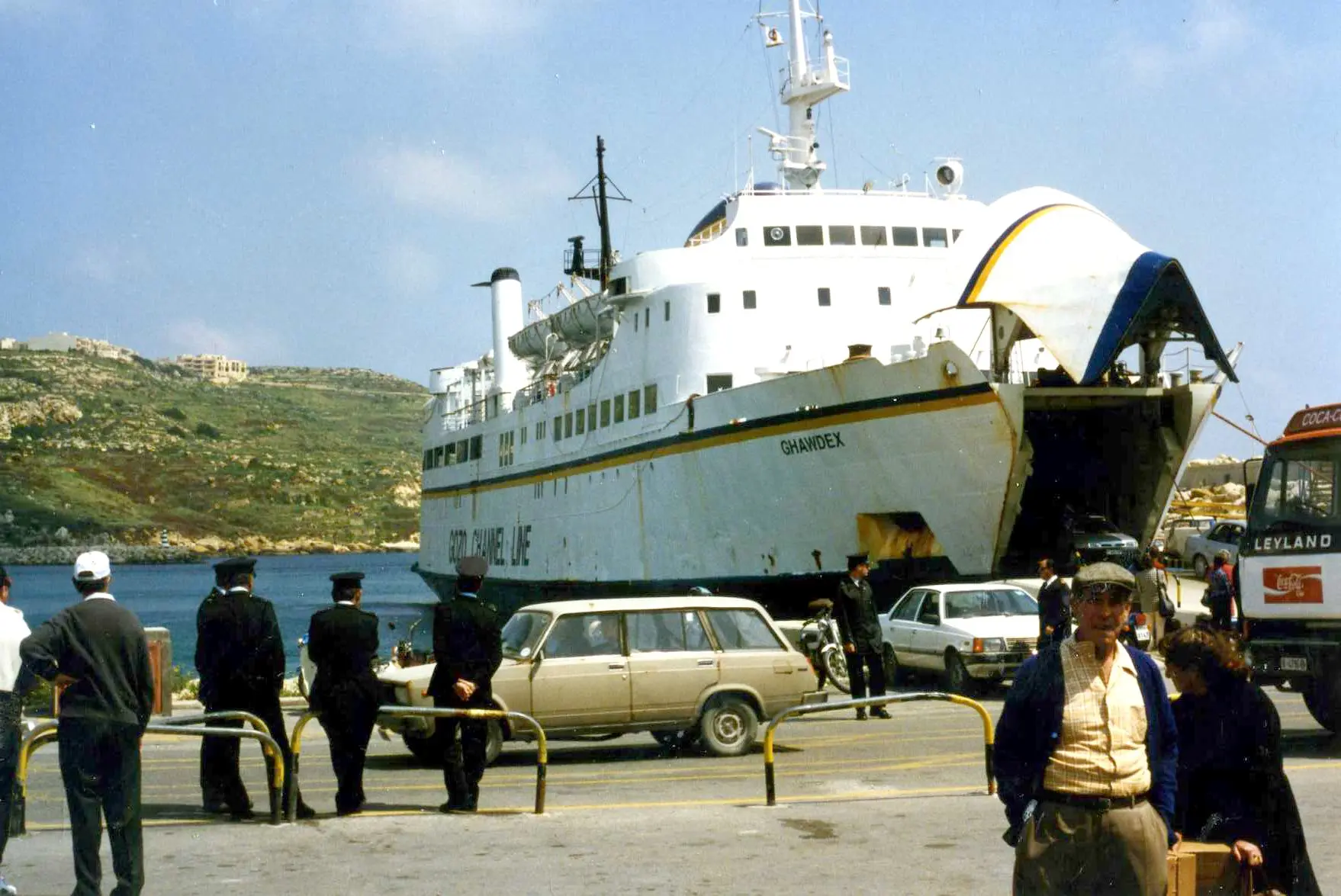
Ferries across the Grand Harbour link Valletta with Sliema and the Three Cities. The Gozo Channel ferry from Ċirkewwa to Mġarr takes about 25 minutes and runs frequently, and there is also a fast ferry from Valletta to Mġarr. Hire cars are easy to get, but remember that Malta drives on the left, and parking in Valletta is limited. Comino has no cars, and boats run seasonally.
How much does a trip to Malta cost?
Malta is cheaper than much of Western Europe, although summer prices have risen. The currency is the euro (EUR). Figures below are rough per-person guides for 2026, and July and August cost the most.
- Budget: around EUR 55 to 90 per day, with a hostel dorm or simple guesthouse, buses, pastizzi and casual meals.
- Mid-range: around EUR 90 to 150 per day, with a three or four-star hotel, restaurant dinners, boat trips and attraction entries.
- High-end: from around EUR 250 per day, with boutique hotels in Valletta or Gozo, private tours and fine dining.
Accommodation is the main swing factor, with beachfront and Valletta hotels costing the most. Public transport is inexpensive, and a lunch of local snacks costs a few euros. Many heritage sites charge entry, and a Heritage Malta multi-site pass can reduce the total if you visit several. Boat trips to Comino and the Blue Grotto, diving and car hire add to the budget. Visit in spring or autumn for lower prices than in high summer.
Malta food and drink
Malta food draws on Sicilian, North African and British traditions, with plenty of seafood, tomatoes, olive oil and fresh bread. Eating out is relaxed and portions are generous.
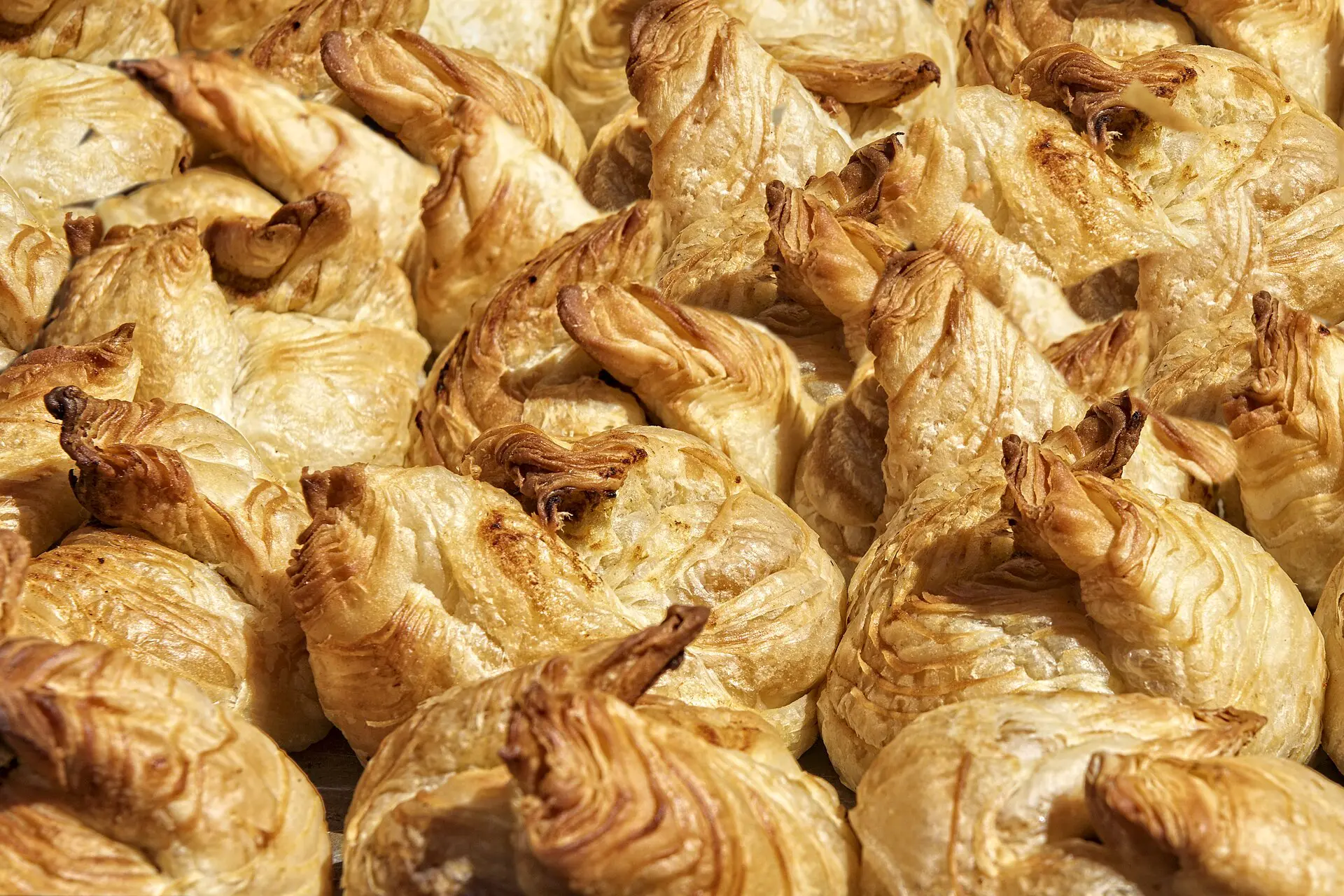
- Pastizzi: flaky pastries filled with ricotta or mushy peas, sold hot from small shops for about a euro.
- Ftira: a ring-shaped Maltese bread, often split and filled with tuna, tomato, olives and capers.
- Stuffat tal-fenek: slow-cooked rabbit stew, widely seen as the national dish.
- Lampuki pie: a pastry pie made with dolphinfish, in season from late summer into autumn.
- Bragioli: thin beef rolls stuffed with egg, bacon and breadcrumbs in a rich sauce.
- Ġbejniet: small local sheep or goat cheeses from Gozo, served fresh, peppered or dried.
- Imqaret: deep-fried pastries filled with dates.
- Kinnie and Cisk: a bittersweet orange soft drink and the local lager.
Maltese wine has improved sharply, with local grapes such as Girgentina and Gellewza. Seafood is best at Marsaxlokk and on Gozo. Vegetarians can find pasta, pizza, ftira and pastizzi, though traditional dishes are meat-heavy.
Culture, language and etiquette in Malta
Maltese is the national language and English is also official, so signs, menus and conversations are mostly in English. Maltese is a Semitic language written in the Latin alphabet, with many Italian and English loan words. Learning a few words, such as grazzi (thank you) and bongu (good morning), is welcomed.
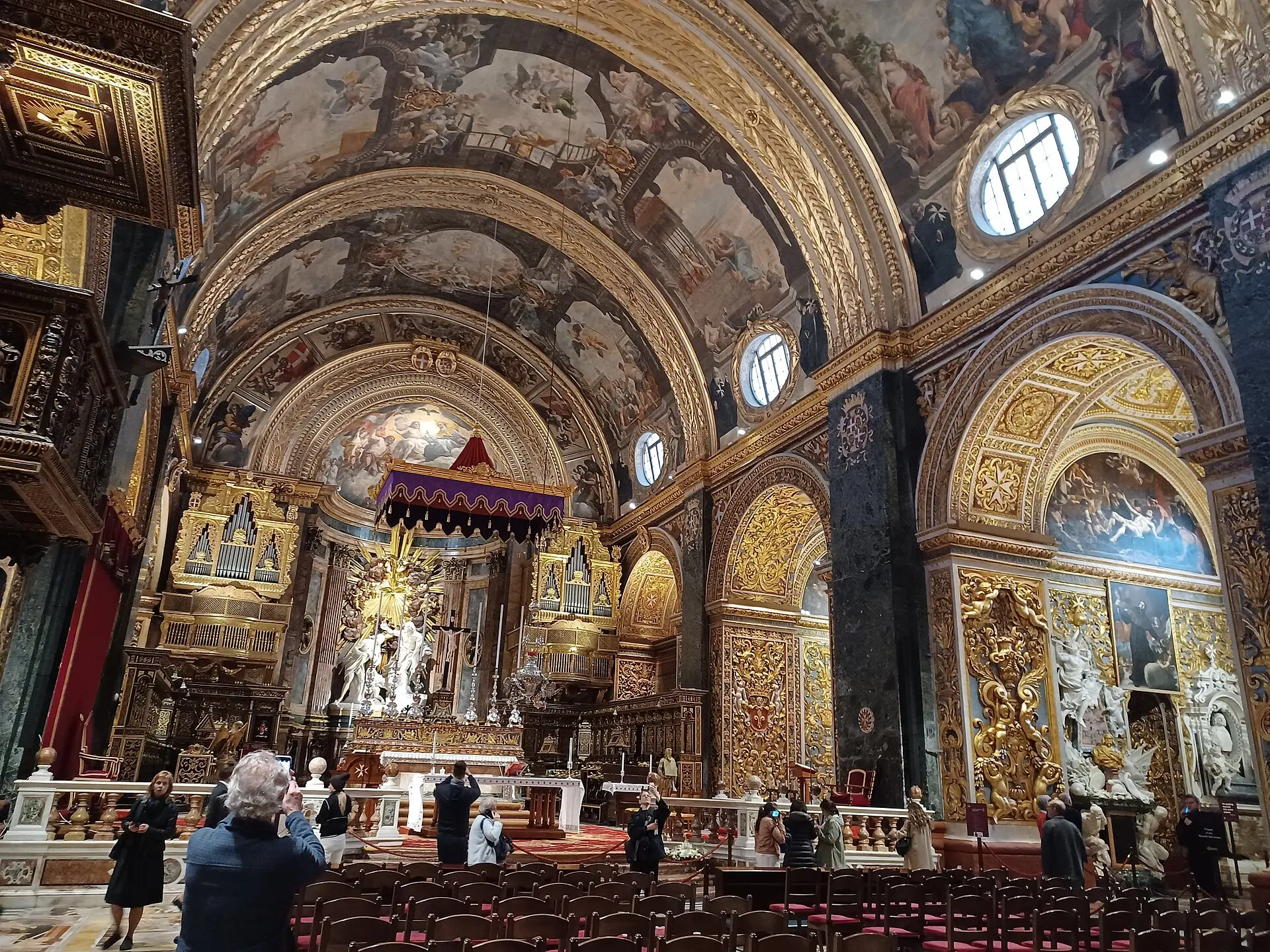
Malta is strongly Roman Catholic, and church life is central, especially during village festas with processions, brass bands and fireworks. Dress modestly in churches, covering shoulders and knees, and do not photograph services without permission. Locals are friendly and direct, and they are used to visitors.
Swimwear should stay at the beach and pool. Topless sunbathing is generally not accepted. Smoking is banned in enclosed public places. Malta has legalised same-sex marriage and is generally tolerant, and it was ranked highly for LGBT rights in Europe. Drive on the left and expect to wait for buses that run late. Keep noise down at night in residential areas, and respect the quiet of old towns such as Mdina.
Malta itinerary: a 7-day route
This route uses buses and ferries, and it keeps you in one base for the first half and on Gozo for the rest.
- Day 1, Valletta: arrive, walk Republic Street and the Upper Barrakka Gardens, and eat dinner in the old town.
- Day 2, Valletta and the Three Cities: visit St John’s Co-Cathedral in the morning, then take the ferry or a dgħajsa boat to Birgu.
- Day 3, Mdina and Rabat: take a bus of about 40 minutes, walk the old city, and visit the catacombs or the Roman villa.
- Day 4, south coast: visit Ħaġar Qim, take a Blue Grotto boat if seas are calm, then eat seafood at Marsaxlokk.
- Day 5, Gozo: take the Ċirkewwa ferry, visit the Citadel in Victoria and swim at a bay such as Ramla.
- Day 6, Gozo and Comino: see Ġgantija in the morning, then go on a boat trip to the Blue Lagoon.
- Day 7, return: take the ferry back and allow at least two hours before your flight.
For a shorter trip, skip Mdina or the Three Cities. In winter, replace boat trips with museum visits and long walks.
Practical tips for Malta
- Money: the euro is the currency. Cards are accepted almost everywhere, though small bars, bus tickets and some market stalls prefer cash. ATMs are common.
- SIM and eSIM: prepaid SIM cards and eSIMs are cheap, and coverage is excellent. EU roaming rules apply to EU visitors, while others should check their plan.
- Plugs: type G at 230 V, the same as in the UK, so continental visitors need an adapter.
- Tipping: not required. Leaving 5 to 10 percent for good service in restaurants is common, and taxi drivers appreciate rounding up.
- Health: tap water is safe, pharmacies are plentiful and EU health cards are accepted in public hospitals. Take sun protection.
- Packing: comfortable shoes for steep stone streets, water shoes for rocky entries, a hat, and a light jacket for winter evenings.
- Booking: reserve the Hypogeum, popular boat trips and summer ferries ahead of time.
For more background, see the Wikivoyage Malta guide.
FAQ
Q1What are the best things to do in Malta?
Walk Valletta and visit St John's Co-Cathedral, explore Mdina, see the prehistoric temples at Ħaġar Qim and Ġgantija, take a boat to the Blue Grotto and Comino, dive the wrecks, and spend a day on Gozo. Book the Hypogeum well ahead.
Q2What is Malta food like?
Malta food mixes Sicilian, North African and British influences. Try pastizzi, ftira, rabbit stew, lampuki pie and fresh seafood in Marsaxlokk, with Kinnie or a Cisk beer. Vegetarians can eat well, though traditional dishes often include meat.
Q3Is Malta safe?
Yes. Violent crime against tourists is rare. Take care with pickpockets at crowded events, drink spiking in Paceville, summer heat, traffic and sea currents. Drinking water is safe, and EU visitors should carry a health insurance card.
Q4What is the best time to visit Malta?
April to June and September to October are best, with warm weather, comfortable sea and fewer crowds. July and August are hot and expensive. Winter is mild, wet and cheap, and suits city breaks and diving, though some boat trips stop.
Q5Do I need a visa for Malta?
It depends on your nationality. EU citizens enter freely, and many others, including UK, US and Canadian citizens, can stay visa-free for up to 90 days in 180 under Schengen rules. New EU entry systems may apply, so check official sources.
Q6How many days do you need in Malta?
Four to five days covers Valletta, Mdina, the temples and a boat trip. Seven days lets you add Gozo and Comino at a relaxed pace. Divers and beach travellers can easily fill ten days, especially outside July and August.
Q7Is Malta cheap to visit?
Malta is cheaper than much of Western Europe, particularly in spring and autumn. Budget travellers can manage around EUR 55 to 90 per day, while mid-range travellers spend roughly EUR 90 to 150. Accommodation and summer car hire are the biggest costs.