Why visit Honduras
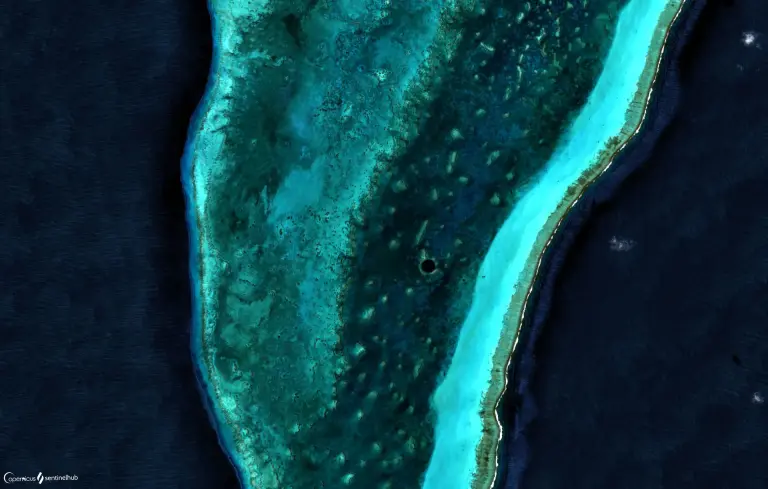
The things to do in Honduras combine Maya archaeology, Caribbean reefs and mountain forest at prices well below those of its neighbours. The country lies between Guatemala, El Salvador and Nicaragua, with a Pacific coastline on the Gulf of Fonseca and a long Caribbean coast, and it was part of the Maya world before Spanish colonisation (see the Wikipedia overview for background). Its Bay Islands sit on the Mesoamerican Reef, one of the largest barrier reef systems in the world.
Honduras suits divers, birdwatchers, archaeology fans and budget travellers who are comfortable with some planning. The best-known sights are concentrated in a few safer, tourist-oriented places, so many visitors fly to the islands or base themselves in Copán Ruinas. The country is also one of the poorest in the region and has high crime, so it is better for prepared, flexible travellers than for first-timers who want to wander freely.
Best places to visit in Honduras
The best places to visit in Honduras are the Maya site at Copán, the Bay Islands and a handful of mountain and coastal towns. Most trips link two or three.
Copán Ruinas
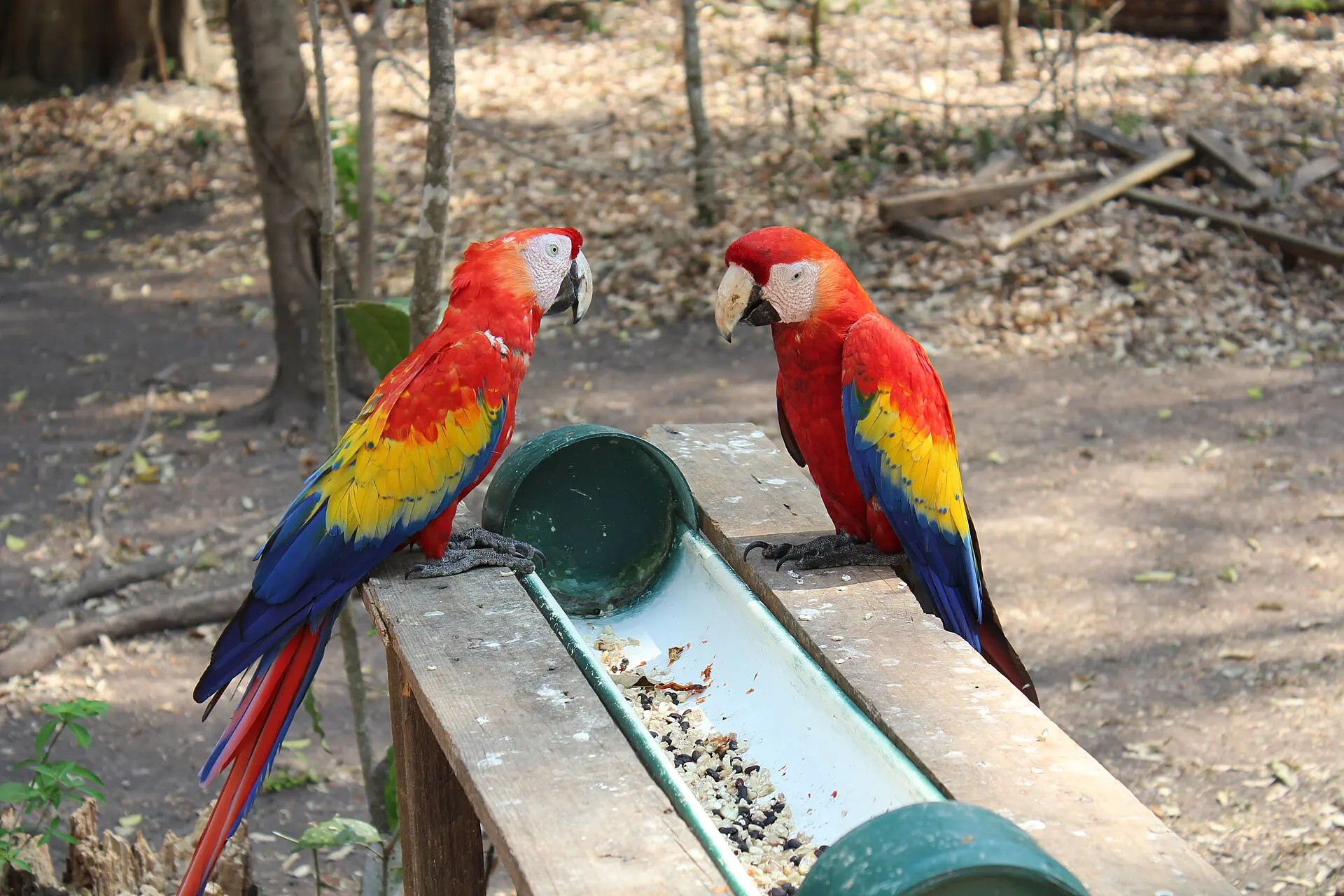
The small town beside the ruins is the most popular inland base. The UNESCO-listed Maya site has the Hieroglyphic Stairway, carved stelae and a ball court, and the town has cafés, hot springs and a macaw reserve.
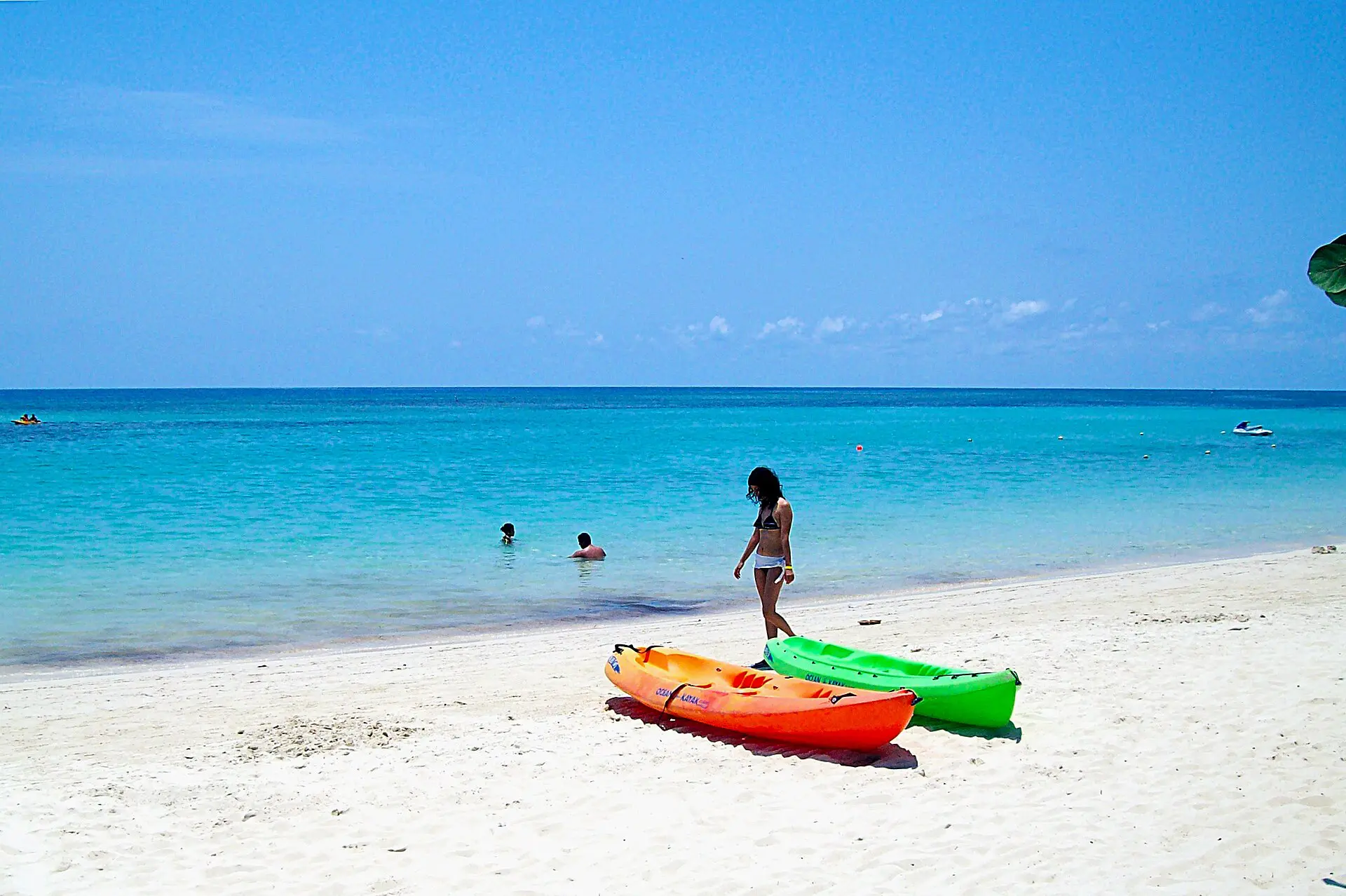
Roatán
The largest Bay Island has West End and West Bay for diving and beaches, plus cruise-ship traffic at Mahogany Bay. It is the easiest place for a relaxed Caribbean stay.
Utila
A backpacker island, Utila is one of the cheapest places in the world to learn to dive, and whale sharks are seen offshore for much of the year.
Pico Bonito and La Ceiba
La Ceiba is the gateway to the ferry to the islands, and the Pico Bonito National Park has rainforest trails, waterfalls and river rafting on the Cangrejal.
Lake Yojoa
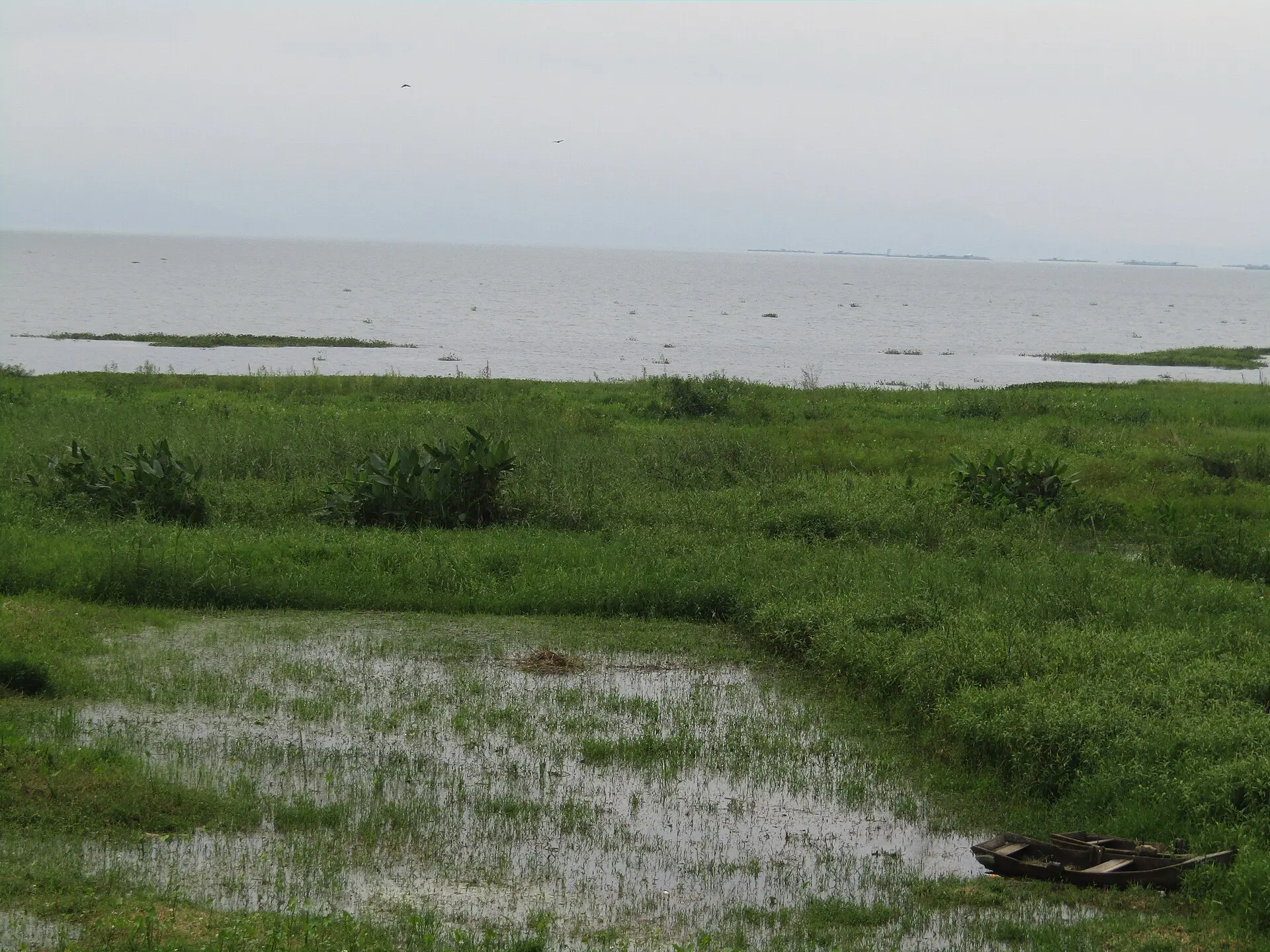
Central Honduras has a large lake with birdwatching, waterfalls and craft breweries.
Gracias and Comayagua
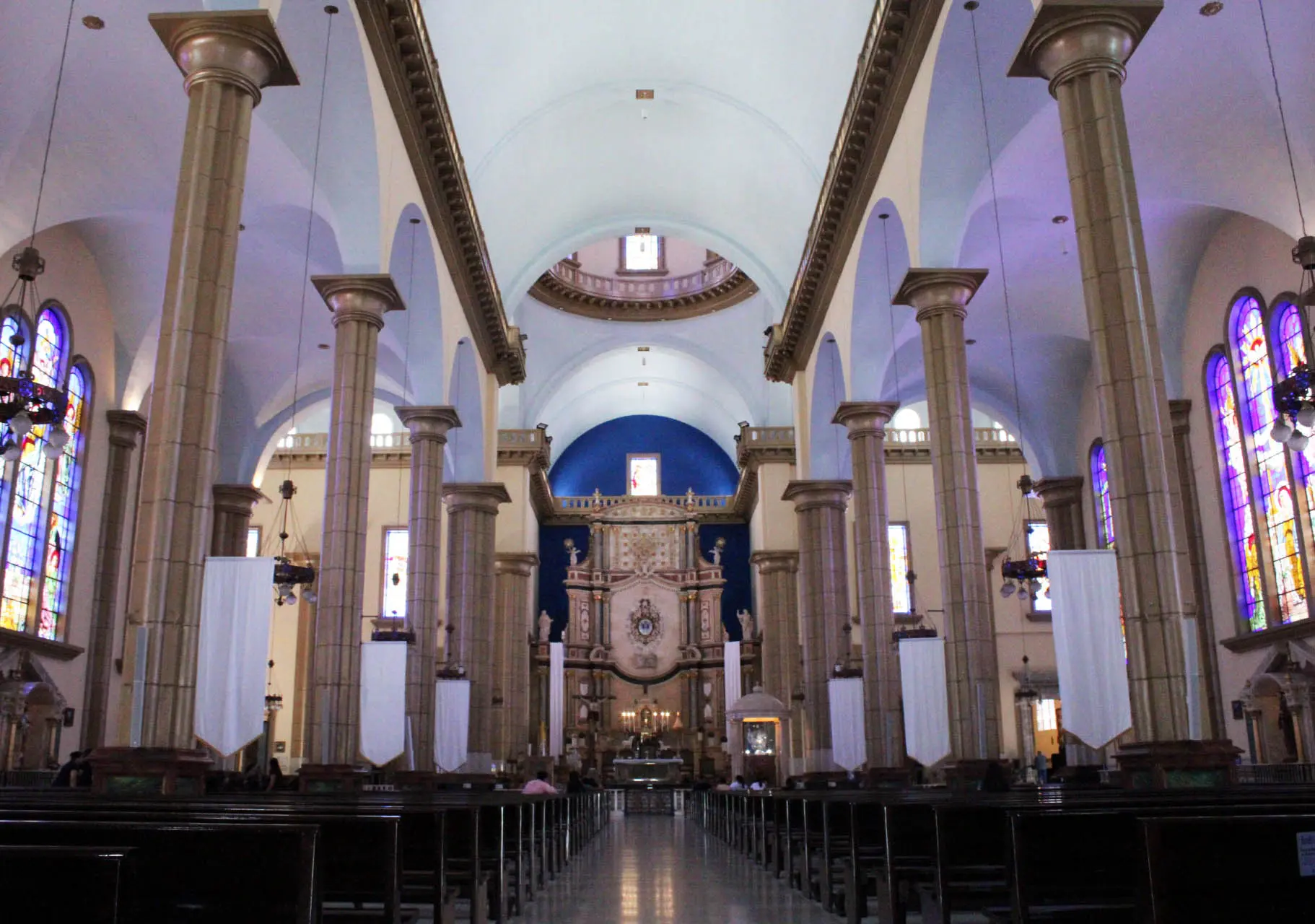
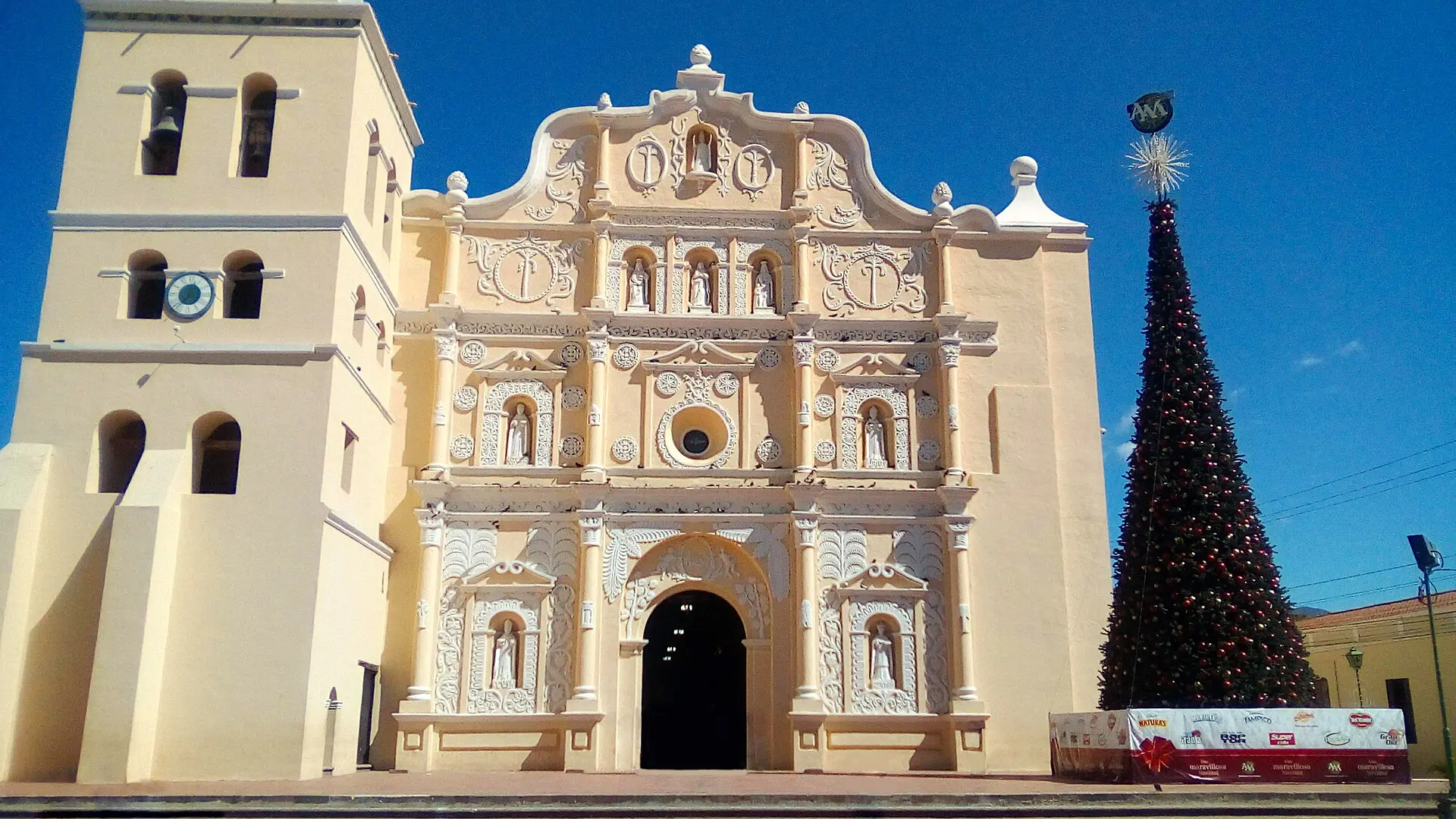
Gracias is a mountain colonial town with hot springs, and Comayagua is a historic former capital with an old cathedral and a famous Holy Week carpet tradition.
Things to do in Honduras
Things to do in Honduras are mostly outdoors and history-based. Book diving, rafting and park visits through local operators, and follow their advice on routes.
- Explore the Copán ruins: walk the Great Plaza and Hieroglyphic Stairway, and add the museum of sculpture.
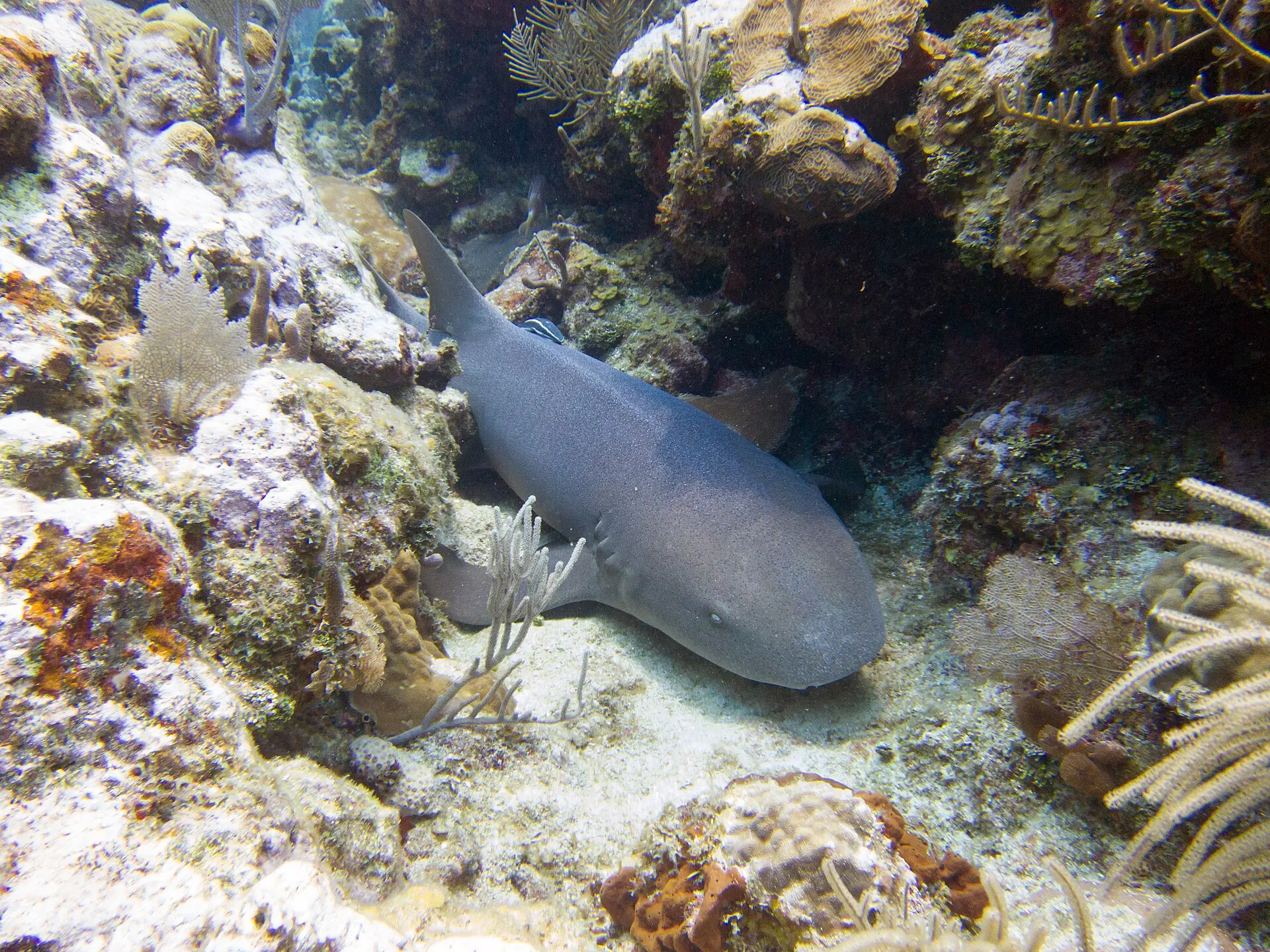
- Dive or snorkel in Roatán: the Mesoamerican Reef has walls, wrecks and colourful fish.
- Learn to dive in Utila: open-water courses are among the cheapest in the world.
- Swim with whale sharks: trips from Utila have a good chance of sightings, which are most common between March and April and in the autumn, depending on the year.
- Raft the Cangrejal River: white-water trips run from near La Ceiba through Pico Bonito.
- Hike in Pico Bonito: trails lead past waterfalls and rainforest with toucans and monkeys.
- See scarlet macaws: Macaw Mountain near Copán Ruinas rehabilitates parrots and macaws.
- Bird at Lake Yojoa: forest and wetlands around the lake hold a long bird list.
- Visit Garífuna villages: communities around Tela and Trujillo share music, dance and food.
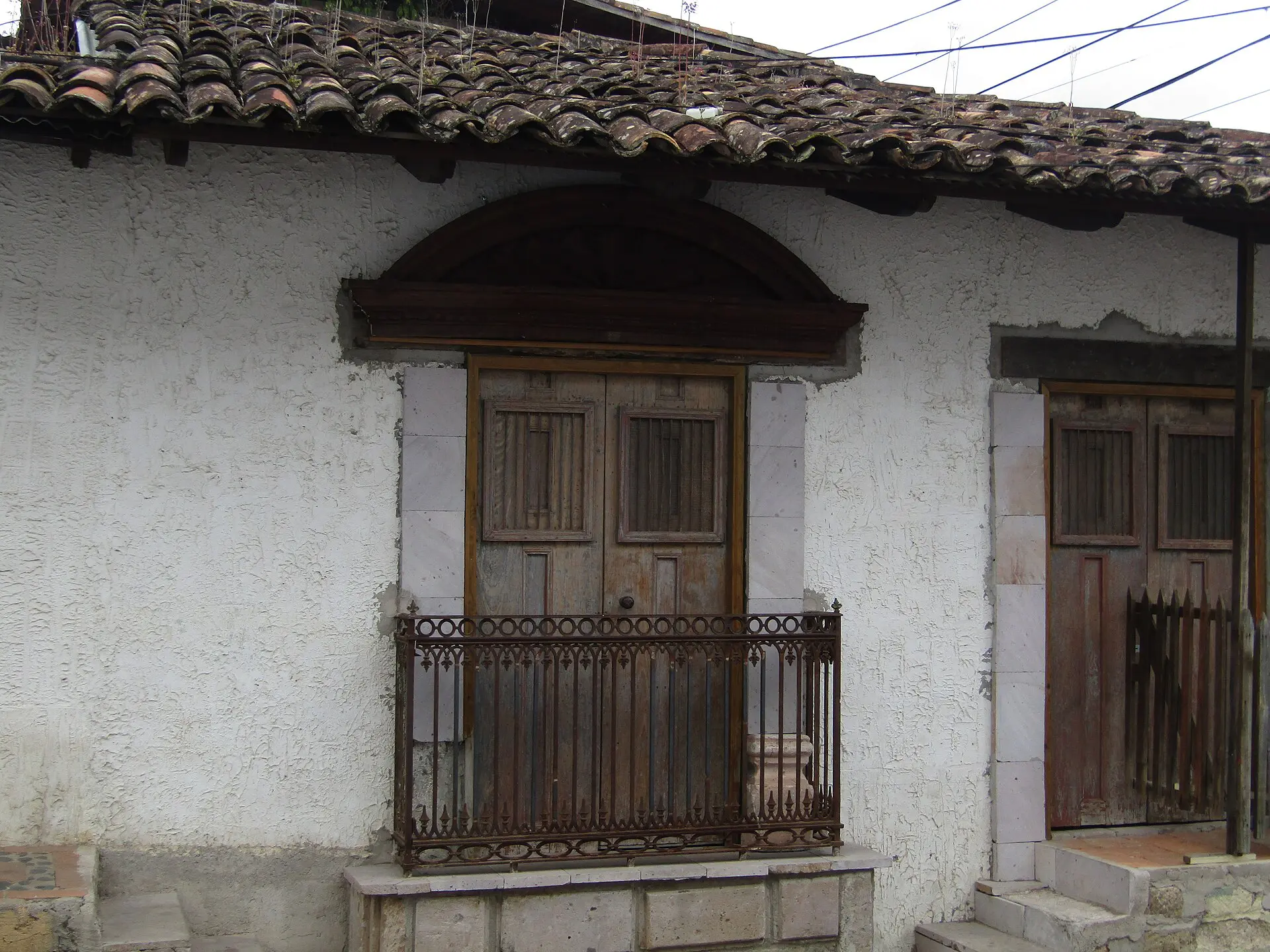
- Walk colonial streets: Comayagua, Gracias and Santa Rosa de Copán have old churches and plazas.
Best time to visit Honduras
The best time to visit Honduras is February to May, when the weather is dry and sunny across most of the country, and the Bay Islands are calm. The rainy season runs from about May or June to October or November, and the Atlantic hurricane season runs from June to November, with September and October the riskiest. Hurricanes Eta and Iota in 2020 caused major flooding, so check forecasts if you travel in the wet months.
| Season | Weather | Crowds and prices | Good for |
|---|---|---|---|
| Feb-May | Dry, hot in the lowlands, mild in the mountains | Busiest, higher prices | Copán, Bay Islands, hiking |
| Jun-Aug | Showers, humid, some sun | Moderate; good value | Diving, whale shark season varies |
| Sep-Oct | Wettest, hurricane risk | Quiet and cheap | Budget stays, if flexible |
| Nov-Jan | Drying out, cooler north coast showers | Rising for holidays | Roatán, Utila, Copán |
The Bay Islands are diveable all year, and the northern coast can be rainy in winter even when the interior is dry. Mountains such as Gracias are cool at night.
Is Honduras safe to visit?
Is Honduras safe?
Honduras is safe for many visitors who stay in the main tourist areas and take sensible precautions, but it has one of the higher crime rates in the Americas, and risks vary sharply by location. Copán Ruinas, Roatán, Utila and Lake Yojoa have little tourist crime, while parts of Tegucigalpa, San Pedro Sula and rural border areas are far riskier. Read the UK FCDO and US State Department advice before booking.
Crime. Robbery, armed theft and express kidnapping can happen in cities, especially at night and on buses. Do not walk after dark, avoid showing valuables, take registered taxis or hotel transfers, and carry only what you need. If you are robbed, hand over the property without resistance.
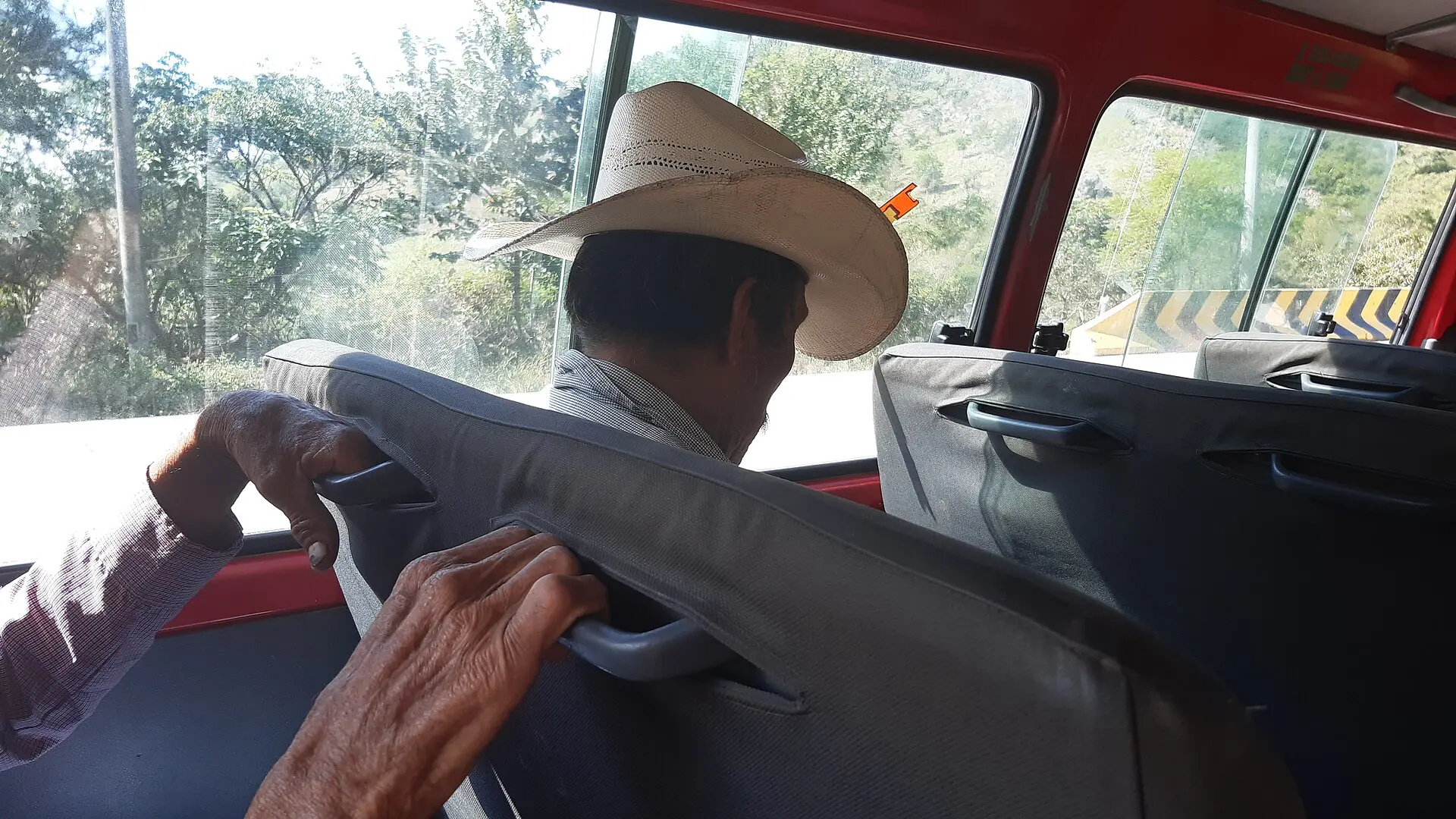
Roads. Avoid night driving, as roads are poorly lit and may have unmarked hazards. Pick first-class buses rather than local chicken buses for longer journeys.
Government measures. Authorities have used states of exception that limit some rights in parts of the country, and checkpoints can be common. Carry ID, be polite and follow instructions.
Nature and health. Hurricanes, flooding and landslides occur, and dengue and malaria are risks in some lowland areas. Tap water is not safe to drink. Get travel insurance with medical cover, and consider evacuation cover for island diving.
Visa and entry requirements for Honduras
Entry rules for Honduras depend on your nationality. Citizens of the US, Canada, the UK, the EU and several other countries have generally been able to enter without a visa for tourist stays of up to 90 days. Honduras belongs to the CA-4 agreement with Guatemala, El Salvador and Nicaragua, which allows one 90-day stay across all four countries, so time spent in one counts against the others.
Bring a passport valid for at least six months, and be ready to show an onward or return ticket. Some travellers are asked for proof of funds or accommodation. Rules and fees for entry, and any health requirements such as a yellow fever certificate if you arrive from a risk country, change, so confirm them with the official Honduran immigration or foreign ministry source, or with a Honduran embassy, before booking.
Land borders with Guatemala, El Salvador and Nicaragua are open at set crossings, with small entry or exit fees. Crossings from Guatemala to Copán Ruinas are common for travellers. Check each border’s hours, and avoid crossing at night. The UNESCO page for Honduras lists the heritage sites, including Copán and the Río Plátano Biosphere Reserve.
Getting to and around Honduras
Most visitors fly into Ramón Villeda Morales International Airport near San Pedro Sula, which is the main gateway for Copán and the north coast, or Juan Manuel Gálvez International Airport on Roatán, which has direct flights from the US and Canada. Tegucigalpa has Toncontín Airport, and the newer Palmerola airport near Comayagua serves some international flights. Schedules change, so check them before booking.
There is no useful passenger rail. Long-distance travel is by bus, from comfortable first-class coaches to crowded local buses, or by shuttle and car. San Pedro Sula to Copán Ruinas takes about three to four hours, San Pedro Sula to La Ceiba about three, and San Pedro Sula to Tegucigalpa about four to five. Shuttle minibuses between tourist towns are the easiest option.
Ferries run from La Ceiba to Roatán and Utila, taking about one to one and a half hours, and small planes also link the islands with the mainland. Book ahead in high season and check sea conditions. If you rent a car, avoid night driving, and watch for potholes, landslides and checkpoints. Within towns, use apps or registered taxis rather than street hails.
How much does a trip to Honduras cost?
Honduras is cheaper than most of the Caribbean and than Costa Rica and Belize, though the Bay Islands cost more than the mainland. The currency is the Honduran lempira (HNL), and US dollars are widely accepted on the islands and by tour operators. The rate has been around 25 to 27 lempiras to one US dollar in recent years, so check it before you go. These are rough per-person guides for 2026.
- Budget: around USD 30 to 50 per day, with hostels or simple rooms, local buses and baleadas or set lunches.
- Mid-range: around USD 50 to 100 per day, with private hotel rooms, restaurant meals and shuttles or ferries.
- High-end: from around USD 150 per day, with Roatán resorts, private transfers and guided excursions.
Roatán accommodation and diving are the main cost drivers, while Utila is the cheapest dive base. Entry to Copán is a modest fee, and tours and rafting trips add up. Local meals are very cheap, with a baleada costing around a dollar or two. Carry cash for small towns, and watch for card skimming at ATMs, using machines inside banks or hotels.
Honduras food and drink
Honduras food is simple, filling and inexpensive, based on corn, beans, plantain, cheese and meat, with seafood and coconut on the Caribbean coast. Street food and market stalls are the best places to eat cheaply, and every town has a comedor serving a daily set meal.
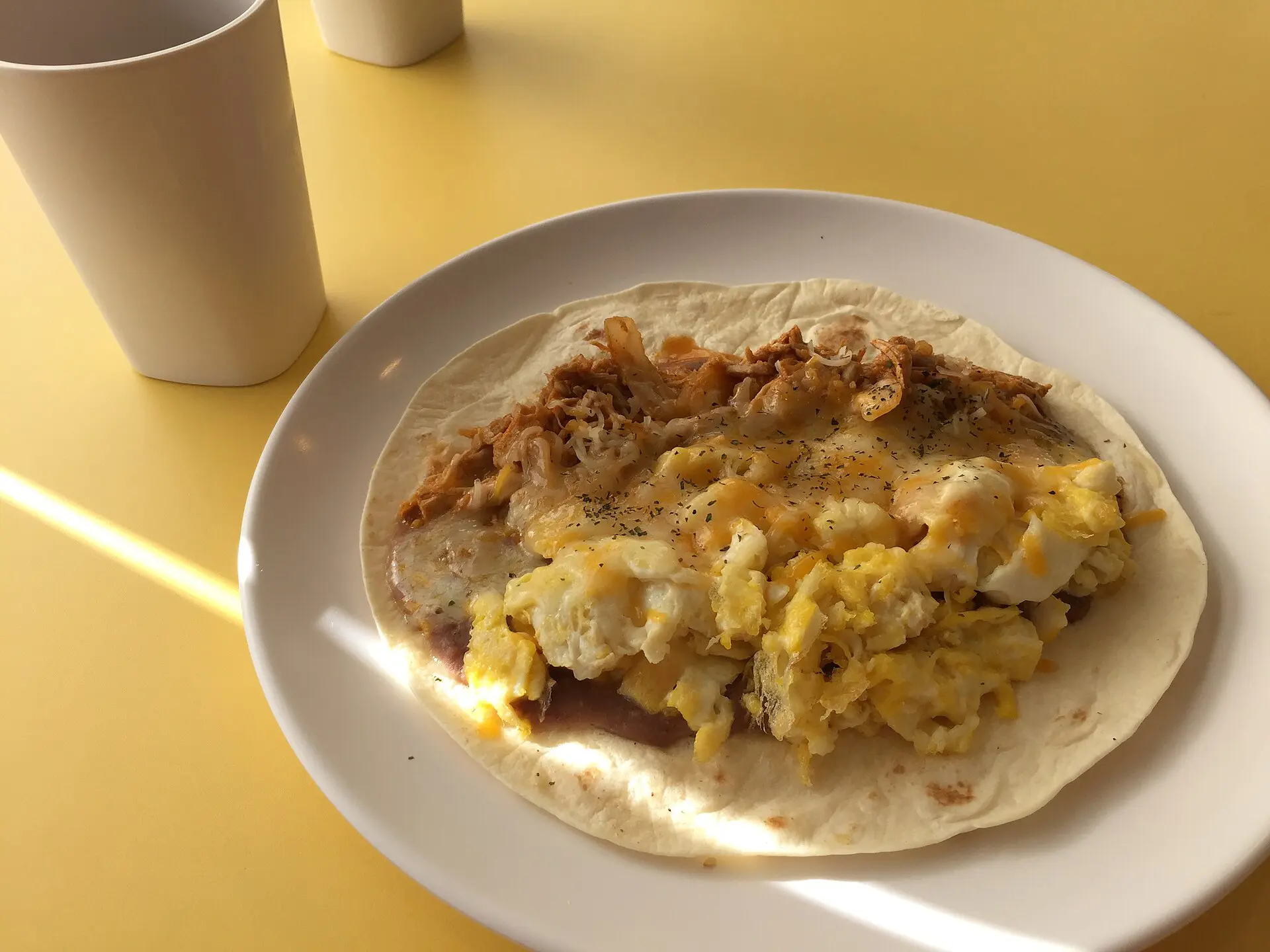
- Baleadas: thick flour tortillas folded around refried beans, crumbly cheese and cream, the national street food.
- Plato típico: a large plate of grilled meat, beans, rice, plantain, cheese and pickled cabbage.
- Sopa de caracol: conch soup in coconut milk, a Garífuna and Bay Islands speciality.
- Pollo chuco: fried chicken with tostones, cabbage and sauce, popular in San Pedro Sula.
- Tapado: a Garífuna stew of fish, plantain and coconut milk.
- Nacatamales and tamales: corn dough parcels with pork or chicken, steamed in banana leaf, often eaten at Christmas.
- Yuca con chicharrón: boiled cassava with fried pork and cabbage salad.
- Coffee and beer: Honduran coffee, notably from Copán and Marcala, and Salva Vida and Port Royal beers.
Eat at busy stalls with hot food, and avoid tap water and ice from unknown sources. Vegetarians can eat baleadas with beans and cheese, and fruit juices, called licuados, are widely sold. Dishes often use lard or meat stock, so ask.
Culture, language and etiquette in Honduras
Spanish is the official language and is spoken almost everywhere. English is common in the Bay Islands, where many people have British Caribbean roots, and in dive shops, but it is limited elsewhere. Indigenous languages and Garífuna are spoken in certain communities, such as the Garífuna villages along the north coast. A few Spanish phrases and polite greetings make a big difference.
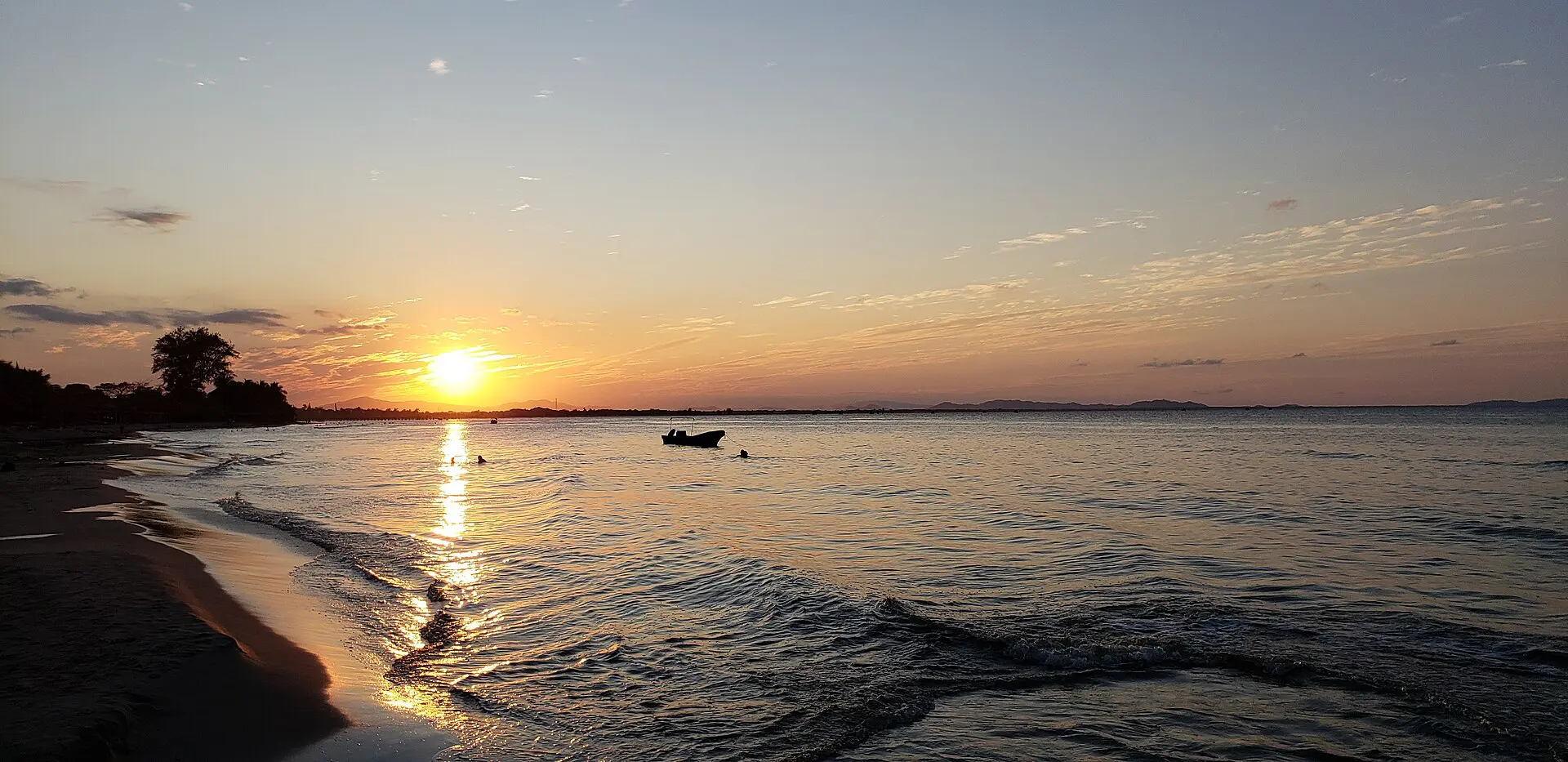
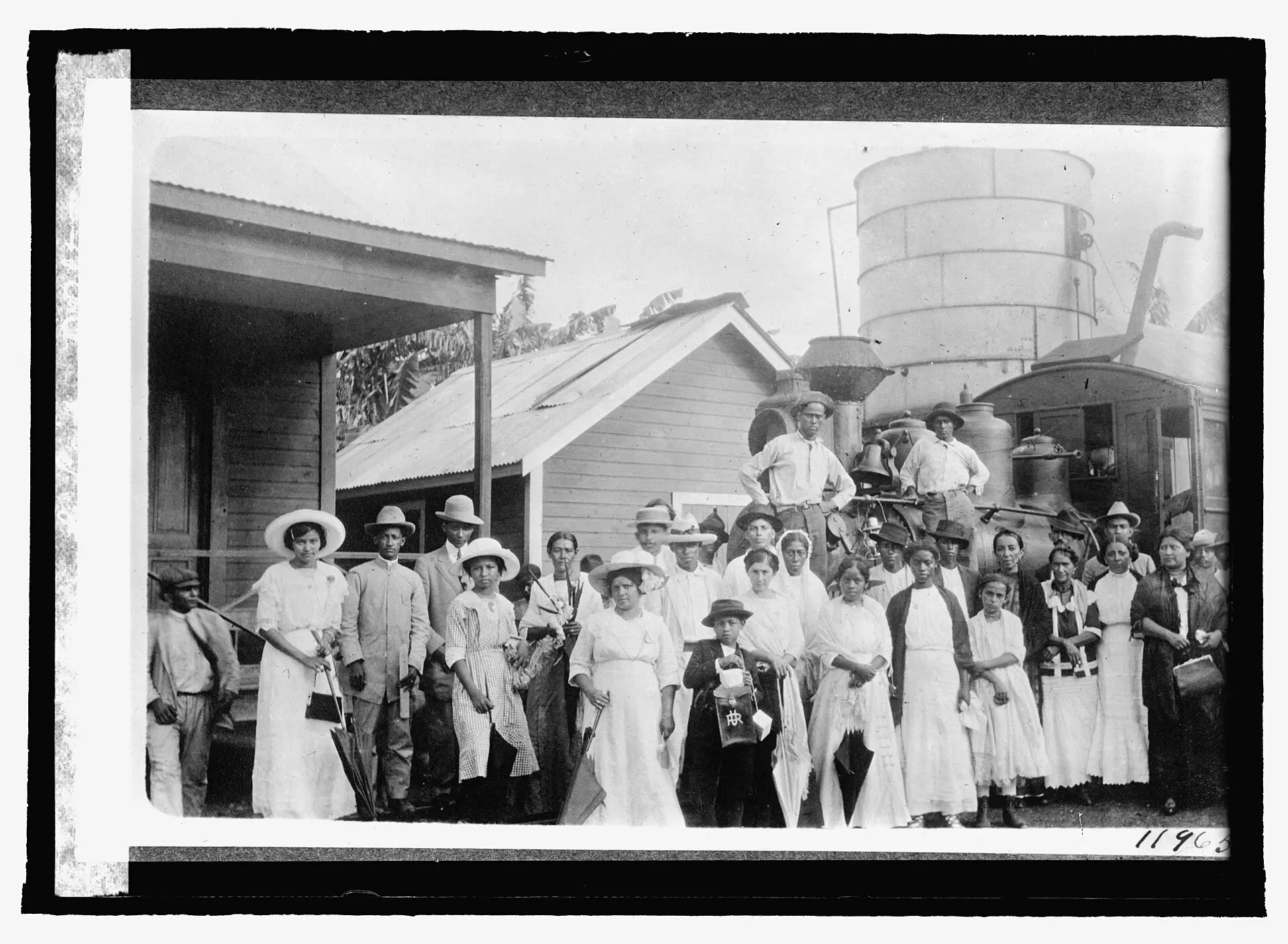
The country has strong Catholic and growing Protestant communities, and its culture blends Indigenous Lenca and Maya heritage, Spanish colonial traditions and Garífuna and Afro-Caribbean influences. Holy Week, the Feria Juniana in San Pedro Sula and Garífuna festivals are notable events. Football is hugely popular, and a match is a good way to meet people.
Greet people with a handshake and a buenos días before asking for help. Dress modestly in towns and churches, and ask before taking photographs of people, especially children. Avoid discussing politics, gangs or drug trafficking, and do not flaunt phones or jewellery. Respect Maya sites by following the rules and not climbing the ruins, and be considerate when visiting indigenous and Garífuna communities.
Honduras itinerary: a 7-day route
This route links Copán, the north coast and the Bay Islands, using the safer, better-served corridor. Keep to daytime travel and use shuttles or first-class buses. Check government advice before booking.
- Day 1, San Pedro Sula to Copán Ruinas: fly in, take a shuttle of about three to four hours and settle in the town.
- Day 2, Copán ruins: tour the site in the morning, then visit Macaw Mountain or the hot springs.
- Day 3, Lake Yojoa: travel about four hours to the lake for birdwatching and a waterfall visit.
- Day 4, La Ceiba: continue to the north coast, and take an afternoon river or forest excursion.
- Day 5, Pico Bonito or Cangrejal: hike or raft in the morning, and cross by ferry to Roatán or Utila in the afternoon.
- Day 6, Bay Islands: dive or snorkel the reef, or relax on West Bay Beach.
- Day 7, return: fly from Roatán to your onward connection, leaving a buffer for ferries and weather.
With extra days, add Utila for whale sharks or Gracias for hot springs and mountain walks. Avoid overnight buses, and skip Tegucigalpa unless you have a reason to go.
Practical tips for Honduras
- Money: the lempira is the currency, and US dollars are accepted in tourist areas. ATMs are common in towns, but use machines inside banks, and carry some cash for small places.
- SIM and eSIM: local prepaid SIMs and eSIMs are cheap, with good coverage in towns and the islands and patchy service in the mountains.
- Plugs: types A and B at 110 V, as in North America.
- Tipping: about 10 percent in restaurants if service is not included, and tip guides and dive staff.
- Health: use repellent for dengue, ask about malaria and vaccines, drink bottled water and carry travel insurance with medical cover.
- Packing: light clothes, a rain jacket, sun protection, sturdy shoes and a dry bag for boat trips.
- Security: keep a copy of your passport, avoid night travel, use hotel-arranged taxis and keep a spare card and cash separate.
For wider background, see the Wikivoyage Honduras guide.
FAQ
Q1What is Honduras food like?
Honduras food is based on corn, beans, plantain, cheese and meat. Try baleadas (flour tortillas with beans and cheese), plato típico, sopa de caracol (conch soup), pollo chuco, tapado and nacatamales. Honduran coffee and Salva Vida beer are widely available. Meals are cheap.
Q2Is Honduras safe?
Honduras is safe in places such as Copán Ruinas, Roatán and Utila, but it has high crime in cities such as San Pedro Sula and Tegucigalpa. Avoid night travel, use registered taxis and keep valuables hidden. Check the FCDO and US State Department advice before you go.
Q3What are the best things to do in Honduras?
Top things are exploring the Maya ruins of Copán, diving and snorkelling in Roatán and Utila, swimming with whale sharks, rafting the Cangrejal River, hiking in Pico Bonito, birdwatching at Lake Yojoa and visiting Garífuna communities on the north coast.
Q4What is the best time to visit Honduras?
February to May is best, with dry weather and calm seas. The wet season and hurricane risk run from June to November, peaking in September and October. The Bay Islands are good for diving most of the year, but the north coast can be rainy in winter.
Q5What are the best places to visit in Honduras?
The best places are Copán Ruinas for the Maya site, Roatán and Utila in the Bay Islands for diving, La Ceiba and Pico Bonito for rainforest, Lake Yojoa for birds and Gracias and Comayagua for colonial history. Most tourists avoid Tegucigalpa and San Pedro Sula beyond transit.
Q6Is Honduras safe to visit for tourists?
Yes, if you plan carefully. Tourist areas have far less crime than the cities, and most visitors have trouble-free trips. Travel by day, use trusted transport, stay alert in cities and follow local advice. Some border and rural areas are best avoided, so check official guidance.
Q7How many days do you need in Honduras?
Seven days is enough for Copán, the north coast and a few nights in the Bay Islands. Add three or four days for Lake Yojoa, Gracias or diving courses. Divers often spend a week or more in Utila or Roatán alone.