
Why visit Roatan
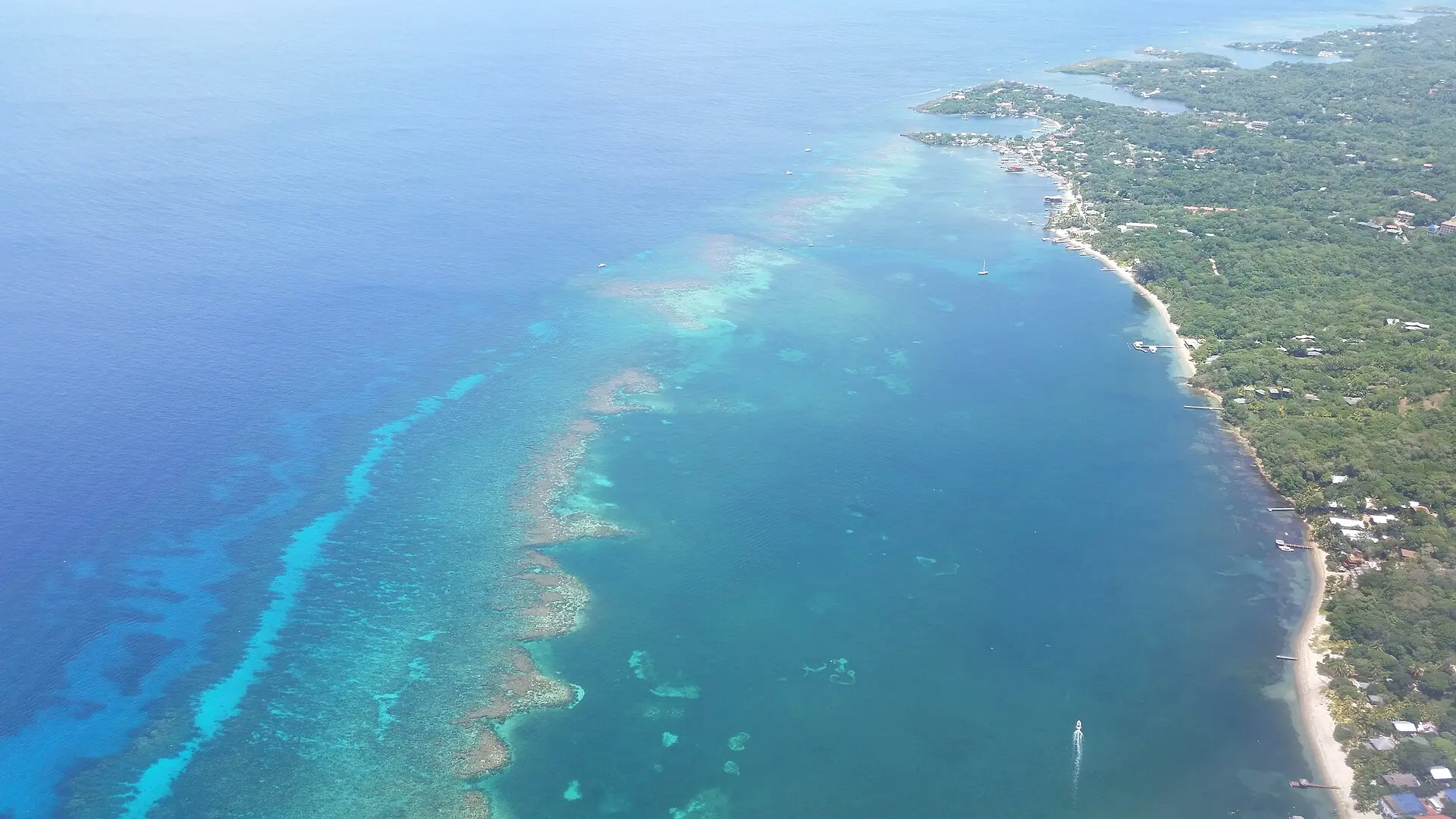
If you are comparing things to do in Roatan, the headline is the reef. This is the largest of the Bay Islands of Honduras, set in the Caribbean Sea, and it rests on an exposed ancient coral reef that rises to about 270 metres above sea level. Offshore reefs make it one of the most accessible places in the region for diving and snorkeling, and many dive sites are a short boat ride from the shore.
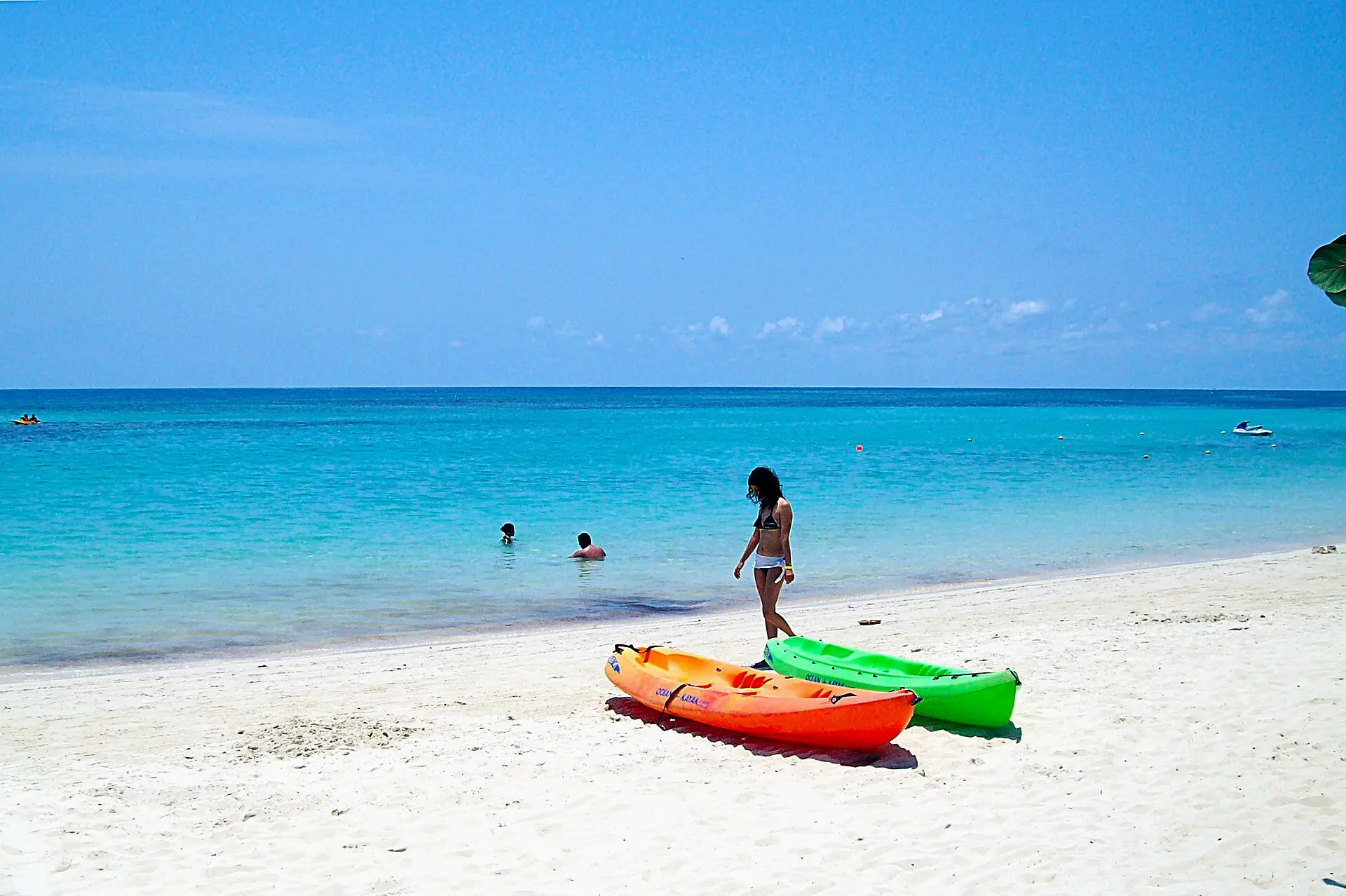

About 110,000 people lived on the island in 2020, mostly in the western part, where most of the tourism is concentrated. West Bay, at the far western end, has some of the best sand on the island, while West End has a lively strip of restaurants, shops and dive operators. The eastern part is quieter and more local.
Roatan suits divers, snorkelers and beach travellers, and it works well as a relaxed add-on to a trip to mainland Honduras. It is not a place for big-city sightseeing, so plan around the water and the weather. Governments urge caution in Honduras because of crime, so check your own government’s current travel advice before booking and take normal care with valuables and night-time transport.
Top things to do in Roatan

West Bay Beach
West Bay is arguably the best stretch of beach in the west, with powder-white sand and a reef a short swim from the shore. Plan a half-day or more. Bring reef-safe sunscreen, and note that some stretches are busier when cruise ships are in port.
Snorkeling at the shore reef
Reefs lie close to the beach in several places, especially around the western tip. You can swim out on your own at calm spots or join a boat trip. Check the conditions with a local operator, as currents and wind can change quickly.
Scuba diving
The island is known for diving, with walls, wrecks and shallow reefs. Beginners can try an introductory dive, and certified divers can book multi-dive packages. Choose an established operator, ask about safety records and group sizes, and check your insurance covers diving.
West End village
West End is the island’s main backpacker and traveller hub, with bars, restaurants and dive shops along one main road. Allow an evening to walk, eat and watch the sunset. Spend beach time at West Bay and bar time at West End, as travellers often put it.
Sunset boat or kayak trips
Short boat and kayak trips run along the coast and into sheltered bays. Allow two to three hours. Book through your accommodation or a licensed operator, and bring a light waterproof layer and plenty of water.
Mangrove and cays tours
Guided tours take visitors through coastal mangroves and out to nearby cays, offering a quieter view of local wildlife and shoreline. Plan half a day. Check tour size and routes, and avoid operators that allow feeding or touching marine life.
Eastern villages and local food
Away from the main resorts, the eastern end has fishing villages and a more local feel. Hire a driver or rent a vehicle for a day. Try fresh seafood, and expect roads to be rougher and services more limited than in the west.
Best time to visit Roatan
Roatan has a tropical climate with warm temperatures year-round. The drier months, roughly February to May, are generally the most popular for diving and beach days. The wetter period tends to run from around October to January, when heavier showers and rougher seas are more likely.
| Season | Weather | Crowds and prices |
|---|---|---|
| Dry season (Feb-May) | Warm, sunny, calmer seas | Busiest; higher prices around Easter |
| Summer (Jun-Sep) | Hot, humid, scattered showers; hurricane season starts | Moderate, with some deals |
| Wet season (Oct-Jan) | Heavier rain, choppier seas | Quieter; some businesses reduce hours |
The Atlantic hurricane season runs through autumn, so check forecasts and consider flexible bookings and travel insurance.
How to get to Roatan and around
Most visitors fly into Juan Manuel Galvez International Airport, which has flights from mainland Honduras and some international gateways, including routes from the United States. Check current schedules, as seasonal services change. You can also connect through San Pedro Sula or other Honduran cities.
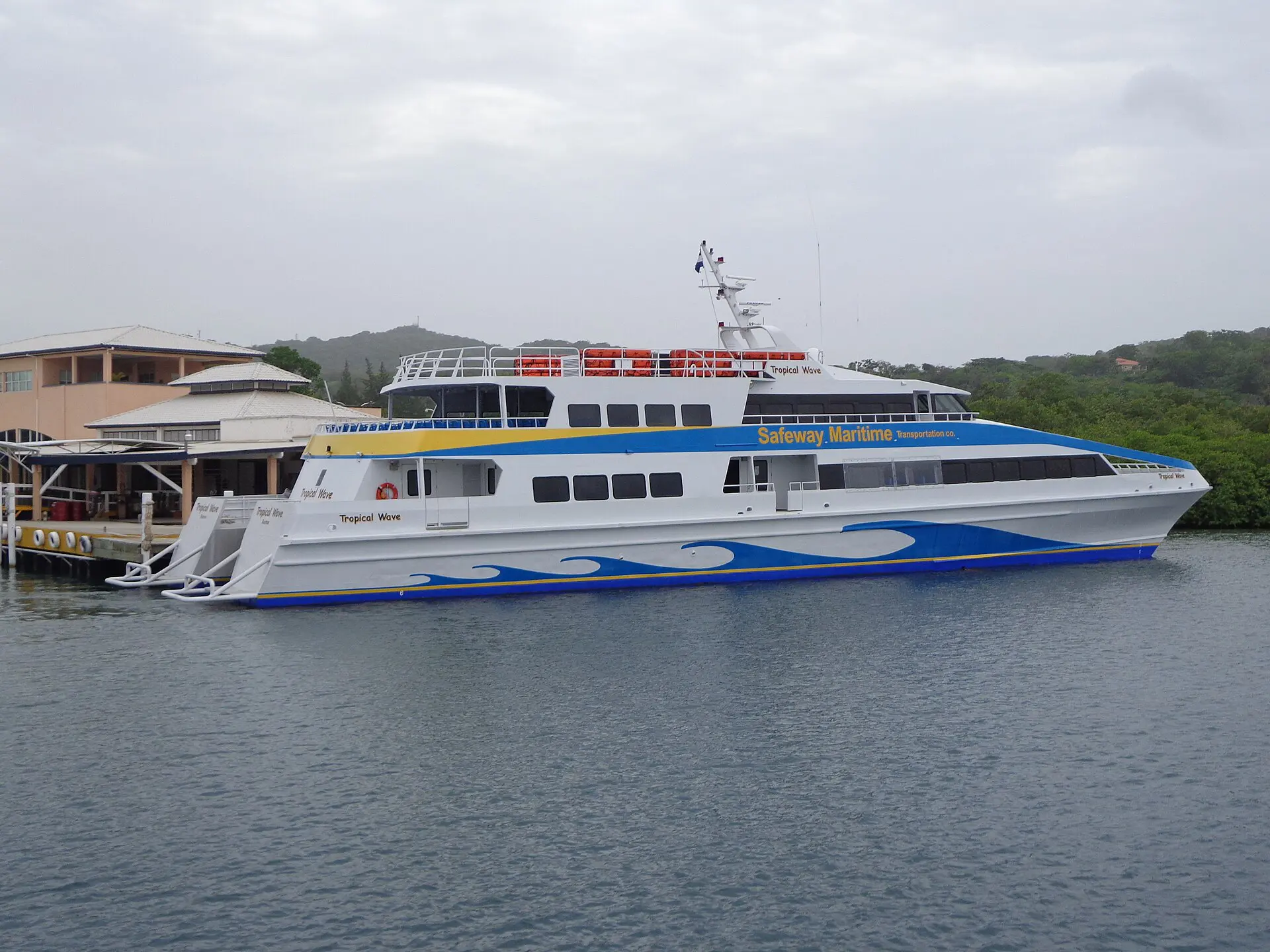

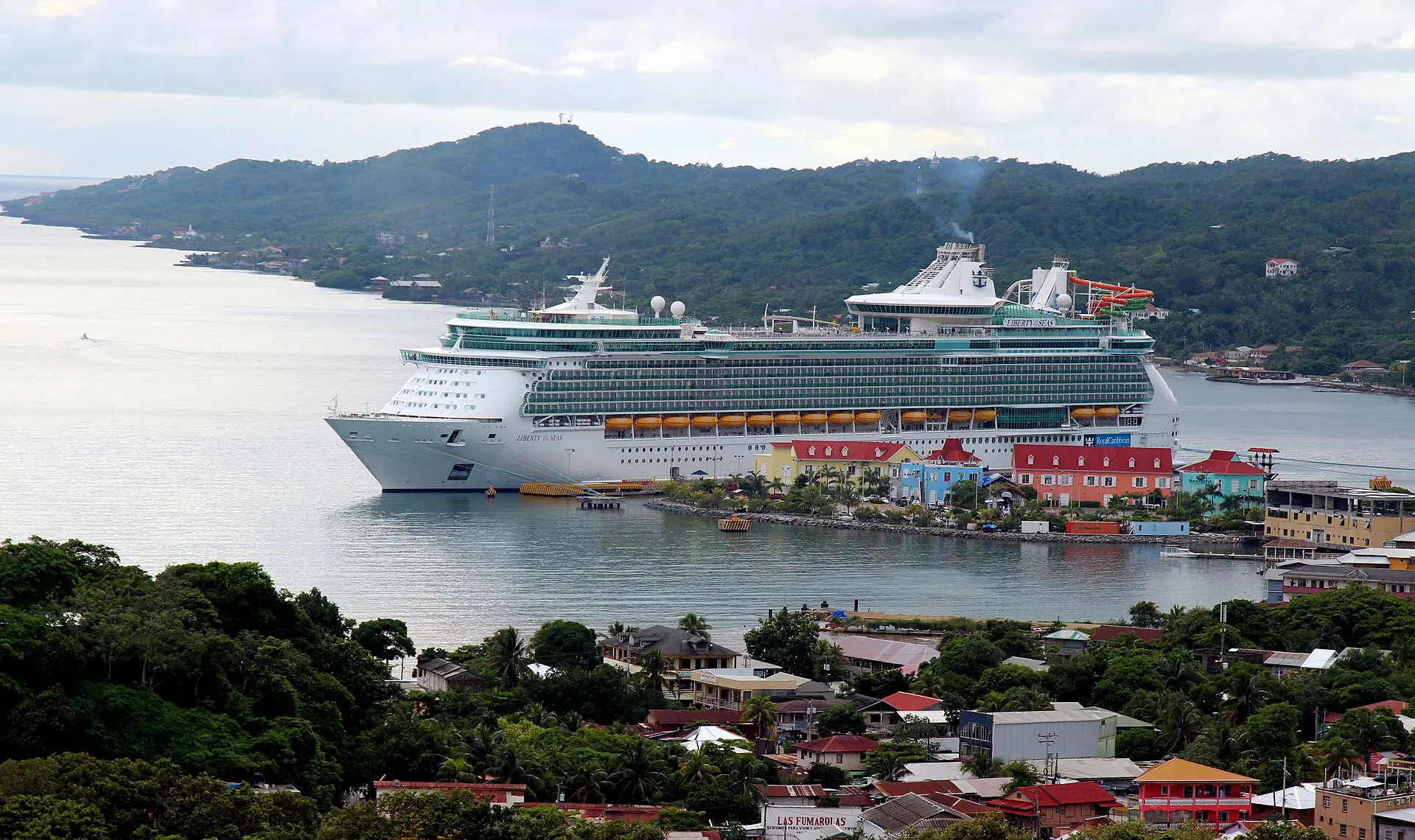
A ferry links La Ceiba on the mainland with the island, and cruise ships call at ports on the island, which can mean busier days at certain beaches. Check timetables and weather, since rough seas can cancel sailings.
On the island, taxis and shared minibuses run along the main road between the towns and beaches. Fares are not always metered, so agree a price before you set off. Renting a vehicle is an option for exploring the east but is not essential for most stays focused on West Bay and West End.
Where to stay in Roatan
West Bay suits beach lovers and families. It has resorts and smaller hotels close to the sand and reef, and it is more upmarket and generally more expensive. You can swim and snorkel from the beach, but dining options are fewer than in West End.
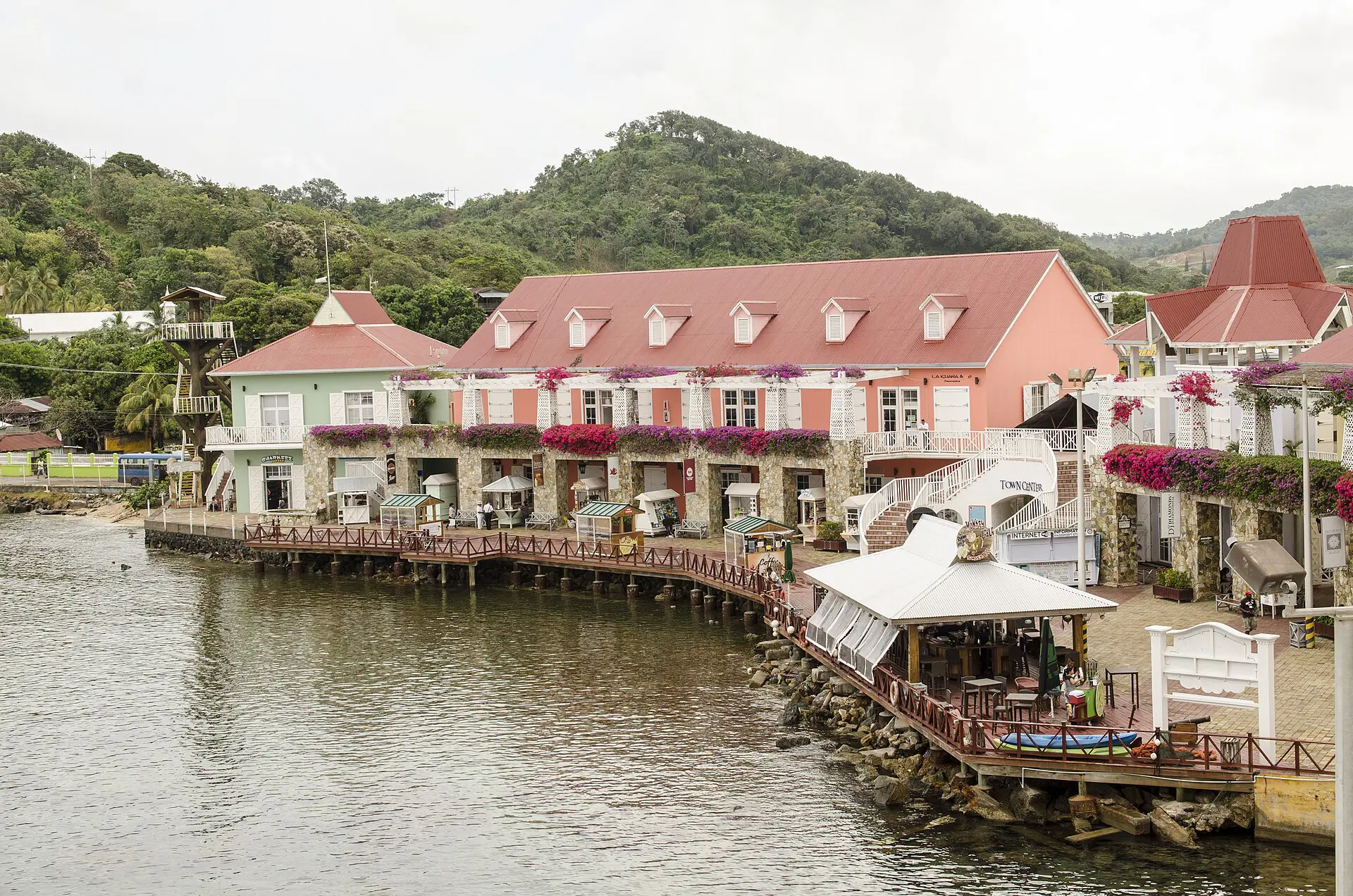

West End suits independent travellers and divers, with a mix of guesthouses, small hotels and dive-focused lodging within walking distance of restaurants and dive shops. It is livelier in the evening and a convenient base for diving, though the beach itself is limited.
For a quieter stay, look at smaller communities along the north or east shore, where private villas and small lodges give more space. A car or reliable taxi is useful there. Book early in the dry season and around holidays, when the best properties fill up.
How many days do you need?
Four to six days is a comfortable stay in Roatan, giving time for a few dives or snorkeling trips, beach days and a quiet evening or two in West End. A long weekend of three days works if you only want a beach break, while divers often plan a week or more.
- Day 1: Settle in at West Bay, swim and snorkel from the beach, and enjoy the sunset.
- Day 2: Take a boat trip for diving or snorkeling on the reef, then dine in West End.
- Day 3: Join a mangrove or cay tour, or kayak along the coast.
- Day 4 onward: Add more dives, visit eastern villages or simply relax on the beach.
Day trips and nearby
Utila
Utila, another Bay Island, is known for budget diving and whale shark sightings in season. It is reached by ferry from La Ceiba rather than directly from Roatan in most cases, so plan it as a separate stop of a few days.
La Ceiba
La Ceiba on the mainland is the ferry hub and a base for rafting and nature trips in the nearby mountains. Plan it as part of a mainland add-on rather than a day trip from Roatan.
Cayos Cochinos
These small cays off the mainland coast are known for clear water and marine reserves. Trips usually leave from La Ceiba or the nearby coast, and they suit visitors who want a quieter reef experience.
Guanaja
Guanaja is the least visited of the main Bay Islands and offers a quiet, remote atmosphere. Services are limited, so check transport options in advance if you want to add it.
FAQ
Q1When is the best time to visit Roatan?
February to May is the most popular period, with dry weather and calmer seas that suit diving and beach days. The wetter months, roughly October to January, bring heavier rain and rougher seas but fewer visitors. Check hurricane forecasts for late summer and autumn.
Q2How many days do you need in Roatan?
Four to six days works for most travellers, balancing diving or snorkeling, beach time and some evenings in West End. A long weekend of three days suits a quick beach break, while divers often stay a week or longer.
Q3How do you get to Roatan?
Fly into Juan Manuel Galvez International Airport, with flights from mainland Honduras and some international hubs, or take the ferry from La Ceiba. Check current schedules, since seasonal flights change and rough seas can disrupt the ferry.
Q4Is Roatan expensive?
Roatan is generally cheaper than many Caribbean islands, but prices are higher than on the Honduran mainland. West Bay resorts cost more than West End guesthouses. Dive packages, restaurants and transfers add up, so compare options and book in advance.
Prices, schedules and entry rules change. Check current details with official sources before you travel. Read the Honduras travel guide.